
Identifying Butterflies That Mimic Monarch: Easy Guide

Have you ever seen a butterfly that looks like a monarch? It can be tricky to tell them apart! Some butterflies are good at pretending. They want to look like the monarch. This helps them stay safe from birds. Identifying butterflies that mimic monarch can be a fun challenge. Let’s learn how to spot the real monarchs. We will also learn about the copycats.
Butterflies use mimicry to protect themselves. It’s like wearing a costume. This costume makes them look like something else. Are you ready to become a butterfly detective?
Sometimes, butterflies aren’t what they seem. Some butterflies try to fool predators. They do this by looking like monarch butterflies. Monarchs taste bad to birds. So, birds avoid them. Other butterflies copy the monarch’s colors and patterns. This trick is called mimicry. Identifying butterflies that mimic monarch involves looking closely. We need to know what to look for.
Key Takeaways
- Identifying butterflies that mimic monarch helps protect these amazing insects.
- Viceroy butterflies are the most common monarch mimics in North America.
- Monarchs have bolder, more distinct wing patterns than their mimics.
- Size and flight patterns can also help tell the difference between species.
- Paying attention to the black lines on the wings is very important.
Why Butterflies Mimic Monarchs?
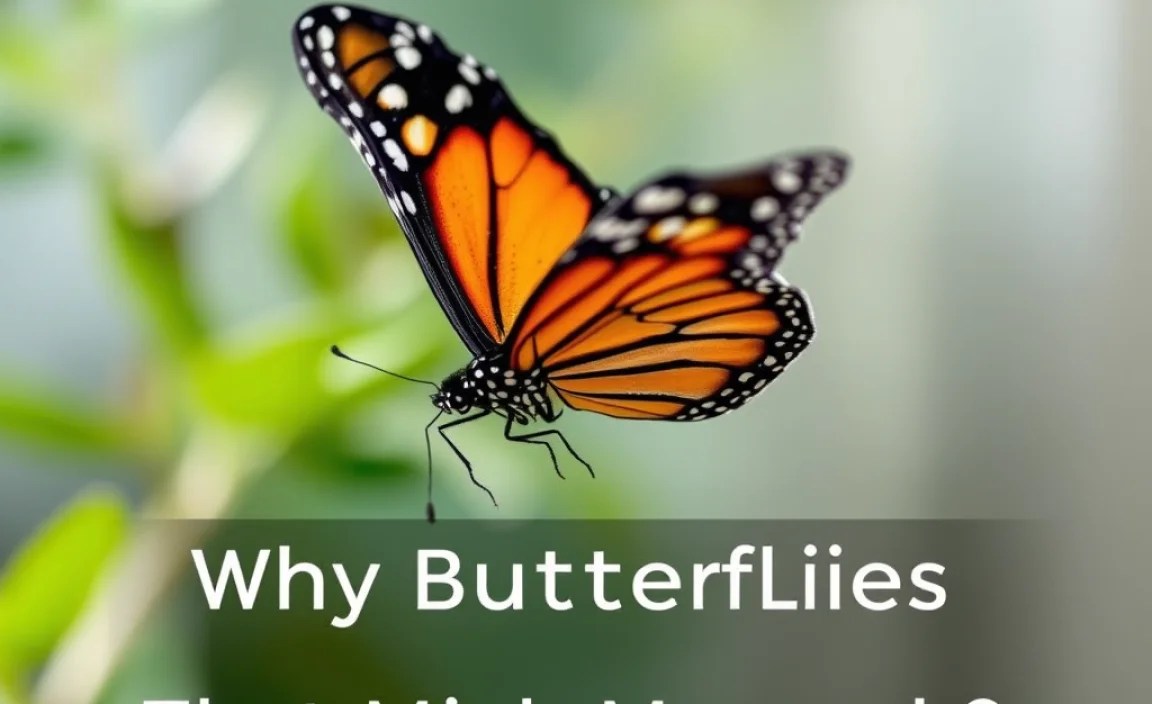
Many butterflies mimic monarchs to avoid predators. Monarch butterflies eat milkweed. Milkweed makes them taste bad to birds and other predators. Predators learn to avoid monarchs because of their bad taste. Some other butterflies evolved to look like monarchs. This is called Batesian mimicry. These mimics are not poisonous. They just look like they are. Birds avoid them, too. Identifying butterflies that mimic monarch is important. It helps us understand this cool trick of nature. The viceroy butterfly is a well-known monarch mimic. It has similar colors and patterns. This helps it survive in the wild.
- Mimicry helps butterflies avoid predators.
- Monarchs taste bad because they eat milkweed.
- Viceroy butterflies are common monarch mimics.
- Batesian mimicry is when a harmless species mimics a harmful one.
- Predators avoid anything that looks like a monarch.
Mimicry is a powerful survival tool in the insect world. It allows vulnerable species to gain protection by resembling a dangerous or unpalatable one. The monarch’s bright colors serve as a warning to predators. This is called aposematism. The mimic butterflies take advantage of this warning. They trick predators into thinking they are also distasteful. This reduces their risk of being eaten. Identifying butterflies that mimic monarch helps us appreciate the complexity of nature. It shows how different species interact and evolve together. Understanding mimicry can teach us a lot about evolution and survival.
Fun Fact or Stat: Some butterfly species mimic multiple different poisonous species depending on their geographic location.
What Is Batesian Mimicry?
Have you ever pretended to be someone else for fun? Some butterflies do this to stay alive. Batesian mimicry is when a harmless animal looks like a harmful one. The monarch butterfly is harmful because it tastes bad. The viceroy butterfly is harmless but looks like a monarch. Birds that have tried to eat a monarch will avoid viceroys too. This helps the viceroy survive. Identifying butterflies that mimic monarch is about knowing who is pretending. It’s like spotting someone in a costume party. The mimic benefits from the bad reputation of the model.
Why Is Mimicry Effective?
Mimicry works because predators learn from experience. Imagine a bird eating a monarch butterfly. The bird will have a bad experience because the monarch tastes awful. The bird remembers the monarch’s colors and patterns. Next time, the bird sees a butterfly with similar colors. Even if it is a tasty viceroy, the bird will avoid it. The viceroy gets a free pass because it looks like a monarch. Identifying butterflies that mimic monarch helps us understand how this trick works. It’s all about fooling the predator. The more convincing the mimic, the better its chances of survival.
Examples of Other Mimics
Monarchs aren’t the only butterflies that get mimicked. Other butterfly species also use mimicry to survive. The swallowtail butterfly has several mimics. Some female swallowtails mimic poisonous pipevine swallowtails. This protects them from predators. Identifying butterflies that mimic monarch is just one example of this amazing adaptation. Mimicry is common in the insect world. It shows how animals adapt to their environment. Learning about different kinds of mimicry can be very interesting. It shows the power of evolution.
Key Differences in Wing Patterns
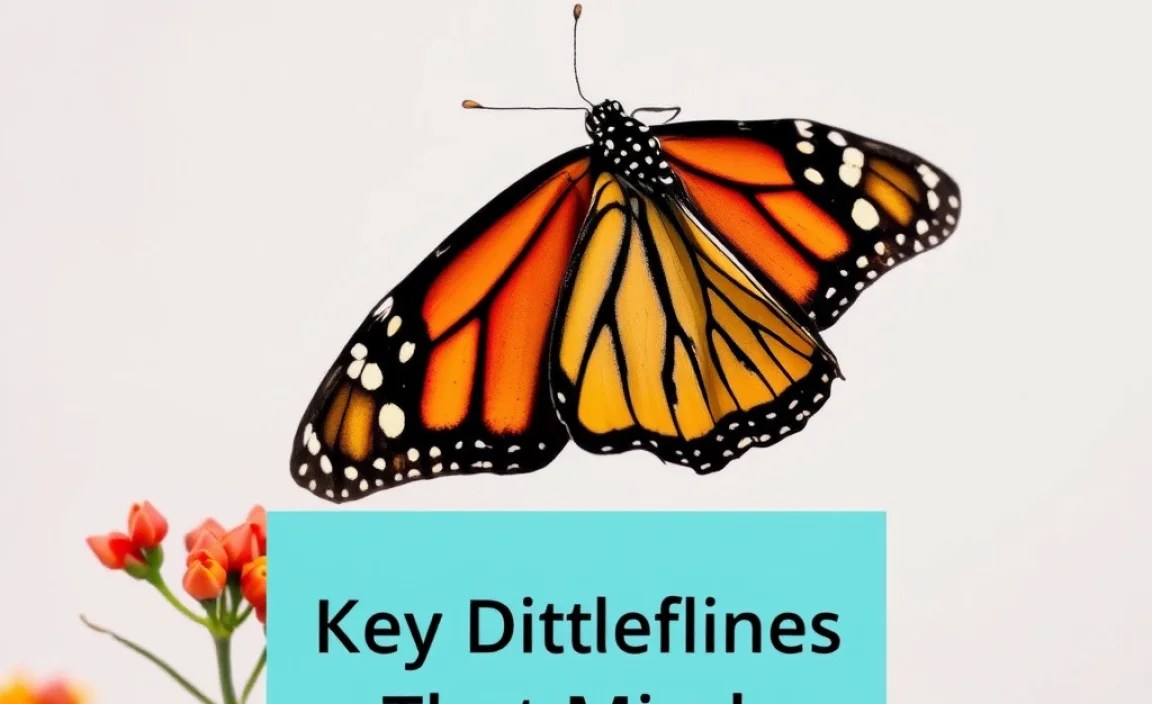
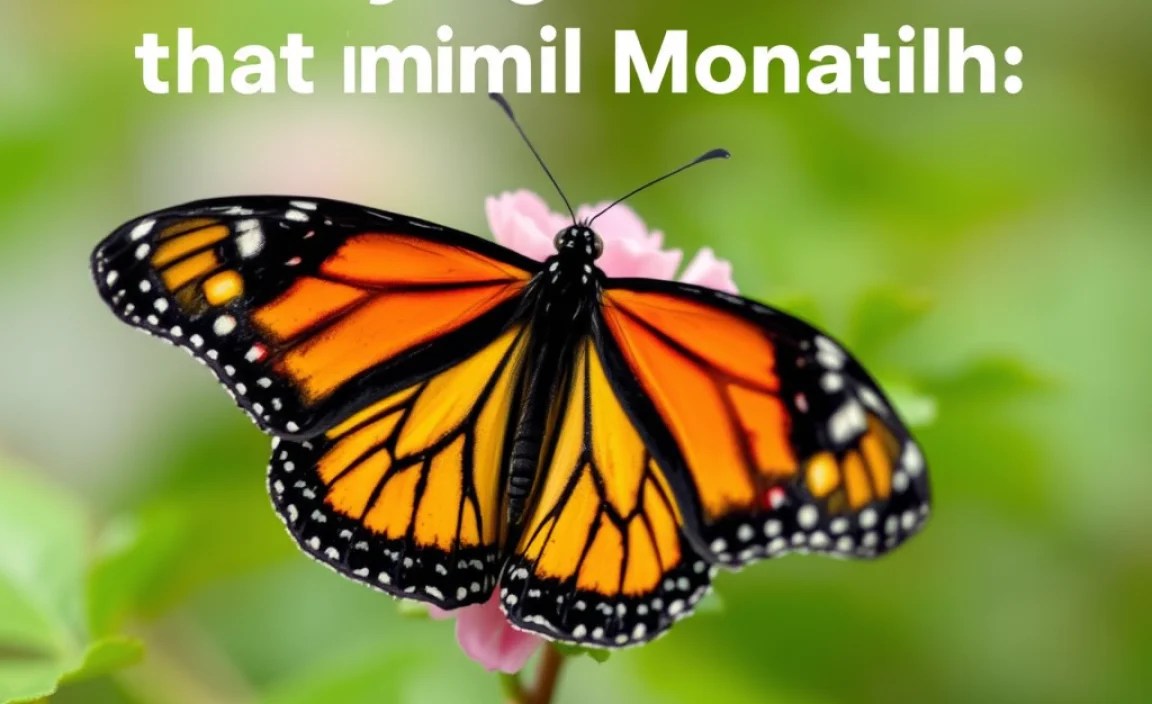
Wing patterns are key to identifying butterflies that mimic monarch. Monarchs have bold, black veins on their wings. These veins stand out clearly against the orange background. Viceroy butterflies have a black line across their hindwings. Monarchs do not have this line. Look closely at the wing edges. Monarchs have distinct black borders with white spots. The viceroy’s borders are similar. However, the overall pattern is less defined. Pay attention to the size and shape of the wings. Monarch wings are usually larger and more rounded. Viceroy wings are slightly smaller and more angular. Observing these details can help you tell them apart.
- Monarchs have bold black veins on their wings.
- Viceroys have a black line across their hindwings.
- Monarchs have distinct black borders with white spots.
- Viceroy wing patterns are less defined.
- Monarch wings are larger and more rounded.
- Viceroy wings are smaller and more angular.
The differences in wing patterns are not just for show. They play a crucial role in fooling predators. Birds and other animals learn to recognize the monarch’s specific pattern. They avoid anything that looks like it. Even small variations in the pattern can make a big difference. Mimics need to be convincing to gain protection. Identifying butterflies that mimic monarch requires careful observation. You need to train your eye to spot these subtle differences. The more you practice, the better you will become at it. This is a fun and rewarding skill to develop.
Fun Fact or Stat: Some mimic butterflies can even fool human experts at first glance!
Vein Patterns on the Wings
Have you ever looked closely at a butterfly’s wings? The veins are like tiny roads on the wings. Monarchs have thick, black veins. These veins are easy to see. They make a strong pattern. Viceroy butterflies also have veins. But their veins are thinner. They are not as bold as the monarch’s veins. Identifying butterflies that mimic monarch often starts with looking at the veins. The vein pattern is a clear clue. It helps you tell the difference between the two. Pay attention to how the veins connect and spread across the wings.
The Black Line Test
Imagine you are a butterfly detective. You need to solve the mystery. Is it a monarch or a viceroy? The black line test is a great tool. Look at the hindwings. Does it have a black line that goes across? If yes, it’s a viceroy. Monarchs don’t have this line. Identifying butterflies that mimic monarch becomes easier with this test. It’s like having a secret code. The black line is the key. This simple trick can help you identify the butterfly quickly and accurately.
Edge Patterns and Borders
The edges of a butterfly’s wings can tell a story. Monarchs have black borders with white spots. These spots are usually very clear and distinct. Viceroy butterflies also have black borders with white spots. But the spots may be smaller. They might not be as well-defined. Identifying butterflies that mimic monarch involves checking these edge patterns. The border is like the frame of a picture. It adds to the overall appearance. Pay attention to the shape and size of the spots. This can help you solve the butterfly puzzle.
Size and Shape Comparisons
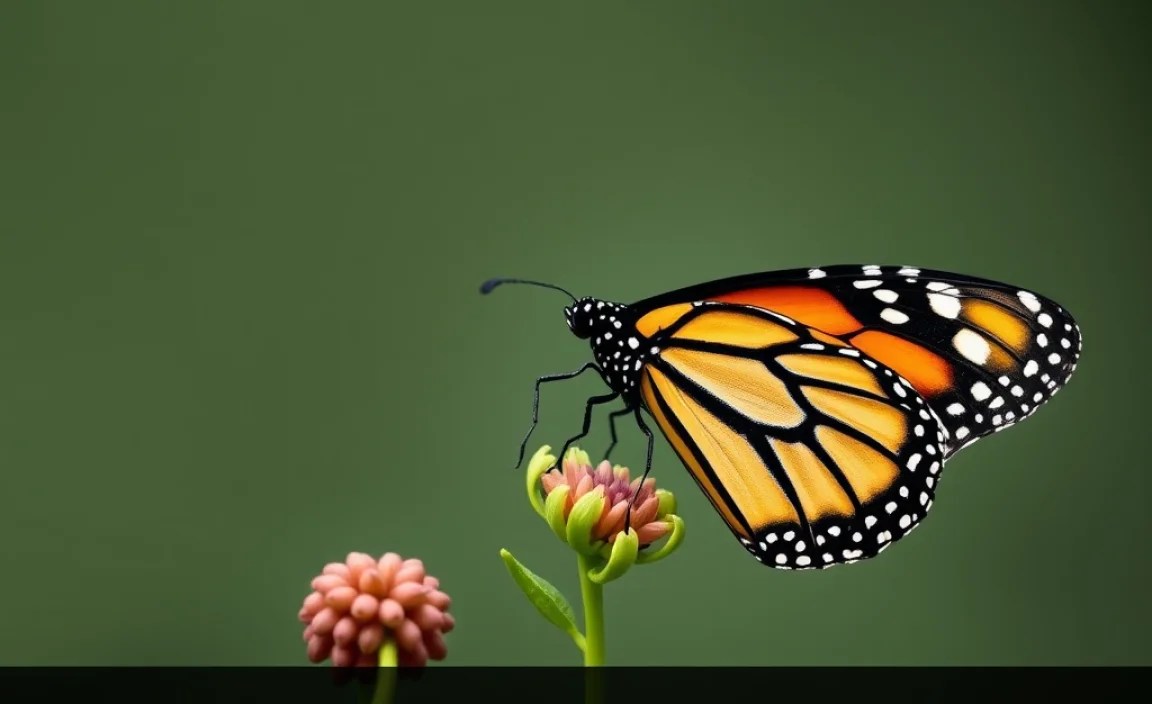
Size and shape are important factors in identifying butterflies that mimic monarch. Monarchs are generally larger than viceroys. An adult monarch can have a wingspan of 3.5 to 4 inches. Viceroys are smaller, with a wingspan of 2.5 to 3 inches. The shape of the wings also differs slightly. Monarchs have more rounded wings. Viceroys have more angular or triangular wings. Observe the overall size and shape of the butterfly. This can provide valuable clues. Remember, these are general guidelines. There can be some variation within each species. Combining this information with other characteristics is best.
| Feature | Monarch Butterfly | Viceroy Butterfly |
|---|---|---|
| Size (Wingspan) | 3.5 – 4 inches | 2.5 – 3 inches |
| Wing Shape | Rounded | Angular/Triangular |
| Black Line on Hindwing | Absent | Present |
| Vein Patterns | Bold, Black | Thinner |
Size and shape can be influenced by environmental factors. The availability of food and the temperature during development can affect the size of a butterfly. This means that not all monarchs will be large. Not all viceroys will be small. However, on average, monarchs tend to be larger. Paying attention to both size and shape, along with other identifying features, will improve accuracy. Identifying butterflies that mimic monarch is a skill that improves with practice. The more you observe, the better you become at noticing subtle differences. It’s like learning to recognize faces. You start to see the unique features that distinguish one individual from another.
Fun Fact or Stat: Some scientists believe viceroys evolved to mimic monarchs to avoid being eaten by birds, but viceroys also taste bad, so it could be a case of Mullerian mimicry!
Measuring Wingspans
Do you want to be a real butterfly scientist? You can measure a butterfly’s wingspan. Use a ruler or measuring tape. Gently hold the butterfly. Be careful not to hurt it. Measure from one wingtip to the other. This gives you the wingspan. Identifying butterflies that mimic monarch can be easier with this measurement. Write down the wingspan. Compare it to the average size for monarchs and viceroys. This will give you another clue about which butterfly you have found. Remember to be gentle and respectful of the butterfly.
Observing Wing Angles
Look at the shape of the wings. Are they rounded or pointy? Monarchs have rounded wings. They look soft and curved. Viceroys have more angular wings. They look like triangles. Identifying butterflies that mimic monarch includes noticing these angles. The wing shape is a subtle clue. It can help you confirm your identification. Imagine the wings as different shapes. This helps you see the difference clearly. Pay attention to the tips of the wings. Are they sharp or rounded?
Comparing Body Size
Besides the wings, look at the body. Monarchs tend to have slightly larger bodies than viceroys. The body is the main part of the butterfly. It is where the legs and antennae are attached. Identifying butterflies that mimic monarch sometimes involves comparing body sizes. This can be tricky because the body is small. However, if you look closely, you might notice a difference. This is another small clue to help you solve the butterfly puzzle. Remember to look at all the clues together.
Flight Patterns and Behavior
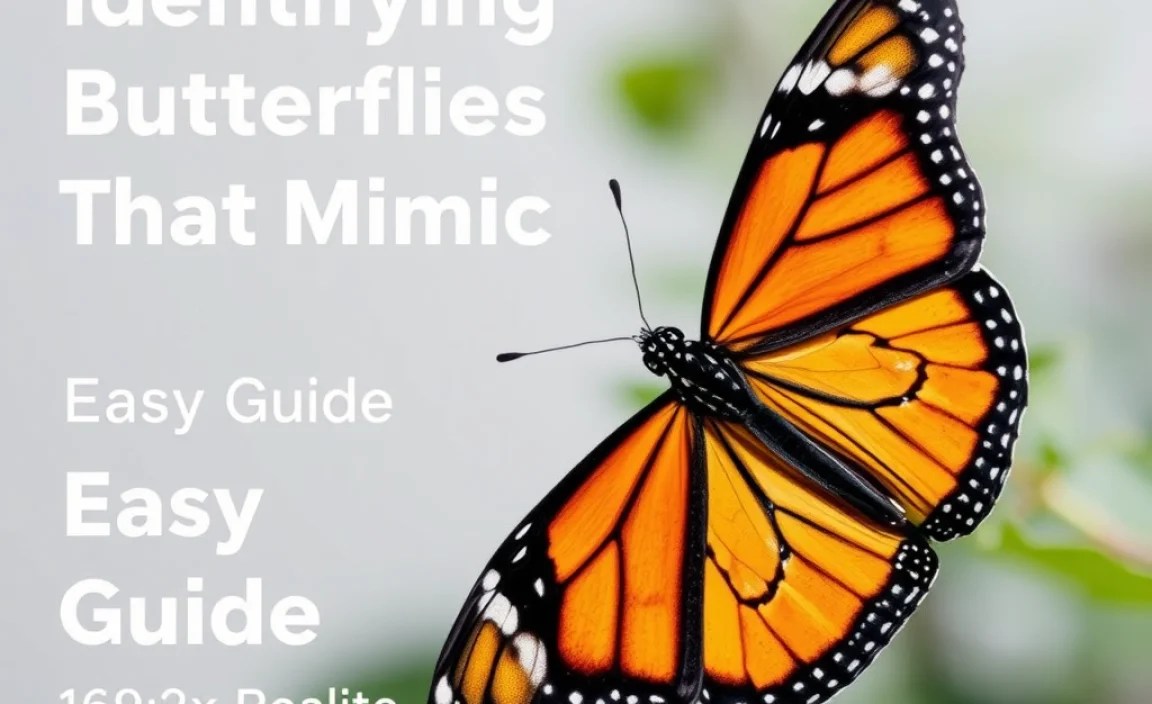
Flight patterns can help in identifying butterflies that mimic monarch. Monarchs have a strong, gliding flight. They often soar through the air. Viceroys have a faster, more erratic flight. They flap their wings more often. Observe how the butterfly moves. Does it glide smoothly or flap quickly? Monarchs are known for their long migrations. They travel thousands of miles each year. Viceroys do not migrate as far. Their behavior is different. Pay attention to where you see the butterfly. This can also provide clues. Monarchs are often found in open fields and meadows. Viceroys are often near wetlands and forests.
- Monarchs have a strong, gliding flight.
- Viceroys have a faster, more erratic flight.
- Monarchs often soar through the air.
- Viceroys flap their wings more often.
- Monarchs are known for long migrations.
- Viceroys do not migrate as far.
- Monarchs prefer open fields and meadows.
Flight patterns are influenced by wing shape and size. Monarchs’ larger, rounded wings allow them to glide efficiently. Viceroys’ smaller, more angular wings require more flapping. Weather conditions can also affect flight patterns. On windy days, both butterflies may flap more to maintain control. However, the general difference in flight style remains. Identifying butterflies that mimic monarch is a combination of observation and knowledge. The more you learn about these butterflies, the better you become at telling them apart. Understanding their flight patterns is another tool in your butterfly detective kit.
Fun Fact or Stat: Monarch butterflies can fly up to 25 miles per hour!
Glide vs. Flap
Imagine a bird soaring in the sky. It glides effortlessly. This is like a monarch’s flight. Now imagine a hummingbird. It flaps its wings very fast. This is like a viceroy’s flight. Monarchs glide more than they flap. Viceroys flap more than they glide. Identifying butterflies that mimic monarch includes watching how they move. Do they spend more time gliding or flapping? This is an important clue. It can help you tell them apart. Practice watching butterflies in your backyard or park.
Migration Habits
Monarch butterflies are famous for their long migrations. They travel thousands of miles to warmer climates. This is a unique and amazing journey. Viceroys do not migrate as far. They stay closer to their home areas. Identifying butterflies that mimic monarch can involve thinking about migration. Did you see the butterfly in the fall? Was it heading south? It might be a monarch. Migration is a big difference between these two butterflies. It’s an important clue to consider.
Habitat Preferences
Where do you find these butterflies? Monarchs love open fields and meadows. They need milkweed plants to lay their eggs. Viceroys prefer wetlands and forests. They like areas with trees and water. Identifying butterflies that mimic monarch can involve looking at their habitat. Are you in a field of milkweed? It’s more likely to be a monarch. Are you near a pond or stream? It could be a viceroy. Habitat is another piece of the puzzle. It helps you solve the butterfly mystery.
Geographic Location Matters
Geographic location is an important factor in identifying butterflies that mimic monarch. Monarchs are found throughout North America. Their range extends from Canada to Mexico. Viceroys are also widespread. However, their range is slightly different. In some areas, only monarchs are present. In other areas, both monarchs and viceroys can be found. Knowing the geographic location can help you narrow down the possibilities. If you are in an area where only monarchs live, it cannot be a viceroy. Check a butterfly field guide or online resource. This can show you the distribution of each species in your area.
- Monarchs are found throughout North America.
- Viceroys are also widespread but have a slightly different range.
- Some areas only have monarchs.
- Other areas have both monarchs and viceroys.
- Knowing the location helps narrow down possibilities.
- Check a butterfly field guide or online resource.
The distribution of butterflies is influenced by many factors. Climate, habitat, and food availability all play a role. Monarchs migrate long distances to find suitable breeding grounds. Viceroys are more tolerant of colder temperatures. They do not need to migrate as far. Identifying butterflies that mimic monarch requires understanding these ecological factors. It’s not just about looking at wing patterns. It’s about considering the whole picture. Where are you? What time of year is it? What is the habitat like? These questions can help you make a more accurate identification.
Fun Fact or Stat: Monarch butterflies migrate up to 3,000 miles each year!
Regional Variations
Butterfly populations can vary from region to region. Monarchs in the eastern United States migrate to Mexico. Monarchs in the western United States migrate to California. Viceroy populations also vary slightly across their range. Identifying butterflies that mimic monarch sometimes means knowing about regional differences. What is typical for your area? This knowledge can help you make a more accurate identification. Talk to local butterfly experts. They can share their insights and observations.
Range Overlap Zones
In some areas, the ranges of monarchs and viceroys overlap. This means you can find both species in the same place. These are the most challenging areas for identification. You need to pay close attention to all the details. Wing patterns, size, flight patterns, and habitat. Identifying butterflies that mimic monarch in these zones requires practice and patience. Don’t get discouraged if you make mistakes. Even experts can be fooled sometimes. The key is to keep learning and observing.
Using Field Guides
Field guides are your best friend when identifying butterflies that mimic monarch. These books show pictures and descriptions of different butterflies. They also include information about their range and habitat. Use a field guide specific to your region. This will help you narrow down the possibilities. Compare the butterfly you see to the pictures in the guide. Read the descriptions carefully. Pay attention to the key identifying features. Field guides are a valuable resource for any butterfly enthusiast.
Protecting Monarchs and Their Habitat
Protecting monarchs is important. They are facing many threats. Habitat loss is a major problem. Monarchs need milkweed to survive. Milkweed is the only food their caterpillars eat. Development and agriculture are destroying milkweed habitats. Climate change is also a threat. Extreme weather events can harm monarch populations. Identifying butterflies that mimic monarch helps us appreciate them. It also encourages us to protect them. We can all do our part to help monarchs. Plant milkweed in your garden. Support organizations that protect monarch habitats. Reduce your use of pesticides. Spread the word about the importance of monarch conservation.
- Monarchs are facing many threats.
- Habitat loss is a major problem.
- Monarch caterpillars only eat milkweed.
- Climate change is also a threat.
- Plant milkweed in your garden.
- Support monarch conservation organizations.
- Reduce pesticide use.
Protecting monarchs also benefits other species. Monarchs are an important part of the ecosystem. They pollinate flowers and provide food for other animals. By protecting monarch habitats, we also protect other plants and animals. Conservation is a win-win situation. It helps both the environment and the economy. Identifying butterflies that mimic monarch is a way to connect with nature. It reminds us of the importance of biodiversity. We all have a responsibility to protect our planet. Every little bit helps. Together, we can make a difference for monarchs and other wildlife.
Fun Fact or Stat: Monarch populations have declined by over 90% in the last 20 years!
Planting Milkweed
Do you want to help monarchs? Plant milkweed in your garden. Milkweed is the only food that monarch caterpillars eat. It is essential for their survival. There are many different kinds of milkweed. Choose a variety that is native to your area. This will provide the best food for the monarchs. Identifying butterflies that mimic monarch is easier when you see them in your garden. You can watch them closely and learn their patterns. Planting milkweed is a simple and effective way to help these beautiful butterflies.
Reducing Pesticide Use
Pesticides can harm butterflies and other insects. They can kill them directly or contaminate their food. Reduce your use of pesticides in your garden and around your home. Use natural pest control methods instead. Identifying butterflies that mimic monarch is more rewarding when you know they are safe. A healthy garden is a happy garden. It supports a wide variety of life. Choose organic gardening practices to protect butterflies and other beneficial insects.
Supporting Conservation Efforts
Many organizations are working to protect monarchs and their habitats. Support their efforts by donating time or money. Learn about the challenges facing monarchs. Share this information with your friends and family. Identifying butterflies that mimic monarch is a fun way to get involved in conservation. It helps you appreciate the beauty and importance of these creatures. Together, we can make a difference for monarchs and other wildlife. Every action counts.
Summary
Identifying butterflies that mimic monarch involves looking at wing patterns, size, flight, and location. Monarchs have bold black veins and no black line on their hindwings. Viceroys have a black line across their hindwings. Monarchs are generally larger and have a gliding flight. Viceroys are smaller and have a flapping flight. Monarchs migrate long distances, while viceroys do not. Knowing these differences helps us tell them apart. It helps us appreciate the amazing adaptations of these butterflies. Protecting monarchs and their habitat is very important.
Conclusion
Identifying butterflies that mimic monarch is a fun and rewarding skill. It helps us understand the amazing world of nature. By learning to tell the difference between these butterflies, we can appreciate their unique adaptations. We can also support efforts to protect them and their habitats. Keep exploring and learning about the natural world. Every observation makes you a better butterfly detective. You will be able to impress your friends with your knowledge.
Frequently Asked Questions
Question No 1: Why do some butterflies mimic monarchs?
Answer: Some butterflies mimic monarchs to protect themselves from predators. Monarch butterflies eat milkweed, which makes them taste bad to birds. Birds learn to avoid monarchs. Other butterflies, like viceroys, have evolved to look like monarchs. This is called Batesian mimicry. The mimics are not poisonous, but they benefit from the monarch’s bad reputation. Birds avoid them too, thinking they will taste bad. This helps the mimic butterflies survive. Identifying butterflies that mimic monarch helps us see this clever trick of nature.
Question No 2: What is the easiest way to tell a monarch from a viceroy?
Answer: The easiest way to tell a monarch from a viceroy is to look at the hindwings. Viceroy butterflies have a distinct black line that runs across their hindwings. Monarch butterflies do not have this black line. This is a quick and easy way to identify the butterfly. Also, check the size. Monarchs are usually larger than viceroys. These two clues can help you quickly identifying butterflies that mimic monarch. Remember to look closely and practice your observation skills. With practice, you will become an expert butterfly identifier.
Question No 3: Where can I find monarch and viceroy butterflies?
Answer: Monarch and viceroy butterflies can be found in North America. Monarchs are found throughout the continent. They range from Canada to Mexico. Viceroys are also widespread but have a slightly different range. They are more common in the eastern and central United States. Monarchs prefer open fields and meadows with milkweed. Viceroys prefer wetlands and forests. Knowing the habitat can help you identifying butterflies that mimic monarch. Look for them in their preferred environments. You might spot both species in the same area if their ranges overlap.
Question No 4: What should I do if I find a monarch butterfly?
Answer: If you find a monarch butterfly, observe it carefully. Note its wing patterns, size, and behavior. If you see it on milkweed, that’s a good sign. Milkweed is the monarch caterpillar’s only food. You can also report your sighting to a citizen science project. This helps scientists track monarch populations. Avoid touching the butterfly unless necessary. If you need to move it, be very gentle. Protecting monarchs is important. They are facing many threats, like habitat loss and climate change. By appreciating and protecting them, we can help ensure their survival. Identifying butterflies that mimic monarch can inspire you to take action.
Question No 5: Are there other butterflies that mimic monarchs besides viceroys?
Answer: Yes, there are other butterflies that mimic monarchs, but the viceroy is the most common. Other examples include the queen butterfly. It is also a milkweed butterfly. It has similar colors to the monarch. However, the queen butterfly is not found in as many areas as the monarch. It is more common in the southern United States and tropics. Identifying butterflies that mimic monarch requires being aware of different mimics. Each mimic has its own unique characteristics. Learning about them can be a fun challenge.
Question No 6: How can I help protect monarch butterflies?
Answer: There are many ways to help protect monarch butterflies. One of the most important things you can do is plant milkweed. Monarch caterpillars only eat milkweed, so it is essential for their survival. You can also reduce your use of pesticides. Pesticides can harm butterflies and other insects. Support organizations that work to protect monarch habitats. Spread the word about the importance of monarch conservation. Educate your friends and family about these amazing creatures. Even small actions can make a big difference. By identifying butterflies that mimic monarch and understanding their needs, you can become a monarch champion.

![Insect vs Butterfly: How to Tell [Easy Guide]](https://i2.wp.com/butterflyask.com/wp-content/uploads/2026/02/insect-vs-butterfly-how-to-tell-easy-guide-1-768x469.webp)


