
Parnassius Hannyngtoni Identification: Easy Guide

Have you ever seen a butterfly so special it takes your breath away? Imagine a butterfly with delicate wings. It has unique patterns. This butterfly is the Parnassius hannyngtoni. Figuring out {Parnassius hannyngtoni identification} can be tricky. But, it is also very rewarding. Why is it important to know what this butterfly looks like? Let’s find out together!
Key Takeaways
- Proper {Parnassius hannyngtoni identification} is key for conservation efforts.
- Look for distinct black spots and translucent wings to identify it.
- This butterfly lives in high-altitude areas of the Himalayas.
- Parnassius hannyngtoni faces threats from habitat loss and climate change.
- Understanding its unique features helps protect this rare species.
Importance of Parnassius Hannyngtoni Identification

Why should we care about {Parnassius hannyngtoni identification}? It is more than just knowing a name. It helps us protect these butterflies. Knowing what they are and where they live is very important. If we can’t tell them apart from other butterflies, how can we help them? We need to know how many there are. We also need to know where they live. This information helps scientists make good plans. These plans can help the butterflies survive. Correct identification leads to better conservation. It ensures the right actions are taken to protect their homes. It also helps to keep their populations healthy. Without accurate identification, conservation efforts may be misdirected. This could waste time and resources. So, learning about {Parnassius hannyngtoni identification} is the first step. It is the first step in helping these beautiful creatures.
- Identification helps track populations.
- It aids in targeted conservation.
- Correct identification prevents wasted resources.
- It supports accurate research on the species.
- Knowing the butterfly helps protect its habitat.
Think of it like this: a doctor needs to know what illness you have. They can’t help you if they don’t know what’s wrong. {Parnassius hannyngtoni identification} is like that diagnosis. It tells us what we are dealing with. It lets us create the right treatment plan. This treatment plan is for the butterfly. It might involve protecting their habitat. It could mean helping them move to safer areas. It might even mean breeding them in safe places. Then, we can release them back into the wild. All of this starts with knowing what a Parnassius hannyngtoni looks like. It starts with knowing where it lives. This knowledge is power. It helps us protect these amazing butterflies for future generations.
Why Is Accurate ID Crucial?
Imagine you are a detective. You need to find a missing person. But, you don’t have a good picture. You don’t have a good description. It would be very hard to find them, right? Accurate identification is like having a clear picture. It helps us find and protect the Parnassius hannyngtoni. Without it, we might confuse it with other butterflies. We might not realize it needs our help. Accurate identification is also important for research. Scientists study these butterflies. They learn about their behavior. They learn about their needs. If they misidentify the butterflies, the research will be wrong. Wrong research can lead to bad conservation plans. So, accuracy is not just important. It is essential for the survival of the species.
What Happens Without It?
What if we didn’t care about {Parnassius hannyngtoni identification}? What if we just assumed all white butterflies were the same? We might not notice if the Parnassius hannyngtoni was disappearing. We might not see the threats to its habitat. We might not take the steps needed to protect it. This is why identification is so important. It is our first line of defense. It is our way of noticing when something is wrong. It allows us to act before it is too late. Without it, we risk losing this beautiful butterfly forever. We would lose a part of our planet’s biodiversity. This loss would be a tragedy. It is a tragedy we can prevent with careful attention.
How Does ID Aid Research?
Have you ever built a model airplane? You need to know what each part is. You need to know where it goes. {Parnassius hannyngtoni identification} is like that for scientists. It helps them understand the different parts of the ecosystem. It helps them see how everything fits together. Scientists use identification to study the butterfly’s life cycle. They study its eating habits. They study its interactions with other species. This information helps them understand how to protect the butterfly. It also helps them understand the health of the environment. A healthy population of Parnassius hannyngtoni can indicate a healthy ecosystem. This is why identification is not just about knowing a name. It is about understanding the whole picture.
Fun Fact or Stat: The Parnassius hannyngtoni is named after British Army officer, Robert Hannyngton. He collected specimens in Tibet!
Key Physical Characteristics
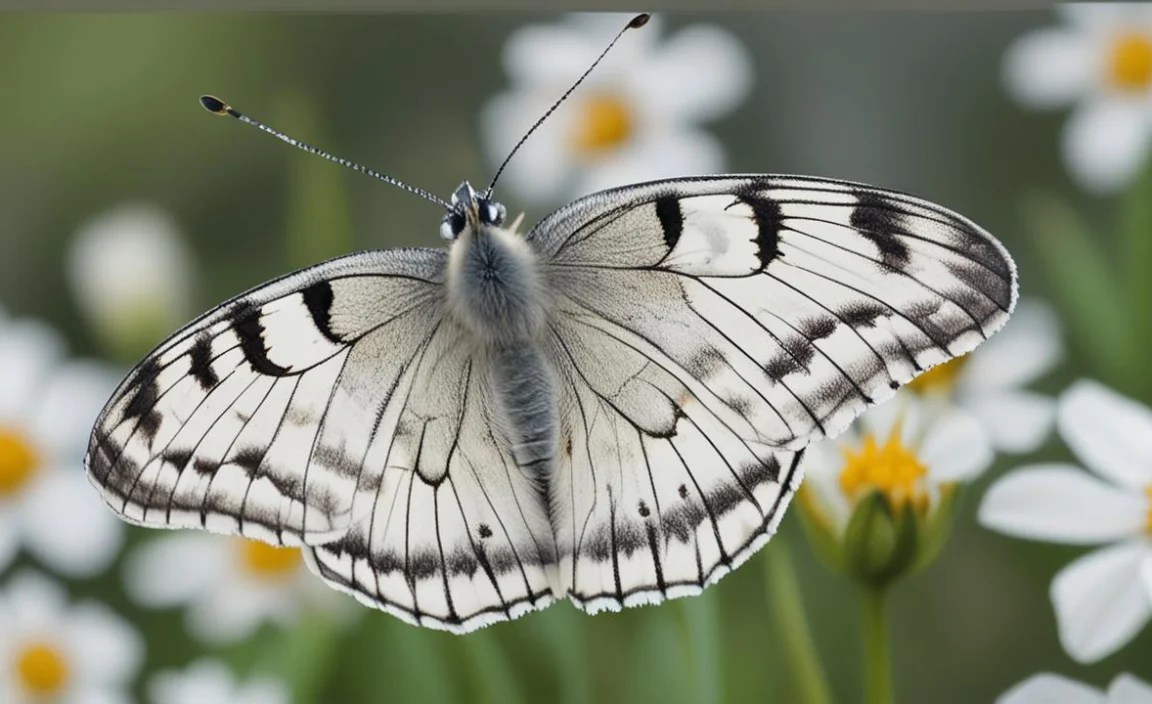
What does the Parnassius hannyngtoni look like? Knowing its key features is important for {Parnassius hannyngtoni identification}. These butterflies are medium-sized. Their wings are mostly white. They have some black markings. These markings are unique. They help us tell them apart from other butterflies. The wings are also slightly translucent. This means you can see a little bit through them. The butterfly has distinctive red spots on its hindwings. These spots are bright and easy to see. The body is covered in fine hairs. These hairs help keep the butterfly warm. The antennae are black and club-shaped. They help the butterfly sense its surroundings. These features together make the Parnassius hannyngtoni special. They help us identify it in the wild. Recognizing these characteristics is the key to protecting this species.
- White wings with black markings are key.
- Red spots on the hindwings stand out.
- Slightly translucent wings are noticeable.
- The body has fine, insulating hairs.
- Black, club-shaped antennae are distinctive.
Imagine you are trying to find a specific type of flower. You would look for its color. You would look for its shape. You would look for its size. {Parnassius hannyngtoni identification} is the same. We look for specific features. We look for the white wings. We look for the black markings. We look for the red spots. These features are like clues. They help us solve the mystery of which butterfly we are seeing. The more clues we know, the easier it is to identify the Parnassius hannyngtoni. And, the more we know about this butterfly, the better we can protect it. So, let’s learn to see these clues. Let’s become butterfly detectives. Let’s help protect this amazing species.
Wing Patterns and Markings
Have you ever noticed how snowflakes are all different? Even though they are all snowflakes, each one has its own unique pattern. The same is true for the Parnassius hannyngtoni. While all of these butterflies share some basic features, their wing patterns can vary slightly. Some might have more black markings. Others might have bigger red spots. These small differences can make {Parnassius hannyngtoni identification} a bit challenging. But, they also make it interesting. Scientists study these patterns to learn more about the butterflies. They learn about their genetics. They learn about their environment. These wing patterns tell a story. They can tell us about the butterfly’s life. They can tell us about the health of its habitat.
Size and Body Structure
Why is size important? Think about your shoes. If they are too big or too small, they won’t fit right. Size matters! The Parnassius hannyngtoni is a medium-sized butterfly. It is not as big as some butterflies. But, it is not as small as others. Its size helps it fly efficiently. It also helps it stay warm in the cold mountains. The body structure is also important. The butterfly has a strong thorax. This is the part of the body where the wings attach. This strong thorax helps it fly long distances. The abdomen is long and slender. It helps the butterfly balance in the air. These features all work together. They help the butterfly survive in its challenging environment.
Distinguishing Red Spots
Imagine a painting. What makes it stand out? Often, it is a splash of color. The red spots on the Parnassius hannyngtoni are like that splash of color. They make the butterfly easy to see. They help us with {Parnassius hannyngtoni identification}. These spots are not just for show. They might also help the butterfly attract mates. They might warn predators that the butterfly is not tasty. Whatever their purpose, the red spots are a key feature. They are a reminder of the beauty and complexity of nature. They are a reason to protect this amazing species. So, when you see a white butterfly with red spots, remember the Parnassius hannyngtoni.
Fun Fact or Stat: The translucent wings of the Parnassius hannyngtoni help it absorb sunlight. This helps it stay warm in the cold mountain air!
Habitat and Distribution
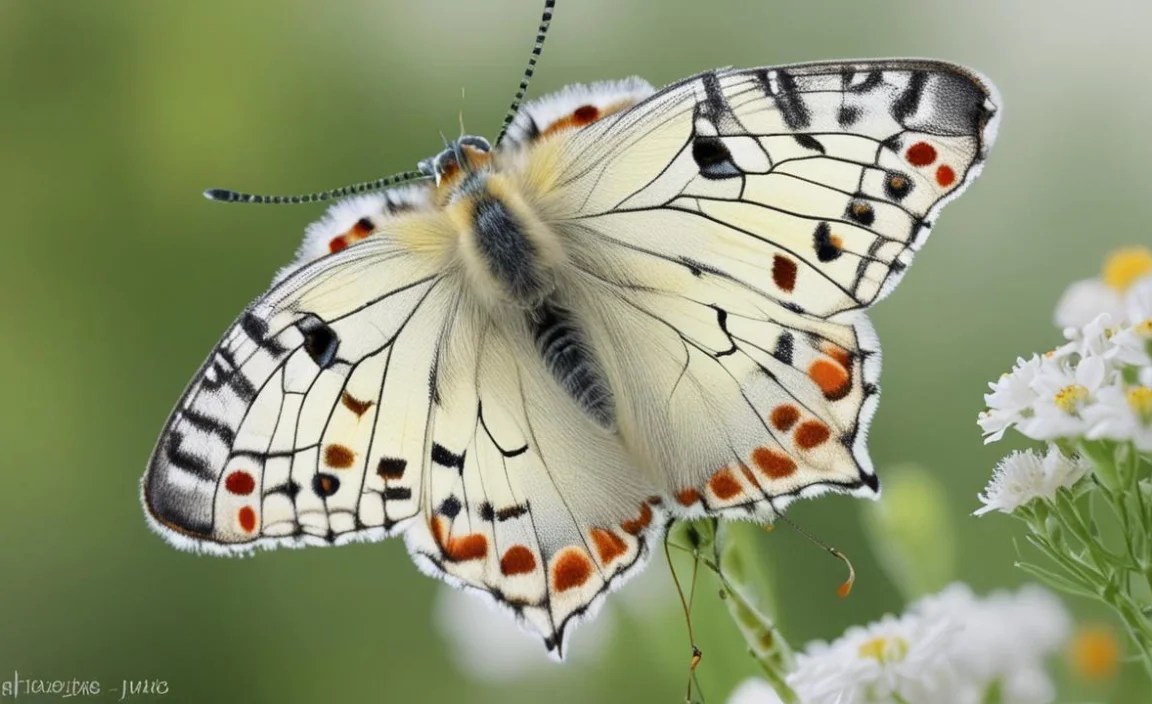
Where do Parnassius hannyngtoni butterflies live? They live in a very specific place. This place is high up in the Himalayas. These mountains are in Asia. The butterflies live in meadows and rocky areas. These areas are usually above 10,000 feet. It is very cold. The air is thin. It is a tough place to live. But, these butterflies are well-suited to this environment. They have special adaptations. These adaptations help them survive. They can handle the cold. They can handle the thin air. Knowing where they live is important for {Parnassius hannyngtoni identification}. If you are not in the Himalayas, you won’t find them. This knowledge helps scientists focus their search. It also helps them protect the butterfly’s habitat. Protecting their habitat is key to their survival.
- They live in the high Himalayas.
- The butterflies prefer meadows and rocky areas.
- They are found above 10,000 feet.
- The cold and thin air are their home.
- Habitat protection is vital for survival.
Think of it like finding a lost toy. You need to know where to look. You wouldn’t look in the kitchen for a toy that belongs in the bedroom. Knowing the habitat of the Parnassius hannyngtoni is like knowing where to look for the toy. It helps us narrow down our search. It helps us find these butterflies. And, once we find them, we can study them. We can learn more about their needs. We can protect their habitat. This is why habitat and distribution are so important. They are the starting point for conservation. They are the foundation for our efforts. By understanding where these butterflies live, we can help them thrive.
Altitude Preferences
Have you ever climbed a mountain? You might have noticed that the air gets colder as you go higher. The Parnassius hannyngtoni likes it up high. They prefer altitudes above 10,000 feet. This is because they are adapted to the cold. They have special hairs on their bodies. These hairs help them stay warm. They also have special enzymes in their blood. These enzymes help them function in the thin air. The altitude also affects the plants that grow there. The butterflies rely on these plants for food. So, their altitude preference is about more than just temperature. It is about the whole ecosystem. It is about the specific conditions they need to survive.
Specific Regions in the Himalayas
Imagine the Himalayas as a giant apartment building. The Parnassius hannyngtoni doesn’t live in every apartment. It lives in specific regions. These regions have the right conditions. They have the right plants. They have the right climate. These regions are often remote and hard to reach. This makes it difficult to study the butterflies. But, it also protects them from human disturbance. Knowing the specific regions where they live helps us focus our conservation efforts. We can target these areas for protection. We can work with local communities to protect the habitat. This targeted approach is more effective. It helps us make the most of our resources.
Impact of Climate Change
What happens when the weather changes? Sometimes, it can be fun. A snow day means no school. But, for the Parnassius hannyngtoni, climate change is a serious threat. As the Earth warms, the mountains are getting warmer too. This means the butterfly’s habitat is shrinking. The plants they rely on are also changing. Some are moving to higher altitudes. Others are disappearing altogether. The butterflies are struggling to adapt. They need our help. We need to reduce our carbon footprint. We need to protect their habitat. We need to give them a chance to survive. Climate change is a big problem. But, we can all do our part to help.
| Region | Altitude (feet) | Typical Vegetation | Threats |
|---|---|---|---|
| Eastern Himalayas | 10,000 – 14,000 | Alpine meadows, rhododendrons | Habitat loss, climate change |
| Central Himalayas | 11,000 – 15,000 | Rocky slopes, sparse vegetation | Overgrazing, tourism |
| Western Himalayas | 12,000 – 16,000 | Glacial valleys, hardy plants | Climate change, pollution |
| Tibetan Plateau | 13,000 – 17,000 | High-altitude grasslands, cushion plants | Climate change, mining |
Fun Fact or Stat: The Parnassius hannyngtoni can survive in temperatures as low as -4°F (-20°C)!
Similar Species and How to Differentiate

Butterflies can look alike. It can be hard to tell them apart. This is especially true for the Parnassius family. Several species have white wings and black markings. How can we tell the Parnassius hannyngtoni apart? We need to look closely. We need to know the key differences. Some similar species have different wing shapes. Some have different patterns of black markings. Some have different colors of spots. Paying attention to these details is important for {Parnassius hannyngtoni identification}. It helps us avoid mistakes. It ensures we are protecting the right species. It also helps us learn more about the diversity of butterflies. Each species is unique. Each species plays a role in the ecosystem. Knowing how to tell them apart is essential for conservation.
- Check wing shape carefully.
- Compare black marking patterns.
- Note the color and size of spots.
- Observe overall size and structure.
- Use field guides for reference.
Imagine you are trying to find your friend in a crowd. You would look for their hair color. You would look for their clothes. You would look for their height. Differentiating butterfly species is the same. We look for specific characteristics. We look for the wing shape. We look for the markings. We look for the spots. These characteristics are like clues. They help us solve the puzzle of which butterfly we are seeing. The more clues we have, the easier it is to identify the Parnassius hannyngtoni. And, the more we know about these butterflies, the better we can protect them. So, let’s become experts at spotting the differences. Let’s help protect these amazing creatures.
Comparing Wing Shape
Have you ever watched birds fly? Different birds have different wing shapes. Some have long, narrow wings. Others have short, rounded wings. These shapes help them fly in different ways. Butterfly wings are the same. The Parnassius hannyngtoni has a specific wing shape. It is slightly elongated. It is not as rounded as some other species. It is not as pointed as others. This shape helps it fly efficiently in the mountains. Knowing the wing shape is a key part of {Parnassius hannyngtoni identification}. It helps us narrow down the possibilities. It helps us focus on the right characteristics.
Marking Pattern Variations
Imagine you are looking at a map. The map has different lines and symbols. These lines and symbols tell you where things are. The markings on a butterfly’s wings are like that map. They tell us about the species. They tell us about its genetics. They tell us about its environment. The Parnassius hannyngtoni has a specific pattern of black markings. These markings are located on the edges of the wings. They are also located near the body. The pattern is unique to this species. It helps us tell it apart from other butterflies. But, the pattern can vary slightly. Some butterflies might have more markings. Others might have fewer. This variation is normal. It is part of the diversity of the species.
Spot Color and Size
Why are spots important? Think about a ladybug. Its spots make it easy to recognize. The spots on the Parnassius hannyngtoni are also important. They are red. They are located on the hindwings. Their color and size are key to {Parnassius hannyngtoni identification}. The spots are usually bright red. They are medium-sized. They are not as big as the spots on some other species. They are not as small as the spots on others. Paying attention to the color and size of the spots is essential. It helps us confirm our identification. It helps us avoid mistakes.
Fun Fact or Stat: Some Parnassius species mimic poisonous butterflies. This protects them from predators!
Life Cycle and Behavior
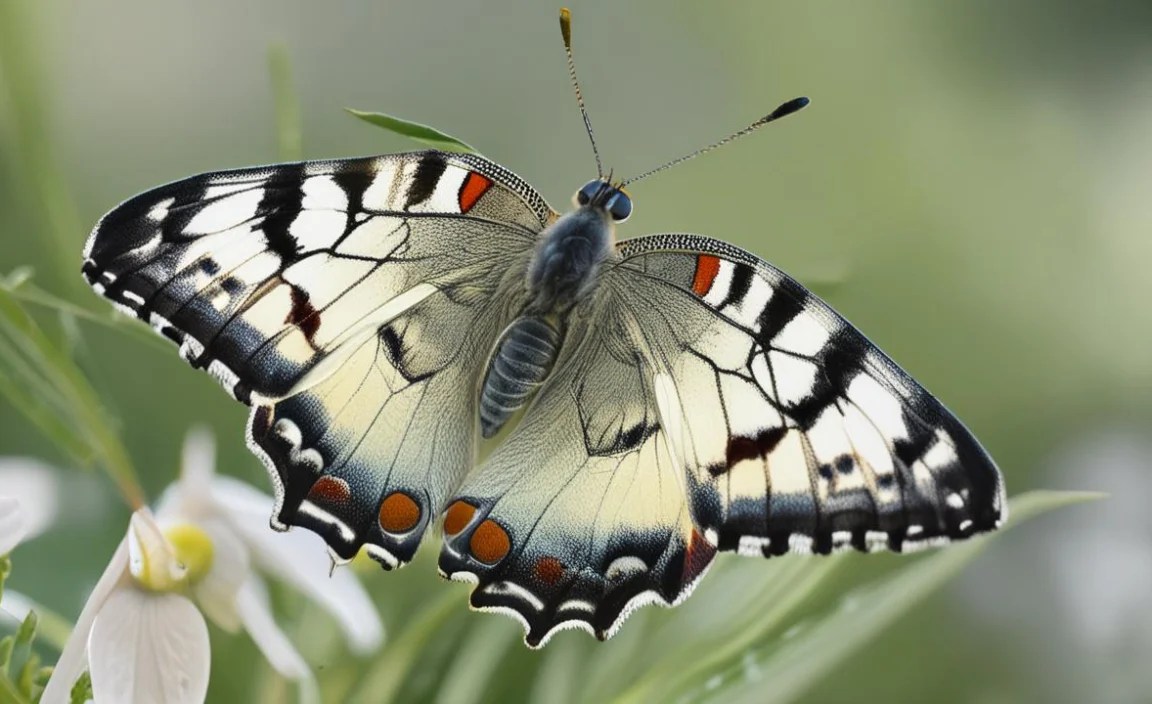
How does a tiny egg become a beautiful butterfly? It is a long and amazing process. The Parnassius hannyngtoni goes through several stages. First, it is an egg. Then, it is a larva (caterpillar). Then, it is a pupa (chrysalis). Finally, it is an adult butterfly. Each stage is different. Each stage has its own needs. The larvae eat plants. They grow and shed their skin several times. The pupae are inactive. They transform inside their protective shells. The adults fly and reproduce. They lay eggs and start the cycle again. Understanding this life cycle is important for {Parnassius hannyngtoni identification}. It helps us know when and where to look for them. It also helps us protect them at each stage of their lives.
- Eggs hatch into larvae (caterpillars).
- Larvae eat and grow rapidly.
- Pupae transform into butterflies.
- Adults reproduce and lay eggs.
- Life cycle knowledge aids conservation.
Imagine you are raising a pet. You need to know what it eats. You need to know how to care for it. You need to know its life cycle. The same is true for the Parnassius hannyngtoni. To protect this butterfly, we need to understand its life cycle. We need to know what the larvae eat. We need to know where the pupae develop. We need to know when the adults fly. This knowledge helps us create effective conservation plans. It helps us protect the butterfly at every stage of its life. It ensures the survival of the species. So, let’s learn about the life cycle of the Parnassius hannyngtoni. Let’s become butterfly experts. Let’s help these amazing creatures thrive.
Egg-Laying Habits
Have you ever watched a bird build a nest? It carefully chooses the location. It carefully gathers materials. It carefully constructs the nest. The Parnassius hannyngtoni is also careful about where it lays its eggs. The female butterfly looks for specific plants. These plants will be food for the larvae. She lays her eggs on these plants. She might lay them on the leaves. She might lay them on the stems. She chooses places that are protected from the wind and sun. This helps the eggs survive. This ensures the next generation of butterflies. Understanding these egg-laying habits is important. It helps us protect the plants that the butterflies need.
Larval Food Sources
Imagine you are a growing child. You need healthy food to grow big and strong. The larvae of the Parnassius hannyngtoni also need specific food. They eat the leaves of certain plants. These plants are their only source of nutrition. If these plants disappear, the larvae will starve. Knowing what these plants are is crucial. It helps us protect them. It helps us ensure that the larvae have enough to eat. Some of the plants they eat are rare and endangered. Protecting these plants is a key part of protecting the Parnassius hannyngtoni.
Adult Flight Patterns
Why do butterflies fly? They fly to find food. They fly to find mates. They fly to lay eggs. The Parnassius hannyngtoni has a specific flight pattern. It is strong and direct. It flies quickly from flower to flower. It can also soar on the wind. It is well-adapted to flying in the mountains. Knowing its flight pattern can help us identify it. It can also help us understand its behavior. For example, if we see a Parnassius butterfly flying slowly and erratically, it is probably not a Parnassius hannyngtoni. Observing these flight patterns can give us valuable clues.
Fun Fact or Stat: Parnassius hannyngtoni larvae can survive being frozen solid over the winter!
Conservation Status and Threats
Is the Parnassius hannyngtoni in danger? Sadly, yes. This butterfly is considered to be vulnerable. This means it faces a high risk of extinction. There are several threats to its survival. Habitat loss is a big problem. Climate change is also a major concern. Overgrazing by livestock can damage their habitat. Collection by humans can also reduce their numbers. Protecting this butterfly is important. It is part of our planet’s biodiversity. We need to take action to reduce these threats. We need to protect their habitat. We need to raise awareness about their plight. {Parnassius hannyngtoni identification} plays a role. It helps us monitor their populations. It helps us track the threats they face. It helps us create effective conservation plans.
- It is classified as vulnerable.
- Habitat loss is a major threat.
- Climate change impacts their habitat.
- Overgrazing damages their food sources.
- Collection threatens their populations.
Imagine you have a favorite toy. What if someone was trying to take it away? You would want to protect it, right? The Parnassius hannyngtoni is like that favorite toy. It is precious. It is valuable. It is worth protecting. We need to act like guardians of this butterfly. We need to stand up for its rights. We need to protect its habitat. We need to reduce the threats it faces. This requires effort. It requires commitment. But, it is worth it. The survival of this species depends on our actions. Let’s work together to ensure its future. Let’s protect the Parnassius hannyngtoni for generations to come.
Habitat Destruction
Have you ever seen a forest being cut down? It is a sad sight. The animals lose their homes. The plants disappear. The same thing is happening to the Parnassius hannyngtoni. Their habitat is being destroyed. Forests are being cleared. Meadows are being overgrazed. Roads are being built. This destruction leaves the butterflies with nowhere to live. They cannot find food. They cannot find mates. They cannot reproduce. We need to stop this destruction. We need to protect their habitat. We need to find ways to live in harmony with nature.
Climate Change Impacts
Imagine your house getting hotter and hotter. You would have to move, right? The Parnassius hannyngtoni is facing a similar problem. Climate change is making their habitat warmer. The plants they rely on are changing. Some are moving to higher altitudes. Others are disappearing altogether. The butterflies are struggling to adapt. They need our help. We need to reduce our carbon footprint. We need to slow down climate change. We need to give them a chance to survive. This is a big challenge. But, we can all do our part.
Collection and Trade
Why do people collect butterflies? Some people think they are beautiful. Some people want to study them. But, collecting butterflies can harm their populations. Especially if the butterflies are rare. The Parnassius hannyngtoni is a rare butterfly. It is vulnerable to collection. The demand for these butterflies can drive illegal trade. This trade can further reduce their numbers. We need to stop this collection. We need to protect these butterflies. We need to appreciate them in their natural habitat.
Fun Fact or Stat: Some conservation groups are working to create butterfly gardens. These gardens provide habitat and food for the Parnassius hannyngtoni!
How to Support Conservation Efforts
Want to help the Parnassius hannyngtoni? There are many ways to get involved. You can support conservation organizations. These groups work to protect their habitat. They also conduct research. You can raise awareness about the butterfly. Tell your friends and family about it. You can reduce your carbon footprint. This helps to slow down climate change. You can avoid buying collected butterflies. This helps to stop the illegal trade. Even small actions can make a big difference. Every effort counts. By working together, we can protect this amazing species. We can ensure its survival for future generations. Learning about {Parnassius hannyngtoni identification} is also a way to help. It helps us monitor their populations. It helps us track the threats they face.
- Support conservation organizations.
- Raise awareness about the butterfly.
- Reduce your carbon footprint.
- Avoid buying collected butterflies.
- Educate others about its importance.
Imagine you are planting a tree. You are not just planting a tree. You are creating a home for birds. You are providing shade. You are helping to clean the air. Supporting conservation efforts is like planting that tree. You are not just helping the Parnassius hannyngtoni. You are helping the entire ecosystem. You are helping to protect our planet. Your actions can have a ripple effect. They can inspire others to get involved. They can create a positive change in the world. So, let’s all be conservationists. Let’s all do our part to protect nature. Let’s make the world a better place for butterflies and for everyone.
Supporting Local Organizations
Have you ever helped a neighbor? It feels good to support your community, right? Supporting local conservation organizations is like that. These groups are working on the ground. They are protecting the Parnassius hannyngtoni in its habitat. They know the local challenges. They know the local solutions. They need our support. We can donate money. We can volunteer our time. We can help them raise awareness. By supporting local organizations, we are investing in the future of the butterfly. We are investing in the health of the ecosystem.
Promoting Sustainable Tourism
Imagine visiting a beautiful place. You want to enjoy its beauty. But, you don’t want to damage it. Sustainable tourism is about that. It is about visiting places in a way that protects the environment. It is about supporting local communities. When we visit the Himalayas, we can choose eco-friendly tours. We can stay in locally owned hotels. We can buy local products. This helps to support the local economy. It also helps to protect the Parnassius hannyngtoni. By promoting sustainable tourism, we can enjoy the beauty of the Himalayas. We can also help to protect its biodiversity.
Reducing Carbon Footprint
Why is reducing our carbon footprint important? Think about a car. It releases pollution into the air. This pollution contributes to climate change. Climate change is a major threat to the Parnassius hannyngtoni. We can reduce our carbon footprint by making small changes. We can walk or bike instead of driving. We can use less electricity. We can eat less meat. These changes can make a big difference. They can help to slow down climate change. They can help to protect the butterfly’s habitat. Every action counts.
Fun Fact or Stat: You can create a butterfly garden in your own backyard! This provides habitat and food for local butterflies.
Summary
The Parnassius hannyngtoni is a beautiful butterfly. It lives in the high Himalayas. It faces many threats. These threats include habitat loss and climate change. Correct {Parnassius hannyngtoni identification} is key. It helps conservation efforts. We can identify it by its white wings and black markings. It also has red spots on its hindwings. Understanding its life cycle is also important. We need to protect its habitat. We can support conservation organizations. We can reduce our carbon footprint. We can raise awareness about this amazing species. By working together, we can help it survive.
Protecting the Parnassius hannyngtoni is important. It is part of protecting our planet’s biodiversity. Every species plays a role in the ecosystem. When we lose a species, we lose a part of ourselves. Let’s all do our part to protect this butterfly. Let’s ensure its survival for future generations. Let’s create a world where butterflies can thrive. The first step is learning about {Parnassius hannyngtoni identification}. It all starts with knowing what it is and where it lives.
Conclusion
The Parnassius hannyngtoni is a special butterfly. It is a symbol of the beauty and fragility of nature. It faces many challenges. But, it is not too late to help. We can all take action to protect it. We can support conservation efforts. We can reduce our impact on the environment. We can educate others about its importance. {Parnassius hannyngtoni identification} is a crucial step. It helps us to understand and protect this species. Let’s work together to ensure a future where this butterfly can thrive. Let’s create a world where nature is valued and protected. Let’s make a difference.
Frequently Asked Questions
Question No 1: What is the most important characteristic for {Parnassius hannyngtoni identification}?
Answer: The most important characteristic is the combination of features. Look for white wings. Check for the black markings. See if it has red spots on the hindwings. Also, note the translucent quality of the wings. These features together make it unique. No single feature guarantees identification. But, when combined, they provide a strong indication. Consider the location. It lives in the high Himalayas. This helps to narrow down the possibilities. Confirming the identification requires careful observation. It also requires comparison with reliable resources. Field guides and expert opinions can be helpful. Proper identification is essential for conservation efforts.
Question No 2: Where is the Parnassius hannyngtoni found?
Answer: This butterfly lives in the high Himalayas. These mountains stretch across Asia. It prefers high-altitude meadows. Rocky areas are also its home. These areas are typically above 10,000 feet. It is a cold and challenging environment. But, the butterfly is well-adapted to it. It is not found in other parts of the world. If you are not in the Himalayas, you will not find it. Knowing its location is key for {Parnassius hannyngtoni identification}. It helps to narrow down the possibilities. It also helps to focus conservation efforts. Protecting its habitat is essential for its survival. This habitat is unique and irreplaceable.
Question No 3: Why is conservation of this butterfly important?
Answer: Conservation is vital because this butterfly is vulnerable. It faces a high risk of extinction. It is a part of our planet’s biodiversity. Every species plays a role in the ecosystem. Losing this butterfly would be a tragedy. It would also have consequences for the environment. Protecting it helps to maintain the balance of nature. It also helps to preserve the beauty of the Himalayas. Conservation also benefits local communities. It supports sustainable tourism. It promotes environmental stewardship. {Parnassius hannyngtoni identification} is a tool for conservation. It helps us monitor and protect the butterfly.
Question No 4: What are the main threats to the Parnassius hannyngtoni?
Answer: The main threats are habitat loss and climate change. Habitat loss occurs due to deforestation. Overgrazing also contributes. Climate change is causing the mountains to warm. This is changing the plants they rely on. Collection for trade is also a threat. These threats are all serious. They require urgent action. We need to protect their habitat. We need to reduce our carbon footprint. We need to stop the illegal collection. By addressing these threats, we can help the butterfly survive. Protecting the Parnassius hannyngtoni requires a multi-faceted approach. It also requires international cooperation.
Question No 5: How can I help protect the Parnassius hannyngtoni?
Answer: You can help in many ways. Support conservation organizations. Raise awareness about the butterfly. Reduce your carbon footprint. Avoid buying collected butterflies. Educate others about its importance. Even small actions can make a big difference. You can also learn more about {Parnassius hannyngtoni identification}. This helps you appreciate its unique features. Share your knowledge with others. Inspire them to take action. By working together, we can protect this amazing species. We can ensure its survival for future generations. Every effort counts. Join the movement to protect the Parnassius hannyngtoni.
<div


