
Identify Orange Butterfly North America: A Smart Guide

Have you ever seen a flash of orange in your garden? Was it a butterfly? North America is home to many orange butterflies. It can be tricky to identify orange butterfly north america. Some are bright, while others are a bit duller. Knowing what to look for helps. Let’s learn about these pretty insects!
Butterflies are beautiful. They fly around and make us smile. But how can you tell them apart? What if it’s an orange one? Let’s find out how to identify orange butterfly north america.
Did you know butterflies taste with their feet? It’s a strange but true fact. Imagine tasting your food with your toes! Now, let’s explore the world of orange butterflies. We can learn how to spot them. We will discover their names and habits. It’s like becoming a butterfly detective. Let’s go!
Key Takeaways
- Identifying orange butterflies in North America involves observing size, patterns, and location.
- Monarch butterflies are famous for their bright orange color and black markings.
- The Viceroy mimics the Monarch, but has an extra black line on its wings.
- Look for specific wing patterns to tell different orange butterflies apart.
- Butterfly field guides and apps can help you name the butterflies you see.
How to Identify Orange Butterfly North America

Many kinds of orange butterflies live in North America. It can be fun to learn about them. It is also useful to know how to identify orange butterfly north america. The Monarch is perhaps the most well-known. It has bright orange wings with black lines. Then there’s the Viceroy, which looks a lot like the Monarch. But it has an extra black line across its lower wings. Other orange butterflies include the Painted Lady and the Gulf Fritillary. Each has its own special markings and colors. To identify them, look closely at their wings. Pay attention to the size and shape of the butterfly. Also, think about where you saw it. Some butterflies live in certain areas. All these things can help you figure out which butterfly you have seen. You can also use a butterfly book to help you.
- Monarchs have bold black lines and orange wings.
- Viceroys have an extra black line on their lower wings.
- Painted Ladies have spots on their hindwings.
- Gulf Fritillaries have long, narrow orange wings.
- Pay attention to the size of the butterfly.
- Note the region where you saw the butterfly.
Learning about these butterflies can be exciting. You can turn your backyard into a butterfly haven. Plant flowers that attract them. Watch them flutter around. It’s a great way to connect with nature. You can also take pictures of the butterflies you see. Then, use a butterfly identification guide to name them. There are also apps that can help. Just upload a photo and the app will tell you what kind of butterfly it is. Keep learning and exploring. You’ll become a butterfly expert in no time. Remember to share your knowledge with others. Teach your friends and family about these amazing creatures. Together, we can protect these beautiful insects and their habitats. So get outside and start exploring the world of orange butterflies!
Fun Fact or Stat: Monarch butterflies migrate thousands of miles each year!
What are the Key Features?
When you want to identify orange butterfly north america, key features are important. The color of the wings is the first thing you notice. Is it a bright, vibrant orange, or a more muted shade? Look at the wing patterns. Do you see stripes, spots, or lines? The size of the butterfly also matters. Is it a large butterfly, or a smaller one? Also, observe how the butterfly flies. Does it flutter gently, or does it have a more direct flight path? All these features can help you tell different orange butterflies apart. You can use these observations to compare the butterfly to pictures in a field guide. You can also use online resources to help you identify it. Pay attention to the details, and you will become a butterfly expert in no time.
Where Does the Butterfly Live?
Where a butterfly lives can help you identify orange butterfly north america. Some butterflies live only in certain parts of the country. For example, the Monarch butterfly is found all over North America. But other butterflies might only live in the southern states. Or they might only live on the West Coast. Knowing the region where you saw the butterfly can narrow down the possibilities. You can use online maps to see where different butterflies are found. You can also check with local butterfly experts. They can tell you which butterflies are common in your area. So, keep location in mind when you are trying to identify an orange butterfly.
What Time of Year is It?
The time of year can help you identify orange butterfly north america. Some butterflies are only seen during certain seasons. For example, Monarch butterflies migrate in the fall. This means you are more likely to see them then. Other butterflies might emerge in the spring or summer. Knowing the season can help you narrow down your search. Check butterfly calendars or local resources. They can tell you when different butterflies are active in your area. So, consider the time of year when you are trying to identify an orange butterfly. Is it spring, summer, fall, or winter? This clue can make a big difference.
Comparing Orange Butterfly Types in North America

Many orange butterflies live in North America. Some look very similar. It can be hard to tell them apart. It helps to compare them closely. You can identify orange butterfly north america by looking at their markings. The Monarch has thick black lines. The Viceroy has a thin black line on its hindwing. The Queen butterfly is darker orange. The Gulf Fritillary is bright orange with long wings. It also helps to know where they live. Monarchs are everywhere. Viceroys live in the East. Queens live in the South. Gulf Fritillaries like warm places. Paying attention to these details helps you name the butterflies you see. Use a field guide or an app to compare pictures.
- Monarchs have thick black lines on their wings.
- Viceroys have a black line across their hindwings.
- Queen butterflies are a darker shade of orange.
- Gulf Fritillaries have long, slender wings.
- Note the location where you saw the butterfly.
- Use a field guide to compare photos.
Learning to compare butterflies is fun. It makes you a better observer. You start to notice small differences. These differences are important. They help you understand the natural world. You can also help scientists. Report your butterfly sightings. This helps them track butterfly populations. It also helps them understand how butterflies are affected by changes in the environment. So, keep learning and exploring. Become a citizen scientist. Your observations can make a difference. Remember to protect butterfly habitats. Plant native flowers. Avoid using pesticides. Together, we can help these beautiful creatures thrive.
Fun Fact or Stat: Butterfly wings are covered in tiny scales!
Monarch vs. Viceroy: What’s the Difference?
Monarch and Viceroy butterflies look very alike. This is because the Viceroy mimics the Monarch. This helps protect it from predators. But there are ways to tell them apart. Monarchs have thicker black lines on their wings. Viceroys have a thin black line on their hindwings. Also, Monarchs are usually larger. Viceroys are a bit smaller. Monarchs have a more orange color. Viceroys can be a bit more red-orange. Pay close attention to these details. You can impress your friends with your butterfly knowledge. Can you identify orange butterfly north america by these differences?
Queen Butterfly Characteristics
The Queen butterfly is another orange butterfly in North America. It is often confused with Monarchs and Viceroys. But the Queen has its own unique features. Its wings are a darker orange color. It has white spots on the edges of its wings. The Queen also has a different body shape. It is a bit more slender than the Monarch. Queen butterflies are found in the southern United States. They also live in Central and South America. They like warm, tropical climates. Learning about these features helps you identify orange butterfly north america more accurately.
Gulf Fritillary Identification
The Gulf Fritillary is a striking orange butterfly. You can easily identify orange butterfly north america if you look for its long, narrow wings. The wings are a bright orange color. They have black markings. The underside of the wings has silver spots. Gulf Fritillaries are found in the southern United States. They also live in Central and South America. They are often seen in gardens. They feed on passionflower vines. These butterflies are fast fliers. They are a joy to watch as they flutter around.
Where Do Orange Butterflies Live?
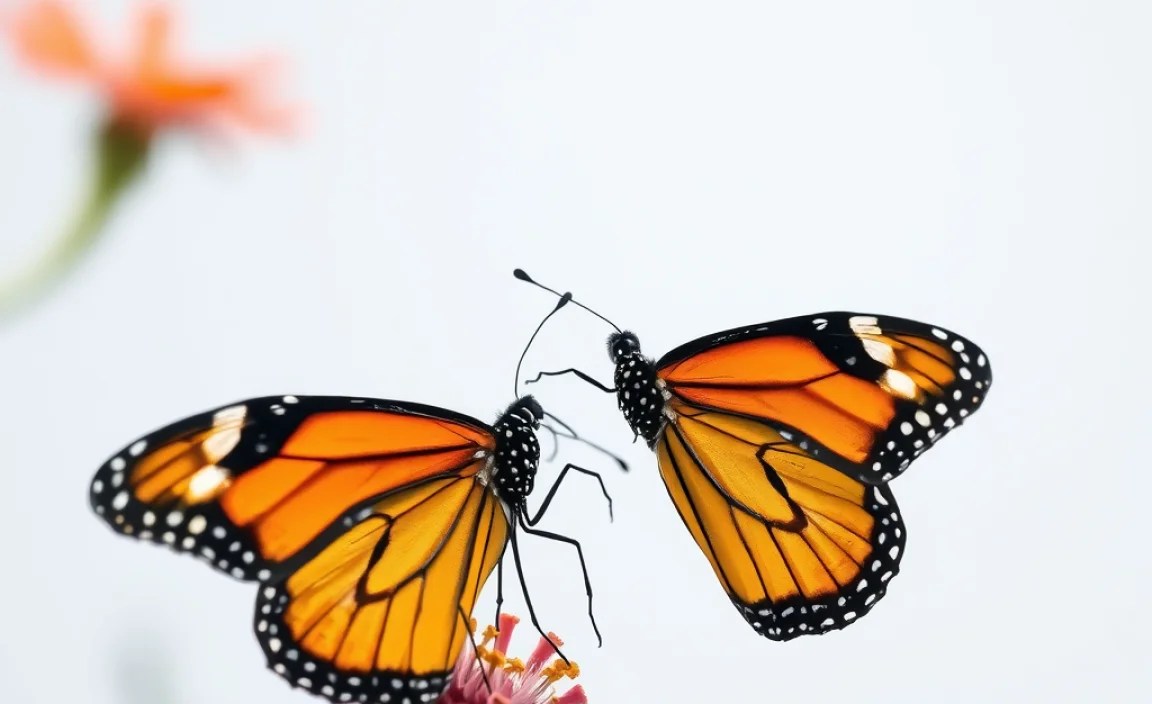
Orange butterflies live in many places in North America. Some like forests. Others like open fields. You can identify orange butterfly north america by knowing where they live. Monarchs travel all over. They go from Canada to Mexico. Viceroys stay more in the East. Gulf Fritillaries like warm southern areas. Painted Ladies live almost everywhere. Each butterfly has a habitat it likes best. Knowing this helps you know which one you might see. Look for them in gardens, parks, and wild areas. Planting flowers that butterflies like will bring them to your yard.
- Monarchs migrate across North America.
- Viceroys are common in eastern states.
- Gulf Fritillaries prefer warm, southern regions.
- Painted Ladies can be found almost anywhere.
- Butterflies need different habitats to survive.
- Planting flowers attracts butterflies to your yard.
- Different habitats support different butterfly species.
Understanding where butterflies live helps us protect them. We can make sure they have the right habitats. We can also protect those habitats from damage. Pollution and development can hurt butterfly populations. By knowing where they live, we can help them survive. We can also teach others about the importance of butterfly habitats. Encourage your friends and family to plant butterfly gardens. Support organizations that protect natural areas. Together, we can make a difference for these beautiful creatures. Every little bit helps. Even planting a single flower can make a difference. So get involved and help protect orange butterflies.
Fun Fact or Stat: Butterflies use their antennae to smell!
Butterfly Habitats: Forests
Some orange butterflies like to live in forests. Forests offer shade and protection. They also have many trees and plants. These provide food for caterpillars. They also give shelter for butterflies. Some butterflies that live in forests are the Viceroy. Also, some types of Painted Ladies can be found there. When you are in a forest, look closely. Can you identify orange butterfly north america hiding among the trees? You might be surprised at what you find. Remember to be respectful of their home. Avoid disturbing the plants and animals.
Butterfly Habitats: Fields and Meadows
Fields and meadows are great places to see orange butterflies. These open areas have lots of flowers. These flowers provide nectar for butterflies to eat. Monarchs are often seen in fields. They are looking for milkweed plants. Milkweed is the only food that Monarch caterpillars eat. Gulf Fritillaries also like fields. They feed on passionflower vines. When you visit a field, take your time. Look closely at the flowers. Can you identify orange butterfly north america flitting from blossom to blossom? Enjoy the beauty of these open spaces.
Butterfly Migration Patterns
Many orange butterflies migrate. This means they travel long distances. They do this to find food and better weather. The Monarch butterfly is famous for its long migration. It travels thousands of miles. It goes from Canada and the United States to Mexico. Other butterflies migrate too. The Painted Lady travels long distances. It moves north in the spring. It returns south in the fall. Understanding migration patterns helps you identify orange butterfly north america at different times of the year. It also helps us protect them along their journey.
| Butterfly | Color | Size | Habitat |
|---|---|---|---|
| Monarch | Bright Orange | Large | Fields, Gardens |
| Viceroy | Orange-Red | Medium | Forests, Wetlands |
| Queen | Dark Orange | Large | Southern US |
| Gulf Fritillary | Bright Orange | Medium | Southern Gardens |
What Do Orange Butterflies Eat?
Orange butterflies eat different things. Caterpillars eat plants. Adult butterflies drink nectar. You can identify orange butterfly north america by knowing what they eat. Monarch caterpillars eat milkweed. Gulf Fritillary caterpillars eat passionflower. Adult butterflies drink nectar from flowers. They use their long tongues to sip the nectar. Different butterflies like different flowers. Planting a variety of flowers helps attract more butterflies. Make sure to plant native flowers. These are best for local butterflies. Avoid using pesticides. These can hurt butterflies and other insects.
- Caterpillars eat leaves of specific plants.
- Adult butterflies drink nectar from flowers.
- Monarch caterpillars eat milkweed leaves.
- Gulf Fritillary caterpillars eat passionflower.
- Butterflies need nectar for energy.
- Plant native flowers to attract butterflies.
Providing food for butterflies is important. It helps them survive and thrive. You can create a butterfly garden in your backyard. Choose plants that provide food for both caterpillars and adults. Milkweed is essential for Monarchs. Passionflower is great for Gulf Fritillaries. Other good choices include zinnias, butterfly bushes, and coneflowers. Water is also important. Provide a shallow dish of water with pebbles for butterflies to land on. This will help them stay hydrated. By providing food and water, you can create a welcoming habitat for orange butterflies in your area. Enjoy watching these beautiful creatures in your garden.
Fun Fact or Stat: Butterflies can only see red, green, and yellow!
Caterpillar Food Sources
Caterpillars need specific plants to eat. These plants are called host plants. Monarch caterpillars eat only milkweed. Gulf Fritillary caterpillars eat only passionflower. If you want to attract these butterflies, plant their host plants. Make sure to choose native species. These are best for local butterflies. Avoid using pesticides on these plants. The pesticides can harm or kill the caterpillars. Providing the right food source is crucial. It helps the caterpillars grow and develop into healthy butterflies. Can you identify orange butterfly north america if you find its caterpillar?
Nectar Sources for Adult Butterflies
Adult butterflies need nectar for energy. Nectar is a sweet liquid found in flowers. Butterflies use their long tongues to drink the nectar. Different butterflies like different flowers. Monarchs like milkweed, zinnias, and butterfly bushes. Gulf Fritillaries like lantana and salvia. Planting a variety of flowers helps attract more butterflies. Choose flowers that bloom at different times of the year. This provides a continuous source of nectar. Observe which flowers the butterflies visit. This helps you identify orange butterfly north america by their food preferences.
Creating a Butterfly Garden
You can create a butterfly garden in your backyard. This is a great way to help butterflies. Choose a sunny spot. Plant a variety of flowers. Include host plants for caterpillars. Provide a source of water. Avoid using pesticides. Make sure to provide shelter. Shrubs and trees can provide protection from wind and predators. Observe which butterflies visit your garden. Can you identify orange butterfly north america that you attract? Enjoy the beauty and wonder of your butterfly garden.
Threats to Orange Butterfly Populations
Orange butterflies face many threats. Their populations are decreasing. Habitat loss is a big problem. Development and agriculture destroy their homes. Pesticides also harm them. Climate change affects their migration. You can identify orange butterfly north america and help protect them. Learn about the threats they face. Support organizations that protect butterfly habitats. Plant native flowers in your yard. Avoid using pesticides. Educate others about the importance of butterflies. Every little bit helps. Together, we can make a difference.
- Habitat loss reduces butterfly populations.
- Pesticides can harm or kill butterflies.
- Climate change affects butterfly migration.
- Pollution harms butterfly habitats.
- Lack of food sources impacts butterfly survival.
- Support conservation efforts to protect butterflies.
Protecting butterflies is important for the environment. Butterflies are pollinators. They help plants reproduce. They also provide food for other animals. Birds, bats, and other insects eat butterflies. When butterfly populations decline, it affects the entire ecosystem. We need to take action to protect these important creatures. Support sustainable agriculture. Reduce your use of pesticides. Plant native trees and shrubs. Create butterfly-friendly habitats in your community. Advocate for policies that protect natural areas. Together, we can create a better future for orange butterflies and other wildlife. Remember, even small actions can make a big difference. So get involved and help protect these beautiful creatures.
Fun Fact or Stat: Some butterflies can fly up to 30 miles per hour!
Habitat Loss and Fragmentation
Habitat loss is a major threat to butterflies. When forests and fields are destroyed, butterflies lose their homes. They also lose their food sources. Fragmentation also affects butterflies. This happens when habitats are broken up into smaller pieces. This makes it harder for butterflies to find mates and food. Protect natural areas. Support policies that limit development. Create butterfly-friendly habitats in your community. Can you identify orange butterfly north america in fragmented habitats?
Pesticide Use and Its Impact
Pesticides are chemicals used to kill insects. But they can also harm butterflies. Pesticides can kill butterflies directly. They can also harm their food sources. Avoid using pesticides in your yard. Choose natural methods to control pests. Support organic agriculture. Educate others about the dangers of pesticides. Can you identify orange butterfly north america in areas with pesticide use?
Climate Change Effects on Butterflies
Climate change is affecting butterflies in many ways. Warmer temperatures can change their migration patterns. It can also affect their food sources. Extreme weather events can destroy butterfly habitats. Reduce your carbon footprint. Support policies that address climate change. Plant trees and shrubs to help absorb carbon dioxide. Can you identify orange butterfly north america as their habitats change due to climate change?
How to Help Orange Butterflies
You can help orange butterflies in many ways. Plant native flowers in your yard. This provides food for caterpillars and butterflies. Avoid using pesticides. Provide a source of water. Support organizations that protect butterfly habitats. Educate others about the importance of butterflies. Even small actions can make a big difference. Together, we can help these beautiful creatures thrive. You can identify orange butterfly north america and help protect them. Every effort counts.
- Plant native flowers to provide food.
- Avoid using pesticides in your yard.
- Provide a shallow dish of water.
- Support butterfly conservation organizations.
- Educate others about butterflies.
- Create a butterfly-friendly habitat.
Helping butterflies is easy and rewarding. You can start by planting a butterfly garden. Choose a sunny spot. Plant a variety of flowers that bloom at different times of the year. Include host plants for caterpillars. Milkweed is essential for Monarchs. Passionflower is great for Gulf Fritillaries. Avoid using pesticides in your garden. These can harm or kill butterflies. Provide a shallow dish of water with pebbles for butterflies to land on. This will help them stay hydrated. You can also support organizations that protect butterfly habitats. Donate your time or money. Educate others about the importance of butterflies. Together, we can create a better future for these beautiful creatures.
Fun Fact or Stat: Butterflies help pollinate many of the foods we eat!
Planting a Butterfly Garden
Planting a butterfly garden is a great way to help butterflies. Choose a sunny spot in your yard. Plant a variety of native flowers. Include host plants for caterpillars. Milkweed is essential for Monarchs. Passionflower is great for Gulf Fritillaries. Provide a source of water. Avoid using pesticides. Make sure to provide shelter. Shrubs and trees can provide protection from wind and predators. Can you identify orange butterfly north america that visit your garden?
Avoiding Pesticides in Your Yard
Pesticides can harm or kill butterflies. Avoid using pesticides in your yard. Choose natural methods to control pests. Hand-pick pests off plants. Use insecticidal soap or neem oil. These are less harmful to butterflies. Encourage beneficial insects. Ladybugs and lacewings eat aphids. Educate your neighbors about the dangers of pesticides. Can you identify orange butterfly north america in pesticide-free yards?
Supporting Butterfly Conservation
Many organizations work to protect butterflies. Support these organizations by donating your time or money. Educate others about the importance of butterflies. Advocate for policies that protect butterfly habitats. Participate in citizen science projects. Report your butterfly sightings. This helps scientists track butterfly populations. Can you identify orange butterfly north america and contribute to their conservation?
Summary
Identifying orange butterflies in North America can be a fun adventure. There are many different types of orange butterflies. The Monarch is the most famous. It has bright orange wings and black lines. The Viceroy looks similar. But it has an extra black line on its hindwings. The Queen butterfly is darker orange. The Gulf Fritillary has long, slender wings. To identify orange butterfly north america, look at their size and patterns. Note where you saw them. Use a field guide or an app to help you. Learning about these butterflies helps us protect them. Plant native flowers. Avoid using pesticides. Support conservation efforts. Together, we can help these beautiful creatures thrive.
Conclusion
Learning about orange butterflies is fun. There are many kinds in North America. You can identify orange butterfly north america by looking closely. Notice their colors and patterns. Pay attention to where they live. Monarchs, Viceroys, and Gulf Fritillaries are just a few. You can help these butterflies. Plant flowers they like. Avoid using harmful chemicals. Every little bit makes a difference. Enjoy watching these amazing creatures flutter by.
Frequently Asked Questions
Question No 1: How can I attract orange butterflies to my garden?
Answer: To attract orange butterflies, plant native flowers that provide nectar and serve as host plants for caterpillars. For example, Monarchs need milkweed. Gulf Fritillaries need passionflower vines. Other good choices include zinnias, butterfly bushes, and coneflowers. Also, provide a shallow dish of water with pebbles for butterflies to land on. Avoid using pesticides, as these can harm or kill butterflies. A butterfly-friendly garden will increase your chances to identify orange butterfly north america.
Question No 2: What is the difference between a Monarch and a Viceroy butterfly?
Answer: Monarch and Viceroy butterflies look very similar, but there are key differences. Monarchs have thicker black lines on their wings and no black line across the hindwing. Viceroys have a thin black line that crosses the hindwing. Viceroys are also slightly smaller than Monarchs. This mimicry helps protect the Viceroy from predators. This distinction is key if you want to identify orange butterfly north america correctly.
Question No 3: What do orange butterfly caterpillars eat?
Answer: Orange butterfly caterpillars have specific food preferences. Monarch caterpillars eat only milkweed leaves. Gulf Fritillary caterpillars eat only passionflower leaves. These plants are called host plants. If you want to attract these butterflies, plant their host plants in your garden. Make sure to choose native species. This provides the right food source for the caterpillars to grow and develop. Remember, if you want to identify orange butterfly north america, start with their caterpillars.
Question No 4: Why are orange butterfly populations declining?
Answer: Orange butterfly populations are declining due to several factors. Habitat loss is a major problem, as forests and fields are destroyed for development and agriculture. Pesticide use can harm or kill butterflies and their food sources. Climate change also affects butterfly migration and food availability. Pollution and lack of food sources also impact butterfly survival. By learning to identify orange butterfly north america, you can contribute to conservation efforts.
Question No 5: How can I help protect orange butterflies?
Answer: There are many ways you can help protect orange butterflies. Plant native flowers that provide nectar and serve as host plants for caterpillars. Avoid using pesticides in your yard, as these can harm or kill butterflies. Support organizations that protect butterfly habitats. Educate others about the importance of butterflies. Even small actions can make a big difference. If you can identify orange butterfly north america, you’re already on your way to helping them.
Question No 6: What resources can help me identify orange butterflies?
Answer: Several resources can help you identify orange butterfly north america. Field guides are a great resource. They have pictures and descriptions of different butterfly species. There are also many online resources, such as websites and apps. These resources can help you identify butterflies based on their appearance, location, and time of year. Local butterfly experts can also provide valuable assistance.


