
Easy How to Identify Swallowtail Tail Length

Have you ever seen a butterfly with long tails? These tails make them look special. They are called swallowtail butterflies. But how to identify swallowtail tail length? It’s an interesting question. Learning about their tails can be fun.
Imagine you are a butterfly explorer. You want to know about swallowtails. Knowing how to identify swallowtail tail length helps. It tells you about different kinds of swallowtails. Let’s learn how to spot those tails.
Swallowtail butterflies are beautiful. They fly around in gardens and fields. Their tails look like a bird’s tail. It is like they have two pointy wings at the back. Let’s find out how to identify swallowtail tail length easily.
Key Takeaways
- Knowing how to identify swallowtail tail length helps you recognize different types of swallowtails.
- The length of the tails can differ based on species and their geographic location.
- Look at the shape and size of the butterfly’s wings to help identify it.
- Observe other markings and colors on the wings to confirm the species.
- Use field guides and online resources to compare your observations with known species.
How to Identify Swallowtail Tail Length: Basics
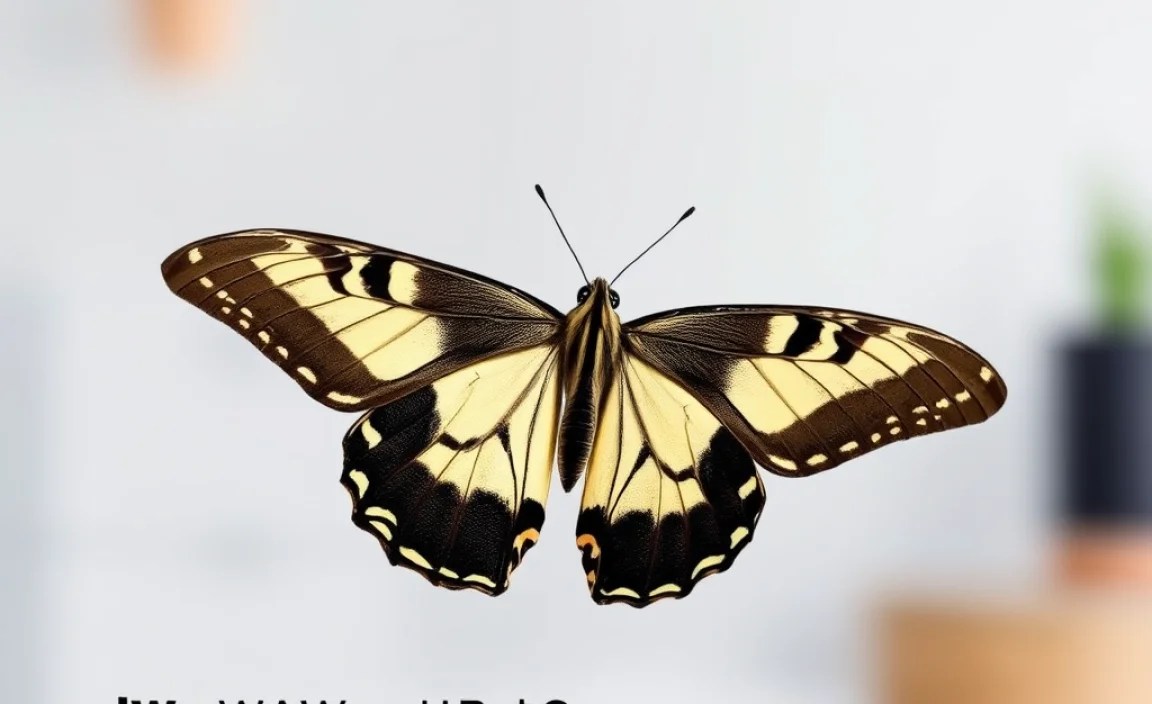
Identifying swallowtail butterflies by their tail length involves a few simple steps. First, you need to observe the butterfly closely. Look at the shape and size of its tails. Are they long and slender, or short and stubby? Different species have different tail lengths. Some have very long tails. Others have almost no tails at all. The Eastern Tiger Swallowtail has longer tails. The Black Swallowtail has shorter tails. Pay attention to the overall appearance of the butterfly. Note any other markings or colors. These can help you narrow down the species. Using a field guide or online resource will help. Compare your observations with the pictures and descriptions. This will help you learn how to identify swallowtail tail length more accurately.
- Observe the length and shape of the tails closely.
- Note the overall size and color of the butterfly.
- Check for any distinct markings or patterns on the wings.
- Use a field guide to compare your observations.
- Look for the location where you saw the butterfly.
Understanding the basics is key to identifying these beautiful creatures. Tail length is just one piece of the puzzle. Color, wing shape, and location all play a role. Sometimes, even experts have trouble telling them apart. With practice, you’ll become better at spotting the differences. It’s like learning a new language. The more you practice, the easier it becomes. Enjoy the process of discovery. Soon, you’ll be an expert at how to identify swallowtail tail length. Remember to be patient and observant. Each butterfly has its unique story to tell.
Fun Fact or Stat: Swallowtail butterflies can be found on every continent except Antarctica!
Why Does Tail Length Vary?
Have you ever wondered why some swallowtails have longer tails than others? The length of a swallowtail’s tail can be affected by many things. These things include where it lives and what kind of swallowtail it is. Swallowtails in warmer places may have longer tails. This is because longer tails help them fly better in warm air. Shorter tails may be better for colder places. Another thing is the kind of swallowtail. Some kinds are just born with longer or shorter tails. It is like how people have different heights. The tail length also helps them to trick predators. Longer tails can confuse birds that are trying to catch them. It makes it harder for the bird to grab the butterfly’s body. So, the next time you see a swallowtail, think about why its tail might be that length.
What Tools Can Help Identify Tail Length?
Identifying tail length can be easier with the right tools. A good field guide is a must-have. It will have pictures and descriptions of different species. A ruler can help you measure the tails. This can be useful for comparing different butterflies. A magnifying glass lets you see the details more clearly. A camera allows you to take pictures. You can then compare the pictures to references later. There are also many websites and apps. These can help you identify butterflies. Some even have tools to measure tail length from a photo. Remember, practice makes perfect. The more you use these tools, the better you will become. Soon you will learn how to identify swallowtail tail length.
Where Can You Find Swallowtail Butterflies?
Swallowtail butterflies live in many places. You can find them in gardens, parks, and forests. They like places with lots of flowers. The flowers give them nectar to eat. Different swallowtails live in different areas. Some live in the east. Some live in the west. Some live only in certain states. Knowing where a butterfly lives can help you identify it. For example, if you see a swallowtail in Florida, it is probably not a type that lives in Canada. Look around your yard. Check out local parks. Visit a butterfly garden. You might be surprised at how many swallowtails you can find. Remember to bring your field guide and your camera!
Understanding Swallowtail Tail Length Measurement
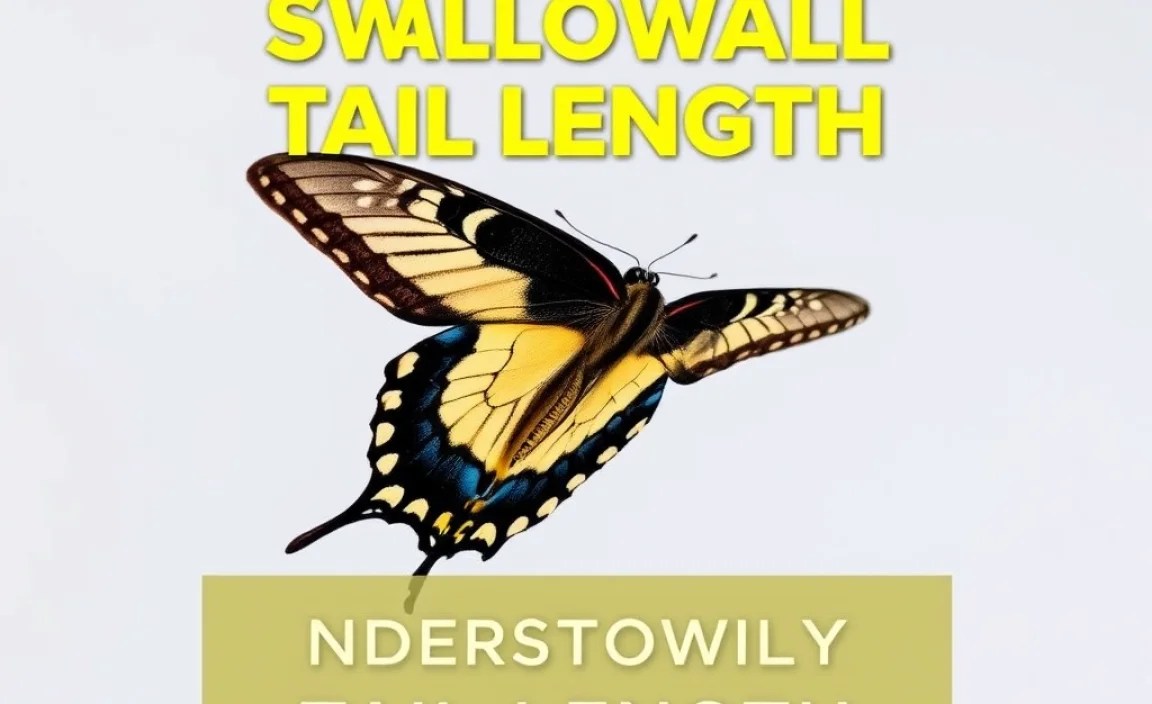
To accurately measure the tail length of a swallowtail, you need to be careful. First, gently catch the butterfly in a net. Be very gentle so you don’t hurt it. Then, use a ruler to measure from the base of the tail to the tip. The base is where the tail connects to the wing. Make sure the butterfly is still. This will give you a more accurate measurement. If you can’t catch the butterfly, try taking a photo. Then, use a ruler to measure something else in the picture. Use that measurement to estimate the tail length. Remember, it is important to be gentle with the butterfly. We want to observe it without causing any harm. Once you have your measurement, you can compare it to field guides. This will help you identify the species. That is how to identify swallowtail tail length by measurement.
- Catch the butterfly gently with a net.
- Use a ruler to measure from the tail base to the tip.
- Take a photo if you cannot catch it.
- Use a known object in the photo for scale.
- Compare your measurement to field guides.
- Always be gentle when handling butterflies.
Measuring tail length can be a fun and educational activity. It helps you appreciate the details of these amazing creatures. Remember that not all swallowtails have the same tail length. Even within the same species, there can be variations. This is why it is important to look at other characteristics. Wing patterns, colors, and location can all help with identification. So, grab your ruler and your field guide. Get ready to explore the world of swallowtail butterflies. You will learn a lot about nature and the amazing creatures around us. Plus, you’ll become an expert at how to identify swallowtail tail length.
Fun Fact or Stat: Some swallowtail caterpillars mimic bird droppings to avoid being eaten by predators!
Why Is Accurate Measurement Important?
Accurate measurement is very important when identifying swallowtails. The tail length can help you tell different kinds apart. Some swallowtails have very long tails. Others have short tails. If you don’t measure correctly, you might think it is a different kind. Accurate measurements also help scientists. They use the data to study the butterflies. They can learn about changes in the environment. They can also track how the butterflies are moving. So, when you measure, be careful. Do it right. Your work can help the butterflies. Also, scientists will appreciate the accurate data that you provide. By knowing how to identify swallowtail tail length, you help scientists do their work.
What Are Common Measurement Mistakes?
When measuring swallowtail tails, people can make mistakes. One mistake is not measuring from the right spot. You should measure from where the tail starts. Another mistake is not holding the ruler straight. This can make the tail seem longer or shorter. Sometimes, people don’t hold the butterfly still. This can also make the measurement wrong. It is important to be careful. Double-check your work. Ask someone else to check it too. Practice will help you avoid these mistakes. These mistakes cause people to have trouble with how to identify swallowtail tail length.
How Does Tail Length Change Over Time?
Did you know that a swallowtail’s tail length can change over time? As the butterfly gets older, its tails can get worn or damaged. This can make them shorter. Sometimes, the tails can break off completely. Also, the environment can affect the tail length. Butterflies that live in windy areas might have shorter tails. This is because long tails can make it harder to fly. So, when you are identifying swallowtails, remember this. A butterfly with shorter tails might not be a different kind. It might just be an older butterfly. Tail length can change, so you have to notice other things to learn how to identify swallowtail tail length.
Comparing Swallowtail Tail Length Across Species
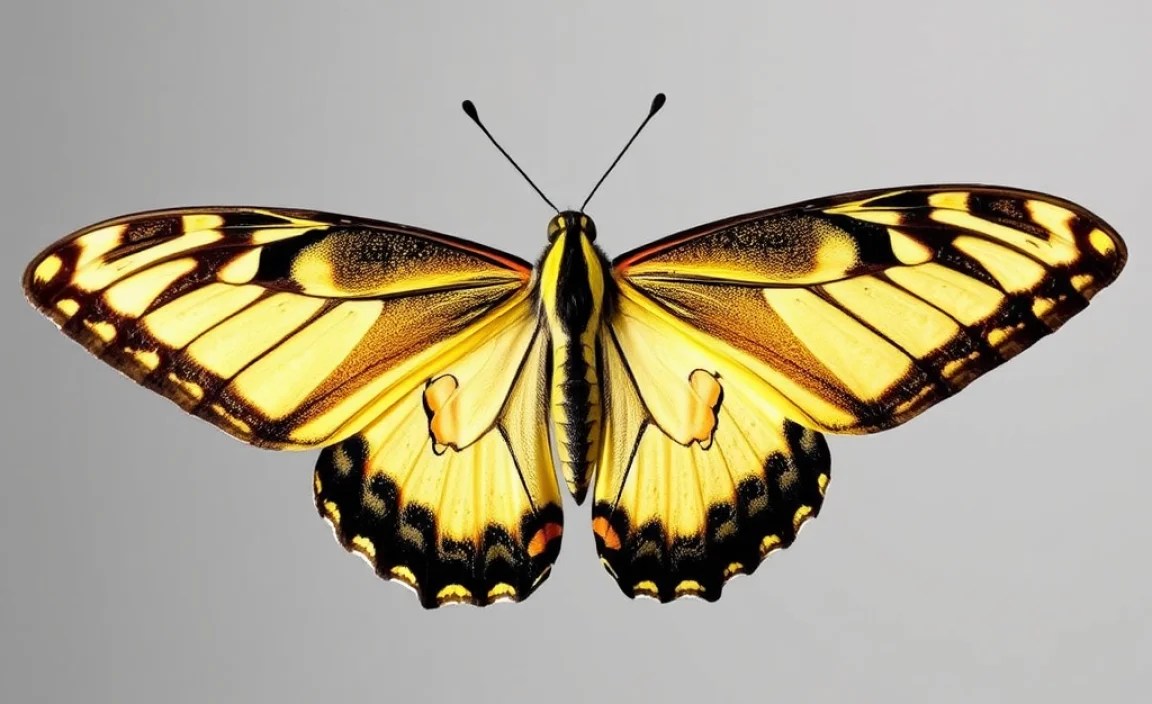
Comparing tail length across different swallowtail species is interesting. The Eastern Tiger Swallowtail has long, elegant tails. These tails are often longer than the Black Swallowtail’s tails. The Spicebush Swallowtail has shorter, wider tails. These are different from the others. The Giant Swallowtail has very long tails. These can be almost as long as its body! These differences help to identify each type. By comparing the tail lengths, you can learn to tell them apart. Also notice color and wing patterns. This will help you become an expert. You will be able to say how to identify swallowtail tail length easily. It’s like learning to tell different breeds of dogs apart. Each has its own unique features.
| Species | Tail Length | Tail Shape | Other Markings |
|---|---|---|---|
| Eastern Tiger Swallowtail | Long | Slender | Black stripes on yellow wings |
| Black Swallowtail | Short | Stubby | Blue spots on black wings |
| Spicebush Swallowtail | Medium | Wide | Greenish-blue sheen |
| Giant Swallowtail | Very Long | Pointed | Yellow spots on dark wings |
Understanding these differences can make identification easier. Remember to consider other factors as well. Wing shape, color, and location are all important. For example, the Pipevine Swallowtail has a distinctive blue sheen. This helps to distinguish it from other species. The Zebra Swallowtail has long, striped wings. These look like a zebra’s stripes. By combining all of these clues, you can become a skilled butterfly identifier. Keep practicing and observing. Soon, you will be able to identify any swallowtail you see. You will become a master of how to identify swallowtail tail length. Always be curious and keep learning.
Fun Fact or Stat: Swallowtail butterflies use their feet to taste their food!
What Makes Each Species Unique?
Each swallowtail species is unique in its own way. The Eastern Tiger Swallowtail is known for its bright yellow wings. The Black Swallowtail has beautiful blue spots. The Spicebush Swallowtail has a green sheen. The Giant Swallowtail is the biggest swallowtail in North America. The Zebra Swallowtail has long, striped wings. These features help us tell them apart. They also help the butterflies survive. The colors and patterns can help them hide from predators. They can also attract mates. Learning about these features helps us understand the amazing diversity of nature. We see how to identify swallowtail tail length and other traits.
How Do Habitats Affect Tail Length?
The place where a swallowtail lives can affect its tail length. In windy areas, shorter tails might be better. Long tails can make it hard to fly in the wind. In warmer areas, longer tails might help with flight. The type of plants in the area can also play a role. Some swallowtails eat specific plants. The chemicals in those plants can affect their development. This includes the length of their tails. So, the environment plays a big part in shaping these butterflies. Knowing the habitat helps us understand how to identify swallowtail tail length.
Can Tail Length Indicate Butterfly Health?
Yes, tail length can sometimes tell us about a butterfly’s health. If a butterfly’s tails are torn or missing, it might be a sign of injury or disease. A healthy butterfly will have full, undamaged tails. Also, if the tails are unusually short, it could mean the butterfly did not develop properly. This could be due to poor nutrition or exposure to chemicals. So, when you are observing swallowtails, pay attention to the condition of their tails. It can give you clues about their overall health. You can learn about how to identify swallowtail tail length and also butterfly health.
Factors Influencing Swallowtail Tail Length
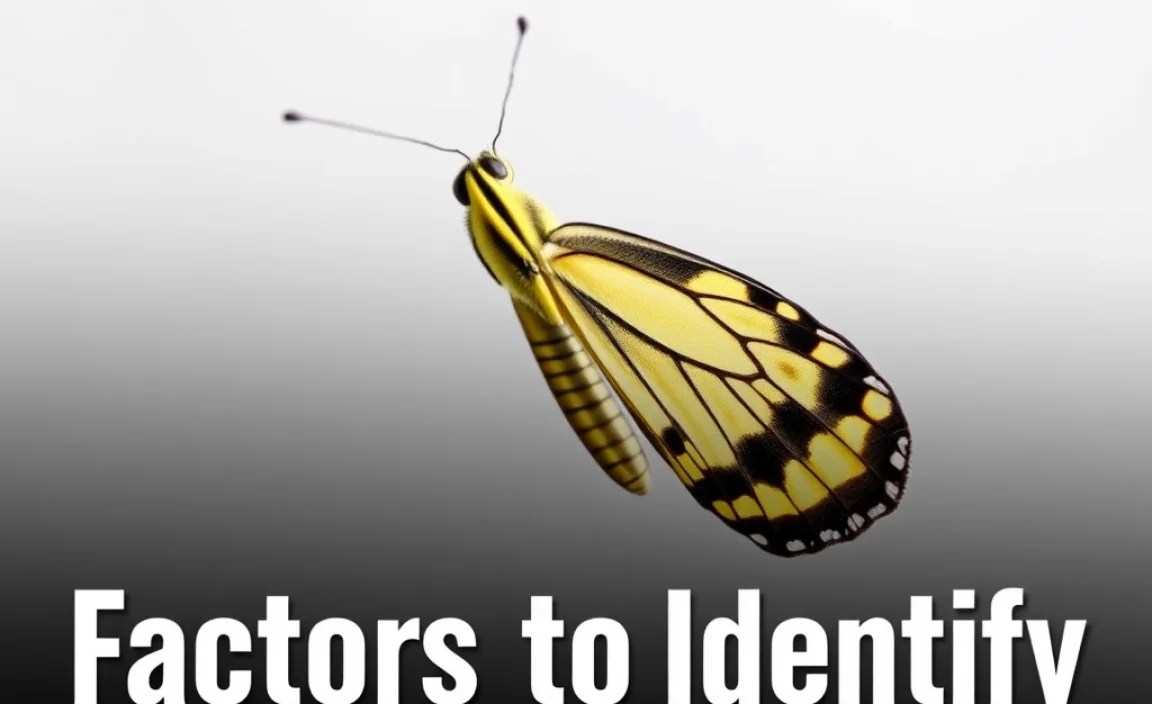
Many factors can affect the tail length of swallowtail butterflies. One factor is genetics. Just like people inherit traits from their parents, butterflies do too. Some species are naturally born with longer or shorter tails. Another factor is the environment. Temperature, humidity, and food availability can all play a role. Butterflies that grow up in good conditions might have longer tails. Butterflies that grow up in poor conditions might have shorter tails. Also, injuries can affect tail length. If a butterfly gets its tail damaged, it might not grow back to its original length. Understanding these factors helps us understand how to identify swallowtail tail length.
- Genetics determine the base tail length.
- Environment affects growth and development.
- Temperature and humidity play a role.
- Food availability impacts tail length.
- Injuries can cause permanent changes.
It is important to remember that tail length is not the only thing that matters. Other factors, like wing patterns and colors, are also important. By looking at all of these factors together, you can get a better idea of what kind of swallowtail you are seeing. Also, remember that there can be variation within a species. Not all Eastern Tiger Swallowtails will have the exact same tail length. There will always be some differences. This is what makes nature so interesting. So, keep exploring and keep learning. You will become a master of how to identify swallowtail tail length.
Fun Fact or Stat: Some swallowtail butterflies are poisonous to predators because they eat toxic plants as caterpillars!
How Does Climate Affect Tail Length?
Climate can have a big impact on swallowtail tail length. In warmer climates, butterflies tend to have longer tails. This is because longer tails help them regulate their body temperature. They can use their tails to release heat. In colder climates, butterflies tend to have shorter tails. This is because shorter tails help them conserve heat. The climate can also affect the plants that the butterflies eat. If the plants are healthier, the butterflies will be healthier too. This can lead to longer tails. We can learn how to identify swallowtail tail length by knowing the climate.
Do Predators Influence Tail Length?
Predators can also influence swallowtail tail length. Longer tails can make it harder for predators to catch the butterflies. The tails can act as a distraction. The predator might grab the tail instead of the body. This gives the butterfly a chance to escape. Also, some butterflies have tails that look like antennae. This can confuse predators. They might think the tail is the head. This can give the butterfly an extra second to fly away. So, predators play a role in shaping the evolution of swallowtail tails. Knowing this helps to learn how to identify swallowtail tail length.
What Role Does Nutrition Play?
Nutrition is very important for swallowtail tail length. If a caterpillar does not get enough food, it might not grow properly. This can lead to shorter tails. Also, the type of food matters. Some plants are more nutritious than others. Caterpillars that eat nutritious plants will grow bigger and stronger. They will also have longer tails. So, it is important to provide caterpillars with a good diet. This will help them develop into healthy butterflies. Knowing this impacts how to identify swallowtail tail length.
The Role of Swallowtail Tail Length in Survival

Swallowtail tail length plays a big role in helping butterflies survive. Longer tails can confuse predators. When a bird tries to catch a butterfly, it might go for the tail first. If the butterfly can lose its tail, it can escape. The butterfly can still fly without its tail. Also, longer tails can help butterflies attract mates. Some butterflies are more attracted to butterflies with long tails. This helps them find partners and have babies. So, tail length is important for both protection and reproduction. Understanding this helps us understand how to identify swallowtail tail length.
- Tails distract predators, aiding escape.
- Longer tails can attract mates.
- Tails help with balance during flight.
- Tails play a role in camouflage.
- Tails can help regulate body temperature.
It is amazing how something as simple as tail length can have such a big impact on a butterfly’s life. Every part of a butterfly’s body is designed to help it survive. The wings help it fly. The colors help it hide. The antennae help it find food. And the tails help it escape predators and find mates. By studying these amazing creatures, we can learn a lot about nature. We can also learn to appreciate the beauty and complexity of the world around us. Knowing how to identify swallowtail tail length is only the first step. There is so much more to discover. So, keep exploring and keep learning.
Fun Fact or Stat: Swallowtail butterflies can fly up to 12 miles per hour!
How Do Tails Help Butterflies Escape Predators?
Tails help butterflies escape predators in a few ways. First, they act as a distraction. When a bird attacks, it might go for the tail. If the butterfly loses its tail, it can still fly away. The bird is left with just a small piece of wing. Second, the tails can confuse the predator. Some tails look like antennae. This can make the predator think the butterfly is facing the other way. This gives the butterfly a chance to escape. Learning how to identify swallowtail tail length also helps to understand how they avoid predators.
Do Longer Tails Always Mean Better Survival?
Not always! While longer tails can help with some things, they can also be a problem. Longer tails can make it harder to fly in windy conditions. They can also make the butterfly more visible to predators. So, there is a balance. The ideal tail length depends on the environment. In some places, longer tails are better. In other places, shorter tails are better. It all depends on the specific challenges that the butterfly faces. Being able to see how to identify swallowtail tail length is not all you need to know.
Can Damaged Tails Affect Survival?
Yes, damaged tails can affect survival. If a butterfly’s tails are torn or missing, it might not be able to escape predators as easily. It might also have trouble attracting mates. So, it is important for butterflies to keep their tails in good condition. They can do this by avoiding predators and staying away from rough environments. A butterfly’s survival depends on its tails. So, knowing how to identify swallowtail tail length is important.
Conservation Efforts and Swallowtail Tail Length
Conservation efforts are very important for protecting swallowtail butterflies. Many swallowtail species are threatened by habitat loss and pollution. When we protect their habitats, we help them survive. We can also reduce pollution. This will make the environment healthier for them. One important thing we can do is plant native plants. These plants provide food and shelter for the butterflies. We can also avoid using pesticides. Pesticides can harm the butterflies and their caterpillars. By taking these steps, we can help ensure that swallowtail butterflies continue to thrive. These efforts will also make sure we can continue how to identify swallowtail tail length in future generations.
- Protecting habitats is crucial for survival.
- Reducing pollution helps butterfly health.
- Planting native plants provides food.
- Avoiding pesticides protects butterflies.
- Supporting conservation organizations helps.
It is important to remember that every little bit helps. Even small actions, like planting a butterfly garden, can make a big difference. We can also educate others about the importance of protecting these amazing creatures. By working together, we can ensure that swallowtail butterflies continue to grace our world for many years to come. Also, it helps us to continue learning how to identify swallowtail tail length. So, let’s all do our part to protect these beautiful butterflies and their habitats. They are an important part of our ecosystem and deserve our protection.
Fun Fact or Stat: Some swallowtail butterflies migrate long distances, just like birds!
How Does Habitat Loss Affect Tail Length?
Habitat loss can have a big impact on swallowtail tail length. When butterflies lose their habitats, they have less food and shelter. This can lead to poor nutrition and stress. These factors can affect their growth and development. Butterflies that grow up in poor conditions might have shorter tails. Also, habitat loss can make it harder for butterflies to find mates. This can lead to a decline in the population. This is because how to identify swallowtail tail length does not matter if there are no butterflies.
What Role Do Butterfly Gardens Play?
Butterfly gardens play a very important role in conservation. They provide butterflies with a safe place to feed and reproduce. Butterfly gardens also help to educate people about the importance of butterflies. By planting native plants, we can create habitats that are perfect for swallowtail butterflies. We can also avoid using pesticides in our gardens. This will help to protect the butterflies from harm. These gardens are key to ensuring everyone can learn how to identify swallowtail tail length.
How Can We Help Protect Swallowtail Butterflies?
There are many ways we can help protect swallowtail butterflies. We can plant native plants in our gardens. We can avoid using pesticides. We can support conservation organizations. We can educate others about the importance of butterflies. We can also reduce our carbon footprint. This will help to protect their habitats from climate change. Every little bit helps. By working together, we can make a big difference. Everyone can learn how to identify swallowtail tail length and help conserve the butterflies.
Summary
Learning how to identify swallowtail tail length is an interesting way to understand different types of butterflies. Tail length can vary across species. Factors like genetics, environment, and predators influence it. Longer tails can help with escape and attracting mates. However, shorter tails might be better in windy areas. Conservation efforts, like protecting habitats and planting native plants, are crucial for swallowtail survival. Habitat loss and pollution threaten these butterflies. By understanding these factors, we can better appreciate and protect these amazing creatures.
Conclusion
Swallowtail butterflies are beautiful insects. They add color to our world. How to identify swallowtail tail length helps us know them better. Their tails help them survive. Protecting their homes is very important. We can all help these butterflies. Plant flowers. Don’t use harmful sprays. Together, we can keep these butterflies flying for years to come. Let’s all do our part to help them thrive.
Frequently Asked Questions
Question No 1: What is the easiest way to start learning about swallowtail butterflies?
Answer: Starting with a local field guide is a great first step. These guides have pictures and descriptions. They show common swallowtails in your area. Look for butterflies in your backyard or local park. Compare what you see to the pictures in the book. Many apps can help you with identification too. These resources will make it easier to learn how to identify swallowtail tail length and other features. Remember to be patient and enjoy the process of discovery.
Question No 2: How can I attract more swallowtail butterflies to my garden?
Answer: To attract swallowtails, plant their favorite flowers. These include milkweed, butterfly bush, and zinnias. Make sure to plant these in a sunny spot. Also, provide a source of water, like a birdbath. Avoid using pesticides in your garden. These can harm the butterflies. By creating a butterfly-friendly habitat, you can attract many swallowtails to your yard. Then you can easily practice how to identify swallowtail tail length.
Question No 3: What should I do if I find an injured swallowtail butterfly?
Answer: If you find an injured swallowtail, be very careful. Gently pick it up and put it in a safe place. A small box with air holes works well. Offer it some sugar water. You can make this by mixing sugar and water. Place a small sponge or cotton ball soaked in the sugar water near the butterfly. If the butterfly is badly injured, it might be best to contact a local wildlife rehabilitator. They can provide the best care. Remember, being gentle is very important. Also, you can examine it to learn how to identify swallowtail tail length.
Question No 4: How does pollution affect swallowtail butterflies?
Answer: Pollution can harm swallowtail butterflies in many ways. Air pollution can damage their wings. Water pollution can contaminate their food sources. Pesticides can kill them directly. By reducing pollution, we can help protect these beautiful creatures. We can do this by driving less, using less energy, and avoiding pesticides. Every little bit helps. We can continue to learn how to identify swallowtail tail length when pollution is reduced.
Question No 5: Are there any swallowtail butterflies that don’t have tails?
Answer: Yes, there are some swallowtail butterflies that have very short tails, making them appear tailless. The Pine Swallowtail is an example. The tails may be small or worn. These butterflies can still be identified by their other features. Look at their wing patterns, colors, and location. These clues will help you figure out what kind of swallowtail it is. Even without long tails, you can learn how to identify swallowtail tail length and species.
Question No 6: What is the best time of year to see swallowtail butterflies?
Answer: The best time to see swallowtail butterflies depends on where you live. In most areas, they are most active in the spring and summer. This is when their favorite flowers are blooming. Also, the weather is warm. Check with your local nature center. They can tell you when the butterflies are most active in your area. Get outside and enjoy the beauty of these amazing creatures. When you see them, try to learn how to identify swallowtail tail length.


