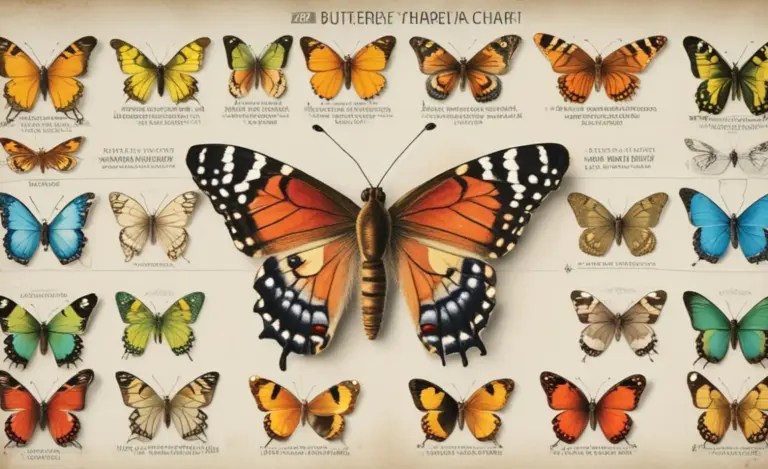
Lepidoptera Identification Guide: The Ultimate FREE Guide

Quick Summary:
Identifying Lepidoptera (butterflies and moths) involves examining wing patterns, size, color, and antennae shape. Observe their behavior, habitat, and time of day they are active. Using field guides, online resources, and butterfly identification apps will help you narrow down the species. Joining local butterfly groups can also improve your identification skills through shared knowledge and field experience.
Have you ever been captivated by a butterfly flitting through your garden, wondering what its name is? Or perhaps you’ve noticed a moth with intricate patterns on your porch light at night? Identifying these beautiful creatures can seem daunting, but it’s a rewarding journey into the world of Lepidoptera – the order of insects that includes butterflies and moths.
This guide will provide you with simple, step-by-step instructions to confidently identify butterflies and moths. We’ll explore key characteristics, useful tools, and helpful resources to transform you into a Lepidoptera expert. Get ready to unlock the secrets of these winged wonders!
What are Lepidoptera?
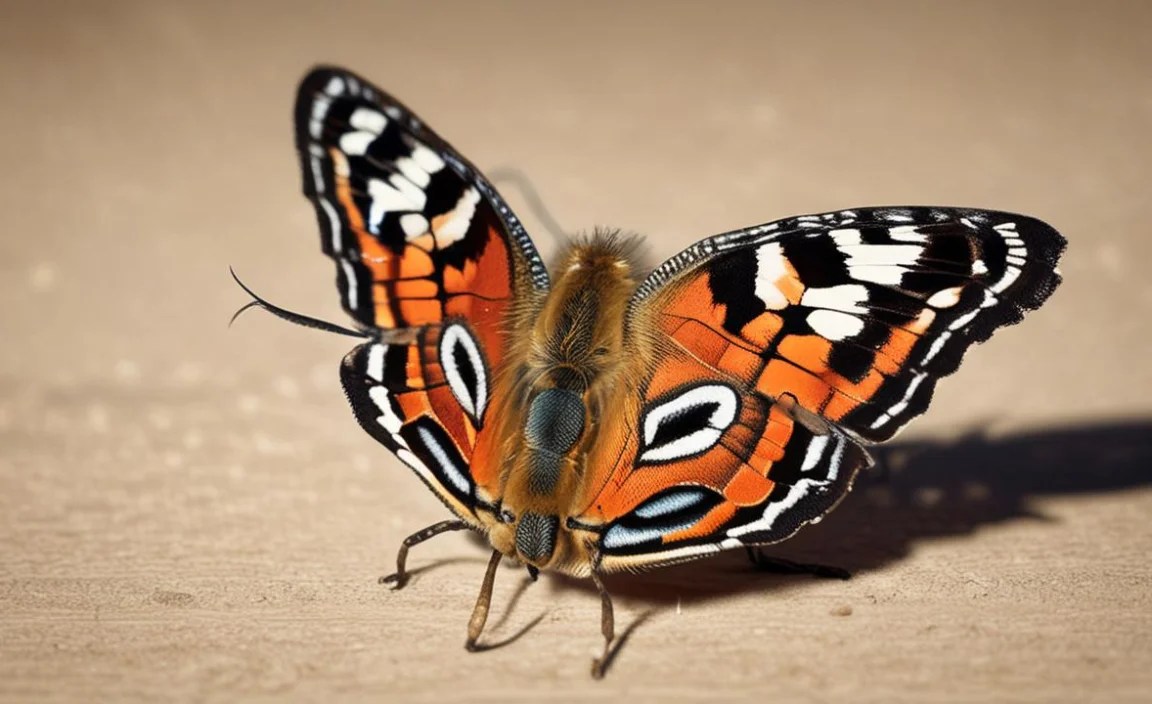
Lepidoptera comes from the Greek words “lepis” (scale) and “pteron” (wing), perfectly describing these insects whose wings are covered in tiny scales. This order includes both butterflies and moths, boasting over 180,000 species worldwide! While they share common traits, understanding their differences is key to identification.
Butterflies vs. Moths: Spotting the Difference
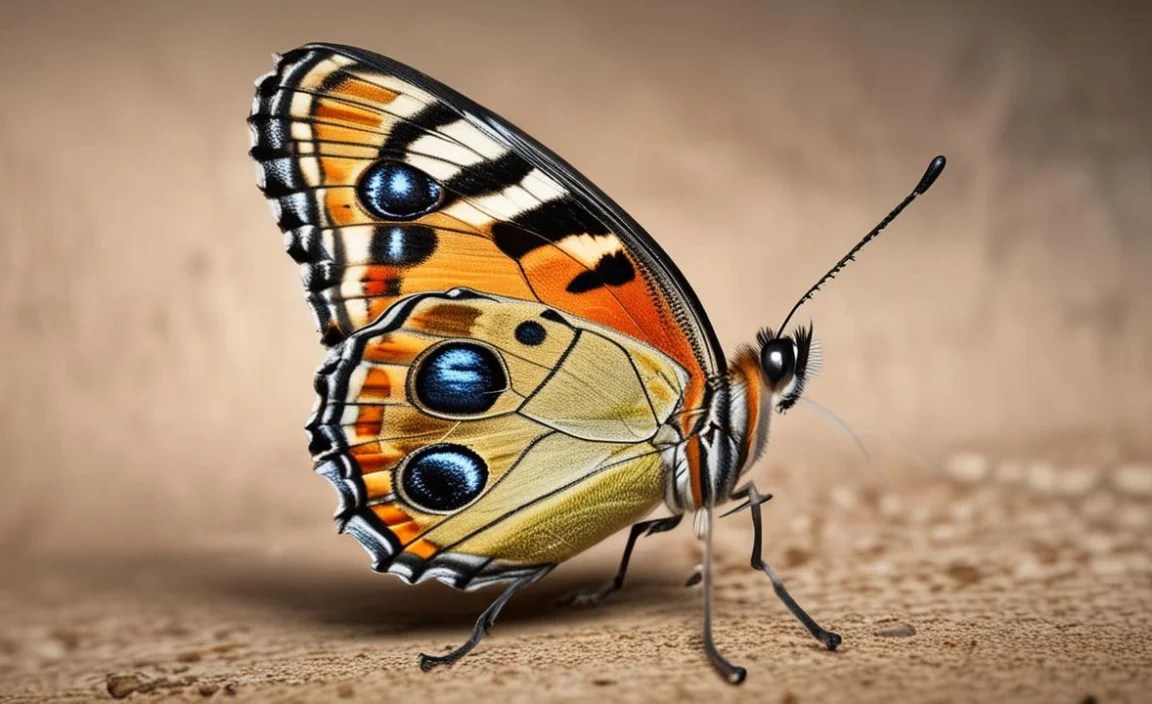
Butterflies and moths may look similar, but they have distinct differences. Knowing these distinctions is the first step in correctly identifying Lepidoptera.
- Antennae: Butterflies have thin, club-shaped antennae. Moths usually have feathery or comb-like antennae, though some have thin antennae that taper to a point.
- Wings at Rest: Butterflies typically fold their wings vertically above their body when at rest. Moths usually hold their wings flat, tent-like, or wrapped around their body.
- Body Shape: Butterflies tend to have slender, smooth bodies. Moths often have thicker, furrier bodies.
- Activity Time: Butterflies are primarily active during the day (diurnal), while moths are mostly active at night (nocturnal). However, there are exceptions to this rule.
- Pupae: Butterflies form a chrysalis, a smooth, hard casing. Moths usually form a pupa inside a silken cocoon.
Step-by-Step Lepidoptera Identification Guide
Here’s how to identify butterflies and moths, from gathering your tools to observing key features:
Step 1: Gather Your Tools
Having the right tools can make the identification process much easier and more enjoyable.
- Field Guide: A comprehensive field guide specific to your region is essential. Look for one with detailed descriptions and clear photos or illustrations. Peterson Field Guides and Kaufman Field Guides are excellent choices.
- Binoculars: A good pair of binoculars will allow you to observe butterflies and moths from a distance without disturbing them. 7×35 or 8×42 binoculars are generally recommended.
- Camera: A camera with a zoom lens can help you capture clear images for later identification. Even a smartphone camera can be useful.
- Notebook and Pencil: Keep a notebook to record your observations, including the date, time, location, and any distinguishing features you notice.
- Magnifying Glass: A magnifying glass can help you examine small details, such as wing patterns and antennae shape.
- Butterfly Net (Optional): If you want to get a closer look, a butterfly net can be used to gently catch a butterfly or moth for a brief examination. Be sure to handle them with care and release them promptly.
Step 2: Observe the Lepidoptera in Its Natural Habitat
Where you find a butterfly or moth can provide valuable clues about its identity. Different species are found in different habitats.
- Location: Note the geographic location, including the state, county, and specific habitat (e.g., forest, meadow, garden).
- Habitat: Is it in a sunny meadow, a shady forest, a backyard garden, or near a body of water? Different species prefer different habitats.
- Time of Day: When did you see it? Butterflies are usually active during the day, while most moths are active at night.
- Behavior: What is it doing? Is it feeding on nectar, basking in the sun, or flying erratically?
Step 3: Examine Key Physical Characteristics
Carefully observe the butterfly or moth’s physical features. Pay attention to the following details:
Wing Shape and Size
The shape and size of the wings can vary significantly between species. Some butterflies have rounded wings, while others have pointed or elongated wings. Measure the wingspan (the distance from the tip of one wing to the tip of the other) if possible.
Wing Color and Pattern
Wing color and pattern are the most obvious characteristics. Note the dominant colors, any spots, stripes, or bands, and the overall pattern complexity. Look for unique markings or features that stand out.
Body Shape and Color
Observe the shape and color of the body. Is it slender or stout? Smooth or hairy? The body color can sometimes differ from the wing color.
Antennae Shape
As mentioned earlier, antennae shape is a key difference between butterflies and moths. Note whether the antennae are club-shaped, feathery, or thread-like.
Step 4: Use a Field Guide or Online Resource
Once you have gathered your observations, use a field guide or online resource to compare your findings with known species.
- Field Guides: Compare your observations with the descriptions and photos in your field guide. Pay attention to the range maps to see if the species is known to occur in your area.
- Online Resources: Websites like Butterflies and Moths of North America (BAMONA) and BugGuide.net offer extensive photo galleries and identification information.
- Butterfly Identification Apps: Several smartphone apps, such as iNaturalist and Picture Insect, can help you identify butterflies and moths by analyzing photos you take.
Step 5: Narrow Down the Possibilities
Based on your observations and the information you find in your field guide or online resource, narrow down the possibilities to a few likely species.
- Consider the Range: Does the species occur in your geographic location?
- Match the Habitat: Does the species prefer the habitat where you found the butterfly or moth?
- Compare the Markings: Do the wing patterns and colors match the descriptions and photos?
- Observe the Behavior: Does the behavior match the typical behavior of the species?
Step 6: Confirm Your Identification
If possible, confirm your identification by comparing your observations with multiple sources. You can also consult with experienced butterfly enthusiasts or entomologists.
- Cross-Reference Information: Compare the descriptions and photos from multiple field guides and online resources.
- Consult Experts: Share your photos and observations with local butterfly groups or entomologists for their opinion.
- Observe Again: If possible, revisit the location and observe the butterfly or moth again to confirm your identification.
Butterfly Anatomy 101
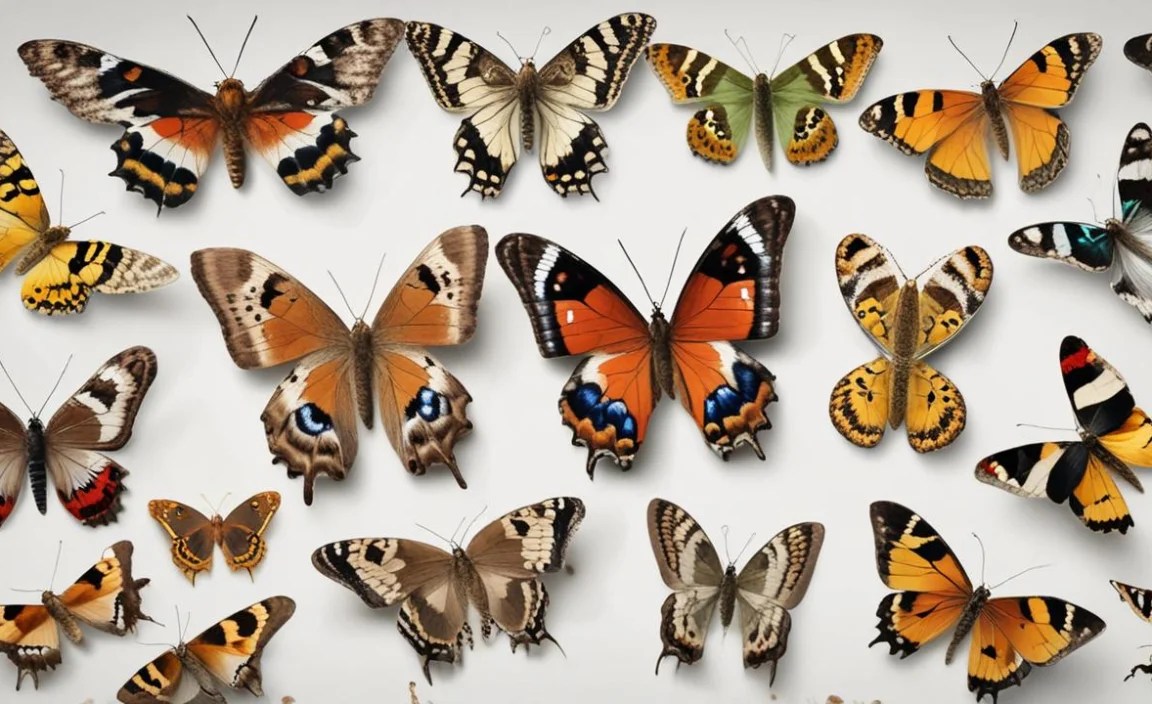
Understanding butterfly anatomy is crucial for accurate identification. Here’s a quick overview of the key parts:
| Part | Description | Importance in Identification |
|---|---|---|
| Head | Contains the eyes, antennae, and proboscis. | Antennae shape is key for distinguishing butterflies from moths. |
| Thorax | The middle section of the body, where the wings and legs are attached. | Body shape and hairiness can be identifying features. |
| Abdomen | The hindmost section of the body, containing the digestive and reproductive organs. | Generally less important for identification, but can vary in size and color. |
| Wings | Two pairs of wings covered in scales. | Wing shape, color, and pattern are the most important identifying features. |
| Legs | Six legs attached to the thorax. | Not typically used for identification. |
Understanding Wing Patterns
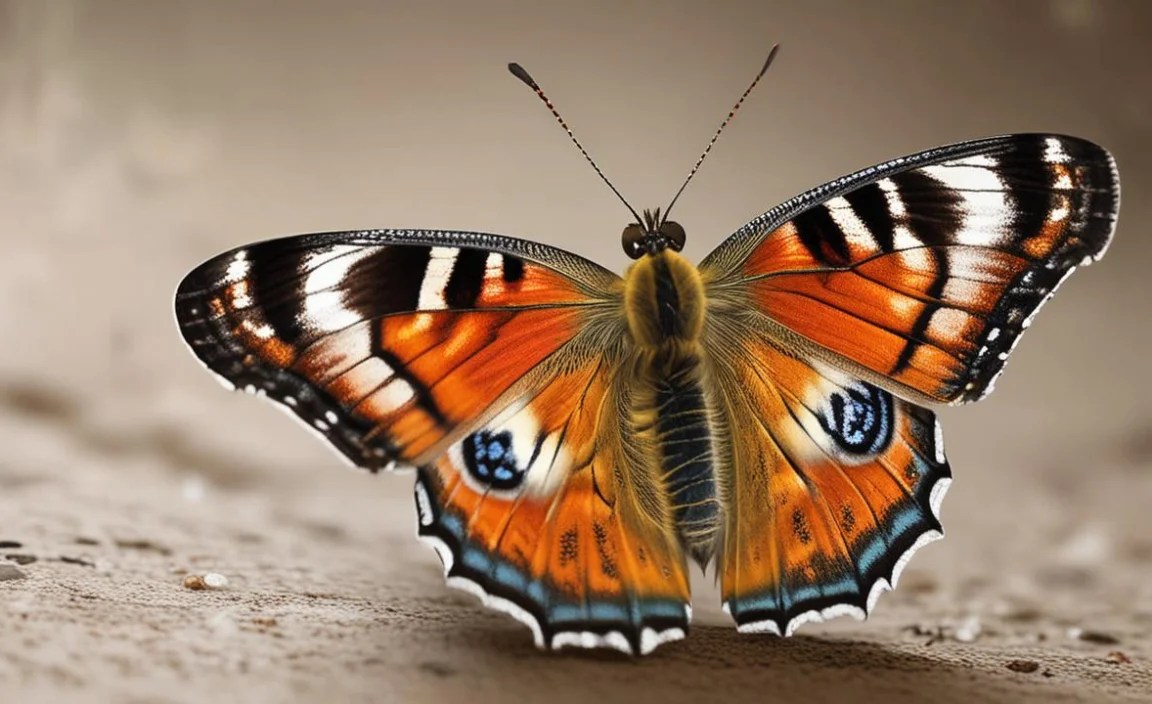
Butterfly and moth wings display a dazzling array of patterns, each serving a purpose, from camouflage to attracting mates. Learning to recognize these patterns is essential for identification.
- Spots: Circular markings that can vary in size, color, and number.
- Bands: Stripes that run across the wing, either horizontally or vertically.
- Lines: Thin, delicate markings that can be straight, curved, or wavy.
- Eyespots: Large, circular markings that resemble eyes, often used to startle predators.
- Marginal Markings: Patterns along the edges of the wings.
Resources for Lepidoptera Identification
There are numerous resources available to help you identify butterflies and moths. Here are some of the most useful:
- Field Guides:
- Peterson Field Guides to Eastern Butterflies
- Kaufman Field Guide to Butterflies of North America
- National Audubon Society Field Guide to North American Butterflies
- Websites:
- Butterflies and Moths of North America (BAMONA)
- BugGuide.net
- The Xerces Society for Invertebrate Conservation
- Apps:
- iNaturalist
- Picture Insect
- Seek by iNaturalist
- Local Butterfly Groups:
- Search online for butterfly clubs or societies in your area.
- Attend meetings and field trips to learn from experienced enthusiasts.
The Importance of Lepidoptera
Butterflies and moths are not just beautiful; they also play vital roles in the ecosystem. They are important pollinators, contributing to the reproduction of many plants, including crops that we rely on for food. They also serve as a food source for birds, bats, and other animals. Lepidoptera are also indicators of environmental health, and their presence or absence can tell us a lot about the condition of our ecosystems.
Conservation Efforts
Many species of butterflies and moths are threatened by habitat loss, pesticide use, and climate change. Supporting conservation efforts is crucial to protecting these important insects. You can help by:
- Planting Native Plants: Native plants provide food and shelter for butterflies and moths.
- Avoiding Pesticides: Pesticides can harm or kill butterflies and moths.
- Creating Butterfly Gardens: Create a butterfly-friendly habitat in your yard.
- Supporting Conservation Organizations: Donate to or volunteer with organizations that work to protect butterflies and moths, such as National Wildlife Federation.
FAQ: Lepidoptera Identification
What is the easiest way to tell a butterfly from a moth?
Look at the antennae! Butterflies have thin antennae with a clubbed tip, while moths usually have feathery or comb-like antennae.
Can I identify a butterfly just from a picture?
Yes, often you can. High-quality photos, especially showing wing patterns and other key features, can be very helpful. Use online resources or field guides to compare your photos.
What should I do if I find an injured butterfly?
Gently move it to a safe place, like a sheltered plant. You can offer it a sugar-water solution (1 part sugar to 4 parts water) on a cotton ball. If it’s severely injured, contact a local wildlife rehabilitator.
Are all moths nocturnal?
No, not all moths are nocturnal. Some moths, like the hummingbird clearwing moth, are active during the day.
What is the best field guide for identifying butterflies in my region?
The best field guide depends on your location. Peterson Field Guides and Kaufman Field Guides are excellent general resources, but look for guides specific to your region for more accurate information.
How can I attract more butterflies to my garden?
Plant nectar-rich flowers that bloom at different times of the year. Include host plants for caterpillars, like milkweed for monarchs. Provide a water source, like a shallow dish of water with pebbles.
Why are butterfly populations declining?
Habitat loss, pesticide use, climate change, and disease are all contributing to butterfly population declines. Supporting conservation efforts and creating butterfly-friendly habitats can help.
Conclusion
Identifying Lepidoptera is a rewarding journey into the fascinating world of butterflies and moths. By following these steps, using the right tools, and consulting reliable resources, you can confidently identify these beautiful creatures. Remember, every observation contributes to our understanding and appreciation of these vital insects. So, grab your field guide, head outdoors, and start exploring the wonderful world of Lepidoptera!