
Butterfly Identification Using Wing Edge: Easy Guide

Have you ever seen a butterfly up close? Butterflies are beautiful insects. They fly around in gardens and parks. Did you know you can identify them? One way is through butterfly identification using wing edge. It’s like reading a secret code on their wings!
Key Takeaways
- Butterfly identification using wing edge helps us know different types of butterflies.
- Look closely at the edges of butterfly wings to see unique patterns.
- Wing patterns and shapes can tell us about a butterfly’s species.
- Different butterfly families have different wing edge characteristics.
- Learning wing edge details makes identifying butterflies fun and easy.
Butterfly Wing Edge: An Introduction
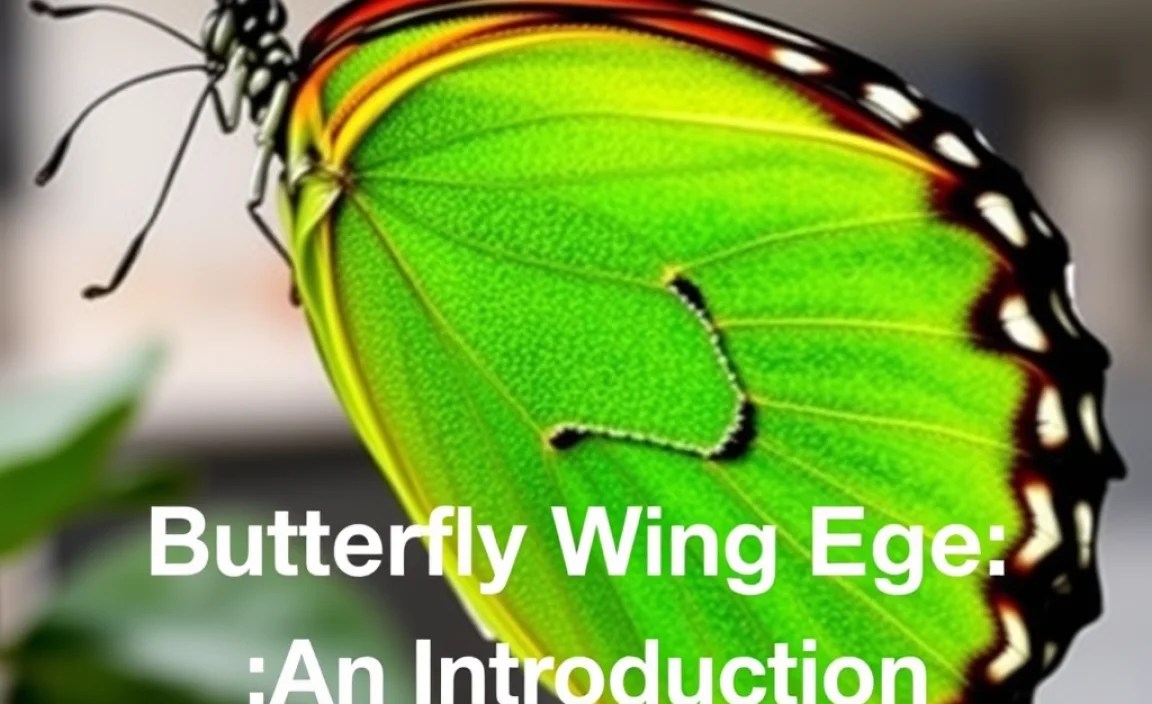
Have you ever wondered how to tell butterflies apart? They all look so colorful! One cool way is to look at their wing edges. The butterfly identification using wing edge involves checking the shapes and patterns there. It is like having a secret code to unlock their names! Each butterfly species has unique wing edges. Some have smooth edges. Others have jagged or scalloped edges. These differences can help you know what kind of butterfly you are seeing. So, next time you see a butterfly, take a closer look at those wings!
- Butterfly wings have different shapes.
- Wing edges can be smooth or jagged.
- Wing patterns help identify butterflies.
- Each species has unique wing markings.
- Knowing wing edges makes identification easier.
Imagine you are a detective. Your mission is to solve the mystery of the butterflies. The wing edges are your clues! By studying the butterfly identification using wing edge, you learn to see small details. These details tell you a lot about the butterfly. It is like reading a book. Every line and curve on the wing tells a story. With practice, you can become a butterfly expert. You will be able to name them just by looking at their wings. It’s a fun and rewarding hobby. You can explore nature and learn new things every day.
Fun Fact or Stat: The Red Admiral butterfly can be identified by the white spots on the edge of its black wings!
Why Wing Edges Matter
Why do wing edges matter for butterfly identification using wing edge? Wing edges often have distinct patterns. These patterns can be colors, spots, or lines. They help butterflies camouflage. Camouflage helps them hide from predators. These patterns also help butterflies attract mates. Males and females can recognize each other. For example, a Monarch butterfly has orange wings. Its wing edges have black lines and white spots. These patterns are very specific to Monarchs. These details help us know it’s a Monarch. Paying attention to wing edges opens up a new world of butterfly knowledge. It’s a fascinating part of nature to explore.
Tools for Wing Edge Identification
What tools do you need for butterfly identification using wing edge? You don’t need a lot of fancy equipment. A good pair of binoculars can help. Binoculars let you see the wing edges up close. A magnifying glass is also useful. You can use it to study tiny details. A field guide is a great tool. It has pictures and descriptions of butterflies. A notebook and pencil will help you take notes. You can draw the wing edges you see. There are also apps for your phone. These apps can help you identify butterflies. With these tools, you will be ready to explore the world of butterflies. And you will discover the secrets hidden in their wings.
Common Mistakes in Identification
What are some common mistakes in butterfly identification using wing edge? Sometimes people confuse similar species. For example, the Viceroy butterfly looks like the Monarch. But the Viceroy has a black line on its hindwing. This line is not on the Monarch’s wing. Lighting can also affect how you see the colors. Shadows can make patterns look different. Wear and tear on the wings can also be a problem. Old butterflies might have damaged wing edges. This can make it hard to see the patterns. Always look for multiple clues. Check the body and the wing shape. This will help you avoid mistakes. Keep practicing and you will get better.
Fun Fact or Stat: Butterfly wings are covered in tiny scales. These scales create the colors and patterns!
Wing Shape and Butterfly Families

Butterfly identification using wing edge also involves wing shape. Different butterfly families have different wing shapes. Swallowtail butterflies have long tails on their hindwings. This makes them easy to recognize. Brush-footed butterflies have small front legs. They often hold them close to their bodies. This makes it look like they only have four legs. Skippers have hooked antennae. Their bodies are thicker than other butterflies. These features, along with wing edge details, are important. Knowing the family traits helps you narrow down the possibilities. It makes identifying butterflies more accurate. It’s like having a head start in solving the butterfly puzzle.
- Swallowtails have tails on their wings.
- Brush-footed butterflies have small front legs.
- Skippers have hooked antennae.
- Wing shape is different for each family.
- Family traits help with identification.
Imagine you are sorting butterflies into different groups. You have four boxes labeled with butterfly families. You need to learn how to sort them correctly. First, you look at the wing shape. Is it long and narrow? Does it have tails? Then, you check the wing edges. Are they smooth or jagged? What patterns do you see? Next, you look at the body. Is it thin or thick? What about the antennae? By checking these features, you can put each butterfly in the right box. This is how experts use butterfly identification using wing edge. It helps them organize and understand the butterfly world.
Fun Fact or Stat: Some butterfly wings are transparent. You can see right through them!
Swallowtail Wing Characteristics
What makes swallowtail wings special for butterfly identification using wing edge? Swallowtails have distinctive tails on their hindwings. These tails can be long or short. The shape of the tail can vary between species. Some swallowtails have colorful patterns on their wings. Others have dark wings with bright spots. The wing edges might have scallops or curves. The combination of tail shape, wing pattern, and edge detail is key. It helps you tell one swallowtail species from another. For example, the Eastern Tiger Swallowtail has black stripes. The Black Swallowtail has blue and orange spots. These details make each swallowtail unique.
Brush-footed Butterfly Traits
How can you identify brush-footed butterflies using butterfly identification using wing edge? Brush-footed butterflies are named for their small front legs. They look like they have only four legs. Their wings are often brightly colored. They can be orange, red, or brown. The wing edges can have different shapes. Some have smooth edges. Others have jagged edges. The patterns on their wings can be complex. They might have spots, lines, or bands. Look for these features. They will help you identify brush-footed butterflies. Examples include the Monarch and the Painted Lady. Each has its own unique wing markings and edge characteristics.
Skipper Butterfly Features
What features define skipper butterflies for butterfly identification using wing edge? Skippers have thicker bodies than other butterflies. Their antennae are hooked. Their wings are usually small and triangular. They often have brown or orange colors. The wing edges can be smooth or slightly rounded. Skippers are fast fliers. They dart around quickly. This can make them hard to see. Look for their hooked antennae and thick bodies. These features will help you identify skippers. Common skippers include the Silver-spotted Skipper and the Fiery Skipper. Each has slightly different wing patterns and shapes.
Fun Fact or Stat: Butterflies taste with their feet. They have sensors on their feet that detect food!
Color Patterns and Markings on Wing Edges
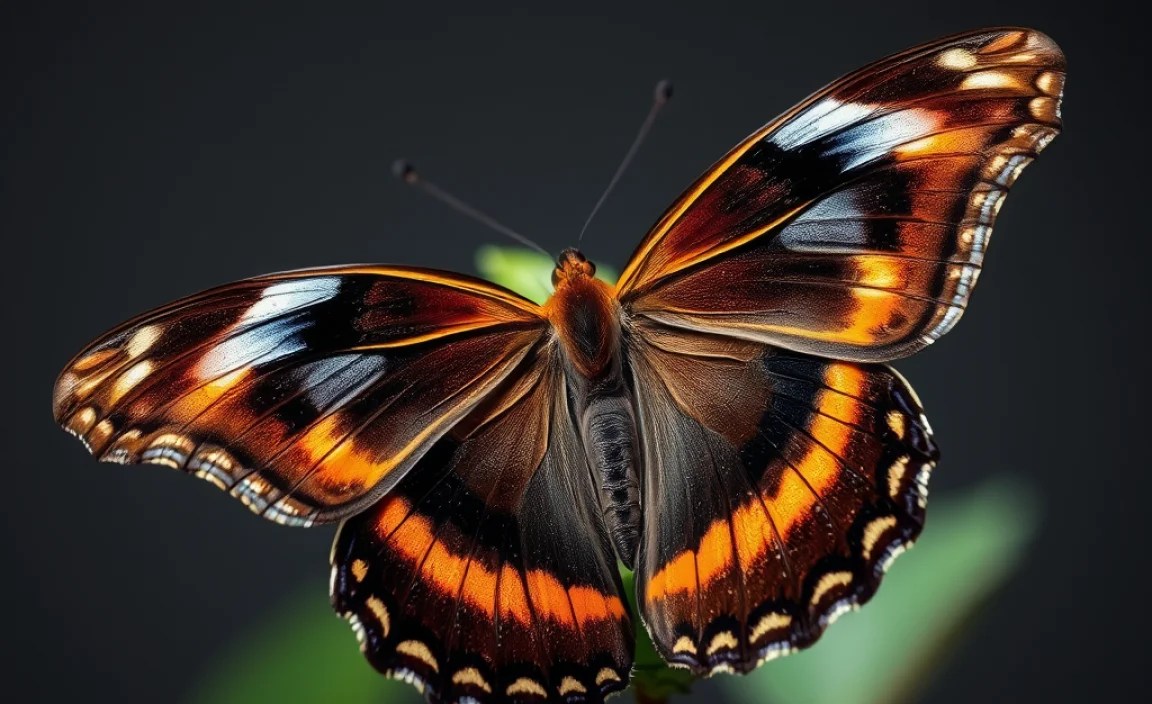
Butterfly identification using wing edge involves studying color patterns. The colors and markings on the wing edges can be very helpful. Some butterflies have bright colors. Others have dull colors. The patterns can be spots, lines, or bands. Some butterflies have metallic colors. These colors can shine in the light. The patterns on the wing edges are often unique. They help to distinguish different species. For example, the Mourning Cloak has dark wings. Its wing edges have a yellow band. This makes it easy to identify. Pay attention to these details. They will help you identify butterflies.
- Colors can be bright or dull.
- Patterns include spots, lines, and bands.
- Some butterflies have metallic colors.
- Edge patterns help distinguish species.
- Mourning Cloaks have yellow wing edges.
Imagine you are painting a butterfly wing. You have many colors to choose from. You can make spots, lines, or bands. You can create different patterns on the wing edges. Each pattern is unique. It helps the butterfly stand out. Some butterflies have spots that look like eyes. These eye spots can scare away predators. Other butterflies have patterns that blend in with their surroundings. This helps them hide. The butterfly identification using wing edge helps you see these amazing designs. It lets you appreciate the beauty and complexity of nature.
Fun Fact or Stat: Some butterflies migrate long distances. They travel thousands of miles each year!
Spots and Dots on Wing Edges
How do spots and dots help with butterfly identification using wing edge? Many butterflies have spots or dots on their wing edges. These spots can be different colors and sizes. They can be arranged in different patterns. Some butterflies have a single row of spots. Others have scattered spots. The number, color, and arrangement of the spots are important clues. They help you tell different species apart. For example, the Buckeye butterfly has distinctive eye spots. These spots are located near the wing edges. They help scare away predators.
Lines and Bands on Wing Edges
How do lines and bands contribute to butterfly identification using wing edge? Lines and bands can run along the wing edges. They can be straight or curved. They can be thick or thin. The color of the lines and bands can vary. Some lines are dark. Others are light. Some lines are broken. Others are continuous. The width, color, and pattern of these lines are important. They help you identify different species. The Red Admiral has a red band on its wing edges. This band is a key feature for identification.
Metallic Colors on Wing Edges
What role do metallic colors play in butterfly identification using wing edge? Some butterflies have metallic colors on their wing edges. These colors can shine in the sunlight. They can be green, blue, or purple. The metallic colors are created by tiny scales on the wings. These scales reflect light. The arrangement of the scales creates the metallic effect. The presence and location of metallic colors can be helpful. They aid in identifying different species. The Morpho butterfly is known for its bright blue metallic wings. The color is especially vibrant near the edges.
Fun Fact or Stat: Butterflies undergo metamorphosis. They change from caterpillars to butterflies!
Wing Edge Serrations and Scallops
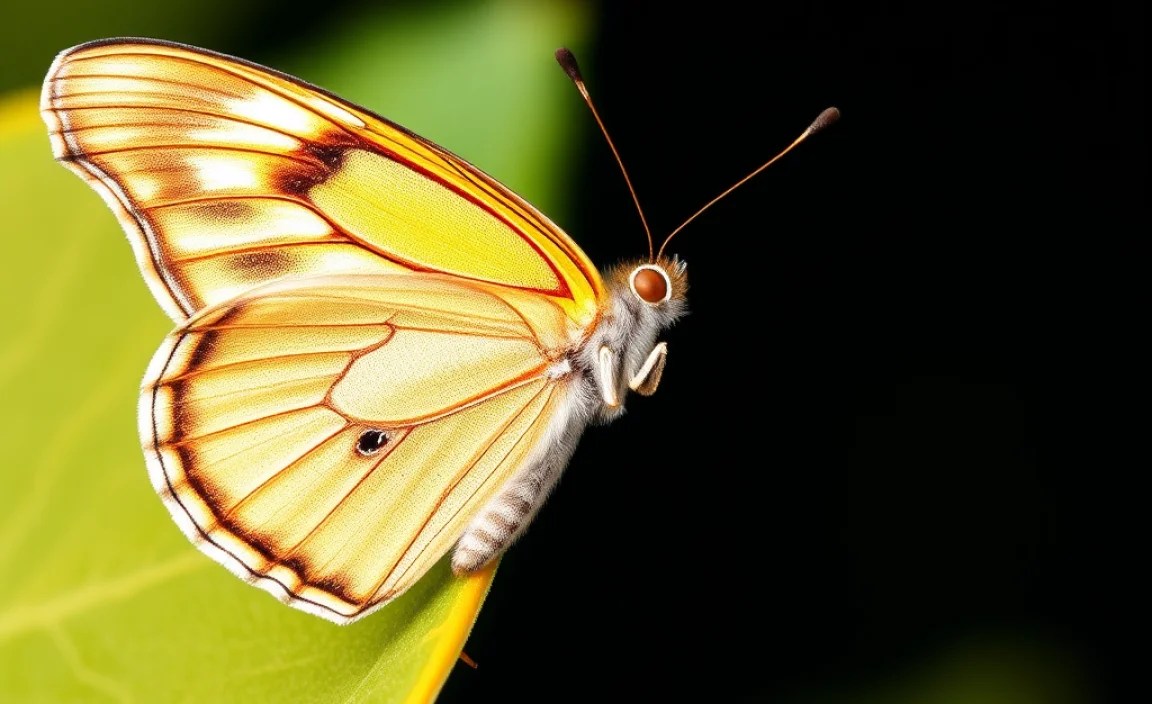
Butterfly identification using wing edge includes serrations and scallops. Serrations are small, tooth-like projections. Scallops are rounded curves along the edge. Some butterflies have smooth wing edges. Others have serrated or scalloped edges. The size and shape of the serrations or scallops can vary. They can be fine or coarse. They can be deep or shallow. These features are important for identification. They help you tell different species apart. For example, some fritillary butterflies have deeply scalloped wing edges. These scallops make them easy to recognize.
| Feature | Description | Example |
|---|---|---|
| Smooth Edge | Wing edge is even and unbroken. | Monarch Butterfly |
| Serrated Edge | Wing edge has small, tooth-like projections. | Some Swallowtail Butterflies |
| Scalloped Edge | Wing edge has rounded curves. | Fritillary Butterflies |
| Jagged Edge | Wing edge has uneven, sharp projections. | Question Mark Butterfly |
- Serrations are tooth-like projections.
- Scallops are rounded curves.
- Some butterflies have smooth edges.
- Serrations and scallops vary in size.
- Fritillaries have scalloped edges.
Imagine you are cutting paper with different scissors. One pair of scissors makes a smooth cut. Another pair makes a jagged cut. A third pair makes a wavy cut. The wing edges of butterflies are like these different cuts. Some are smooth. Some are jagged. Some are wavy. The butterfly identification using wing edge helps you see these differences. It lets you appreciate the variety of shapes and textures in nature. It’s like being an artist. You are studying the lines and curves of a beautiful masterpiece.
Fun Fact or Stat: Butterflies can see ultraviolet light. This helps them find nectar in flowers!
Identifying Serrated Wing Edges
How do you identify serrated wing edges using butterfly identification using wing edge? Look closely at the wing edge. Do you see small, tooth-like projections? Are the projections uniform in size? How many serrations are there per inch? The answers to these questions can help you identify the species. Some butterflies have fine serrations. Others have coarse serrations. The shape and size of the serrations can vary. Use a magnifying glass to get a better view. Compare your observations to a field guide.
Recognizing Scalloped Wing Edges
What should you look for when recognizing scalloped wing edges for butterfly identification using wing edge? Scalloped wing edges have rounded curves. The depth and spacing of the scallops can vary. Some butterflies have shallow scallops. Others have deep scallops. The shape of the scallops can be rounded or pointed. Look at the overall pattern of the scallops. Is it regular or irregular? Compare the wing edge to pictures in a field guide. This will help you identify the butterfly.
Smooth Wing Edges and Their Significance
Why are smooth wing edges important for butterfly identification using wing edge? Smooth wing edges lack serrations or scallops. The edge is even and unbroken. This is a key characteristic for some butterfly species. It helps distinguish them from others. The absence of serrations or scallops is significant. It narrows down the possibilities. Look at other features, such as color and pattern. These will help you confirm the identification. The Monarch butterfly has smooth wing edges. This is one way to identify it.
Fun Fact or Stat: Butterflies play an important role in pollination. They help plants make seeds!
Using Wing Edge in Field Guides

Butterfly identification using wing edge is often described in field guides. Field guides are books that help you identify plants and animals. They have pictures and descriptions of different species. The descriptions often include details about the wing edges. They might mention serrations, scallops, or smooth edges. They might also describe the color patterns on the wing edges. Field guides are a great resource for learning about butterflies. They can help you become an expert at identifying them. Always bring a field guide with you when you go butterfly watching.
- Field guides describe wing edge details.
- Descriptions include serrations and scallops.
- Color patterns on wing edges are noted.
- Field guides are great learning resources.
- Bring a field guide butterfly watching.
Imagine you are going on a butterfly safari. You have your binoculars, your net, and your field guide. As you walk through the meadow, you see a flash of color. A butterfly lands on a flower. You slowly approach it and take a closer look. You notice the shape of its wings. You see the patterns and colors. Then, you check the wing edges. Are they smooth or jagged? You open your field guide and start flipping through the pages. You compare the butterfly to the pictures in the book. Finally, you find a match! You have successfully identified the butterfly using the butterfly identification using wing edge. You feel like a true explorer!
Fun Fact or Stat: Butterflies have a short lifespan. Some only live for a few weeks!
How Field Guides Describe Wing Edges
How do field guides describe wing edges for butterfly identification using wing edge? Field guides use specific terms. They describe the shape of the wing edge. They might say “smooth,” “serrated,” or “scalloped.” They also describe the color patterns. They might mention spots, lines, or bands. The descriptions are usually detailed and precise. They help you compare the butterfly to the picture in the book. Look for these descriptions in your field guide. They will help you identify butterflies correctly. The guides often include diagrams, too.
Common Wing Edge Terms in Guides
What are some common wing edge terms used in field guides for butterfly identification using wing edge? You will often see terms like “smooth,” “serrated,” and “scalloped.” Other terms include “irregular,” “wavy,” and “fringed.” “Notched” and “lobed” are also used. These terms describe the shape of the wing edge. The guides also use terms to describe color patterns. These include “banded,” “spotted,” and “bordered.” Understanding these terms is important. It helps you use the field guide effectively. Look up any unfamiliar terms in a glossary.
Using Photos and Illustrations Effectively
How can you use photos and illustrations effectively for butterfly identification using wing edge? Photos and illustrations are a key part of field guides. They show you what the butterfly looks like. Pay attention to the details in the pictures. Look at the wing shape and color patterns. Check the wing edges. Compare the photo to the butterfly you are seeing. Use the photo to confirm your identification. Remember that photos can be affected by lighting. Colors might look different in different light. Use the descriptions in the field guide to help you.
Fun Fact or Stat: Some butterflies are poisonous. They taste bad to predators!
Advanced Techniques for Identification
Butterfly identification using wing edge can become advanced. Experts use detailed measurements and analysis. They study the venation (vein patterns) on the wings. They also look at the microscopic structures of the scales. These techniques require special equipment. They are used by scientists and researchers. You don’t need to use these techniques to enjoy butterfly watching. But it’s interesting to know how far the science can go. Advanced techniques can help identify rare or unusual butterflies. They can also help us understand butterfly evolution.
- Experts use detailed measurements.
- Venation patterns are studied.
- Microscopic scale structures are analyzed.
- Special equipment is needed.
- Advanced techniques identify rare species.
Imagine you are a butterfly scientist. You work in a lab. You have microscopes and computers. You study butterfly wings in great detail. You measure the length and width of the wings. You analyze the patterns of the veins. You look at the shape and color of the scales. You compare your findings to other scientists’ research. You publish your results in scientific journals. Your work helps us understand butterflies better. It helps us protect them from extinction. Advanced techniques are essential for butterfly conservation. They help us learn more about these amazing creatures.
Fun Fact or Stat: Butterflies help farmers by pollinating crops!
Venation Analysis and Wing Edge
How does venation analysis relate to butterfly identification using wing edge? Venation is the pattern of veins on the butterfly wing. The veins provide support for the wing. They also carry blood to the wing cells. The pattern of veins is unique to each species. Experts study the venation to confirm identification. They look at the number and arrangement of the veins. They also look at the shape of the cells between the veins. Venation analysis can be combined with wing edge analysis. This gives a more complete picture of the butterfly.
Microscopic Scale Structure and ID
What can microscopic scale structure reveal for butterfly identification using wing edge? Butterfly wings are covered in tiny scales. These scales create the colors and patterns. The shape and structure of the scales can vary. Some scales are flat. Others are ridged. Some scales have tiny holes. Others are solid. Experts use microscopes to study the scales. They can identify species based on the scale structure. This is a very precise method of identification. It requires specialized equipment and training.
Genetic Analysis for Species Confirmation
How does genetic analysis help confirm species for butterfly identification using wing edge? Genetic analysis involves studying the DNA of the butterfly. DNA is the genetic code that determines the characteristics of an organism. By comparing the DNA of different butterflies, scientists can see how closely related they are. Genetic analysis can be used to confirm the identification of a species. It can also be used to discover new species. This is a powerful tool for butterfly research and conservation.
Fun Fact or Stat: Butterflies are important indicators of environmental health!
Summary
Butterfly identification using wing edge is a fun and useful skill. You can learn to identify different types of butterflies by looking at their wing edges. The shape, color, and patterns on the wing edges are important clues. You can use field guides to help you. Look for serrations, scallops, or smooth edges. Pay attention to the color patterns. With practice, you will become a butterfly expert. Remember to look closely and take your time. Enjoy the beauty of nature as you learn about butterflies.
Conclusion
Learning about butterfly identification using wing edge can be a great hobby. You can identify butterflies in your backyard. You can explore local parks and gardens. You will develop a deeper appreciation for nature. You will also contribute to citizen science. You can share your observations with others. Start exploring the world of butterflies today. Have fun discovering the secrets of their wings.
Frequently Asked Questions
Question No 1: Why is butterfly identification using wing edge important?
Answer: Butterfly identification using wing edge is important because it helps us understand the different types of butterflies. Each butterfly species has unique wing edge characteristics. These characteristics can include the shape, color, and pattern of the wing edge. By learning to identify butterflies using their wing edges, we can track their populations. We can also monitor their health and distribution. This information is important for conservation efforts. It helps us protect these beautiful creatures and their habitats. Plus, it’s a fun way to connect with nature.
Question No 2: What tools do I need for butterfly identification?
Answer: You don’t need a lot of fancy equipment to start butterfly identification using wing edge. A good pair of binoculars is helpful for getting a closer look at the butterflies. A magnifying glass can help you see the wing edges in more detail. A field guide is essential for comparing the butterflies you see to known species. A notebook and pencil are useful for taking notes and drawing sketches. There are also many apps available for your smartphone that can help you identify butterflies. With these tools, you will be well-equipped to explore the world of butterflies.
Question No 3: How can I tell the difference between similar butterfly species?
Answer: Telling the difference between similar butterfly species can be tricky. The butterfly identification using wing edge is one key factor. Look closely at the wing edges. Check for serrations, scallops, or smooth edges. Pay attention to the color patterns on the wing edges. Compare the size and shape of the wings. Also, look at the body and antennae. Use a field guide to compare your observations to known species. Consider the location and time of year. Some species are only found in certain areas or during certain seasons. With practice, you will become better at distinguishing between similar species.
Question No 4: What are some common mistakes in butterfly identification?
Answer: One common mistake in butterfly identification using wing edge is not looking closely enough at the wing edges. People often focus on the overall color and pattern of the wings. They forget to check the details of the wing edges. Another mistake is relying too much on one feature. Always look for multiple clues to confirm your identification. Lighting can also affect how you see the colors. Shadows can make patterns look different. Be aware of wear and tear on the wings. Damaged wing edges can make it hard to see the patterns. Always use a field guide to compare your observations.
Question No 5: How can I attract more butterflies to my garden?
Answer: Attracting more butterflies to your garden is easy. Plant flowers that provide nectar for butterflies. Choose a variety of colors and shapes. This will attract different species. Include host plants for caterpillars. These are plants that the caterpillars eat. Provide a water source, such as a shallow dish of water with pebbles. Avoid using pesticides. Pesticides can harm butterflies and other beneficial insects. Provide a sunny spot for butterflies to bask. With these simple steps, you can create a butterfly-friendly garden.
Question No 6: How does butterfly identification using wing edge help with conservation?
Answer: Butterfly identification using wing edge is important for conservation. It allows us to track butterfly populations. We can monitor their health and distribution. This information helps us identify species that are threatened or endangered. We can then take steps to protect them and their habitats. By studying butterfly populations, we can also learn about the health of the environment. Butterflies are sensitive to changes in their environment. They can be indicators of pollution or habitat loss. Citizen scientists can contribute to conservation efforts. They can report their butterfly sightings to organizations. This helps scientists gather data and monitor populations.


