
Glasswing Butterfly Habitat: Secret to Finding Them?

Quick Summary: Creating a suitable glasswing butterfly habitat involves providing a warm, humid environment with host plants like Cestrum and nectar sources such as Lantana. Protection from strong winds and pesticides is crucial. A shaded area with filtered sunlight mimics their natural rainforest home, ensuring these delicate butterflies thrive.
Have you ever dreamed of seeing a butterfly with wings so clear they seem to disappear? The glasswing butterfly, with its translucent wings, is a marvel of nature. But creating the right environment for these beautiful creatures can be tricky. Many butterfly enthusiasts struggle to replicate the tropical conditions these butterflies need to flourish. Don’t worry! This guide will walk you through each step, showing you how to create a perfect glasswing butterfly habitat. Get ready to transform your garden into a haven for these incredible insects. We’ll cover everything from selecting the right plants to providing the ideal climate, so you can enjoy their ethereal beauty up close!
Understanding the Glasswing Butterfly
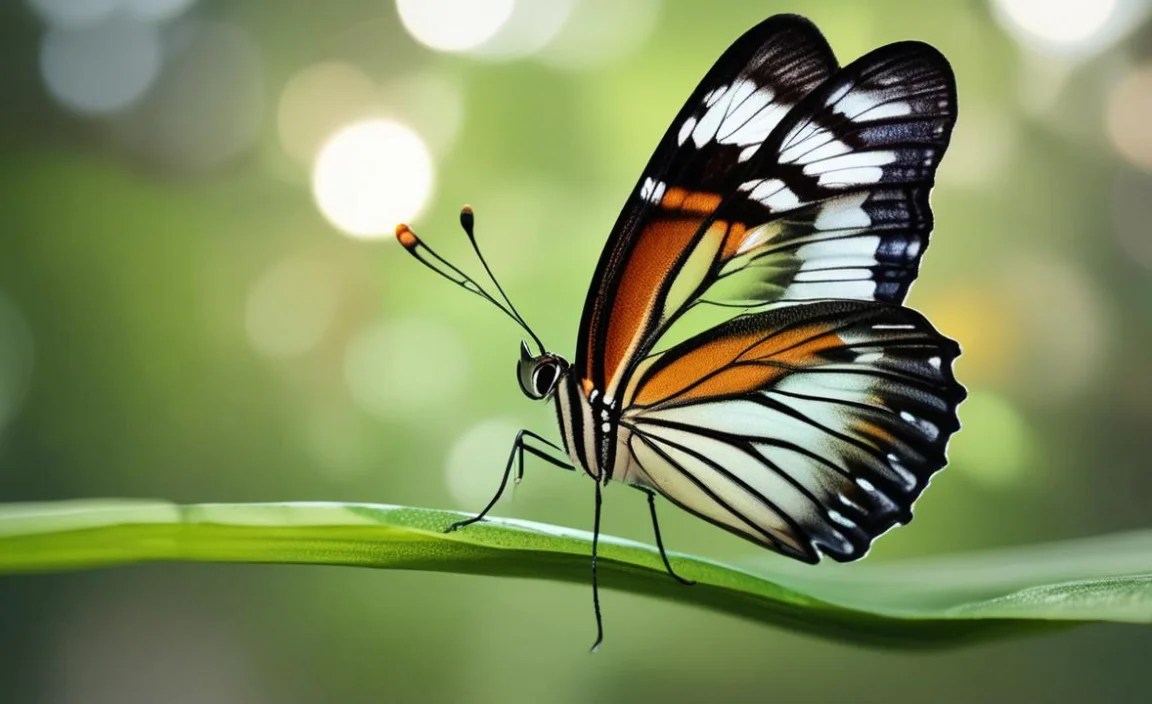
The glasswing butterfly (Greta oto) is a fascinating species found in the rainforests of Central and South America. Its most distinctive feature is its transparent wings, which allow it to camouflage effectively in its natural habitat. Before you start creating a habitat, it’s important to understand their basic needs and preferences.
Key Characteristics of Glasswing Butterflies
- Appearance: Transparent wings with a dark border.
- Habitat: Tropical rainforests.
- Diet: Nectar from various flowering plants.
- Host Plants: Primarily Cestrum species for larvae.
- Behavior: Prefers shaded areas and high humidity.
Why is Habitat Important?
Creating a suitable habitat is crucial for the survival and well-being of glasswing butterflies. Habitat loss and pesticide use are major threats to their populations. By providing a safe and nurturing environment, you can contribute to their conservation and enjoy their beauty in your own backyard.
Step-by-Step Guide to Creating a Glasswing Butterfly Habitat

Here’s how to create a thriving habitat for glasswing butterflies:
1. Choose the Right Location
The location of your habitat is critical. Glasswing butterflies thrive in warm, humid environments with plenty of shade. Consider these factors when choosing a spot:
- Sunlight: Filtered sunlight is ideal. Avoid direct, harsh sunlight, which can be harmful.
- Wind Protection: Glasswing butterflies are delicate and cannot tolerate strong winds. Choose a sheltered location.
- Proximity to Host Plants: Ensure the location is close to the host plants you will be planting.
- Accessibility: Make sure the area is easily accessible for maintenance and observation.
2. Prepare the Soil
The soil should be well-draining and rich in organic matter. Here’s how to prepare it:
- Clear the Area: Remove any grass, weeds, and debris from the chosen location.
- Amend the Soil: Mix in compost, peat moss, or other organic matter to improve soil fertility and drainage.
- Test the Soil: Use a soil testing kit to check the pH level. Glasswing butterfly host plants prefer slightly acidic to neutral soil (pH 6.0-7.0).
- Loosen the Soil: Till or dig the soil to a depth of at least 12 inches to ensure proper root growth.
3. Select and Plant Host Plants
Host plants are essential because they provide food for the larvae (caterpillars) of the glasswing butterfly. The primary host plant for glasswing butterflies is Cestrum. Here are some popular options:
- Cestrum diurnum (Day-Blooming Jessamine): A fragrant shrub that attracts adult butterflies and provides food for larvae.
- Cestrum nocturnum (Night-Blooming Jessamine): Another fragrant option that blooms at night, attracting moths as well.
When planting host plants:
- Space Plants Appropriately: Follow the recommended spacing guidelines for each species.
- Water Regularly: Keep the soil consistently moist, especially during the first few weeks after planting.
- Fertilize Lightly: Use a balanced fertilizer to promote healthy growth.
4. Provide Nectar Sources
Adult glasswing butterflies feed on nectar from various flowering plants. Providing a variety of nectar sources will attract and sustain them. Here are some excellent choices:
- Lantana: A colorful flowering plant that attracts many butterfly species.
- Salvia: Offers a range of colors and is a favorite among butterflies.
- Pentas: Produces clusters of star-shaped flowers that butterflies love.
- Zinnia: Easy to grow and provides a long-lasting source of nectar.
- Butterfly Bush (Buddleja davidii): A well-known butterfly magnet.
When planting nectar sources:
- Choose a Variety of Colors and Shapes: Different butterflies are attracted to different types of flowers.
- Plant in Clusters: Grouping plants together makes it easier for butterflies to find them.
- Ensure Continuous Bloom: Select plants that bloom at different times of the year to provide a constant food source.
5. Create a Humid Environment
Glasswing butterflies thrive in high humidity. Here are some ways to increase humidity in your habitat:
- Misting: Regularly mist the plants with water, especially during dry periods.
- Water Features: Install a small fountain or pond to increase humidity.
- Grouping Plants: Planting plants close together helps create a microclimate with higher humidity.
- Mulching: Apply a layer of mulch around the plants to retain moisture in the soil.
6. Provide Shelter and Shade
Glasswing butterflies prefer shaded areas where they can rest and escape the heat. Here are some ways to provide shelter and shade:
- Plant Trees and Shrubs: Use trees and shrubs to create a canopy that provides shade.
- Use Shade Cloth: Install shade cloth over part of the habitat to reduce direct sunlight.
- Create Hiding Spots: Provide dense foliage where butterflies can hide from predators.
7. Protect from Predators and Pesticides
Protecting glasswing butterflies from predators and pesticides is crucial for their survival. Here’s how to do it:
- Avoid Pesticides: Never use pesticides in or around the habitat. They can be harmful or fatal to butterflies and other beneficial insects.
- Physical Barriers: Use netting or fencing to protect the habitat from larger predators.
- Encourage Natural Predators: Attract birds and other beneficial insects that prey on common butterfly pests like aphids and caterpillars.
8. Maintain the Habitat
Regular maintenance is essential to keep your glasswing butterfly habitat thriving. Here are some maintenance tips:
- Water Regularly: Keep the soil consistently moist, especially during dry periods.
- Weed Regularly: Remove any weeds that compete with the host and nectar plants.
- Prune Plants: Prune plants to encourage healthy growth and flowering.
- Fertilize Periodically: Apply a balanced fertilizer to keep the plants healthy.
- Monitor for Pests and Diseases: Regularly inspect plants for signs of pests or diseases and take appropriate action.
Essential Elements for a Glasswing Butterfly Habitat

To summarize, here’s a table highlighting the essential elements for creating a successful glasswing butterfly habitat:
| Element | Description | Importance |
|---|---|---|
| Location | Sheltered, shaded area with filtered sunlight | Provides a suitable environment for delicate butterflies |
| Soil | Well-draining, rich in organic matter | Ensures healthy plant growth |
| Host Plants | Cestrum diurnum, Cestrum nocturnum | Provides food for larvae |
| Nectar Sources | Lantana, Salvia, Pentas, Zinnia | Provides food for adult butterflies |
| Humidity | High humidity levels (60-80%) | Mimics their natural tropical environment |
| Shelter | Trees, shrubs, shade cloth | Protects from direct sunlight and predators |
| Protection | Avoid pesticides, physical barriers | Ensures the safety of butterflies |
| Maintenance | Regular watering, weeding, pruning | Keeps the habitat healthy and thriving |
Common Challenges and Solutions
Creating a glasswing butterfly habitat can come with its challenges. Here are some common issues and how to address them:
Challenge 1: Low Humidity
- Solution: Use misters, water features, and group plants together to increase humidity.
Challenge 2: Pest Infestation
- Solution: Avoid pesticides. Instead, use natural pest control methods like introducing beneficial insects or using insecticidal soap.
Challenge 3: Lack of Sunlight
- Solution: Ensure the habitat receives filtered sunlight. If necessary, prune surrounding trees or shrubs to allow more light to reach the plants.
Challenge 4: Poor Soil Drainage
- Solution: Amend the soil with organic matter to improve drainage. Consider creating raised beds if drainage is a persistent problem.
Challenge 5: Wind Damage
- Solution: Plant windbreaks or use physical barriers like fences or netting to protect the habitat from strong winds.
The Benefits of Creating a Glasswing Butterfly Habitat

Creating a glasswing butterfly habitat offers numerous benefits:
- Conservation: Helps protect and support glasswing butterfly populations.
- Education: Provides an opportunity to learn about butterflies and their life cycle.
- Aesthetic Value: Enhances the beauty of your garden with colorful flowers and butterflies.
- Ecological Benefits: Supports local ecosystems and promotes biodiversity.
- Personal Enjoyment: Offers a relaxing and rewarding hobby.
Inspiring Stories and Examples
Many butterfly enthusiasts have successfully created thriving glasswing butterfly habitats. Here are a few inspiring stories:
Maria’s Butterfly Garden: Maria transformed her small urban backyard into a lush butterfly garden. By focusing on native plants and avoiding pesticides, she created a haven for glasswing butterflies and other pollinators.
The Community Butterfly Project: A group of volunteers created a butterfly garden in their local park. The garden not only attracted butterflies but also provided educational opportunities for the community.
Carlos’s School Butterfly Garden: Carlos, a science teacher, created a butterfly garden at his school. The garden became a living laboratory where students could learn about butterfly biology and conservation.
Resources and Further Reading
Here are some valuable resources for learning more about glasswing butterflies and creating butterfly habitats:
- The Xerces Society: A non-profit organization dedicated to protecting invertebrates and their habitats.
- National Geographic: Offers articles and videos about butterflies and other wildlife.
- Smithsonian Institution: Provides educational resources on butterflies and insects.
FAQ About Glasswing Butterfly Habitats
What plants do glasswing butterfly caterpillars eat?
Glasswing butterfly caterpillars primarily feed on plants in the Cestrum genus, such as Day-Blooming Jessamine (Cestrum diurnum) and Night-Blooming Jessamine (Cestrum nocturnum).
How can I attract glasswing butterflies to my garden?
To attract glasswing butterflies, provide their host plants (Cestrum) for caterpillars and nectar-rich flowers like Lantana, Salvia, and Pentas for adult butterflies. Ensure a humid, shaded environment with protection from wind and pesticides.
What is the ideal climate for glasswing butterflies?
Glasswing butterflies thrive in warm, humid climates, similar to their native tropical rainforests. They prefer temperatures between 70-85°F (21-29°C) and high humidity levels (60-80%).
Do glasswing butterflies need direct sunlight?
No, glasswing butterflies prefer filtered sunlight or shaded areas. Direct, harsh sunlight can be harmful to them. Providing a canopy of trees or using shade cloth can create the ideal environment.
How do I protect glasswing butterflies from predators?
Protect glasswing butterflies by avoiding pesticides, which can harm or kill them. Use physical barriers like netting or fencing to keep out larger predators. Encourage natural predators of butterfly pests, such as birds and beneficial insects.
What should I do if my host plants are being eaten by other insects?
If other insects are eating your host plants, try using natural pest control methods like insecticidal soap or introducing beneficial insects that prey on those pests. Regularly inspect your plants and remove pests manually when possible.
How often should I water my butterfly garden?
Water your butterfly garden regularly to keep the soil consistently moist, especially during dry periods. The frequency will depend on your climate and soil type, but aim to water deeply a few times a week rather than shallowly every day.
Conclusion
Creating a glasswing butterfly habitat is a rewarding endeavor that brings beauty and ecological benefits to your surroundings. By understanding the specific needs of these delicate creatures and following the steps outlined in this guide, you can transform your garden into a thriving haven for glasswing butterflies. Remember to provide the right host plants, nectar sources, humidity, and protection from predators and pesticides. With a little effort and dedication, you can enjoy the ethereal beauty of glasswing butterflies right in your own backyard, contributing to their conservation and inspiring others to appreciate the wonders of nature. So, go ahead and start creating your glasswing butterfly habitat today—you’ll be amazed by the results!


