
Identify Butterfly by Flight Height: The Easy Secret

Have you ever seen a butterfly flitting by? Butterflies are pretty. They fly in different ways. Did you know you can identify butterfly by flight height? It’s like being a butterfly detective!
Butterflies live all over the world. They come in many colors and sizes. Watching them is fun. Let’s learn how to tell them apart. We can use their flight to help us.
Learning about butterflies is cool. It helps us understand nature. So, let’s get started. We will learn how to identify butterfly by flight height. It is an exciting adventure!
Key Takeaways
- Knowing the typical flight height helps to identify butterfly species more easily.
- Butterfly wing patterns and colors are important clues for identification.
- Different butterflies prefer to fly at different heights.
- Butterfly habitats influence where you’ll find certain species.
- Observing flight patterns aids in butterfly identification.
How to Identify Butterfly by Flight Height
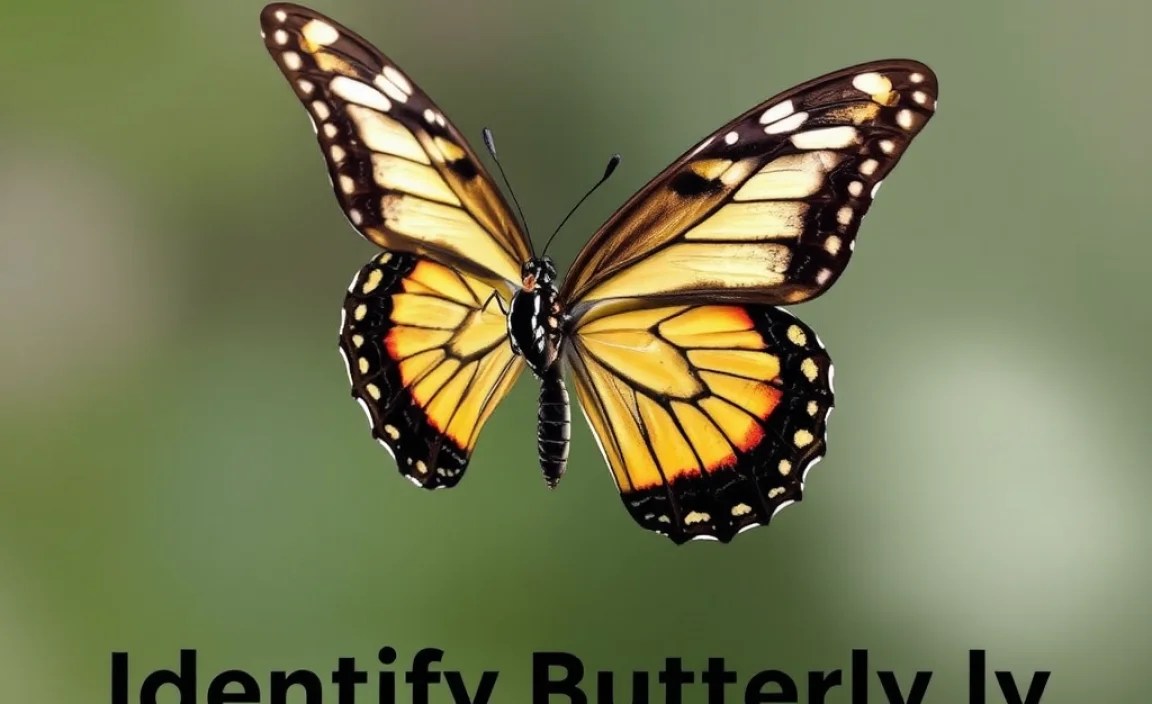
Have you ever wondered how to identify butterfly by flight height? It’s a neat trick. Butterflies don’t all fly the same way. Some like to stay close to the ground. Others soar high up in the sky. Knowing this can help you figure out what kind of butterfly you’re seeing. Different species have different preferences. For example, some butterflies stay near flowers. They sip nectar. Others fly higher to find mates. Paying attention to these habits makes you a better butterfly watcher. The height at which a butterfly flies can be a clue. It’s like a secret code. Once you learn the code, you can identify butterfly by flight height. This adds a whole new dimension to butterfly spotting.
- Pay attention to how high the butterfly flies.
- Notice if it stays near the ground or goes up high.
- Look at the colors and patterns on its wings.
- Check what kind of plants are nearby.
- See if the butterfly is alone or with others.
It’s important to remember that this is just one clue. You should also look at other things. Wing shape, color, and size all matter. The time of year is important too. Some butterflies only fly during certain seasons. The location is also a factor. Some species live in only specific areas. So, when you identify butterfly by flight height, use all the clues you can find. Combining all these observations will help you make a good guess. Butterfly watching is like being a detective. You gather clues and solve a mystery. Have fun exploring the world of butterflies!
Fun Fact or Stat: Some butterflies migrate thousands of miles each year, flying at impressive heights!
Why Does Flight Height Matter?
Why do some butterflies fly high and others low? It has to do with their needs. Some butterflies fly high to find a mate. They need to be seen from far away. Others stay low to find food. They look for nectar on flowers. The height they fly at helps them survive. Imagine trying to find a friend in a crowded place. You might stand on a chair to see better. Butterflies do something similar. They choose their flight height based on what they need. It’s all about survival in the butterfly world. Learning why they fly at different heights helps us identify butterfly species. It’s like understanding their secret language.
What Other Factors Help Identify a Butterfly?
Besides flight height, many things help identify butterfly species. Wing color is a big one. Some butterflies are bright and colorful. Others are dull and camouflaged. Wing shape also matters. Some wings are round, while others are pointy. Size is another factor. Some butterflies are tiny. Others are huge. The plants they visit are important too. Some butterflies only eat nectar from specific flowers. All these things together help you figure out what kind of butterfly you’re seeing. It’s like putting together a puzzle. Each piece of information helps you complete the picture. Have fun finding all the clues!
Butterfly Habitats and Flight Height
Where a butterfly lives affects its flight height. Forest butterflies might fly lower. They need to stay under the trees. Meadow butterflies might fly higher. They have more open space. Butterflies in the mountains might fly at different heights. It depends on the mountain’s shape. The habitat shapes how they fly. Imagine living in a tall building. You would use elevators to go up and down. Butterflies adapt to their surroundings. Their flight height is part of that adaptation. So, when you identify butterfly by flight height, think about where you are. It can give you a valuable clue.
Fun Fact or Stat: Butterflies use the sun as a navigation tool to maintain their flight direction and altitude!
Different Butterfly Species and Their Flight Heights

Different butterfly species have different flight heights. The Monarch butterfly is known for its long migrations. It often flies at higher altitudes. This helps it travel long distances. The Cabbage White butterfly usually stays low. It flits around gardens and fields. The Swallowtail butterfly can fly at various heights. It depends on what it’s doing. Knowing these general tendencies helps you identify butterfly by flight height. Think of it like knowing different sports. Basketball players are usually tall. Gymnasts are often shorter. Butterflies have their own “sports.” Each species has its preferred flight height.
- Monarch butterflies migrate at high altitudes.
- Cabbage White butterflies stay close to the ground.
- Swallowtail butterflies vary their flight height.
- Blues and Coppers often fly low near host plants.
- Skippers have a rapid, erratic flight pattern.
However, remember that these are just general patterns. Individual butterflies might behave differently. A Monarch might fly low to find a flower. A Cabbage White might fly higher to escape danger. The weather can also affect flight height. On windy days, butterflies might stay lower to the ground. On calm days, they might soar higher. So, always observe carefully. Don’t rely only on flight height. Use all the clues you can gather. Butterfly watching is a skill. It takes practice and patience. But it’s also a lot of fun!
Fun Fact or Stat: Some butterfly species can reach flight heights of over 1,000 feet to cross mountain ranges!
The Monarch Butterfly’s Flight
The Monarch butterfly is famous for its long journey. It flies thousands of miles each year. To do this, it often flies at a high flight height. This helps it catch the wind. The wind carries it along its way. Monarchs also use the sun to guide them. They can see polarized light. This helps them stay on course. Their migration is an amazing feat. Imagine flying that far on tiny wings! Understanding their flight height is part of understanding their migration. It’s a key piece of the puzzle. So, when you see a Monarch flying high, remember its incredible journey.
The Cabbage White’s Flight
The Cabbage White butterfly is a common sight. It’s often seen in gardens and fields. It usually flies low to the ground. This helps it find its favorite food. Cabbage White caterpillars eat cabbage plants. The butterflies need to find these plants to lay their eggs. Flying low helps them spot the right plants. Their flight height is linked to their food source. It’s a simple but effective strategy. They are not trying to identify butterfly. They are just trying to find food and survive. So, when you see a Cabbage White flitting low, think about its quest for cabbage.
The Swallowtail’s Flight
The Swallowtail butterfly is a beautiful insect. It comes in many different colors and patterns. Its flight height can vary. Sometimes it flies low, near flowers. Other times it flies high, searching for a mate. It’s a versatile flyer. Its flight height depends on what it needs. It’s like a Swiss Army knife of butterflies. It can adapt to different situations. Observing its flight height can tell you what it’s up to. Is it feeding? Is it mating? Is it just exploring? Pay attention to its behavior. You might learn something new about this amazing butterfly.
Fun Fact or Stat: Swallowtail butterflies are known for their graceful, gliding flight, often seen at varying heights depending on wind conditions and habitat.
Tools to Help Identify Butterfly by Flight Height
Want to get better at identify butterfly by flight height? There are some tools that can help. A good pair of binoculars is useful. They let you see butterflies from far away. A butterfly field guide is also helpful. It shows pictures of different butterflies. It tells you about their habits. A notebook and pen are good for taking notes. You can write down what you see. There are also apps for your phone. These apps can help you identify butterfly species. They use pictures and information. Using these tools can make butterfly watching easier and more fun. It’s like having a detective kit for butterflies!
- Use binoculars for better viewing.
- Carry a butterfly field guide.
- Take notes in a notebook.
- Download butterfly identification apps.
- Join a local butterfly watching group.
Remember, the best tool is your own observation skills. Pay attention to details. Look at the butterfly’s colors, patterns, and size. Watch how it flies. Listen to the sounds it makes. The more you observe, the better you’ll get at identify butterfly by flight height. It’s like learning a new language. The more you practice, the more fluent you become. Butterfly watching is a journey. Enjoy the process of learning and discovering. Every butterfly you see is a new opportunity to learn something.
Fun Fact or Stat: Butterfly identification apps can now identify species based on photos with over 90% accuracy!
Using Binoculars for Butterfly Watching
Binoculars are a great tool for butterfly watching. They help you see butterflies up close. You can see their colors and patterns more clearly. This makes it easier to identify butterfly species. When choosing binoculars, look for a pair that is lightweight. You don’t want them to be too heavy to carry. Also, look for a pair that has good magnification. This will help you see the butterflies better. Practice using your binoculars before you go butterfly watching. This will help you get used to them. Remember to focus carefully. You want to see the butterflies clearly. Binoculars can really enhance your butterfly watching experience.
Butterfly Field Guides
A butterfly field guide is like a cheat sheet for butterfly watching. It shows pictures of different butterflies. It also gives information about their habits. It tells you where they live. It tells you what they eat. It even tells you how they fly. All this information can help you identify butterfly by flight height. When choosing a field guide, look for one that covers your area. Different butterflies live in different places. You want a guide that shows the butterflies you’re likely to see. Also, look for a guide that has clear pictures. The pictures should be easy to see and understand. A good field guide is an essential tool for any butterfly watcher.
Butterfly Identification Apps
There are many butterfly identification apps available for smartphones. These apps use pictures and information to help you identify butterfly species. Some apps let you take a picture of a butterfly. Then, the app will tell you what kind of butterfly it is. Other apps let you browse through pictures of different butterflies. You can compare the pictures to the butterfly you’re seeing. These apps can be very helpful, but they’re not always perfect. Sometimes they make mistakes. So, always use your own observation skills too. Don’t rely only on the app. Use it as a tool to help you learn. Butterfly identification apps can be a fun and educational way to learn about butterflies.
Fun Fact or Stat: The first butterfly field guide was published in 1862 and contained hand-colored illustrations!
Best Locations to Identify Butterfly by Flight Height

Where you go butterfly watching matters. Different butterflies live in different places. If you want to identify butterfly by flight height, choose your location carefully. Meadows are great places to see butterflies. They have lots of flowers. Forests are also good. They offer shade and shelter. Gardens are perfect for seeing common butterflies. Parks are often well-maintained. They attract many different species. Even your own backyard can be a good spot. Plant some flowers that attract butterflies. Then, sit back and watch them fly. The best location depends on what kind of butterflies you want to see. So, do some research. Find out where your favorite butterflies live. Then, plan your trip.
- Visit meadows with plenty of wildflowers.
- Explore forests for shade-loving species.
- Check gardens for common butterflies.
- Look for butterflies in local parks.
- Create a butterfly-friendly backyard.
Remember to be respectful of the environment. Don’t disturb the butterflies. Don’t pick the flowers. Don’t leave trash behind. Leave the location as you found it. This will help protect the butterflies and their habitat. Butterfly watching is a privilege. We should treat it with respect. Also, be aware of the weather. Butterflies are more active on sunny days. They like warm temperatures. Avoid butterfly watching on cold, rainy days. The butterflies will be hiding. Plan your trip for a sunny afternoon. You’ll have the best chance of seeing lots of butterflies.
Fun Fact or Stat: The world’s largest butterfly garden is located in Penang, Malaysia, housing over 4,000 butterflies!
Butterfly Watching in Meadows
Meadows are butterfly paradises. They are full of wildflowers. These flowers provide nectar for the butterflies. Meadows also offer open space. This allows butterflies to fly freely. You can often identify butterfly by flight height in meadows. The butterflies are not hiding. They are out in the open. Look for butterflies near colorful flowers. They are probably feeding. Also, look for butterflies flying high above the meadow. They might be searching for a mate. Meadows are great places to see a variety of butterflies. Just remember to watch where you step. You don’t want to step on any butterflies or flowers.
Butterfly Watching in Forests
Forests are different from meadows. They are shadier and cooler. Some butterflies prefer these conditions. These butterflies often fly lower to the ground. They stay under the trees. You can identify butterfly by flight height even in forests. Look for butterflies near streams and ponds. They need water to survive. Also, look for butterflies near forest edges. These areas get more sunlight. Some butterflies like to bask in the sun. Forests offer a different kind of butterfly watching experience. It’s more about patience and observation. The butterflies are not as obvious. But they are there. You just have to look carefully.
Butterfly Watching in Gardens
Gardens are convenient places to see butterflies. You can even create your own butterfly garden. Plant flowers that attract butterflies. Some good choices include butterfly bush, zinnias, and milkweed. Then, sit back and watch the butterflies come. Gardens are great places to identify butterfly by flight height. You can see the butterflies up close. You can also observe their behavior. Are they feeding? Are they laying eggs? Are they just resting? Gardens offer a controlled environment for butterfly watching. You can create the perfect conditions for attracting butterflies. It’s a rewarding experience to see your garden come alive with butterflies.
Fun Fact or Stat: Some butterfly species are only found within a few miles of their specific host plant!
Seasonal Changes and Butterfly Flight Height

The seasons affect butterflies. They change their behavior. They also change their flight height. In the spring, butterflies emerge from their winter homes. They are hungry and ready to mate. They often fly low to the ground. They are searching for food and mates. In the summer, butterflies are more active. They fly higher and farther. They are laying eggs and raising their young. In the fall, butterflies prepare for winter. Some migrate south. Others find a safe place to hibernate. Their flight height depends on their strategy. Knowing these seasonal patterns helps you identify butterfly by flight height. It’s like understanding the butterfly’s calendar.
| Season | Typical Butterfly Activity | Typical Flight Height | Example Species |
|---|---|---|---|
| Spring | Emerging, mating, feeding | Low to medium | Spring Azure |
| Summer | Laying eggs, raising young | Medium to high | Monarch |
| Fall | Migrating, hibernating | Variable | Painted Lady |
| Winter | Dormant | N/A | Mourning Cloak (hibernating) |
- Butterflies emerge in spring.
- Summer is their most active time.
- Fall brings migration or hibernation.
- Winter is a time of dormancy.
- Flight height varies by season.
The weather also plays a role. On warm, sunny days, butterflies are more active. They fly higher and farther. On cold, cloudy days, butterflies are less active. They stay closer to the ground. They might even hide under leaves. So, when you go butterfly watching, pay attention to the season and the weather. These factors can affect what you see. They can also help you identify butterfly by flight height. It’s all about being observant and understanding the butterfly’s world.
Fun Fact or Stat: Some butterfly species overwinter as eggs, larvae, or pupae, while others migrate to warmer climates!
Spring Butterfly Flights
Spring is a time of renewal. The world comes back to life. Butterflies are part of this process. They emerge from their winter homes. They are eager to find food and mates. They often fly low to the ground. They are searching for early-blooming flowers. They are also looking for other butterflies. Spring is a great time to see butterflies. They are fresh and new. You can identify butterfly by flight height as they search for resources. It’s a time of hope and new beginnings.
Summer Butterfly Flights
Summer is the peak of butterfly activity. The weather is warm and sunny. There are plenty of flowers in bloom. Butterflies are busy laying eggs and raising their young. They fly higher and farther. They are exploring their world. Summer is a great time to see a variety of butterflies. You can identify butterfly by flight height as they go about their business. It’s a time of abundance and growth.
Fall Butterfly Flights
Fall is a time of transition. The weather starts to cool down. The flowers start to fade. Butterflies prepare for winter. Some migrate south. Others find a safe place to hibernate. Their flight height depends on their strategy. Migrating butterflies fly high. They are catching the wind. Hibernating butterflies fly low. They are searching for shelter. Fall is a time of change and preparation. You can identify butterfly by flight height as they adapt to the changing seasons.
Fun Fact or Stat: Monarch butterflies use a combination of the Earth’s magnetic field and the position of the sun to navigate during their long migrations!
Threats to Butterfly Flight and Habitat
Butterflies face many threats. These threats affect their flight and their habitat. Habitat loss is a big problem. As humans build more homes and roads, butterflies lose their homes. Pollution is also a threat. Pesticides can kill butterflies. Climate change is changing the weather. This can make it hard for butterflies to survive. Invasive species can outcompete butterflies for food and space. All these threats make it harder for butterflies to thrive. We need to protect butterflies and their habitat. This will help them continue to fly. We can identify butterfly species more easily when they have healthy populations.
- Habitat loss reduces butterfly homes.
- Pollution harms butterflies directly.
- Climate change alters butterfly habitats.
- Invasive species compete with butterflies.
- Conservation efforts protect butterflies.
There are things we can do to help. We can plant butterfly-friendly gardens. We can reduce our use of pesticides. We can support conservation organizations. We can educate others about the importance of butterflies. Every little bit helps. Butterflies are important pollinators. They help plants reproduce. They are also beautiful creatures. We should do everything we can to protect them. By protecting butterflies, we are protecting our planet. It’s a win-win situation. We can all make a difference in the lives of butterflies.
Fun Fact or Stat: Over 20% of butterfly species are currently listed as threatened or endangered due to habitat loss and climate change!
Habitat Loss and Fragmentation
Habitat loss is a major threat to butterflies. As humans build more homes, roads, and farms, butterflies lose their natural habitats. This makes it harder for them to find food, mates, and shelter. Habitat fragmentation is also a problem. This happens when large areas of habitat are broken up into smaller pieces. This makes it harder for butterflies to move around and find what they need. We need to protect and restore butterfly habitats. This will help them survive and thrive. We can then identify butterfly species in healthy, diverse ecosystems.
Pollution and Pesticides
Pollution can harm butterflies in many ways. Air pollution can damage their wings. Water pollution can contaminate their food sources. Pesticides are especially harmful. They can kill butterflies directly. They can also kill the plants that butterflies need to survive. We need to reduce pollution and pesticide use. This will help protect butterflies and other wildlife. Safe habitats help us identify butterfly populations more easily.
Climate Change Impacts
Climate change is changing the weather patterns around the world. This can have a big impact on butterflies. Some butterflies may not be able to adapt to the changing climate. They may move to new areas or even go extinct. We need to reduce our carbon emissions to slow down climate change. This will help protect butterflies and other species. A stable climate helps maintain butterfly habitats where we can identify butterfly species.
Fun Fact or Stat: Some butterflies are now emerging earlier in the spring due to warmer temperatures caused by climate change!
Summary
Learning to identify butterfly by flight height is a fun and useful skill. Butterflies fly at different heights for different reasons. Some fly high to migrate. Others fly low to find food. Wing color, size, and habitat also help with identification. Tools like binoculars and field guides can make butterfly watching easier. The best locations for butterfly watching include meadows, forests, and gardens. Seasonal changes affect butterfly flight height. Butterflies face threats like habitat loss and pollution. We can help protect them by planting butterfly gardens and reducing pesticide use. Observing these beautiful creatures adds joy to our lives.
Conclusion
Butterflies are fascinating creatures. They add beauty to our world. Learning to identify butterfly by flight height is a great way to connect with nature. It helps us understand their behavior and habits. By protecting butterflies and their habitats, we can ensure that future generations will enjoy these beautiful insects. So, grab your binoculars, find a field guide, and go explore the world of butterflies. You might be surprised at what you discover. Enjoy the journey and the joy of butterfly watching!
Frequently Asked Questions
Question No 1: Can you really identify butterfly by flight height alone?
Answer: No, you can’t identify butterfly by flight height alone. It is just one clue. You should also look at other things. Wing color, pattern, and size all matter. The location and time of year are important too. Flight height is a helpful hint. But it’s not the whole story. Think of it like this: knowing someone’s height helps you guess who they are, but you need more information to be sure. Observe all the clues you can find, including flight height, for the best chance of correctly identifying the butterfly.
Question No 2: What is the best time of day to watch butterflies?
Answer: The best time of day to watch butterflies is usually in the late morning or early afternoon. This is when the sun is shining and the temperature is warm. Butterflies are cold-blooded. They need the sun to warm up their bodies. This allows them to fly and be active. On cloudy or cool days, butterflies may be less active. They might stay hidden among the leaves. So, choose a sunny day for your butterfly watching adventure. You’ll have a better chance of seeing lots of butterflies. Also, you can identify butterfly by flight height more easily when they are active.
Question No 3: What should I wear when I go butterfly watching?
Answer: When you go butterfly watching, it’s important to wear comfortable clothing. Choose clothes that are appropriate for the weather. If it’s sunny, wear a hat and sunglasses. This will protect you from the sun. If it’s buggy, wear long sleeves and pants. This will protect you from insect bites. Also, wear shoes that are good for walking. You might be doing a lot of walking. Avoid wearing bright colors or strong perfumes. These can scare away the butterflies. Neutral colors are best. You want to blend in with the environment. This will help you get closer to the butterflies without disturbing them. Then you can identify butterfly easier.
Question No 4: Are butterflies good for the environment?
Answer: Yes, butterflies are very good for the environment. They are important pollinators. This means they help plants reproduce. As they fly from flower to flower, they carry pollen with them. This pollen fertilizes the plants. This allows them to produce seeds and fruits. Butterflies also serve as food for other animals. Birds, lizards, and spiders all eat butterflies. Butterflies are an important part of the food chain. By protecting butterflies, we are protecting the entire ecosystem. Plus, a healthy ecosystem helps us identify butterfly populations, indicating environmental well-being.
Question No 5: How can I help protect butterflies?
Answer: There are many things you can do to help protect butterflies. Plant a butterfly garden. Use native plants. Avoid using pesticides. Support organizations that protect butterfly habitats. Educate others about the importance of butterflies. Reduce your carbon footprint. This will help slow down climate change. Even small actions can make a big difference. Every little bit helps. Together, we can create a world where butterflies thrive. By creating safe habitats, we can better identify butterfly species and their needs.
Question No 6: Is it harmful to touch a butterfly’s wings?
Answer: Yes, it can be harmful to touch a butterfly’s wings. Butterfly wings are covered in tiny scales. These scales are very delicate. If you touch a butterfly’s wings, you can damage these scales. This can make it harder for the butterfly to fly. It can also make it more vulnerable to predators. So, it’s best to avoid touching butterflies. Observe them from a distance. Enjoy their beauty without harming them. Remember that it is crucial to preserve the butterfly’s ability to fly to easily identify butterfly by flight height in the future.


