
How to Tell Monarch vs Viceroy: Easy ID Guide

Have you ever seen a bright orange butterfly? Did it have black lines and white spots? You might wonder, how to tell a monarch vs viceroy. These two butterflies look very similar. But they have some key differences. Knowing these can help you tell them apart. Let’s learn about these amazing insects.
Key Takeaways
- A key difference in how to tell a monarch vs viceroy is the black line.
- Viceroy butterflies have a black line across their lower wings.
- Monarch butterflies are larger and have bolder orange colors.
- Monarchs have thicker black veins on their wings compared to viceroys.
- You can find viceroys in more places than monarch butterflies.
How to Tell Monarch vs Viceroy: Size Matters

When trying to figure out how to tell a monarch vs viceroy, start with their size. Monarchs are usually bigger than viceroys. A monarch’s wingspan can be almost four inches wide. A viceroy’s wingspan is usually closer to three inches. So, if you see a large orange butterfly, it is more likely a monarch. If it is smaller, it might be a viceroy. This is a simple way to begin your identification. Remember that size is just one clue. Look for other differences too. This will help you be sure of what you are seeing. Butterfly watching is fun!
- Monarchs are generally larger in size.
- Viceroy butterflies are usually smaller.
- Size is a good first clue.
- Wing span can help to identify them.
- Look for other differences too.
Size is not the only thing that matters. Color and markings are also important. Monarchs have a rich, orange color. Viceroys can be a bit more red-orange. Monarchs have thick black lines on their wings. Viceroys have thinner lines. Also, viceroys have a black line that goes across the bottom of their wings. Monarchs do not have this line. These small details can help you tell the difference. Pay close attention to all the features you see. Then you can make a good guess about how to tell a monarch vs viceroy.
How Big is a Monarch?
Have you ever wondered just how big a monarch butterfly can get? Imagine holding a ruler. A monarch’s wings can stretch almost four inches from tip to tip. That’s about the length of your thumb and pointer finger spread wide! The large size helps them fly long distances. They travel far to find food and warm places. The size difference is one way you can learn how to tell monarch vs viceroy. Keep an eye on the wingspan when you are out looking for butterflies.
Do Viceroy Butterflies Grow?
Viceroy butterflies do grow! They start as tiny eggs. Then they become caterpillars. The caterpillars eat and eat. They get bigger and bigger. After that, they turn into a chrysalis. Inside the chrysalis, something amazing happens. The caterpillar changes into a butterfly. When the butterfly comes out, it is fully grown. Even though they grow, viceroys stay smaller than monarchs. This size difference helps with how to tell monarch vs viceroy.
Why Are Monarchs So Big?
Why are monarchs so big compared to viceroys? Monarchs need to fly very far. They migrate each year. They fly thousands of miles to warmer places. Big wings help them fly longer distances. The extra size also helps them store energy. This energy keeps them going on their long trip. So, their size is important for survival. It is also useful for us when we think about how to tell monarch vs viceroy.
Fun Fact or Stat: Monarch butterflies can fly up to 3,000 miles during their migration!
The Black Line Trick: Viceroy’s Secret

One of the best tricks for how to tell monarch vs viceroy is to look for a black line. Viceroy butterflies have a black line that runs across their lower wings. This line is not found on monarch butterflies. It is a clear and easy way to tell them apart. When you see an orange butterfly, check for this line. If it is there, you know it is a viceroy. If it is not, it might be a monarch. Remember to look at other features too. This will help you be even more sure of your identification.
- Viceroy butterflies have a black line.
- This line crosses the lower wings.
- Monarchs do not have this black line.
- Check for the line on orange butterflies.
- This is a quick way to tell them apart.
The black line on the viceroy’s wings is very helpful. It’s like a secret code. It tells you right away what kind of butterfly it is. But why do viceroys have this line? It helps them look different from monarchs. This difference can protect them from predators. Some birds do not like the taste of monarchs. So, they avoid butterflies that look like them. The viceroy uses this to its advantage. The black line is a key part of how to tell monarch vs viceroy.
Where is the Black Line?
Imagine you are looking at a butterfly. You want to find the black line. Where should you look? The black line is on the hindwings. These are the lower wings of the butterfly. The line goes straight across. It is easy to see if you look closely. Remember, only viceroys have this line. Monarchs do not. Finding this line is a simple step in how to tell monarch vs viceroy. Always check the hindwings first.
Why is the Black Line Important?
The black line is very important for identifying viceroys. It is a clear and unique marking. It helps people quickly tell the difference. Without the black line, it would be harder. People might get the two butterflies mixed up. Scientists use the black line too. It helps them study and track viceroy butterflies. It is a key feature for how to tell monarch vs viceroy.
Can the Black Line Fade?
You might wonder, can the black line fade? Usually, the black line is very clear. It does not fade easily. But sometimes, things can happen. If a butterfly is very old, the colors might fade a little. If the butterfly’s wings are damaged, the line might look different. But in most cases, the black line is easy to see. It is a reliable way for how to tell monarch vs viceroy.
Fun Fact or Stat: The black line on a viceroy’s wing is called a postmedian black line!
Color and Patterns: Spotting the Differences
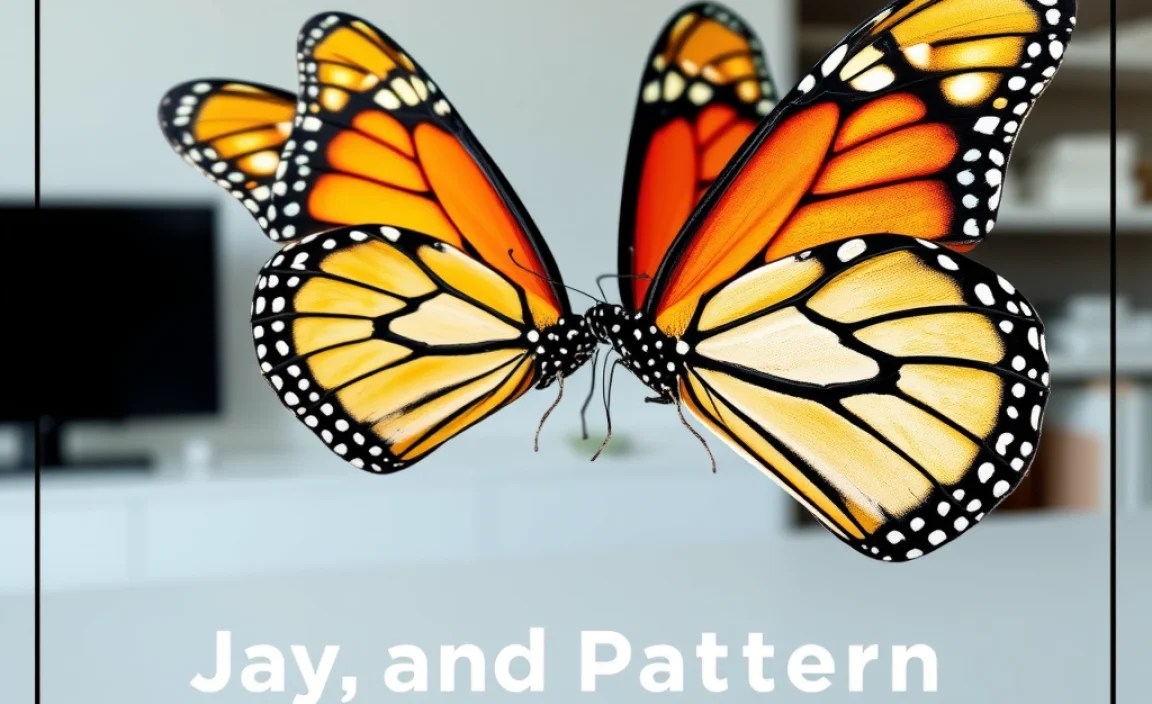
Besides size and the black line, color and patterns can help with how to tell monarch vs viceroy. Monarchs usually have a brighter orange color. Their black lines are also thicker. The white spots on the edges of their wings are bolder. Viceroys tend to be a bit more red-orange. Their black lines are thinner. The white spots might be smaller. Looking at these details can help you tell them apart. Pay attention to the colors and the patterns on the wings.
- Monarchs have brighter orange colors.
- Viceroy butterflies are more red-orange.
- Monarchs have thicker black lines.
- White spots are bolder on monarchs.
- Check both color and patterns carefully.
- These details aid in identification.
Think of it like comparing two paintings. One painting has bright, bold colors. The other has softer, muted colors. The monarch is like the bold painting. The viceroy is like the softer one. The differences in color and pattern are subtle. But they are there. With a little practice, you can learn to see them. This skill will make it easier for you to know how to tell monarch vs viceroy.
How Orange is Orange?
How orange is orange? That might sound like a funny question. But it is important when identifying butterflies. Monarchs have a deep, rich orange color. It is like the color of a ripe orange. Viceroys are more of a red-orange. It is like the color of a sunset. Thinking about these shades can help you learn how to tell monarch vs viceroy. Try to picture the colors in your mind.
Are the Spots Important?
Yes, the spots are important! Look at the white spots along the edges of the wings. On monarchs, these spots are usually larger and brighter. They stand out more. On viceroys, the spots are smaller. They might be less noticeable. These spots add another clue for how to tell monarch vs viceroy. Pay close attention to the size and brightness of the spots.
Do Patterns Change?
Butterfly patterns can change a little. Sometimes, a butterfly might have a slightly different pattern. This can be due to where it grew up. It can also depend on the weather. But overall, the basic patterns stay the same. Monarchs will always have thicker lines. Viceroys will always have the black line. These main patterns are key for how to tell monarch vs viceroy.
Fun Fact or Stat: The patterns on a butterfly’s wings help them blend in with their surroundings!
Habitat and Location: Where Do They Live?

Knowing where these butterflies live can also help with how to tell monarch vs viceroy. Monarchs are often found in open fields. They like places with milkweed plants. This is because monarch caterpillars eat milkweed. Viceroys can be found in more places. They like wetlands and forests. They are more common in the eastern United States. If you see an orange butterfly in a forest, it might be a viceroy. If you see one in a field of milkweed, it could be a monarch.
- Monarchs like open fields with milkweed.
- Viceroy butterflies live in wetlands and forests.
- Monarchs rely on milkweed plants.
- Location offers another clue.
- Viceroy butterflies are more adaptable.
Think about where you are when you see the butterfly. Are you in a wide-open field? Or are you in a shady forest? This can give you a hint about what kind of butterfly it might be. But remember, both butterflies can sometimes be found in the same areas. So, location is just one piece of the puzzle. You still need to look at the other features. This will help you with how to tell monarch vs viceroy.
Do Monarchs Need Milkweed?
Yes, monarchs absolutely need milkweed. Milkweed is the only plant that monarch caterpillars eat. Without milkweed, monarchs cannot survive. The caterpillars eat the milkweed leaves. This gives them the energy they need to grow. It also makes them taste bad to predators. So, milkweed is super important for monarchs. Look for milkweed when you think about how to tell monarch vs viceroy.
Can Viceroys Live Anywhere?
Viceroy butterflies are more adaptable than monarchs. They can live in many different places. They do not rely on one specific plant. Viceroy caterpillars eat the leaves of many different trees. This means they can survive in more areas. They are found in forests, wetlands, and even some open areas. This adaptability helps them thrive. But it can make how to tell monarch vs viceroy trickier.
Do They Migrate Together?
Monarchs are famous for their long migration. They fly thousands of miles to warmer places each winter. Viceroy butterflies do not migrate as far. They might move a little bit, but not like monarchs. So, if you see a group of orange butterflies flying south in the fall, they are probably monarchs. This migration pattern is another factor for how to tell monarch vs viceroy.
Fun Fact or Stat: Monarchs migrate to Mexico and California for the winter!
Defensive Mimicry: Why They Look Alike

One reason it is tricky to know how to tell monarch vs viceroy is because of mimicry. Mimicry is when one animal looks like another. In this case, the viceroy mimics the monarch. Monarchs taste bad to birds. This is because they eat milkweed. Birds learn to avoid monarchs. Viceroys look like monarchs. This helps them avoid being eaten too. This type of mimicry is called Batesian mimicry. It is a clever way for viceroys to protect themselves.
- Viceroy butterflies mimic monarchs.
- Monarchs taste bad to birds.
- Mimicry helps viceroys avoid predators.
- This is called Batesian mimicry.
- It is a form of self-protection.
Imagine you are a bird. You try to eat a monarch. It tastes terrible! You learn never to eat an orange butterfly again. Then you see a viceroy. It looks just like a monarch. You avoid eating it, even though it might taste better. The viceroy has tricked you! This is how mimicry works in nature. It is a fascinating example of how to tell monarch vs viceroy. It also shows how animals adapt to survive.
What is Batesian Mimicry?
Batesian mimicry is a type of mimicry. It is when a harmless animal looks like a harmful one. The viceroy is harmless. The monarch is harmful because it tastes bad. The viceroy copies the monarch’s appearance. This fools predators. They think the viceroy will taste bad too. This is a clever survival strategy. It makes how to tell monarch vs viceroy a bit more challenging.
Do All Viceroys Mimic Monarchs?
Not all viceroys look exactly like monarchs. In some areas, viceroys mimic other butterflies. These butterflies also taste bad to predators. The viceroys adapt to mimic the most common bad-tasting butterfly in their area. This helps them avoid being eaten. So, the mimicry can vary. But it always serves the same purpose. It is to protect the viceroy. It also influences how to tell monarch vs viceroy.
Is Mimicry Always Perfect?
Mimicry is not always perfect. Sometimes, the viceroy might not look exactly like the monarch. The colors might be a little different. The patterns might not be exactly the same. But even a slight resemblance can help. It can still fool predators. The closer the mimicry, the better it works. Imperfect mimicry still plays a role in how to tell monarch vs viceroy.
Fun Fact or Stat: Some butterflies use mimicry to look like poisonous snakes!
Caterpillar Clues: Before They Are Butterflies
You can even learn how to tell monarch vs viceroy by looking at the caterpillars. Monarch caterpillars are brightly colored. They have black, yellow, and white stripes. They look very distinctive. Viceroy caterpillars look different. They are brown and white. They also have a bumpy texture. If you see a striped caterpillar on a milkweed plant, it is probably a monarch. If you see a brown, bumpy caterpillar on a tree, it could be a viceroy.
- Monarch caterpillars have stripes.
- Viceroy caterpillars are brown and bumpy.
- Monarch caterpillars eat milkweed.
- Caterpillar appearance differs greatly.
- These differences aid early identification.
Imagine you are walking in a garden. You see a caterpillar munching on a leaf. It has bright stripes. You know right away it is a monarch caterpillar. You can tell even before it becomes a butterfly. This is a fun way to learn about butterflies. It also helps you understand their life cycle. Knowing what the caterpillars look like is part of how to tell monarch vs viceroy.
What Do Monarch Caterpillars Eat?
Monarch caterpillars eat only one thing: milkweed. Milkweed is their special food. They need it to grow and develop. The milkweed also makes them taste bad to predators. This is a great protection. If you want to help monarchs, plant milkweed in your garden. This will give the caterpillars plenty to eat. It also helps with how to tell monarch vs viceroy.
Where Do Viceroy Caterpillars Live?
Viceroy caterpillars are not as picky as monarch caterpillars. They eat the leaves of many different trees. They like willow, poplar, and aspen trees. This means they can live in more places. You might find them in forests or near wetlands. They are not limited to areas with milkweed. This difference in diet helps with how to tell monarch vs viceroy.
Do Caterpillars Change?
Yes, caterpillars change a lot! They start as tiny eggs. Then they hatch into small caterpillars. The caterpillars eat and grow. They shed their skin several times as they get bigger. Finally, they turn into a chrysalis. Inside the chrysalis, they change into butterflies. This whole process is called metamorphosis. It is an amazing transformation. It also affects how to tell monarch vs viceroy at different stages.
Fun Fact or Stat: A caterpillar can increase its weight by thousands of times before turning into a butterfly!
Compare Monarch vs Viceroy: A Quick Guide
Here is a quick guide to help you remember how to tell monarch vs viceroy. Use this table to compare their features. This will make it easier to identify them. Remember to look at all the clues. This will help you be sure of what you are seeing. Happy butterfly watching!
| Feature | Monarch Butterfly | Viceroy Butterfly |
|---|---|---|
| Size | Larger (up to 4 inches) | Smaller (around 3 inches) |
| Color | Bright orange | Red-orange |
| Black Line | No black line on hindwings | Black line across hindwings |
| Habitat | Open fields with milkweed | Wetlands, forests |
| Caterpillar | Striped | Brown and bumpy |
Use this guide whenever you see an orange butterfly. Check the size. Look for the black line. Notice the color and pattern. Think about where you are. All these things will help you know how to tell monarch vs viceroy. With practice, you will become a butterfly expert!
Why Compare Butterflies?
Comparing butterflies is a great way to learn. It helps you see the differences. It also helps you remember the details. When you compare monarchs and viceroys, you notice the black line. You see the size difference. You pay attention to the colors. These details become clearer when you compare them side by side. This is key for how to tell monarch vs viceroy.
How Can This Guide Help?
This guide can help you in many ways. It gives you a quick reference. You can use it in the field. You can use it at home. It reminds you of the key features to look for. It also helps you teach others about butterflies. Share this guide with your friends and family. It makes how to tell monarch vs viceroy easier for everyone.
Can I Use This Guide Anywhere?
Yes, you can use this guide anywhere! Print it out and take it with you. Save it on your phone or tablet. Use it in your garden. Use it on a nature walk. The guide is designed to be easy to use. It helps you identify butterflies wherever you are. This makes how to tell monarch vs viceroy fun and accessible.
Fun Fact or Stat: There are over 20,000 different species of butterflies in the world!
Summary
Learning how to tell a monarch vs viceroy can be easy and fun. The most important thing to remember is the black line. Viceroy butterflies have a black line across their lower wings. Monarchs do not have this line. Also, monarchs are usually bigger. They have brighter orange colors. They live in open fields with milkweed. Viceroys are smaller. They are more red-orange. They live in wetlands and forests.
By looking at these differences, you can become a butterfly expert. Remember to check the size, color, and habitat. Look for the black line. Pay attention to the patterns on the wings. With a little practice, you will be able to tell them apart every time. So, get outside and start butterfly watching!
Conclusion
Now you know how to tell a monarch vs viceroy. It is all about looking closely. Check for the black line on the viceroy’s wings. Notice the size and color. Think about where you see the butterfly. These simple steps will help you identify these beautiful creatures. Butterfly watching is a great way to connect with nature. Have fun exploring the world of butterflies!
Frequently Asked Questions
Question No 1: What is the easiest way to tell a monarch from a viceroy?
Answer: The easiest way to tell them apart is to look for the black line on the hindwings. Viceroy butterflies have a distinct black line that runs across their lower wings. Monarch butterflies do not have this line. This makes it a quick and simple way to identify viceroys. Also consider the size and color, but the black line is the most reliable clue. This is a key part of how to tell monarch vs viceroy.
Question No 2: Are viceroy butterflies poisonous like monarchs?
Answer: Viceroy butterflies were once thought to be mimicking monarchs to avoid predators. It was believed that monarchs tasted bad, and viceroys were simply copying their look. However, scientists have found that viceroys also taste bad to predators. This is because viceroy caterpillars eat willow trees, which contain salicylic acid. So, both butterflies are protected from being eaten. This mimicry impacts how to tell monarch vs viceroy.
Question No 3: Where are monarch butterflies most commonly found?
Answer: Monarch butterflies are commonly found in open fields and meadows. They especially like areas with milkweed plants. This is because milkweed is the only food that monarch caterpillars eat. You can find monarchs throughout North America. They are most abundant in the eastern and central United States. They also migrate to Mexico and California for the winter. So, look for milkweed when you are thinking about how to tell monarch vs viceroy.
Question No 4: Do monarch and viceroy butterflies fly at the same time of year?
Answer: Yes, monarch and viceroy butterflies can often be seen flying at the same time of year. Both butterflies are most active during the warmer months. You are likely to see them in the spring, summer, and early fall. This means you have a good chance of spotting both types of butterflies. This also means you need to know how to tell monarch vs viceroy when you see them.
Question No 5: What can I do to help monarch butterflies?
Answer: There are many things you can do to help monarch butterflies. One of the most important is to plant milkweed in your garden. This provides food for monarch caterpillars. You can also plant nectar-rich flowers. These give adult butterflies energy. Avoid using pesticides in your garden. These can harm butterflies and other insects. Supporting monarch conservation efforts is also helpful. Keep these tips in mind as you learn how to tell monarch vs viceroy.
Question No 6: Are there other butterflies that look like monarchs and viceroys?
Answer: Yes, there are other butterflies that can look similar to monarchs and viceroys. The queen butterfly is one example. It is also orange and black. However, queen butterflies have a darker orange color. They also have more white spots on their wings. Paying attention to these details can help you identify them correctly. Knowing these species helps you understand how to tell monarch vs viceroy even better.


![Insect vs Butterfly: How to Tell [Easy Guide]](https://i2.wp.com/butterflyask.com/wp-content/uploads/2026/02/insect-vs-butterfly-how-to-tell-easy-guide-1-768x469.webp)