
Danaid Eggfly Butterfly: Discover This Beauty!

The Danaid eggfly butterfly (Hypolimnas misippus) is known for the remarkable mimicry of toxic butterfly species, primarily the monarch and queen butterflies. The female Danaid eggfly has different forms, each resembling a different toxic model, while the males are distinct with black wings and white spots. This butterfly is widespread across Africa, Asia, and Australia, and is a fascinating example of natural selection and adaptation.
Have you ever been amazed by how some butterflies look strikingly similar to others, even though they’re completely different species? It’s a clever trick of nature called mimicry, and the Danaid eggfly butterfly is a master of this art! Many people are curious about how this butterfly can look so much like toxic species and how it survives in the wild. Don’t worry; this guide will walk you through everything you need to know about the Danaid eggfly. Together, we’ll explore its unique appearance, habitat, and behavior, and uncover the secrets behind its incredible mimicry. Let’s dive in and discover the fascinating world of this butterfly!
Understanding the Danaid Eggfly Butterfly
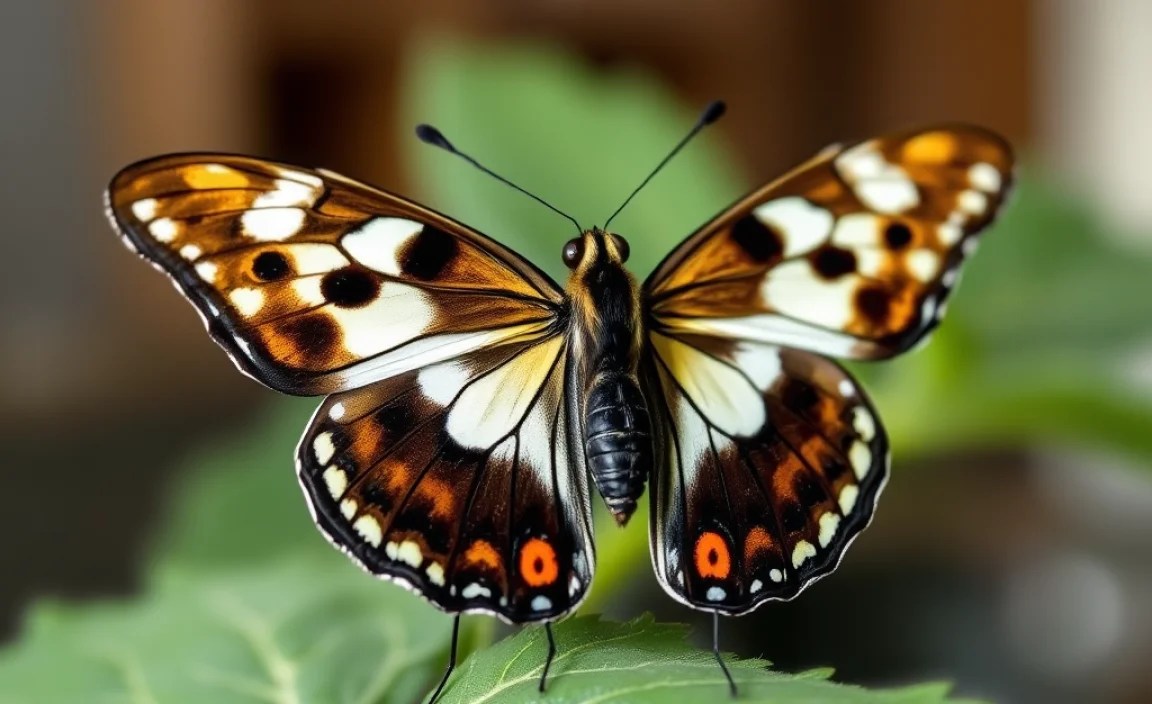
The Danaid eggfly butterfly, scientifically known as Hypolimnas misippus, is a captivating species belonging to the Nymphalidae family. This butterfly is celebrated for its remarkable mimicry, where the females cleverly imitate toxic butterfly species, primarily the monarch and queen butterflies. This adaptation helps protect them from predators, who avoid them due to their resemblance to unpalatable models. Let’s delve deeper into the characteristics, habitat, and life cycle of this fascinating creature.
Key Characteristics
One of the most striking features of the Danaid eggfly is the sexual dimorphism exhibited in its appearance. While the males have a consistent look, the females display various forms, each mimicking a different toxic butterfly. Here’s a closer look:
- Males: Typically have black wings adorned with distinctive white spots. They have a more or less consistent appearance across different populations.
- Females: Display diverse forms, each mimicking different species of toxic butterflies. This mimicry is a survival strategy to avoid predation.
The size of the Danaid eggfly is also a notable characteristic:
- Wingspan: Generally ranges from 80 to 85 mm.
Habitat and Distribution
The Danaid eggfly is widely distributed across various regions, thriving in diverse habitats. Here’s where you can typically find them:
- Geographic Range: Found in Africa, Asia, Australia, and the Pacific Islands.
- Preferred Habitats: Common in gardens, open woodlands, and agricultural areas. They prefer warm, tropical, and subtropical environments.
Life Cycle
The life cycle of the Danaid eggfly is a fascinating transformation, consisting of four main stages:
- Egg: The life cycle begins with the egg, usually laid on the host plant.
- Larva (Caterpillar): The caterpillar feeds on host plants, growing and molting several times.
- Pupa (Chrysalis): The caterpillar transforms into a pupa, during which significant changes occur.
- Adult: The adult butterfly emerges from the pupa, ready to reproduce and continue the cycle.
Mimicry in Detail
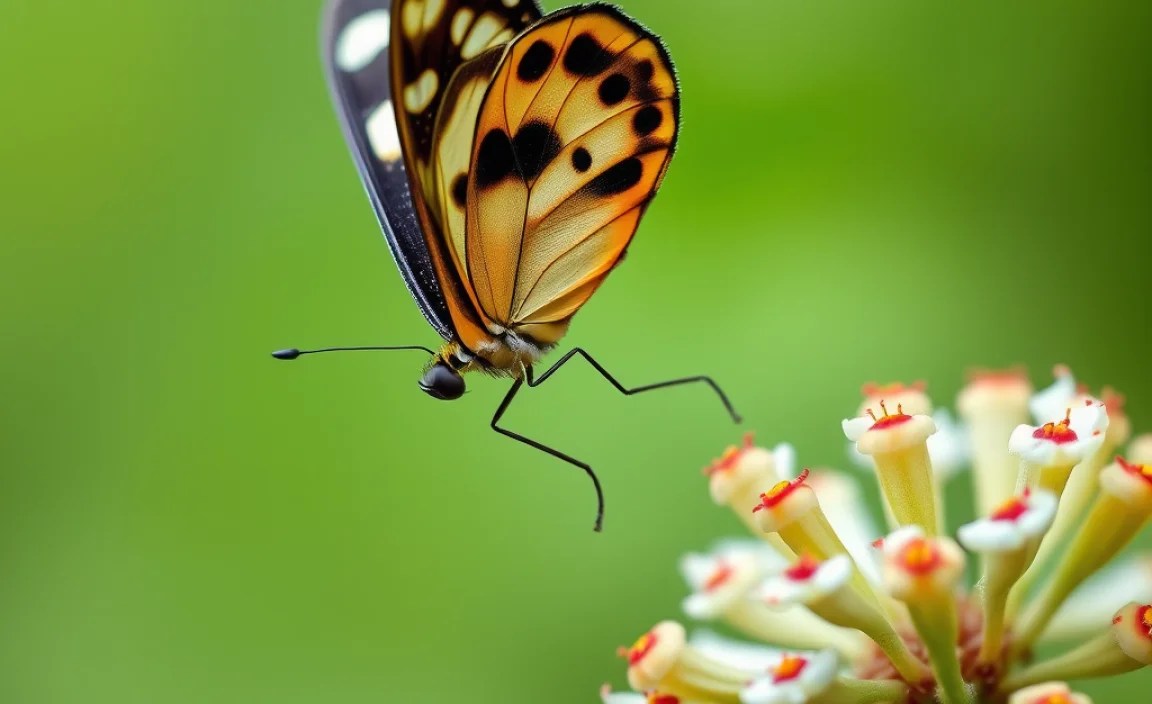
The Danaid eggfly butterfly is famous for its mimicry, a survival strategy where it imitates other species to protect itself. This is a fascinating example of natural selection and adaptation. Let’s explore the different types of mimicry displayed by this butterfly and why it’s so effective.
Types of Mimicry
Mimicry is a survival mechanism where one species evolves to resemble another. In the case of the Danaid eggfly, we see two primary types of mimicry:
- Batesian Mimicry: This is the most prominent form of mimicry in the Danaid eggfly. The female butterflies mimic toxic species like the monarch and queen butterflies. Predators that have learned to avoid the toxic models also avoid the mimics, providing the Danaid eggfly with protection.
- Müllerian Mimicry: Although less direct, there may be elements of Müllerian mimicry where different species of unpalatable butterflies resemble each other, reinforcing the learned avoidance by predators.
The Mimicry Process
The mimicry process involves several key elements:
- Model Species: The toxic butterfly species that the Danaid eggfly mimics, such as the monarch (Danaus plexippus) and queen (Danaus gilippus) butterflies.
- Mimic Species: The Danaid eggfly (Hypolimnas misippus) females, which have evolved to resemble the model species.
- Predator: The bird or other animal that learns to avoid the model species due to its toxicity and, as a result, also avoids the mimic.
Why Mimicry Works
Mimicry works because predators learn to associate the appearance of the model species with a negative experience (such as tasting something toxic). This learned avoidance extends to the mimic, even though the mimic is not actually toxic.
| Aspect | Model Species (e.g., Monarch Butterfly) | Mimic Species (Danaid Eggfly) |
|---|---|---|
| Toxicity | Toxic due to feeding on milkweed | Non-toxic |
| Appearance | Bright orange with black and white markings | Females have similar color patterns |
| Predator Response | Avoided due to toxicity | Avoided due to resemblance |
Identifying the Danaid Eggfly
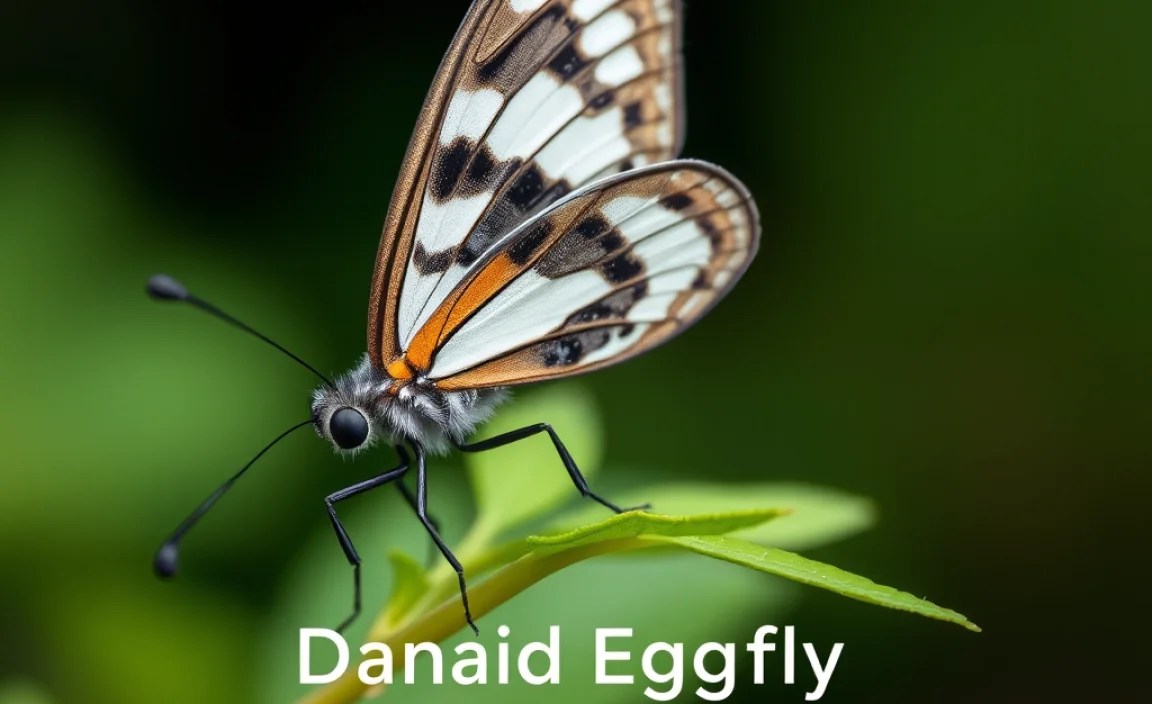
Identifying the Danaid eggfly can be both exciting and challenging due to the variations in appearance, especially among the females. Here’s a guide to help you distinguish this butterfly from others.
Key Identification Features
To accurately identify the Danaid eggfly, focus on the following characteristics:
- Male Appearance: Black wings with distinct white spots. This is a consistent feature across different regions.
- Female Appearance: Highly variable, with different forms mimicking various toxic butterflies. Look for patterns resembling monarch or queen butterflies.
- Size: Wingspan typically ranges from 80 to 85 mm.
Distinguishing Males from Females
The most straightforward way to identify the Danaid eggfly is by distinguishing between males and females:
- Males: Easily identifiable by their black wings and white spots.
- Females: Require a closer look to determine which toxic butterfly they are mimicking. Pay attention to the specific patterns and colors on their wings.
Comparing with Similar Species
It’s essential to differentiate the Danaid eggfly from other butterflies that might look similar. Here are a few tips:
- Monarch Butterfly (Danaus plexippus): The Danaid eggfly mimics the monarch, but monarchs have distinct orange and black patterns. The Danaid eggfly lacks the monarch’s toxicity.
- Queen Butterfly (Danaus gilippus): Another model for the Danaid eggfly. Queen butterflies are also toxic and have unique wing patterns that differ from the Danaid eggfly’s mimicry.
| Species | Male Appearance | Female Appearance | Key Features |
|---|---|---|---|
| Danaid Eggfly (Hypolimnas misippus) | Black wings with white spots | Variable, mimicking toxic butterflies | Mimicry of toxic species |
| Monarch Butterfly (Danaus plexippus) | Orange wings with black and white markings | Same as males | Toxic, orange color |
| Queen Butterfly (Danaus gilippus) | Brown wings with white spots | Same as males | Toxic, brown color |
Attracting Danaid Eggflies to Your Garden

Attracting Danaid eggflies to your garden can be a rewarding experience. By providing the right host plants and nectar sources, you can create a welcoming habitat for these beautiful butterflies. Here’s how to do it:
Host Plants
Host plants are essential for the Danaid eggfly as they provide food for the caterpillars. Some excellent host plants include:
- Portulaca (Portulaca oleracea): Also known as purslane, this is a favorite among Danaid eggfly caterpillars.
- Asystasia (Asystasia gangetica): Commonly known as the Chinese violet, it’s another great choice.
- Pseuderanthemum (Pseuderanthemum variabile): A lesser-known but still effective host plant.
Nectar Sources
Adult butterflies need nectar for energy. Planting nectar-rich flowers will attract them to your garden:
- Lantana (Lantana camara): A popular choice that provides plenty of nectar.
- Pentas (Pentas lanceolata): These star-shaped flowers are irresistible to butterflies.
- Zinnia (Zinnia elegans): Easy to grow and offer a vibrant splash of color.
Creating a Butterfly-Friendly Habitat
In addition to host plants and nectar sources, consider these tips to make your garden even more appealing:
- Provide Sunlight: Butterflies need sunlight to warm their bodies. Ensure your garden has sunny spots.
- Offer Shelter: Plant shrubs and trees to provide shelter from wind and rain.
- Water Source: A shallow dish of water with pebbles can provide a place for butterflies to drink.
- Avoid Pesticides: Pesticides can harm or kill butterflies and caterpillars. Opt for natural pest control methods.
Ecological Importance
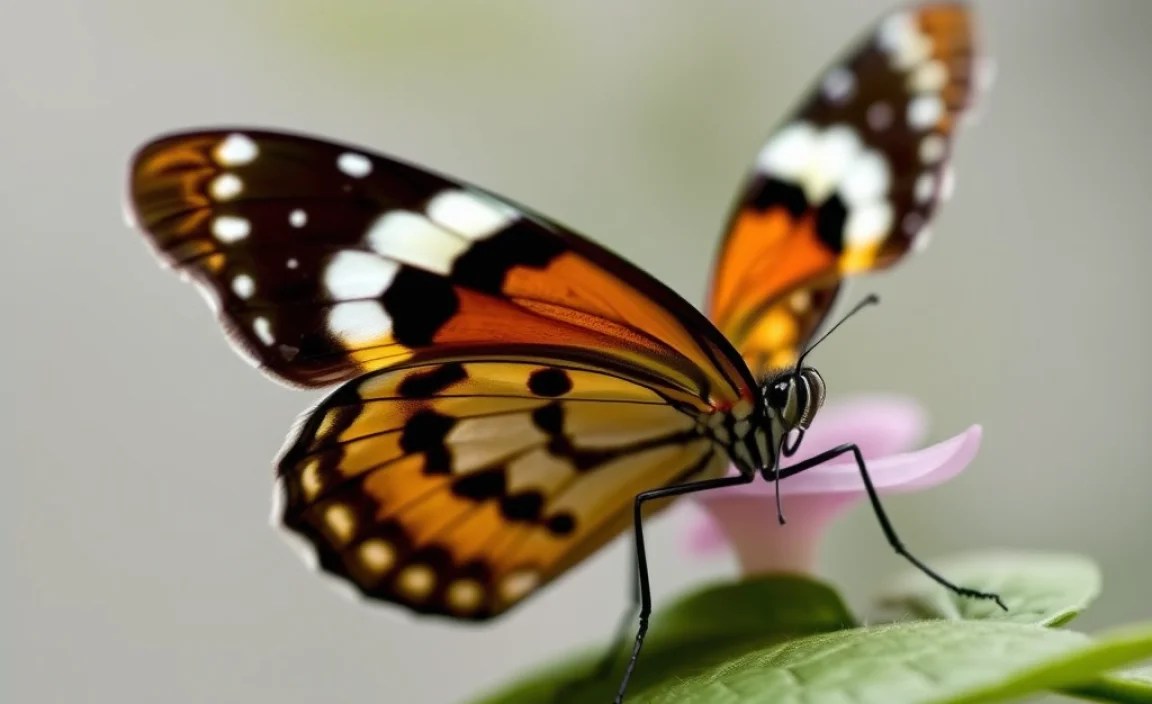
The Danaid eggfly butterfly plays a significant role in the ecosystem. Understanding its ecological importance can help us appreciate and protect this species.
Role in the Ecosystem
Butterflies, including the Danaid eggfly, contribute to the health and balance of their environment in several ways:
- Pollination: Butterflies are important pollinators, transferring pollen from flower to flower as they feed on nectar. This helps plants reproduce.
- Food Source: They serve as a food source for birds, lizards, and other animals.
- Indicator Species: Butterflies are sensitive to environmental changes, making them useful indicators of ecosystem health.
Conservation Status
The Danaid eggfly is not currently listed as endangered or threatened. However, like all butterflies, they face threats from habitat loss, pesticide use, and climate change. Supporting butterfly conservation efforts is crucial for maintaining biodiversity.
How to Support Butterfly Conservation
Here are some ways you can help protect butterflies like the Danaid eggfly:
- Plant Native Species: Native plants provide the best food and habitat for butterflies.
- Reduce Pesticide Use: Use natural pest control methods to avoid harming butterflies and other beneficial insects.
- Create Butterfly Gardens: Provide host plants, nectar sources, and shelter in your garden.
- Support Conservation Organizations: Donate to or volunteer with organizations that work to protect butterfly habitats. A great resource is The Xerces Society, which focuses on invertebrate conservation.
Cultural Significance
Butterflies have captivated human imagination for centuries and hold various cultural meanings across different societies. The Danaid eggfly, with its unique mimicry, adds another layer of intrigue. Let’s explore some of the cultural significance associated with butterflies in general.
Symbolism and Mythology
Butterflies are often seen as symbols of transformation, rebirth, and hope. Here are some common cultural interpretations:
- Transformation: The butterfly’s life cycle, from egg to caterpillar to pupa to butterfly, is a powerful metaphor for personal growth and change.
- Rebirth: In many cultures, butterflies symbolize the soul and are associated with the afterlife and resurrection.
- Beauty: Their delicate wings and vibrant colors make them symbols of beauty and grace.
- Freedom: Butterflies represent freedom and the ability to move effortlessly from one place to another.
Butterflies in Art and Literature
Butterflies have been featured in art and literature throughout history. They often represent themes of beauty, fragility, and the ephemeral nature of life.
- Art: Butterflies appear in paintings, sculptures, and decorative arts across various cultures.
- Literature: They are often used as metaphors in poems, stories, and novels to convey themes of transformation and hope.
Butterflies in Different Cultures
Different cultures have unique beliefs and traditions associated with butterflies:
- China: Butterflies are symbols of love, joy, and marital bliss.
- Japan: They are often seen as symbols of young women and are associated with happiness and longevity.
- Mexico: The monarch butterfly migration is linked to the Day of the Dead celebrations, representing the souls of ancestors returning to visit.
Frequently Asked Questions (FAQ)
What is the Danaid eggfly butterfly?
The Danaid eggfly butterfly (Hypolimnas misippus) is a butterfly known for the mimicry displayed by its females, who imitate toxic butterfly species like the monarch and queen butterflies.
Where can I find Danaid eggfly butterflies?
These butterflies are commonly found in Africa, Asia, Australia, and the Pacific Islands. They thrive in gardens, open woodlands, and agricultural areas.
What do Danaid eggfly caterpillars eat?
Danaid eggfly caterpillars primarily feed on plants like portulaca (purslane), asystasia (Chinese violet), and pseuderanthemum.
How can I attract Danaid eggflies to my garden?
You can attract them by planting their host plants (portulaca, asystasia, pseuderanthemum) and nectar-rich flowers like lantana, pentas, and zinnia. Also, provide sunlight, shelter, and a water source.
Are Danaid eggfly butterflies toxic?
No, Danaid eggfly butterflies are not toxic. The females mimic toxic species to avoid predation, but they themselves are not poisonous.
Why do female Danaid eggflies look different from each other?
Female Danaid eggflies exhibit different forms because they mimic various toxic butterfly species. This mimicry helps them avoid being eaten by predators.
What is Batesian mimicry?
Batesian mimicry is a type of mimicry where a non-toxic species evolves to resemble a toxic species. The Danaid eggfly uses Batesian mimicry to protect itself from predators by looking like toxic butterflies.
Conclusion
The Danaid eggfly butterfly is a remarkable example of nature’s ingenuity. From its widespread habitat to its fascinating mimicry, this butterfly offers a wealth of knowledge and inspiration. By understanding its characteristics, behavior, and ecological importance, we can better appreciate and protect this species. Whether you’re a gardener, a nature enthusiast, or simply curious about the world around you, the Danaid eggfly provides a captivating glimpse into the wonders of the natural world. So, next time you spot a butterfly that looks strikingly familiar, take a closer look – it might just be the clever Danaid eggfly, showcasing its masterful disguise!


