
Asian Butterfly Mimicry Genetics: The Secret?

Have you ever seen a butterfly that looks like another? Some butterflies use mimicry. This means they copy the look of other butterflies. It helps them stay safe from predators. But how do they do it? The answer lies in Asian butterfly mimicry genetics. It is a fascinating part of nature.
These butterflies live in Asia. They have special genes. These genes control their colors and patterns. This lets them look like toxic or bad-tasting butterflies. Birds and other predators avoid them. Let’s explore how this amazing trick works.
Key Takeaways
- Asian butterfly mimicry genetics helps butterflies look like other species.
- Mimicry protects butterflies from getting eaten by predators.
- Genes control the wing colors and patterns of these butterflies.
- Scientists study these genes to understand how mimicry evolves.
- Some butterflies mimic toxic species to avoid being eaten.
Understanding Asian Butterfly Mimicry
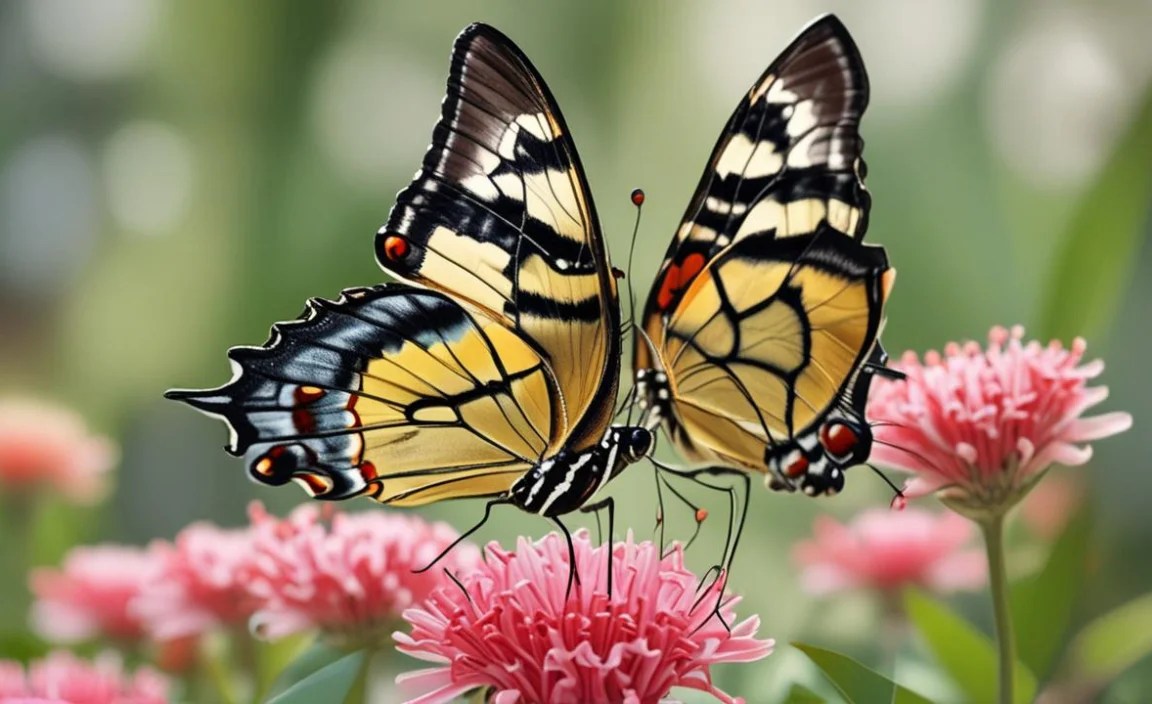

Mimicry is when one animal looks like another. This helps the animal in many ways. For example, it can help them hide from predators. It can also help them trick prey. In the case of Asian butterflies, mimicry is a survival tool. They copy the appearance of other butterflies that are poisonous. Birds and other predators learn to avoid these poisonous butterflies. By looking like them, the mimic butterflies also get avoided. This is a clever way to stay safe. Scientists study Asian butterfly mimicry genetics to learn how these changes happen. They want to know which genes control wing color and pattern. This helps us understand how evolution works.
- Mimicry helps butterflies survive.
- Some butterflies look like toxic species.
- Predators avoid butterflies that look toxic.
- Genes control butterfly wing patterns.
- Scientists study butterfly genetics.
The study of Asian butterfly mimicry genetics is very important. It helps us understand how evolution works. Genes are like instructions. They tell the butterfly how to grow. Some genes control wing color. Other genes control wing patterns. When these genes change, the butterfly’s appearance changes. If the change makes the butterfly look like a toxic species, it is more likely to survive. Over time, more and more butterflies will have this gene. This is how mimicry evolves. Scientists use special tools to study these genes. They can see which genes are turned on or off in different butterflies. This helps them understand how mimicry works at a genetic level.
Fun Fact or Stat: Some Asian butterflies can perfectly mimic the wing patterns of toxic butterflies, fooling even expert scientists!
Why Do Butterflies Mimic?
Have you ever wondered why some butterflies look like others? It’s all about survival. Butterflies that taste good to birds need a way to avoid being eaten. One way is to look like butterflies that taste bad. These bad-tasting butterflies often have bright colors. Birds learn to avoid these colors. When a good-tasting butterfly mimics these colors, it also gets avoided. This is a clever trick. It helps the butterfly stay alive long enough to lay eggs. The genetics behind this mimicry are complex. They involve many different genes working together. Scientists are still learning about how these genes interact. The study of Asian butterfly mimicry genetics helps us understand how natural selection works.
How Does Mimicry Evolve?
Imagine a group of butterflies. Most of them have plain colors. But one butterfly is born with a slightly different color. This color makes it look a little like a toxic butterfly. Birds are less likely to eat this butterfly. It survives and has babies. Some of its babies also have the same color. Over time, the color becomes more and more like the toxic butterfly. This is how mimicry evolves. It happens through small changes over many generations. The genetics of Asian butterflies play a big role. Small changes in genes can lead to big changes in appearance. Natural selection favors the butterflies that look most like the toxic species.
What Are the Benefits of Mimicry?
The main benefit of mimicry is survival. Butterflies that mimic toxic species are less likely to be eaten. This gives them a better chance to reproduce. Mimicry can also help butterflies expand their range. If a butterfly can mimic a toxic species that lives in a new area, it can move into that area. This is because predators in the new area will also avoid the mimic. The genetics of Asian butterfly mimicry allow them to adapt to different environments. They can evolve to mimic different toxic species in different regions. This makes them very successful butterflies. Mimicry is a powerful tool for survival.
The Genetics Behind Butterfly Mimicry
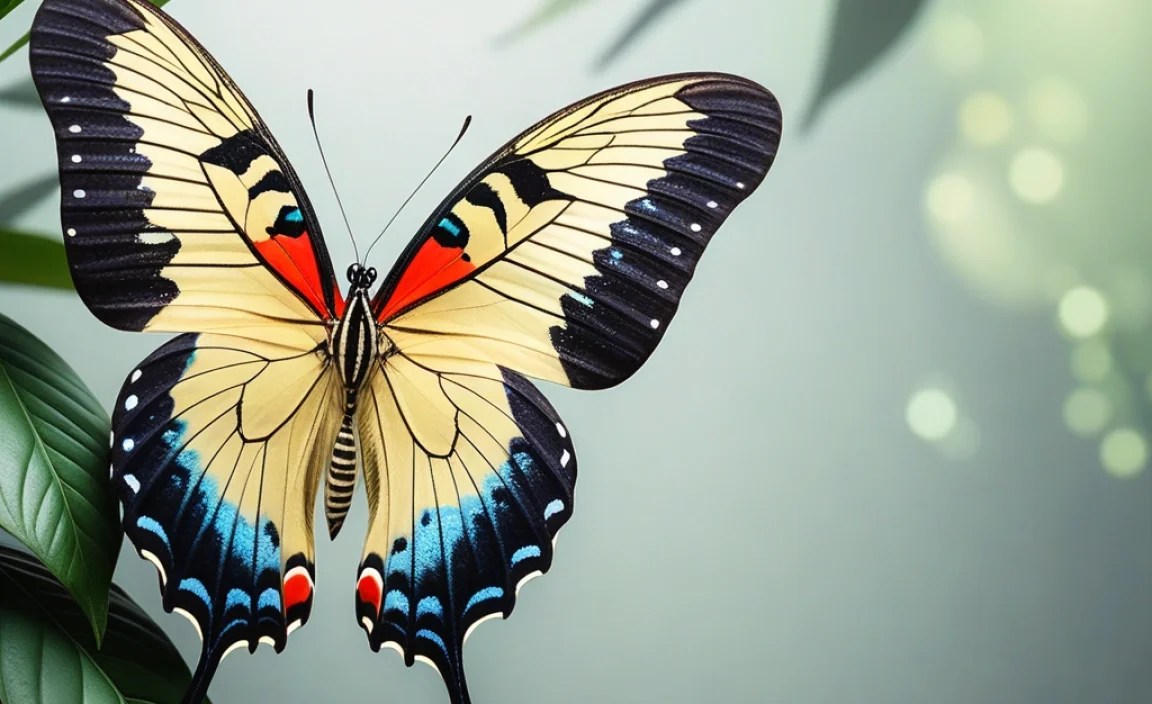
The genetics of Asian butterfly mimicry are very complex. It involves many different genes. These genes control the color, pattern, and shape of the butterfly’s wings. Scientists have identified some of the key genes involved in mimicry. One important gene is called “wing pattern gene”. This gene controls the basic pattern of the butterfly’s wings. Other genes modify this pattern. They add spots, stripes, and other details. These genes work together to create the complex patterns seen in mimic butterflies. Scientists use advanced techniques to study these genes. They can see how the genes are turned on and off in different butterflies. This helps them understand how mimicry evolves.
- Genes control wing color and pattern.
- The “wing pattern” gene is very important.
- Other genes add details to the wings.
- Scientists study how genes are turned on and off.
- This helps us understand how mimicry evolves.
The study of Asian butterfly mimicry genetics is helping us understand how evolution works. We are learning how small changes in genes can lead to big changes in appearance. We are also learning how natural selection favors certain traits. This knowledge can help us understand how other animals evolve. It can also help us understand how diseases evolve. By studying the genetics of mimicry, we can learn a lot about the natural world. Genes are the basic building blocks of life. They control everything from our hair color to our height. By understanding how genes work, we can understand how life works.
Fun Fact or Stat: Scientists have found that a single gene can sometimes control multiple aspects of mimicry, like color and pattern!
What Genes Control Wing Color?
Wing color is very important for mimicry. Butterflies need to have the right colors to fool predators. But what genes control wing color? Scientists have identified several genes that play a role. One gene controls the production of melanin. Melanin is a pigment that makes wings dark. Another gene controls the production of carotenoids. Carotenoids are pigments that make wings yellow, orange, or red. By controlling the amount of these pigments, butterflies can create a wide range of colors. The genetics of Asian butterfly mimicry are helping us understand how these genes work together. Scientists are still learning about all the genes involved in wing color.
How Do Genes Change Over Time?
Genes can change over time through a process called mutation. A mutation is a random change in the DNA sequence of a gene. Most mutations are harmful. But some mutations can be beneficial. If a mutation makes a butterfly look more like a toxic species, it is more likely to survive. This butterfly will have more babies. Over time, the mutation will become more common in the population. This is how genes change over time. Natural selection favors the genes that help butterflies survive and reproduce. The study of Asian butterfly mimicry genetics helps us understand how this process works.
Can Mimicry Genes Be Turned On and Off?
Yes, mimicry genes can be turned on and off. This is called gene regulation. Gene regulation allows butterflies to change their appearance depending on the environment. For example, a butterfly might turn on a mimicry gene when it lives in an area with many toxic butterflies. It might turn off the gene when it lives in an area with few toxic butterflies. This allows the butterfly to save energy. It doesn’t have to produce the pigments needed for mimicry when it’s not needed. The genetics of Asian butterfly mimicry are very flexible. This allows them to adapt to different environments.
Types of Butterfly Mimicry in Asia
There are several different types of butterfly mimicry in Asia. One type is called Batesian mimicry. This is when a harmless butterfly mimics a harmful butterfly. The harmless butterfly benefits from the harmful butterfly’s reputation. Another type is called Müllerian mimicry. This is when two or more harmful butterflies mimic each other. This helps to reinforce the warning signal to predators. Predators learn to avoid the pattern more quickly. Both types of mimicry are common in Asian butterflies. The genetics behind these different types of mimicry can be very complex. Scientists are still learning about how these genes work.
- Batesian mimicry: harmless mimics harmful.
- Müllerian mimicry: harmful mimics harmful.
- Both types are common in Asia.
- Genetics can be very complex.
- Scientists are still learning.
The different types of mimicry in Asian butterflies show how adaptable these creatures are. They have evolved to take advantage of different situations. In some cases, it is better to mimic a harmful species. In other cases, it is better to mimic another harmless species. The best strategy depends on the environment and the other butterflies that live there. The genetics of Asian butterfly mimicry allow them to make these choices. They can evolve to mimic different species depending on the circumstances. This is a testament to the power of natural selection.
Fun Fact or Stat: Some butterfly species participate in both Batesian and Müllerian mimicry, depending on their geographic location!
What is Batesian Mimicry?
Batesian mimicry is a clever trick. A tasty butterfly copies the look of a yucky butterfly. Birds learn to avoid the yucky butterfly because it tastes bad. When the tasty butterfly looks like the yucky one, birds avoid it too. This helps the tasty butterfly stay safe. The genetics of Asian butterfly mimicry play a big role in Batesian mimicry. The tasty butterfly needs to have the right genes to copy the yucky butterfly’s colors and patterns. This can be a complex process.
What is Müllerian Mimicry?
Müllerian mimicry is when two or more yucky butterflies look alike. This helps birds learn to avoid them faster. If all the yucky butterflies look the same, birds only need to learn one pattern. This benefits all the butterflies. They are all more likely to survive. The genetics of Asian butterfly mimicry also play a role in Müllerian mimicry. The yucky butterflies need to have similar genes to produce the same colors and patterns. This can lead to some very interesting evolutionary relationships.
How Do These Types Differ?
The main difference between Batesian and Müllerian mimicry is who benefits. In Batesian mimicry, only the mimic benefits. The model (the yucky butterfly) doesn’t get any benefit. In Müllerian mimicry, both the mimic and the model benefit. They both become more recognizable to predators. This makes them both safer. The genetics of Asian butterfly mimicry reflect these differences. The genes involved in Batesian mimicry are often different from the genes involved in Müllerian mimicry.
Examples of Mimic Butterflies in Asia
There are many amazing examples of mimic butterflies in Asia. One example is the Common Mormon butterfly. This butterfly has several different forms. Some forms mimic toxic butterflies. Other forms do not. The females are the mimics. The males are not. This is a fascinating example of Asian butterfly mimicry genetics in action. Another example is the Great Mormon butterfly. This butterfly also mimics toxic butterflies. It is very similar to the Common Mormon butterfly. These butterflies show how diverse and adaptable Asian butterflies can be.
- Common Mormon butterfly has mimic forms.
- Great Mormon butterfly also mimics.
- Females are often the mimics.
- Males are often not mimics.
- These butterflies are very diverse.
The study of Asian butterfly mimicry genetics has revealed some interesting facts about these butterflies. For example, scientists have found that the genes that control mimicry are located on a single chromosome. This makes it easier for these genes to be inherited together. Scientists have also found that the different forms of the Common Mormon butterfly are controlled by a single gene. This gene has several different alleles. Each allele produces a different form. This is a simple but elegant example of how genetics can control complex traits.
Fun Fact or Stat: The Common Mormon butterfly can mimic different toxic species in different regions of Asia, showing remarkable adaptability!
The Common Mormon Butterfly
The Common Mormon butterfly is a master of disguise. The females can mimic several different toxic butterflies. This helps them avoid predators. The males, on the other hand, do not mimic. They have bright colors that attract mates. This difference between males and females is very interesting. It shows how natural selection can act differently on different sexes. The genetics of Asian butterfly mimicry are very complex in the Common Mormon butterfly. Scientists are still trying to understand all the genes involved.
The Great Mormon Butterfly
The Great Mormon butterfly is another example of a mimic butterfly. It is very similar to the Common Mormon butterfly. The females mimic toxic butterflies. The males do not. The genetics of Asian butterfly mimicry are also similar in the Great Mormon butterfly. However, there are some subtle differences. Scientists are studying these differences to understand how mimicry evolves. The Great Mormon butterfly is a valuable model for studying evolution.
Other Examples of Asian Mimics
There are many other examples of mimic butterflies in Asia. Some of these butterflies mimic toxic moths. Others mimic toxic beetles. The diversity of mimicry in Asian butterflies is truly amazing. It shows how natural selection can lead to a wide range of adaptations. The genetics of Asian butterfly mimicry are still being explored. Scientists are discovering new examples of mimicry all the time. The study of these butterflies is a fascinating field of research.
Environmental Factors and Mimicry
Environmental factors can also play a role in mimicry. For example, the availability of toxic models can affect the evolution of mimicry. If there are many toxic butterflies in an area, mimicry is more likely to evolve. If there are few toxic butterflies, mimicry is less likely to evolve. Climate can also play a role. Butterflies in warmer climates tend to have brighter colors. This can affect the effectiveness of mimicry. The genetics of Asian butterfly mimicry interact with the environment in complex ways. Scientists are studying these interactions to understand how mimicry evolves.
- Toxic model availability affects mimicry.
- Climate can also play a role.
- Warmer climates have brighter colors.
- Genetics and environment interact.
- Scientists study these interactions.
The study of Asian butterfly mimicry genetics must consider the environment. Genes do not act in a vacuum. They interact with the environment to produce traits. In the case of mimicry, the environment determines which traits are beneficial. If the environment favors mimicry, then genes that promote mimicry will be selected for. If the environment does not favor mimicry, then these genes will not be selected for. The genetics and the environment work together to shape the evolution of mimicry.
Fun Fact or Stat: Climate change can impact the effectiveness of mimicry by altering the distribution and abundance of both mimics and models!
How Does Climate Affect Mimicry?
Climate can affect mimicry in several ways. First, climate can affect the distribution of toxic models. If a toxic butterfly is only found in warm climates, then mimicry will only evolve in warm climates. Second, climate can affect the visibility of colors. Bright colors are more visible in sunny climates. This can make mimicry more effective. The genetics of Asian butterfly mimicry are influenced by climate. Butterflies in different climates may have different genes for mimicry.
What Role Does Habitat Play?
Habitat also plays a role in mimicry. Butterflies that live in forests may mimic different species than butterflies that live in grasslands. This is because the predators in forests are different from the predators in grasslands. The genetics of Asian butterfly mimicry allow them to adapt to different habitats. Butterflies in different habitats may have different genes for mimicry. The habitat provides the context for natural selection to act.
How Does Pollution Impact Mimicry?
Pollution can have a negative impact on mimicry. Pollution can make it harder for butterflies to see colors. This can make mimicry less effective. Pollution can also harm the toxic models. This can reduce the effectiveness of mimicry. The genetics of Asian butterfly mimicry are not enough to overcome the effects of pollution. Pollution is a threat to biodiversity. It can disrupt the delicate balance of nature.
Conservation of Mimic Butterflies
The conservation of mimic butterflies is important for maintaining biodiversity. Mimic butterflies are an important part of the ecosystem. They play a role in pollination and nutrient cycling. They are also a source of food for other animals. The genetics of Asian butterfly mimicry are a valuable resource for scientists. They can help us understand how evolution works. It is important to protect these butterflies from habitat loss and pollution. We must also protect them from over-collection.
- Mimic butterflies are important.
- They play a role in the ecosystem.
- Their genetics are valuable.
- Protect them from habitat loss.
- Protect them from pollution.
The future of Asian butterfly mimicry genetics depends on our actions. We must take steps to protect these butterflies and their habitats. We can do this by supporting conservation organizations. We can also reduce our impact on the environment. By working together, we can ensure that these amazing butterflies continue to thrive for generations to come. We should learn more about this topic. We can teach our friends and family about the importance of conservation.
Fun Fact or Stat: Some conservation efforts focus on protecting the specific host plants that mimic butterflies and their models rely on for survival!
Why Conserve Mimic Butterflies?
Conserving mimic butterflies is important for several reasons. First, they are a beautiful and fascinating part of nature. Second, they play an important role in the ecosystem. Third, their genetics can teach us a lot about evolution. We need to protect these butterflies for future generations. We can all do our part to help. Even small actions can make a big difference. We should support conservation efforts.
What Threats Do They Face?
Mimic butterflies face many threats. Habitat loss is a major threat. As forests are cleared for agriculture and development, butterflies lose their homes. Pollution is another threat. Pesticides and other pollutants can harm butterflies. Climate change is also a threat. Changes in temperature and rainfall can disrupt butterfly life cycles. The genetics of Asian butterfly mimicry cannot protect them from these threats. We need to take action to reduce these threats.
How Can We Help Protect Them?
There are many ways we can help protect mimic butterflies. We can support conservation organizations. We can reduce our use of pesticides. We can plant butterfly-friendly gardens. We can educate others about the importance of conservation. We can also advocate for policies that protect butterfly habitats. The genetics of Asian butterfly mimicry are worth protecting. We can all make a difference.
Comparing Butterfly Mimicry Worldwide
Butterfly mimicry is not unique to Asia. It occurs in many parts of the world. However, the specific species involved and the genetics behind the mimicry can vary from region to region. For example, in South America, the Heliconius butterflies are famous for their mimicry. They mimic different toxic species depending on their location. The genetics of Asian butterfly mimicry are different from the genetics of Heliconius mimicry. Studying these differences can help us understand how mimicry evolves in different contexts.
- Mimicry occurs worldwide.
- Species and genetics vary.
- Heliconius butterflies in South America.
- Different genetics in different regions.
- Study differences to understand evolution.
The study of Asian butterfly mimicry genetics can be compared to the study of mimicry in other parts of the world. This can help us understand the general principles of mimicry. It can also help us understand the specific adaptations that have evolved in different regions. By comparing different examples of mimicry, we can gain a deeper understanding of evolution. We can also learn about the importance of conservation.
Fun Fact or Stat: Some butterflies in South America have evolved mimicry so precise that they even mimic the flight patterns of their models!
How Does Asian Mimicry Differ?
Asian butterfly mimicry differs from mimicry in other regions in several ways. First, the species involved are different. Second, the types of mimicry may be different. Third, the genetics may be different. These differences reflect the unique evolutionary history of each region. By studying these differences, we can gain a better understanding of the diversity of life on Earth.
What Can We Learn From Global Examples?
We can learn a lot from global examples of butterfly mimicry. We can learn about the different types of mimicry. We can learn about the genetics of mimicry. We can learn about the environmental factors that influence mimicry. By studying mimicry around the world, we can gain a deeper understanding of evolution. We can also learn about the importance of conservation.
Why Compare Different Regions?
Comparing different regions is important for understanding the evolution of mimicry. By comparing different regions, we can identify the factors that drive mimicry. We can also learn about the constraints on mimicry. This can help us understand why mimicry evolves in some regions but not in others. The genetics of Asian butterfly mimicry can be better understood by comparing it to mimicry in other regions.
| Feature | Asian Butterfly Mimicry | South American Butterfly Mimicry |
|---|---|---|
| Common Species | Common Mormon, Great Mormon | Heliconius |
| Mimicry Types | Batesian, Müllerian | Batesian, Müllerian, Automimicry |
| Genetic Control | Single genes, complex gene interactions | Supergenes, tight linkage |
| Environmental Factors | Monsoon climate, diverse habitats | Tropical rainforest, stable climate |
Summary
Asian butterfly mimicry genetics is a fascinating field of study. It helps us understand how butterflies evolve to look like other species. This mimicry protects them from predators. The genetics behind this process are complex. They involve many different genes working together. Scientists are still learning about how these genes interact. The environment also plays a role in mimicry. Climate and habitat can affect the evolution of mimicry.
Conserving mimic butterflies is important for maintaining biodiversity. These butterflies play a role in the ecosystem. Their genetics are a valuable resource for scientists. We need to protect them from habitat loss and pollution. By studying Asian butterfly mimicry genetics, we can learn a lot about evolution. We can also learn about the importance of conservation.
Conclusion
Asian butterfly mimicry genetics is a complex and fascinating topic. Mimicry helps butterflies survive. Genes control wing color and patterns. Scientists study these genes to understand evolution. We can learn about the natural world by studying these butterflies. Protecting these butterflies is important. We must conserve their habitats. By understanding Asian butterfly mimicry genetics, we can appreciate the wonders of nature.
Frequently Asked Questions
Question No 1: What is mimicry in butterflies?
Answer: Mimicry is when one butterfly looks like another. This helps the butterfly in different ways. Some butterflies mimic toxic species. This protects them from predators. Predators learn to avoid the toxic species. When a harmless butterfly looks like the toxic species, predators avoid it too. This is called Batesian mimicry. Other butterflies mimic other harmless species. This can help them attract mates. The genetics of Asian butterfly mimicry control how the butterflies look.
Question No 2: How does Asian butterfly mimicry genetics work?
Answer: Asian butterfly mimicry genetics involves genes that control wing color and pattern. These genes can be turned on or off. This allows butterflies to change their appearance. Some genes control the production of pigments. Pigments give the wings their color. Other genes control the shape and size of the wings. The genetics are complex. Many genes interact to create the final appearance. Scientists are still learning about how these genes work together. This field helps us understand how evolution works.
Question No 3: Why do some butterflies mimic toxic species?
Answer: Some butterflies mimic toxic species to avoid being eaten by predators. Toxic butterflies taste bad to predators. Predators learn to avoid butterflies with certain colors and patterns. When a harmless butterfly mimics these colors and patterns, predators avoid it too. This is a clever way to stay safe. The genetics of Asian butterfly mimicry allow them to copy the appearance of toxic butterflies. This is a great example of natural selection in action.
Question No 4: What are some examples of mimic butterflies in Asia?
Answer: One example is the Common Mormon butterfly. The females of this species mimic different toxic butterflies. The males do not mimic. Another example is the Great Mormon butterfly. The females of this species also mimic toxic butterflies. These butterflies are found in Asia. They are a great example of Asian butterfly mimicry. The genetics that control mimicry in these butterflies are being studied by scientists.
Question No 5: How does the environment affect butterfly mimicry?
Answer: The environment can affect butterfly mimicry in several ways. The availability of toxic models is important. If there are many toxic butterflies in an area, mimicry is more likely to evolve. Climate can also play a role. Butterflies in warmer climates tend to have brighter colors. This can affect the effectiveness of mimicry. The genetics of Asian butterfly mimicry interact with the environment in complex ways. These interactions determine how mimicry evolves.
Question No 6: How can we help protect mimic butterflies?
Answer: We can help protect mimic butterflies by protecting their habitats. We can also reduce pollution. Pesticides and other pollutants can harm butterflies. We can support conservation organizations that work to protect butterflies. We can also educate others about the importance of butterfly conservation. By working together, we can ensure that these amazing creatures continue to thrive. Understanding Asian butterfly mimicry genetics helps us appreciate their value and the need to protect them.


