
Monarch Butterfly Behavior: Unlocking Their Secrets

Monarch Butterfly Behavior: A Complete Guide

Monarch butterfly behavior is truly fascinating! These iconic insects are known for their long migrations, unique feeding habits, and distinct life cycle stages. Understanding their behavior helps us appreciate their beauty and support their conservation. From their amazing flight patterns to their picky eating habits as caterpillars, there’s so much to learn about monarchs. This guide will walk you through everything you need to know about monarch butterfly behavior, so you can become a monarch expert yourself! Get ready to explore the world of these incredible creatures and discover how you can help them thrive.
Have you ever wondered why monarch butterflies travel so far, or what makes them choose milkweed plants? Maybe you’re curious about how they transform from tiny caterpillars into beautiful butterflies. It’s normal to be curious – these creatures lead complex lives! Don’t worry, we’ll break it down step-by-step. In this guide, we’ll explore their migration, feeding habits, mating rituals, and more. By the end, you’ll have a clear understanding of what makes monarch butterfly behavior so special.
What Makes Monarch Butterflies Unique?
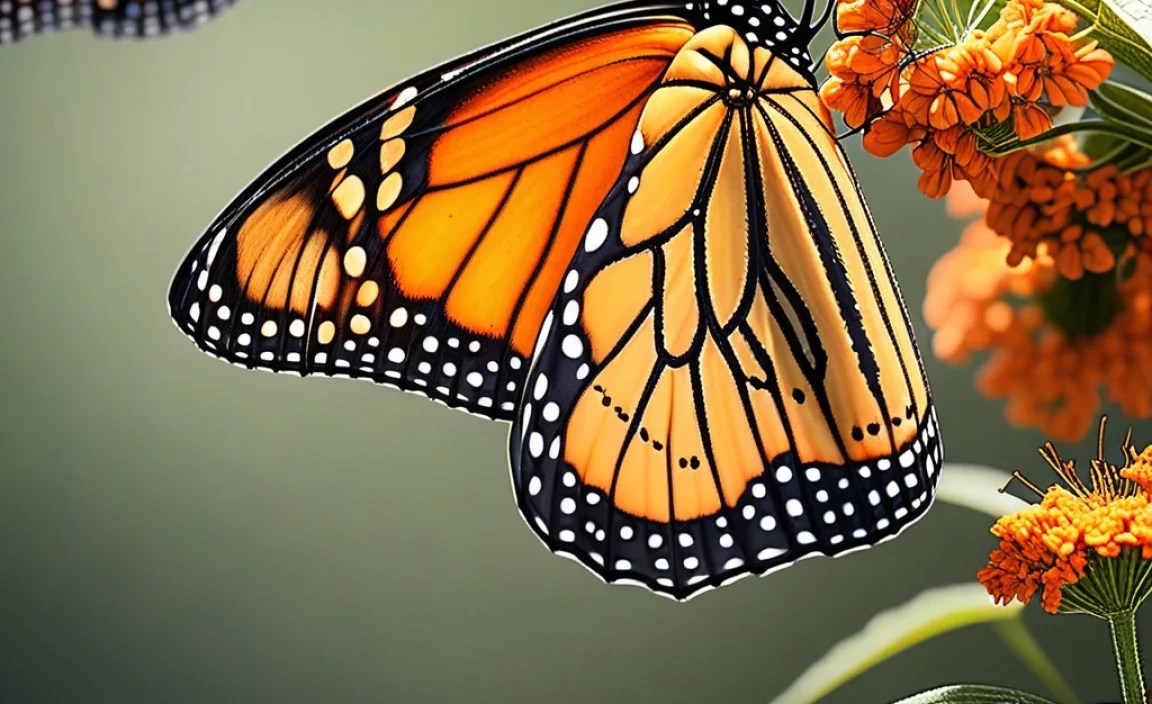
Monarch butterflies are more than just pretty insects. They have unique behaviors that set them apart from other butterflies. Let’s explore some of their most fascinating traits.
Migration: A Journey of Thousands of Miles
One of the most amazing things about monarch butterflies is their long migration. These butterflies travel thousands of miles each year, from Canada and the United States to Mexico and California. This incredible journey is one of the most spectacular natural events on Earth, according to the World Wildlife Fund (WWF).
- Eastern Monarchs: Travel from eastern North America to the oyamel fir forests in the mountains of central Mexico.
- Western Monarchs: Migrate from western North America to overwintering sites along the California coast.
This migration is not just a simple trip; it’s a multi-generational event. The butterflies that reach Mexico or California are not the same ones that started the journey. It takes several generations to complete the entire migration cycle. Learn more about monarch migration on the U.S. Forest Service website.
Feeding Habits: Milkweed Specialists
Monarch caterpillars are very picky eaters. They only eat milkweed plants. This makes milkweed essential for their survival. Milkweed contains toxins that the caterpillars store in their bodies, making them poisonous to predators. As adults, monarchs feed on nectar from a variety of flowers, but milkweed remains crucial for their reproduction. The Xerces Society offers great resources on milkweed and monarch conservation.
Here’s why milkweed is so important:
- Food Source: Milkweed is the only food source for monarch caterpillars.
- Protection: Milkweed toxins protect monarchs from predators.
- Habitat: Milkweed plants provide a place for monarchs to lay their eggs.
Life Cycle: From Egg to Butterfly
The monarch butterfly life cycle is a complete transformation, known as metamorphosis. It includes four stages:
- Egg: Monarchs lay their eggs on milkweed plants. These eggs are tiny and usually laid on the underside of milkweed leaves.
- Larva (Caterpillar): The egg hatches into a caterpillar. The caterpillar eats milkweed leaves and grows rapidly, molting its skin several times.
- Pupa (Chrysalis): After reaching full size, the caterpillar forms a pupa, also known as a chrysalis. Inside the chrysalis, the caterpillar transforms into a butterfly.
- Adult Butterfly: The butterfly emerges from the chrysalis. It flies off to reproduce and continue the cycle.
Each stage is important for the survival of the monarch. You can explore this life cycle in detail at the National Geographic website.
Diving Deeper into Monarch Behavior
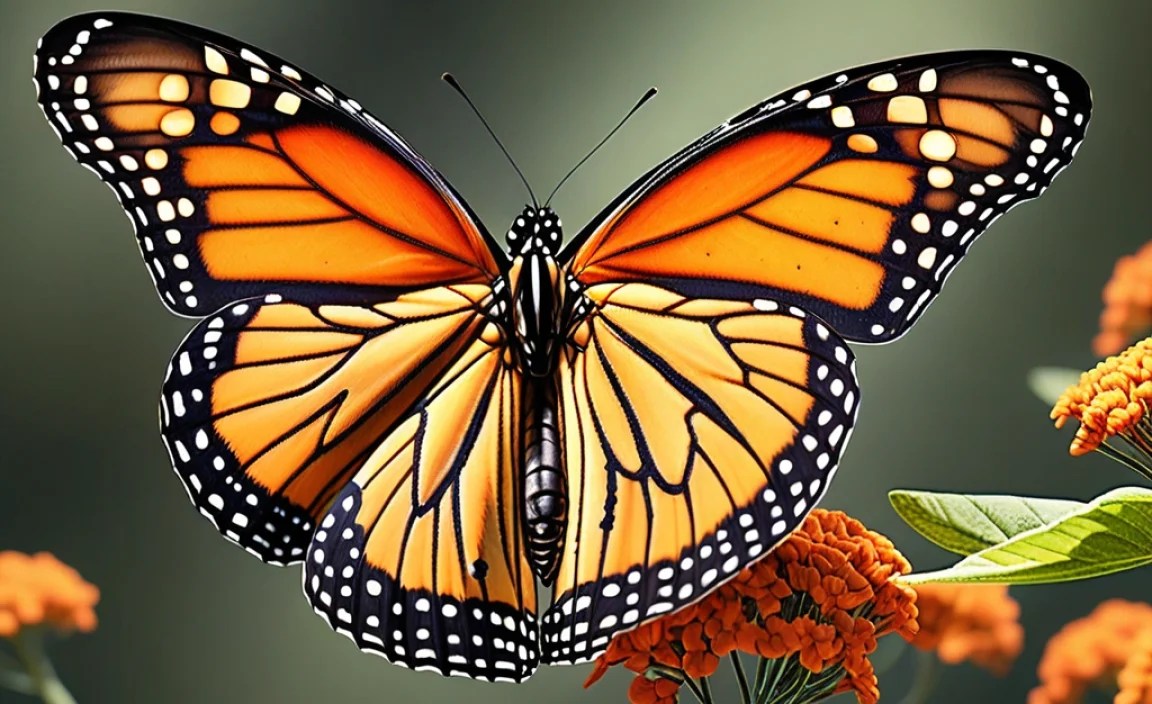
Now that we’ve covered the basics, let’s dive deeper into specific aspects of monarch butterfly behavior.
Mating and Reproduction
Monarch mating is a fascinating process. Male monarchs perform aerial displays to attract females. They use pheromones, chemical signals, to communicate. Once a female chooses a mate, they engage in a courtship ritual before mating. Females lay their eggs individually on milkweed plants. They can lay hundreds of eggs during their lifetime. Learn more about monarch mating rituals on the Monarch Joint Venture website.
Here are some key points about monarch mating:
- Aerial Displays: Males perform aerial displays to attract females.
- Pheromones: Monarchs use chemical signals to communicate.
- Egg Laying: Females lay eggs on milkweed plants.
Daily Activities: What Monarchs Do All Day
Monarchs have a daily routine that includes:
- Basking: Monarchs bask in the sun to warm up their bodies. They need warmth to fly and be active.
- Foraging: They spend time feeding on nectar from flowers. This provides them with the energy they need to fly and reproduce.
- Flying: Monarchs are active fliers. They fly to find food, mates, and suitable places to lay eggs.
- Resting: They also need to rest. They often rest on leaves or branches, especially during the hottest part of the day.
Social Behavior: Are Monarchs Social Butterflies?
While monarchs are not social in the same way as bees or ants, they do exhibit some social behaviors. During migration, they often gather in large groups to roost overnight. These roosting sites provide protection from predators and help them conserve energy. The roosting behavior is especially evident in the overwintering sites in Mexico and California. The Smithsonian Institution offers insights into monarch social behavior.
| Behavior | Description | Purpose |
|---|---|---|
| Migration | Traveling thousands of miles to overwintering sites. | To survive the winter in warmer climates. |
| Roosting | Gathering in large groups to rest overnight. | Protection from predators and energy conservation. |
| Feeding | Consuming nectar from various flowers. | To gain energy for flying and reproduction. |
Understanding Monarch Communication
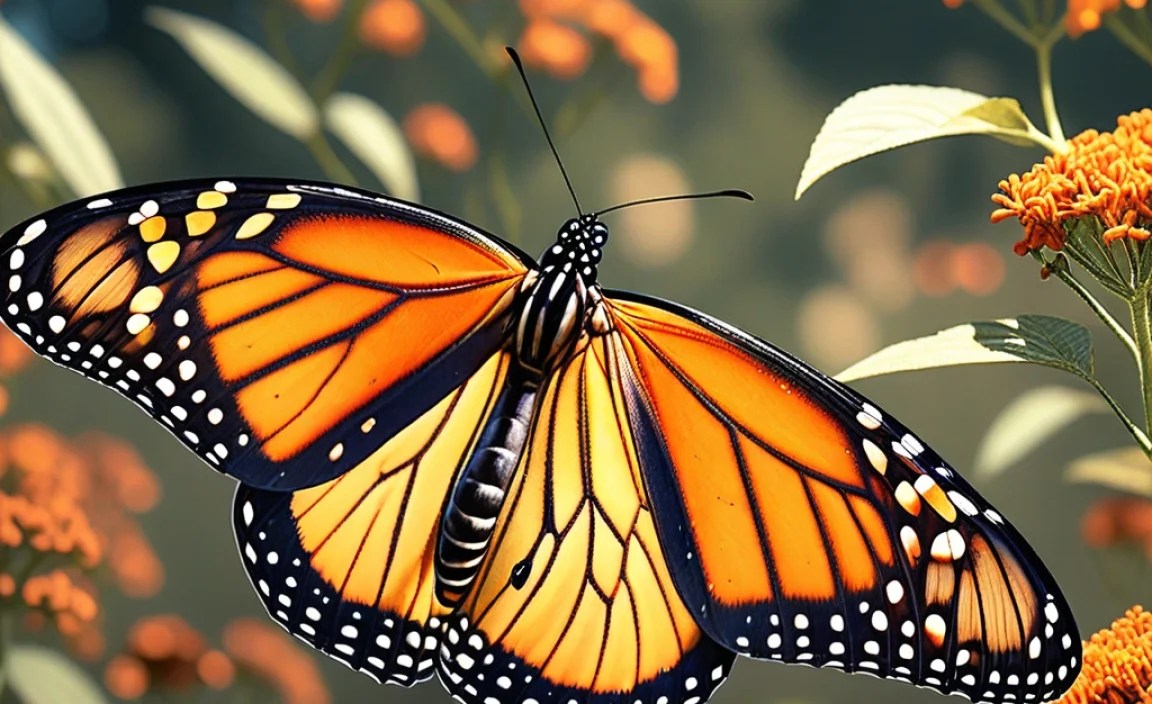
Communication is crucial for monarch survival. They use different methods to interact with each other and their environment.
Visual Signals
Monarchs use visual signals to communicate. Their bright orange and black wings serve as a warning to predators. This coloration tells predators that they are poisonous and not good to eat. The patterns on their wings also help them recognize each other. These visual cues are vital for mating and finding suitable habitats. More information on monarch visual signals can be found at the University of Minnesota’s Monarch Lab.
Chemical Signals (Pheromones)
Pheromones play a key role in monarch communication. Male monarchs use pheromones to attract females during mating season. These chemical signals can travel long distances, helping males find potential mates. Female monarchs also use pheromones to signal their readiness to mate. These chemical interactions are essential for successful reproduction.
Environmental Cues
Monarchs respond to environmental cues such as temperature, sunlight, and wind. They use these cues to guide their migration. For example, they fly south when the days get shorter and the temperature drops. They also use sunlight to navigate during their long journey. Understanding these environmental cues helps us predict their movements and protect their habitats. The National Wildlife Federation provides resources on monarch migration patterns.
How Environment Affects Monarch Behavior
The environment plays a huge role in shaping monarch behavior. Changes in habitat, climate, and food availability can all affect their survival and migration patterns.
Habitat Loss
Habitat loss is one of the biggest threats to monarch butterflies. The destruction of milkweed plants and overwintering sites has a significant impact on their populations. As milkweed habitats disappear due to agriculture and development, monarchs have fewer places to lay their eggs and feed. Protecting and restoring these habitats is crucial for monarch conservation. Learn about habitat restoration efforts at the Monarch Watch website.
Climate Change
Climate change also affects monarch behavior. Changes in temperature and rainfall patterns can disrupt their migration. Extreme weather events, such as droughts and storms, can destroy milkweed plants and overwintering habitats. These changes can make it harder for monarchs to survive and reproduce. Understanding the impact of climate change on monarchs is essential for developing effective conservation strategies. The EPA provides information on the effects of climate change on wildlife.
Pesticide Use
Pesticides can harm monarch butterflies directly. Insecticides can kill monarchs, while herbicides can destroy milkweed plants. The use of pesticides in agriculture and gardens can reduce the availability of food and habitat for monarchs. Reducing pesticide use and promoting organic gardening practices can help protect monarchs. The Xerces Society offers guidance on pesticide reduction and monarch conservation.
| Environmental Factor | Impact on Monarchs | Possible Solutions |
|---|---|---|
| Habitat Loss | Reduced breeding and feeding sites. | Restore milkweed habitats and protect overwintering sites. |
| Climate Change | Disrupted migration and extreme weather events. | Reduce greenhouse gas emissions and adapt conservation strategies. |
| Pesticide Use | Direct mortality and destruction of milkweed. | Reduce pesticide use and promote organic gardening. |
Conserving Monarch Butterflies: What You Can Do
Protecting monarch butterflies is a collective effort. There are many things you can do to help conserve these amazing creatures.
Plant Milkweed
Planting milkweed is one of the best ways to help monarch butterflies. Milkweed is the only food source for monarch caterpillars, so providing more milkweed plants can increase their chances of survival. Choose native milkweed species that are appropriate for your region. You can find milkweed seeds and plants at local nurseries or online. The Lady Bird Johnson Wildflower Center offers a guide to native milkweed species.
Create a Butterfly Garden
Create a butterfly garden with a variety of nectar-rich flowers. This will provide food for adult monarchs. Choose flowers that bloom at different times of the year to provide a continuous source of nectar. Include plants that are native to your area. Native plants are often the best choice because they are adapted to the local climate and provide the most benefits for butterflies. The North American Butterfly Association has resources on creating butterfly gardens.
Avoid Pesticides
Avoid using pesticides in your garden. Pesticides can harm monarch butterflies and other beneficial insects. If you need to control pests, use natural or organic methods. Encourage natural predators, such as ladybugs and lacewings, to help control pests. The Xerces Society provides information on natural pest control methods.
Support Conservation Organizations
Support organizations that are working to protect monarch butterflies. These organizations are involved in research, habitat restoration, and education. By supporting these organizations, you can help ensure that monarchs continue to thrive for generations to come. Consider donating to or volunteering with organizations like Monarch Watch, the Monarch Joint Venture, or the Xerces Society.
FAQ About Monarch Butterfly Behavior
What do monarch butterflies eat?
Monarch caterpillars exclusively eat milkweed plants. Adult monarchs feed on nectar from a variety of flowers.
How far do monarch butterflies migrate?
Monarch butterflies can migrate thousands of miles, traveling from Canada and the United States to Mexico and California.
Why do monarch butterflies migrate?
Monarchs migrate to escape the cold winters of North America and find suitable overwintering sites in warmer climates.
How can I help monarch butterflies?
You can help monarchs by planting milkweed, creating a butterfly garden, avoiding pesticides, and supporting conservation organizations.
What is the life cycle of a monarch butterfly?
The monarch life cycle includes four stages: egg, larva (caterpillar), pupa (chrysalis), and adult butterfly.
Are monarch butterflies poisonous?
Yes, monarch caterpillars eat milkweed, which contains toxins that make them poisonous to predators. This toxicity is retained in the adult butterfly.
What are the main threats to monarch butterflies?
The main threats to monarchs include habitat loss, climate change, and pesticide use.
Conclusion
Understanding monarch butterfly behavior is key to appreciating and protecting these incredible insects. From their amazing migration to their dependence on milkweed, every aspect of their lives is fascinating. By learning about their habits and the challenges they face, we can all play a part in ensuring their survival. Whether it’s planting milkweed in your garden, supporting conservation efforts, or simply spreading awareness, every action counts. Let’s work together to create a world where monarch butterflies continue to thrive and inspire awe for generations to come. Happy butterflying!


