
Brush-Footed Butterfly Species: Your Easy Guide

Brush-footed butterflies, also known as four-footed butterflies, form a diverse group with over 6,000 species worldwide. They are easily identified by their reduced forelegs, which they use for tasting rather than walking. From the vibrant Monarch to the camouflaged Question Mark, these butterflies showcase an array of colors, patterns, and fascinating behaviors.
Have you ever noticed a butterfly with strikingly colorful wings, seemingly dancing in the air, only to get a closer look and wonder, “What kind is that?” Identifying butterflies can be tricky, especially with so many variations in patterns and colors. But don’t worry! This comprehensive guide will walk you through the fascinating world of brush-footed butterflies, providing you with the knowledge to identify different species and appreciate their unique characteristics. We’ll explore their key features, habitats, and behaviors, making you a confident butterfly enthusiast in no time. Get ready to discover the hidden wonders of these beautiful creatures!
What are Brush-Footed Butterflies?
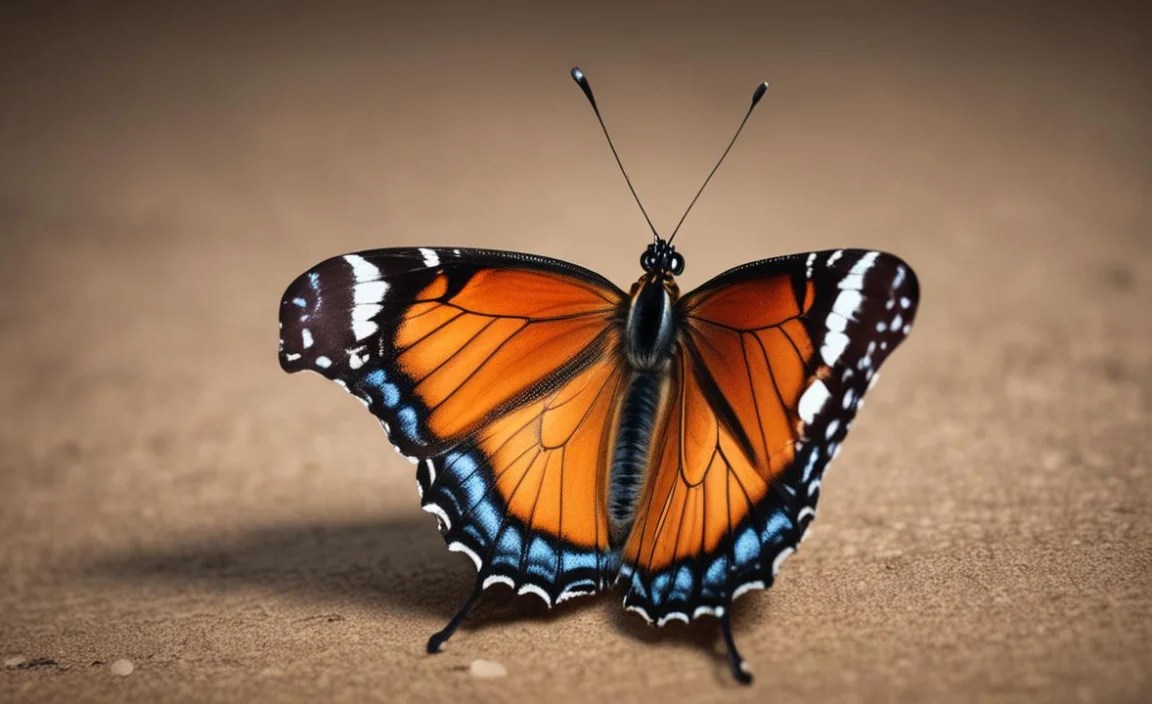
Brush-footed butterflies belong to the family Nymphalidae, one of the largest butterfly families. The name “brush-footed” comes from their unique forelegs, which are small and covered with sensory hairs, resembling brushes. These legs are primarily used for tasting and sensing their environment, rather than walking.
Key Characteristics of Brush-Footed Butterflies
- Reduced Forelegs: The most distinctive feature. These legs are often hairy and held close to the body.
- Wing Patterns: Highly diverse, with vibrant colors, intricate patterns, and sometimes cryptic camouflage.
- Size Variation: Species range from small to large, with wingspans varying accordingly.
- Habitat Diversity: Found in various habitats worldwide, from tropical rainforests to alpine meadows.
- Larval Food Plants: Caterpillars feed on a wide range of host plants, often specific to each species.
Identifying Common Brush-Footed Butterfly Species

Let’s explore some of the most common and easily recognizable brush-footed butterfly species.
Monarch Butterfly (Danaus plexippus)
The Monarch is perhaps the most well-known brush-footed butterfly, famous for its incredible migratory journey across North America. The Monarch butterfly migration is a spectacular natural event, with generations traveling thousands of miles.
Key Features:
- Appearance: Bright orange wings with black veins and black borders, adorned with white spots.
- Size: Wingspan of 3.5 to 4 inches (8.9 to 10.2 cm).
- Habitat: Open fields, meadows, and gardens, especially where milkweed (their larval food plant) grows.
- Range: North and South America.
Life Cycle and Behavior:
Monarchs lay their eggs exclusively on milkweed plants. The caterpillars feed on milkweed, which contains toxins that make them unpalatable to predators. Adult Monarchs nectar on various flowers, fueling their long migration.
Viceroy Butterfly (Limenitis archippus)
The Viceroy is often mistaken for the Monarch due to its similar coloration. However, it’s a separate species with its own unique characteristics. Its mimicry serves as a defense mechanism.
Key Features:
- Appearance: Similar orange and black pattern to the Monarch, but with a distinct black line across the hindwing.
- Size: Wingspan of 2.5 to 3 inches (6.4 to 7.6 cm).
- Habitat: Moist woods, swamps, and areas near streams.
- Range: North America.
Life Cycle and Behavior:
Viceroy caterpillars feed on willow, poplar, and aspen trees. The Viceroy’s resemblance to the Monarch is an example of Batesian mimicry, where a palatable species mimics a toxic one to avoid predation.
Red Admiral (Vanessa atalanta)
The Red Admiral is a striking butterfly with bold red and black markings, commonly seen in gardens and parks.
Key Features:
- Appearance: Dark brown to black wings with bright red bands on the forewings and hindwings, and white spots near the wingtips.
- Size: Wingspan of 1.75 to 2.5 inches (4.4 to 6.4 cm).
- Habitat: Gardens, parks, woodlands, and fields.
- Range: North America, Europe, and Asia.
Life Cycle and Behavior:
Red Admiral caterpillars feed on nettles and hops. Adults are attracted to tree sap, rotting fruit, and flower nectar.
Painted Lady (Vanessa cardui)
The Painted Lady is a widespread butterfly known for its migratory habits and distinctive orange and brown patterns.
Key Features:
- Appearance: Orange and brown wings with black spots and white markings on the wingtips.
- Size: Wingspan of 2 to 2.875 inches (5.1 to 7.3 cm).
- Habitat: Open areas, fields, gardens, and disturbed habitats.
- Range: Worldwide, except for South America and Antarctica.
Life Cycle and Behavior:
Painted Lady caterpillars feed on a wide variety of plants, including thistles, mallows, and legumes. This species is known for its long-distance migrations, often covering thousands of miles.
Question Mark (Polygonia interrogationis)
The Question Mark butterfly is easily identified by the distinctive silver mark on its hindwing that resembles a question mark.
Key Features:
- Appearance: Variable wing coloration, ranging from orange to dark brown. The hindwing has a silver mark shaped like a question mark.
- Size: Wingspan of 2 to 3 inches (5.1 to 7.6 cm).
- Habitat: Woodlands, forest edges, and streamsides.
- Range: Eastern North America.
Life Cycle and Behavior:
Question Mark caterpillars feed on hackberry, elm, and nettle. Adults often overwinter in sheltered locations.
Mourning Cloak (Nymphalis antiopa)
The Mourning Cloak is a long-lived butterfly with a distinctive dark brown color and pale yellow borders on its wings.
Key Features:
- Appearance: Dark brown wings with a broad, pale yellow border and blue spots along the inner edge of the border.
- Size: Wingspan of 2.5 to 4 inches (6.4 to 10.2 cm).
- Habitat: Woodlands, parks, and streamsides.
- Range: North America, Europe, and Asia.
Life Cycle and Behavior:
Mourning Cloak caterpillars feed on willow, elm, birch, and hackberry. Adults are among the first butterflies to emerge in the spring, having overwintered as adults.
American Lady (Vanessa virginiensis)
The American Lady is similar to the Painted Lady but can be distinguished by the two large eyespots on the underside of its hindwing.
Key Features:
- Appearance: Orange and brown wings with black spots and white markings. Two large eyespots on the underside of the hindwing.
- Size: Wingspan of 1.75 to 2.25 inches (4.4 to 5.7 cm).
- Habitat: Open areas, fields, and gardens.
- Range: North America.
Life Cycle and Behavior:
American Lady caterpillars feed on everlastings and other composite plants. They are often found in similar habitats as the Painted Lady.
Distinguishing Brush-Footed Butterflies from Other Butterfly Families

While the reduced forelegs are a defining characteristic, other features can help distinguish brush-footed butterflies from other butterfly families.
| Feature | Brush-Footed Butterflies (Nymphalidae) | Swallowtail Butterflies (Papilionidae) | Pieridae (Whites and Yellows) | Lycaenidae (Gossamer-wings) |
|---|---|---|---|---|
| Forelegs | Reduced, hairy, used for tasting | Fully functional | Fully functional | Reduced in some species, but generally functional |
| Wing Shape | Variable, often irregular or angled | Often have tails on hindwings | Rounded | Small, delicate |
| Wing Patterns | Highly diverse, colorful, intricate | Bright colors, bold patterns | Often white or yellow, sometimes with dark markings | Often metallic or iridescent |
| Size | Variable, small to large | Medium to large | Small to medium | Small |
| Examples | Monarch, Red Admiral, Painted Lady | Tiger Swallowtail, Black Swallowtail | Cabbage White, Clouded Yellow | Spring Azure, Eastern Tailed-Blue |
Attracting Brush-Footed Butterflies to Your Garden

Creating a butterfly-friendly garden is a rewarding way to support these beautiful creatures and enjoy their presence up close. Here are some tips to attract brush-footed butterflies:
Plant Host Plants
Provide the specific plants that caterpillars need to feed on. For example:
- Monarch: Milkweed (Asclepias species)
- Red Admiral: Nettles (Urtica species)
- Question Mark: Hackberry (Celtis species)
- Mourning Cloak: Willow (Salix species)
Plant Nectar-Rich Flowers
Adult butterflies feed on nectar from flowers. Choose a variety of flowering plants that bloom throughout the butterfly season.
- Good choices include: Butterfly bush (Buddleja davidii), coneflowers (Echinacea), zinnias, asters, and lantana.
Provide a Water Source
Butterflies need water to stay hydrated. A shallow dish with wet sand or pebbles can serve as a butterfly watering station.
Offer a Sunny Basking Spot
Butterflies are cold-blooded and need to bask in the sun to warm up. Provide flat rocks or other surfaces where they can bask.
Avoid Pesticides
Pesticides can harm or kill butterflies and other beneficial insects. Opt for natural pest control methods instead.
Conservation Status and Efforts
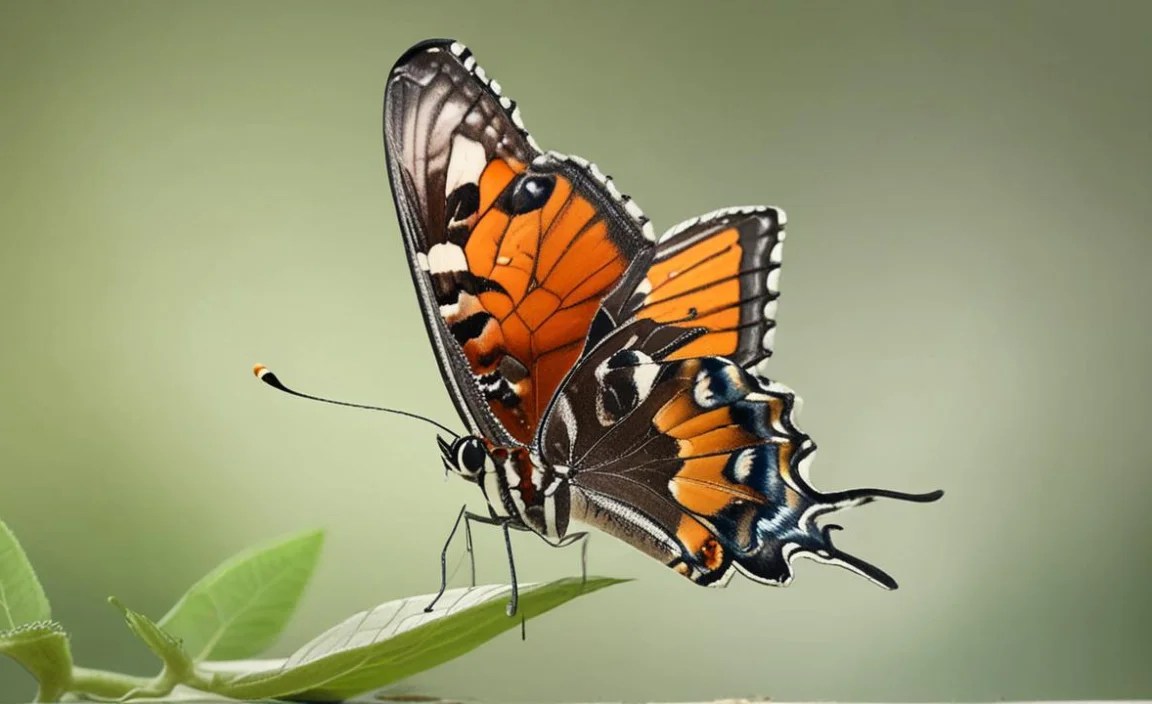
Many brush-footed butterfly species face threats from habitat loss, pesticide use, and climate change. Conservation efforts are crucial to protect these vulnerable creatures.
Habitat Preservation
Protecting and restoring natural habitats, such as forests, meadows, and wetlands, is essential for butterfly conservation.
Sustainable Practices
Promoting sustainable agricultural and forestry practices can reduce the impact of human activities on butterfly populations.
Citizen Science
Participating in citizen science projects, such as butterfly counts and monitoring programs, can help track butterfly populations and inform conservation efforts. The Xerces Society is a great resource for finding local citizen science initiatives.
Supporting Organizations
Donating to or volunteering with conservation organizations that work to protect butterflies and their habitats can make a significant difference. For instance, organizations like the North American Butterfly Association actively promote butterfly conservation through education and research.
The Symbolic and Cultural Significance of Brush-Footed Butterflies
Butterflies have long held symbolic and cultural significance in many societies, often representing transformation, beauty, and the ephemeral nature of life.
Transformation and Rebirth
The butterfly’s life cycle, from egg to caterpillar to chrysalis to butterfly, is a powerful metaphor for transformation and rebirth.
Beauty and Grace
Butterflies are admired for their vibrant colors, delicate wings, and graceful flight. They are often seen as symbols of beauty and joy.
Spiritual Symbolism
In some cultures, butterflies are believed to carry the souls of the departed or to represent spiritual messengers.
Frequently Asked Questions (FAQ)
What makes brush-footed butterflies different from other butterflies?
Brush-footed butterflies have reduced forelegs that they use for tasting, not walking, unlike other butterfly families with fully functional legs.
How can I attract Monarch butterflies to my garden?
Plant milkweed, the only food source for Monarch caterpillars, and nectar-rich flowers like butterfly bush and coneflowers for adult butterflies.
Are Viceroy butterflies poisonous like Monarchs?
No, Viceroy butterflies are not poisonous. They mimic the Monarch’s appearance to deter predators, a survival strategy known as Batesian mimicry.
What do Red Admiral caterpillars eat?
Red Admiral caterpillars primarily feed on nettles and hops. These plants are essential for their development.
Where can I find Question Mark butterflies?
Question Mark butterflies are commonly found in woodlands, forest edges, and streamsides in eastern North America.
How can I help protect brush-footed butterflies?
You can help by planting native host plants and nectar sources, avoiding pesticides, and supporting conservation organizations that protect butterfly habitats.
What is the lifespan of a Mourning Cloak butterfly?
Mourning Cloak butterflies are known for their long lifespan, often living for up to 10-11 months, as they overwinter as adults.
Conclusion
Brush-footed butterflies are a captivating group of insects, each species with its own unique beauty and ecological role. By understanding their characteristics, habitats, and conservation needs, we can appreciate and protect these delicate creatures for generations to come. Whether you’re a seasoned naturalist or a budding butterfly enthusiast, there’s always something new to discover in the world of brush-footed butterflies. So, grab your binoculars, head outdoors, and start exploring the enchanting world of these magnificent insects. Every small action, from planting a butterfly garden to supporting conservation efforts, contributes to ensuring these beautiful creatures continue to thrive. Happy butterflying!


