
Milkweed Species for Monarch: The Ultimate Guide

Quick Summary: To help Monarch butterflies, plant milkweed! Different species thrive in different regions. For the Eastern US, Common Milkweed is a great choice. In the West, Narrowleaf Milkweed works well. Always choose native varieties to give Monarchs the best chance to survive and flourish during their amazing migration.
Have you ever wondered how you can help the beautiful Monarch butterfly? One of the best ways is by planting milkweed. Monarchs need milkweed to survive. It’s the only plant their caterpillars eat! But with so many types of milkweed, how do you know which one is best for your area? Don’t worry, I’m here to guide you. We’ll explore the best milkweed species for Monarchs, so you can create a butterfly haven in your own backyard. Let’s get started!
Understanding Milkweed and Monarchs
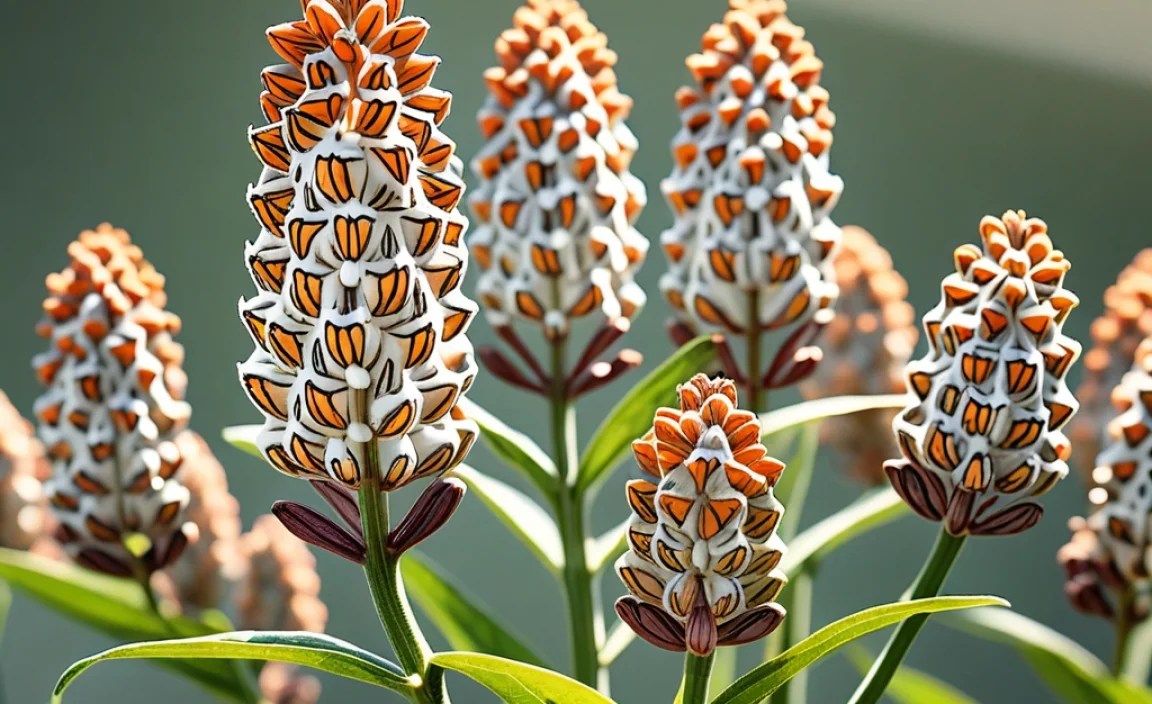
Milkweed is vital for Monarch butterflies. These amazing insects depend on milkweed for their survival. Monarch butterflies lay their eggs exclusively on milkweed plants. Once the eggs hatch, the caterpillars feed on the leaves. This food source is crucial for their growth and development into beautiful butterflies.
But why is milkweed so special? Milkweed contains compounds called cardiac glycosides. These compounds are toxic to most animals, but Monarch caterpillars have evolved to tolerate them. By eating milkweed, the caterpillars become toxic themselves, which protects them from predators. This clever adaptation is a key part of the Monarch’s defense strategy.
Sadly, Monarch populations have declined in recent years. Habitat loss, climate change, and the use of pesticides have all contributed to this decline. One of the biggest problems is the loss of milkweed. As milkweed disappears, Monarchs struggle to find places to lay their eggs and feed their young. By planting milkweed, we can help restore their habitat and support their populations.
Why Native Milkweed Matters
When choosing milkweed for your garden, it’s important to select native species. Native plants are those that naturally occur in a specific region. They are adapted to the local climate, soil, and other environmental conditions. Native milkweeds are the best choice for Monarchs because they have co-evolved with these butterflies over thousands of years.
Native milkweeds offer several advantages:
- Better nutrition: Native milkweeds provide the right balance of nutrients for Monarch caterpillars.
- Adaptation: They are well-suited to the local climate and require less maintenance.
- Ecosystem support: Native plants support a wide range of other native insects and wildlife.
Non-native milkweeds, such as Tropical Milkweed (Asclepias curassavica), can sometimes cause problems. In warmer climates, Tropical Milkweed may not die back in the winter. This can disrupt the Monarch’s natural migration patterns and increase the risk of disease. For these reasons, it’s best to focus on native milkweed species.
Top Milkweed Species for Monarchs

Now, let’s explore some of the best milkweed species for Monarchs. I’ve broken them down by region to help you choose the right ones for your area.
Eastern United States
The Eastern United States is home to several excellent milkweed species. Here are a few of my favorites:
- Common Milkweed (Asclepias syriaca): This is perhaps the most well-known milkweed species. It’s easy to grow and provides plenty of food for Monarch caterpillars. It spreads by rhizomes, so give it plenty of room.
- Swamp Milkweed (Asclepias incarnata): As the name suggests, this milkweed prefers moist soil. It’s a beautiful plant with pink or purple flowers, and it attracts many butterflies and other pollinators.
- Butterfly Weed (Asclepias tuberosa): Don’t let the name fool you – this is still a milkweed! Butterfly Weed has bright orange flowers and is very drought-tolerant. It’s a great choice for sunny, well-drained locations.
Western United States
The Western United States has its own unique set of milkweed species. Here are some top choices:
- Narrowleaf Milkweed (Asclepias fascicularis): This is one of the most common milkweeds in the West. It has narrow leaves and clusters of small, white or pink flowers.
- Showy Milkweed (Asclepias speciosa): This milkweed is known for its large, showy flowers. It prefers moist soil and is often found in meadows and along streams.
- California Milkweed (Asclepias californica): This species is native to California and is well-adapted to the dry climate. It has fuzzy leaves and pinkish-purple flowers.
Southern United States
The Southern United States presents unique challenges due to its warm climate. Here are some milkweed species that thrive in the South:
- Green Milkweed (Asclepias viridis): This milkweed is native to the South and has greenish-yellow flowers. It’s very drought-tolerant and prefers sandy soil.
- White Swamp Milkweed (Asclepias perennis): Unlike common swamp milkweed, this variety features delicate white flowers and thrives in moist environments across the southern states.
- Aquatic Milkweed (Asclepias perennis): Growing well in wet, boggy areas, this milkweed provides essential nutrients for monarch caterpillars in marshy landscapes across the southern states.
Midwestern United States
The Midwest offers a diverse range of milkweed options that cater to the region’s varied climate and soil conditions:
- Whorled Milkweed (Asclepias verticillata): This milkweed has slender leaves arranged in whorls along the stem. It’s drought-tolerant and prefers well-drained soil.
- Sullivant’s Milkweed (Asclepias sullivantii): Similar to Common Milkweed but less aggressive, it has broad leaves and pinkish flowers.
- Purple Milkweed (Asclepias purpurascens): A stunning milkweed with deep purple flowers, it attracts many pollinators.
Milkweed Species Table
Here’s a table summarizing some of the best milkweed species for different regions:
| Region | Milkweed Species | Description | Growing Conditions |
|---|---|---|---|
| Eastern US | Common Milkweed (Asclepias syriaca) | Large leaves, pink flowers | Full sun, well-drained soil |
| Eastern US | Swamp Milkweed (Asclepias incarnata) | Pink or purple flowers | Full sun, moist soil |
| Western US | Narrowleaf Milkweed (Asclepias fascicularis) | Narrow leaves, white or pink flowers | Full sun, well-drained soil |
| Western US | Showy Milkweed (Asclepias speciosa) | Large, showy flowers | Full sun, moist soil |
| Southern US | Green Milkweed (Asclepias viridis) | Greenish-yellow flowers | Full sun, sandy soil |
| Midwestern US | Whorled Milkweed (Asclepias verticillata) | Slender leaves, white flowers | Full sun, well-drained soil |
How to Plant and Grow Milkweed

Planting and growing milkweed is easy! Here are some tips to help you get started:
- Choose the right location: Most milkweed species prefer full sun (at least 6 hours of sunlight per day). Check the specific needs of your chosen species.
- Prepare the soil: Milkweed generally prefers well-drained soil. Amend heavy clay soil with compost or other organic matter.
- Planting: You can start milkweed from seeds or seedlings. If planting seeds, sow them directly into the ground in the spring or fall. If planting seedlings, dig a hole that’s twice as wide as the root ball and plant the seedling at the same depth it was in the container.
- Watering: Water newly planted milkweed regularly until it’s established. Once established, milkweed is fairly drought-tolerant and doesn’t need frequent watering.
- Maintenance: Remove any dead or diseased leaves. You can also prune milkweed to encourage bushier growth.
Tips for a Thriving Milkweed Patch
Here are some extra tips to help your milkweed thrive:
- Avoid pesticides: Pesticides can harm Monarch caterpillars and other beneficial insects. Use organic gardening practices instead.
- Provide a water source: Butterflies need water! Provide a shallow dish of water with pebbles for them to land on.
- Plant other nectar-rich flowers: Monarchs need nectar to fuel their migration. Plant other butterfly-friendly flowers like zinnias, coneflowers, and asters.
- Leave the leaves: Don’t be too quick to clean up your garden in the fall. Many insects overwinter in leaf litter, so leave some leaves for them to shelter in.
Addressing Common Milkweed Concerns
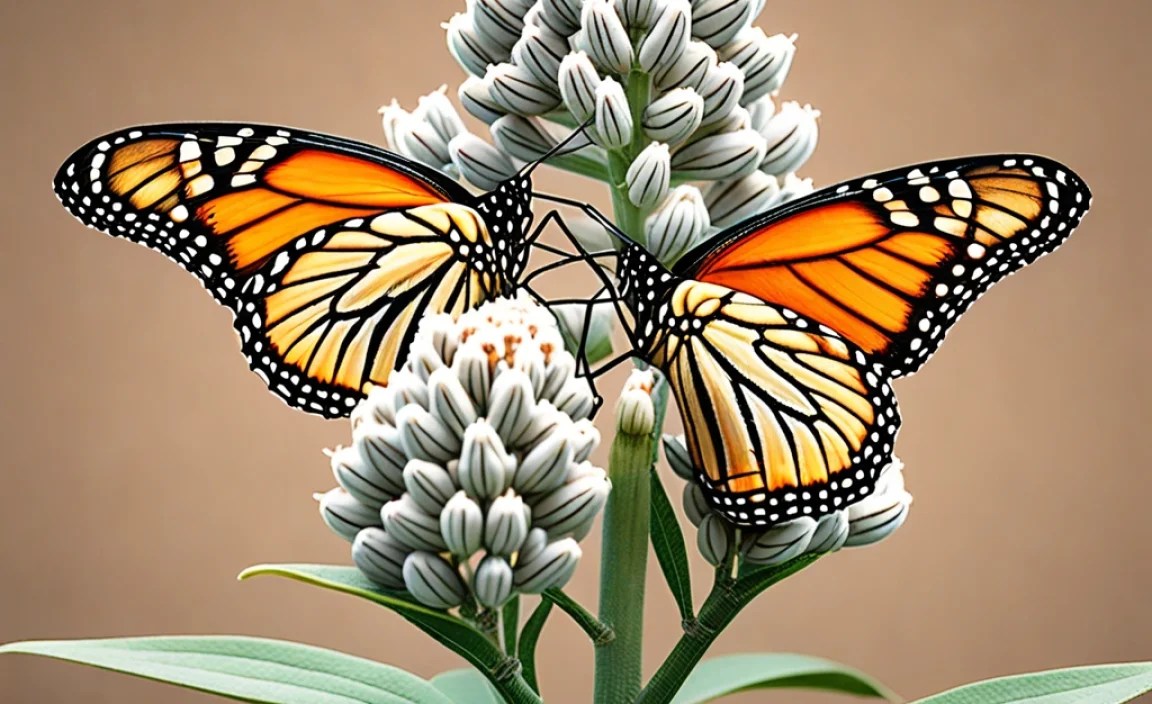
Sometimes, growing milkweed can present a few challenges. Here are some common concerns and how to address them:
Aphids
Aphids are small, sap-sucking insects that can sometimes infest milkweed. They can weaken the plant and spread diseases. To control aphids, try these methods:
- Hose them off: A strong stream of water can dislodge aphids from the plant.
- Introduce beneficial insects: Ladybugs and lacewings are natural predators of aphids.
- Use insecticidal soap: Insecticidal soap is a safe and effective way to control aphids.
Toxicity
Milkweed is toxic to humans and animals if ingested. However, the risk of poisoning is low because the plant is not very palatable. Take these precautions:
- Wash your hands: After handling milkweed, wash your hands thoroughly.
- Keep children and pets away: Teach children not to eat milkweed. Keep pets away from milkweed plants, especially if they are prone to eating plants.
Tropical Milkweed Controversy
I touched on this earlier, but it’s worth reiterating. While Tropical Milkweed (Asclepias curassavica) is attractive and easy to grow, it can cause problems for Monarchs. In warm climates, it doesn’t die back in the winter. This can disrupt the Monarch’s migration and increase the risk of a parasite called Ophryocystis elektrosirrha (OE). If you choose to grow Tropical Milkweed, cut it back to the ground in the fall to encourage dormancy.
Finding Milkweed Seeds and Plants
You can find milkweed seeds and plants at many nurseries and garden centers. Here are some tips for finding the right ones:
- Choose native species: Make sure you’re buying native milkweed species for your region.
- Buy from reputable sources: Buy from nurseries or garden centers that specialize in native plants.
- Check the labels: Read the labels carefully to make sure you’re getting the right species and that the plants are healthy.
You can also collect milkweed seeds from wild plants. However, make sure you have permission to collect seeds from the property owner. Only collect seeds from healthy plants, and don’t take too many seeds from any one plant. It is always best to support local nurseries that specialize in native plants.
Milkweed for Monarchs: A Year-Round Effort
Supporting Monarchs is a year-round effort. Here’s what you can do in each season:
- Spring: Plant milkweed seeds or seedlings. Monitor your plants for Monarch eggs and caterpillars.
- Summer: Enjoy watching the Monarch caterpillars grow and transform into butterflies. Provide nectar-rich flowers for adult butterflies.
- Fall: Collect milkweed seeds for next year. Cut back Tropical Milkweed if you have it.
- Winter: Plan your garden for next year. Learn more about Monarchs and how you can help them.
The Broader Impact of Milkweed Planting
Planting milkweed isn’t just about helping Monarchs. It’s about creating a healthier environment for all living things. Milkweed provides habitat and food for a wide range of other insects and wildlife. It also helps to improve soil health and reduce erosion. By planting milkweed, you’re contributing to a more sustainable and resilient ecosystem.
Moreover, planting milkweed can be a deeply rewarding experience. Watching Monarch caterpillars munch on milkweed leaves and then transform into beautiful butterflies is a magical sight. It’s a reminder of the beauty and wonder of nature, and it can inspire us to take action to protect our planet.
FAQ About Milkweed Species for Monarchs
Here are some frequently asked questions about milkweed and Monarchs:
What is the best milkweed to plant for Monarchs?
The best milkweed to plant depends on your region. Native milkweed species are always the best choice because they have co-evolved with Monarchs. Common Milkweed is a great choice for the Eastern US, while Narrowleaf Milkweed is a good option for the West.
Is Tropical Milkweed bad for Monarchs?
Tropical Milkweed can be problematic in warmer climates where it doesn’t die back in the winter. This can disrupt Monarch migration and increase the risk of disease. If you grow Tropical Milkweed, cut it back in the fall.
How do I attract Monarchs to my milkweed?
Plant milkweed in a sunny location and provide a water source. Also, plant other nectar-rich flowers to attract adult butterflies.
Can I grow milkweed in pots?
Yes, you can grow milkweed in pots. Choose a large pot with good drainage and use a well-draining potting mix. Be sure to water regularly.
How can I tell if my milkweed has aphids?
Aphids are small, sap-sucking insects that can be green, yellow, or black. They often cluster on the stems and leaves of milkweed plants. You may also see a sticky substance called honeydew.
Is milkweed poisonous to pets?
Yes, milkweed is toxic to pets if ingested. However, the risk of poisoning is low because the plant is not very palatable. Keep pets away from milkweed plants, especially if they are prone to eating plants.
Where can I buy milkweed seeds?
You can buy milkweed seeds from many nurseries and garden centers, especially those that specialize in native plants. You can also find them online.
Conclusion
Planting the right milkweed species is one of the most impactful things you can do to support Monarch butterflies. By choosing native varieties and providing a healthy habitat, you’re creating a vital resource for these amazing insects. Remember to consider your region and local climate when selecting your milkweed. Avoid pesticides, provide a water source, and plant other nectar-rich flowers to create a butterfly-friendly garden. Your efforts will not only benefit Monarchs but also contribute to a healthier ecosystem for all.
So, get out there, plant some milkweed, and watch the Monarchs flourish! Together, we can make a difference in their survival and ensure that future generations can enjoy the beauty of these incredible butterflies.


