
Monarch Butterfly Color Variations: A Powerful Guide

Quick Summary: Monarch butterflies are famous for their vibrant orange wings with black veins and white spots. While most monarchs fit this description, color variations do occur. These can range from paler shades of orange to brown or even white monarchs. Genetic mutations, environmental factors, and the butterfly’s age can all influence these fascinating color differences. Spotting a unique monarch is a special treat!
Have you ever seen a butterfly and wondered if it was a bit different from the others? Monarch butterflies are known for their bright orange wings, making them easy to spot. But did you know that they can have different colors? Sometimes, you might see a monarch that’s a bit paler, darker, or even a different shade altogether! This is a common question among butterfly lovers, and it’s a sign that nature is full of surprises. In this guide, we will explore the fascinating world of monarch butterfly color variations, explaining why they happen and what they mean.
Understanding Monarch Butterfly Color Variations
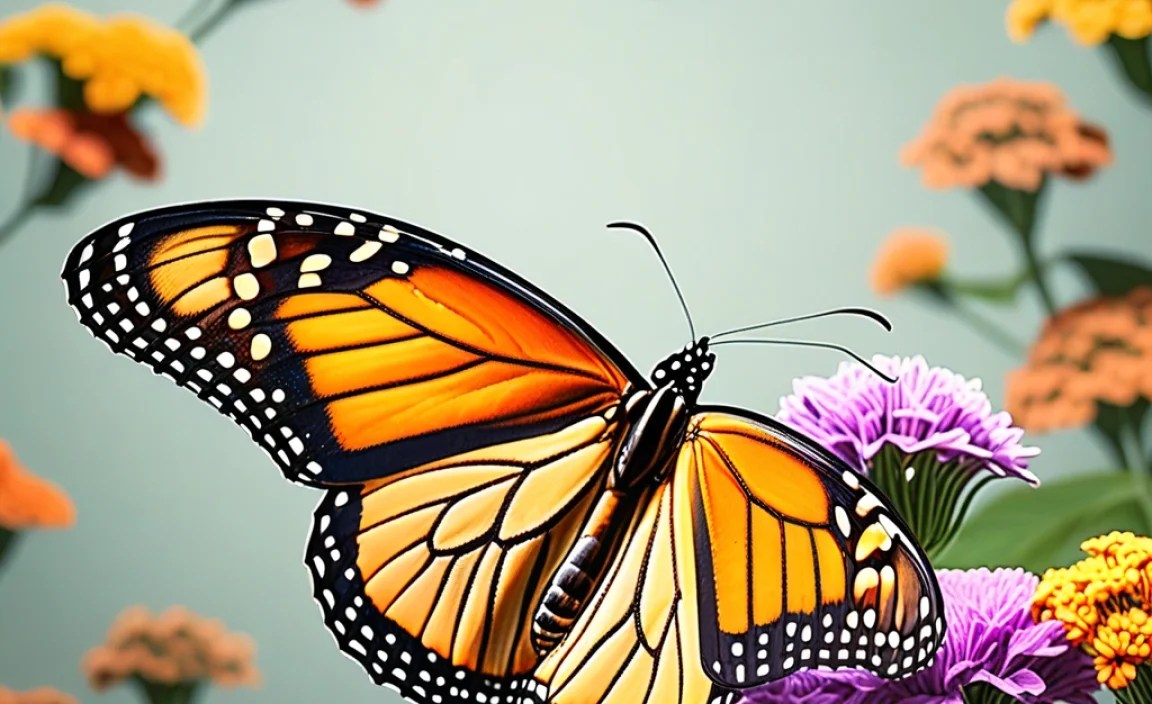
Monarch butterflies are iconic insects, easily recognized by their striking orange and black wings. But, the world of monarchs isn’t just orange. Color variations exist, and they can be quite intriguing. These variations are usually the result of genetics, environmental conditions, or even the age of the butterfly. Let’s dive into the reasons behind these color differences and what they tell us about these amazing creatures.
Genetic Factors
Genetics play a big role in the color of a monarch butterfly. Just like people, butterflies inherit genes from their parents. These genes determine the amount of pigment produced in their wings. A mutation in these genes can lead to color variations.
- Melanism: This is when a butterfly has more dark pigment (melanin) than usual. Melanistic monarchs appear darker, sometimes almost black.
- Albinism: This is the opposite of melanism. It’s when a butterfly has very little pigment, resulting in a white or pale appearance. Albino monarchs are rare but beautiful.
- Other Genetic Mutations: Sometimes, a genetic mutation can affect the production of specific pigments, leading to different shades of orange or brown.
Environmental Influences
The environment a monarch butterfly lives in can also affect its color. Temperature, humidity, and sunlight can all play a role.
- Temperature: Studies have shown that temperature during the pupa (chrysalis) stage can influence wing color. Warmer temperatures may result in paler colors, while cooler temperatures may lead to darker colors.
- Diet: The food a monarch caterpillar eats can also affect its color. Milkweed is the primary food source for monarch caterpillars. The quality and type of milkweed can influence the pigments in the butterfly’s wings.
Age and Wear
A monarch butterfly’s color can change over time. As they age, their wings can fade or become damaged. This can make them look different from younger, more vibrant monarchs.
- Fading: The pigments in a butterfly’s wings can break down over time, especially with exposure to sunlight. This can cause the colors to become duller.
- Wear and Tear: Monarchs travel long distances during migration. Their wings can get torn or damaged, which can affect their appearance.
Common Monarch Butterfly Color Variations
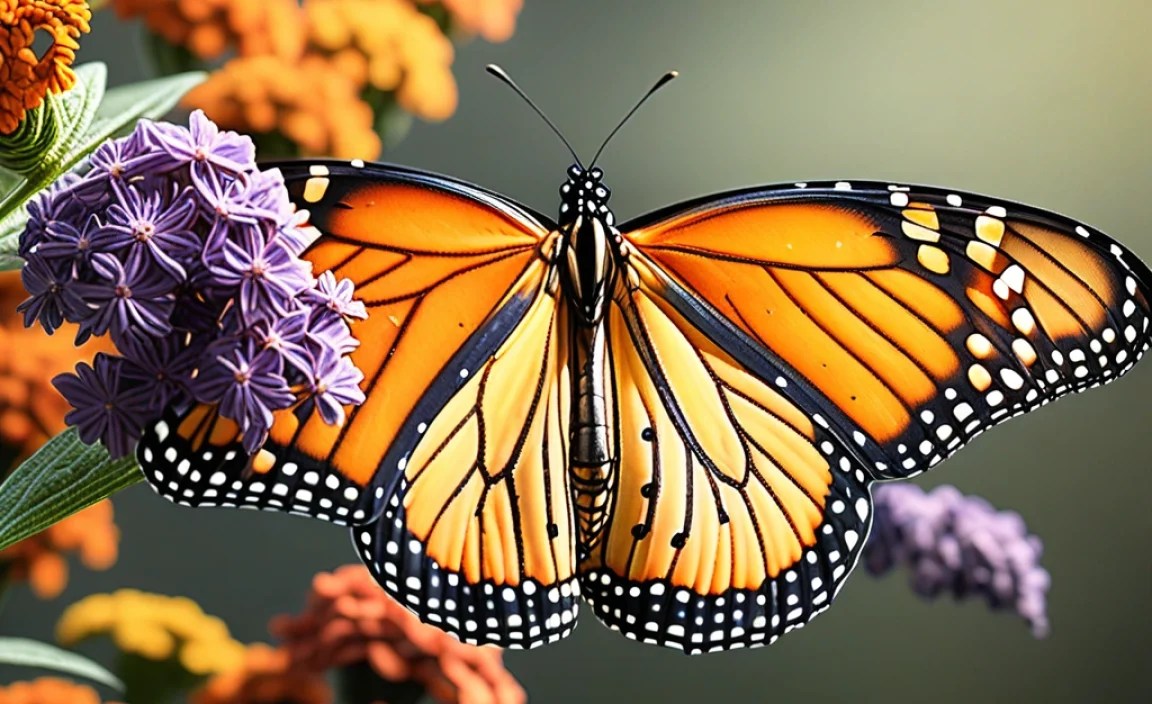
Now that we know what causes color variations, let’s look at some of the most common types you might encounter.
Pale Monarchs
Pale monarchs have a lighter shade of orange than typical. This can be due to genetic factors, high temperatures during development, or fading with age. They still have the black veins and white spots, but the overall color is less intense.
Dark Monarchs
Dark monarchs have a richer, deeper orange color, sometimes with more extensive black markings. This can be caused by cooler temperatures during development or genetic melanism. These butterflies often look quite striking.
Brown Monarchs
Brown monarchs have a brownish hue instead of the usual orange. This is often due to genetic mutations affecting pigment production. While less common, they are still beautiful and unique.
White Monarchs
White monarchs, also known as albino monarchs, are very rare. They lack most of the orange pigment and appear mostly white with black markings. Albinism is a genetic condition that affects pigment production.
Aberrant Color Patterns
Sometimes, monarchs have unusual patterns or markings on their wings. This can include extra spots, missing veins, or asymmetrical patterns. These aberrations are usually caused by genetic mutations or developmental abnormalities.
Identifying Monarch Butterfly Color Variations
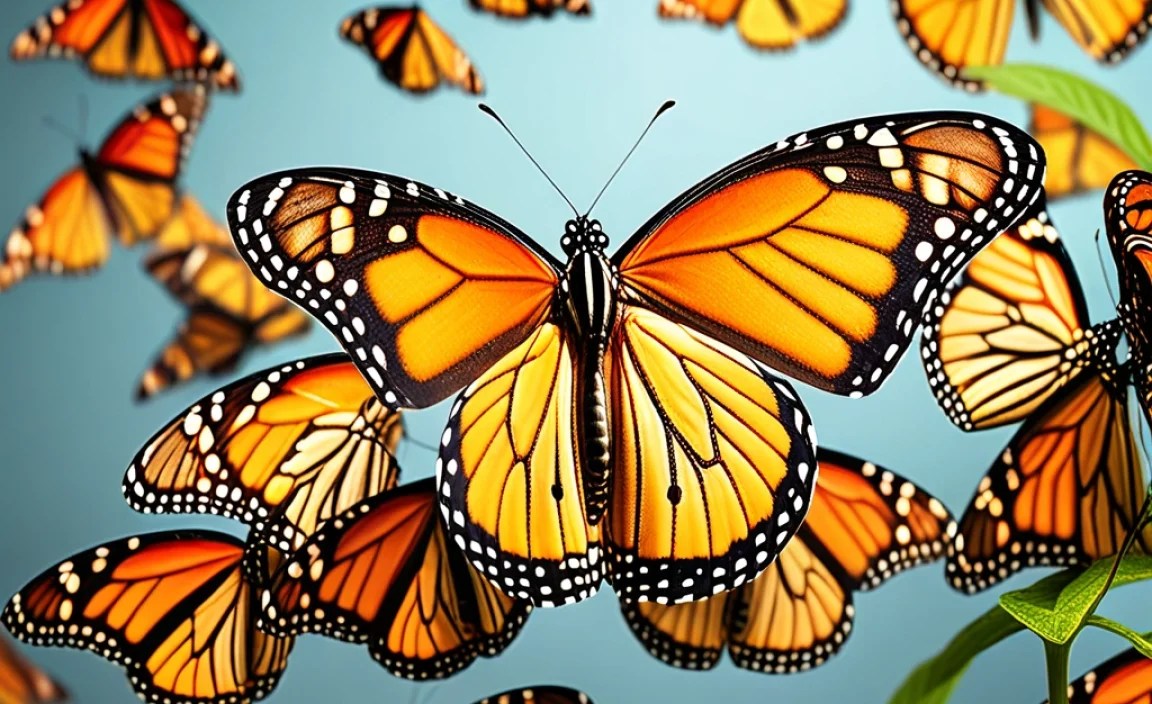
Identifying color variations can be tricky, but here are some tips to help you distinguish them from other butterflies and understand what you’re seeing.
Distinguishing from Other Butterflies
It’s important to make sure you’re actually looking at a monarch butterfly before trying to identify a color variation. Monarchs have distinctive features that set them apart from other butterflies.
- Size: Monarchs are relatively large butterflies, with a wingspan of 3.5 to 4 inches.
- Wing Pattern: They have orange wings with black veins and white spots along the edges. The pattern is consistent, even in color variations.
- Flight: Monarchs have a characteristic slow, gliding flight pattern.
Key Features to Observe
When you spot a monarch with unusual coloring, pay attention to these key features:
- Overall Color: Is it paler, darker, browner, or whiter than usual?
- Wing Patterns: Are the black veins and white spots still present? Are there any unusual markings?
- Wing Condition: Are the wings damaged or faded?
Using Field Guides and Online Resources
Field guides and online resources can be very helpful in identifying butterfly color variations. Look for guides that include information on common variations and abnormalities. Websites like the Xerces Society and U.S. Forest Service offer valuable information and images.
Documenting and Reporting Monarch Butterfly Color Variations
If you spot a monarch with an unusual color variation, consider documenting it. Your observations can contribute to our understanding of these fascinating creatures.
Taking Photos
Take clear, high-quality photos of the butterfly. Capture the upper and lower sides of the wings, if possible. Make sure the photos are well-lit and in focus.
Recording Location and Date
Note the exact location where you saw the butterfly, including the date and time. This information can be valuable for tracking populations and migration patterns.
Submitting Observations to Citizen Science Projects
Many citizen science projects track monarch butterfly sightings. Consider submitting your observations to organizations like Journey North or Monarch Joint Venture. Your data can help scientists monitor monarch populations and study color variations.
Attracting Monarch Butterflies to Your Garden
Creating a butterfly-friendly garden is a great way to support monarch populations and observe their behavior. Here’s how to attract monarchs to your garden:
Planting Milkweed
Milkweed is the only food source for monarch caterpillars. Plant a variety of milkweed species native to your area. This will provide a reliable food supply for the caterpillars.
Providing Nectar Sources
Monarch butterflies need nectar to fuel their migration. Plant a variety of nectar-rich flowers that bloom throughout the season. Choose native species whenever possible.
Avoiding Pesticides
Pesticides can harm or kill monarch butterflies and other beneficial insects. Avoid using pesticides in your garden. Consider using organic gardening methods instead.
Creating a Butterfly-Friendly Habitat
Provide shelter and water for butterflies. Plant shrubs and trees to provide shelter from wind and rain. Offer a shallow dish of water with pebbles for butterflies to drink from.
Conservation Efforts for Monarch Butterflies
Monarch butterfly populations have declined in recent years due to habitat loss, pesticide use, and climate change. Conservation efforts are crucial to protect these iconic insects.
Supporting Habitat Restoration
Habitat loss is a major threat to monarch butterflies. Support organizations that are working to restore and protect monarch habitat, such as the World Wildlife Fund and National Wildlife Federation.
Promoting Sustainable Agriculture
Sustainable agriculture practices can help protect monarch butterflies and other pollinators. Support farmers who use organic and pesticide-free methods.
Educating Others
Educate your friends, family, and community about the importance of monarch butterfly conservation. Share information about the threats they face and what people can do to help.
Participating in Citizen Science
Participate in citizen science projects to monitor monarch populations and track migration patterns. Your observations can help scientists understand and protect these amazing creatures.
Monarch Butterfly Color Genetics Explained
The genetics behind monarch butterfly color variations are complex but fascinating. Let’s take a closer look at how genes influence wing color and pattern.
Basic Genetic Principles
Genes are units of heredity that determine an organism’s traits. They are passed down from parents to offspring. In butterflies, genes control the production of pigments that give their wings color.
How Genes Influence Wing Color
Specific genes control the production of melanin (dark pigment) and other pigments that create the orange color in monarch wings. Mutations in these genes can disrupt pigment production, leading to color variations.
Understanding Dominant and Recessive Genes
Some genes are dominant, meaning they will be expressed even if only one copy is present. Others are recessive, meaning they will only be expressed if two copies are present. Color variations can be caused by both dominant and recessive genes.
| Gene | Description | Effect on Color |
|---|---|---|
| Melanin Production Gene | Controls the amount of dark pigment in the wings | Mutation can cause melanism (darker wings) |
| Orange Pigment Gene | Controls the production of orange pigment | Mutation can cause paler or browner wings |
| Albinism Gene | Inhibits pigment production | Causes albinism (white wings) |
The Role of Environment in Monarch Development
The environment plays a significant role in the development of monarch butterflies, including their color. Temperature, humidity, and diet can all influence wing color and pattern.
Temperature Effects
Temperature during the pupa stage can affect wing color. Cooler temperatures tend to produce darker colors, while warmer temperatures can result in paler colors. This is because temperature affects the enzymes involved in pigment production.
Humidity Influences
Humidity can also play a role in wing development. High humidity may lead to larger wings, while low humidity may result in smaller wings. However, the effects of humidity on wing color are less well-understood than those of temperature.
Dietary Factors
The quality and type of milkweed that monarch caterpillars eat can affect their color. Milkweed contains chemicals called cardenolides, which can influence pigment production. Different milkweed species have different levels of cardenolides, which can lead to subtle variations in wing color.
Interesting Facts About Monarch Butterfly Colors
Here are some fun and interesting facts about monarch butterfly colors:
- Monarch butterflies get their orange color from pigments called carotenoids, which they obtain from milkweed.
- The black veins on monarch wings are not just for show. They provide structural support and help the wings stay strong during flight.
- The white spots on monarch wings may help to camouflage them from predators.
- Monarch butterflies can see a wider range of colors than humans, including ultraviolet light.
- The bright orange color of monarch butterflies warns predators that they are toxic and distasteful.
Table: Monarch Butterfly Color Variations and Causes
| Color Variation | Description | Possible Causes | Rarity |
|---|---|---|---|
| Pale Monarch | Lighter shade of orange | Genetic factors, high temperatures, aging | Common |
| Dark Monarch | Richer, deeper orange | Cooler temperatures, melanism | Uncommon |
| Brown Monarch | Brownish hue instead of orange | Genetic mutations | Rare |
| White Monarch | Mostly white with black markings | Albinism | Very Rare |
| Aberrant Patterns | Unusual markings or patterns | Genetic mutations, developmental abnormalities | Rare |
FAQ About Monarch Butterfly Color Variations
Here are some frequently asked questions about monarch butterfly color variations:
Are color variations in monarch butterflies common?
While most monarch butterflies have the typical orange and black coloring, color variations do occur. Pale monarchs are relatively common, while darker, brown, or white monarchs are rarer.
What causes monarch butterfly color variations?
Color variations can be caused by genetic factors, environmental influences (such as temperature and diet), and the age of the butterfly.
Can the food a monarch caterpillar eats affect its color?
Yes, the quality and type of milkweed that a monarch caterpillar eats can influence its color. Different milkweed species have different levels of chemicals that can affect pigment production.
How can I attract monarch butterflies to my garden?
To attract monarch butterflies, plant milkweed (the only food source for monarch caterpillars) and nectar-rich flowers. Avoid using pesticides and provide a butterfly-friendly habitat with shelter and water.
What should I do if I see a monarch butterfly with an unusual color variation?
Take photos of the butterfly and record the location and date. Consider submitting your observations to citizen science projects like Journey North or Monarch Joint Venture.
Are white monarch butterflies albino?
Yes, white monarch butterflies are typically albino. Albinism is a genetic condition that inhibits pigment production, resulting in a white appearance.
Do monarch butterfly color variations affect their survival?
In some cases, color variations may affect survival. For example, albino monarchs may be more vulnerable to predators because they are less camouflaged. However, more research is needed to fully understand the effects of color variations on monarch survival.
Conclusion
Monarch butterfly color variations are a fascinating aspect of these iconic insects. From genetic mutations to environmental influences, there are many factors that can affect a monarch’s color. By understanding these variations, we can gain a deeper appreciation for the beauty and complexity of nature. Whether you’re a seasoned butterfly enthusiast or just starting to explore the world of monarchs, keep an eye out for these unique color variations. Documenting and reporting your observations can contribute to our understanding of these amazing creatures and help us protect them for future generations.


