
Butterfly Eye Pattern Markings: The Ultimate Guide

Butterfly eye pattern markings are spots that look like eyes on butterfly wings. These markings help butterflies scare away predators or distract them from vital body parts. They can be found on many different butterfly species and come in various shapes, sizes, and colors.
Have you ever been amazed by the intricate patterns on a butterfly’s wings? One of the most fascinating features is the presence of eye-like markings. These aren’t just for show; they play a crucial role in the butterfly’s survival. Understanding these markings can help you appreciate the incredible adaptations that butterflies have developed over millions of years. We’ll explore what these eye patterns are, why they exist, and how they benefit these delicate creatures.
Ready to dive into the world of butterfly eye patterns? Let’s explore the fascinating science and beauty behind these unique markings!
What Are Butterfly Eye Pattern Markings?
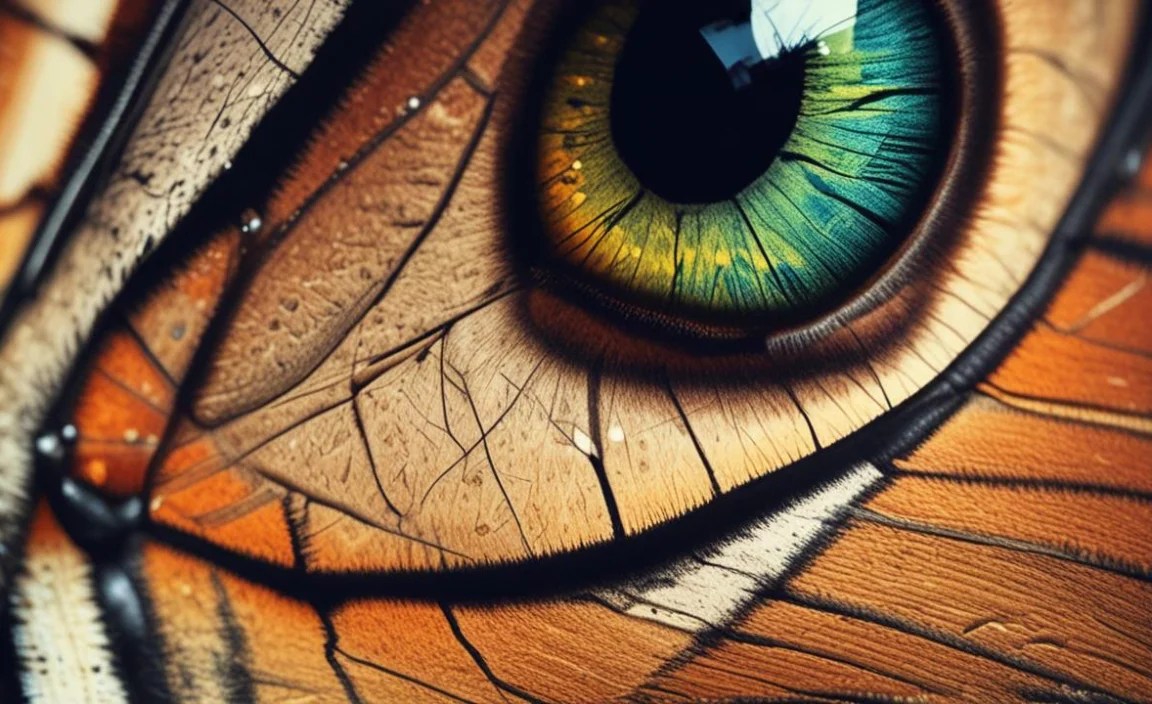
Butterfly eye pattern markings, also known as eyespots, are circular or oval patterns on a butterfly’s wings that resemble the eyes of larger animals. These markings are a form of mimicry, where one organism evolves to resemble another, or part of another, for protection. In the case of butterflies, eyespots are primarily a defense mechanism against predators.
Eyespots typically consist of concentric rings of different colors, often with a dark center that mimics a pupil. The size, shape, and placement of these spots can vary widely depending on the butterfly species. Some butterflies have large, prominent eyespots, while others have smaller, more subtle ones.
These eye-like patterns are not just random decorations; they are precisely located to maximize their effectiveness. They are usually found on the outer edges of the wings, making them the first thing a predator sees. This strategic placement is crucial for the butterfly’s survival, as it can influence a predator’s behavior.
Functions of Eye Pattern Markings
Eye pattern markings serve several important functions for butterflies, primarily related to predator avoidance:
- Startle Response: The sudden appearance of eyespots can startle potential predators, giving the butterfly a chance to escape.
- Deflection: Eyespots can deflect predator attacks away from the butterfly’s vital organs, such as the head and body, towards the less critical wing areas.
- Mimicry: Some eyespots mimic the eyes of larger, more dangerous animals, deterring predators from attacking.
Types of Butterfly Eye Pattern Markings

Butterfly eye pattern markings come in various forms, each adapted to suit the specific needs and environment of the butterfly species. Here are some common types:
- Large, Prominent Eyespots: These are large, easily visible spots that are designed to startle predators.
- Small, Subtle Eyespots: These are smaller and less noticeable, often used to deflect attacks rather than startle predators.
- Hidden Eyespots: Some butterflies have eyespots that are only visible when the wings are opened, providing a surprise defense mechanism.
- False Head Markings: These markings are located near the tail of the butterfly, mimicking a head and confusing predators about the butterfly’s direction of escape.
Examples of Butterfly Species with Notable Eye Pattern Markings
Several butterfly species are well-known for their distinctive eye pattern markings. Here are a few examples:
- Buckeye Butterfly (Junonia coenia): This butterfly has large, prominent eyespots on its wings, which it uses to startle predators.
- Owl Butterfly (Caligo): Owl butterflies are named for the large, owl-like eyespots on the undersides of their wings. These eyespots are used to deter predators by mimicking the face of an owl.
- Grayling Butterfly (Hipparchia semele): The Grayling butterfly has subtle eyespots that help it blend in with its surroundings and deflect attacks.
The Science Behind Butterfly Eye Pattern Markings

The development and function of butterfly eye pattern markings are fascinating areas of scientific study. Researchers have explored the genetics, evolution, and behavioral aspects of these markings to understand how they contribute to butterfly survival.
Genetics and Development
The formation of eyespots is controlled by specific genes that regulate the development of wing patterns. These genes determine the size, shape, and color of the eyespots. Studies have shown that changes in these genes can lead to variations in eyespot patterns, influencing the butterfly’s ability to avoid predators. According to a study published in *Nature*, a single gene, *Distal-less*, plays a critical role in the formation of butterfly eyespots. [^1^]
Evolutionary Significance
The evolution of eye pattern markings is a result of natural selection. Butterflies with more effective eyespots are more likely to survive and reproduce, passing on their genes to future generations. Over time, this process leads to the development of increasingly sophisticated and effective eyespot patterns. Research from the Smithsonian Tropical Research Institute suggests that the effectiveness of eyespots can vary depending on the predator species present in the butterfly’s environment. [^2^]
Behavioral Studies
Behavioral studies have shown that predators are indeed influenced by butterfly eye pattern markings. Predators are more likely to attack butterflies without eyespots or with less prominent eyespots. When presented with butterflies with distinct eyespots, predators often hesitate or redirect their attacks to the wings, giving the butterfly a better chance of survival. Studies published in the *Journal of Animal Ecology* have demonstrated that birds are less likely to attack butterflies with large, conspicuous eyespots. [^3^]
How Eye Pattern Markings Protect Butterflies

Eye pattern markings provide several layers of protection for butterflies. These markings can startle predators, deflect attacks, and even mimic other animals to deter predation.
Startling Predators
One of the primary functions of eye pattern markings is to startle predators. When a butterfly suddenly reveals its eyespots, it can surprise a predator, causing it to hesitate or abandon its attack. This brief moment of hesitation can be enough for the butterfly to escape.
The effectiveness of the startle response depends on the size, shape, and contrast of the eyespots. Large, brightly colored eyespots are more likely to startle predators than smaller, more subtle ones. The sudden appearance of these spots can disrupt the predator’s focus and give the butterfly a critical advantage.
Deflecting Attacks
Eye pattern markings can also deflect predator attacks away from the butterfly’s vital organs. When a predator targets the eyespot on a wing, it is less likely to hit the butterfly’s head or body, which are more vulnerable. This deflection strategy can significantly increase the butterfly’s chances of survival.
The placement of eyespots on the outer edges of the wings is crucial for deflecting attacks. By drawing the predator’s attention to the wings, the butterfly can sacrifice a small portion of its wing in exchange for its life.
Mimicking Other Animals
Some butterfly eye pattern markings mimic the eyes of larger, more dangerous animals. This form of mimicry can deter predators from attacking, as they may mistake the butterfly for a potential threat.
Owl butterflies, for example, have large, owl-like eyespots on their wings. These eyespots resemble the face of an owl, a known predator of many insects. By mimicking an owl, the butterfly can scare away potential predators and avoid being eaten. According to the Xerces Society, mimicry is a vital survival strategy for many butterfly species. [^4^]
Attracting Butterflies with Eye Pattern Markings to Your Garden

While you can’t directly attract butterflies *because* of their eye patterns, you can attract the butterflies that *have* eye patterns by creating a butterfly-friendly garden. Here’s how:
Planting Host and Nectar Plants
To attract butterflies to your garden, it’s essential to provide both host plants for caterpillars and nectar plants for adult butterflies. Host plants are specific plants that butterfly larvae feed on, while nectar plants provide the energy that adult butterflies need to fly and reproduce.
- Host Plants: Plant host plants such as milkweed for Monarch butterflies, dill and parsley for Swallowtail butterflies, and oak trees for Hairstreak butterflies.
- Nectar Plants: Choose nectar plants that bloom at different times of the year to provide a continuous source of food for butterflies. Good options include butterfly bush, coneflowers, zinnias, and salvia.
Creating a Butterfly-Friendly Habitat
In addition to providing food, it’s important to create a habitat that is safe and welcoming for butterflies. This includes providing shelter from the wind and rain, as well as a source of water.
- Shelter: Plant shrubs and trees to provide shelter from the wind and rain. Butterflies need a place to rest and escape from harsh weather conditions.
- Water Source: Provide a shallow dish of water with pebbles or sand for butterflies to land on. Butterflies need water to stay hydrated, but they can drown in deep water.
- Sunlight: Butterflies need sunlight to warm their bodies and fly. Make sure your garden receives at least six hours of sunlight per day.
Avoiding Pesticides
Pesticides can be harmful to butterflies and other beneficial insects. Avoid using pesticides in your garden, or choose organic options that are less harmful. Encourage natural predators, such as birds and ladybugs, to control pests in your garden.
The Cultural Significance of Butterfly Eye Pattern Markings
Butterfly eye pattern markings are not only fascinating from a scientific perspective but also hold cultural significance in many societies around the world. Butterflies, in general, are often seen as symbols of transformation, beauty, and freedom.
Symbolism in Different Cultures
In some cultures, butterflies are believed to be messengers from the spirit world. The appearance of a butterfly may be interpreted as a sign from a deceased loved one or a symbol of good luck. The specific meaning of a butterfly can vary depending on its color, size, and markings.
In Chinese culture, butterflies are associated with love, joy, and immortality. They are often depicted in art and literature as symbols of marital bliss and long life. In Japanese culture, butterflies are seen as symbols of transformation and the soul. White butterflies, in particular, are associated with the spirits of the dead.
Artistic and Literary Representations
Butterfly eye pattern markings have inspired artists and writers for centuries. These intricate patterns have been depicted in paintings, sculptures, and literary works, often as symbols of beauty, mystery, and transformation.
In art, butterfly wings are often used to represent the delicate balance between beauty and fragility. The eyespots on the wings can add an element of intrigue and mystery, drawing the viewer’s attention to the butterfly’s unique characteristics.
Caring for Butterfly Habitats and Supporting Conservation
Butterflies are facing numerous threats, including habitat loss, pesticide use, and climate change. It’s essential to take action to protect these beautiful creatures and their habitats. Here are some ways you can help:
Supporting Butterfly Conservation Organizations
Many organizations are dedicated to butterfly conservation. By supporting these organizations, you can help fund research, habitat restoration, and education programs.
The Xerces Society is a leading organization dedicated to the conservation of invertebrates, including butterflies. They offer resources and programs to help protect butterfly habitats and promote sustainable practices. The North American Butterfly Association (NABA) also focuses on butterfly conservation through education, research, and advocacy.
Creating Butterfly Gardens
Creating a butterfly garden in your backyard or community can provide a valuable habitat for butterflies. By planting host and nectar plants, providing shelter and water, and avoiding pesticides, you can create a safe and welcoming environment for butterflies to thrive.
Advocating for Butterfly-Friendly Policies
You can also support butterfly conservation by advocating for policies that protect butterfly habitats and reduce pesticide use. Contact your elected officials and let them know that you support measures to protect butterflies and other pollinators.
Frequently Asked Questions (FAQ)
What is the purpose of eye pattern markings on butterflies?
Eye pattern markings help butterflies by startling predators, deflecting attacks away from vital organs, and mimicking the eyes of larger animals to deter predators.
Are all butterfly eye pattern markings the same?
No, butterfly eye pattern markings vary in size, shape, and color depending on the species. Some are large and prominent to startle predators, while others are small and subtle to deflect attacks.
How do butterfly eye pattern markings develop?
Butterfly eye pattern markings develop through a complex genetic process, with genes like *Distal-less* playing a crucial role in determining their size, shape, and color.
Can I attract butterflies with eye pattern markings to my garden?
Yes, you can attract butterflies with eye pattern markings by planting host and nectar plants, providing shelter and water, and avoiding pesticides.
What are some examples of butterflies with notable eye pattern markings?
Some examples include the Buckeye Butterfly (Junonia coenia), Owl Butterfly (Caligo), and Grayling Butterfly (Hipparchia semele).
Why are butterflies important for the environment?
Butterflies are important pollinators, helping to fertilize plants and support healthy ecosystems. They also serve as indicators of environmental health.
How can I help protect butterflies?
You can help protect butterflies by supporting conservation organizations, creating butterfly gardens, and advocating for butterfly-friendly policies.
Conclusion
Butterfly eye pattern markings are a testament to the incredible adaptations that have evolved in nature. These fascinating patterns serve as a critical defense mechanism, helping butterflies survive in a world full of predators. By understanding the science and beauty behind these markings, we can better appreciate the importance of butterfly conservation and take steps to protect these delicate creatures.
Whether you’re a nature enthusiast, a gardener, or simply someone who appreciates the beauty of butterflies, learning about eye pattern markings can deepen your connection to the natural world. So, next time you see a butterfly, take a closer look at its wings and marvel at the intricate patterns that have helped it thrive for millions of years. Let’s all do our part to ensure that future generations can continue to enjoy the beauty and wonder of butterflies.
[^1^]: *Nature* (journal): You can find studies on the genetic basis of butterfly wing patterns on the Nature website.
[^2^]: Smithsonian Tropical Research Institute: Research on the effectiveness of eyespots in different environments can be found on their website.
[^3^]: *Journal of Animal Ecology*: Studies on predator-prey interactions related to butterfly eyespots are often published in this journal.
[^4^]: Xerces Society: Information on butterfly conservation and the importance of mimicry can be found on the Xerces Society website.


