
Blue Morpho Forest Edge Behavior: Secret Revealed!

Have you ever seen a butterfly with shiny blue wings? That might be a Blue Morpho! These butterflies are big and beautiful. They live in rainforests. But where do they like to hang out? Understanding Blue Morpho forest edge behavior is very interesting. It helps us learn about their lives.
Key Takeaways
- Blue Morpho butterflies prefer the edges of forests for sunlight.
- They are easier to spot when flying near the forest edge.
- Their bright wings help them find mates in open areas.
- The forest edge provides shelter and food for them.
- Studying Blue Morpho forest edge behavior helps protect them.
Understanding Blue Morpho Forest Edge Behavior
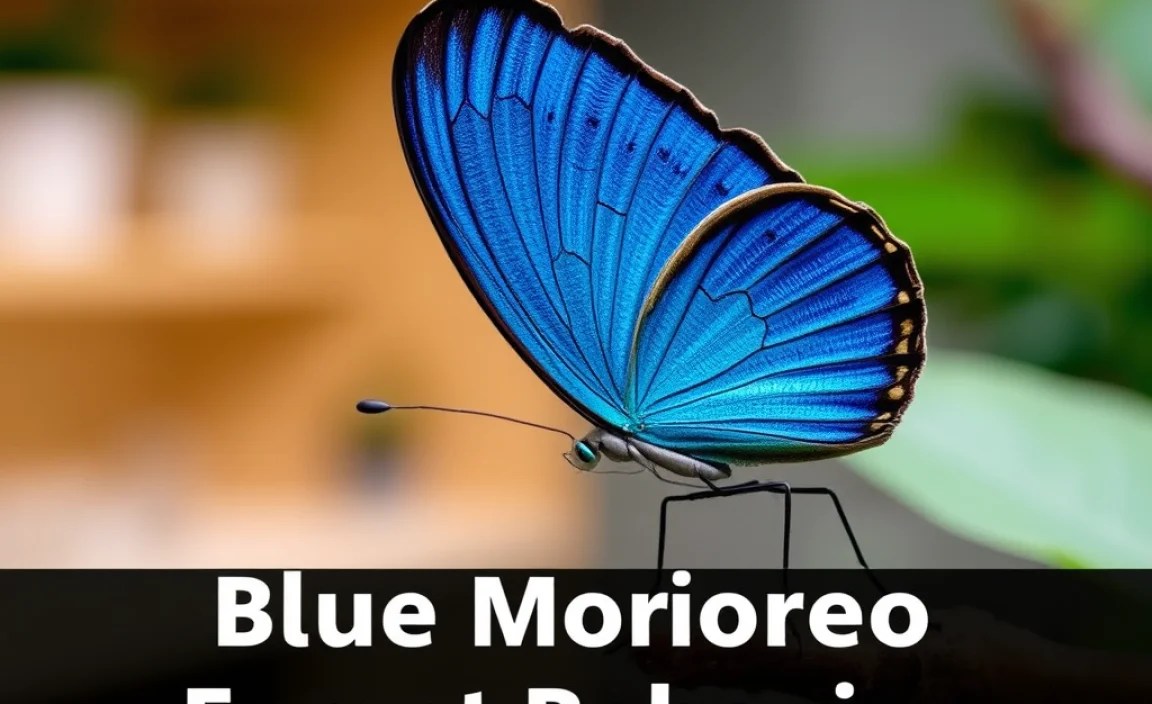
Blue Morpho butterflies are fascinating creatures. They are known for their bright blue wings. These wings shimmer in the sunlight. But have you ever wondered where they like to spend their time? These butterflies often live near the edges of forests. This is because the forest edge offers them the best of both worlds. It provides sunlight, which they need to stay warm. It also offers shelter from strong winds and rain. Blue Morphos also find their food near the forest edge. They eat the sap of trees and rotting fruit. The forest edge is a great place for them to find these things. By studying Blue Morpho forest edge behavior, we can learn more about how they live and what they need to survive. This helps us protect their habitats and ensure they continue to thrive.
- They like sunny spots near trees.
- The edge of the forest has more food.
- They can hide from predators easily.
- Sunlight helps them stay warm.
- They find mates near the forest edge.
Scientists study Blue Morpho butterflies to learn about their lives. They watch where the butterflies go and what they do. This helps them understand why Blue Morphos like the forest edge. They also study the plants and other animals that live there. This gives them a better picture of the whole ecosystem. By understanding Blue Morpho forest edge behavior, scientists can make better plans for protecting rainforests. They can also teach other people about these amazing butterflies. It is important to protect their habitat, so they can continue to thrive.
Fun Fact or Stat: Blue Morpho butterfly wings can span up to 8 inches wide!
Why the Forest Edge Is Important
Have you ever walked along the edge of a forest? Did you notice how different it is from deep inside the woods? The forest edge is a special place. It has lots of sunlight and different kinds of plants. This makes it a great place for Blue Morpho butterflies. They need sunlight to warm their bodies. They also need food, like tree sap and rotting fruit. The forest edge has plenty of both. It’s like a buffet for butterflies! Because of this, you’re more likely to see Blue Morphos fluttering around the forest edge than deep inside the forest. They have adapted to thrive in this environment, making the most of the resources available to them.
How They Find Food
Imagine you are a Blue Morpho butterfly. You need to find food to survive. Where would you look? The forest edge is a good place to start. Here, you can find trees with sap oozing from their bark. You can also find rotting fruit on the ground. These are both tasty treats for Blue Morphos. They use their long tongues to sip up the liquids. It’s like drinking juice through a straw! The forest edge provides a variety of food sources. This makes it an ideal habitat for these beautiful butterflies. They are constantly on the lookout for their next meal, making the most of the resources around them.
Shelter from Predators
Living in the rainforest can be dangerous. There are many predators that want to eat Blue Morpho butterflies. Birds, lizards, and even monkeys can be a threat. That’s why it’s important for Blue Morphos to find good places to hide. The forest edge provides plenty of shelter. They can hide among the leaves and branches of trees. Their bright blue wings can also help them blend in with the sunlight. This makes it harder for predators to spot them. The forest edge offers a safe haven for Blue Morphos, helping them to survive and thrive. They are masters of camouflage, using their surroundings to their advantage.
The Role of Sunlight in Blue Morpho Behavior

Sunlight plays a big role in the lives of Blue Morpho butterflies. They need sunlight to warm their bodies. Butterflies are cold-blooded. This means they can’t control their own body temperature. They rely on the sun to stay warm. That’s why you often see Blue Morphos basking in the sun. They spread their wings wide to soak up the heat. Sunlight also helps them see better. It makes their bright blue wings shimmer and shine. This helps them attract mates. The forest edge provides the perfect amount of sunlight for Blue Morphos. It’s not too hot and not too cold. It’s just right! Blue Morpho forest edge behavior is all about finding the perfect balance of sunlight and shade.
- Sunlight warms their bodies.
- It helps them see better.
- They use it to attract mates.
- The forest edge has the right amount.
- They bask in the sun to stay warm.
Scientists have learned a lot about Blue Morpho butterflies by studying their behavior in different amounts of sunlight. They have found that Blue Morphos are most active when the sun is shining. They fly around, looking for food and mates. When it’s cloudy or rainy, they hide in the trees. They wait for the sun to come out again. This shows how important sunlight is to their daily lives. Blue Morpho forest edge behavior is closely linked to the availability of sunlight. Without it, they would not be able to survive and thrive.
Fun Fact or Stat: Blue Morpho butterflies are more active on sunny days than on cloudy days.
Basking in the Sun
Have you ever seen a butterfly sitting with its wings spread open? It might be a Blue Morpho basking in the sun. Basking is how butterflies warm their bodies. They need to be warm to fly and find food. Blue Morphos often bask on leaves or branches near the forest edge. This is where they can get the most sunlight. They will stay there for a few minutes, soaking up the heat. Then, they will fly off to find food or a mate. Basking is an important part of Blue Morpho forest edge behavior. It helps them stay healthy and active. It is a beautiful sight to see these butterflies enjoying the warmth of the sun.
Attracting Mates with Sunlight
The bright blue wings of the Blue Morpho butterfly are not just pretty. They also help them attract mates. The sunlight makes their wings shimmer and shine. This catches the attention of other Blue Morphos. Male Blue Morphos will often fly around, showing off their wings. They are trying to impress the females. The females will choose the males with the brightest and shiniest wings. Sunlight plays a key role in this process. Without it, the wings would not be as attractive. This is another reason why Blue Morphos like to hang out near the forest edge. Blue Morpho forest edge behavior is all about finding the best way to attract a mate.
Staying Warm on Cool Days
Even on cool days, Blue Morpho butterflies need to stay warm. They can do this by finding sunny spots near the forest edge. They will sit there, soaking up the heat. They can also flutter their wings to generate heat. This helps them stay active even when it’s not very warm. Blue Morphos are very good at regulating their body temperature. They know how to use sunlight to their advantage. This is an important part of Blue Morpho forest edge behavior. It helps them survive in a variety of weather conditions. They are adaptable creatures, always finding ways to stay comfortable.
Finding Food Sources at the Forest Edge

The forest edge is like a buffet for Blue Morpho butterflies. They can find all sorts of tasty treats there. They eat the sap of trees, which is like sweet juice. They also eat rotting fruit, which is full of nutrients. The forest edge has a lot of different kinds of plants and trees. This means there is always something for Blue Morphos to eat. They use their long tongues to sip up the liquids. It’s like drinking through a straw! They are constantly on the lookout for their next meal. Blue Morpho forest edge behavior is all about finding the best food sources. They are experts at finding the tastiest and most nutritious treats.
- They eat tree sap for energy.
- Rotting fruit provides nutrients.
- They use their long tongues to feed.
- The forest edge has many food options.
- They search for food every day.
Scientists have studied the diets of Blue Morpho butterflies. They have found that they eat a variety of things. They eat sap from different kinds of trees. They also eat different kinds of rotting fruit. This shows that they are not picky eaters. They will eat whatever is available. This helps them survive in different environments. Blue Morpho forest edge behavior is all about being adaptable. They can find food in many different places. This makes them successful butterflies. Their ability to adapt to various food sources is key to their survival in the rainforest.
Fun Fact or Stat: Blue Morpho butterflies can taste with their feet!
Tree Sap as a Sweet Treat
Imagine you are a Blue Morpho butterfly. You are flying around, looking for something to eat. You spot a tree with sap oozing from its bark. This is like a sweet treat for you! Tree sap is full of sugar and other nutrients. It gives you energy to fly and find a mate. Blue Morphos use their long tongues to sip up the sap. It’s like drinking juice through a straw. The forest edge is a great place to find trees with sap. This is one of the reasons why Blue Morphos like to hang out there. Blue Morpho forest edge behavior is all about finding the best sources of tree sap. They are experts at locating these sweet treats.
Rotting Fruit: A Nutritious Meal
Rotting fruit might not sound very appetizing to you. But for Blue Morpho butterflies, it’s a nutritious meal. Rotting fruit is full of vitamins and minerals. It also provides energy. Blue Morphos use their long tongues to sip up the juices from the rotting fruit. They can often be found near the forest edge, where fallen fruit is plentiful. It might seem strange to us, but it’s a vital part of their diet. Blue Morpho forest edge behavior includes seeking out these sources of nutrition. They play an important role in the rainforest ecosystem by consuming this fruit.
Adapting to Different Food Sources
Blue Morpho butterflies are not picky eaters. They will eat whatever is available. This helps them survive in different environments. If there is no tree sap, they will eat rotting fruit. If there is no rotting fruit, they will eat other things. They are very adaptable. This is an important part of Blue Morpho forest edge behavior. It allows them to thrive in different conditions. They are masters of finding food, no matter what is available. Their adaptability is a key factor in their success as a species.
Shelter and Protection at the Forest Edge

The forest edge is not just a place for food and sunlight. It also provides shelter and protection for Blue Morpho butterflies. They can hide from predators in the trees and bushes. The forest edge is a safe haven for them. It’s like a fortress that protects them from danger. They can rest and relax without worrying about being eaten. The forest edge offers the perfect balance of safety and resources for Blue Morphos. Blue Morpho forest edge behavior is all about finding the best places to hide and stay safe.
- Trees and bushes offer hiding spots.
- They can escape from predators easily.
- It is a safe place to rest.
- They find protection from the wind.
- The forest edge is their safe haven.
Scientists have observed Blue Morpho butterflies using the forest edge for shelter. They have seen them hiding in the trees when it’s raining. They have also seen them escaping from predators by flying into the bushes. This shows how important the forest edge is for their survival. Without it, they would be much more vulnerable to danger. Blue Morpho forest edge behavior is all about using the environment to their advantage. They are experts at finding the best places to hide and stay safe.
Fun Fact or Stat: Blue Morpho butterflies can live up to 115 days in the wild!
Hiding from Predators
Imagine you are a Blue Morpho butterfly. You are flying around, when suddenly you see a bird coming towards you. You need to find a place to hide quickly! The forest edge provides plenty of hiding spots. You can fly into the trees and bushes. The leaves will help you blend in with your surroundings. The bird will have a hard time spotting you. This is why the forest edge is such an important place for Blue Morphos. Blue Morpho forest edge behavior includes knowing where to find the best hiding spots. They are masters of camouflage, using their surroundings to their advantage.
Protection from the Wind
The wind can be a big problem for Blue Morpho butterflies. They are small and delicate. Strong winds can blow them away. The forest edge provides protection from the wind. The trees and bushes act as a barrier, blocking the wind. This allows Blue Morphos to fly around without being blown away. They can also rest in the trees without being disturbed by the wind. Blue Morpho forest edge behavior includes finding sheltered spots to avoid the wind. They are experts at navigating their environment, seeking out the most comfortable conditions.
A Safe Place to Rest
After a long day of flying and searching for food, Blue Morpho butterflies need a safe place to rest. The forest edge provides this. They can rest on the leaves and branches of trees. They are protected from predators and the wind. They can also bask in the sun to warm their bodies. The forest edge is like a cozy bedroom for Blue Morphos. Blue Morpho forest edge behavior includes finding the best places to rest and recharge. They are experts at finding comfortable and safe spots to relax.
Mating Habits and the Forest Edge
The forest edge plays a key role in the mating habits of Blue Morpho butterflies. Male Blue Morphos will often gather near the forest edge to attract females. They will fly around, showing off their bright blue wings. The sunlight makes their wings shimmer and shine. This catches the attention of the females. The females will choose the males with the brightest and shiniest wings. The forest edge provides the perfect setting for this mating ritual. Blue Morpho forest edge behavior includes finding the best places to attract a mate.
- Males gather to attract females.
- Bright wings help them find mates.
- The forest edge is the mating ground.
- Sunlight makes wings shimmer.
- Females choose the best wings.
Scientists have observed Blue Morpho butterflies mating near the forest edge. They have seen the males flying around, showing off their wings. They have also seen the females choosing their mates. This shows how important the forest edge is for their reproduction. Without it, they would have a hard time finding mates. Blue Morpho forest edge behavior is essential for their survival. It ensures that they can continue to reproduce and thrive.
Fun Fact or Stat: Female Blue Morpho butterflies lay their eggs on specific plants!
Attracting Females with Bright Wings
Imagine you are a male Blue Morpho butterfly. You want to find a mate. How do you attract the females? You use your bright blue wings! The sunlight makes your wings shimmer and shine. This catches the attention of the females. They will be impressed by your beautiful wings. They will choose you as their mate. The forest edge provides the perfect setting for this display. Blue Morpho forest edge behavior is all about showing off your best features. They are experts at using their wings to attract mates.
The Importance of Sunlight in Mating
Sunlight plays a crucial role in the mating habits of Blue Morpho butterflies. The sunlight makes their wings shimmer and shine. This makes them more attractive to females. Without sunlight, their wings would not be as bright. They would have a harder time finding mates. The forest edge provides the perfect amount of sunlight for this purpose. This is why Blue Morphos like to gather there. Blue Morpho forest edge behavior is closely linked to the availability of sunlight. It is essential for their reproduction.
Choosing the Best Mate
Female Blue Morpho butterflies are very picky when it comes to choosing a mate. They want the male with the brightest and shiniest wings. This shows that he is healthy and strong. He will be a good father to their offspring. The forest edge provides the perfect setting for this selection process. The females can carefully examine the males before making their choice. Blue Morpho forest edge behavior includes being selective when choosing a mate. They want to ensure that their offspring have the best chance of survival.
Conservation Efforts and Blue Morpho Habitats
Protecting Blue Morpho butterfly habitats is very important. These beautiful creatures are facing many threats. Deforestation is destroying their homes. Climate change is also affecting their environment. We need to take action to protect them. There are many things we can do. We can support organizations that are working to conserve rainforests. We can also educate others about the importance of protecting Blue Morphos. By working together, we can ensure that these amazing butterflies continue to thrive. Blue Morpho forest edge behavior is closely linked to the health of their habitat.
- Protect rainforests from deforestation.
- Support conservation organizations.
- Educate others about Blue Morphos.
- Reduce your carbon footprint.
- Create butterfly gardens.
Scientists are working hard to understand Blue Morpho butterfly populations. They are studying their behavior and their habitats. This information helps them develop conservation plans. They are also working with local communities to protect rainforests. By working together, they can create a sustainable future for Blue Morphos. Blue Morpho forest edge behavior is an important part of this research. By understanding how they use the forest edge, we can better protect their habitat.
Fun Fact or Stat: Some organizations offer “adopt-a-butterfly” programs to support conservation!
Protecting Rainforests from Deforestation
Deforestation is one of the biggest threats to Blue Morpho butterflies. When rainforests are cut down, Blue Morphos lose their homes. They also lose their food sources. It is important to protect rainforests from deforestation. We can do this by supporting sustainable forestry practices. We can also reduce our consumption of products that contribute to deforestation. By working together, we can protect these valuable ecosystems. This will help Blue Morphos and many other species. Blue Morpho forest edge behavior is dependent on the health of the rainforest.
Supporting Conservation Organizations
There are many organizations that are working to protect Blue Morpho butterflies and their habitats. These organizations need our support. We can donate money to them. We can also volunteer our time. By supporting these organizations, we can help them continue their important work. They are making a difference in the lives of Blue Morphos and other rainforest creatures. Blue Morpho forest edge behavior can be better understood and protected through these efforts.
Creating Butterfly Gardens
You can help Blue Morpho butterflies by creating a butterfly garden in your own backyard. Plant flowers that attract butterflies. Provide a water source for them. Avoid using pesticides, which can harm them. By creating a butterfly garden, you can provide a safe haven for these beautiful creatures. You can also learn more about their behavior and their needs. Even a small garden can make a big difference. Blue Morpho forest edge behavior can be mimicked in these gardens, providing them with a valuable resource.
| Conservation Method | Description | Benefits | How to Get Involved |
|---|---|---|---|
| Rainforest Protection | Preserving rainforests from deforestation. | Maintains Blue Morpho habitat and biodiversity. | Support conservation organizations, reduce consumption of rainforest products. |
| Butterfly Gardens | Creating gardens with butterfly-friendly plants. | Provides food and shelter for Blue Morphos and other butterflies. | Plant native flowers, provide water, avoid pesticides. |
| Education | Raising awareness about Blue Morpho conservation. | Increases public support for conservation efforts. | Share information, volunteer at nature centers. |
| Sustainable Practices | Promoting sustainable forestry and agriculture. | Reduces habitat destruction and pollution. | Support eco-friendly products, advocate for responsible land use. |
Summary
Blue Morpho butterflies are beautiful and fascinating creatures. They thrive near the edges of forests. This area provides them with sunlight, food, and shelter. Sunlight warms their bodies and helps them attract mates. They find food like tree sap and rotting fruit. The forest edge also offers protection from predators and strong winds. Studying Blue Morpho forest edge behavior helps us understand their needs. This knowledge is important for protecting their habitats. Deforestation and climate change are threats to their survival. We can support conservation efforts to help them thrive. By protecting rainforests and creating butterfly gardens, we can make a difference. Every action counts when it comes to preserving these amazing butterflies.
Conclusion
Blue Morpho butterflies are truly remarkable insects. Their bright blue wings and unique behaviors captivate us. Understanding their preference for the forest edge is key to their survival. We must protect their habitats from deforestation and other threats. By supporting conservation efforts, we can ensure these butterflies continue to grace our planet. Let’s all do our part to protect the Blue Morpho for future generations. The study of Blue Morpho forest edge behavior is essential for effective conservation strategies.
Frequently Asked Questions
Question No 1: Why do Blue Morpho butterflies like the forest edge?
Answer: Blue Morpho butterflies like the forest edge because it offers a mix of things they need to survive. They get sunlight to warm their bodies since they are cold-blooded. Also, they can find food such as tree sap and rotting fruit near the forest edge. It provides shelter from strong winds and predators too. The forest edge gives them the best of both worlds: open space and protection. That’s why understanding Blue Morpho forest edge behavior is so important.
Question No 2: What do Blue Morpho butterflies eat?
Answer: Blue Morpho butterflies have a unique diet. They mostly feed on tree sap and rotting fruit. Tree sap is like sweet juice for them, giving them energy. Rotting fruit provides essential nutrients. They use their long tongues, called proboscis, to sip up these liquids. They also get minerals from fungi and sometimes even drink from mud puddles. All these food sources are usually available at the forest edge. This makes the forest edge a perfect feeding ground.
Question No 3: How do Blue Morpho butterflies protect themselves from predators?
Answer: Blue Morpho butterflies have several ways to protect themselves. Their bright blue wings can startle predators. When they close their wings, the dull brown color helps them blend in with the leaves. They also fly erratically, making it hard for predators to catch them. Blue Morphos also seek shelter in the trees and bushes at the forest edge. They are very good at hiding from danger.
Question No 4: How does sunlight affect Blue Morpho butterflies?
Answer: Sunlight is very important for Blue Morpho butterflies. They are cold-blooded, so they need sunlight to warm their bodies. Sunlight also helps them see better. It makes their bright blue wings shimmer. This helps them attract mates. Without enough sunlight, they cannot fly or find food easily. That’s why they prefer the sunny spots at the forest edge. Blue Morpho forest edge behavior is closely linked to sunlight availability.
Question No 5: What can we do to help Blue Morpho butterflies?
Answer: There are many things we can do to help Blue Morpho butterflies. We can protect rainforests by supporting conservation organizations. We can also reduce our carbon footprint to fight climate change. Planting butterfly gardens with native flowers provides them with food and shelter. Educating others about the importance of Blue Morphos is also crucial. Every small action can make a big difference in protecting these beautiful creatures and their habitat, particularly understanding and preserving the Blue Morpho forest edge behavior.
Question No 6: Are Blue Morpho butterflies endangered?
Answer: While Blue Morpho butterflies are not currently listed as endangered, they face significant threats. Deforestation, habitat loss, and climate change are all impacting their populations. These threats reduce the availability of suitable habitats, including the forest edge they depend on. Conservation efforts are crucial to ensure they don’t become endangered. By protecting rainforests and supporting sustainable practices, we can help these butterflies thrive for generations to come. Understanding the significance of Blue Morpho forest edge behavior is critical for implementing effective conservation strategies.


