Butterfly Population Climate Link: The Shocking Truth!

Climate change significantly impacts butterfly populations. Warmer temperatures, altered rainfall patterns, and extreme weather events disrupt butterfly habitats and life cycles. These changes can lead to declines in butterfly populations, shifts in their distribution, and mismatches between butterfly emergence and the availability of their host plants.
Have you ever noticed fewer butterflies fluttering around your garden than you used to? It’s a common concern, and you’re not alone. Many nature lovers are worried about declining butterfly populations. The good news is that understanding the connection between butterflies and our changing climate is the first step toward helping them. In this article, we’ll explore exactly how climate change affects these delicate creatures, what you can do to help, and how we can all work together to protect their future.
Understanding the Butterfly Population Climate Link
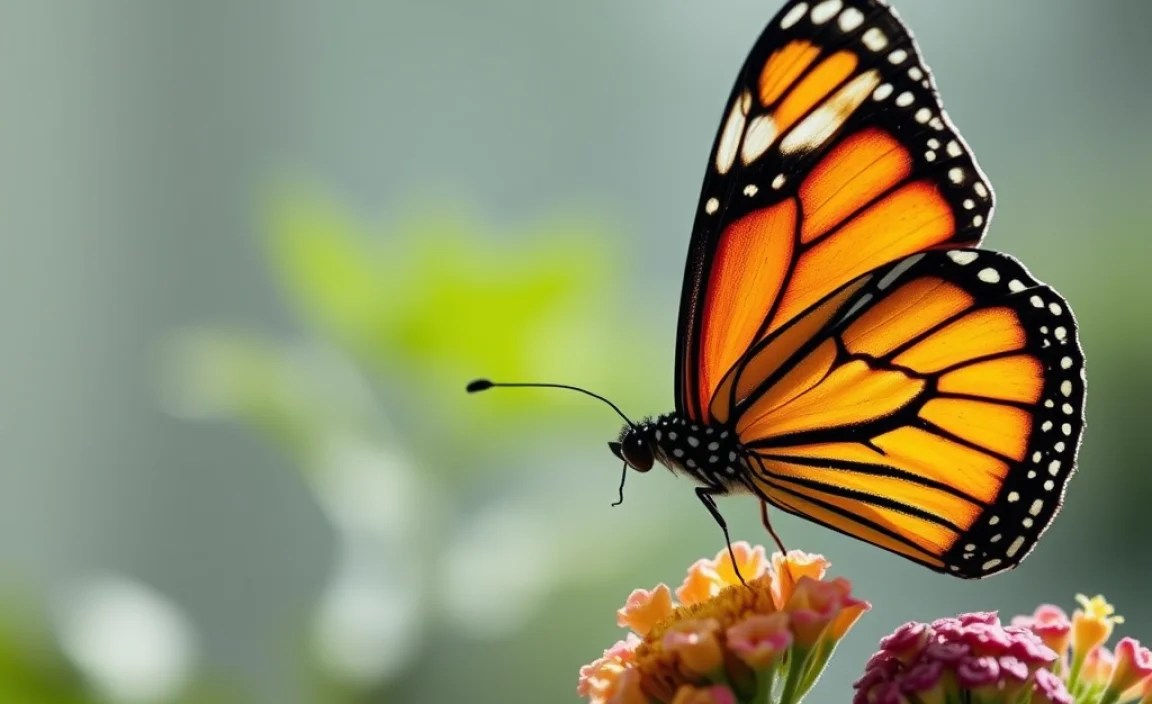
Butterflies, with their vibrant colors and graceful flight, are more than just beautiful insects; they are vital indicators of environmental health. As Frances O’Brien, a naturalist and butterfly enthusiast, I’ve spent years observing these fascinating creatures and studying their relationship with the environment. The link between butterfly populations and climate is complex and multifaceted, and it’s crucial to understand it to protect these delicate insects.
How Climate Change Impacts Butterfly Habitats
Climate change is altering habitats worldwide, and butterflies are particularly vulnerable. Here’s how:
- Habitat Loss: Rising temperatures and changing rainfall patterns can lead to the loss of suitable habitats for butterflies. As habitats shrink, butterfly populations decline.
- Changes in Plant Life: Butterflies depend on specific host plants for food and reproduction. Climate change can disrupt the growth and availability of these plants, affecting butterfly survival.
- Extreme Weather Events: Increased frequency and intensity of extreme weather events like droughts, floods, and heatwaves can devastate butterfly populations and their habitats.
The Direct Effects of Temperature Changes
Temperature plays a critical role in the life cycle of butterflies. Even slight changes can have significant impacts:
- Altered Development Rates: Warmer temperatures can accelerate butterfly development, leading to premature emergence.
- Mismatches with Food Sources: If butterflies emerge before their host plants are ready, they can starve. This mismatch is a major threat to many butterfly species.
- Geographic Shifts: Some butterfly species are shifting their ranges northward or to higher elevations in search of cooler temperatures.
Rainfall Pattern Disruptions
Rainfall is another critical factor in butterfly survival. Changes in rainfall patterns can lead to:
- Droughts: Prolonged droughts can kill host plants and reduce the availability of nectar sources for adult butterflies.
- Floods: Heavy rainfall and floods can destroy butterfly eggs, larvae, and pupae.
- Humidity Changes: Altered humidity levels can affect butterfly physiology and behavior.
The Butterfly Life Cycle and Climate Vulnerability

Butterflies go through several life stages, each of which is vulnerable to climate change. Understanding these vulnerabilities is key to effective conservation.
Egg Stage
Butterfly eggs are susceptible to desiccation in dry conditions and drowning in floods. Temperature fluctuations can also affect their development and hatching success.
Larval Stage (Caterpillar)
Caterpillars are highly dependent on their host plants. Changes in plant quality or availability due to climate change can lead to malnutrition and reduced survival rates. Caterpillars are also vulnerable to extreme temperatures and weather events.
Pupal Stage (Chrysalis)
The pupal stage is a period of intense transformation. Temperature and humidity levels during this stage can affect the butterfly’s size, color, and overall health. Extreme weather events can also damage or destroy chrysalises.
Adult Stage
Adult butterflies rely on nectar for energy and are vulnerable to habitat loss and fragmentation. Climate change can affect nectar availability and the ability of butterflies to find suitable mates and breeding sites.
Specific Examples of Butterfly Species Affected by Climate Change

Several butterfly species are already experiencing the negative impacts of climate change. Here are a few examples:
Monarch Butterfly (Danaus plexippus)
The Monarch butterfly is famous for its long-distance migration. Climate change threatens Monarchs in several ways:
- Loss of Milkweed: Milkweed, the Monarch caterpillar’s only food source, is declining due to habitat loss and herbicide use, exacerbated by changing agricultural practices influenced by climate trends.
- Extreme Weather: Extreme weather events can disrupt Monarch migrations and damage their overwintering habitats in Mexico and California.
- Altered Migration Patterns: Changes in temperature and rainfall patterns can affect the timing and success of Monarch migrations.
Quino Checkerspot Butterfly (Euphydryas quino)
The Quino Checkerspot butterfly is a federally endangered species found in Southern California and Baja California. Climate change threatens this butterfly through:
- Habitat Loss: Rising temperatures and altered rainfall patterns are reducing the availability of its host plants.
- Drought: Prolonged droughts can lead to the desiccation of its habitat and the death of its larvae.
- Increased Fire Risk: Climate change is increasing the risk of wildfires, which can destroy Quino Checkerspot habitats.
Karner Blue Butterfly (Lycaeides melissa samuelis)
The Karner Blue butterfly is a federally endangered species found in oak savanna and pine barren habitats in the northeastern United States. Climate change impacts this butterfly through:
- Changes in Wild Lupine: The Karner Blue caterpillar feeds exclusively on wild lupine. Changes in temperature and rainfall patterns can affect the growth and availability of this plant.
- Habitat Degradation: Climate change can lead to the degradation of oak savanna and pine barren habitats, reducing the amount of suitable habitat for the Karner Blue.
- Increased Competition: Climate change can alter the competitive dynamics between plant species, potentially reducing the abundance of wild lupine.
Research and Data on Butterfly Population Declines
Numerous studies and datasets confirm the decline of butterfly populations worldwide. Here are some key findings:
The UK Butterfly Monitoring Scheme
The UK Butterfly Monitoring Scheme has been tracking butterfly populations since 1976. Data from this scheme show that many butterfly species have declined significantly in recent decades, with climate change being a major contributing factor. You can see their data at UKBMS.org.
The North American Butterfly Association (NABA)
NABA conducts annual butterfly counts across North America. Data from these counts show that many butterfly species are declining, particularly in areas experiencing significant climate change. Find their data and conservation efforts at NABA.org.
Published Research
Numerous scientific studies have documented the impacts of climate change on butterfly populations. These studies use a variety of methods, including:
- Long-term monitoring: Tracking butterfly populations over time to identify trends and patterns.
- Experimental studies: Manipulating environmental conditions to assess the impacts of climate change on butterfly physiology and behavior.
- Modeling studies: Using computer models to predict the future impacts of climate change on butterfly populations.
What You Can Do to Help Butterflies in a Changing Climate

While the challenges posed by climate change are significant, there are many things you can do to help butterflies. Here are some practical steps you can take:
Create a Butterfly-Friendly Garden
Planting a butterfly-friendly garden is one of the most effective ways to support butterfly populations. Here’s how:
- Plant Host Plants: Choose host plants that are specific to the butterfly species you want to attract. For example, plant milkweed for Monarchs and lupine for Karner Blues.
- Provide Nectar Sources: Plant a variety of nectar-rich flowers that bloom throughout the growing season.
- Avoid Pesticides: Pesticides can harm or kill butterflies and other beneficial insects. Use organic gardening practices instead.
- Provide Water: Butterflies need water to survive. Provide a shallow dish of water with pebbles or stones for them to land on.
- Offer Shelter: Plant shrubs and trees to provide shelter from wind and rain.
Support Butterfly Conservation Organizations
Many organizations are working to protect butterflies and their habitats. Supporting these organizations can make a real difference. Here are a few examples:
- The Xerces Society: The Xerces Society is a non-profit organization that protects invertebrates and their habitats. They offer a variety of resources for butterfly conservation, including guides to creating butterfly gardens and information on butterfly monitoring. Learn more at Xerces.org.
- The North American Butterfly Association (NABA): NABA conducts butterfly counts and promotes butterfly conservation through education and advocacy.
- Monarch Watch: Monarch Watch is a research and education program focused on Monarch butterfly conservation. They offer resources for tagging Monarchs and creating Monarch Waystations. Find more at MonarchWatch.org.
Advocate for Climate Action
Addressing climate change is essential for protecting butterflies and other wildlife. Here are some ways you can advocate for climate action:
- Support Policies: Support policies that reduce greenhouse gas emissions and promote renewable energy.
- Contact Your Representatives: Let your elected officials know that you care about climate change and want them to take action.
- Reduce Your Carbon Footprint: Take steps to reduce your own carbon footprint, such as driving less, using energy-efficient appliances, and eating locally sourced food.
Participate in Citizen Science Projects
Citizen science projects allow you to contribute to scientific research by collecting data on butterfly populations. Here are a few examples:
- Butterfly Counts: Participate in butterfly counts organized by NABA or other organizations.
- Monarch Tagging: Tag Monarch butterflies to help track their migration patterns.
- Report Sightings: Report butterfly sightings to online databases like iNaturalist.
The Role of Habitat Restoration
Habitat restoration is a crucial component of butterfly conservation. Restoring degraded habitats can provide butterflies with the resources they need to survive and thrive.
Techniques for Habitat Restoration
- Planting Native Species: Planting native plants that are specific to the local ecosystem.
- Removing Invasive Species: Removing invasive plants that compete with native species.
- Controlling Erosion: Implementing measures to control soil erosion and prevent habitat degradation.
- Prescribed Burning: Using prescribed burning to maintain oak savanna and pine barren habitats.
Examples of Successful Habitat Restoration Projects
- Monarch Waystations: Creating Monarch Waystations along Monarch migration routes to provide food and shelter for Monarch butterflies.
- Oak Savanna Restoration: Restoring oak savanna habitats to benefit Karner Blue butterflies and other wildlife.
- Coastal Habitat Restoration: Restoring coastal habitats to protect butterfly populations from sea-level rise and storm surges.
Future Projections and Long-Term Impacts
The future of butterfly populations in a changing climate is uncertain. However, scientists are using models to project the long-term impacts of climate change on butterflies.
Projected Population Declines
Many butterfly species are projected to decline significantly in the coming decades due to climate change. Some species may even face extinction.
Range Shifts and Adaptations
Some butterfly species may be able to adapt to climate change by shifting their ranges or altering their behavior. However, many species may not be able to adapt quickly enough to keep pace with the rate of climate change.
The Importance of Continued Research
Continued research is essential for understanding the impacts of climate change on butterfly populations and developing effective conservation strategies.
Inspiring Hope: Success Stories in Butterfly Conservation
Despite the challenges posed by climate change, there are many success stories in butterfly conservation. These stories demonstrate that it is possible to protect butterflies and their habitats.
The Mission Blue Project
The Mission Blue project is working to protect endangered butterfly species and their habitats around the world. They have had success in restoring habitats and raising awareness about the importance of butterfly conservation. Learn more at Mission-Blue.org.
The Recovery of the El Segundo Blue Butterfly
The El Segundo Blue butterfly is a federally endangered species that was once on the brink of extinction. Thanks to habitat restoration and conservation efforts, the population of this butterfly has rebounded significantly.
Community-Based Conservation Efforts
Many communities are working to protect butterflies and their habitats. These efforts often involve local residents, schools, and organizations working together to create butterfly gardens, restore habitats, and raise awareness about butterfly conservation.
Tables: Summarizing Key Information
Here are a few tables summarizing key information about butterfly conservation and climate change:
| Butterfly Species | Climate Change Threat | Conservation Action |
|---|---|---|
| Monarch Butterfly | Loss of milkweed, extreme weather | Plant milkweed, protect overwintering habitats |
| Quino Checkerspot Butterfly | Habitat loss, drought, fire | Restore habitats, control invasive species |
| Karner Blue Butterfly | Changes in wild lupine, habitat degradation | Manage oak savanna habitats, control erosion |
| Action | Description | Benefit to Butterflies |
|---|---|---|
| Planting Native Plants | Providing food and shelter for butterflies | Increases butterfly populations and supports their life cycle |
| Avoiding Pesticides | Protecting butterflies from harmful chemicals | Reduces butterfly mortality and promotes healthy ecosystems |
| Supporting Conservation Organizations | Providing funding and resources for butterfly conservation | Enables research, habitat restoration, and education efforts |
FAQ: Common Questions About Butterflies and Climate Change
What is the biggest threat to butterfly populations?
Habitat loss due to human activities, agriculture, and climate change is the biggest threat. This includes the loss of host plants and nectar sources.
How does climate change affect butterfly migration?
Climate change can alter migration patterns by changing temperatures and affecting the availability of food sources along migration routes. Extreme weather events can also disrupt migrations.
Can butterflies adapt to climate change?
Some butterflies may be able to adapt by shifting their ranges or altering their behavior, but many may not adapt quickly enough to keep pace with climate change.
What can I plant to attract butterflies to my garden?
Plant host plants specific to the butterfly species you want to attract, as well as a variety of nectar-rich flowers that bloom throughout the growing season.
Are all butterfly species declining?
While many butterfly species are declining, some are doing well. However, the overall trend is concerning, and many species are at risk.
How can I tell if a butterfly is endangered?
Check the websites of conservation organizations like the Xerces Society or government agencies like the U.S. Fish and Wildlife Service for lists of endangered butterfly species.
What is a Monarch Waystation?
A Monarch Waystation is a garden or habitat that provides food and shelter for Monarch butterflies during their migration. It typically includes milkweed and nectar-rich flowers.
Conclusion
The link between butterfly populations and climate is undeniable. As Frances O’Brien, I’ve seen firsthand the impact of climate change on these delicate creatures. From altered habitats to disrupted life cycles, butterflies are facing unprecedented challenges. But it’s not too late to help. By creating butterfly-friendly gardens, supporting conservation organizations, advocating for climate action, and participating in citizen science projects, we can all make a difference. Let’s work together to protect these beautiful insects and ensure that future generations can enjoy their presence in our world.