
Blue Morpho “Where” Questions? Find the Secret!

Have you ever seen a butterfly with wings that look like the sky? It might have been a Blue Morpho! These butterflies are famous for their bright blue color. But where do Blue Morphos live? And where can you find them? Let’s explore the world of these amazing insects. We will learn all about their homes and habits!
Imagine you are walking in a rainforest. Sunlight peeks through the trees. Suddenly, a flash of blue catches your eye. It’s a Blue Morpho butterfly! These butterflies are not just pretty. They are also a special part of the rainforest. Let’s find out where they belong in the world!
Key Takeaways
- Blue Morpho butterflies mainly live in the rainforests of Central and South America.
- You can often find them near rivers and streams, which is where they lay eggs.
- They eat the juices from rotting fruit, tree sap, fungi, and sometimes dead animals.
- Their bright blue wings help them attract mates and scare away predators.
- Sadly, habitat loss threatens Blue Morpho populations in some areas.
Where Do Blue Morphos Live?
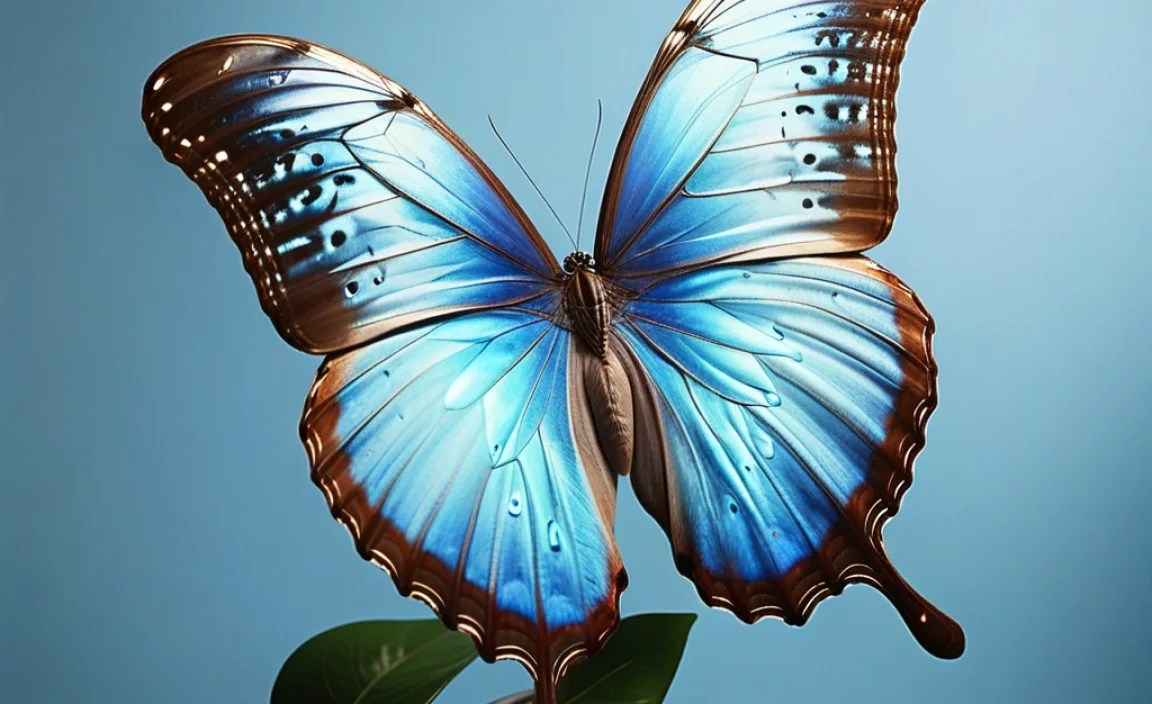
Blue Morpho butterflies are mostly found in the tropical rainforests. These rainforests are located in Central and South America. Countries like Brazil, Costa Rica, and Mexico are home to these beautiful creatures. They love warm, humid places with lots of trees and plants. The rainforest provides everything they need to survive. This includes food, shelter, and places to lay their eggs. You might spot them fluttering near rivers or streams. These areas are important for their life cycle. The caterpillars need specific plants that grow near water. So, where a Blue Morpho lives is closely tied to the rainforest environment. These butterflies play a vital role in their ecosystem. They help pollinate flowers and serve as food for other animals. Protecting their habitat is important for their survival.
- They prefer warm, humid rainforests.
- Brazil, Costa Rica, and Mexico are common habitats.
- Rivers and streams are important for their life cycle.
- Rainforests offer food, shelter, and breeding grounds.
- They help pollinate flowers in the ecosystem.
The rainforest is like a big, green apartment building for Blue Morphos. Different parts of the rainforest offer different things. Some areas have more food. Others have better protection from predators. The butterflies move around to find the best spots. They are always searching for the perfect place to lay their eggs. It must be a place with the right kind of plants. These plants will be food for the caterpillars. They need to find a safe spot away from hungry birds and other animals. The survival of Blue Morphos depends on the health of the rainforest. When forests are cut down, the butterflies lose their homes. This is a big problem for their future. We need to help protect these amazing places.
Fun Fact or Stat: Blue Morpho butterflies can be found from Mexico all the way down to the Amazon rainforest!
What Part of the Rainforest Do They Inhabit?
Blue Morphos like to hang out in the understory of the rainforest. The understory is the layer of plants and trees between the ground and the tall canopy. It’s a shady place with lots of hiding spots. The butterflies fly around looking for food and mates. They often perch on leaves to rest. Sometimes, they will fly up to the canopy to bask in the sun. The understory provides protection from strong winds and heavy rain. It’s also a good place to avoid predators. The bright blue color of their wings can be a surprise to predators in the shaded understory. They also have brown undersides of their wings to camouflage themselves when at rest. Why do they do that? It’s a clever way to stay safe in their rainforest home.
How Does Climate Affect Their Habitat?
Climate plays a big role in where Blue Morphos can live. They need warm temperatures and high humidity. These conditions are found in tropical rainforests. If the climate gets too cold or dry, they cannot survive. Changes in rainfall can also affect their habitat. Too much rain can wash away their eggs. Too little rain can dry out the plants they need for food. Climate change is a growing threat to Blue Morpho habitats. As the Earth gets warmer, the rainforests may change. This could make it harder for the butterflies to find suitable places to live. Protecting the rainforest is one way to help them deal with climate change. We can also reduce our carbon footprint to slow down global warming.
Are They Found in Other Habitats?
While Blue Morphos prefer rainforests, they can sometimes be found in other habitats. These might include forest edges or even gardens near rainforests. They can adapt to slightly different environments if they have enough food and shelter. However, they are not well-suited to cold or dry climates. They need the specific conditions of the rainforest to thrive. So, while you might occasionally see one outside the rainforest, their true home is in the warm, humid tropics. Their presence in other habitats is usually temporary. They are likely just passing through or searching for food.
Fun Fact or Stat: The wings of the Blue Morpho appear iridescent because of microscopic scales that reflect light!
Where Can You See Blue Morphos?
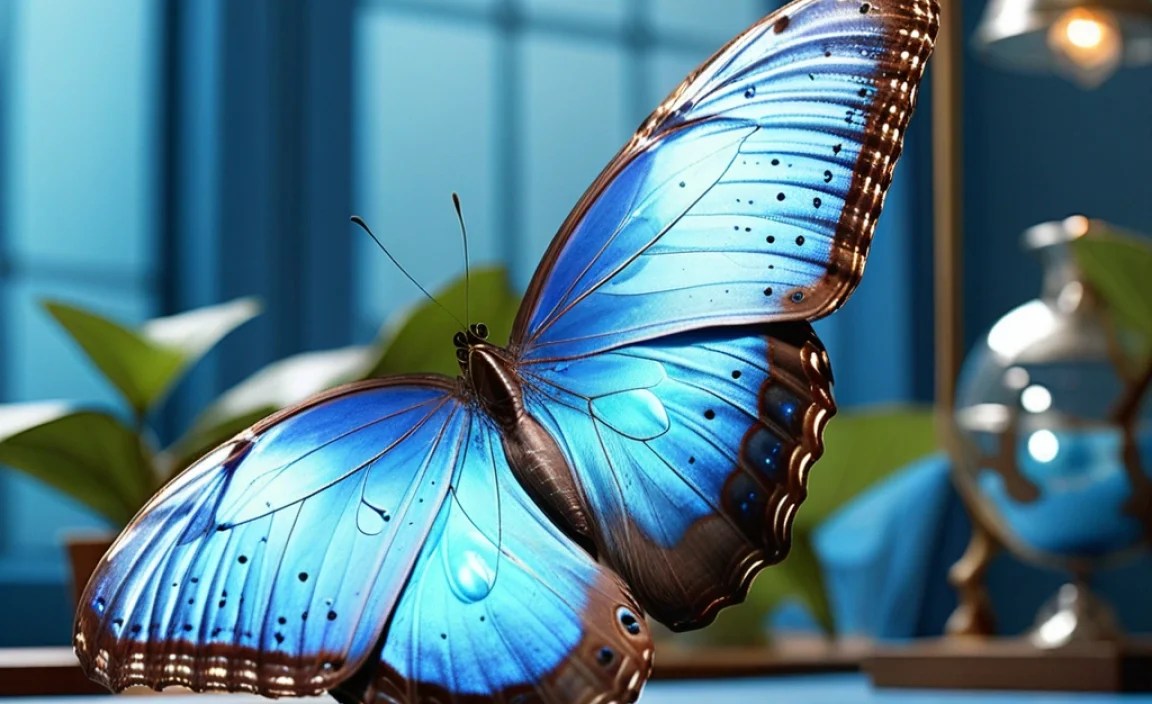
If you want to see a Blue Morpho in person, you’ll need to travel to Central or South America. Many countries have butterfly gardens or nature reserves where you can spot them. Costa Rica is a popular destination for butterfly lovers. They have several butterfly farms that showcase these amazing insects. You can also visit rainforests in Brazil or Mexico. Guided tours can help you find Blue Morphos in their natural habitat. Remember to be respectful of their environment. Avoid touching or disturbing the butterflies. Keep a safe distance and observe them quietly. Bringing a camera can help you capture the memory. Remember, seeing a Blue Morpho in the wild is a special experience. So, where should you go? Consider planning a trip to one of these beautiful locations.
- Visit butterfly gardens in Central America.
- Explore nature reserves in South America.
- Costa Rica is known for its butterfly farms.
- Take a guided tour of a rainforest.
- Observe them quietly and respectfully.
Planning a trip to see Blue Morphos can be an exciting adventure. Before you go, do some research. Learn about the best time of year to visit. Find out which locations have the highest chance of seeing them. Pack appropriate clothing for the rainforest climate. Light, breathable fabrics are a good choice. Bring insect repellent to protect yourself from mosquito bites. A good pair of walking shoes is also important. You’ll be doing a lot of walking! When you arrive, be sure to follow the instructions of your guide. They will know the best spots to look for Blue Morphos. They can also teach you about the local ecosystem. Most importantly, have fun and enjoy the experience!
Fun Fact or Stat: Some butterfly gardens raise Blue Morphos and release them into the wild to help boost populations!
What are the Best Butterfly Gardens?
Butterfly gardens are great places to see Blue Morphos up close. Many gardens create habitats that mimic the butterfly’s natural environment. They plant specific flowers and provide the right humidity. Some of the best butterfly gardens are found in Costa Rica. The Butterfly Conservatory near Monteverde is a popular choice. It has a large enclosure with many different species of butterflies. Another good option is La Paz Waterfall Gardens. This park has a beautiful butterfly garden with waterfalls and lush vegetation. In the United States, you can visit butterfly pavilions. These places often feature tropical butterflies, including Blue Morphos. Remember to check the garden’s website before you go. They may have special events or programs.
What Time of Year is Best to Visit?
The best time to see Blue Morphos depends on the location. In general, the dry season is a good time to visit rainforests. This is because there is less rain and more sunshine. The butterflies are more active when the weather is warm and sunny. In Costa Rica, the dry season runs from December to April. In Brazil, it varies depending on the region. The Amazon rainforest has a wet and dry season. But it is warm and humid year-round. Before you plan your trip, check the local weather patterns. This will help you choose the best time to see Blue Morphos in their natural habitat. Knowing the seasons is key to a successful butterfly-watching adventure.
Are There Any Ethical Considerations?
When visiting butterfly gardens or rainforests, it’s important to be ethical. Support businesses that practice responsible tourism. Avoid touching or disturbing the butterflies. Do not collect any plants or animals from the environment. Stay on marked trails to protect the habitat. Learn about the local culture and respect the people who live there. Choose accommodations that are eco-friendly. These hotels often have programs to conserve resources. By being a responsible traveler, you can help protect Blue Morphos and their environment. Your actions can make a difference in preserving these beautiful creatures for future generations. Remember, we are all visitors in their home.
Fun Fact or Stat: Blue Morpho butterflies have taste receptors on their feet, so they can taste food just by landing on it!
What Do Blue Morphos Eat?

Blue Morpho butterflies have a surprising diet. They don’t sip nectar from flowers like many other butterflies. Instead, they prefer the juices from rotting fruit. They also feed on tree sap, fungi, and sometimes even dead animals. These foods provide them with the nutrients they need to survive. They use a long, straw-like tongue called a proboscis to suck up the liquids. The proboscis is usually curled up under their head. They uncurl it when they find something to eat. You might see them gathered around fallen fruit on the forest floor. The caterpillars of Blue Morphos have a different diet. They eat the leaves of specific plants. These plants are often found near rivers and streams. So, where they lay their eggs is important for the caterpillars’ food supply.
- They prefer juices from rotting fruit.
- Tree sap and fungi are also part of their diet.
- They use a proboscis to suck up liquids.
- Caterpillars eat leaves of specific plants.
- Food sources affect where they live and breed.
The Blue Morpho’s unusual diet helps them survive in the rainforest. Rotting fruit and tree sap are readily available. This means they don’t have to compete with other butterflies for nectar. The caterpillars’ diet is also specific. This helps them avoid competition with other caterpillars. However, finding the right plants can be challenging. The female butterflies must carefully choose where to lay their eggs. They need to make sure there is enough food for their young. The availability of food can affect the butterfly population. If there is not enough food, fewer caterpillars will survive. This can lead to a decrease in the number of adult butterflies.
Fun Fact or Stat: Blue Morpho caterpillars can be cannibalistic, sometimes eating each other!
Why Don’t They Eat Flower Nectar?
Blue Morphos have evolved to prefer other food sources besides flower nectar. One reason is that nectar may not provide enough nutrients. Rotting fruit and tree sap are rich in sugars and minerals. These nutrients are important for their growth and reproduction. Another reason is that nectar flowers may be scarce in some parts of the rainforest. By eating other foods, Blue Morphos can survive even when nectar is not available. Their preference for rotting fruit also helps them avoid competition with other butterflies. This allows them to thrive in their unique ecological niche. It’s an interesting example of how animals adapt to their environment.
How Does Their Diet Change with Age?
The diet of Blue Morphos changes dramatically as they grow. As caterpillars, they eat only the leaves of specific plants. These plants are often poisonous to other animals. But the caterpillars have adapted to tolerate the toxins. This gives them a defense against predators. As they transform into butterflies, their diet shifts to liquids. They no longer eat leaves. Instead, they feed on rotting fruit, tree sap, and other sugary substances. This change in diet is related to their different energy needs. Caterpillars need a lot of energy to grow. Butterflies need energy for flying and reproduction. The different food sources provide the right nutrients for each stage of their life.
What Role Do They Play in the Ecosystem?
Blue Morphos play several important roles in the rainforest ecosystem. As caterpillars, they eat leaves, which helps control the growth of certain plants. As butterflies, they help pollinate flowers. Although they don’t rely on nectar, they sometimes visit flowers to drink. In doing so, they transfer pollen from one flower to another. They are also a food source for other animals. Birds, lizards, and spiders prey on Blue Morphos. Their presence in the ecosystem helps maintain balance. They are part of a complex food web. Every species plays a role in keeping the ecosystem healthy. The disappearance of Blue Morphos could have a ripple effect on the entire rainforest.
Fun Fact or Stat: The Blue Morpho’s proboscis can be longer than its body!
What is the Life Cycle of a Blue Morpho?
The life cycle of a Blue Morpho is fascinating. It starts with an egg. The female butterfly lays her eggs on specific plants. These plants will be food for the caterpillars. The eggs hatch into larvae, which are the caterpillars. The caterpillars eat and grow rapidly. They shed their skin several times as they get bigger. This process is called molting. After several weeks, the caterpillar turns into a pupa. The pupa is also called a chrysalis. It’s a hard shell that protects the developing butterfly. Inside the chrysalis, the caterpillar transforms into a butterfly. This process takes about two weeks. Finally, the butterfly emerges from the chrysalis. It unfolds its wings and flies away. The entire life cycle takes about 115 days. Knowing where each stage occurs is key.
- The life cycle starts with an egg.
- Eggs hatch into caterpillars (larvae).
- Caterpillars eat and grow, molting several times.
- They turn into pupae (chrysalises).
- Butterflies emerge and fly away.
Each stage of the Blue Morpho’s life cycle is important. The eggs must be laid on the right plants. The caterpillars need a constant supply of food. The pupa must be protected from predators. The butterfly must be able to find a mate and reproduce. Many things can go wrong during this process. Predators can eat the eggs or caterpillars. Disease can kill the pupae. Habitat loss can make it difficult to find food and mates. That’s why it’s so important to protect Blue Morphos and their environment. By understanding their life cycle, we can better understand their needs. We can also take steps to help them survive.
Fun Fact or Stat: The Blue Morpho caterpillar has stinging hairs as a defense mechanism!
How Long Do They Live?
The lifespan of a Blue Morpho butterfly is relatively short. They typically live for about one to two months as adults. This is a common lifespan for many butterfly species. Their main purpose as adults is to reproduce. They spend their time searching for mates and laying eggs. They must also avoid predators and find food. The caterpillars, on the other hand, spend several weeks eating and growing. The pupal stage lasts about two weeks. So, the entire life cycle takes about 115 days. While their adult life is short, they make the most of it. They contribute to the ecosystem by pollinating flowers and providing food for other animals.
What are the Threats to Their Survival?
Blue Morphos face several threats to their survival. The biggest threat is habitat loss. Rainforests are being cut down for logging, agriculture, and mining. This destroys the butterflies’ homes and food sources. Another threat is climate change. Changes in temperature and rainfall can affect their habitat. Pollution can also harm them. Pesticides can poison the caterpillars. Air and water pollution can damage their environment. Predators also pose a threat. Birds, lizards, and spiders prey on Blue Morphos. Disease can also kill them. Protecting their habitat is the most important thing we can do to help them survive. We can also reduce pollution and combat climate change.
How Can We Help Protect Them?
There are many things we can do to help protect Blue Morphos. One of the most important things is to support rainforest conservation. You can donate to organizations that protect rainforests. You can also buy products that are sustainably sourced. This means they are produced in a way that doesn’t harm the environment. You can reduce your carbon footprint by using less energy. Walk or bike instead of driving. Use public transportation. Turn off lights when you leave a room. Recycle and compost. Educate others about the importance of protecting Blue Morphos and their habitat. Every little bit helps! Together, we can make a difference.
Fun Fact or Stat: The bright blue color on the Blue Morpho’s wings is not due to pigment, but to the way light reflects off tiny structures on the scales!
Why Are Blue Morphos Blue?
The bright blue color of Blue Morpho butterflies is not caused by pigments. Instead, it’s due to the structure of their wings. The wings are covered in tiny scales. These scales have microscopic structures that reflect light. The structures are arranged in a way that only blue light is reflected. Other colors are absorbed. This phenomenon is called structural coloration. It’s similar to how a prism creates a rainbow. The blue color is very vibrant and iridescent. This means it changes depending on the angle of light. The blue color helps them attract mates. It also helps them scare away predators. The bright flash of blue can startle potential attackers. Knowing where they live helps understand why they need such colors.
- The blue color is due to structural coloration.
- Tiny scales reflect only blue light.
- Other colors are absorbed by the scales.
- The blue color is vibrant and iridescent.
- It helps them attract mates and scare predators.
The structural coloration of Blue Morpho wings is a fascinating example of natural engineering. The microscopic structures on the scales are incredibly complex. Scientists are studying these structures to learn how to create new materials. These materials could be used in a variety of applications. For example, they could be used to create brighter screens for phones and TVs. They could also be used to create camouflage materials for the military. By studying the Blue Morpho, we can learn a lot about science and technology. We can also appreciate the beauty and complexity of the natural world. Understanding how they get their color is amazing.
Fun Fact or Stat: Male Blue Morphos are typically brighter blue than females!
What is Structural Coloration?
Structural coloration is a way of producing color using microscopic structures. These structures reflect or scatter light in a specific way. This creates the appearance of color. Unlike pigments, structural colors don’t fade over time. They are also often iridescent. This means they change color depending on the angle of light. Structural coloration is common in nature. It’s found in butterfly wings, bird feathers, and even fish scales. Scientists are studying structural coloration to create new technologies. They hope to develop new paints, coatings, and displays. It’s a fascinating field of research with many potential applications. The Blue Morpho is a perfect example of structural coloration in action.
How Does the Blue Color Help Them Survive?
The blue color of Blue Morphos helps them survive in several ways. First, it helps them attract mates. Male Blue Morphos are very territorial. They use their bright blue wings to signal their presence to other males. The blue color also attracts females. Second, the blue color helps them scare away predators. The sudden flash of blue can startle potential attackers. The iridescent color can also make it difficult for predators to track them. Third, the blue color may help them camouflage themselves in the rainforest. The dappled sunlight filtering through the trees can create a similar effect. The blue color helps them blend in with their surroundings.
Are There Other Colors of Morpho Butterflies?
While the Blue Morpho is the most famous, there are other colors of Morpho butterflies. Some species are brown, white, or even purple. The different colors are due to variations in the structure of their wings. Each species has its own unique pattern of scales. These patterns reflect light in different ways. The different colors may help them camouflage themselves in different environments. They may also help them attract different mates. Each species has adapted to its own specific ecological niche. The diversity of colors among Morpho butterflies is a testament to the power of evolution.
Fun Fact or Stat: The Blue Morpho can see colors that humans cannot!
How Do Blue Morphos Defend Themselves?
Blue Morphos have several ways to defend themselves from predators. Their bright blue wings can startle potential attackers. The iridescent color makes it difficult for predators to track them. They also have brown undersides of their wings. This helps them camouflage themselves when they are resting. They can quickly fold their wings to hide the bright blue color. The caterpillars also have defenses. They have stinging hairs that can irritate the skin of predators. They also eat poisonous plants. This makes them toxic to some animals. By combining these defenses, Blue Morphos are able to survive in a dangerous environment. Knowing where to hide also helps!
| Defense Mechanism | Description | Effectiveness |
|---|---|---|
| Bright Blue Wings | Startle predators with a flash of color | High, especially against visual predators |
| Brown Wing Undersides | Camouflage when resting | Moderate, effective when wings are folded |
| Stinging Hairs (Caterpillars) | Irritate the skin of predators | High, deters many predators |
| Toxic Caterpillars | Eat poisonous plants, making them toxic | Moderate, effective against some predators |
| Fast Flight | Fly quickly to escape predators | High, hard to catch when in flight |
- Bright blue wings startle predators.
- Brown undersides provide camouflage.
- Caterpillars have stinging hairs.
- They eat poisonous plants as caterpillars.
- Fast flight helps them escape danger.
The Blue Morpho’s defenses are a result of evolution. Over time, they have developed traits that help them survive. The bright blue wings may have initially been used to attract mates. But they also proved to be effective at scaring away predators. The brown undersides may have evolved to provide camouflage. The stinging hairs and toxic diet of the caterpillars are also adaptations to avoid being eaten. The combination of these defenses makes them a formidable prey. They are able to thrive in a rainforest filled with hungry animals. Their survival is a testament to the power of natural selection. The where, when, and how of these defenses are fascinating.
Fun Fact or Stat: Blue Morphos can fly up to 12 miles per hour!
How Do They Avoid Predators?
Blue Morphos avoid predators by using a combination of strategies. They use their bright blue wings to startle predators. The sudden flash of color can give them a chance to escape. They also use their brown undersides to camouflage themselves. When they are resting, they fold their wings to hide the bright blue color. This makes them less visible to predators. They also fly quickly and erratically. This makes it difficult for predators to track them. The caterpillars use their stinging hairs to deter predators. They also eat poisonous plants to make themselves toxic. These strategies help them survive in a dangerous environment.
Do They Mimic Other Species?
Some butterflies mimic other species to avoid predators. However, Blue Morphos do not typically mimic other species. Their bright blue color is unique and easily recognizable. Instead of mimicking other species, they rely on their own defenses. Their bright blue wings, brown undersides, and fast flight help them avoid predators. The caterpillars use their stinging hairs and toxic diet to protect themselves. These defenses have been effective enough to allow them to thrive in the rainforest. Mimicry is a useful strategy for some butterflies. But Blue Morphos have found other ways to survive.
What Role Does Camouflage Play?
Camouflage plays an important role in the Blue Morpho’s defense strategy. While their bright blue wings are not camouflage, their brown undersides are. When they are resting, they fold their wings to hide the bright blue color. This makes them less visible to predators. The brown color blends in with the surrounding vegetation. This makes it difficult for predators to spot them. Camouflage is especially important for the caterpillars. They are often green or brown to blend in with the leaves they eat. This helps them avoid being seen by predators. Camouflage is a useful tool for both the butterflies and the caterpillars.
Fun Fact or Stat: Some scientists believe the Blue Morpho’s iridescent wings may confuse predators by creating a shimmering effect!
Summary
Blue Morpho butterflies are amazing creatures. They live in the rainforests of Central and South America. These butterflies are known for their bright blue wings. The color comes from the structure of their wings, not from pigment. They eat juices from rotting fruit and tree sap. The caterpillars eat leaves of specific plants. Blue Morphos have several ways to defend themselves. They use their bright blue wings to startle predators. They also use brown undersides for camouflage. Where these butterflies live is important. Habitat loss is a major threat to them. We can help protect them by supporting rainforest conservation. By understanding these butterflies, we can appreciate their beauty and importance.
Conclusion
Blue Morpho butterflies are a wonder of nature. Their bright blue wings and fascinating life cycle make them special. They live in the rainforests, where they play an important role. Protecting their habitat is key to their survival. We can all do our part to help. By learning about these butterflies, we can appreciate their beauty. We can also take action to ensure they thrive for years to come. Let’s work together to protect these amazing creatures and their rainforest home.
Frequently Asked Questions
Question No 1: Where do Blue Morpho butterflies lay their eggs?
Answer: Blue Morpho butterflies are very particular about where they lay their eggs. Female Blue Morphos lay their eggs on specific host plants found in the rainforests of Central and South America. These plants are crucial because they will serve as the primary food source for the caterpillars once they hatch. The choice of plant varies depending on the exact species of Blue Morpho, but they often select plants that contain toxins. These toxins, while harmful to other insects, are safely processed by the Blue Morpho caterpillar, providing them with a defense against predators. This careful selection ensures the survival and development of the next generation of Blue Morphos.
Question No 2: What is the purpose of the Blue Morpho’s bright blue wings?
Answer: The Blue Morpho’s bright blue wings serve several important purposes. First, they play a crucial role in attracting mates. Male Blue Morphos use their vibrant color to signal their presence and attract females. The intensity of the blue can indicate the health and vigor of the male, making them more appealing to potential partners. Second, the bright color can startle potential predators. The sudden flash of blue can disrupt the predator’s focus, giving the butterfly a chance to escape. Finally, the iridescent nature of the wings creates a shimmering effect that further confuses predators, making it difficult to track the butterfly’s movements. Where they live influences the need for the colors.
Question No 3: Are Blue Morpho butterflies endangered?
Answer: While Blue Morpho butterflies are not currently listed as endangered, they face several threats that could impact their populations. The most significant threat is habitat loss due to deforestation. As rainforests are cleared for agriculture, logging, and other human activities, the Blue Morphos lose their homes and food sources. Climate change also poses a threat, as changes in temperature and rainfall patterns can disrupt their life cycle and alter the availability of their host plants. Pollution from pesticides and other chemicals can also harm them. Protecting their rainforest habitat is crucial for ensuring their long-term survival. Supporting sustainable practices and conservation efforts can help safeguard these beautiful butterflies.
Question No 4: Can I raise Blue Morpho butterflies at home?
Answer: Raising Blue Morpho butterflies at home is possible, but it requires a significant commitment and a suitable environment. You would need to create a warm, humid enclosure that mimics their natural rainforest habitat. This includes providing the correct temperature, humidity levels, and lighting. You would also need to source the specific host plants that the caterpillars need for food. These plants can be difficult to find and may require special care. Additionally, you would need to protect the butterflies from predators and diseases. It’s also important to consider the ethical implications of raising butterflies, ensuring that they are released into a suitable habitat if possible. It’s important to know where to release them.
Question No 5: What should I do if I find a Blue Morpho butterfly outside its natural habitat?
Answer: If you find a Blue Morpho butterfly outside its natural habitat, it’s likely that it has escaped from a butterfly garden or has been accidentally transported. The best thing to do is to try to provide it with a temporary source of food, such as a piece of overripe fruit or a sugar-water solution. Keep it in a safe, sheltered location away from predators. Contact local butterfly gardens, nature centers, or entomologists. They may be able to identify the source of the butterfly and provide it with appropriate care. Releasing it into the wild in an unsuitable climate is not recommended, as it is unlikely to survive. Understanding where it came from will help decide what to do.
Question No 6: How can I support Blue Morpho butterfly conservation efforts?
Answer: There are many ways to support Blue Morpho butterfly conservation efforts. One of the most effective ways is to support organizations that work to protect rainforests. These organizations often purchase land, implement sustainable forestry practices, and work with local communities to promote conservation. You can also reduce your carbon footprint by using less energy, recycling, and making sustainable consumer choices. Educating others about the importance of rainforest conservation is also crucial. By raising awareness, you can inspire others to take action. Finally, you can support research efforts aimed at understanding Blue Morpho butterfly populations and their needs. Every little bit helps to protect these amazing creatures. Consider where your donations go.


