
Rare Blue Morpho Butterfly Types: Discover Exotic Beauty

Have you ever seen a butterfly so blue it seems unreal? Some butterflies have amazing colors. The blue morpho is one of the most beautiful. Did you know there are different types of blue morphos? Let’s learn about these rare blue morpho butterfly types.
Key Takeaways
- Rare blue morpho butterfly types captivate with their bright colors and patterns.
- The common blue morpho butterfly has bright blue wings with dark edges.
- Some morphos have unique patterns, like the Achilles morpho’s pointy wings.
- These butterflies live in rainforests and need protection.
- Learning about them helps us care for nature.
Exploring Blue Morpho Butterfly Types
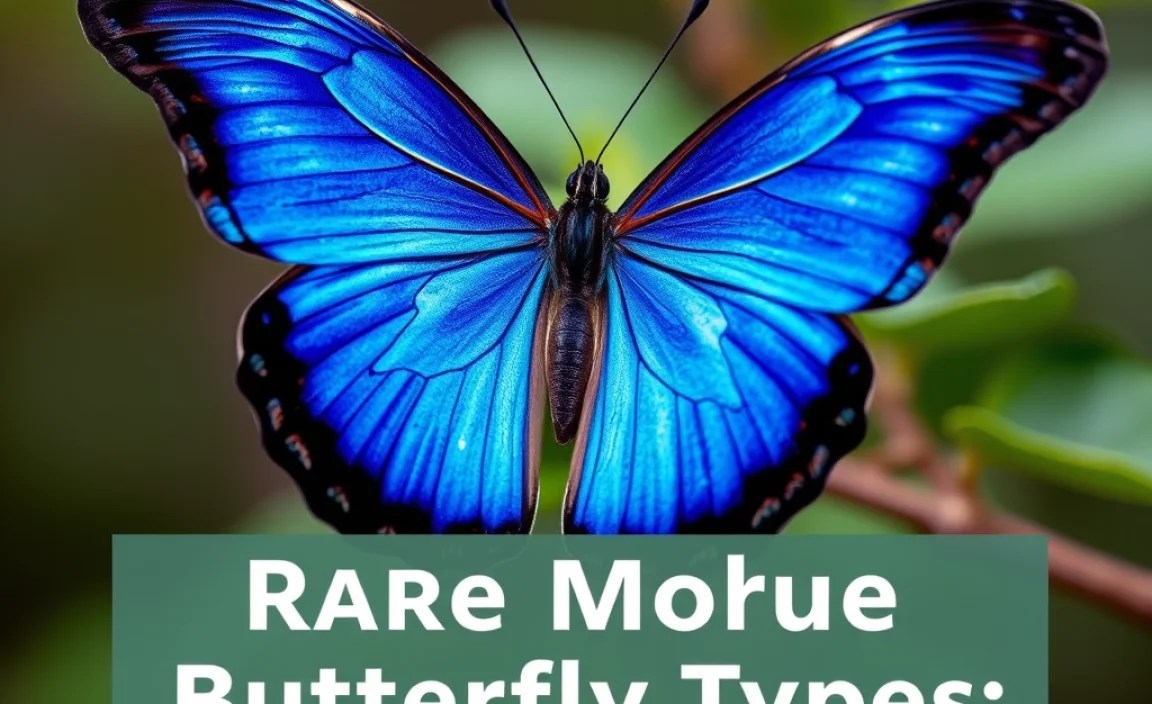
The blue morpho butterfly is known for its shiny, blue wings. They are large and can be up to eight inches wide. These butterflies live in the rainforests of Central and South America. The bright blue color comes from tiny scales on their wings. These scales reflect light and make the blue color. Male morphos are usually brighter than females. This helps them attract mates. The underside of their wings are brown. This helps them hide from predators. They are truly amazing insects. Scientists study the rare blue morpho butterfly types to learn more about nature.
- Blue morphos live in rainforests.
- Their wings can be 8 inches wide.
- The blue color comes from tiny scales.
- Males are brighter than females.
- Brown undersides help them hide.
Blue morphos eat sap from trees and juice from fruits. They use their long tongues to drink. These butterflies fly high in the trees. They like to bask in the sun. This helps them stay warm. People love to visit butterfly gardens. They want to see these amazing creatures. The rare blue morpho butterfly types are a treasure. Protecting their habitat is very important. We can all help by learning more about them and sharing what we know. These butterflies are a reminder of how beautiful nature can be.
Fun Fact or Stat: Blue morpho butterflies can see colors that humans cannot!
What Makes Blue Morphos Special?
Have you ever wondered why the blue morpho is so special? Their bright blue wings are a big reason. The color is not from pigment. It comes from the way light reflects off the scales. This is called structural coloration. The scales are tiny and have many layers. These layers bend the light. This makes the blue color. Other butterflies have colors from pigments. Blue morphos are unique because of their structure. The structure of their wings makes them special. Scientists study the wings to learn about new materials. They hope to make things that change color like the butterfly.
Where Do Blue Morphos Live?
Imagine walking through a rainforest. You see a flash of bright blue. It is a blue morpho butterfly. These butterflies live in Central and South America. They like warm, wet places. Rainforests are perfect for them. They need lots of trees and plants. The caterpillars eat leaves. The adults eat fruit and sap. Protecting rainforests is important. It helps these butterflies survive. If we cut down trees, they lose their homes. We can help by supporting organizations that protect rainforests. This will help save the rare blue morpho butterfly types.
How Do Blue Morphos Protect Themselves?
Blue morpho butterflies are beautiful. But they also need to protect themselves. Their bright blue color can attract predators. The underside of their wings are brown. This helps them hide when they are resting. They also fly quickly. This makes it hard for birds to catch them. Blue morphos sometimes fly in groups. This can confuse predators. The caterpillars also have defenses. They have hairs that can irritate skin. These hairs protect them from being eaten. All these things help blue morphos survive in the rainforest.
Common Blue Morpho Characteristics
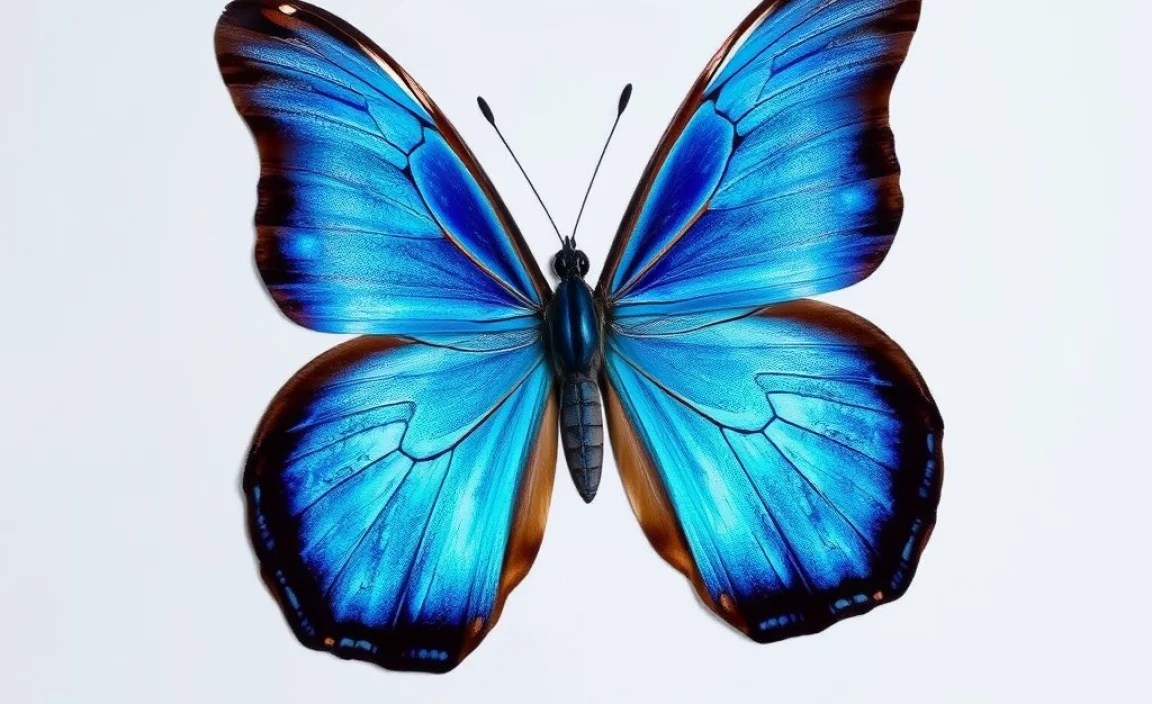
The common blue morpho is easy to spot. Its wings are bright blue with dark edges. The males have brighter blue wings than the females. The underside of the wings has brown and black spots. These spots look like eyes. This helps to scare away predators. The wingspan of the common blue morpho is about five to eight inches. They are large butterflies. They fly in the rainforest canopy. They are often seen near rivers and streams. These rare blue morpho butterfly types are fascinating to watch. Their beauty makes them a favorite among butterfly lovers.
- Wings are bright blue with dark edges.
- Males have brighter wings than females.
- Underside has brown and black spots.
- Wingspan is five to eight inches.
- They live near rivers and streams.
Blue morpho butterflies go through a complete metamorphosis. This means they have four stages of life. First, they are eggs. The eggs are small and green. Then, they become caterpillars. The caterpillars eat leaves and grow. Next, they turn into pupae. The pupa is inside a chrysalis. Finally, they emerge as butterflies. The rare blue morpho butterfly types are a reminder of nature’s wonders. We must protect their habitats for future generations to enjoy. These butterflies play an important role in the ecosystem.
Fun Fact or Stat: The blue morpho’s caterpillar can be cannibalistic, sometimes eating other caterpillars!
What Do Common Blue Morphos Eat?
Have you ever wondered what blue morphos eat? They don’t eat flowers like some butterflies. Instead, they drink sap from trees. They also eat juice from rotting fruit. They use their long tongues to suck up the liquid. The caterpillars eat leaves. They like the leaves of pea plants. They eat a lot of leaves to grow big. The adults need sugar for energy. The sap and fruit give them that sugar. This helps them fly and find mates. Rare blue morpho butterfly types have special diets that help them thrive in the rainforest.
How Long Do Common Blue Morphos Live?
Imagine a blue morpho butterfly fluttering in the rainforest. How long will it live? These butterflies usually live for about a month. The caterpillars live longer, for several weeks. The adult butterflies spend their time flying and mating. They need to find food and avoid predators. Their bright colors help them attract mates. But they also make them easier to spot. This is why they need to be careful. Protecting their habitat is important. It helps them live longer and have more babies. The rare blue morpho butterfly types need our help to survive.
Where Can You See Common Blue Morphos?
Do you want to see a blue morpho butterfly? You can find them in Central and South America. They live in rainforests. Some butterfly gardens also have them. These gardens recreate their natural habitat. You can walk through the garden and see them flying. It is amazing to see their bright blue wings up close. Some zoos also have butterfly exhibits. These exhibits let you see different types of butterflies. Seeing a rare blue morpho butterfly type is a special experience. It can inspire you to learn more about nature.
Unique Patterns in Rare Blue Morpho Species
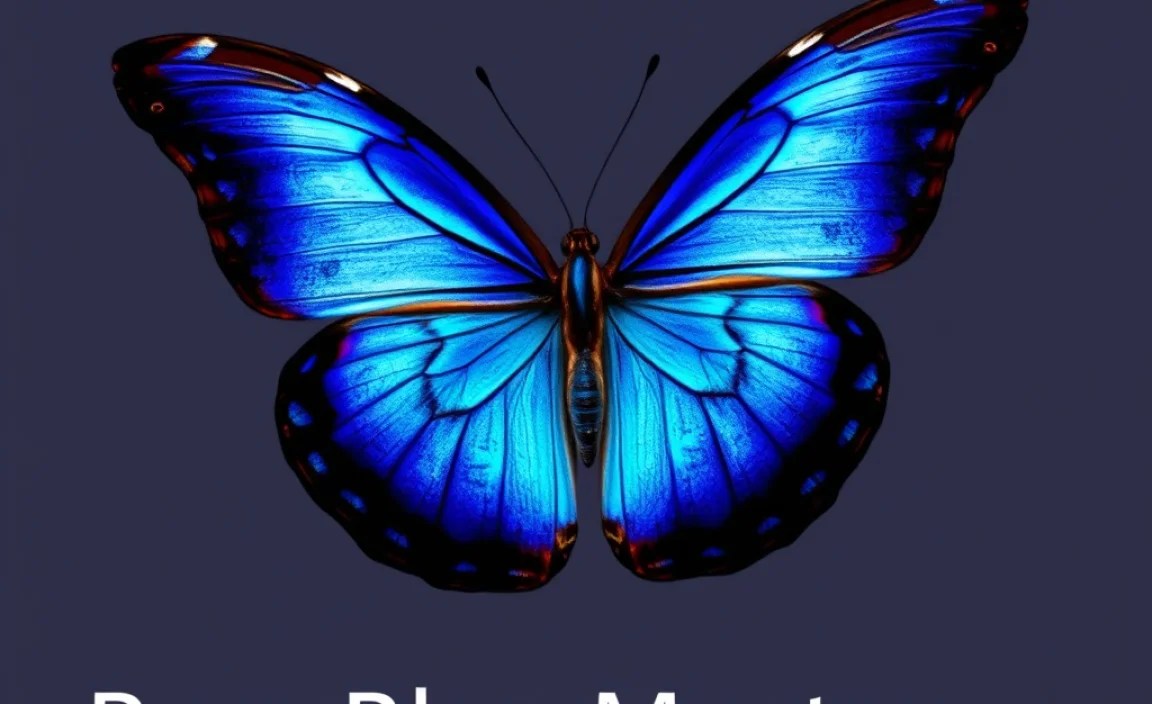
Some blue morpho butterflies have unique patterns. These patterns make them special. The Achilles morpho has pointy wings. This is different from other morphos. The Helenor morpho has a dark band on its wings. This band is not found on all morphos. The Menelaus morpho is very large. It has a wingspan of up to eight inches. These rare blue morpho butterfly types show the diversity of nature. Each type has its own special features. Scientists study these patterns to learn more about evolution. The patterns help them understand how butterflies adapt to their environment.
- Achilles morpho has pointy wings.
- Helenor morpho has a dark band.
- Menelaus morpho is very large.
- Patterns show nature’s diversity.
- Scientists study patterns to learn.
Blue morpho butterflies are important to the rainforest ecosystem. They help pollinate plants. They also serve as food for other animals. Their beauty attracts tourists. This helps the local economy. Protecting these butterflies is important. We need to protect their habitat. This means stopping deforestation. It also means reducing pollution. We can all do our part to help. We can support organizations that protect rainforests. We can also reduce our carbon footprint. This will help save the rare blue morpho butterfly types.
Fun Fact or Stat: The iridescent blue color of the Morpho butterfly’s wings is created by microscopic structures, not pigment!
Achilles Morpho Butterfly Details
Imagine a butterfly with wings that look like swords. That is the Achilles morpho. Its wings are pointy and sharp-looking. This makes it different from other blue morphos. The Achilles morpho also has a bright blue color. This color is very shiny and eye-catching. These butterflies live in South America. They like warm, wet forests. The Achilles morpho is a beautiful and unique butterfly. The rare blue morpho butterfly types show how diverse nature is. Protecting these butterflies is important. We need to keep their homes safe.
Helenor Morpho Butterfly Markings
Have you ever seen a blue morpho with a dark stripe? That might be the Helenor morpho. This butterfly has a dark band on its wings. This band sets it apart from other morphos. The Helenor morpho also has a bright blue color. This color is very vibrant and beautiful. These butterflies live in Central and South America. They like to fly in the rainforest canopy. The Helenor morpho is a fascinating butterfly. The rare blue morpho butterfly types are all unique. We should learn more about them.
Menelaus Morpho Butterfly Size
Picture a blue morpho butterfly that is extra big. That is the Menelaus morpho. This butterfly is one of the largest morphos. Its wings can be up to eight inches wide. This makes it very impressive to see. The Menelaus morpho also has a bright blue color. This color is very shiny and attractive. These butterflies live in South America. They like to fly near rivers and streams. The Menelaus morpho is a stunning butterfly. The rare blue morpho butterfly types are all amazing. We must protect them.
Habitat Needs of Rare Blue Morphos
Blue morpho butterflies need specific habitats to survive. They live in rainforests. These forests must have lots of trees and plants. The caterpillars eat leaves. The adults eat sap and fruit. The rainforest provides these things. The butterflies also need warm temperatures. They cannot survive in cold places. They need humidity. This means the air must be moist. Protecting rainforests is important. It helps these butterflies and other animals. We can all help by supporting conservation efforts. The rare blue morpho butterfly types need our help to survive.
- They need rainforests to live.
- They need warm temperatures.
- They need humidity in the air.
- Caterpillars eat leaves to grow.
- Adults eat sap and rotting fruit.
Blue morpho butterflies are affected by deforestation. When trees are cut down, they lose their homes. They also lose their food source. This can cause them to die. Pollution also affects them. Pesticides can poison the caterpillars. Climate change is also a threat. It can change the temperature and rainfall patterns. This can make it hard for them to survive. Protecting the environment is important. It helps these butterflies and other creatures. The rare blue morpho butterfly types depend on us to protect them.
Fun Fact or Stat: Blue Morpho butterflies are sensitive to changes in their environment, making them an indicator species for rainforest health!
Why Are Rainforests Important?
Have you ever thought about why rainforests are so important? They are home to many animals and plants. They also help clean the air. Rainforests absorb carbon dioxide. This helps reduce climate change. They also produce oxygen. We need oxygen to breathe. Rainforests provide many resources. People use the trees for wood. They also find medicines in the plants. Protecting rainforests is important for everyone. It helps the rare blue morpho butterfly types and us.
How Does Deforestation Affect Blue Morphos?
Imagine someone taking away your home. That is what deforestation does to blue morphos. When trees are cut down, they lose their habitat. They also lose their food source. The caterpillars cannot find leaves to eat. The adults cannot find sap or fruit. Deforestation can cause these butterflies to die. It can also cause them to move to other areas. This can disrupt the ecosystem. Stopping deforestation is important. It helps protect the rare blue morpho butterfly types.
What Can We Do to Help?
Do you want to help blue morpho butterflies? There are many things you can do. You can support organizations that protect rainforests. You can also reduce your carbon footprint. This means using less energy. You can recycle and reuse things. You can also plant trees. Trees provide habitat for butterflies and other animals. Educating others is also important. Tell your friends and family about the importance of rainforests. Together, we can make a difference. We can help save the rare blue morpho butterfly types.
Conservation Efforts for Blue Morphos
Many people are working to protect blue morpho butterflies. They are trying to conserve their habitat. They are also educating people about the importance of these butterflies. Some organizations are creating butterfly farms. These farms raise butterflies and release them into the wild. This helps to increase their population. Other organizations are working to stop deforestation. They are also promoting sustainable farming practices. These practices help to protect the rainforest. The rare blue morpho butterfly types need our help to survive. We can all support these conservation efforts.
- Protecting their rainforest habitat.
- Educating people about butterflies.
- Creating butterfly farms to help.
- Stopping deforestation to save them.
- Promoting sustainable farming ways.
Blue morpho butterflies are a symbol of beauty. They are also a symbol of the rainforest. Protecting them is important for many reasons. They play a role in the ecosystem. They also bring joy to people. Seeing a blue morpho fly by is a magical experience. We want future generations to be able to enjoy this experience. That is why we must work to protect these butterflies. The rare blue morpho butterfly types are worth saving. They are a treasure of nature.
Fun Fact or Stat: Some conservation projects use the Blue Morpho butterfly as a flagship species to promote rainforest protection!
What Are Butterfly Farms?
Have you ever heard of a butterfly farm? These farms raise butterflies. They provide them with food and shelter. The butterflies lay eggs. The eggs hatch into caterpillars. The caterpillars eat leaves and grow. Then, they turn into pupae. Finally, they emerge as butterflies. The butterfly farms release the butterflies into the wild. This helps to increase their population. Butterfly farms also educate people about butterflies. They teach them about their life cycle and habitat. Butterfly farms are helping to save the rare blue morpho butterfly types.
How Does Sustainable Farming Help?
Imagine farming without hurting the environment. That is what sustainable farming is. It means growing crops in a way that protects the soil and water. It also means using less pesticides. Pesticides can harm butterflies and other insects. Sustainable farming helps to protect the rainforest. It also helps to protect the blue morpho butterflies. By supporting sustainable farming, we can help save these amazing creatures. The rare blue morpho butterfly types will thank us.
Why Is Education Important?
Do you know why education is important? It helps people learn about the world. It also helps them make good choices. When people learn about blue morpho butterflies, they are more likely to want to protect them. Education can inspire people to take action. They can support conservation efforts. They can also reduce their carbon footprint. By educating others, we can help save the rare blue morpho butterfly types. Education is a powerful tool.
Threats to Rare Blue Morpho Survival
Blue morpho butterflies face many threats. Deforestation is a big problem. When trees are cut down, they lose their homes. Pollution also harms them. Pesticides can poison the caterpillars. Climate change is another threat. It can change the temperature and rainfall patterns. This can make it hard for them to survive. Collecting butterflies is also a problem. Some people catch them to sell them. This can reduce their population. The rare blue morpho butterfly types need our help to overcome these threats.
| Threat | Description | Impact on Blue Morphos |
|---|---|---|
| Deforestation | Cutting down trees for wood and land. | Loss of habitat and food sources. |
| Pollution | Pesticides and chemicals in the air and water. | Poisoning of caterpillars and adults. |
| Climate Change | Changes in temperature and rainfall. | Disruption of life cycle and habitat. |
| Collecting | Catching butterflies for sale or display. | Reduction in population size. |
Blue morpho butterflies are a valuable part of the ecosystem. They help pollinate plants. They also serve as food for other animals. Their beauty attracts tourists. This helps the local economy. Protecting these butterflies is important for many reasons. We need to work together to overcome the threats they face. We can all do our part to help. The rare blue morpho butterfly types depend on us to protect them.
Fun Fact or Stat: Illegal butterfly collecting can significantly impact local populations of rare species like the Blue Morpho!
How Does Climate Change Affect Butterflies?
Imagine the weather changing a lot. That is what climate change is doing. It is making the temperatures warmer. It is also changing the rainfall patterns. This can affect blue morpho butterflies. They need specific temperatures to survive. They also need specific amounts of rainfall. If the climate changes too much, they may not be able to survive. Climate change is a big threat to the rare blue morpho butterfly types.
Why Is Butterfly Collecting Harmful?
Have you ever wanted to catch a butterfly? It might seem like fun. But it can be harmful to the butterflies. When people collect butterflies, they reduce their population. This can make it harder for them to survive. Some butterflies are very rare. Collecting them can make them even rarer. It is better to admire butterflies in their natural habitat. This helps to protect the rare blue morpho butterfly types.
What Can Governments Do?
Governments can play a big role in protecting blue morpho butterflies. They can create laws to protect their habitat. They can also enforce these laws. Governments can also support conservation efforts. They can provide funding for research and education. They can also work with local communities to protect the rainforest. By taking action, governments can help save the rare blue morpho butterfly types.
How to Attract Blue Morphos to Your Garden
You can attract blue morpho butterflies to your garden. You need to create a habitat that they like. Plant trees and plants that they need. They like warm temperatures. They also need humidity. Provide them with food. They like sap from trees and juice from fruits. You can put out some rotting fruit in your garden. This will attract them. Avoid using pesticides. Pesticides can harm the butterflies. The rare blue morpho butterfly types will appreciate your efforts.
- Plant trees and plants for them.
- Keep the temperature warm.
- Provide humidity in the air.
- Put out rotting fruit for food.
- Avoid using pesticides in garden.
Blue morpho butterflies are a beautiful addition to any garden. They can bring joy to people who see them. They also help to pollinate plants. By creating a butterfly-friendly garden, you can help to protect these amazing creatures. The rare blue morpho butterfly types will thank you for your efforts. Remember to be patient. It may take some time for the butterflies to find your garden. But once they do, you will be rewarded with their beauty.
Fun Fact or Stat: Blue Morpho butterflies are attracted to the color yellow, so planting yellow flowers can help attract them to your garden!
What Plants Do Blue Morphos Like?
Have you ever wondered what plants blue morphos like? The caterpillars eat leaves. They like the leaves of pea plants. The adults eat sap from trees. They also like juice from fruits. You can plant pea plants in your garden. You can also put out some rotting fruit. This will attract the butterflies. They will appreciate your efforts to provide them with food. The rare blue morpho butterfly types will visit your garden.
How to Provide Humidity?
Imagine a warm, moist environment. That is what blue morphos like. You can provide humidity in your garden. You can use a sprinkler. You can also put out a shallow dish of water. The butterflies will drink the water. The water will also evaporate and create humidity. This will help to attract the butterflies. The rare blue morpho butterfly types will enjoy your garden.
Why Avoid Pesticides?
Do you know why you should avoid pesticides? Pesticides are chemicals that kill insects. They can also harm butterflies. Pesticides can poison the caterpillars. They can also kill the adult butterflies. It is important to protect the butterflies from these harmful chemicals. Use natural methods to control pests in your garden. This will help to protect the rare blue morpho butterfly types.
Summary
The blue morpho butterfly is a stunning insect. It is known for its bright blue wings. Several rare blue morpho butterfly types exist. Each has unique patterns and characteristics. These butterflies live in rainforests. They need specific habitats to survive. Deforestation, pollution, and climate change threaten them. Conservation efforts are underway to protect them. We can all help by supporting these efforts. We can also create butterfly-friendly gardens. This will help to attract these amazing creatures. The rare blue morpho butterfly types are a treasure of nature. We must work to protect them for future generations.
Conclusion
Blue morpho butterflies are more than just pretty insects. They are an important part of the rainforest ecosystem. They are also a symbol of beauty and wonder. Protecting them is crucial for maintaining biodiversity. We must continue to support conservation efforts. We must also educate others about the importance of these butterflies. By working together, we can ensure that the rare blue morpho butterfly types thrive for years to come.
Frequently Asked Questions
Question No 1: What makes the blue morpho butterfly so blue?
Answer: The blue morpho butterfly‘s vibrant blue color isn’t from pigments. It comes from the microscopic structures on its wings. These structures reflect light in a way that creates the iridescent blue we see. This is called structural coloration. It’s like tiny mirrors bending light. It is a very different way to get color than paint or dye. The tiny scales on their wings are responsible for this amazing effect. The structure of these scales is what makes the blue morpho so special and beautiful. Scientists study this structure to create new materials.
Question No 2: Where do blue morpho butterflies live?
Answer: Blue morpho butterflies live in the rainforests of Central and South America. They like warm, humid environments. You can find them flying high in the trees. They are often seen near rivers and streams. These butterflies need a healthy rainforest to survive. They depend on the trees and plants for food and shelter. Protecting rainforests is important for these butterflies. It also helps many other animals and plants. The rare blue morpho butterfly types rely on these habitats for their survival and reproduction. Deforestation poses a major threat to their existence.
Question No 3: What do blue morpho butterflies eat?
Answer: Blue morpho butterflies have an interesting diet. They don’t eat flowers like many other butterflies. Instead, they drink sap from trees. They also eat juice from rotting fruit. This gives them the sugar they need for energy. The caterpillars eat leaves. They like the leaves of pea plants. They eat a lot to grow big. The rare blue morpho butterfly types depend on these food sources to survive. They use their long tongues to suck up the liquids. Their diet is important for their health and well-being.
Question No 4: How long do blue morpho butterflies live?
Answer: The lifespan of a blue morpho butterfly is about a month. The caterpillars live for several weeks before turning into butterflies. During their adult life, they focus on flying, mating, and finding food. They need to avoid predators. Their bright colors can make them easier to spot. Protecting their habitat is important. This helps them live longer and have more babies. The rare blue morpho butterfly types need our help to survive and thrive. Their lifespan is short, but they bring beauty to the rainforest.
Question No 5: What are some threats to blue morpho butterflies?
Answer: Blue morpho butterflies face several threats. Deforestation is a big problem. It destroys their habitat and food sources. Pollution also harms them. Pesticides can poison the caterpillars. Climate change can change the temperature and rainfall patterns. This makes it hard for them to survive. Collecting butterflies is also a threat. It can reduce their population. The rare blue morpho butterfly types need our help to overcome these challenges. We must protect their homes and reduce pollution.
Question No 6: How can I help protect blue morpho butterflies?
Answer: You can do many things to help protect blue morpho butterflies. Support organizations that protect rainforests. Reduce your carbon footprint by using less energy. Recycle and reuse items. Plant trees. Educate your friends and family about the importance of these butterflies. You can also create a butterfly-friendly garden. Avoid using pesticides. By taking these actions, you can help save the rare blue morpho butterfly types. Every little bit helps. Together, we can make a difference and protect these beautiful creatures.


