
Blue Morpho Ecosystem Role: The Powerful Secret

Do you know a butterfly that shimmers like a jewel? It is the Blue Morpho. These amazing insects live in rainforests. They play a vital part in their home. Their Blue Morpho ecosystem role is very important.
Imagine the rainforest without these butterflies. It would be a different place. Let’s find out more about these beautiful creatures. We will learn what they do for their rainforest home.
Key Takeaways
- Blue Morphos help pollinate flowers as they flutter around the rainforest.
- They are a food source for birds and other animals in the ecosystem.
- Blue Morpho ecosystem role involves controlling plant growth by eating leaves.
- Their bright colors warn predators that they might not taste good.
- Morphos indicate a healthy rainforest environment and ecosystem.
Understanding the Blue Morpho’s Habitat
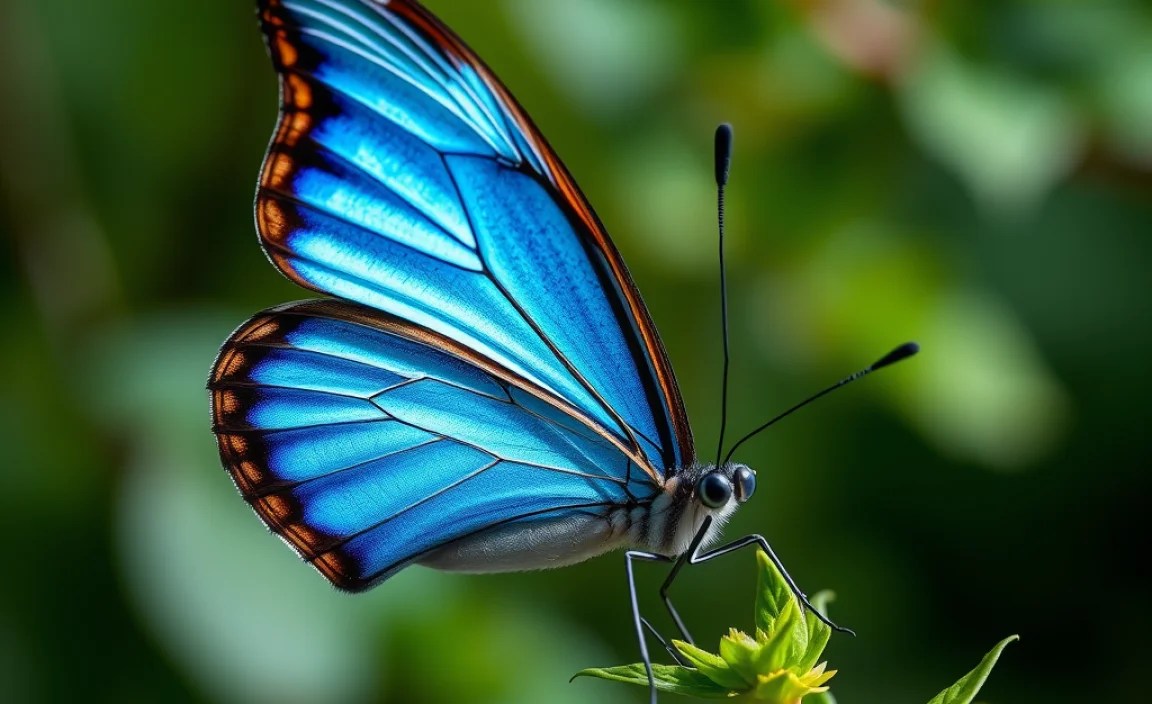
The Blue Morpho butterfly lives in rainforests. These forests are warm and wet. They are full of tall trees and lots of plants. Blue Morphos like to live near rivers and streams. These places are humid and have plenty of food. The butterflies need special plants for their caterpillars to eat. These plants are often found in sunny spots inside the forest. The butterflies fly high in the trees. But they also come down to the forest floor. They look for food and places to lay their eggs. The rainforest provides everything they need. This includes shelter, food, and water. Without the rainforest, the Blue Morpho could not survive. The rainforest is truly their home.
- Rainforests are warm and wet.
- They have tall trees and many plants.
- Blue Morphos live near rivers and streams.
- Caterpillars need special plants to eat.
- Butterflies fly high and low in the forest.
The rainforest is more than just a home for Blue Morphos. It is a complex web of life. Many different plants and animals live together. They all depend on each other. The Blue Morpho plays its part in this web. It helps to keep the rainforest healthy. By eating leaves, it controls plant growth. By being food for other animals, it supports the food chain. The butterfly’s presence shows that the rainforest is healthy. When we protect the rainforest, we protect the Blue Morpho. We also protect all the other plants and animals that live there.
Fun Fact or Stat: The Blue Morpho butterfly’s wings can span up to 8 inches wide!
What Makes a Rainforest a Good Home?
Have you ever wondered why rainforests are so special? Rainforests have many things that make them great homes. The warm weather helps plants grow all year. The rain keeps everything green and lush. There are many different kinds of plants. These plants give animals lots of food and shelter. The tall trees create a canopy. This canopy provides shade and protection. The forest floor is filled with fallen leaves. These leaves break down and make the soil rich. All these things work together. They make the rainforest a perfect place for Blue Morphos. They also make it a great home for many other creatures. The rainforest is a busy and exciting place to live. It’s a place where life thrives in every corner.
How Do Blue Morphos Find Their Way Around?
Imagine trying to find your way through a thick forest. It might seem hard, but Blue Morphos are experts! They use their eyes to see colors and shapes. They can spot the plants they need for food. They also use their antennae to smell and feel their surroundings. The antennae help them find flowers and other butterflies. Blue Morphos can sense changes in the air. This helps them find shelter when it rains. They also remember where they have found food before. Blue Morphos have a good sense of direction. This helps them fly through the forest. They can travel long distances to find what they need. These amazing butterflies are well-adapted to their rainforest home.
What Dangers Do They Face in Their Habitat?
Life in the rainforest can be dangerous. Blue Morphos face many threats. Birds and other animals want to eat them. These predators see the bright blue wings. They try to catch the butterflies. People also destroy the rainforest. They cut down trees for wood and farms. This destroys the butterfly’s home. It makes it hard for them to find food and shelter. Pollution can also harm the butterflies. Chemicals in the air and water can make them sick. Climate change is also a threat. Changes in temperature and rainfall can affect the plants they need. Blue Morphos need our help to survive. We need to protect their rainforest home from these dangers.
The Blue Morpho as a Pollinator
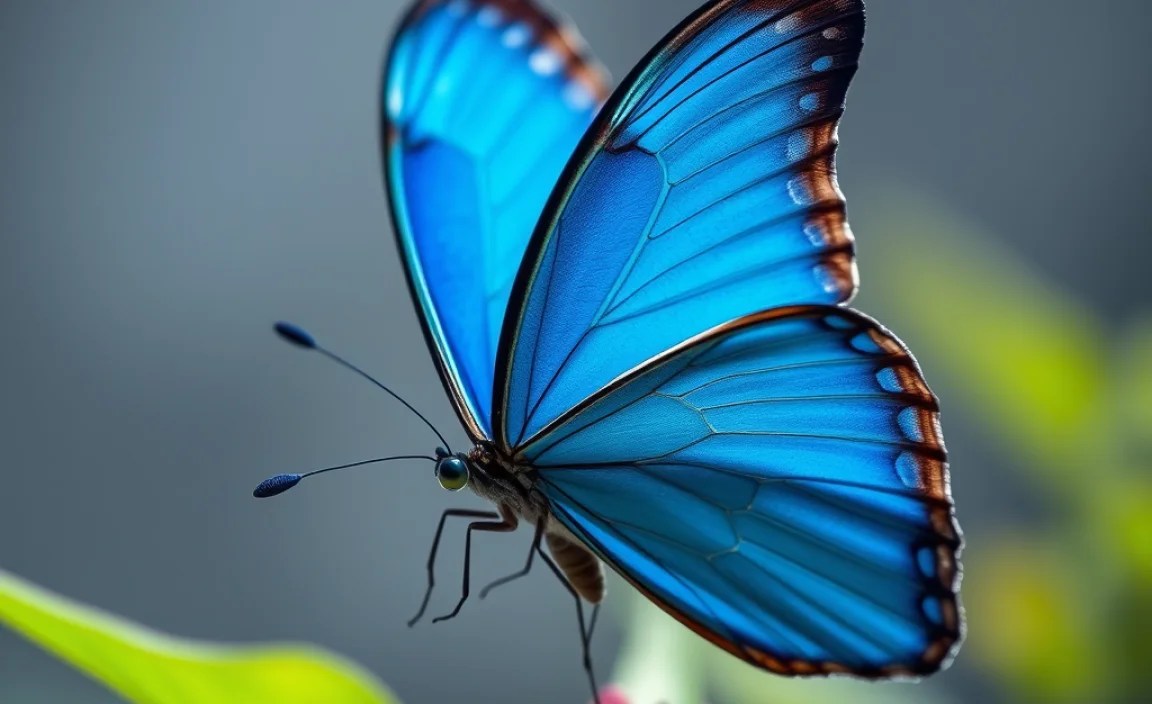
Butterflies are important pollinators. They help flowers make seeds. As they visit flowers, they carry pollen. Pollen is a yellow powder that helps plants reproduce. When a butterfly lands on a flower, pollen sticks to its body. As it flies to another flower, some of the pollen rubs off. This helps the second flower make seeds. Blue Morphos visit many different flowers. They help to pollinate plants in the rainforest. This helps the plants grow and spread. Without pollinators, many plants would not be able to survive. Blue Morphos play a vital role in the rainforest ecosystem. They help to keep the rainforest healthy and full of life. They are essential for the Blue Morpho ecosystem role.
- Butterflies help flowers make seeds.
- They carry pollen from flower to flower.
- Pollen helps plants reproduce.
- Blue Morphos visit many different flowers.
- They help to pollinate rainforest plants.
- Pollinators are vital for plant survival.
Imagine a world without flowers. It would be a very different place. Flowers provide food and shelter for many animals. They also make the world beautiful. Pollinators like the Blue Morpho help to keep flowers around. By carrying pollen, they ensure that plants can reproduce. This helps to keep the ecosystem healthy. The rainforest relies on pollinators. Without them, many plants would disappear. This would affect all the animals that depend on those plants. Protecting pollinators is important for protecting the entire rainforest. We can help by planting flowers in our gardens. We can also avoid using harmful pesticides. Every little bit helps to support these important creatures.
Fun Fact or Stat: Some butterflies can taste with their feet!
What Flowers Do Blue Morphos Like Best?
Do you think Blue Morphos like any flower? They love flowers with bright colors. Red, orange, and yellow flowers attract them. These colors are easy for them to see. They also like flowers with a strong scent. The scent helps them find the flowers from far away. Blue Morphos prefer flowers with lots of nectar. Nectar is a sweet liquid that gives them energy. They use their long tongues to drink the nectar. Some of their favorite flowers include hibiscus and lantana. These flowers grow well in warm climates. They provide plenty of food for the butterflies. Planting these flowers can help attract Blue Morphos to your garden. You can create a beautiful and helpful habitat for them.
How Do They Find Nectar in the Rainforest?
Finding food in the rainforest can be tricky. But Blue Morphos have special skills. They use their eyes to spot bright flowers. They can see colors that we cannot. This helps them find nectar-rich blooms. They also use their sense of smell. They can detect the sweet scent of nectar from far away. The rainforest is filled with many smells. But they can pick out the ones that lead to food. Blue Morphos also remember where they have found nectar before. They often return to the same flowers again and again. They learn the best places to find food. These skills help them survive in the rainforest.
Why Is Pollination Important for the Ecosystem?
Pollination is super important for the whole ecosystem. It helps plants make new seeds. These seeds grow into new plants. Plants give us food, oxygen, and shelter. Animals also need plants for food and shelter. Without pollination, many plants would disappear. This would affect the entire food chain. Animals would lose their food sources. The ecosystem would become unbalanced. Pollinators like the Blue Morpho help to keep the ecosystem healthy. They ensure that plants can reproduce. This keeps the whole web of life going. Protecting pollinators is vital for protecting the planet. We all depend on them for our survival.
Blue Morphos as a Food Source
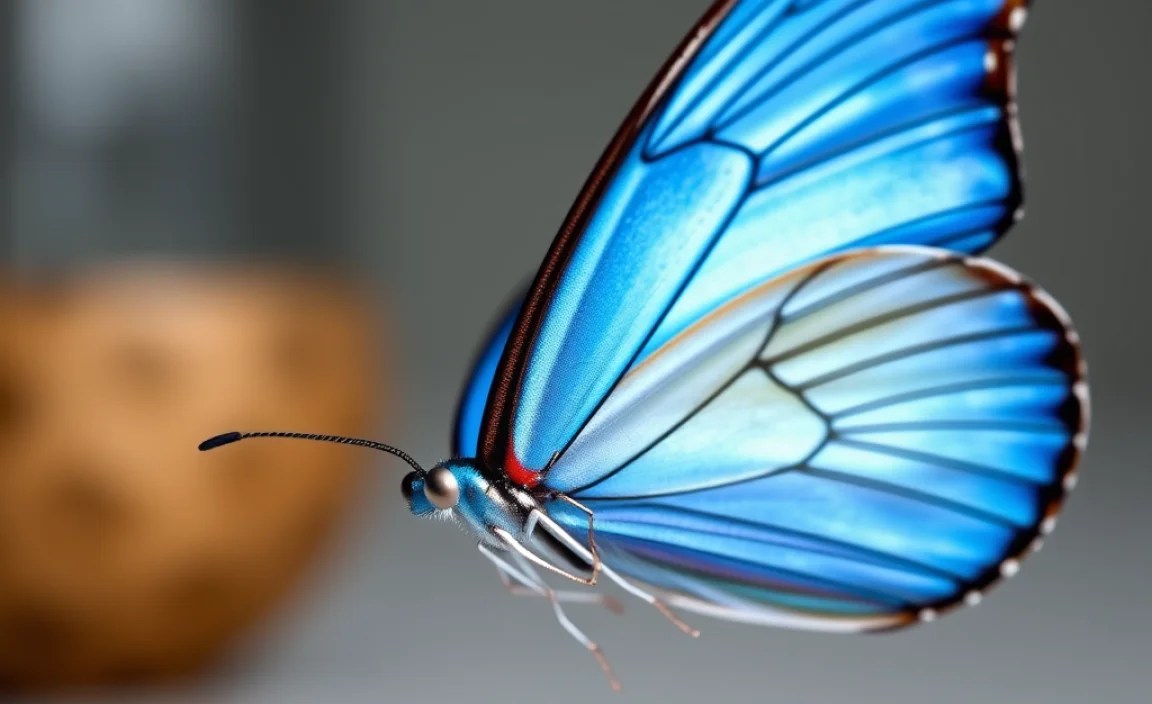
Blue Morphos are not just pollinators. They are also a food source for other animals. Birds, lizards, and frogs eat them. These animals need the butterflies to survive. The butterflies provide them with energy and nutrients. The bright blue wings of the Morpho make them easy to spot. But they also have a trick. They can fly very fast. They can also hide in the leaves. This helps them avoid predators. Even though they are eaten, they are still important. They play a key role in the food chain. They help to keep the ecosystem balanced. Without them, other animals would struggle to find food.
- Blue Morphos are eaten by birds and lizards.
- They provide energy and nutrients.
- Their bright wings make them easy to spot.
- They can fly fast to avoid predators.
- They hide in leaves to stay safe.
- They are an important part of the food chain.
The food chain is like a big circle of life. Plants are at the bottom. They make their own food from sunlight. Animals eat the plants. Then other animals eat those animals. The Blue Morpho fits into this chain. Caterpillars eat leaves. Then butterflies are eaten by birds. When animals die, their bodies break down. This puts nutrients back into the soil. The plants use these nutrients to grow. And the cycle starts again. Every plant and animal plays a role. The Blue Morpho ecosystem role is a great example. By being both a plant-eater and food for other animals, it helps keep the rainforest healthy.
Fun Fact or Stat: Blue Morpho caterpillars can eat up to 100 times their weight in leaves!
What Animals Eat Blue Morphos?
Many animals love to eat Blue Morphos. Birds are one of the main predators. They swoop down and try to catch the butterflies in flight. Lizards also eat them. They wait on branches and snatch the butterflies as they fly by. Frogs are another predator. They sit on leaves and catch the butterflies with their long tongues. Spiders also trap them in their webs. Even some monkeys will eat them if they get the chance. The bright colors of the Blue Morpho make them easy to spot. But they are also fast and agile. This helps them avoid becoming a meal. The rainforest is a dangerous place.
How Do They Avoid Being Eaten?
Blue Morphos have some cool ways to stay safe. Their bright blue wings can be a distraction. When they fly, the blue flashes. This can confuse predators. They also have brown undersides on their wings. When they land, they close their wings. The brown color helps them blend in with the leaves. This makes them harder to spot. Blue Morphos can also fly very fast. They can quickly escape from danger. They often fly in erratic patterns. This makes it hard for predators to catch them. These tricks help them survive in a dangerous world.
Why Is It Important to Have Predators and Prey?
Having predators and prey is vital for a healthy ecosystem. Predators keep the prey population in check. If there were too many prey animals, they would eat all the plants. This would damage the ecosystem. Prey animals provide food for the predators. This helps the predator population survive. The relationship between predators and prey keeps everything balanced. It prevents any one species from becoming too dominant. This balance is important for the health of the entire ecosystem. It ensures that there is enough food and resources for everyone. Predators and prey are both needed.
The Morpho’s Role in Controlling Plant Growth

Blue Morpho caterpillars eat a lot of leaves. They can eat entire plants. This might seem bad. But it is actually important for the rainforest. By eating leaves, they control plant growth. Some plants grow very fast. If they grow too much, they can block sunlight. This can hurt other plants. Caterpillars help to keep these fast-growing plants in check. They make sure that other plants get enough sunlight. This helps to keep the rainforest diverse. A diverse rainforest has many different kinds of plants. This makes it a healthier and more stable ecosystem. The Morpho caterpillars contribute to this balance.
- Caterpillars eat a lot of leaves.
- They control the growth of plants.
- Some plants grow very fast.
- Caterpillars keep them in check.
- This helps other plants get sunlight.
- It promotes a diverse rainforest.
Imagine a garden where one plant takes over everything. It blocks the sunlight and steals all the nutrients. The other plants cannot grow. The garden becomes unhealthy. The same thing can happen in the rainforest. Some plants are very aggressive. They can quickly dominate an area. But caterpillars help to prevent this. By eating the leaves of these plants, they keep them from taking over. This allows other plants to thrive. The rainforest becomes a diverse and balanced ecosystem. The Blue Morpho ecosystem role may seem small. But it is essential for maintaining this balance.
Fun Fact or Stat: The Blue Morpho caterpillar is bright red-brown and has irritant hairs to deter predators!
What Kinds of Plants Do the Caterpillars Eat?
Blue Morpho caterpillars are picky eaters. They only eat the leaves of certain plants. These plants are often found in the rainforest. Some of their favorite plants include pea and bean plants. They also like plants in the legume family. These plants are rich in nutrients. They help the caterpillars grow big and strong. The caterpillars have strong jaws. This helps them chew through the tough leaves. They can eat a lot of leaves in a short amount of time. This helps them grow quickly into butterflies.
How Do Caterpillars Find the Right Plants?
Finding the right plants can be a challenge. But caterpillars have special skills. They use their sense of smell. They can detect the scent of their favorite plants. They also use their sense of taste. When they find a leaf, they take a small bite. If it tastes good, they start eating. If it doesn’t, they move on. The caterpillars also follow trails left by other caterpillars. These trails lead them to new food sources. They work together to find the best plants. This helps them survive in the rainforest.
Why Is Plant Diversity Important?
Plant diversity is important for many reasons. Different plants provide different things. Some plants give food to animals. Other plants give shelter. Some plants help to keep the soil healthy. When there are many different kinds of plants, the ecosystem is more stable. If one plant gets sick, the others can still survive. This helps to prevent the ecosystem from collapsing. Plant diversity also makes the rainforest beautiful. It creates a rich and varied landscape. This is important for both animals and people.
The Blue Morpho’s Warning Colors
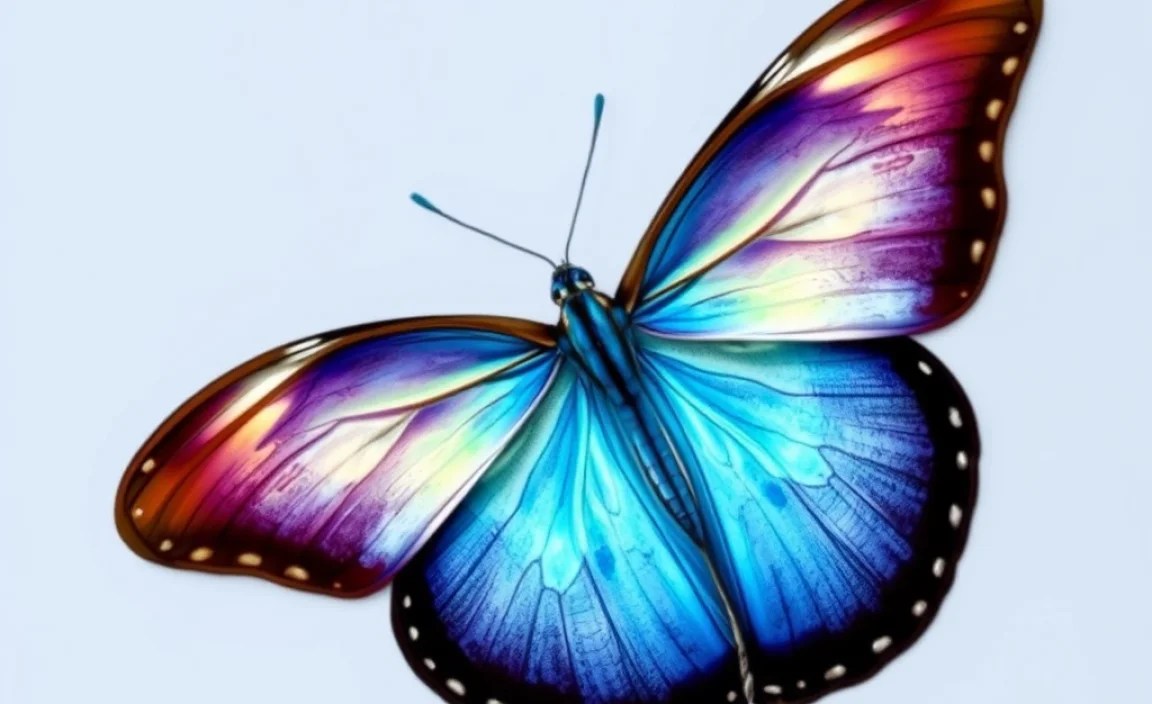
Blue Morphos have bright blue wings. These wings are very noticeable. You might think this would make them easy to catch. But the bright colors actually serve as a warning. They tell predators that the butterfly might not taste good. Some caterpillars eat poisonous plants. The poison stays in their bodies even after they become butterflies. This makes them taste bad to predators. The bright colors warn the predators to stay away. This is called warning coloration. It helps the butterflies survive. Even though they are brightly colored, they are not always easy to catch. The Blue Morpho ecosystem role shows how colors help them.
- Blue Morphos have bright blue wings.
- The colors warn predators.
- They might not taste good.
- Caterpillars eat poisonous plants.
- The poison stays in their bodies.
- This is called warning coloration.
Imagine you are about to eat a piece of candy. But it is bright green and smells funny. You might think twice before eating it. The bright color and strange smell warn you that it might not be safe. The same thing happens with Blue Morphos. Their bright colors warn predators that they might not be tasty. This gives the butterflies a better chance of survival. Warning coloration is a common strategy in nature. Many animals use bright colors or patterns to warn predators. This helps them avoid being eaten. It’s a clever way to stay safe in a dangerous world.
Fun Fact or Stat: The iridescent blue color of the Blue Morpho’s wings is not from pigment, but from the microscopic structure of the scales on their wings!
What Other Animals Use Warning Colors?
Many animals use warning colors. Poison dart frogs are a good example. They are brightly colored and very poisonous. Their bright colors warn predators to stay away. Wasps and bees also use warning colors. Their yellow and black stripes tell predators that they can sting. Coral snakes are another example. Their bright red, yellow, and black bands warn predators that they are venomous. These animals all use warning colors to protect themselves. It is a common strategy in the animal kingdom. It helps them survive in a dangerous world.
How Do Predators Learn to Avoid Them?
Predators learn to avoid warning colors through experience. When a young bird tries to eat a Blue Morpho, it might get a bad taste in its mouth. The bird learns that the bright blue color means “bad taste.” It will then avoid eating other blue butterflies. This process is called learning. It helps predators avoid eating poisonous or distasteful animals. Over time, the predators learn to recognize the warning colors. They will then leave those animals alone. This benefits both the predator and the prey. The predator avoids eating something that will make it sick. The prey avoids being eaten.
Why Is This Adaptation Important for Survival?
Warning coloration is a vital adaptation for survival. It helps animals avoid being eaten by predators. This gives them a better chance to reproduce and pass on their genes. Without this adaptation, many animals would not be able to survive. Predators would quickly eat them. Warning coloration is a great example of how animals adapt to their environment. It shows how natural selection can lead to amazing adaptations. This adaptation is important for the survival of many species. It helps to keep the ecosystem balanced and healthy.
Morphos as Indicators of a Healthy Ecosystem
The presence of Blue Morphos tells us something important. It means the rainforest is healthy. These butterflies are sensitive to changes in their environment. If the rainforest is damaged or polluted, they will disappear. Their absence can be a warning sign. It means something is wrong. Scientists use Blue Morphos as indicators. They study their populations to monitor the health of the rainforest. A healthy population of Blue Morphos suggests a healthy ecosystem. This means the rainforest is providing them with food, shelter, and clean water. The butterflies are like a barometer. They show us the overall health of the rainforest. The Blue Morpho ecosystem role helps scientists.
- Blue Morphos indicate a healthy rainforest.
- They are sensitive to environmental changes.
- Their absence is a warning sign.
- Scientists use them as indicators.
- They monitor the health of the rainforest.
- A healthy population means a healthy ecosystem.
Imagine you have a pet canary. Canaries are very sensitive to air pollution. If the air is bad, they will get sick. Miners used to take canaries into coal mines. If the canary died, it was a warning sign. It meant there was dangerous gas in the mine. The miners would then evacuate. Blue Morphos are like canaries for the rainforest. They tell us if the rainforest is healthy or not. If their populations are declining, it means there is a problem. We need to take action to protect the rainforest. This will help to ensure the survival of the Blue Morphos. It will also protect the entire ecosystem.
Fun Fact or Stat: The lifespan of a Blue Morpho butterfly is only about 115 days!
What Threatens Blue Morpho Populations?
Several things threaten Blue Morpho populations. Deforestation is a major threat. When rainforests are cut down, the butterflies lose their habitat. They have no place to live or find food. Pollution is another threat. Chemicals in the air and water can harm the butterflies. Climate change is also a problem. Changes in temperature and rainfall can affect the plants they need. Pesticides can also kill the butterflies. These chemicals are used to control pests. But they can also harm beneficial insects. Protecting Blue Morpho populations requires addressing these threats.
How Can We Protect Their Habitat?
Protecting Blue Morpho habitat is important. There are many ways we can help. We can support organizations that protect rainforests. We can also reduce our consumption of products that contribute to deforestation. This includes things like wood and palm oil. We can also plant trees. This helps to restore damaged habitats. We can also reduce pollution. We can use less energy and recycle. We can also avoid using pesticides. Every little bit helps to protect these amazing butterflies.
Why Should We Care About Protecting Ecosystems?
Protecting ecosystems is vital for our own survival. Ecosystems provide us with many things. They give us clean air and water. They provide us with food and medicine. They also help to regulate the climate. When ecosystems are damaged, we lose these benefits. This can have serious consequences for our health and well-being. Protecting ecosystems is not just about protecting plants and animals. It is also about protecting ourselves. We all depend on healthy ecosystems for our survival. We must take action to protect them.
Comparing Morphos to Other Rainforest Insects
The Blue Morpho is just one of many amazing insects in the rainforest. The rainforest is home to a huge variety of insects. Each one plays a different role in the ecosystem. Some insects are pollinators. Others are predators. Some are decomposers. The Blue Morpho is unique. Its bright blue wings and large size make it stand out. But it shares many similarities with other rainforest insects. It relies on the rainforest for food and shelter. It also plays a role in the food chain. Understanding the different insects helps us to understand the whole ecosystem.
| Insect | Role in Ecosystem | Unique Feature |
|---|---|---|
| Blue Morpho | Pollinator, food source, controls plant growth | Bright blue wings |
| Leafcutter Ant | Decomposer, soil aerator | Carries leaves to feed fungus |
| Stick Insect | Herbivore, food source | Camouflages as a twig |
| Bullet Ant | Predator, scavenger | Has a very painful sting |
- Rainforests have many kinds of insects.
- Each insect has a different role.
- Some are pollinators, others are predators.
- Decomposers break down dead plants.
- The Blue Morpho is unique.
- It shares similarities with other insects.
Imagine the rainforest as a giant puzzle. Each insect is like a piece of the puzzle. If you remove one piece, the puzzle is not complete. The rainforest ecosystem is the same way. Each insect plays a vital role. If one insect disappears, it can affect the entire ecosystem. The Blue Morpho is just one piece of this puzzle. But it is an important piece. By understanding the role of each insect, we can better protect the rainforest. We can ensure that all the pieces of the puzzle stay in place. The Blue Morpho ecosystem role is just one example.
Fun Fact or Stat: Rainforests are home to over half of the world’s plant and animal species!
What Are Some Other Common Rainforest Insects?
The rainforest is full of amazing insects. Leafcutter ants are very common. They carry pieces of leaves back to their nests. They use the leaves to grow fungus. The fungus is their food. Stick insects are another common insect. They look like twigs. This helps them blend in with their surroundings. Bullet ants are also found in the rainforest. They have a very painful sting. These are just a few examples of the many insects that live in the rainforest. Each one is unique and plays a vital role.
How Do These Insects Interact With Each Other?
Rainforest insects interact in many ways. Some insects eat other insects. This helps to control their populations. Other insects help each other. For example, some ants protect caterpillars from predators. The caterpillars give the ants food in return. Some insects compete with each other for resources. They might fight over food or territory. These interactions help to shape the rainforest ecosystem. They create a complex web of life. Every insect is connected to every other insect.
Why Is Insect Diversity Important?
Insect diversity is important for the health of the rainforest. Different insects do different things. Some insects pollinate plants. Others control pests. Some insects break down dead plants and animals. When there are many different kinds of insects, the ecosystem is more stable. If one insect disappears, the others can still fill its role. This helps to prevent the ecosystem from collapsing. Insect diversity also makes the rainforest more resilient. It helps it to adapt to changes in the environment.
Summary
The Blue Morpho butterfly is a beautiful and important part of the rainforest ecosystem. Its Blue Morpho ecosystem role includes pollinating flowers, serving as a food source for other animals, and helping to control plant growth. The bright colors of its wings warn predators that it might not taste good. The presence of Blue Morphos indicates a healthy rainforest environment. Protecting their habitat is vital for their survival. It is also important for the health of the entire ecosystem. Deforestation, pollution, and climate change all threaten Blue Morpho populations.
We can help by supporting organizations that protect rainforests. We can also reduce our consumption of products that contribute to deforestation. By taking action, we can help to ensure the survival of these amazing butterflies. We can also protect the rainforest for future generations. The Blue Morpho is a symbol of the beauty and importance of the rainforest.
Conclusion
The Blue Morpho butterfly is more than just a pretty face. It plays a vital role in the rainforest ecosystem. From pollinating plants to being food for other animals, it contributes to the balance of nature. Its bright colors and unique adaptations help it survive in a dangerous world. Protecting its habitat is essential for its survival. Understanding the Blue Morpho ecosystem role helps us appreciate the importance of rainforest conservation.
Frequently Asked Questions
Question No 1: What does it mean to say that the Blue Morpho has an ecosystem role?
Answer: When we say the Blue Morpho has an ecosystem role, we mean it has a job in its environment. The rainforest is an ecosystem. An ecosystem is a community of living things. These living things include plants, animals, and tiny organisms. They all work together. The Blue Morpho’s job includes helping flowers make seeds through pollination. It also serves as food for other animals. Its caterpillars eat leaves, controlling plant growth. All these actions make up the Blue Morpho ecosystem role. It helps to keep the rainforest healthy and balanced.
Question No 2: How does the Blue Morpho help with pollination?
Answer: Blue Morphos help with pollination when they visit flowers. They drink nectar from the flowers. Nectar is a sweet liquid that gives them energy. As they drink, pollen sticks to their bodies. Pollen is a yellow powder that helps plants make seeds. When the butterfly flies to another flower, some of the pollen rubs off. This helps the second flower make seeds. By carrying pollen from flower to flower, the Blue Morpho helps plants reproduce. This is an important part of its role in the ecosystem. It ensures that the rainforest plants can continue to grow and thrive, which is a key part of the Blue Morpho ecosystem role.
Question No 3: What do Blue Morpho caterpillars eat, and why is that important?
Answer: Blue Morpho caterpillars eat leaves. They are picky eaters. They only eat leaves from certain plants. These plants are often found in the rainforest. By eating leaves, the caterpillars control plant growth. Some plants grow very fast. If they grow too much, they can block sunlight. Caterpillars help to keep these fast-growing plants in check. This makes sure that other plants get enough sunlight. This helps to keep the rainforest diverse and healthy. So the Blue Morpho ecosystem role begins when it is a caterpillar.
Question No 4: Why are Blue Morphos brightly colored, and how does it help them?
Answer: Blue Morphos are brightly colored as a warning. Their bright blue wings tell predators that they might not taste good. Some caterpillars eat poisonous plants. The poison stays in their bodies even after they become butterflies. This makes them taste bad to predators. The bright colors warn the predators to stay away. This is called warning coloration. It helps the butterflies survive. Even though they are brightly colored, they are not always easy to catch.
Question No 5: How do scientists know if a rainforest is healthy by looking at Blue Morphos?
Answer: Scientists use Blue Morphos as indicators. This means their presence tells us if the rainforest is healthy. These butterflies are sensitive to changes in their environment. If the rainforest is damaged or polluted, they will disappear. Their absence is a warning sign that something is wrong. Scientists study their populations to monitor the health of the rainforest. A healthy population of Blue Morphos suggests a healthy ecosystem. This means the rainforest is providing them with food, shelter, and clean water. So Blue Morpho ecosystem role helps scientists understand the whole environment.
Question No 6: What can kids do to help protect Blue Morphos and their rainforest home?
Answer: Kids can do many things to help protect Blue Morphos. You can support organizations that protect rainforests. You can also reduce your use of products that contribute to deforestation. This includes things like wood and palm oil. You can also plant trees in your community. This helps to restore damaged habitats. You can also reduce pollution by using less energy and recycling. Tell your friends and family about the importance of rainforests. Every little bit helps to protect these amazing butterflies and their home. The future of the Blue Morpho ecosystem role depends on us all.


