
Asia Butterfly Habitat Types: Your Ultimate Guide

Did you know butterflies can taste with their feet? These amazing insects live all over the world. They need special places to live and grow. These places are called habitats. What are Asia butterfly habitat types? Let’s find out about the homes of butterflies in Asia. They are more diverse than you might think.
Butterflies are very important. They help flowers make seeds. They are also food for birds and other animals. We need to protect their homes. Protecting Asia butterfly habitat types helps butterflies thrive.
Key Takeaways
- Asia butterfly habitat types include rainforests, mountains, and grasslands.
- Deforestation and climate change threaten butterfly habitats.
- Many butterflies need specific plants to survive.
- Certain butterflies live only in one type of place.
- Protecting these habitats helps many other animals too.
Exploring Asia Butterfly Habitat Types
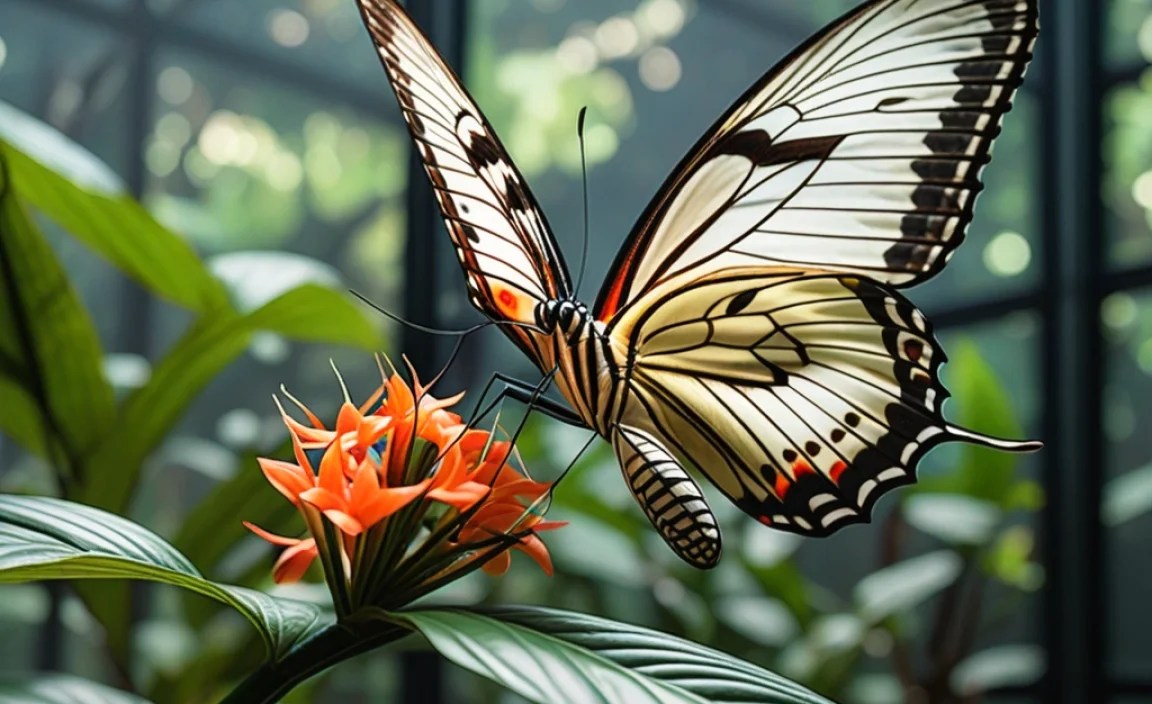
Asia is a big place with many different kinds of land. This means there are many different Asia butterfly habitat types. Butterflies can live in hot, wet rainforests. They can also live on cold, rocky mountains. Some even live in dry grasslands. Each of these places has different plants and animals. Butterflies need certain plants to eat and lay their eggs on. Some butterflies can only live in one kind of place. This makes protecting these habitats very important. When we protect Asia butterfly habitat types, we help many different kinds of butterflies. We also help other animals and plants that live there.
- Rainforests are warm and wet.
- Mountains can be cold and rocky.
- Grasslands are often dry.
- Some butterflies like forests.
- Others like open spaces.
Imagine a tiny butterfly. It needs a safe place to live. It needs food to eat. It needs a place to lay its eggs. Different Asia butterfly habitat types provide these things. Rainforests give butterflies lots of plants to choose from. Mountains give them cool air and sunshine. Grasslands give them space to fly around. Some butterflies have adapted to live in only one type of place. This means they can’t survive anywhere else. Protecting these special places is very important. It helps butterflies and other animals stay alive. When we protect Asia butterfly habitat types, we protect the whole world.
What Makes a Good Butterfly Habitat?
What makes a good home for a butterfly? It needs food. Butterflies eat nectar from flowers. Caterpillars eat leaves. The habitat needs water. Butterflies drink water. Caterpillars need moist leaves. The habitat needs shelter. Butterflies need protection from wind and rain. Caterpillars hide from birds. The habitat needs the right temperature. Butterflies like warm weather. Caterpillars need the right amount of sun. All these things make a good Asia butterfly habitat type for butterflies. If one thing is missing, the butterflies might not survive. That is why it is so important to preserve these habitats.
Why Are Habitats Important?
Habitats are like homes for animals and plants. They give them everything they need to live. Without a habitat, an animal can’t find food or shelter. It can’t raise its young. Habitats are very important for Asia butterfly habitat types. Butterflies need specific plants to survive. If their habitat is destroyed, they can’t find those plants. This can cause them to disappear. When we protect habitats, we protect all the animals and plants that live there. This helps keep the world healthy and balanced. Habitats are essential for a healthy planet. We must do everything to protect them from harm.
How Can We Protect Habitats?
Protecting habitats is very important. We can do many things to help. We can plant trees and flowers. This gives butterflies more food and shelter. We can reduce pollution. Pollution can harm plants and animals. We can support organizations that protect habitats. These groups work to save land and protect wildlife. We can also educate others about the importance of habitats. The more people who know, the more we can do. Protecting Asia butterfly habitat types is a big job. But if we all work together, we can make a difference. Even small actions can add up to big changes. Let’s all do our part to protect these special places.
Fun Fact or Stat: The rainforests of Southeast Asia are home to over 1,000 species of butterflies!
Rainforest Habitats for Butterflies

Rainforests are warm, wet places with lots of trees and plants. Many Asia butterfly habitat types are in rainforests. These forests are full of life. Butterflies in rainforests are often very colorful. They have bright wings to attract mates. They also use their colors to hide from predators. Rainforests give butterflies lots of food. There are many different flowers with nectar. Caterpillars eat leaves from many different plants. The warm, wet weather helps plants grow quickly. This means there is always food for butterflies. Protecting rainforests is important for protecting butterflies. When rainforests are cut down, butterflies lose their homes.
- Rainforests are warm and wet.
- Many plants grow there.
- Butterflies are often colorful.
- They eat nectar and leaves.
- Rainforests need protection.
Imagine walking through a rainforest. The air is thick and humid. You hear the sounds of birds and insects. You see bright flowers and tall trees. Butterflies flit around you, their wings flashing in the sunlight. This is the home of many Asia butterfly habitat types. Rainforests are full of life and beauty. But they are also in danger. People are cutting down rainforests for wood and farmland. This destroys the homes of butterflies and other animals. We need to protect these amazing places. We can support organizations that are working to save rainforests. We can also reduce our use of products that come from rainforests. By working together, we can help protect these vital habitats. Saving Asia butterfly habitat types also helps save our planet.
What Kinds of Butterflies Live in Rainforests?
Many different kinds of butterflies live in rainforests. Some are big and colorful. Others are small and plain. Some common rainforest butterflies include the Birdwing, the Morpho, and the Swallowtail. Birdwings are very large with striking patterns. Morphos have shiny blue wings. Swallowtails have long tails on their wings. Each type of butterfly has its own special way of living in the rainforest. Some eat only certain kinds of plants. Others are active only at certain times of day. The diversity of butterflies in rainforests is amazing. Learning about these Asia butterfly habitat types is both fascinating and important. We need to protect these habitats so these butterflies can continue to thrive.
Why Are Rainforests Important for Butterflies?
Rainforests are very important for butterflies. They provide food, shelter, and a place to raise young. The warm, wet climate is perfect for butterflies. The many different plants provide lots of food for caterpillars and butterflies. The dense canopy of trees provides shelter from predators and bad weather. Rainforests are also important for the overall health of the planet. They help regulate the climate and clean the air. Protecting Asia butterfly habitat types in rainforests is vital for the survival of many butterfly species. When we protect rainforests, we protect butterflies and many other animals and plants that live there.
How Can We Help Protect Rainforest Butterflies?
We can do many things to help protect rainforest butterflies. We can support organizations that are working to save rainforests. These groups work to protect land, plant trees, and educate people about the importance of rainforests. We can also reduce our use of products that come from rainforests, such as palm oil and certain types of wood. By making smart choices as consumers, we can help reduce the demand for these products. This will help protect rainforests and the butterflies that live there. Protecting Asia butterfly habitat types also involves making informed decisions in our daily lives. Even small actions can make a big difference.
Fun Fact or Stat: Some rainforest butterflies have wings that look like dead leaves to help them hide from predators!
Mountain Habitats and Butterfly Diversity

Mountains are high places with cold air and rocky ground. Some Asia butterfly habitat types are found in mountains. Butterflies that live in mountains are often very tough. They can survive in cold weather and strong winds. Mountain butterflies often have dark colors. This helps them absorb heat from the sun. They also have strong wings to fly in the wind. Mountains provide butterflies with food and shelter. There are many different flowers and plants that grow on mountains. Caterpillars eat these plants. Rocks and crevices provide shelter from the weather. Protecting mountain habitats is important for protecting butterflies. When mountains are damaged, butterflies lose their homes.
- Mountains are high and cold.
- Butterflies are often tough.
- They have dark colors.
- They eat mountain plants.
- Mountains need protection.
Imagine climbing a mountain. The air gets colder as you go higher. You see rocks and snow. You also see small, colorful butterflies flitting around. These are mountain butterflies. They are specially adapted to live in this harsh environment. They can survive in cold temperatures and strong winds. They can find food and shelter in the rocky landscape. These Asia butterfly habitat types are unique and fragile. They are home to many different kinds of butterflies. But they are also threatened by climate change and human activities. We need to protect these amazing places. We can reduce our carbon footprint to help slow down climate change. We can also support organizations that are working to protect mountain habitats. By working together, we can help protect these vital Asia butterfly habitat types.
How Do Butterflies Survive in the Mountains?
Butterflies have special adaptations to survive in the mountains. They often have dark colors to absorb heat from the sun. This helps them stay warm in the cold mountain air. They also have strong wings to fly in the wind. Some mountain butterflies can even fly at very high altitudes. They have special bodies that can handle the thin air. Mountain butterflies also have ways to find food in the harsh environment. They eat nectar from mountain flowers. Caterpillars eat the leaves of mountain plants. These Asia butterfly habitat types are crucial for their survival. Protecting these habitats is essential for preserving these amazing creatures.
What Threats Do Mountain Butterflies Face?
Mountain butterflies face many threats. Climate change is one of the biggest. As the climate warms, the snow and ice on mountains melt. This changes the habitat for butterflies. It can also cause mountain plants to disappear. Human activities also threaten mountain butterflies. Mining, logging, and tourism can damage mountain habitats. Pollution can also harm butterflies and their food sources. Protecting Asia butterfly habitat types from these threats is very important. We need to reduce our carbon footprint to slow down climate change. We also need to protect mountain habitats from human activities. By working together, we can help ensure that mountain butterflies survive.
Why Are Mountain Habitats Important?
Mountain habitats are important for many reasons. They provide a home for unique species of butterflies. They also help regulate the water cycle. Mountains collect snow and rain, which then flows down to lower areas. This water is important for people, animals, and plants. Mountain habitats also help prevent soil erosion. The plants on mountains hold the soil in place. This prevents it from being washed away by rain. Protecting Asia butterfly habitat types in mountains is important for the health of the entire planet. We need to protect these vital ecosystems. This will help ensure that we have clean water, healthy soil, and a stable climate.
Fun Fact or Stat: Some mountain butterflies can fly at altitudes of over 15,000 feet!
Grassland Butterfly Habitats in Asia
Grasslands are open areas with lots of grass and few trees. Some Asia butterfly habitat types are in grasslands. Butterflies that live in grasslands are often very fast fliers. They need to be able to escape from predators. Grassland butterflies often have colors that help them blend in with the grass. This makes it harder for predators to see them. Grasslands give butterflies food and shelter. There are many different grasses and flowers that grow in grasslands. Caterpillars eat these plants. Tall grasses provide shelter from the weather. Protecting grassland habitats is important for protecting butterflies. When grasslands are destroyed, butterflies lose their homes.
- Grasslands are open and grassy.
- Butterflies are often fast.
- They have camouflaged colors.
- They eat grass and flowers.
- Grasslands need protection.
Imagine walking through a grassland. The sun is shining and the wind is blowing. You see tall grasses waving in the breeze. You also see butterflies flitting around. These are grassland butterflies. They are specially adapted to live in this open environment. They can fly quickly to escape predators. They can blend in with the grass to hide from danger. These Asia butterfly habitat types are important for many different kinds of butterflies. But they are also threatened by human activities. Farmers often convert grasslands into farmland. This destroys the homes of butterflies and other animals. We need to protect these amazing places. We can support organizations that are working to save grasslands. We can also reduce our use of products that come from farmland. By working together, we can help protect these vital habitats.
What Kinds of Butterflies Live in Grasslands?
Many different kinds of butterflies live in grasslands. Some common grassland butterflies include the Monarch, the Skipper, and the Fritillary. Monarchs are famous for their long migrations. Skippers are small and fast-flying. Fritillaries are orange and brown with intricate patterns. Each type of butterfly has its own special way of living in the grassland. Some eat only certain kinds of plants. Others are active only at certain times of day. The diversity of butterflies in grasslands is amazing. Understanding Asia butterfly habitat types is crucial for conservation. We need to protect these habitats so these butterflies can continue to thrive.
Why Are Grasslands Important for Butterflies?
Grasslands are very important for butterflies. They provide food, shelter, and a place to raise young. The many different grasses and flowers provide lots of food for caterpillars and butterflies. The tall grasses provide shelter from predators and bad weather. Grasslands are also important for the overall health of the planet. They help prevent soil erosion and store carbon. Protecting Asia butterfly habitat types in grasslands is vital for the survival of many butterfly species. When we protect grasslands, we protect butterflies and many other animals and plants that live there.
How Can We Help Protect Grassland Butterflies?
We can do many things to help protect grassland butterflies. We can support organizations that are working to save grasslands. These groups work to protect land, restore habitats, and educate people about the importance of grasslands. We can also reduce our use of products that come from farmland. This will help reduce the pressure to convert grasslands into farmland. Protecting Asia butterfly habitat types also involves making informed decisions in our daily lives. Even small actions can make a big difference. Let’s all do our part to protect these special places and the butterflies that call them home.
Fun Fact or Stat: Some grassland butterflies migrate thousands of miles each year!
Urban and Suburban Butterfly Habitats
Cities and towns might not seem like good places for butterflies. But some Asia butterfly habitat types can be found in urban and suburban areas. Butterflies that live in these places are often very adaptable. They can survive in polluted air and disturbed habitats. Urban and suburban butterflies often eat plants that are found in gardens and parks. They can also find shelter in buildings and trees. Cities and towns can provide butterflies with food and shelter. But they also pose many challenges. Pollution, traffic, and habitat destruction can harm butterflies. Protecting butterfly habitats in urban and suburban areas is important for helping butterflies survive.
- Cities can be butterfly homes.
- Butterflies adapt to pollution.
- They eat garden plants.
- Buildings offer shelter.
- Cities need butterfly gardens.
Imagine walking through a city park. You see buildings and cars. You also see butterflies flitting around. These are urban butterflies. They have learned to live in this busy environment. They can find food and shelter in the parks and gardens. They can even survive in polluted air. These Asia butterfly habitat types are important for many different kinds of butterflies. But they are also threatened by human activities. Building construction, traffic, and pesticide use can harm butterflies. We need to protect these amazing places. We can create butterfly gardens in our yards and parks. We can also reduce our use of pesticides and other harmful chemicals. By working together, we can help protect these vital habitats. Preserving Asia butterfly habitat types is vital for biodiversity.
What Kinds of Butterflies Live in Cities?
Many different kinds of butterflies can live in cities. Some common urban butterflies include the Cabbage White, the Painted Lady, and the Buckeye. Cabbage Whites are very common and can be found in gardens and parks. Painted Ladies are known for their long migrations. Buckeyes have distinctive eyespots on their wings. Each type of butterfly has its own special way of living in the city. Some eat only certain kinds of plants. Others are active only at certain times of day. The diversity of butterflies in cities is surprising. Studying Asia butterfly habitat types reveals resilience. We need to protect these habitats so these butterflies can continue to thrive.
Why Are Urban Habitats Important for Butterflies?
Urban habitats can be important for butterflies. They can provide food, shelter, and a place to raise young. The gardens and parks in cities can offer a variety of plants for caterpillars and butterflies to eat. Buildings and trees can provide shelter from predators and bad weather. Urban habitats can also serve as stepping stones for butterflies migrating between different areas. Protecting Asia butterfly habitat types in urban areas is important for the survival of many butterfly species. When we create butterfly gardens and reduce pollution, we help butterflies and many other animals and plants that live in cities.
How Can We Help Butterflies in Cities?
We can do many things to help butterflies in cities. We can create butterfly gardens in our yards and parks. This will provide food and shelter for butterflies. We can also reduce our use of pesticides and other harmful chemicals. These chemicals can harm butterflies and other beneficial insects. We can also educate others about the importance of butterflies and their habitats. The more people who know, the more we can do to protect these amazing creatures. Supporting Asia butterfly habitat types in cities makes a big difference. Even small actions can make a big difference. Let’s all do our part to protect butterflies in our cities and towns.
Fun Fact or Stat: Some butterflies can taste with their feet, which helps them find the right plants to lay their eggs on!
Threats to Butterfly Habitats in Asia
Butterflies face many threats in Asia. One of the biggest threats is habitat loss. This happens when forests and grasslands are cleared for farming, logging, or development. When butterflies lose their habitats, they lose their food and shelter. Another threat is pollution. Pesticides and other chemicals can harm butterflies and their food sources. Climate change is also a threat. Changes in temperature and rainfall can affect butterfly habitats. These changes can make it harder for butterflies to survive. Protecting Asia butterfly habitat types from these threats is very important. We need to reduce habitat loss, pollution, and climate change. This will help butterflies and other animals survive.
- Habitat loss is a big threat.
- Pollution harms butterflies.
- Climate change hurts them.
- Pesticides are very dangerous.
- We must protect habitats.
Imagine a butterfly trying to find a home. Its habitat has been destroyed. There are no more flowers to eat. There are no more trees to hide in. The butterfly is lost and alone. This is the reality for many butterflies in Asia. Their habitats are being destroyed by human activities. We need to stop this from happening. We can reduce our consumption of resources. We can support sustainable farming practices. We can also advocate for policies that protect butterfly habitats. Protecting Asia butterfly habitat types is essential for the survival of these amazing creatures. Every action we take can make a difference. Let’s work together to create a better future for butterflies.
How Does Deforestation Affect Butterflies?
Deforestation is the clearing of forests for other uses. This has a huge impact on butterflies. Forests provide butterflies with food, shelter, and a place to raise their young. When forests are cut down, butterflies lose their homes. They also lose their food sources. Many butterflies depend on specific trees or plants for survival. If these plants disappear, the butterflies will also disappear. Deforestation is a major threat to Asia butterfly habitat types. We need to protect forests to protect butterflies. Supporting sustainable forestry practices can help. Planting trees can also help restore damaged habitats. Every tree we save or plant makes a difference.
What Role Does Pollution Play?
Pollution can harm butterflies in many ways. Pesticides can kill butterflies directly. They can also kill the plants that butterflies depend on for food. Air pollution can also harm butterflies. It can damage their wings and make it harder for them to breathe. Water pollution can contaminate the plants that caterpillars eat. This can make them sick or even kill them. Pollution is a serious threat to Asia butterfly habitat types. We need to reduce pollution to protect butterflies. Using fewer chemicals in our gardens can help. Supporting clean energy can also make a difference. Every step we take towards a cleaner environment helps butterflies thrive.
Why Is Climate Change a Threat?
Climate change is a major threat to butterflies. Changes in temperature and rainfall can affect butterfly habitats. Some butterflies can only survive in a narrow range of temperatures. If the climate gets too hot or too cold, they will die. Changes in rainfall can also affect butterfly habitats. Droughts can kill the plants that butterflies depend on for food. Floods can destroy butterfly habitats. Climate change is a complex problem. Protecting Asia butterfly habitat types requires global action. Reducing our carbon footprint can help slow down climate change. Supporting policies that promote clean energy can also make a difference. Together, we can create a more stable climate for butterflies and other animals.
Fun Fact or Stat: Some butterfly species have declined by over 90% in recent years due to habitat loss and climate change!
Conserving Butterfly Habitats in Asia
Conserving butterfly habitats is very important. Butterflies are important pollinators. They help flowers make seeds. They are also food for birds and other animals. When we protect butterfly habitats, we help many other plants and animals. There are many ways to conserve Asia butterfly habitat types. We can protect existing habitats from destruction. We can restore damaged habitats. We can also create new habitats. Butterfly gardens are a great way to help butterflies. We can also educate others about the importance of butterfly habitats. The more people who know, the more we can do. Protecting Asia butterfly habitat types is a big job, but it is worth it.
- Protect habitats from damage.
- Restore damaged areas.
- Create new butterfly gardens.
- Teach others about habitats.
- Help butterflies survive.
Imagine a world without butterflies. There would be fewer flowers. There would be fewer birds. The world would be a less beautiful place. This is why it is so important to conserve butterfly habitats. We need to protect these amazing creatures. We can support organizations that are working to conserve butterfly habitats. We can also make changes in our own lives to help butterflies. Planting native flowers in our gardens can provide food for butterflies. Reducing our use of pesticides can protect butterflies from harm. Protecting Asia butterfly habitat types is a responsibility we all share. Let’s work together to create a world where butterflies can thrive.
What Can Individuals Do to Help?
Individuals can do many things to help conserve butterfly habitats. Planting a butterfly garden is a great way to provide food and shelter for butterflies. Using native plants is important because butterflies are adapted to these plants. Avoiding pesticides is also important. Pesticides can harm butterflies and other beneficial insects. Supporting local organizations that are working to conserve butterfly habitats can also make a big difference. Educating others about the importance of butterflies and their habitats is also a valuable contribution. By taking these simple steps, we can all help protect Asia butterfly habitat types and ensure that butterflies continue to thrive.
What Role Do Governments Play?
Governments play a crucial role in conserving butterfly habitats. They can create laws and policies that protect habitats from destruction. They can also provide funding for conservation projects. Governments can also work with local communities to develop sustainable land management practices. International cooperation is also important for conserving butterfly habitats. Many butterflies migrate across borders. Protecting Asia butterfly habitat types requires a coordinated effort from governments around the world. By working together, governments can help ensure that butterflies have a safe and healthy future.
How Do Conservation Organizations Help?
Conservation organizations play a vital role in protecting butterfly habitats. They work to protect land, restore habitats, and educate people about the importance of butterflies. They also conduct research to learn more about butterfly populations and their needs. Conservation organizations often work with local communities to develop sustainable land management practices. They also advocate for policies that protect butterfly habitats. Supporting these organizations is a great way to help conserve Asia butterfly habitat types. Their efforts are essential for ensuring that butterflies continue to thrive for generations to come.
| Habitat Type | Key Features | Butterfly Examples | Conservation Needs |
|---|---|---|---|
| Rainforest | Warm, wet, high biodiversity | Birdwing, Morpho | Protect from deforestation |
| Mountain | Cold, rocky, high altitude | Apollo, Swallowtail | Reduce climate change impacts |
| Grassland | Open, grassy, few trees | Monarch, Skipper | Prevent habitat conversion |
| Urban | Parks, gardens, built environment | Cabbage White, Painted Lady | Create butterfly gardens |
Fun Fact or Stat: Butterfly gardens can attract over 50 different species of butterflies!
Summary
Asia butterfly habitat types are diverse and essential for butterfly survival. These habitats include rainforests, mountains, grasslands, and even urban areas. Each habitat provides specific resources that butterflies need to thrive. Rainforests offer abundant food and shelter. Mountains provide unique challenges and adaptations. Grasslands offer open spaces and specific host plants. Urban areas can provide surprising opportunities for butterflies to adapt. Protecting these habitats is crucial for the conservation of butterflies and other wildlife.
Threats like deforestation, pollution, and climate change endanger these habitats. Conservation efforts are needed to protect existing habitats, restore damaged areas, and create new habitats. Individuals, governments, and conservation organizations all have a role to play. By working together, we can ensure that butterflies continue to thrive in Asia’s diverse landscapes. Conserving Asia butterfly habitat types is also crucial for maintaining biodiversity in the region.
Conclusion
Butterflies are beautiful and important creatures. They need our help to survive. Protecting their habitats is essential. Asia butterfly habitat types are diverse and face many threats. We must all work together to conserve these habitats. By planting butterfly gardens, reducing pollution, and supporting conservation organizations, we can make a difference. Let’s protect butterflies for future generations. Let’s keep the world beautiful.
Frequently Asked Questions
Question No 1: What are the main types of Asia butterfly habitat types?
Answer: The main types of Asia butterfly habitat types include rainforests, which are warm and wet with lots of trees; mountain regions, which are cold and rocky at high altitudes; grasslands, which are open areas with plenty of grasses and flowers; and urban or suburban areas, where butterflies can adapt to parks and gardens. Each of these habitats supports different species of butterflies depending on the available food sources, climate conditions, and shelter.
Question No 2: Why are rainforests so important for butterflies in Asia?
Answer: Rainforests are incredibly important for butterflies because they provide a warm, humid environment with an abundance of flowering plants that serve as nectar sources for adult butterflies. The diverse plant life also offers a wide variety of host plants for caterpillars, which are essential for their growth and development. Rainforests offer diverse Asia butterfly habitat types. Additionally, the dense canopy provides shelter from predators and extreme weather conditions, making rainforests ideal habitats for many butterfly species.
Question No 3: How does climate change affect butterfly habitats in Asia?
Answer: Climate change poses a significant threat to butterfly habitats by altering temperature and rainfall patterns. Changes in temperature can disrupt the timing of butterfly life cycles, such as emergence from pupae, and can also affect the distribution of host plants. Altered rainfall patterns can lead to droughts or floods, which can destroy butterfly habitats and reduce the availability of food sources. These changes can result in population declines and even extinctions of butterfly species. Protecting Asia butterfly habitat types is key to mitigating these effects.
Question No 4: What can we do to help protect butterfly habitats in urban areas?
Answer: There are many things we can do to help protect butterfly habitats in urban areas. Planting butterfly gardens with native flowering plants provides food and shelter for butterflies. Reducing the use of pesticides and herbicides in gardens and parks helps protect butterflies from harmful chemicals. Creating green spaces, such as rooftop gardens and community gardens, can provide additional habitat for butterflies. Educating others about the importance of butterflies and their habitats can also make a big difference.
Question No 5: How does deforestation impact the different Asia butterfly habitat types?
Answer: Deforestation, or the clearing of forests, destroys Asia butterfly habitat types. It removes the trees and plants that butterflies depend on for food and shelter. It also disrupts the microclimate, making it harder for butterflies to survive. Deforestation reduces the diversity of plant life, limiting the availability of host plants for caterpillars. This can lead to population declines and even extinctions of butterfly species. Deforestation is a major threat to butterflies and other wildlife in Asia.
Question No 6: What role do grasslands play in supporting butterfly populations in Asia?
Answer: Grasslands provide a unique habitat for butterfly populations in Asia. They are open areas with a variety of grasses and flowering plants that serve as food sources for caterpillars and adult butterflies. Grasslands also provide shelter from predators and extreme weather conditions. Some butterfly species are specially adapted to grasslands and depend on specific grasses or flowers for survival. Protecting Asia butterfly habitat types in grasslands is important for maintaining the biodiversity of butterfly populations.


