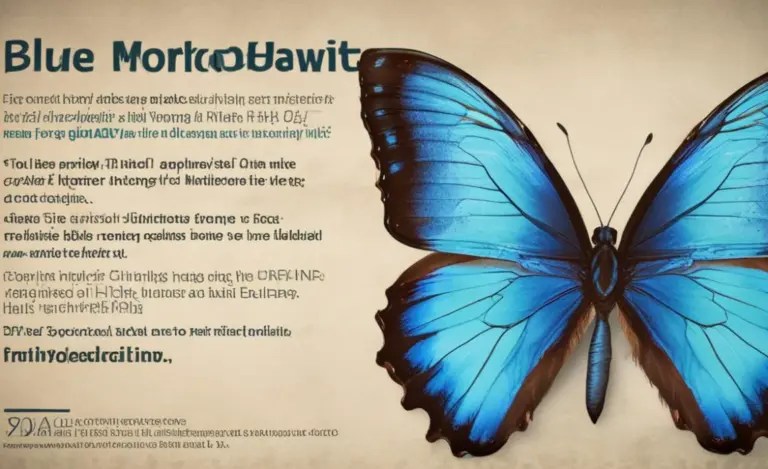
Blue Morpho Cornerstone Article Topics: The Ultimate List

Have you ever seen a butterfly that looks like it’s made of the sky? That might have been a Blue Morpho! These amazing butterflies are known for their bright blue wings. They live in the rainforests of Central and South America. People love to watch them flutter by. Let’s learn more about these beautiful creatures. We will explore where they live and what they eat. We can also find out how they protect themselves. What makes the Blue Morpho so special?
Key Takeaways
- Blue Morpho butterflies have shiny, bright blue wings.
- They live in rainforests of Central and South America.
- These butterflies eat sap, fruit, and even dead animals.
- Their bright colors warn predators that they are not tasty.
- Blue Morphos use camouflage to hide when their wings are closed.
Discovering the Blue Morpho Butterfly
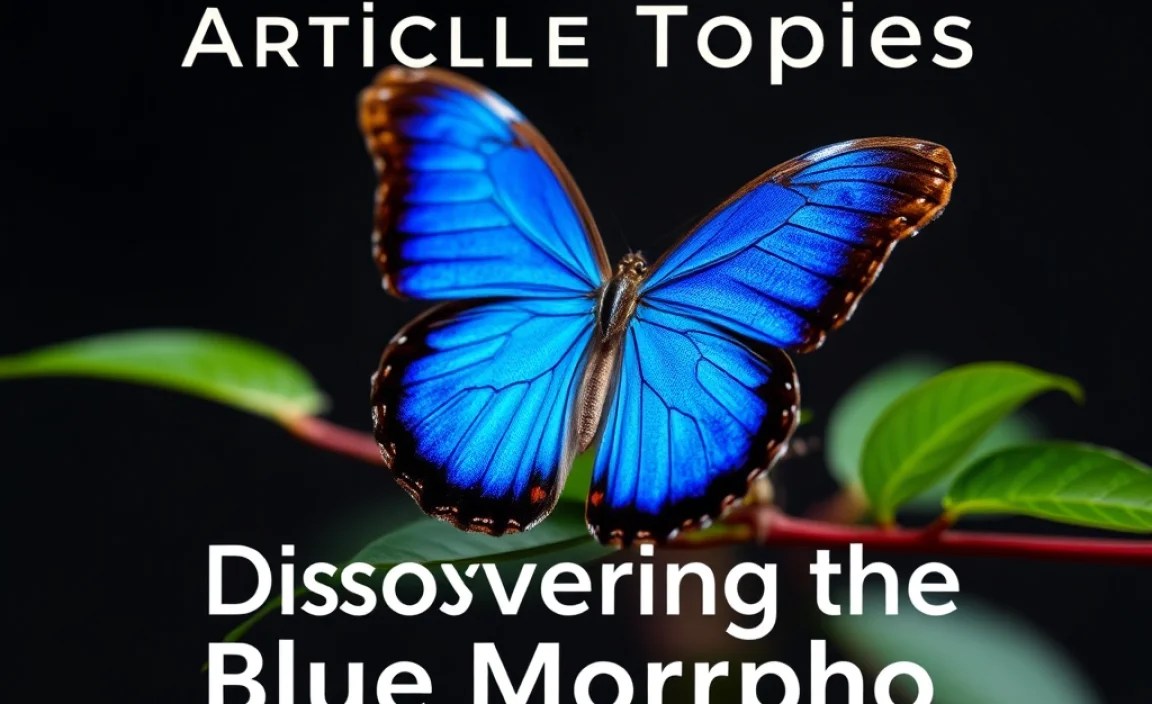
Imagine walking in a rainforest. Sunlight flickers through the trees. Suddenly, a flash of bright blue catches your eye. It’s a Blue Morpho butterfly! These butterflies are famous for their stunning wings. The top side of their wings is a vibrant, iridescent blue. This blue is not from a pigment. It comes from the way light reflects off tiny scales. The underside of their wings is brown with eye spots. These spots help them hide from predators. Blue Morphos are truly a sight to behold. They are one of nature’s most beautiful creations. Seeing one is an unforgettable experience. These butterflies bring joy to everyone who sees them.
- Blue Morpho wings shimmer with bright blue colors.
- They are found in Central and South American rainforests.
- The underside of their wings has eye-like spots.
- These spots help protect them from predators.
- Blue Morphos are large butterflies.
Blue Morphos are not just pretty faces. They also play an important role in their ecosystem. As they fly from flower to flower, they help pollinate plants. This helps the rainforest stay healthy and vibrant. They also serve as food for other animals. Birds and lizards sometimes eat them. The Blue Morpho is a vital part of the rainforest food web. Without them, the rainforest would not be the same. They are truly an amazing part of nature. We must protect their habitat so they can continue to thrive.
Where Do Blue Morphos Live?
Have you ever wondered where these blue beauties make their home? Blue Morphos live in the warm, humid rainforests. These forests are found in Central and South America. They prefer the understory of the rainforest. This is the area beneath the tall trees. Here, they can find plenty of food and shelter. The rainforest provides everything they need to survive. The lush vegetation and warm climate are perfect for them. Imagine a world filled with green plants and colorful butterflies. This is the world of the Blue Morpho. It is a place of wonder and beauty. They play a vital role in the ecosystem.
What Do Blue Morphos Eat?
What do you think a butterfly eats? Blue Morphos have a very interesting diet. They don’t just sip nectar from flowers. They also eat sap from trees, rotting fruit, and even dead animals! This might sound gross, but it gives them important nutrients. They use their long, straw-like tongue, called a proboscis, to drink. They unroll it to reach the food. Then, they suck up the liquid. It’s like drinking from a built-in straw! This unique diet helps them stay strong and healthy. It also shows how adaptable they are. They can find food in many different places.
How Do Blue Morphos Protect Themselves?
Living in the rainforest can be dangerous. There are many predators that want to eat butterflies. So, how do Blue Morphos stay safe? Their bright blue wings actually help! The flashing blue can startle predators. It makes it hard for them to track the butterfly’s movements. When they close their wings, the brown underside blends in with the leaves. This camouflage helps them hide. Also, they taste bad to some predators! This is because of the chemicals they get from the plants they eat. It’s like a triple defense system! They are very clever at staying alive.
Fun Fact or Stat: The Blue Morpho’s wings can span up to 8 inches wide!
The Life Cycle of a Blue Morpho

Every butterfly starts as a tiny egg. The Blue Morpho is no different. The female lays her eggs on plants that the caterpillars will eat. When the egg hatches, a small caterpillar emerges. This caterpillar is very hungry! It eats leaves and grows quickly. As it grows, it sheds its skin several times. This is called molting. After a few weeks, the caterpillar turns into a pupa. The pupa forms a chrysalis, which is like a protective shell. Inside the chrysalis, the caterpillar transforms into a butterfly. This process takes about two weeks. Finally, the chrysalis opens and a beautiful Blue Morpho emerges. It is ready to fly and start the cycle again.
- Blue Morphos start as tiny eggs on leaves.
- The caterpillar eats a lot and grows fast.
- It sheds its skin as it gets bigger.
- The caterpillar turns into a pupa inside a chrysalis.
- Inside, it transforms into a butterfly.
- The butterfly emerges and flies away.
The life cycle of a Blue Morpho is a reminder of nature’s amazing transformations. It shows how something small and simple can become something beautiful and complex. Each stage of the life cycle is important. The egg needs the right plant to survive. The caterpillar needs plenty of food to grow. The chrysalis needs to be protected from harm. The butterfly needs a healthy environment to thrive. By understanding the life cycle, we can better protect these amazing creatures. We can also appreciate the wonder and beauty of nature.
What Does a Blue Morpho Caterpillar Look Like?
Before it becomes a beautiful butterfly, the Blue Morpho starts as a caterpillar. But what does it look like? The caterpillar is not blue at all! It is usually brown or reddish-brown. It has bristles on its body. These bristles can irritate the skin of predators. The caterpillar also has a pair of false eyespots. These spots make it look bigger and scarier. It eats the leaves of specific plants. This helps it grow big and strong. The caterpillar is an important part of the Blue Morpho’s life cycle.
How Long Does a Blue Morpho Live?
Blue Morphos are beautiful, but their lives are short. As butterflies, they only live for about a month or two. During this time, they focus on finding food and reproducing. They fly around the rainforest, looking for mates. The females lay eggs on plants. Then, the cycle starts all over again. Although their lives are short, they make the most of it. They bring beauty and wonder to the rainforest. They are a reminder to appreciate every moment. Their short lifespan makes them even more special.
What Happens Inside the Chrysalis?
The chrysalis is like a magical sleeping bag. Inside, the caterpillar is changing in a big way. It’s not just growing; it’s transforming. The caterpillar’s body breaks down into a soup-like substance. Then, special cells rebuild it into a butterfly. It sounds like something out of a science fiction movie! The wings, legs, and antennae all form inside. It is a complete metamorphosis. When it is done, the butterfly emerges. It is ready to fly and explore the world. The chrysalis is a place of amazing transformation.
Fun Fact or Stat: The caterpillar molts (sheds its skin) up to five times before forming a chrysalis!
Habitat and Distribution of Blue Morphos

Blue Morphos call the rainforests of Central and South America home. They are most common in countries like Brazil, Costa Rica, and Mexico. These butterflies thrive in warm, humid environments. The rainforest provides them with everything they need. They live in the understory, where they can find food and shelter. The tall trees provide shade and protection. The lush vegetation offers plenty of food for the caterpillars. The Blue Morpho’s habitat is essential to its survival. Protecting these rainforests is crucial. It ensures that these beautiful butterflies continue to thrive.
- Blue Morphos live in Central and South American rainforests.
- They prefer warm, humid environments.
- They live in the understory of the rainforest.
- Rainforests provide food and shelter.
- Brazil, Costa Rica, and Mexico are common habitats.
- Protecting rainforests is vital for their survival.
The distribution of Blue Morphos is closely tied to the health of the rainforest. Deforestation and habitat destruction threaten their populations. As forests are cleared for agriculture and logging, the butterflies lose their homes and food sources. This can lead to a decline in their numbers. Conservation efforts are essential to protect their habitat. These efforts include creating protected areas, promoting sustainable farming practices, and educating people about the importance of rainforests. By working together, we can help ensure that Blue Morphos continue to grace the rainforests for generations to come.
Why Are Rainforests Important for Blue Morphos?
Rainforests are like giant supermarkets and homes for Blue Morphos. They provide everything the butterflies need to survive. The trees offer shade and shelter. The plants offer food for the caterpillars. The humid climate keeps them comfortable. Without the rainforest, Blue Morphos could not exist. It is their natural habitat. It is perfectly suited to their needs. Protecting rainforests is like protecting their home. We must do everything we can to preserve these vital ecosystems. They are essential for the survival of Blue Morphos and many other species.
How Does Climate Change Affect Blue Morphos?
Climate change is a big threat to Blue Morphos. As the climate warms, the rainforests are changing. Rainfall patterns are shifting. Temperatures are rising. This can disrupt the delicate balance of the ecosystem. It can also affect the plants that the caterpillars eat. If the plants die, the caterpillars will starve. Climate change can also lead to more extreme weather events. These events can destroy the butterflies’ habitat. We must take action to reduce climate change. This will help protect Blue Morphos and other rainforest species.
What Can We Do to Protect Blue Morpho Habitats?
Protecting Blue Morpho habitats is everyone’s responsibility. There are many things we can do to help. We can support organizations that protect rainforests. We can reduce our carbon footprint to combat climate change. We can buy products that are sustainably sourced. We can educate others about the importance of rainforests. Even small actions can make a big difference. By working together, we can help ensure that Blue Morphos continue to thrive in their natural habitats. It is our duty to protect these beautiful creatures and their homes.
Fun Fact or Stat: Some Blue Morpho species can be found at elevations of up to 4,600 feet!
Blue Morpho Diet and Feeding Habits

Blue Morphos have a unique diet. They are not picky eaters. They eat a variety of things. They drink sap from trees. They eat rotting fruit. They even feed on dead animals. This might sound gross, but it provides them with essential nutrients. They use their proboscis to suck up liquids. The proboscis is like a long, flexible straw. They unroll it to reach the food. This allows them to access food sources that other butterflies cannot. Their diet is an important part of their survival. It helps them stay strong and healthy.
- Blue Morphos eat sap from trees.
- They also eat rotting fruit.
- They even feed on dead animals.
- They use their proboscis to suck up liquids.
- Their diet provides essential nutrients.
- This helps them stay strong and healthy.
The feeding habits of Blue Morphos play a role in the rainforest ecosystem. By feeding on rotting fruit and dead animals, they help to decompose organic matter. This returns nutrients to the soil. These nutrients are then used by plants to grow. The butterflies also help to pollinate plants as they fly from place to place. This helps the rainforest stay healthy and vibrant. The Blue Morpho is an important part of the rainforest food web. It plays a vital role in maintaining the balance of the ecosystem.
How Do Blue Morphos Find Food?
Finding food in the rainforest can be challenging. But Blue Morphos have developed clever ways to locate their next meal. They use their sense of smell to detect rotting fruit and dead animals. They can smell these things from a long distance. They also use their eyesight to spot sap oozing from trees. Once they find a food source, they use their proboscis to drink it up. They are very efficient at finding and consuming food. This helps them survive in the rainforest. Their senses are very important for survival.
Why Do Blue Morphos Eat Rotting Fruit?
You might think that rotting fruit is gross. But for Blue Morphos, it’s a delicious and nutritious meal. Rotting fruit is full of sugars and other nutrients. These nutrients provide the butterflies with energy. They need this energy to fly, reproduce, and survive. Rotting fruit is also easy to access. It doesn’t require any effort to eat. The butterflies can simply land on the fruit and drink up the juices. This makes it a convenient food source. They are very resourceful when it comes to finding food.
Do Blue Morphos Drink Water?
Like all living things, Blue Morphos need water to survive. They get water from various sources. They drink dew from leaves. They also drink rainwater that collects in puddles. They may also get water from the food they eat. Water is essential for their bodily functions. It helps them stay hydrated and healthy. They need water just like we do. Water is a vital part of their survival.
Fun Fact or Stat: The Blue Morpho’s proboscis can be longer than its body!
Predators and Defense Mechanisms of Blue Morphos

Living in the rainforest can be dangerous. There are many predators that want to eat Blue Morphos. Birds, lizards, and frogs are some of their main enemies. These predators are always on the lookout for a tasty meal. But Blue Morphos are not defenseless. They have developed several ways to protect themselves. Their bright blue wings serve as a warning to predators. Their camouflage helps them hide. They also taste bad to some predators. These defense mechanisms help them survive in a dangerous world.
- Blue Morphos face many predators in the rainforest.
- Birds, lizards, and frogs are some of their main enemies.
- Their bright blue wings warn predators.
- Camouflage helps them hide.
- They taste bad to some predators.
- These defenses help them survive.
The defense mechanisms of Blue Morphos are a fascinating example of adaptation. Their bright blue wings are a form of aposematism. This means that they signal to predators that they are not good to eat. The brown underside of their wings provides camouflage. This helps them blend in with the leaves when they are resting. The bad taste is due to chemicals they get from the plants they eat as caterpillars. These chemicals make them unpalatable to some predators. By combining these different strategies, Blue Morphos are able to survive in a challenging environment.
How Do Blue Morpho Wings Help Them Evade Predators?
The wings of Blue Morphos are not just beautiful. They also play an important role in their defense. The bright blue color can startle predators. It can also make it difficult for them to track the butterfly’s movements. The flashing blue can create a visual distraction. This gives the butterfly a chance to escape. The underside of the wings provides camouflage. This helps them hide when they are not flying. The wings are a vital part of their survival strategy. They help them avoid becoming a meal for a predator.
What Makes Blue Morphos Taste Bad to Predators?
Some Blue Morphos taste bad to predators because of the plants they eat as caterpillars. These plants contain chemicals that are toxic or unpalatable. The caterpillars store these chemicals in their bodies. When they transform into butterflies, they still retain these chemicals. This makes them taste bad to some predators. The predators learn to avoid eating them. This is a form of chemical defense. It helps protect the butterflies from being eaten. It is a clever way to stay alive in the rainforest.
Do Blue Morphos Use Mimicry?
Mimicry is when one animal looks like another animal. Some Blue Morphos use mimicry to protect themselves. They mimic other butterflies that are poisonous or distasteful. By looking like these other butterflies, they can fool predators. The predators avoid eating them because they think they are poisonous. This is a very effective defense strategy. It helps them survive in a dangerous environment. Mimicry is a common adaptation in the animal kingdom.
Fun Fact or Stat: Blue Morphos often fly in erratic patterns to further confuse predators!
Conservation Status and Threats to Blue Morphos
Blue Morphos are not currently endangered. However, they face several threats that could impact their populations. Habitat destruction is the biggest threat. As rainforests are cleared for agriculture, logging, and development, the butterflies lose their homes and food sources. Climate change is also a concern. Changes in temperature and rainfall patterns can disrupt their life cycle. Pollution can also harm them. Pesticides and other chemicals can contaminate their food and water. Conservation efforts are needed to protect these beautiful butterflies.
- Blue Morphos are not currently endangered.
- Habitat destruction is the biggest threat.
- Climate change is also a concern.
- Pollution can harm them.
- Conservation efforts are needed.
- Protecting rainforests is crucial.
Protecting Blue Morphos requires a multi-faceted approach. We need to protect their rainforest habitat by creating protected areas and promoting sustainable land use practices. We need to reduce our carbon footprint to combat climate change. We need to reduce pollution by using fewer pesticides and other chemicals. We also need to educate people about the importance of these butterflies and their habitat. By working together, we can help ensure that Blue Morphos continue to thrive for generations to come. It is our responsibility to protect these amazing creatures and their homes.
What is Deforestation and How Does It Affect Blue Morphos?
Deforestation is the clearing of forests for other uses. This includes agriculture, logging, and development. Deforestation is a major threat to Blue Morphos. When forests are cleared, the butterflies lose their homes and food sources. They also lose the shade and shelter they need to survive. Deforestation can lead to a decline in their populations. It can also disrupt the entire rainforest ecosystem. We need to stop deforestation to protect Blue Morphos and other rainforest species. It is a critical issue that needs our attention.
How Does Pollution Affect Blue Morphos?
Pollution can harm Blue Morphos in many ways. Pesticides and other chemicals can contaminate their food and water. This can poison them or make them sick. Pollution can also damage their habitat. It can kill the plants they need to survive. Air pollution can also affect their ability to breathe. Pollution is a serious threat to these delicate creatures. We need to reduce pollution to protect Blue Morphos and other wildlife. Clean air and water are essential for their survival.
What Conservation Efforts Are in Place to Help Blue Morphos?
There are many conservation efforts in place to help Blue Morphos. Organizations are working to protect their rainforest habitat. They are creating protected areas and promoting sustainable land use practices. They are also educating people about the importance of these butterflies and their habitat. Some organizations are also breeding Blue Morphos in captivity. They then release them back into the wild. These efforts are helping to protect these beautiful butterflies. We need to support these efforts to ensure their survival. Every little bit helps to make a difference.
Fun Fact or Stat: Many organizations offer “adopt-a-butterfly” programs to raise funds for conservation!
Comparing Different Blue Morpho Species
There are many different species of Blue Morpho butterflies. They all share the same vibrant blue wings. However, they also have some differences. Some species are larger than others. Some have different patterns on the underside of their wings. Some live in different regions of the rainforest. Here is a table comparing a few of the most common species. This table highlights their similarities and differences. It is fascinating to see the diversity within this group of butterflies.
| Species | Size (Wingspan) | Habitat | Unique Features |
|---|---|---|---|
| Morpho menelaus | 5-6 inches | Amazon Rainforest | Bright, iridescent blue wings |
| Morpho peleides | 4-5 inches | Central America | Wider blue border on wings |
| Morpho achilles | 3-4 inches | South America | Darker blue wings with white spots |
| Morpho didius | 6-8 inches | Peru, Bolivia | Largest Blue Morpho species |
- There are many different Blue Morpho species.
- They all have blue wings, but differ in size.
- Wing patterns vary among species.
- Habitat also varies depending on the species.
- Some species are larger than others.
- Each species is unique and beautiful.
Studying the different Blue Morpho species helps us understand the diversity of life in the rainforest. It also helps us understand how these butterflies have adapted to different environments. By comparing their traits, we can learn about the factors that influence their survival. This knowledge can help us protect them from threats such as habitat destruction and climate change. Understanding their differences is key to their conservation. It allows us to tailor our efforts to meet the specific needs of each species.
What Is the Largest Blue Morpho Species?
The largest Blue Morpho species is the Morpho didius. Its wingspan can reach up to 8 inches. This makes it one of the biggest butterflies in the world. It is found in Peru and Bolivia. Its large size makes it a truly impressive sight. Seeing one of these giants in the rainforest is an unforgettable experience. They are a true wonder of nature. Their size is a testament to the richness and diversity of the rainforest.
What Is the Most Common Blue Morpho Species?
The most common Blue Morpho species is the Morpho peleides. It is found throughout Central America. It is also relatively common in South America. Its wide distribution makes it the most frequently seen Blue Morpho. Its bright blue wings make it easy to identify. It is a popular subject for photographers and nature enthusiasts. Its abundance makes it a good indicator of the health of the rainforest.
How Do Scientists Classify Blue Morpho Species?
Scientists classify Blue Morpho species based on their physical characteristics. This includes their size, wing patterns, and coloration. They also use genetic analysis to determine their relationships. This helps them understand how the different species are related to each other. It also helps them identify new species. Classification is important for understanding the diversity of life. It also helps us protect these butterflies from extinction. Science plays a vital role in their conservation.
Fun Fact or Stat: New Blue Morpho species are still being discovered!
Summary
Blue Morpho butterflies are beautiful creatures that live in the rainforests of Central and South America. They are known for their bright blue wings, which shimmer in the sunlight. These butterflies have a unique diet. They eat sap, rotting fruit, and even dead animals. They have several defense mechanisms to protect themselves from predators. These include their bright colors, camouflage, and bad taste. Blue Morphos face threats from habitat destruction and climate change. Conservation efforts are needed to protect them.
There are many different species of Blue Morpho butterflies. They vary in size, wing patterns, and habitat. Studying these differences helps us understand the diversity of life in the rainforest. It also helps us protect these butterflies from extinction. The Blue Morpho is a symbol of the beauty and wonder of the natural world. We must do everything we can to ensure their survival.
Conclusion
The Blue Morpho is more than just a pretty butterfly. It is an important part of the rainforest ecosystem. These butterflies play a role in pollination and decomposition. They also serve as food for other animals. Protecting Blue Morphos means protecting their rainforest habitat. We can all do our part to help. We can support conservation organizations. We can reduce our carbon footprint. We can educate others about the importance of these amazing creatures. By working together, we can ensure that Blue Morphos continue to thrive for generations to come.
Frequently Asked Questions
Question No 1: What is the Blue Morpho butterfly known for?
Answer: The Blue Morpho butterfly is known for its beautiful, iridescent blue wings. The vibrant blue color comes from the way light reflects off tiny scales on their wings. This makes them appear to shimmer in the sunlight. They are a favorite among butterfly enthusiasts. Their stunning appearance makes them a symbol of beauty and wonder. Their blue wings are truly a sight to behold. They are one of nature’s most amazing creations. Seeing a Blue Morpho in flight is an unforgettable experience.
Question No 2: Where do Blue Morpho butterflies live?
Answer: Blue Morpho butterflies live in the rainforests of Central and South America. They prefer warm, humid environments. They can be found in countries like Brazil, Costa Rica, and Mexico. They live in the understory of the rainforest. This is the area beneath the tall trees. The rainforest provides them with everything they need to survive. The lush vegetation and warm climate are perfect for them. They play a vital role in the rainforest ecosystem. Protecting their habitat is crucial for their survival.
Question No 3: What do Blue Morpho butterflies eat?
Answer: Blue Morpho butterflies have a varied diet. They don’t just eat nectar from flowers. They also eat sap from trees, rotting fruit, and even dead animals. They use their long, straw-like tongue (proboscis) to drink up liquids. This diet provides them with essential nutrients. They need these nutrients to stay strong and healthy. Their diet is an important part of their survival. It helps them adapt to different environments. They are not picky eaters. They can find food in many different places.
Question No 4: How do Blue Morpho butterflies protect themselves from predators?
Answer: Blue Morpho butterflies have several ways to protect themselves. Their bright blue wings can startle predators. The flashing blue can make it hard to track their movements. They also have camouflage on the underside of their wings. This helps them hide when they are not flying. Some Blue Morphos taste bad to predators. This is because of the chemicals they get from the plants they eat. These defenses help them survive in a dangerous world.
Question No 5: Are Blue Morpho butterflies endangered?
Answer: Blue Morpho butterflies are not currently endangered. However, they face several threats. Habitat destruction is the biggest threat. As rainforests are cleared, they lose their homes and food sources. Climate change is also a concern. Changes in temperature and rainfall can disrupt their life cycle. Pollution can also harm them. Conservation efforts are needed to protect these butterflies. We need to protect their rainforest habitat. We also need to reduce our carbon footprint. Every action helps to make a difference.
Question No 6: What can I do to help Blue Morpho butterflies?
Answer: There are many things you can do to help Blue Morpho butterflies. You can support organizations that protect rainforests. You can reduce your carbon footprint to combat climate change. You can buy products that are sustainably sourced. You can educate others about the importance of these butterflies. Even small actions can make a big difference. By working together, we can help ensure that Blue Morphos continue to thrive. It is our responsibility to protect these amazing creatures and their homes. Support conservation efforts to protect these beautiful butterflies.