
Painted Lady Butterfly Adaptation Skills: Smart Survival

Have you ever seen a butterfly flutter by? Butterflies are beautiful and amazing creatures. They have special skills to help them survive. These skills are called adaptation skills. Do you know about painted lady butterfly adaptation skills? Let’s learn how these butterflies live and thrive!
Key Takeaways
- Painted lady butterflies migrate long distances to find food and good weather.
- Their ability to eat many plants helps them live in different places.
- Painted lady butterflies can change how they look to blend in.
- These butterflies reproduce quickly when conditions are right for them.
- Studying painted lady butterfly adaptation skills teaches us about nature.
Understanding Painted Lady Adaptation Skills
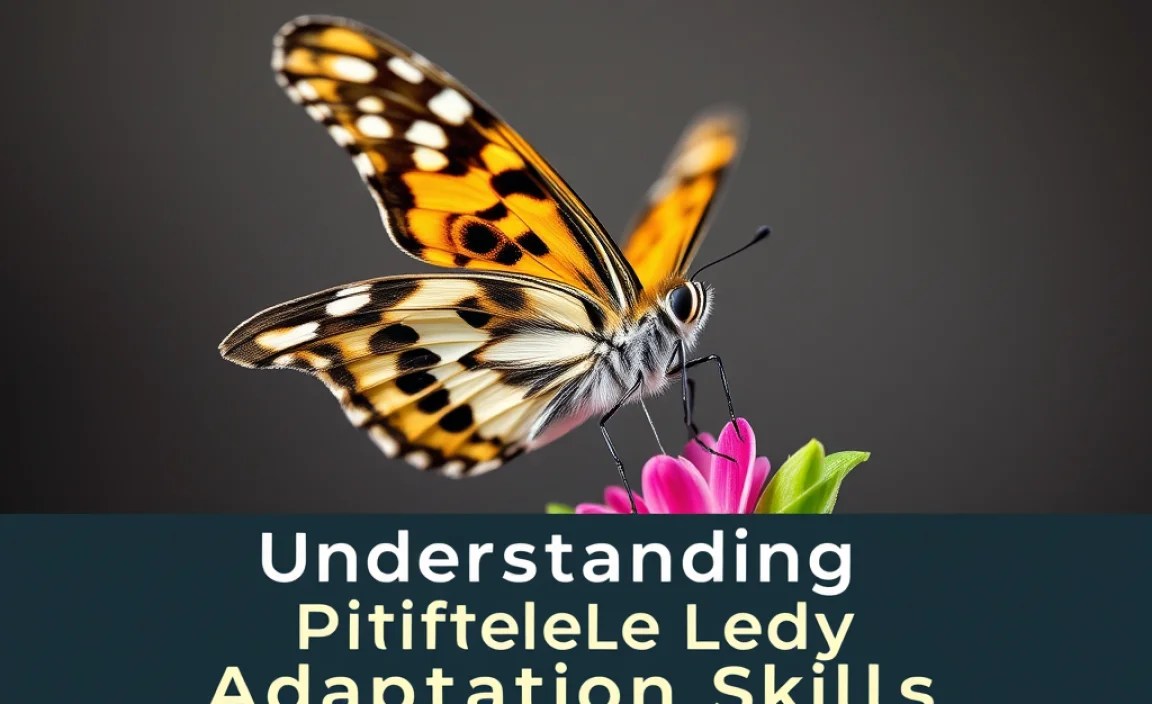
Painted lady butterflies are found all over the world. They live in many different habitats. This is because they have amazing adaptation skills. These skills help them survive in various environments. They can handle changes in temperature and food. Painted lady butterflies are not picky eaters. They eat nectar from many different flowers. This helps them find food in different places. They also have strong wings. These wings help them fly long distances. They can migrate to find better weather. Migration helps them avoid cold winters. It also helps them find new food sources. These butterflies are truly amazing survivors. Their adaptation skills make them successful.
- They can live in many different places.
- They eat nectar from many flowers.
- They fly long distances.
- They avoid cold winters.
- They find new food sources.
Adaptation skills are very important for painted lady butterflies. These skills allow them to thrive in a changing world. They are able to adjust to new conditions. For example, if their favorite food becomes scarce, they can find other plants to eat. Their ability to migrate is also crucial. When the weather gets too cold, they can fly to warmer areas. This helps them avoid freezing temperatures. Painted lady butterflies also have a short life cycle. They can reproduce quickly when the conditions are right. This helps them increase their population. These butterflies are amazing examples of how animals can adapt to survive. Their adaptation skills are truly remarkable. They show us how nature works.
Fun Fact or Stat: Painted lady butterflies can fly up to 100 miles in a single day during migration!
How Do They Find Food?
Have you ever wondered how painted lady butterflies find food? They have special adaptation skills that help them. These butterflies can taste with their feet! When they land on a flower, they can tell if it has nectar. They also have good eyesight. They can see bright colors from far away. This helps them find flowers that are full of nectar. Painted lady butterflies are not picky eaters. They can eat nectar from many different kinds of flowers. This is very helpful because they can find food in many places. They also use their long tongues to reach the nectar. This tongue is like a straw. It helps them suck up the sweet liquid. Finding food is easy for these butterflies. Their adaptation skills make them great foragers.
What Makes Them Good Migrators?
Painted lady butterflies are famous for their long migrations. What makes them such good migrators? One key adaptation skill is their strong wings. These wings allow them to fly for long periods without stopping. They also have a special sense of direction. They can use the sun to guide them. This helps them stay on course. Painted lady butterflies also travel in groups. This helps them stay safe from predators. They can also conserve energy by flying together. Migration is a long and difficult journey. But painted lady butterflies are well-equipped for it. Their adaptation skills make them amazing travelers. They can fly across continents to find better conditions.
Do They Adapt to Different Climates?
Can painted lady butterflies live in different climates? Yes, they can! This is another amazing adaptation skill. They can tolerate a wide range of temperatures. They can also adjust to different levels of humidity. In colder climates, they might migrate to warmer areas. In hotter climates, they might seek shade to stay cool. These butterflies are very adaptable. They can change their behavior to suit their environment. They can also change their body temperature. This helps them survive in extreme conditions. Painted lady butterflies are truly remarkable. Their ability to adapt to different climates is essential for their survival. They can live in many different parts of the world because of this skill.
The Role of Diet in Painted Lady Survival Skills

The diet of a painted lady butterfly plays a big role in its survival. As caterpillars, they eat leaves from many different plants. This is a key adaptation skill. It allows them to live in various habitats. They are not limited to just one type of plant. As adults, they drink nectar from flowers. Nectar provides them with energy. This energy helps them fly and reproduce. Painted lady butterflies are not picky eaters. They can feed on a wide variety of flowers. This is very important because it ensures they can always find food. Their ability to eat different foods is a crucial part of their survival. It helps them thrive in diverse environments. Without this adaptation skill, they would not be as successful.
- Caterpillars eat many types of leaves.
- Adults drink nectar from various flowers.
- They are not picky eaters.
- They can always find food.
- Diet helps them thrive.
Painted lady butterflies have adapted to eat a variety of foods. This adaptation skill is very important for their survival. When caterpillars eat different leaves, they get all the nutrients they need to grow. When adults drink nectar from different flowers, they get the energy they need to fly and reproduce. The ability to eat different foods also helps them survive in different environments. If one type of food becomes scarce, they can switch to another. This flexibility is crucial for their survival. Painted lady butterflies are truly remarkable in their ability to adapt to different diets. This adaptation skill makes them successful in many habitats. They can thrive where other butterflies might struggle.
Fun Fact or Stat: A painted lady butterfly caterpillar can eat twice its weight in leaves every day!
What Kind of Plants Do They Eat?
Have you ever wondered what kind of plants painted lady butterflies eat? As caterpillars, they have a very diverse diet. They can eat leaves from thistles, mallows, and many other plants. This is a key adaptation skill that helps them survive in different environments. As adults, they drink nectar from a wide variety of flowers. They are not picky eaters, so they can find food in many different places. Some of their favorite flowers include sunflowers, asters, and zinnias. They use their long tongues to suck up the nectar. This nectar provides them with the energy they need to fly and reproduce. The diverse diet of painted lady butterflies is essential for their survival. It allows them to thrive in various habitats.
How Does Their Diet Affect Their Color?
Does the diet of a painted lady butterfly affect its color? The answer is yes! The food they eat as caterpillars can influence the colors of their wings. Different plants contain different pigments. These pigments can be incorporated into the butterfly’s wings. This can result in variations in color and pattern. For example, caterpillars that eat a lot of green leaves might have more green pigments in their wings. Caterpillars that eat a lot of colorful flowers might have more vibrant colors in their wings. The diet of painted lady butterflies plays a role in their overall appearance. This is a fascinating example of how adaptation skills can affect an animal’s physical traits.
Why Is a Varied Diet Important?
Why is a varied diet so important for painted lady butterflies? A varied diet ensures that they get all the nutrients they need. Different plants and flowers contain different vitamins and minerals. By eating a variety of foods, they can get a balanced diet. This helps them grow and develop properly. It also helps them stay healthy and strong. A varied diet is especially important for caterpillars. They need a lot of nutrients to transform into butterflies. It is also important for adult butterflies. They need energy to fly and reproduce. The adaptation skill of eating a varied diet is crucial for the survival of painted lady butterflies. It allows them to thrive in many different environments.
Camouflage and Defense: Painted Lady Survival Techniques

Painted lady butterflies have some cool ways to protect themselves. They use adaptation skills like camouflage to hide from predators. Their wings have patterns that look like leaves or bark. This helps them blend in with their surroundings. When they are resting, it’s hard to see them. They also have a defense mechanism. If a predator gets too close, they can fly away quickly. Their wings are strong and help them escape. Some painted lady butterflies also have bright colors. These colors warn predators that they might not taste good. These butterflies use different strategies to stay safe. Their adaptation skills help them survive in a dangerous world.
- They use camouflage to hide.
- Their wings look like leaves.
- They fly away from danger.
- Bright colors warn predators.
- They use different strategies.
Painted lady butterflies are masters of disguise. Their camouflage is a key adaptation skill. It helps them avoid becoming a meal for birds or other predators. The patterns on their wings are incredibly detailed. They mimic the look of leaves, bark, and even bird droppings. This makes it very difficult for predators to spot them. When they are resting on a tree branch, they almost disappear. Their ability to blend in is truly remarkable. In addition to camouflage, painted lady butterflies also have other defense mechanisms. They can fly very quickly. This helps them escape from danger. They can also release a bad-tasting chemical when threatened. This can deter predators from eating them. These adaptation skills help them survive.
Fun Fact or Stat: The camouflage of a painted lady butterfly is so effective that it can reduce its chances of being eaten by 50%!
How Does Camouflage Work?
How does camouflage work for painted lady butterflies? Camouflage is an adaptation skill that helps them blend in with their surroundings. The patterns and colors on their wings mimic the environment. This makes it difficult for predators to see them. For example, if a butterfly is resting on a brown tree branch, its wings will have brown and gray patterns. This helps it blend in with the bark. If a butterfly is resting on a green leaf, its wings will have green patterns. This helps it blend in with the foliage. Camouflage is a very effective way for painted lady butterflies to avoid being eaten. It allows them to hide in plain sight. This is a crucial adaptation skill for their survival.
Do They Mimic Other Insects?
Do painted lady butterflies mimic other insects? While they don’t perfectly mimic other insects, their wing patterns can sometimes resemble those of less palatable species. This is another form of adaptation skill. By looking similar to a butterfly that tastes bad to predators, they can avoid being eaten. This is called Batesian mimicry. It’s a clever strategy that helps them survive. Predators learn to avoid butterflies with certain patterns. Painted lady butterflies can benefit from this by having similar patterns. This gives them an extra layer of protection. This mimicry is not always perfect, but it can still be effective. It’s a fascinating example of how animals can adapt to protect themselves.
What Other Defense Mechanisms Do They Have?
What other defense mechanisms do painted lady butterflies have? Besides camouflage and mimicry, they have other adaptation skills to protect themselves. One of their main defenses is their ability to fly quickly. When threatened, they can take off and escape from predators. They also have good eyesight. They can spot predators from far away. This gives them time to react and fly away. Some painted lady butterflies can also release a bad-tasting chemical. This chemical deters predators from eating them. These butterflies also have a tough exoskeleton. This protects them from minor injuries. These defense mechanisms help them survive in a dangerous world.
Reproduction and Life Cycle of Painted Ladies

The reproduction and life cycle of painted lady butterflies are fascinating. They have a short life cycle. This is a key adaptation skill. They can reproduce quickly when conditions are good. The female lays her eggs on plants. These eggs hatch into caterpillars. The caterpillars eat a lot and grow quickly. They then turn into pupae. Inside the pupae, they transform into butterflies. The adult butterflies emerge and fly away. They mate and lay eggs. The cycle starts all over again. This quick life cycle allows them to take advantage of favorable conditions. It also helps them increase their population. The adaptation skill of rapid reproduction is essential for their survival.
- They have a short life cycle.
- They reproduce quickly.
- Females lay eggs on plants.
- Caterpillars eat and grow.
- They transform into butterflies.
Painted lady butterflies have a unique life cycle. This adaptation skill allows them to thrive. The female butterfly lays her eggs on specific plants. These plants serve as food for the caterpillars when they hatch. The caterpillars go through several stages of growth. They shed their skin as they grow larger. This process is called molting. After reaching their full size, the caterpillars transform into pupae. The pupae are often camouflaged. They blend in with their surroundings. Inside the pupae, the caterpillars undergo a complete transformation. They turn into butterflies. The adult butterflies emerge from the pupae. They fly away to find mates and reproduce. The life cycle of painted lady butterflies is a remarkable example of adaptation.
Fun Fact or Stat: A painted lady butterfly can lay up to 500 eggs in its lifetime!
How Do They Choose Where to Lay Eggs?
How do painted lady butterflies choose where to lay their eggs? They have special adaptation skills for this. Female butterflies look for specific plants. These plants must be suitable food for their caterpillars. They use their antennae to sense the chemicals in the plants. This helps them determine if the plant is a good choice. They also look for plants that are healthy and free from predators. They want to give their caterpillars the best chance of survival. Laying eggs on the right plant is crucial for the caterpillars’ development. The female butterfly’s careful selection ensures that her offspring have a good start in life. This is a key adaptation skill for the species.
What Happens Inside the Pupa?
Have you ever wondered what happens inside the pupa of a painted lady butterfly? It’s a magical transformation! The caterpillar undergoes a complete metamorphosis. Its body breaks down and reorganizes into a butterfly. This process takes several weeks. The pupa is like a protective shell. It shields the developing butterfly from harm. Inside the pupa, the caterpillar’s tissues and organs are transformed. New structures, like wings and antennae, are formed. The butterfly emerges from the pupa. It is ready to fly and reproduce. This incredible transformation is a key adaptation skill. It allows the butterfly to adapt to a new life stage.
Why Is a Short Life Cycle Beneficial?
Why is a short life cycle beneficial for painted lady butterflies? A short life cycle is a key adaptation skill. It allows them to take advantage of favorable conditions. They can reproduce quickly when there is plenty of food and good weather. This helps them increase their population rapidly. A short life cycle also allows them to adapt to changing environments. They can evolve more quickly than animals with longer life cycles. This is important because the world is constantly changing. Painted lady butterflies with short life cycles are better able to survive in these changing conditions. This adaptation skill is essential for their long-term survival.
Migration Patterns and Painted Lady Navigation Skills
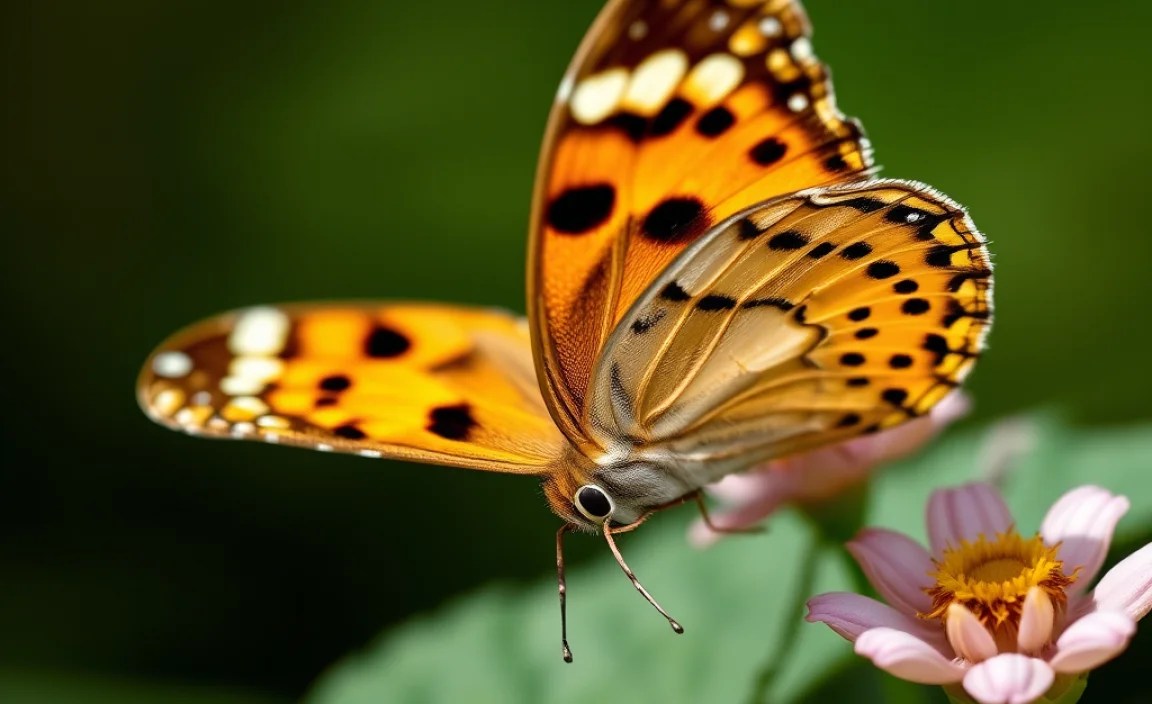
Painted lady butterflies are famous for their long migrations. They travel thousands of miles. This is an amazing adaptation skill. They migrate to find food and good weather. They can navigate using the sun. They also use the Earth’s magnetic field. This helps them stay on course. They fly in large groups. This helps them stay safe from predators. Migration is a difficult journey. But painted lady butterflies are well-equipped for it. Their strong wings and navigation skills help them succeed. These butterflies are truly remarkable travelers. Their adaptation skills make them one of nature’s wonders.
- They migrate long distances.
- They find food and good weather.
- They use the sun to navigate.
- They fly in large groups.
- They have strong wings.
The migration of painted lady butterflies is a remarkable feat. This adaptation skill allows them to survive in changing environments. They travel long distances to find the best conditions for breeding and feeding. Their navigation skills are truly impressive. They use a combination of cues to stay on course. They can sense the Earth’s magnetic field. They also use the position of the sun. This helps them stay oriented. They often fly in large groups. This provides them with protection from predators. It also helps them conserve energy. The migration of painted lady butterflies is a testament to their adaptability and resilience. These adaptation skills are crucial for their survival.
Fun Fact or Stat: Painted lady butterflies can migrate up to 7,500 miles in a single year!
How Do They Know Where to Go?
How do painted lady butterflies know where to go during migration? They have several adaptation skills that help them. They use the sun as a compass. They can sense the Earth’s magnetic field. This helps them stay on course. They also follow landmarks, such as rivers and mountains. They learn from older butterflies in the group. These experienced travelers guide the younger ones. They have an internal map that helps them navigate. This map is passed down from generation to generation. The combination of these skills allows them to travel thousands of miles. Their navigation skills are truly remarkable. This adaptation skill is essential for their survival.
What Challenges Do They Face During Migration?
What challenges do painted lady butterflies face during migration? They face many obstacles on their long journey. One of the biggest challenges is finding food. They need to eat nectar to fuel their flight. They also face predators, such as birds and spiders. The weather can also be a challenge. Strong winds and storms can blow them off course. They have to conserve energy. They fly in groups to reduce wind resistance. They also rest when they need to. They are able to overcome these challenges. Their resilience and adaptation skills help them succeed. Migration is a difficult but essential part of their life cycle.
Do All Painted Ladies Migrate?
Do all painted lady butterflies migrate? Not all painted lady butterflies migrate. Some populations stay in the same area year-round. These populations live in areas with mild climates. They have access to food and shelter throughout the year. Other populations migrate long distances. These populations live in areas with harsh winters. They migrate to warmer areas to survive. The decision to migrate depends on the environment. Butterflies that live in favorable conditions do not need to migrate. Butterflies that live in harsh conditions must migrate to survive. This adaptation skill allows them to thrive in different environments. It is a testament to their adaptability.
Comparing Adaptation Skills: Painted Lady vs. Monarch
Painted lady butterflies and monarch butterflies are both famous for their migrations. But they have different adaptation skills. Monarchs migrate to specific overwintering sites. Painted ladies migrate more randomly. Monarchs rely on milkweed as their only food source. Painted ladies eat many different plants. Monarchs have bright warning colors to deter predators. Painted ladies rely more on camouflage. Both butterflies have amazing adaptation skills. These skills help them survive in different environments. They show us how nature works in wonderful ways.
| Feature | Painted Lady Butterfly | Monarch Butterfly |
|---|---|---|
| Migration Pattern | Random, opportunistic | Specific overwintering sites |
| Food Source | Many different plants | Milkweed only |
| Defense Mechanism | Camouflage | Warning colors |
| Range | Worldwide | North America |
While both painted lady butterflies and monarch butterflies are known for their migrations, their strategies and adaptation skills differ significantly. Painted ladies are more opportunistic migrants. They move in response to local conditions. They seek out areas with abundant food and suitable weather. Monarchs, on the other hand, follow a more predictable migration route. They travel to specific overwintering sites in Mexico and California. Painted ladies also have a broader diet. They can eat a wide variety of plants. Monarchs are specialists. They rely almost exclusively on milkweed. These differences in adaptation skills reflect the different environments in which they live. They also highlight the diversity of strategies that butterflies use to survive.
Fun Fact or Stat: Monarch butterflies migrate up to 3,000 miles to reach their overwintering sites!
How Do Their Migration Patterns Differ?
How do the migration patterns of painted lady butterflies and monarchs differ? Painted ladies migrate in a more scattered way. They move in response to local conditions. They follow the availability of food and suitable weather. Monarchs have a more directed migration. They travel to specific overwintering sites. They follow the same routes year after year. Painted ladies may not return to the same location each year. Monarchs have a strong connection to their overwintering sites. The difference in migration patterns reflects their different adaptation skills. It also reflects the different environments in which they live.
What About Their Diet?
What about the diet of painted lady butterflies and monarchs? Painted ladies are generalists. They can eat a wide variety of plants. This allows them to survive in many different environments. Monarchs are specialists. They rely almost exclusively on milkweed. Milkweed contains toxins that make them unpalatable to predators. Their specialized diet is both a strength and a weakness. It provides them with protection from predators. But it also makes them vulnerable to habitat loss. The different diets of these butterflies reflect their different adaptation skills. It also reflects their different ecological niches.
Which Butterfly Is More Adaptive?
Which butterfly is more adaptive: the painted lady butterfly or the monarch? It’s hard to say which butterfly is more adaptive overall. They have different adaptation skills that suit their different lifestyles. Painted ladies are more adaptable to different food sources. They can survive in a wider range of environments. Monarchs are more specialized. They are highly adapted to their specific migration route. They are also adapted to feeding on milkweed. Both butterflies have remarkable adaptation skills. Their success depends on their ability to thrive in their particular ecological niche. Their survival is a testament to the power of adaptation.
Summary
Painted lady butterflies are amazing insects. They have many adaptation skills. These skills help them survive in different environments. They can migrate long distances to find food and good weather. They can eat a variety of plants. They can camouflage themselves to avoid predators. They can reproduce quickly when conditions are good. These adaptation skills make them one of the most widespread butterflies in the world. They are found on every continent except Antarctica. Painted lady butterflies are a great example of how animals can adapt to thrive in a changing world. Their story is a testament to the power of evolution.
Conclusion
Painted lady butterflies are truly remarkable creatures. They show us how animals can adapt to survive in different environments. Their migration patterns, varied diet, and camouflage techniques are all examples of their amazing adaptation skills. By studying these butterflies, we can learn more about the natural world. We can also learn about the importance of protecting their habitats. These butterflies are a valuable part of our ecosystem. We must ensure that they continue to thrive for generations to come. We can appreciate painted lady butterfly adaptation skills as vital for survival.
Frequently Asked Questions
Question No 1: What are some of the main adaptation skills of painted lady butterflies?
Answer: Painted lady butterflies have several key adaptation skills. They can migrate long distances to find food and good weather. They have a varied diet, allowing them to eat many different plants. They use camouflage to hide from predators. They can reproduce quickly when conditions are favorable. These skills help them survive in diverse environments. Their ability to adapt is truly remarkable. It allows them to thrive in a changing world. They are a testament to the power of evolution. Their adaptation skills are essential for their survival.
Question No 2: How do painted lady butterflies migrate?
Answer: Painted lady butterflies migrate to find food and good weather. They use the sun to navigate. They also follow landmarks, such as rivers and mountains. They fly in large groups to conserve energy and stay safe from predators. Migration is a long and difficult journey. But painted lady butterflies are well-equipped for it. Their strong wings and navigation skills help them succeed. Some painted lady butterflies can travel thousands of miles during their migration. This is an amazing feat of endurance. Their adaptation skills make them remarkable travelers.
Question No 3: What do painted lady butterflies eat?
Answer: Painted lady butterflies have a varied diet. As caterpillars, they eat leaves from many different plants. As adults, they drink nectar from flowers. They are not picky eaters. They can feed on a wide variety of plants and flowers. This is important because it ensures that they can always find food. Their ability to eat different foods is a crucial part of their survival. It helps them thrive in diverse environments. This adaptation skill is essential for their success. They can adapt to different food sources.
Question No 4: How do painted lady butterflies protect themselves from predators?
Answer: Painted lady butterflies use several strategies to protect themselves from predators. They use camouflage to blend in with their surroundings. Their wings have patterns that look like leaves or bark. This makes it difficult for predators to spot them. They can also fly away quickly if they sense danger. Some painted lady butterflies have bright colors that warn predators that they might not taste good. These adaptation skills help them survive in a dangerous world. They are masters of disguise.
Question No 5: Why is it important to study painted lady butterfly adaptation skills?
Answer: Studying painted lady butterfly adaptation skills is important. It helps us understand how animals can survive in different environments. It also teaches us about the process of evolution. By learning about these butterflies, we can gain a better appreciation for the natural world. We can also learn how to protect them and their habitats. These butterflies are a valuable part of our ecosystem. Their adaptation skills are a testament to the power of nature. We should learn from them and protect them.
Question No 6: Can painted lady butterflies live in different climates?
Answer: Yes, painted lady butterflies can live in different climates. This is another amazing adaptation skill. They can tolerate a wide range of temperatures and humidity levels. In colder climates, they might migrate to warmer areas. In hotter climates, they might seek shade to stay cool. These butterflies are very adaptable. They can change their behavior to suit their environment. This allows them to live in many different parts of the world. Their ability to adapt to different climates is essential for their survival. They are truly remarkable creatures.


