
Asian Butterfly Wing Size Variation: Secret Factors?

Have you ever seen a butterfly? Butterflies are beautiful. They fly around in gardens. Did you know that not all butterflies are the same size? Asian butterfly wing size variation is very interesting. Some butterflies have big wings. Other butterflies have small wings. Why do their wings change sizes? Let’s explore this cool topic.
Butterflies live in different places. Their homes can affect their size. This is especially true for butterflies in Asia. Keep reading to learn more. We will discover why wing sizes change. It is a fascinating part of nature.
Key Takeaways
- Asian butterfly wing size variation helps them survive in different environments.
- Larger wings can help butterflies fly farther to find food and mates.
- Smaller wings may help butterflies hide better from predators.
- Climate and food availability play big roles in wing size changes.
- Scientists study butterflies to learn more about nature and adaptation.
Understanding Asian Butterfly Wing Size Variation
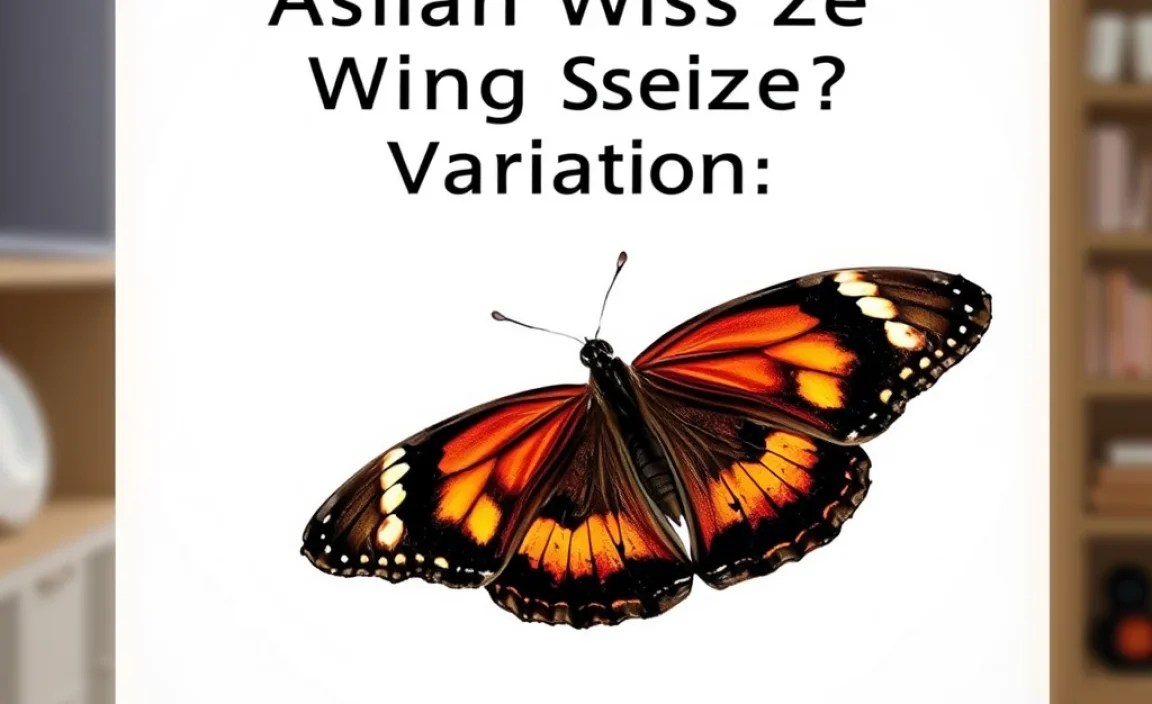
Asian butterfly wing size variation is a fascinating area of study. Scientists want to know why butterfly wings are different sizes. Many things can affect a butterfly’s wings. These include where they live and what they eat. The weather can also change wing size. Some butterflies need big wings to fly far. They must find food and a partner. Other butterflies need small wings to hide. Small wings help them stay safe from animals that want to eat them. Understanding these differences helps us learn about nature. It also shows how animals change to live in their homes. Studying butterflies tells us about the world around us. It also helps us protect these beautiful creatures.
- Wing size affects how well butterflies can fly.
- Environment impacts the size of butterfly wings.
- Food helps butterflies grow bigger wings.
- Predators cause butterflies to have smaller wings.
- Scientists study wings to understand adaptation.
Think about a butterfly living in a cold place. It might need bigger wings. Bigger wings help it fly fast. Flying fast helps it find food. Now, think about a butterfly in a forest. It might need smaller wings. Smaller wings help it hide from birds. Butterflies change over time. Their wings change to help them live better. This is called adaptation. Butterflies show us how amazing nature is. They also show how animals can change to survive. Studying Asian butterfly wing size variation gives us clues. These clues help us understand the world. It also helps us protect the environment.
Why Do Butterfly Wings Differ in Size?
Have you ever wondered why some butterflies have huge wings? Others might have tiny wings. The size difference is not by accident. A butterfly’s wing size often depends on its habitat. For example, butterflies living in open fields may need bigger wings. Bigger wings help them fly long distances. They can search for food and mates. Butterflies in dense forests may need smaller wings. Smaller wings allow them to maneuver through trees. They can also hide from predators more easily. Wing size is also related to temperature. Butterflies in colder climates may have larger wings. Larger wings help them absorb more sunlight. This keeps them warm. Asian butterfly wing size variation is truly amazing.
The Role of Genetics
Do you know why some butterflies look like their parents? It is because of genetics! Genetics is like a set of instructions. These instructions tell a butterfly how to grow. Genes control the size and shape of their wings. Genes also determine the color of their wings. Butterflies inherit genes from their parents. Some genes make wings bigger. Other genes make wings smaller. If a butterfly’s parents have big wings, it might have big wings too. But the environment also plays a role. Even with the right genes, a butterfly needs good food and a safe place to grow. Genetics and environment work together. They decide how big a butterfly’s wings will be. Asian butterfly wing size variation is partly due to genes.
Environmental Factors
Imagine a butterfly growing up in a place with lots of sunshine. The warmth helps it grow fast. It can get big and strong. Its wings might grow larger. Now, picture another butterfly in a shady forest. It does not get as much sun. It might grow slower. Its wings might be smaller. The environment has a big impact. Food is also important. If a butterfly has lots of tasty flowers to eat, it will grow well. It will have energy to fly. Lack of food can make a butterfly weak. Its wings might not grow as big. The environment and food work together. They help decide how big a butterfly’s wings will be. Asian butterfly wing size variation shows the power of the environment.
Fun Fact or Stat: The largest butterfly in the world, the Queen Alexandra’s Birdwing, has a wingspan of up to 12 inches!
Climate’s Influence on Wing Size

The climate plays a big role in Asian butterfly wing size variation. Butterflies are very sensitive to temperature. In colder climates, butterflies often have larger wings. Larger wings help them absorb more sunlight. This helps them stay warm. In warmer climates, butterflies might have smaller wings. Smaller wings help them stay cool. Rainfall also affects butterfly wing size. In areas with lots of rain, butterflies might have smaller wings. Smaller wings are easier to manage in wet weather. The climate is like a big puzzle piece. It fits together with other things to decide wing size. Scientists study how climate affects butterflies. This helps them understand how nature works. It also helps them protect butterflies from climate change.
- Cold climates favor larger butterfly wings.
- Warm climates might result in smaller wings.
- Rainfall can affect butterfly wing size.
- Climate change is a threat to butterflies.
- Scientists study climate to protect butterflies.
Think of a butterfly as a tiny weather reporter. Its wings tell us about the climate where it lives. Big wings might mean it is cold. Small wings might mean it is hot. Butterflies have adapted over time. They have changed their wings to match their environment. This is a great example of nature’s cleverness. Climate change is now changing the rules. It is making the world warmer. Some butterflies might not be able to adapt fast enough. Scientists are worried about this. They are studying how climate change affects Asian butterfly wing size variation. They want to help butterflies survive in a changing world. We can all help by taking care of our planet.
How Temperature Affects Wing Development
Imagine you are baking cookies. If the oven is too hot, the cookies burn. If it’s too cold, they don’t cook right. Butterflies are like that too. Temperature affects how their wings grow. If it’s too cold, their wings might not grow big enough. They might be weak. If it’s too hot, their wings might develop too quickly. They could be deformed. The perfect temperature helps butterflies grow strong, healthy wings. This is especially important for butterflies in Asia. The temperature there can change a lot. They must adapt to survive. Asian butterfly wing size variation is closely linked to temperature changes.
The Impact of Rainfall
Have you ever tried to fly a kite on a rainy day? It is hard, right? The rain makes the kite heavy. It is the same for butterflies. When it rains a lot, butterflies with big wings have a hard time. Their wings get wet and heavy. They can’t fly very well. Butterflies in rainy areas often have smaller wings. Smaller wings are easier to manage in the rain. They can still fly and find food. Too much rain can also wash away butterfly eggs. It can also damage their food plants. Rainfall is a big challenge for butterflies. Asian butterfly wing size variation shows how they adapt to wet conditions.
Seasonal Changes and Wing Size
Think about how you dress in the winter. You wear a big coat to stay warm. In the summer, you wear light clothes to stay cool. Butterflies also change with the seasons. Some butterflies have different wing sizes depending on the time of year. Butterflies born in the spring might have bigger wings. They need to fly far to find new plants. Butterflies born in the summer might have smaller wings. They don’t need to fly as far. The seasons affect food availability. They also affect the weather. Butterflies adapt their wing size to match these changes. Asian butterfly wing size variation can be different in each season.
Fun Fact or Stat: Some butterflies can change the color and pattern of their wings based on the season!
Food Availability and Wing Size
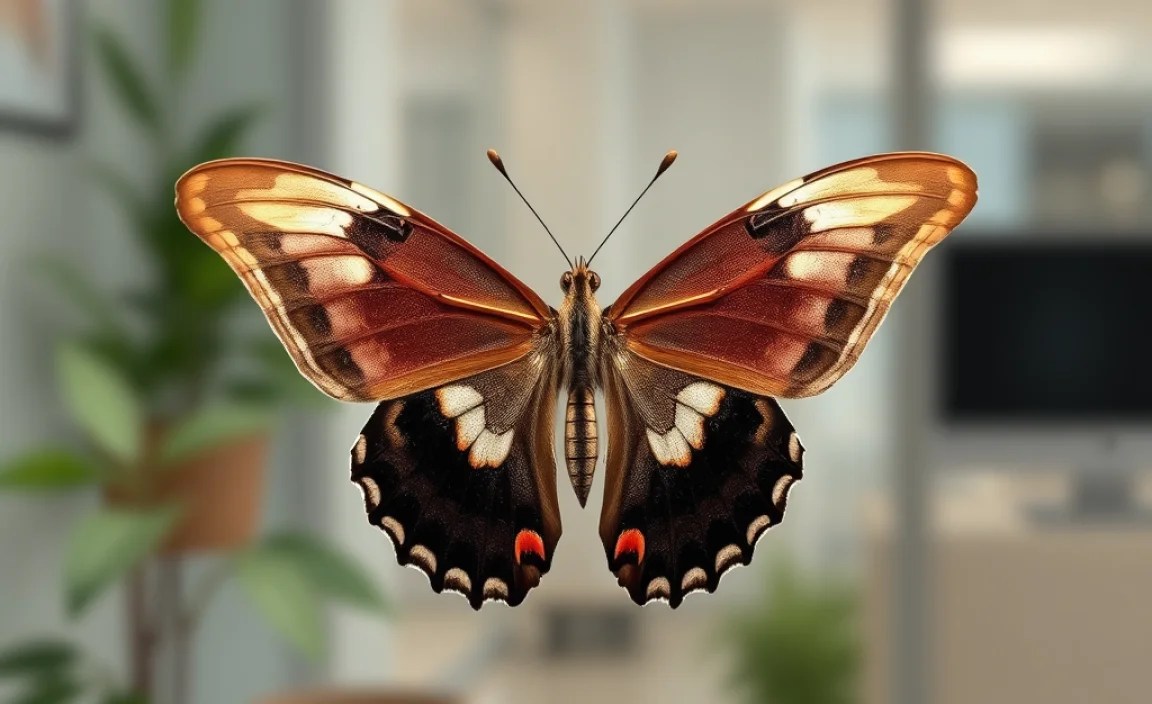
Food is very important for butterflies. It helps them grow big and strong. If a butterfly has lots of food, it can develop larger wings. These wings help it fly farther. It can find more food and a partner. If a butterfly does not have enough food, its wings might be smaller. Smaller wings might not be as strong. The type of food also matters. Some plants have more nutrients than others. Butterflies that eat these plants will grow better. Asian butterfly wing size variation is affected by food. Butterflies need healthy plants to survive. Protecting their food is important. It helps them grow and thrive.
- Lots of food helps butterflies grow big wings.
- Not enough food leads to smaller wings.
- Healthy plants provide good nutrients.
- Protecting plants helps butterflies survive.
- Food quality affects wing development.
Imagine a butterfly as a tiny airplane. It needs fuel to fly. Food is its fuel. Without enough fuel, the airplane cannot fly far. Without enough food, a butterfly cannot grow big wings. It will not be able to fly well. Some butterflies are picky eaters. They only eat one type of plant. If that plant disappears, the butterfly will struggle. Other butterflies eat many kinds of plants. They have a better chance of finding food. Food availability is a big challenge for butterflies. Asian butterfly wing size variation shows how important food is. We can help butterflies by planting lots of different flowers in our gardens.
The Role of Host Plants
Did you know that baby butterflies eat different foods than adult butterflies? Baby butterflies, called caterpillars, eat plants. These plants are called host plants. Each type of butterfly has its favorite host plant. The caterpillar eats the leaves of this plant. The nutrients in the leaves help it grow. If there are not enough host plants, the caterpillars will not get enough food. They might not grow big enough. Their wings might be smaller. Host plants are very important for butterflies. Asian butterfly wing size variation depends on these plants. We can help butterflies by planting host plants in our gardens.
Nutrient Quality and Wing Development
Think about eating healthy food. It helps you grow strong and tall. It is the same for butterflies. Butterflies need good nutrients to grow big wings. Some plants have more nutrients than others. Plants with lots of vitamins and minerals are best. Caterpillars that eat these plants will grow well. Their wings will be strong. Plants that do not have many nutrients are not as good. Caterpillars that eat these plants might not grow as big. Their wings might be smaller. Nutrient quality is very important for Asian butterfly wing size variation.
Competition for Food
Imagine you are at a picnic. There is only one sandwich. Everyone wants a piece. It is a competition for food. Butterflies also compete for food. Many caterpillars might want to eat the same plant. If there are too many caterpillars, there will not be enough food for everyone. Some caterpillars might not get enough to eat. Their wings might be smaller. Competition for food is a big challenge for butterflies. Asian butterfly wing size variation can be affected by this. It is important to protect butterfly habitats. This will ensure there is enough food for everyone.
Fun Fact or Stat: Some butterflies can taste food with their feet!
Predation Pressure and Wing Size
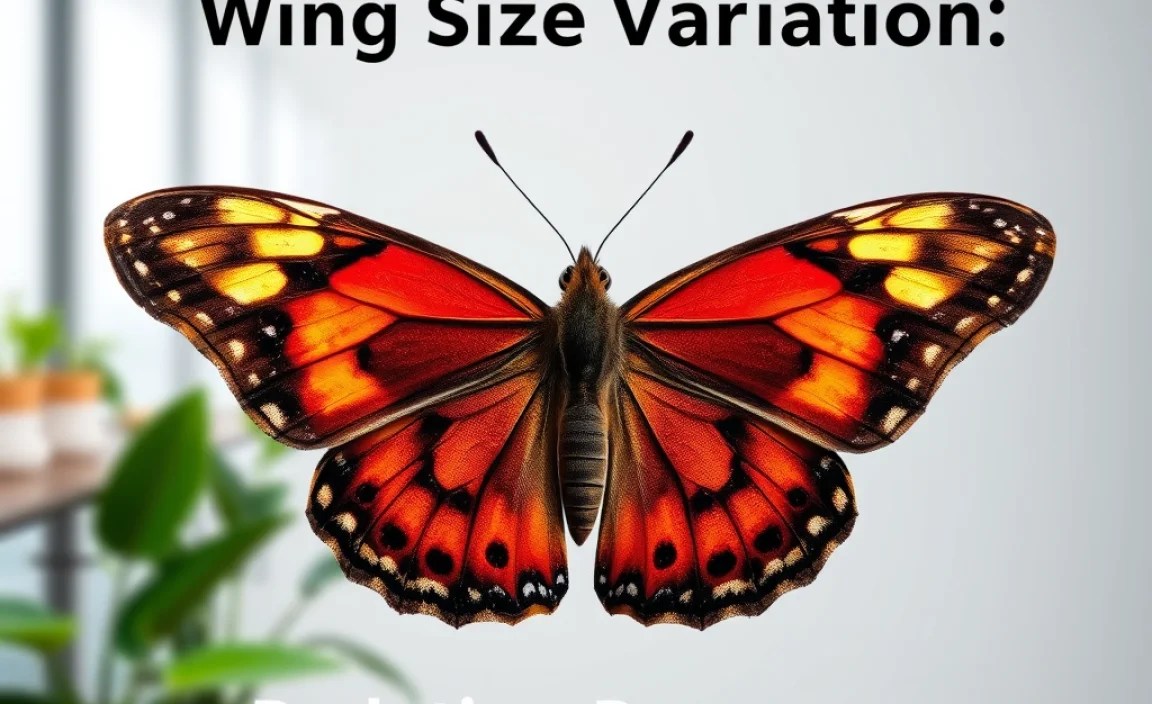
Predators are animals that hunt and eat other animals. Birds, lizards, and spiders are predators of butterflies. Butterflies must protect themselves from predators. One way to do this is to have smaller wings. Smaller wings make it easier to hide. It is also easier to fly quickly. Some butterflies have patterns on their wings. These patterns help them blend in with their surroundings. This is called camouflage. Predators have a harder time seeing camouflaged butterflies. Asian butterfly wing size variation is affected by predators. Butterflies need to balance wing size. They need to fly well and stay safe.
- Predators hunt and eat butterflies.
- Smaller wings help butterflies hide.
- Camouflage helps butterflies blend in.
- Butterflies balance wing size and safety.
- Predation affects wing size variation.
Think of a butterfly as a tiny ninja. It needs to be quick and sneaky. If it has big wings, it might be easier for a bird to catch it. If it has small wings, it can dart around trees. It can escape danger. Some butterflies have bright colors. These colors warn predators that they are poisonous. Predators learn to avoid these butterflies. Other butterflies mimic poisonous butterflies. They look like them but are not poisonous. This is called mimicry. Predation is a big pressure on butterflies. Asian butterfly wing size variation shows how they have adapted to survive.
Camouflage and Wing Size
Have you ever played hide-and-seek? It is easier to hide if you wear clothes that match your surroundings. Butterflies use camouflage to hide from predators. Some butterflies have wings that look like leaves. They can blend in with the trees. Other butterflies have wings that look like bark. They can hide on tree trunks. Smaller wings can help butterflies hide better. They can fit into smaller spaces. Camouflage and wing size work together. They help butterflies stay safe. Asian butterfly wing size variation includes many examples of camouflage.
Mimicry and Wing Size
Imagine you are wearing a superhero costume. People might think you are strong and brave. Some butterflies use mimicry to trick predators. They look like other butterflies that are poisonous. Predators avoid poisonous butterflies. They also avoid the butterflies that look like them. Mimicry can help butterflies survive. The size of the wings can also play a role. If a butterfly is mimicking another butterfly, it needs to have the same size wings. Mimicry and wing size are important for Asian butterfly wing size variation.
Flight Speed and Wing Size
Think about a race car. It needs to be fast to win. Butterflies also need to be fast to escape predators. Smaller wings can help butterflies fly faster. They are lighter and easier to move. Bigger wings can also be fast, but they take more energy. Butterflies must balance speed and energy. They need to be fast enough to escape predators. They also need to save energy for finding food. Flight speed and wing size are important for Asian butterfly wing size variation.
Fun Fact or Stat: Some butterflies can fly up to 30 miles per hour!
Genetic Diversity and Wing Size
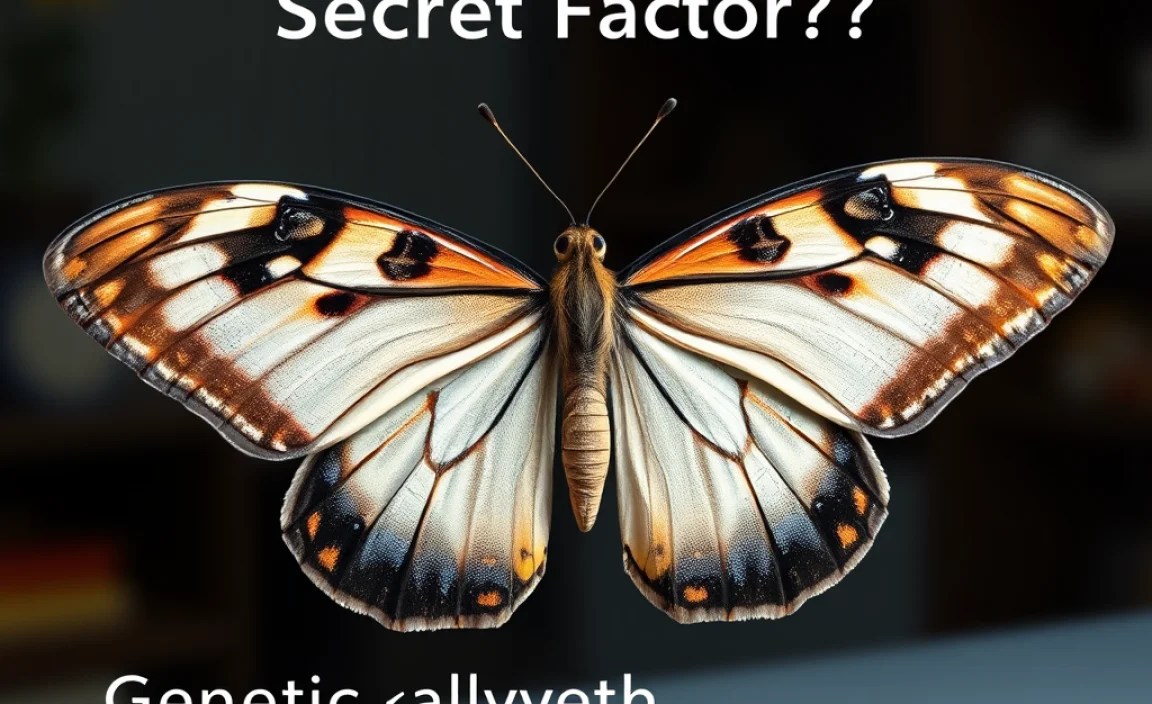
Genetic diversity means there are many different genes in a group of butterflies. This is important because it helps them adapt to changes. If all butterflies had the same genes, they would all be the same. They would all be affected by the same things. If there is a disease, all the butterflies could get sick. If there is a change in the climate, all the butterflies could struggle. Genetic diversity gives butterflies a better chance of survival. Some butterflies might have genes that help them resist disease. Others might have genes that help them survive in a warmer climate. Asian butterfly wing size variation is related to genetic diversity. Different genes can cause different wing sizes.
- Genetic diversity helps butterflies adapt.
- Different genes create different traits.
- Diversity protects against diseases.
- Diversity helps with climate changes.
- Genes affect wing size variation.
Imagine a group of students in a class. If all the students were good at the same subject, the class would not be very diverse. But if some students are good at math, some are good at science, and some are good at art, the class is more diverse. It is the same for butterflies. If some butterflies have genes for big wings and others have genes for small wings, the group is more diverse. This diversity helps them survive. Genetic diversity is like a toolbox. It gives butterflies different tools to use to survive. Asian butterfly wing size variation is a sign of this important diversity.
The Role of Mutations
Have you ever made a mistake while drawing? Sometimes, mistakes can lead to something new and interesting. Mutations are like mistakes in genes. They can change how a butterfly looks or behaves. Most mutations are harmful. They can make a butterfly weak. But sometimes, a mutation can be helpful. It might give a butterfly bigger wings. This helps it fly farther. Or it might give a butterfly better camouflage. Mutations are a source of genetic diversity. They help butterflies adapt to changes. Asian butterfly wing size variation can be caused by mutations.
Gene Flow and Wing Size
Imagine two groups of butterflies living in different places. If the butterflies never meet, they will stay different. But if some butterflies move from one group to the other, they will mix their genes. This is called gene flow. Gene flow can spread new genes through a population. It can also reduce differences between groups. Gene flow can affect wing size. If butterflies with big wings move to a group with small wings, the group might start to have bigger wings. Gene flow is important for Asian butterfly wing size variation.
The Importance of Conservation
Butterflies are important for the environment. They help pollinate plants. They are also a food source for other animals. But butterflies are facing many threats. Habitat loss, pollution, and climate change are all harming butterflies. It is important to protect butterflies. We can do this by protecting their habitats. We can also reduce pollution and fight climate change. Conservation efforts help maintain genetic diversity. This ensures butterflies can adapt to changes. Protecting butterflies also helps protect Asian butterfly wing size variation.
Fun Fact or Stat: Butterflies help pollinate about one-third of the world’s crops!
Studying Wing Size: Methods and Tools
Scientists use many methods and tools to study Asian butterfly wing size variation. They might measure the wings of butterflies. They use rulers or special computer programs. They also collect butterflies. They study them in a lab. Scientists look at the genes of butterflies. This helps them understand why wings are different sizes. They also study the environment where butterflies live. They measure the temperature and rainfall. They also look at the plants that butterflies eat. By studying all these things, scientists can learn a lot about butterflies. They can understand how they adapt to their environment. This information helps us protect butterflies.
| Method | Description | Tools Used | Benefits |
|---|---|---|---|
| Wing Measurement | Measuring the length and width of butterfly wings. | Rulers, calipers, digital imaging software. | Provides precise data on wing size. |
| Genetic Analysis | Studying the genes of butterflies to understand wing size. | DNA sequencing machines, PCR. | Reveals the genetic basis of wing size variation. |
| Environmental Monitoring | Measuring temperature, rainfall, and plant availability. | Thermometers, rain gauges, GPS. | Helps understand environmental influences. |
| Collection and Observation | Collecting and observing butterflies in their natural habitat. | Nets, cameras, notebooks. | Provides insights into behavior and ecology. |
- Scientists measure butterfly wings with rulers.
- They study butterfly genes in the lab.
- They observe butterflies in their habitat.
- They use computer programs to analyze data.
- These methods help us protect butterflies.
Imagine you are a detective. You are trying to solve a mystery. You need to gather clues. Scientists are like detectives when they study butterflies. They gather clues about wing size. They measure wings. They study genes. They observe butterflies in their environment. They put all the clues together. This helps them understand why wings are different sizes. They use special tools. These tools help them see things that we cannot see. They use microscopes to look at tiny details. They use computer programs to analyze data. Studying Asian butterfly wing size variation is like solving a puzzle.
Measuring Techniques
Have you ever tried to measure something small? It can be hard to get an accurate measurement. Scientists use special tools to measure butterfly wings. They use rulers with tiny markings. They also use calipers. Calipers are like tiny pliers. They can measure the distance between two points. Scientists also use digital imaging. They take pictures of the wings. Then, they use computer programs to measure them. These techniques help scientists get accurate measurements. This is important for studying Asian butterfly wing size variation.
Genetic Sequencing
Imagine you have a secret code. You need to read the code to understand the message. Genetic sequencing is like reading a secret code. Scientists use machines to read the genes of butterflies. They can see the order of the letters in the DNA. This tells them about the butterfly’s traits. They can see which genes are responsible for wing size. Genetic sequencing is a powerful tool. It helps scientists understand Asian butterfly wing size variation.
Observational Studies
Think about watching birds in your backyard. You can learn a lot by just watching them. Scientists also watch butterflies. They observe them in their natural habitat. They watch how they fly. They watch what they eat. They watch how they interact with other butterflies. This helps them understand how butterflies live. It also helps them understand how the environment affects them. Observational studies are important for studying Asian butterfly wing size variation.
Fun Fact or Stat: Scientists use special glue to attach tiny trackers to butterflies to study their movements!
Summary
Asian butterfly wing size variation is influenced by many things. Climate, food, and predators all play a role. Butterflies adapt their wing size to survive in different environments. Larger wings can help them fly farther to find food. Smaller wings can help them hide from predators. Genetic diversity also affects wing size. Different genes can cause different wing sizes. Scientists study butterflies to learn more about nature. They use special tools and methods to measure wings and study genes. Protecting butterflies is important. It helps maintain the balance of nature.
Conclusion
Butterflies are amazing creatures. They show us how animals can change to survive. Asian butterfly wing size variation is a great example of this. Climate, food, and predators all affect wing size. Genetic diversity also plays a role. Scientists study butterflies to learn more. We can all help protect butterflies. We can plant flowers and protect their habitats. This helps them thrive for years to come.
Frequently Asked Questions
Question No 1: Why do butterflies have different wing sizes?
Answer: Butterflies have different wing sizes because of many reasons. The climate where they live is one reason. Food availability is another. Also, predators can affect wing size. Butterflies adapt to their environment. This helps them survive. For example, Asian butterfly wing size variation shows how butterflies change their wing size to match their surroundings. Butterflies with big wings can fly far. Butterflies with small wings can hide easily.
Question No 2: How does climate affect butterfly wing size?
Answer: Climate has a big impact on butterfly wing size. In colder climates, butterflies often have larger wings. Larger wings help them absorb more sunlight. This keeps them warm. In warmer climates, butterflies might have smaller wings. Smaller wings help them stay cool. Rainfall also affects wing size. In areas with lots of rain, butterflies might have smaller wings. Smaller wings are easier to manage in wet weather. Understanding Asian butterfly wing size variation requires considering these factors. The climate is a key factor.
Question No 3: What role does food play in wing size?
Answer: Food is very important for butterfly wing size. If a butterfly has lots of food, it can develop larger wings. These wings help it fly farther. It can find more food and a partner. If a butterfly does not have enough food, its wings might be smaller. Smaller wings might not be as strong. The type of food also matters. Some plants have more nutrients than others. Butterflies that eat these plants will grow better. This is relevant to Asian butterfly wing size variation.
Question No 4: How do predators affect butterfly wing size?
Answer: Predators can significantly influence butterfly wing size. Butterflies must protect themselves from animals that want to eat them. Smaller wings make it easier to hide and fly quickly. Some butterflies have patterns on their wings for camouflage. Predators have a harder time seeing camouflaged butterflies. Butterflies need to balance wing size for flight and safety. Asian butterfly wing size variation is a result of this balancing act. Predation pressure is a key driver.
Question No 5: What is genetic diversity and why is it important?
Answer: Genetic diversity means there are many different genes in a group of butterflies. This is important because it helps them adapt to changes. If all butterflies had the same genes, they would all be the same. They would all be affected by the same things. Genetic diversity gives butterflies a better chance of survival. Some butterflies might have genes that help them resist disease. Others might have genes that help them survive in a warmer climate. Asian butterfly wing size variation is an example of the benefits of genetic diversity.
Question No 6: How can we help protect butterflies?
Answer: We can help protect butterflies in many ways. We can plant flowers in our gardens. This provides food for butterflies. We can also protect their habitats. This means protecting forests and meadows. We can also reduce pollution and fight climate change. These things harm butterflies. Supporting conservation organizations is also helpful. By taking these actions, we can help ensure that Asian butterfly wing size variation and butterfly populations thrive for generations to come. Every little bit helps!


