
Blue Morpho Classroom Activities: Fun & Easy!

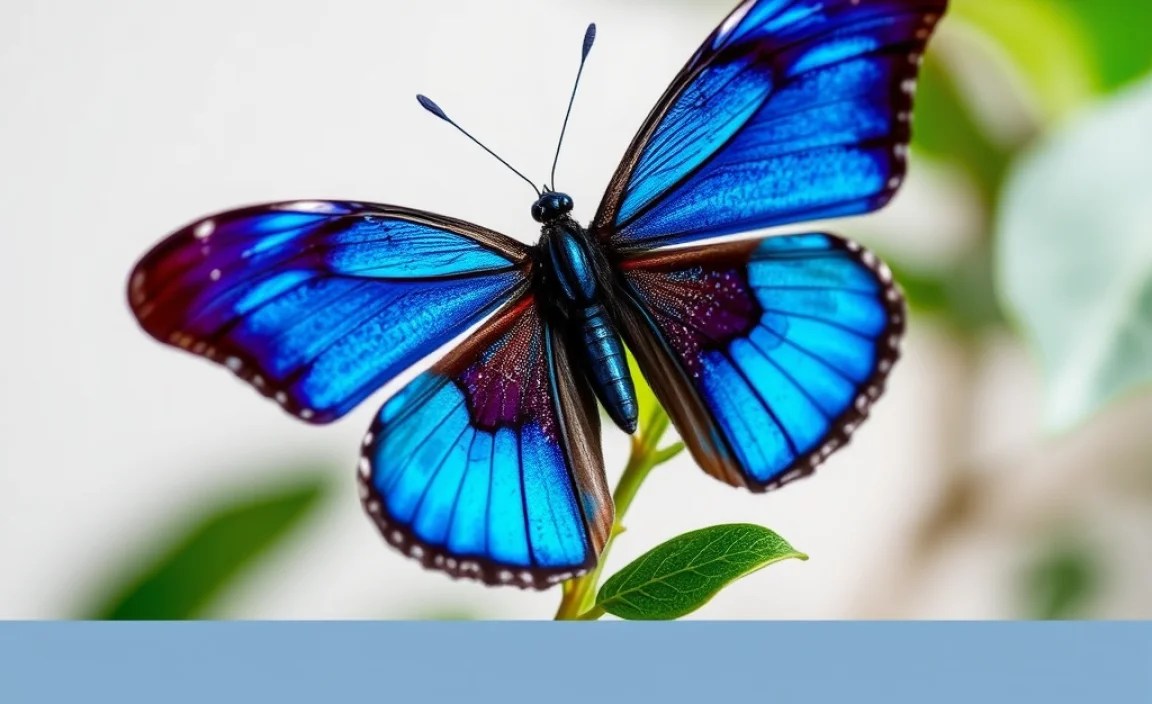
Have you ever seen a butterfly so blue it looks like the sky? That might have been a Blue Morpho! These butterflies are not just pretty. They are also great for learning. There are many fun {Blue Morpho classroom activities}. You can learn about science and art. Let’s find out how!
Key Takeaways
- Blue Morpho butterflies offer many exciting and educational classroom projects.
- Learn about the butterfly life cycle with hands-on activities and crafts.
- Create art projects inspired by the Blue Morpho’s vibrant colors.
- Explore the rainforest habitat where Blue Morphos live.
- Discover interesting facts about butterfly anatomy and behavior.
Engaging Blue Morpho Classroom Activities
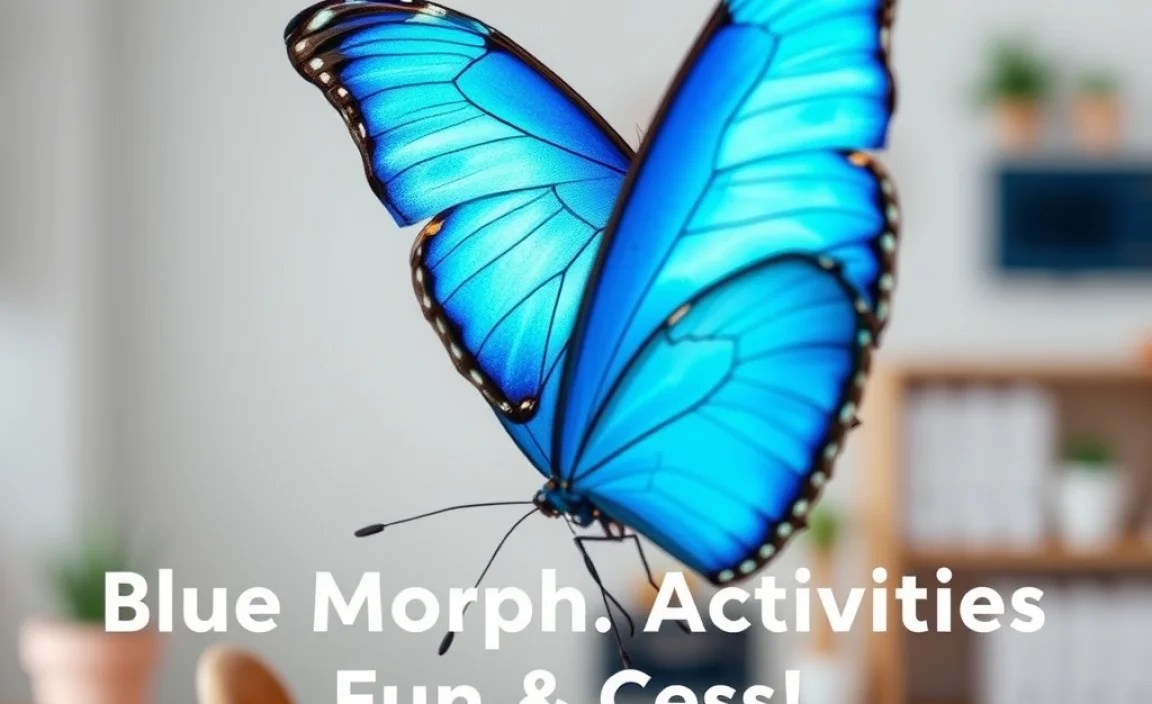
Blue Morpho butterflies are a fantastic way to get kids excited about science. Their bright blue color and interesting life cycle capture attention. Many {Blue Morpho classroom activities} can teach important lessons. You can use crafts to show the butterfly’s stages. You can also discuss their rainforest home. These activities make learning fun and memorable. Kids will enjoy learning about nature. They will also develop their creativity and problem-solving skills. Blue Morphos can inspire a love of science in your students. It is a great way to make learning interactive and engaging. What will you start with first?
- Make a butterfly life cycle display.
- Read books about rainforest animals.
- Draw and color Blue Morpho butterflies.
- Learn about butterfly migration patterns.
- Build a model of a rainforest habitat.
Blue Morpho butterflies live in the rainforest. They need a warm and wet environment. The trees give them shelter. The plants give them food. Rainforests are important for many reasons. They help clean the air we breathe. They also provide homes for many animals. When we learn about Blue Morphos, we also learn about rainforests. We can discuss how to protect these special places. Protecting rainforests helps protect Blue Morphos. It also helps protect our planet. Learning about these butterflies can inspire us to care for nature. It is important to teach kids about conservation. Blue Morphos can be a great starting point.
Fun Fact or Stat: The Blue Morpho’s wings are so bright because of tiny structures that reflect light. They don’t have blue pigment!
The Butterfly Life Cycle
Have you ever watched a caterpillar turn into a butterfly? It’s a magical transformation! The Blue Morpho goes through this amazing change too. It starts as a tiny egg on a leaf. Then it becomes a caterpillar that eats and grows. After that, it forms a pupa, also called a chrysalis. Inside the pupa, the caterpillar changes into a butterfly. Finally, the Blue Morpho emerges with its beautiful blue wings. This process is called metamorphosis. It’s one of the most amazing things in nature. Learning about the life cycle can teach us about growth and change. We can also learn about the importance of each stage.
Rainforest Habitats
Imagine a place filled with tall trees and colorful plants. That’s the rainforest! Blue Morpho butterflies call this place home. Rainforests are warm and wet. They have lots of different animals and plants. These forests are important for the whole world. They help keep our air clean. They also provide homes for many creatures. Sadly, rainforests are being destroyed. We need to protect them. Learning about rainforests can help us understand their importance. We can also learn how to help save them. What can you do to help the rainforest?
Butterfly Anatomy
Did you know that butterflies have special body parts? Their wings are covered in tiny scales. These scales give them their color. Blue Morphos have bright blue scales. Butterflies also have antennae to help them smell. They have a long, straw-like tongue called a proboscis. They use it to drink nectar from flowers. Their legs have sensors to help them taste. Butterfly anatomy is fascinating. Learning about it can help us understand how they live. How do these unique features help the Blue Morpho survive?
Crafting Blue Morpho Art Projects
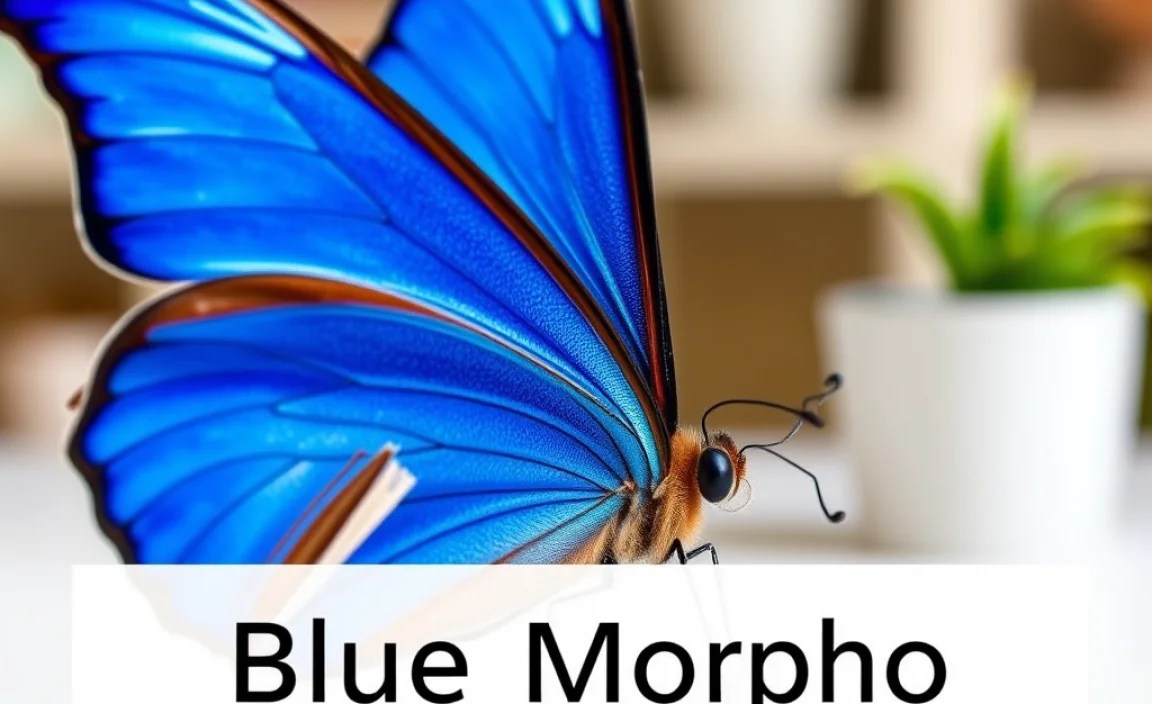
Blue Morpho butterflies are so beautiful! Their bright blue wings make them perfect for art projects. You can use different materials to create your own Blue Morpho. Try painting, drawing, or using construction paper. You can also use glitter to make the wings sparkle. These art projects are fun and creative. They also help you learn about the butterfly. You can study its shape and colors. Making art is a great way to express yourself. It also helps you appreciate the beauty of nature. What kind of art will you make? {Blue Morpho classroom activities} can be a lot of fun.
- Paint Blue Morpho butterflies on canvas.
- Make butterfly masks with blue glitter.
- Create paper plate butterflies.
- Design butterfly-themed greeting cards.
- Use clay to sculpt butterfly figures.
- Make a collage of butterfly images.
Art projects are a great way to learn in a fun way. When you create art, you use your imagination. You also learn about colors and shapes. Blue Morpho butterflies can inspire many different art projects. You can make paintings, drawings, or sculptures. You can also use different materials like paper, paint, and clay. Art helps you express yourself. It also helps you develop your creativity. Learning about butterflies and creating art can go hand in hand. What other insects can you use as inspiration for art? Remember that every activity is a chance to learn and have fun.
Fun Fact or Stat: The Blue Morpho’s bright blue color is only on the top side of its wings. The underside is brown with eye spots!
Butterfly Painting Techniques
Painting butterflies can be a lot of fun! You can use different techniques to make your painting look amazing. Try using watercolors for a soft, dreamy effect. Acrylic paints are great for bold, bright colors. You can also use sponges to create texture on the wings. Don’t be afraid to experiment with different colors and styles. Painting is all about expressing yourself. You can create a realistic Blue Morpho or an abstract design. The possibilities are endless! What colors will you choose for your butterfly?
Drawing Blue Morpho Butterflies
Do you like to draw? Drawing Blue Morpho butterflies can be a fun challenge. Start by sketching the basic shape of the butterfly. Then add details like the wings and body. Use light and dark shades to create depth. Pay attention to the patterns on the wings. You can use pencils, colored pencils, or markers. Drawing helps you improve your observation skills. It also helps you understand the anatomy of the butterfly. How will you make your drawing unique?
Creating Butterfly Collages
Collages are a fun way to use different materials to create art. You can use paper, fabric, and other items to make a Blue Morpho collage. Cut out different shapes and arrange them on a background. Add glitter or sequins for extra sparkle. Collages are a great way to recycle materials. They also allow you to be creative with textures and colors. What materials will you use in your collage?
Exploring the Blue Morpho Life Cycle
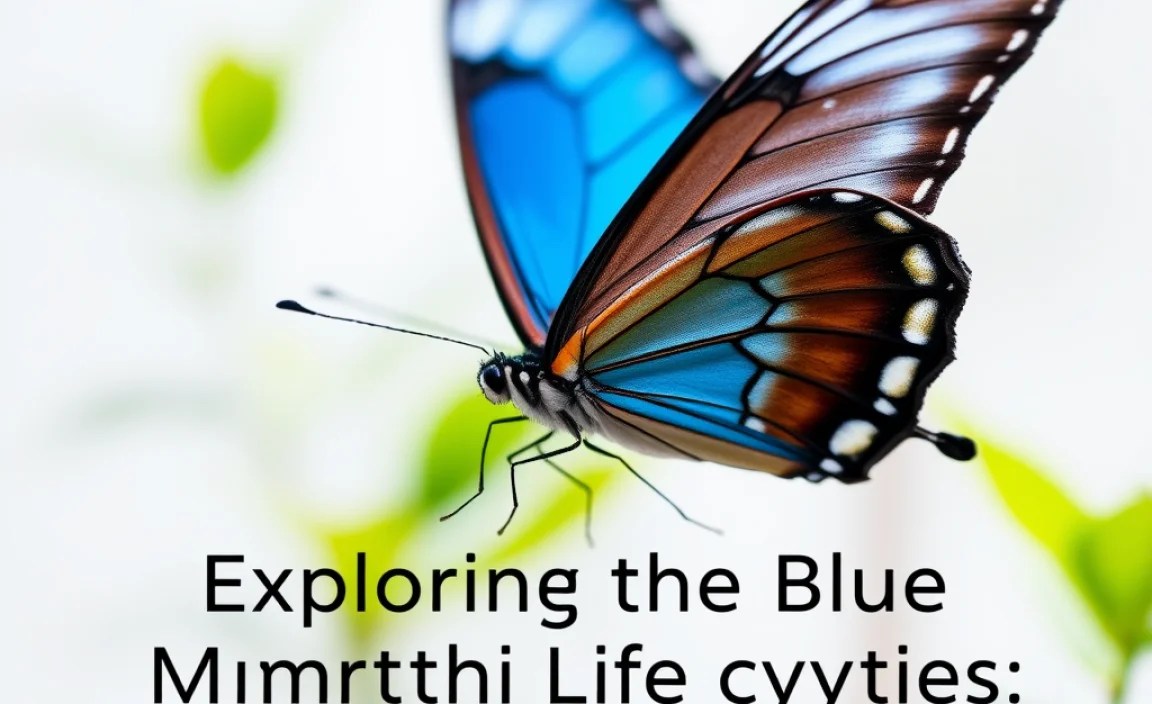
The Blue Morpho’s life cycle is an amazing journey. It begins as a tiny egg. The egg hatches into a caterpillar. The caterpillar eats a lot and grows quickly. Then, it forms a chrysalis. Inside the chrysalis, the caterpillar transforms. After a few weeks, a beautiful Blue Morpho emerges. Learning about this cycle teaches us about change. It also shows us how creatures adapt to their environment. Understanding the life cycle is a key part of {Blue Morpho classroom activities}. What other insects have interesting life cycles?
- Observe caterpillars in a classroom habitat.
- Read books about butterfly metamorphosis.
- Create a timeline of the Blue Morpho’s life.
- Discuss the importance of each stage.
- Learn about the role of the chrysalis.
The life cycle of the Blue Morpho is a great example of nature’s wonders. Each stage is important for the butterfly’s survival. The egg must be protected from predators. The caterpillar needs to eat enough to grow. The chrysalis provides a safe space for transformation. Understanding these needs helps us appreciate the complexity of life. It also teaches us about the importance of ecosystems. How can we help protect these butterflies in their natural habitat? Teaching kids about these cycles can inspire them to be conservationists.
Fun Fact or Stat: The Blue Morpho caterpillar is not blue. It is usually brown and has stinging hairs for protection!
Egg to Caterpillar
The first stage of a Blue Morpho’s life is the egg. The egg is usually laid on a leaf. It’s very small and hard to see. When the egg hatches, a caterpillar emerges. The caterpillar is also called a larva. It’s job is to eat and grow. Caterpillars have strong jaws for chewing leaves. They shed their skin several times as they grow bigger. This process is called molting. The egg to caterpillar stage is a time of rapid growth. What do Blue Morpho caterpillars eat?
Caterpillar to Chrysalis
After the caterpillar has grown enough, it’s time to form a chrysalis. The chrysalis is also called a pupa. The caterpillar hangs upside down from a branch. It sheds its skin one last time. This time, the skin forms a hard shell. Inside the chrysalis, the caterpillar transforms into a butterfly. This process can take several weeks. It’s a time of great change and development. What happens inside the chrysalis?
Chrysalis to Butterfly
Finally, the butterfly is ready to emerge from the chrysalis. The chrysalis splits open. The butterfly slowly climbs out. Its wings are wet and crumpled. It takes several hours for the wings to dry and expand. Once the wings are dry, the butterfly can fly. The Blue Morpho is now ready to find a mate and lay eggs. The cycle begins again. Isn’t nature amazing?
Comparing Butterfly Species
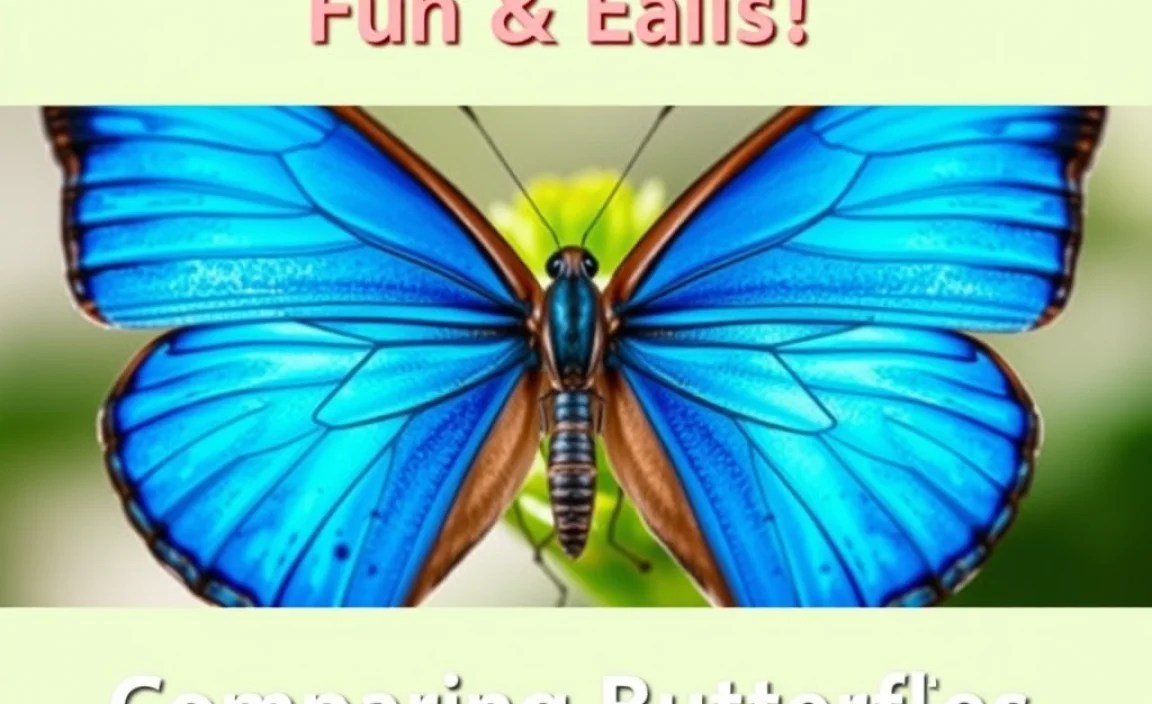
Blue Morphos are not the only beautiful butterflies. There are many different kinds of butterflies in the world. Each species has its own unique colors and patterns. Some butterflies are small and delicate. Others are large and showy. Comparing different butterfly species can be a fun learning activity. You can study their habitats, diets, and life cycles. This helps you understand the diversity of nature. {Blue Morpho classroom activities} can include comparing it to other butterflies. What other butterflies do you know?
| Butterfly Species | Wing Color | Size | Habitat | Diet |
|---|---|---|---|---|
| Blue Morpho | Bright Blue | Large | Rainforest | Fruit Juice |
| Monarch | Orange and Black | Medium | Fields and Gardens | Milkweed Nectar |
| Swallowtail | Yellow and Black | Large | Woodlands and Gardens | Flower Nectar |
| Painted Lady | Orange, Brown, and White | Small | Many Habitats | Flower Nectar |
Comparing butterfly species can help us understand evolution. Butterflies have adapted to different environments. Their colors and patterns help them survive. Some butterflies use camouflage to hide from predators. Others have bright colors to warn predators they are poisonous. Their diets also vary depending on the plants available. Studying these differences helps us learn about adaptation. It also shows us how species evolve over time. How do butterflies adapt to their environments? Learning about these adaptations is important to help them survive.
Fun Fact or Stat: There are over 20,000 different species of butterflies in the world!
Monarch Butterflies
Monarch butterflies are famous for their long migration. They travel thousands of miles each year. They fly from Canada and the United States to Mexico. They spend the winter in the warm forests of Mexico. In the spring, they return north to lay their eggs. Monarch butterflies are orange and black. They feed on milkweed plants. Milkweed is poisonous to many animals. This makes Monarchs poisonous too. This helps protect them from predators. What makes Monarch butterflies so special?
Swallowtail Butterflies
Swallowtail butterflies are known for their long tails. These tails look like swallows’ tails. Swallowtails come in many different colors. Some are yellow and black. Others are blue and green. They are found in woodlands and gardens. Swallowtails feed on flower nectar. They are important pollinators. They help plants reproduce. How do swallowtail butterflies help the environment?
Painted Lady Butterflies
Painted Lady butterflies are small and delicate. They have orange, brown, and white wings. They are found in many different habitats. They can live in fields, gardens, and deserts. Painted Ladies feed on flower nectar. They are very common butterflies. They are easy to spot in your backyard. What is your favorite thing about painted lady butterflies?
Learning About Rainforest Conservation
Rainforests are in danger. Many rainforests are being destroyed. This is bad for the Blue Morpho and other animals. We need to protect rainforests. We can learn about conservation. We can also take action to help. Protecting rainforests helps protect the whole planet. Rainforests clean the air and provide homes for many species. Learning about conservation is an important part of {Blue Morpho classroom activities}. What can you do to help save the rainforest?
- Learn about the causes of deforestation.
- Discuss the importance of rainforests.
- Research ways to protect rainforests.
- Support organizations that work to save rainforests.
- Reduce your use of paper products.
- Plant trees in your community.
There are many things we can do to help protect rainforests. We can reduce our use of paper products. This helps save trees. We can also support organizations that work to save rainforests. These organizations help protect the land and educate people. We can also plant trees in our community. This helps create new habitats for animals. Every little bit helps. Working together, we can make a difference. What other actions can we take to help?
Fun Fact or Stat: Rainforests cover less than 6% of the Earth’s surface, but they contain over half of the world’s plant and animal species!
The Importance of Trees
Trees are very important for our planet. They clean the air we breathe. They also provide homes for many animals. Trees help prevent soil erosion. They also help regulate the climate. Rainforests are filled with trees. These trees are essential for the health of the rainforest ecosystem. Without trees, the rainforest would not exist. What would happen if we lost all of our trees?
Deforestation
Deforestation is the clearing of forests for other uses. This can include farming, logging, and mining. Deforestation is a major threat to rainforests. It destroys habitats and releases carbon dioxide into the atmosphere. Deforestation contributes to climate change. It also leads to the loss of biodiversity. What are the consequences of deforestation?
Sustainable Practices
Sustainable practices are ways of doing things that don’t harm the environment. Sustainable logging means cutting down trees in a way that allows the forest to regrow. Sustainable farming means using methods that don’t damage the soil. Sustainable practices help protect rainforests for future generations. What are some examples of sustainable practices?
Analyzing Butterfly Habitats
Butterflies live in different habitats. A habitat is a place where an animal lives. The Blue Morpho lives in the rainforest. Other butterflies live in meadows, gardens, and deserts. Each habitat has its own unique characteristics. Learning about butterfly habitats helps us understand their needs. It also helps us protect them. Studying habitats is another one of the {Blue Morpho classroom activities}. What makes a good butterfly habitat?
- Research different butterfly habitats.
- Create a diorama of a rainforest habitat.
- Discuss the importance of habitat preservation.
- Learn about the plants and animals in each habitat.
- Compare and contrast different habitats.
Understanding butterfly habitats is important for conservation. When we protect habitats, we protect the animals that live there. Habitat loss is a major threat to butterflies. This is because they need specific plants and conditions to survive. By learning about their habitats, we can help protect them. We can also create butterfly-friendly gardens in our own backyards. How can you make your backyard a butterfly haven? Every little act can help protect vital habitats.
Fun Fact or Stat: Butterflies can be found on every continent except Antarctica!
Rainforest Habitats
Rainforests are warm and wet. They have lots of trees and plants. The Blue Morpho butterfly lives in the rainforest. Rainforests are home to many different species of animals. They are very important for the environment. They help clean the air and regulate the climate. What makes the rainforest a unique habitat?
Meadow Habitats
Meadows are open areas with grasses and wildflowers. Many butterflies live in meadows. They feed on the nectar of the flowers. Meadows provide a sunny and warm environment. They are also home to many other insects and animals. How do butterflies benefit from living in meadows?
Garden Habitats
Gardens are created by people. They can provide a good habitat for butterflies. Gardens often have lots of flowers that butterflies can feed on. They also provide shelter from the wind and rain. You can create a butterfly garden in your own backyard. What can you plant in your garden to attract butterflies?
Summary
Blue Morpho butterflies are amazing creatures. They are beautiful and fascinating. There are many fun {Blue Morpho classroom activities}. You can learn about their life cycle, habitats, and conservation. You can also create art inspired by their bright blue wings. These activities can help you develop your creativity and problem-solving skills. Learning about Blue Morphos can also inspire you to care for nature. It’s important to protect these butterflies and their rainforest home. Every action we take can make a difference. Together, we can help save the Blue Morpho and its habitat. What part of the Blue Morpho’s life is most interesting to you?
Conclusion
Blue Morpho butterflies are a great way to get kids excited about science and nature. They are beautiful, interesting, and can teach us a lot. We can learn about their life cycle and their rainforest home. We can also learn about conservation and how to protect them. Try some {Blue Morpho classroom activities} to make learning fun. These butterflies can inspire kids to care about the environment. They can also inspire a lifelong love of learning.
Frequently Asked Questions
Question No 1: What is a Blue Morpho butterfly?
Answer: A Blue Morpho butterfly is a type of butterfly that is known for its bright blue wings. These butterflies live in rainforests in Central and South America. They are large and easy to spot because of their bright color. The blue color comes from the way light reflects off their wings. They are fascinating creatures that are fun to learn about. They are also a great subject for art projects and science lessons. Learning about them can teach us about nature and conservation.
Question No 2: Where do Blue Morpho butterflies live?
Answer: Blue Morpho butterflies live in rainforests. These forests are in Central and South America. Rainforests are warm and wet places. They have many trees and plants. Blue Morphos need these forests to survive. They eat fruit and nectar from the plants. The trees provide shelter from the rain and sun. Sadly, rainforests are being destroyed. This is a threat to Blue Morphos and other animals. Protecting rainforests is important for their survival. {Blue Morpho classroom activities} can teach kids why these habitats need saving.
Question No 3: What do Blue Morpho caterpillars eat?
Answer: Blue Morpho caterpillars eat leaves. They have strong jaws that help them chew. They eat a lot of leaves to grow big and strong. Different types of caterpillars eat different types of leaves. Blue Morpho caterpillars eat the leaves of specific plants. These plants provide them with the nutrients they need. The type of leaves they eat can also affect their color. What leaves do you think these caterpillars enjoy the most?
Question No 4: How can I help protect Blue Morpho butterflies?
Answer: There are many ways to help protect Blue Morpho butterflies. One way is to support organizations that work to save rainforests. You can also reduce your use of paper products. This helps save trees. You can also plant trees in your community. This helps create new habitats for animals. Educating others about the importance of rainforests is also important. Even small actions can make a big difference. {Blue Morpho classroom activities} can help raise awareness about conservation.
Question No 5: What are some fun facts about Blue Morpho butterflies?
Answer: Blue Morpho butterflies are full of surprises. Their bright blue color is only on the top side of their wings. The underside is brown with eye spots. This helps them camouflage. The caterpillars are not blue. They are brown and have stinging hairs. Blue Morphos drink juice from rotting fruit. They use their long, straw-like tongue to drink. These butterflies are truly unique and amazing. {Blue Morpho classroom activities} can be enhanced with these interesting facts.
Question No 6: What kind of classroom activities can I do with my students to learn about Blue Morpho butterflies?
Answer: There are many fun and educational {Blue Morpho classroom activities} you can do. You can create art projects inspired by their bright blue wings. You can make paintings, drawings, or collages. You can also learn about their life cycle by creating a timeline or observing caterpillars. You can research their rainforest habitat and discuss conservation efforts. You can even compare them to other butterfly species. The possibilities are endless! You can tailor the activities to fit your students’ interests and learning styles. Make learning about Blue Morphos an exciting adventure!


