
Blue Morpho Citizen Observations: See the Magic

Did you know there is a butterfly with shiny blue wings? It is called the Blue Morpho. These butterflies live in rainforests. People who visit these forests can help scientists. They can share their Blue Morpho citizen observations.
Sharing what you see helps everyone learn. Have you ever seen a Blue Morpho? What did it look like? Your observations matter.
Scientists need lots of information. They learn about where animals live. They also learn what animals eat. Citizen scientists can help. They share their photos and notes. This is especially helpful for studying butterflies. The Blue Morpho is a beautiful butterfly. People enjoy seeing them. Sharing Blue Morpho citizen observations can protect them.
Key Takeaways
- Blue Morpho citizen observations help scientists understand and protect these butterflies.
- Citizen scientists share photos and notes about Blue Morphos they see.
- Blue Morphos are known for their large, bright blue wings.
- These butterflies live in rainforests of Central and South America.
- Sharing your observations helps us learn about nature.
Understanding Blue Morpho Citizen Observations
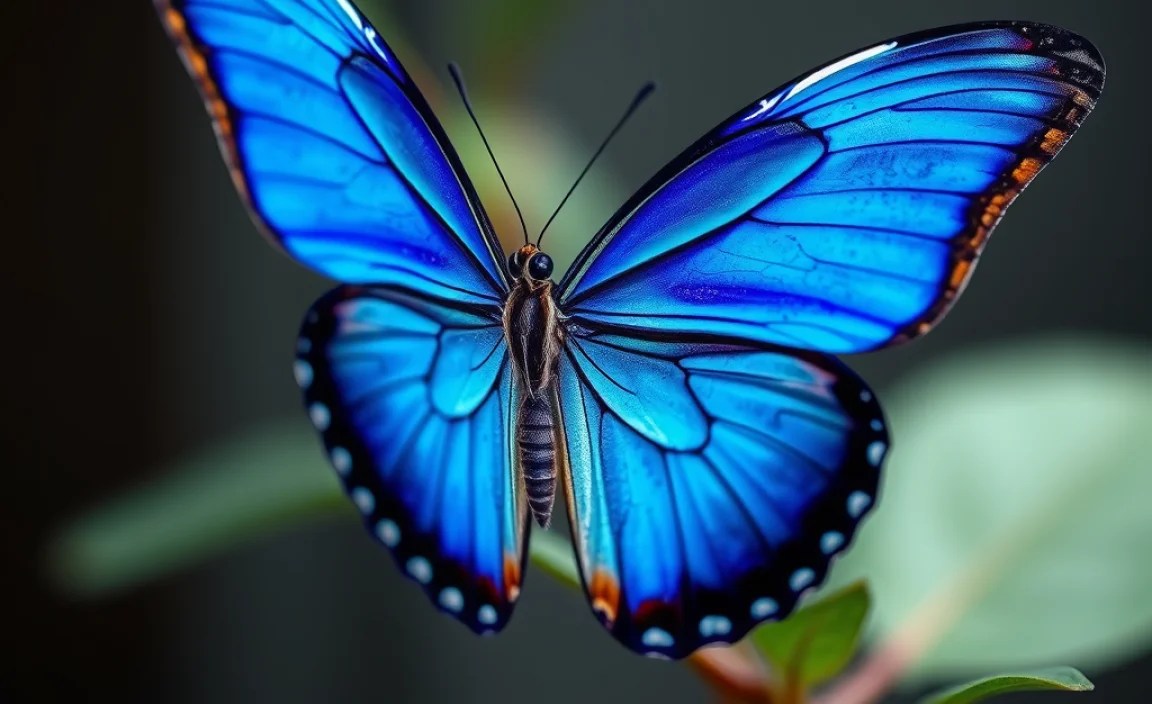
Blue Morpho citizen observations are very important. They help scientists understand these beautiful butterflies better. When people like you share what they see, scientists can learn about where the butterflies live. They can also learn about what the butterflies eat and how they behave. The more observations we have, the better we can protect the Blue Morpho. Citizen scientists play a big role. They go out and look for Blue Morphos. They take pictures and write down notes. All of this information is valuable. It helps scientists make informed decisions about conservation. Sharing your observations is easy and fun. You can use websites or apps to upload your photos and notes. Your Blue Morpho citizen observations can make a real difference.
- Citizen scientists share their observations.
- Scientists use the data to learn.
- Blue Morphos live in rainforests.
- Observations help protect butterflies.
- Anyone can become a citizen scientist.
Imagine you are walking in a rainforest. Suddenly, you see a flash of bright blue. It is a Blue Morpho butterfly! You take a picture and write down where you saw it. You also note what it was doing. Was it flying? Was it eating? You share this information with scientists. Your Blue Morpho citizen observations become part of a bigger picture. Scientists can use your data to track where Blue Morphos are living. They can see if the butterflies are moving to new areas. They can also see if the butterfly population is growing or shrinking. Your small observation can help scientists protect these amazing creatures. Every piece of information counts. Keep exploring and sharing!
Why Are Observations Important?
Why are Blue Morpho citizen observations so important? Because they help scientists keep track of the butterflies. Scientists cannot be everywhere at once. They need help from people like you. When you share your observations, you are giving scientists valuable data. This data helps them understand where the butterflies are living. It also helps them understand how the butterflies are doing. Are there many Blue Morphos? Or are there only a few? Are they healthy? Or are they sick? Your observations can help answer these questions. The more we know about Blue Morphos, the better we can protect them. So, keep your eyes open and share what you see.
How Can You Participate?
Would you like to participate in Blue Morpho citizen observations? It is easy to do! First, find a rainforest where Blue Morphos live. Then, start looking for butterflies. When you see a Blue Morpho, take a picture. Write down where you saw it. Also, write down what it was doing. You can use a notebook or a special app on your phone. There are many apps designed for citizen scientists. These apps make it easy to share your observations. Just upload your picture and notes. Scientists will use your information to learn more about Blue Morphos. You can make a difference.
What Kind of Data Is Useful?
What kind of data is useful for Blue Morpho citizen observations? Scientists want to know where you saw the butterfly. They also want to know when you saw it. The date and time are important. They also want to know what the butterfly was doing. Was it flying? Was it eating? Was it resting? Any details you can provide are helpful. Take clear pictures if you can. A good picture can help scientists identify the butterfly. They can also see if it is healthy. Remember, every observation counts. Even if you only see one butterfly, your information is valuable. Share your data and help protect Blue Morphos.
Fun Fact or Stat: The Blue Morpho’s wings can span up to 8 inches wide!
Tools for Recording Blue Morpho Citizen Observations
Recording Blue Morpho citizen observations is easier than ever. Many tools can help you collect and share data. You can use a simple notebook and pencil. Write down the date, time, and location of your sighting. Describe what the butterfly was doing. You can also use a smartphone or camera. Take pictures of the Blue Morpho. Many apps are designed for citizen scientists. These apps let you record your observations directly on your phone. You can also upload photos and share your data with scientists. Some websites allow you to submit your observations online. Choose the tools that work best for you. The most important thing is to collect accurate and detailed information. Your Blue Morpho citizen observations can make a real difference.
- Use a notebook and pencil.
- Take photos with a camera.
- Use a smartphone app.
- Record date, time, and location.
- Describe the butterfly’s behavior.
- Share your data online.
Imagine you are using a special app on your phone. This app is designed for Blue Morpho citizen observations. You open the app and enter the date and time. The app uses your phone’s GPS to record your location. You take a picture of the Blue Morpho. The app asks you to describe what the butterfly is doing. You choose from a list of options: flying, eating, resting. You can also add notes. You write that the butterfly was feeding on a flower. You submit your observation. The app sends your data to scientists. They can use your information to track Blue Morpho populations. Your Blue Morpho citizen observations are helping to protect these beautiful butterflies. Using technology makes it easy to contribute to science.
Using Apps for Observations
Using apps for Blue Morpho citizen observations is a great idea. Many apps are available for citizen scientists. These apps make it easy to record and share your data. Some popular apps include iNaturalist and eButterfly. These apps allow you to take photos, record locations, and add notes. They also connect you with other citizen scientists. You can see what others are observing. You can also get help identifying butterflies. Apps make it easy to contribute to science. They also make it fun. Download an app and start exploring. Your Blue Morpho citizen observations can help scientists learn more about these amazing creatures.
Taking Good Photos
Taking good photos is important for Blue Morpho citizen observations. A clear photo can help scientists identify the butterfly. It can also show if the butterfly is healthy. Try to take photos in good light. Avoid taking photos in direct sunlight. This can cause glare. Get as close to the butterfly as you can. But be careful not to scare it. Use your camera’s zoom feature if needed. Take multiple photos from different angles. This will give scientists a better view of the butterfly. A good photo is a valuable piece of data. Your photos can help scientists protect Blue Morphos.
Writing Detailed Notes
Writing detailed notes is also important for Blue Morpho citizen observations. Your notes can provide valuable information about the butterfly’s behavior. What was it doing when you saw it? Was it flying? Was it eating? Was it resting? What kind of plant was it on? What was the weather like? Any details you can provide are helpful. Write down the date, time, and location of your sighting. Be as specific as possible. Your notes can help scientists understand the butterfly’s life cycle. They can also help them track changes in the butterfly’s population. Detailed notes are a valuable contribution to science.
Fun Fact or Stat: The underside of the Blue Morpho’s wings are brown with eye spots, used for camouflage!
Locations for Blue Morpho Citizen Observations
Knowing the right locations helps with Blue Morpho citizen observations. Blue Morphos live in rainforests. They are found in Central and South America. Some good places to look for them include Costa Rica, Panama, and Brazil. Look for them near rivers and streams. They often fly near water. They also like sunny areas. Blue Morphos are most active in the morning. They are also active in the late afternoon. Plan your visits for these times. Ask local guides for help. They know the best places to find Blue Morphos. Remember to be respectful of the environment. Do not disturb the butterflies. Your Blue Morpho citizen observations can help protect these special places.
- Costa Rica
- Panama
- Brazil
- Near rivers and streams
- Sunny areas
- Rainforests
Imagine you are planning a trip to Costa Rica. You want to see Blue Morpho butterflies. You research the best places to find them. You learn that they live in the Monteverde Cloud Forest. This is a beautiful rainforest with lots of plants and animals. You hire a local guide. He knows the best trails to find Blue Morphos. He also knows when they are most active. You spend a day hiking in the forest. Finally, you see a flash of blue. It is a Blue Morpho! You take pictures and write down notes. You share your Blue Morpho citizen observations with scientists. Your trip to Costa Rica has helped to protect these amazing butterflies.
Rainforest Habitats
Rainforest habitats are the best places for Blue Morpho citizen observations. Blue Morphos need rainforests to survive. These forests provide them with food and shelter. They also provide them with a place to lay their eggs. Rainforests are full of life. They are home to many different plants and animals. When you visit a rainforest, be sure to explore. Look for Blue Morphos near rivers and streams. They often fly in these areas. Also, look for them in sunny spots. They like to bask in the sun. Remember to be respectful of the environment. Do not litter or disturb the plants and animals. Your Blue Morpho citizen observations can help protect these valuable habitats.
Best Times to Visit
Knowing the best times to visit can improve your Blue Morpho citizen observations. Blue Morphos are most active in the morning. They are also active in the late afternoon. Plan your visits for these times. The weather can also affect their activity. They are less active on cloudy or rainy days. They prefer sunny days. The time of year can also make a difference. Blue Morphos are more common during the wet season. This is when there are more flowers for them to feed on. Check the weather forecast before you go. Dress appropriately for the conditions. Be prepared for rain. Your Blue Morpho citizen observations will be more successful if you plan ahead.
Working with Local Guides
Working with local guides can enhance your Blue Morpho citizen observations. Local guides know the best places to find Blue Morphos. They also know about their behavior. They can help you identify different species of butterflies. They can also teach you about the rainforest ecosystem. Hiring a local guide is a great way to support the local community. It also ensures that you are being respectful of the environment. Local guides can help you make the most of your Blue Morpho citizen observations. They can share their knowledge and experience. They can also help you stay safe in the rainforest.
Fun Fact or Stat: Male Blue Morphos are brighter in color than females!
Challenges in Blue Morpho Citizen Observations
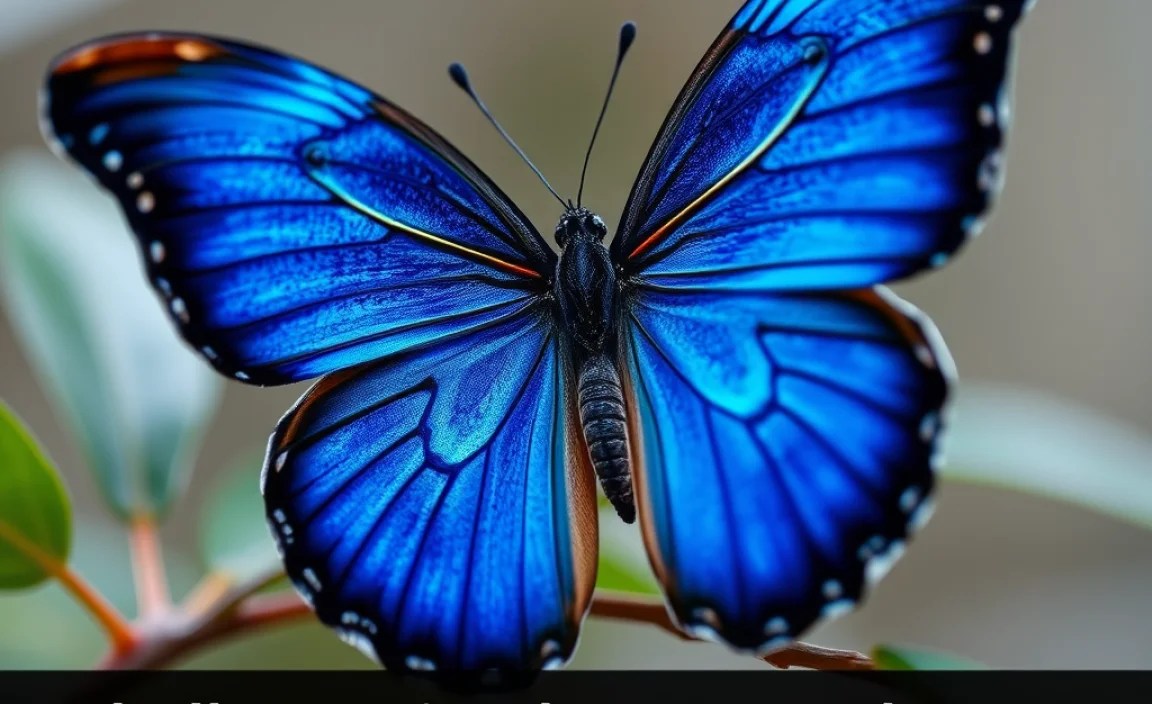
Even with the best planning, Blue Morpho citizen observations can have challenges. Blue Morphos are not always easy to find. They are often hidden in the rainforest canopy. The weather can also be unpredictable. It can rain at any time. This can make it difficult to see butterflies. Sometimes, it can be hard to identify a butterfly. There are many different species of butterflies. It can be tricky to tell them apart. It is also important to be respectful of the environment. Do not disturb the butterflies or their habitat. Despite these challenges, Blue Morpho citizen observations are valuable. Every observation helps scientists learn more about these amazing creatures. With patience and persistence, you can overcome these challenges and make a contribution.
- Butterflies can be hard to find.
- Weather can be unpredictable.
- Identification can be tricky.
- Respect the environment.
- Be patient and persistent.
Imagine you are in the rainforest. You are trying to conduct Blue Morpho citizen observations. It starts to rain. The rain makes it hard to see. The butterflies hide under leaves. You are getting wet and uncomfortable. You feel like giving up. But you remember why you are there. You want to help protect these beautiful butterflies. You put on your raincoat and keep looking. After a while, the rain stops. The sun comes out. The butterflies start to fly again. You finally see a Blue Morpho! You take a picture and write down notes. Your persistence has paid off. You have made a valuable contribution to science. Blue Morpho citizen observations can be challenging, but they are also rewarding.
Identifying Blue Morphos
Identifying Blue Morphos correctly is key for citizen observations. Look for their bright blue wings. The blue is very shiny. It can be seen from far away. The underside of their wings is brown. It has eye spots. These spots help them hide from predators. Male Blue Morphos are brighter than females. There are different species of Blue Morphos. They can vary in size and color. Use a butterfly guide to help you identify them. Take clear pictures. This will help experts confirm your identification. Accurate identification is important for Blue Morpho citizen observations. It ensures that the data is reliable.
Dealing with Weather
Dealing with weather is part of Blue Morpho citizen observations. The rainforest can be unpredictable. It can rain at any time. Be prepared for wet conditions. Bring a raincoat and waterproof gear. Wear sturdy shoes. The trails can be slippery. Check the weather forecast before you go. Avoid going out during heavy rain or storms. Blue Morphos are less active in bad weather. They hide under leaves. Be patient. Wait for the weather to clear. You may have better luck seeing them after the rain stops. Remember to stay safe. Your safety is the most important thing. Blue Morpho citizen observations should be fun and safe.
Ethical Considerations
Ethical considerations are important for Blue Morpho citizen observations. Always respect the environment. Do not disturb the butterflies or their habitat. Do not collect butterflies. Do not damage plants or trees. Stay on marked trails. Avoid making loud noises. This can scare the butterflies. Do not leave any trash behind. Pack out everything you pack in. Be mindful of other visitors. Share the trails and viewing areas. Blue Morpho citizen observations should be conducted responsibly. Your actions can have an impact on the environment. Be a good steward of the rainforest.
Fun Fact or Stat: The Blue Morpho tastes with sensors on its legs!
Benefits of Blue Morpho Citizen Observations

There are many benefits to Blue Morpho citizen observations. They help scientists learn about the butterflies. They also help protect their habitat. Citizen science projects can educate people. They can teach them about the importance of biodiversity. Participating in citizen science can be fun. It can also be rewarding. You can contribute to scientific knowledge. You can also make a difference in the world. Blue Morpho citizen observations are a great way to get involved. They are easy to do. They can be done by anyone. All you need is a pair of eyes and a willingness to learn. Your observations can help protect these amazing creatures for future generations.
- Helps scientists learn about butterflies.
- Protects their habitat.
- Educates people about biodiversity.
- Contributes to scientific knowledge.
- Is fun and rewarding.
Imagine you are a student. You are learning about rainforests in school. Your teacher assigns a project. You have to participate in Blue Morpho citizen observations. You are excited to get involved. You visit a local rainforest. You start looking for Blue Morphos. You learn about their life cycle. You learn about their habitat. You share your observations with scientists. You feel like you are making a difference. Your project has taught you a lot. You now understand the importance of protecting rainforests. Blue Morpho citizen observations have inspired you to become a conservationist.
Supporting Conservation Efforts
Blue Morpho citizen observations support conservation efforts. The data collected helps scientists understand the butterflies’ needs. This information can be used to protect their habitat. It can also be used to develop conservation plans. Citizen science projects raise awareness about the importance of biodiversity. They encourage people to take action. They can also generate support for conservation organizations. By participating in Blue Morpho citizen observations, you are directly contributing to conservation. Your efforts can help protect these amazing creatures for future generations. Every observation counts.
Educational Opportunities
Blue Morpho citizen observations provide educational opportunities. They teach people about science. They also teach them about the environment. Participants learn about butterfly biology. They learn about rainforest ecology. They also learn about scientific methods. Citizen science projects can be used in schools. They can be used in nature centers. They can also be used at home. They are a great way to engage people in learning. Blue Morpho citizen observations are fun and educational. They can inspire a lifelong love of science and nature.
Community Engagement
Blue Morpho citizen observations promote community engagement. They bring people together. They create a sense of shared purpose. People from all backgrounds can participate. Citizen science projects can build relationships. They can foster collaboration. They can also empower communities to take action. Blue Morpho citizen observations can strengthen communities. They can create a more sustainable future. They can also inspire people to become environmental stewards. Community engagement is essential for conservation success.
Fun Fact or Stat: The Blue Morpho’s bright color warns predators that it doesn’t taste good!
Analyzing Blue Morpho Citizen Observations
After collecting data, analyzing Blue Morpho citizen observations is important. Scientists use this data to understand trends. They look at where butterflies are seen. They also look at when they are seen. They can track changes in butterfly populations. They can also identify threats to their habitat. Analyzing data requires careful attention. It also requires statistical skills. Scientists use computers to help them. They create maps and graphs. These visuals help them see patterns. The results of the analysis are used to inform conservation decisions. Blue Morpho citizen observations provide valuable data. This data helps protect these amazing creatures.
| Observation Type | Data Collected | Analysis Focus | Conservation Impact |
|---|---|---|---|
| Location | GPS coordinates | Distribution patterns | Habitat protection |
| Date and Time | Time of sighting | Seasonal activity | Timing conservation efforts |
| Behavior | Feeding, flying, resting | Ecological interactions | Understanding needs |
| Habitat | Type of vegetation | Habitat preferences | Habitat restoration |
Imagine scientists are analyzing Blue Morpho citizen observations. They have collected data for several years. They notice that the number of Blue Morphos is declining in certain areas. They also see that their habitat is being destroyed. They use this information to develop a conservation plan. They work with local communities to protect the rainforest. They also plant trees to restore damaged areas. They monitor the butterfly populations to see if their efforts are working. Thanks to Blue Morpho citizen observations, they are able to save these beautiful butterflies.
Mapping Butterfly Sightings
Mapping butterfly sightings is a key part of analyzing Blue Morpho citizen observations. Scientists use GPS data to create maps. These maps show where butterflies have been seen. They can reveal patterns in their distribution. They can also identify areas where butterflies are declining. Mapping can help scientists understand the factors that affect butterfly populations. It can also help them target conservation efforts. These maps can be shared with the public. They can raise awareness about the importance of protecting Blue Morphos.
Identifying Population Trends
Identifying population trends is another important part of analyzing Blue Morpho citizen observations. Scientists look at the number of butterflies seen over time. They can see if the population is growing, shrinking, or staying the same. They can also identify factors that may be affecting the population. These factors could include habitat loss, climate change, or disease. Understanding population trends is essential for effective conservation. It allows scientists to take action before it is too late.
Using Data for Conservation Planning
Using data for conservation planning is the ultimate goal of analyzing Blue Morpho citizen observations. The data collected can be used to develop strategies for protecting butterflies and their habitat. This might involve creating protected areas. It might also involve restoring damaged habitat. It might involve educating the public about the importance of conservation. Conservation plans should be based on the best available science. Blue Morpho citizen observations provide valuable data that can inform these plans.
Fun Fact or Stat: Blue Morpho caterpillars eat plants that make them taste bad to predators!
Summary
Blue Morpho citizen observations are valuable for science and conservation. People like you can help scientists learn more about these butterflies. You can share your photos and notes about where you see them. This information helps scientists track populations. It also helps them protect the butterflies’ habitat. Using tools like apps makes it easy to share your observations. Remember to be respectful of the environment. Your efforts can make a big difference. Citizen science is a fun and rewarding way to get involved.
Participating in Blue Morpho citizen observations can be a great experience. You get to explore rainforests. You learn about butterflies. You also contribute to science. It is important to be prepared for challenges. The weather can be unpredictable. Identifying butterflies can be tricky. But with patience and persistence, you can succeed. Your observations can help protect these beautiful creatures for future generations.
Conclusion
Blue Morpho citizen observations are important for protecting these beautiful butterflies. You can help scientists understand where they live and how they are doing. By sharing your observations, you can contribute to conservation efforts. Remember to take good photos and write detailed notes. Be respectful of the environment. Citizen science is a powerful tool for learning and protecting nature. Let’s all work together to ensure that Blue Morphos thrive for years to come.
Frequently Asked Questions
Question No 1: What is a Blue Morpho butterfly?
Answer: A Blue Morpho is a large, beautiful butterfly. It is known for its bright blue wings. These butterflies live in rainforests of Central and South America. They are a favorite among butterfly enthusiasts. The bright blue color comes from tiny scales on their wings. These scales reflect light in a special way. The underside of their wings is brown with eye spots. This helps them hide from predators. Blue Morphos are a symbol of beauty and transformation.
Question No 2: What are Blue Morpho citizen observations?
Answer: Blue Morpho citizen observations are when regular people help scientists. They share information about Blue Morphos they see. This can include photos, notes on location, and behavior. This data helps scientists learn more about these butterflies. It helps them track populations and protect their habitat. Anyone can participate in Blue Morpho citizen observations. You don’t need to be a scientist. All you need is a pair of eyes and a willingness to learn.
Question No 3: How can I participate in citizen science?
Answer: Participating in citizen science is easy. First, find a project that interests you. There are many citizen science projects online. Look for projects that focus on butterflies or rainforests. Then, follow the instructions for the project. This might involve taking photos, recording data, or sharing your observations online. Be sure to follow ethical guidelines. Respect the environment and do not disturb the animals. Your contributions can make a real difference. You can help scientists learn more about the world around us.
Question No 4: What kind of data is useful for Blue Morpho citizen observations?
Answer: Any data you can collect about Blue Morphos is useful. This includes the date, time, and location of your sighting. It also includes a description of the butterfly’s behavior. Was it flying, eating, or resting? What kind of plant was it on? Take clear photos if possible. Photos can help scientists identify the butterfly. They can also show if it is healthy. Be as detailed as possible. Your observations can help scientists understand these amazing creatures. Remember that all Blue Morpho citizen observations are helpful.
Question No 5: Where do Blue Morphos live?
Answer: Blue Morphos live in rainforests of Central and South America. They are found in countries like Costa Rica, Panama, and Brazil. They prefer warm, humid environments. They are often seen near rivers and streams. They also like sunny areas where they can bask in the sun. If you are planning a trip to these areas, keep an eye out for Blue Morphos. You might be lucky enough to spot one of these beautiful butterflies. Remember to share your Blue Morpho citizen observations!
Question No 6: Why is it important to protect Blue Morphos?
Answer: It is important to protect Blue Morphos because they are part of the rainforest ecosystem. They play a role in pollination. They are also a food source for other animals. Rainforests are also important for the planet. They help regulate the climate. They provide us with clean air and water. Protecting Blue Morphos helps protect the entire rainforest ecosystem. By participating in Blue Morpho citizen observations, you are helping to protect these important habitats.


