Blue Morpho Butterfly: Discover Its Secrets!

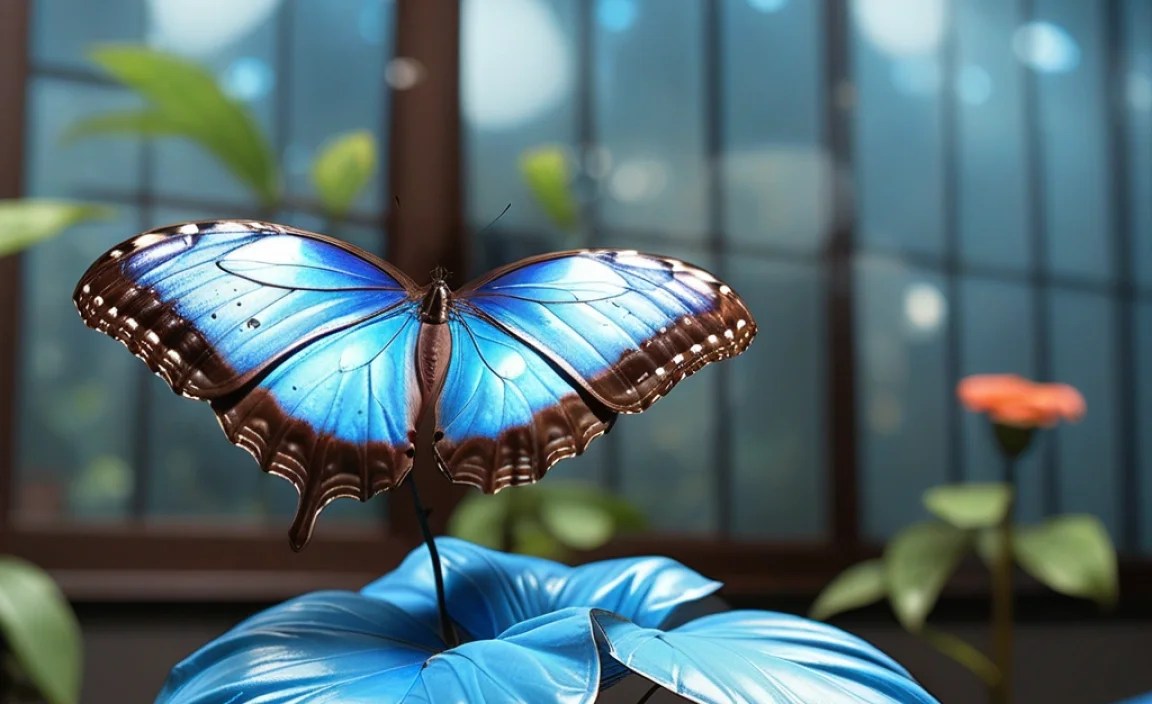
The blue morpho butterfly is famous for its dazzling, iridescent blue wings. These butterflies live in the rainforests of Central and South America. They feed on tree sap and fruit. The bright blue color comes from the microscopic scales on their wings, which reflect light.
Have you ever been amazed by the sight of a butterfly, its wings flashing like jewels in the sunlight? The blue morpho butterfly is one of the most stunning examples of nature’s beauty. But spotting one isn’t always easy, and understanding these creatures can feel like a challenge. Don’t worry, I’m here to guide you!
In this article, we’ll explore everything about the blue morpho, from where it lives to what it eats. We’ll also cover how its unique wings get their brilliant color and what role it plays in its rainforest home. Get ready to discover the magic of the blue morpho butterfly!
Frequently Asked Questions About Blue Morpho Butterflies
What makes the blue morpho butterfly’s wings so blue?
The blue color isn’t from pigment, but from the microscopic structure of the wing scales. These structures reflect blue light, creating the iridescent effect.
Where do blue morpho butterflies live?
They are found in the rainforests of Central and South America, from Mexico to Brazil.
What do blue morpho butterflies eat?
They primarily feed on tree sap, rotting fruit, and fungi. They don’t usually visit flowers for nectar like many other butterflies.
Are blue morpho butterflies endangered?
While not currently endangered, their populations are threatened by habitat loss due to deforestation.
How big are blue morpho butterflies?
Their wingspan can range from 5 to 8 inches (13 to 20 cm), making them one of the largest butterfly species.
How long do blue morpho butterflies live?
The adult lifespan is relatively short, only about 2 weeks.
Are male and female blue morpho butterflies different?
Yes, males are typically brighter blue than females. Females often have a brown border with spots on their wings.
Discovering the Blue Morpho Butterfly

Imagine walking through a dense rainforest, the air thick with humidity and the sounds of exotic birds. Suddenly, a flash of brilliant blue catches your eye. It’s a blue morpho butterfly, one of the most captivating insects on Earth. As a naturalist, I’ve spent years studying these amazing creatures, and I’m excited to share their secrets with you.
What is a Blue Morpho Butterfly?
The blue morpho butterfly (Morpho menelaus) belongs to the Nymphalidae family, also known as brush-footed butterflies. “Morpho” comes from the Greek word for “beauty” or “shape,” perfectly capturing their stunning appearance. These butterflies are famous for their iridescent blue wings, which shimmer and change in the sunlight.
Here are some key facts about the blue morpho:
- Scientific Name: Morpho menelaus
- Family: Nymphalidae (Brush-footed butterflies)
- Habitat: Tropical rainforests of Central and South America
- Diet: Tree sap, rotting fruit, fungi
- Wingspan: 5-8 inches (13-20 cm)
- Lifespan: About 2 weeks (adult)
Why are they so special?
Blue morphos are more than just pretty insects. Their unique wing structure creates a dazzling optical effect. Their large size and vibrant color make them easily recognizable and a favorite subject for nature enthusiasts and photographers alike. They also play a role in their ecosystem, even if small.
Unveiling the Secrets of Blue Morpho Wings

The most striking feature of the blue morpho is, without a doubt, its wings. But what makes them so special? It’s not just about pigment; it’s about physics!
The Science Behind the Blue
Unlike most blue colors in nature, which come from pigments, the blue morpho’s wings get their color from something called structural coloration. This means the color is produced by the microscopic structure of the wing scales. These scales have tiny ridges and layers that reflect blue light while absorbing other colors. This phenomenon is similar to how a prism splits white light into a rainbow.
According to research published in the journal “Nature,” the blue morpho’s wing scales are arranged in a complex, Christmas-tree-like structure. These structures are only a few hundred nanometers wide, perfectly sized to reflect blue wavelengths of light. The angle at which you view the wings affects the intensity of the blue color, creating the iridescent effect that makes these butterflies so mesmerizing. Nature Journal
Male vs. Female: A Colorful Difference
While both male and female blue morphos have iridescent wings, there are some key differences:
- Males: Generally have brighter, more intense blue wings. The blue color covers most of the wing surface.
- Females: Tend to have a less vibrant blue, often with a brown or yellow border and spots on their wings. This difference helps them blend in with their surroundings, providing better camouflage while laying eggs.
This difference in coloration is an example of sexual dimorphism, where males and females of the same species have different physical traits. In the case of blue morphos, the brighter blue of the males likely plays a role in attracting mates.
Camouflage and Defense
The bright blue color of the morpho’s wings might seem like a disadvantage, making them easy for predators to spot. However, when the butterfly is in flight, the flashing blue can be disorienting. When they fold their wings, the dull brown underside helps them blend in with leaves and branches, providing excellent camouflage.
This “flash and conceal” strategy is a clever way to avoid predators like birds and lizards. The sudden appearance and disappearance of the bright blue can confuse predators, giving the butterfly a chance to escape.
A Look at the Blue Morpho’s Life Cycle
The life of a blue morpho butterfly is a journey of transformation, from a tiny egg to a stunning adult. Let’s explore each stage of this fascinating life cycle.
Egg Stage
The life cycle begins with an egg, usually laid on the underside of a host plant leaf. These plants are the food source for the caterpillars. The eggs are tiny, often pale green or cream-colored, and can be difficult to spot.
Larva (Caterpillar) Stage
Once the egg hatches, a caterpillar emerges. Blue morpho caterpillars are fascinating creatures in their own right. They are typically reddish-brown with patches of bright green or yellow. They have long, bristly hairs that can irritate predators.
Caterpillars are eating machines, constantly munching on leaves to grow. They molt several times as they grow, shedding their skin to accommodate their increasing size. This stage can last for several weeks.
Pupa (Chrysalis) Stage
After reaching full size, the caterpillar transforms into a pupa, also known as a chrysalis. The chrysalis is usually green or brown and hangs from a branch or leaf. Inside the chrysalis, a remarkable transformation takes place. The caterpillar’s body breaks down, and new tissues and organs develop to form the butterfly.
This stage can last from two weeks to a month, depending on environmental conditions.
Adult Stage
Finally, the adult butterfly emerges from the chrysalis. Its wings are crumpled and wet, and it takes several hours for them to expand and dry. Once the wings are fully formed, the butterfly is ready to fly and begin its adult life.
Adult blue morphos primarily feed on tree sap, rotting fruit, and fungi. They use their long proboscis (a straw-like tongue) to suck up liquids. The adult stage is relatively short, lasting only about 2 weeks.
Where Do Blue Morpho Butterflies Live?
Blue morpho butterflies are native to the tropical rainforests of Central and South America. They can be found from Mexico to Brazil, preferring humid, shaded areas with plenty of trees and vegetation.
Habitat Preferences
Blue morphos thrive in rainforests because these environments provide everything they need to survive: host plants for their caterpillars, food sources for adults, and shelter from predators. They are often found near rivers and streams, where humidity is high.
Geographical Distribution
Here’s a breakdown of where you can find blue morpho butterflies:
- Central America: Costa Rica, Panama, Belize, Guatemala, Honduras, Nicaragua
- South America: Brazil, Colombia, Ecuador, Peru, Venezuela, Guyana, Suriname, French Guiana, Bolivia, Paraguay, Argentina
Within these regions, they tend to be more common in undisturbed rainforest areas. Deforestation and habitat loss are major threats to their populations, as they rely on specific host plants and environmental conditions to survive.
What Do Blue Morpho Butterflies Eat?
Unlike many butterflies that feed on nectar from flowers, blue morphos have a different diet. They primarily feed on tree sap, rotting fruit, and fungi. This unique diet is related to their habitat and the resources available in the rainforest.
Adult Diet
Adult blue morphos use their long proboscis to suck up liquids. They are attracted to the sweet, fermented juices of rotting fruit, which provide them with energy. They also feed on tree sap, which is rich in minerals and nutrients. Sometimes, they can be seen feeding on fungi growing on tree trunks.
Because they don’t rely on flowers for nectar, blue morphos are not as important pollinators as some other butterfly species. However, they still play a role in the rainforest ecosystem by helping to decompose organic matter.
Caterpillar Diet
Blue morpho caterpillars are herbivores, feeding on the leaves of specific host plants. These plants vary depending on the region, but they often belong to the pea family (Fabaceae) or the passionflower family (Passifloraceae).
Some common host plants include:
- Inga species (Pea family)
- Passiflora species (Passionflower family)
- Dalbergia species (Pea family)
The caterpillars are very picky eaters, only feeding on certain parts of the host plant. This specialization is common among butterfly larvae, as it helps them avoid competition and maximize their nutrient intake.
Threats to Blue Morpho Butterflies
While blue morpho butterflies are not currently endangered, their populations face several threats. Understanding these threats is crucial for conservation efforts.
Habitat Loss
The biggest threat to blue morpho butterflies is habitat loss due to deforestation. Rainforests are being cleared for agriculture, logging, and mining, destroying the butterflies’ homes and food sources.
According to the World Wildlife Fund (WWF), deforestation is one of the most pressing environmental issues of our time. It not only destroys habitats but also contributes to climate change and biodiversity loss. World Wildlife Fund
Climate Change
Climate change is also a growing threat to blue morpho butterflies. Changes in temperature and rainfall patterns can disrupt their life cycle and affect the availability of their food sources. Extreme weather events, such as droughts and floods, can also damage their habitats.
Collection for Trade
Blue morpho butterflies are highly sought after by collectors and for use in artwork and jewelry. While not as significant as habitat loss, the collection of wild butterflies can still impact local populations.
Pesticide Use
The use of pesticides in agriculture can also harm blue morpho butterflies. Pesticides can kill caterpillars and contaminate their food sources, reducing their chances of survival.
Conserving Blue Morpho Butterflies
Protecting blue morpho butterflies requires a multi-faceted approach, including habitat conservation, sustainable practices, and education. Here are some ways we can help:
Habitat Conservation
The most important step is to protect and restore rainforest habitats. This can be achieved through:
- Establishing protected areas: Creating national parks and reserves where logging and other destructive activities are prohibited.
- Supporting sustainable forestry: Encouraging logging practices that minimize damage to the forest ecosystem.
- Reforestation: Planting trees to restore degraded areas and create new habitats.
Sustainable Practices
Promoting sustainable practices in agriculture and other industries can also help reduce the threats to blue morpho butterflies. This includes:
- Reducing pesticide use: Using integrated pest management techniques that minimize the use of harmful chemicals.
- Supporting sustainable agriculture: Promoting farming practices that protect biodiversity and minimize environmental impact.
- Reducing consumption: Making conscious choices about the products we buy and supporting companies that are committed to sustainability.
Education and Awareness
Raising awareness about the importance of blue morpho butterflies and the threats they face is crucial for inspiring conservation action. This can be done through:
- Supporting conservation organizations: Donating to organizations that are working to protect rainforests and biodiversity.
- Educating others: Sharing information about blue morpho butterflies and the importance of conservation with friends, family, and colleagues.
- Visiting butterfly gardens and nature centers: Learning more about butterflies and their habitats firsthand.
Blue Morpho Butterfly Facts
Here’s a quick table of facts about the blue morpho butterfly:
| Fact | Details |
|---|---|
| Scientific Name | Morpho menelaus |
| Wingspan | 5-8 inches (13-20 cm) |
| Habitat | Tropical rainforests of Central and South America |
| Diet (Adult) | Tree sap, rotting fruit, fungi |
| Diet (Caterpillar) | Leaves of specific host plants (e.g., Inga, Passiflora) |
| Lifespan (Adult) | About 2 weeks |
| Coloration | Iridescent blue (males), less vibrant blue with brown borders (females) |
| Conservation Status | Not currently endangered, but threatened by habitat loss |
Attracting Butterflies to Your Garden
While you may not live in a rainforest, you can still create a butterfly-friendly habitat in your own backyard. Here are some tips for attracting butterflies to your garden:
- Plant host plants: Research which host plants are native to your area and plant them in your garden. This will provide food for caterpillars.
- Provide nectar sources: Plant a variety of flowers that provide nectar for adult butterflies. Choose flowers with bright colors and long bloom times.
- Provide a water source: Butterflies need water to drink. You can provide a shallow dish of water with pebbles or stones for them to land on.
- Avoid pesticides: Pesticides can harm butterflies and other beneficial insects. Use organic gardening methods to control pests.
- Provide shelter: Butterflies need shelter from wind and rain. Plant trees and shrubs to provide them with a safe place to rest.
By creating a butterfly-friendly garden, you can help support these beautiful creatures and enjoy their presence in your yard.
Conclusion
The blue morpho butterfly is a true marvel of nature, with its dazzling blue wings, unique life cycle, and important role in the rainforest ecosystem. As we’ve explored, understanding these butterflies and the threats they face is crucial for conservation efforts.
Whether you’re a seasoned naturalist or simply someone who appreciates beauty, I hope this article has inspired you to learn more about these amazing creatures and take action to protect them. By supporting conservation organizations, promoting sustainable practices, and educating others, we can all play a part in ensuring that future generations can marvel at the sight of a blue morpho butterfly flashing through the rainforest.