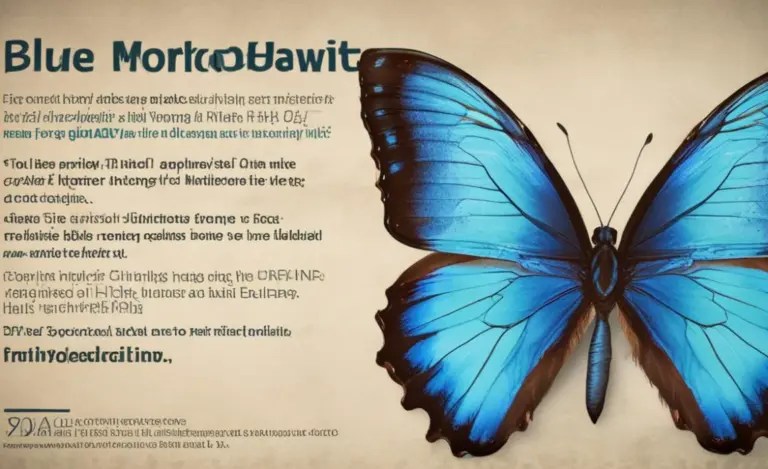
Blue Morpho Captive Lifespan: The Ultimate Guide

Have you ever seen a butterfly with wings that shine like the sky? That might be a Blue Morpho! These amazing butterflies live in rainforests. People love to watch them flutter around. But how long do these beauties live? What is the typical {Blue Morpho captive lifespan}? Let’s learn more about these special creatures.
Butterflies go through a big change in their lives. It is called metamorphosis. They start as tiny eggs. Then, they become caterpillars. After that, they form a chrysalis. Finally, they emerge as butterflies. Understanding their life cycle helps us understand their lifespan. We will explore how long they live in special butterfly gardens.
Key Takeaways
- The Blue Morpho captive lifespan is shorter than in the wild, usually just a few weeks.
- Good food helps Morphos live longer. They eat sweet fruits.
- A safe home helps them stay away from danger. Cages keep them safe.
- The butterfly’s full life cycle impacts how long they will live.
- Protecting rainforests helps wild Morphos survive longer naturally.
Understanding the Blue Morpho Life Cycle

The Blue Morpho butterfly’s life is a fantastic journey. It starts as a tiny egg. The egg is usually laid on a leaf. This leaf will be the caterpillar’s first meal. When the egg hatches, a small caterpillar comes out. The caterpillar eats and grows. It sheds its skin many times. This shedding is called molting. After growing, the caterpillar turns into a chrysalis. Inside the chrysalis, something amazing happens. The caterpillar changes into a butterfly. This change takes about two weeks. The butterfly then emerges. It is ready to fly and find a mate. The whole process is truly a wonder of nature. The {Blue Morpho captive lifespan} is just one part of their intriguing journey.
- Eggs are laid on special host plants.
- Caterpillars eat a lot to grow quickly.
- Molting happens several times as they grow.
- The chrysalis stage lasts about two weeks.
- Adult butterflies emerge ready to reproduce.
Knowing each stage helps us care for them. In captivity, we try to mimic their natural world. We give them the right food. We keep them safe from harm. This helps them live a full life. Even though it’s short, we can make it good. We learn so much from these amazing creatures. Watching them change is a gift. The Blue Morpho’s story is one of beauty and wonder. It reminds us to protect our planet. It also shows us the magic of nature. Understanding their needs helps us ensure a better {Blue Morpho captive lifespan}.
What Do Blue Morpho Caterpillars Eat?
Have you ever wondered what a Blue Morpho caterpillar likes to eat? These little guys are picky eaters. They only eat certain types of leaves. These leaves are called host plants. The caterpillars need these plants to grow big and strong. Some favorite host plants include pea and bean plants. They also like plants from the genus Inga. These plants are found in rainforests. The caterpillars munch on these leaves all day long. Eating helps them grow quickly. They need to grow before they turn into butterflies. The right food is very important for their survival. Without it, they cannot complete their transformation. It is crucial for a healthy {Blue Morpho captive lifespan}.
How Long Does the Chrysalis Stage Last?
The chrysalis stage is a time of big change. It is like a secret room where magic happens. Inside, the caterpillar turns into a butterfly. This process takes about two weeks. During this time, the chrysalis looks like a jade jewel. It hangs upside down from a branch. Inside, the caterpillar’s body breaks down. Then, it rebuilds into a butterfly. It is an amazing transformation. The butterfly’s wings, legs, and antennae form. When it is ready, the chrysalis becomes clear. You can see the butterfly inside. Then, the butterfly breaks free. It emerges wet and crumpled. It takes a few hours for its wings to dry. Then, it flies off to explore the world. The {Blue Morpho captive lifespan} depends on a successful chrysalis stage.
What Happens After the Butterfly Emerges?
Imagine a Blue Morpho butterfly breaking free. It slowly unfolds its wings. The wings are soft and damp at first. The butterfly pumps fluid into them. This makes them strong and straight. It takes a few hours for the wings to dry. Once they are dry, the butterfly is ready to fly. It flutters its wings and takes off. The butterfly is now ready to find food. It drinks nectar from flowers. It also looks for a mate. Male butterflies have bright blue wings. They use these wings to attract females. Female butterflies lay eggs on host plants. The cycle starts all over again. The adult butterfly lives for a few weeks. During this time, it plays a vital role in the rainforest. The {Blue Morpho captive lifespan} is short but beautiful.
Fun Fact or Stat: A Blue Morpho butterfly’s wings are actually brown underneath! The bright blue color is caused by the way light reflects off the scales on their wings.
Factors Affecting Blue Morpho Lifespan in Captivity

Keeping Blue Morpho butterflies in captivity is tricky. Many things can affect how long they live. Food is very important. They need the right kind of food to stay healthy. Temperature and humidity matter too. They need a warm, moist environment. This is like their natural rainforest home. Also, they need protection from predators. Birds and other animals can hurt them. Stress can also shorten their lives. If they are scared or crowded, they won’t live as long. Cleanliness is also key. A clean environment prevents disease. Taking care of all these things helps them thrive. Paying attention to these details can improve the {Blue Morpho captive lifespan}.
- Proper temperature and humidity control is essential.
- A varied diet including fruit and nectar is best.
- Protection from predators and stress is crucial.
- Cleanliness helps prevent diseases and infections.
- Adequate space prevents overcrowding.
Creating the right environment is like building a perfect home. We want them to feel safe and comfortable. This means controlling the temperature. We keep it warm, like a rainforest. We also keep the air moist. This helps them stay hydrated. We provide them with plenty of food. They love sweet fruits and nectar. We also protect them from harm. We keep them away from predators. We make sure they have enough space to fly. All these things help them live longer, happier lives. Understanding their needs leads to a better {Blue Morpho captive lifespan}. It also helps us appreciate these amazing creatures.
What Is the Ideal Temperature for Morphos?
Blue Morphos love warmth. They need a temperature that feels like a rainforest. The best temperature for them is between 80 and 85 degrees Fahrenheit. If it gets too cold, they become sluggish. They might not eat or fly. If it gets too hot, they can overheat. Keeping the temperature steady is important. We can use heaters or coolers to control it. We also need to watch the humidity. Morphos like moist air. This helps them stay hydrated. Dry air can damage their wings. Maintaining the right temperature and humidity is key to their health. It helps them live longer and thrive. This is especially important for the {Blue Morpho captive lifespan}.
How Does Humidity Affect Their Health?
Humidity is like the air’s moisture. Blue Morphos need a certain amount of moisture in the air. This helps them stay healthy. The ideal humidity for them is between 60% and 80%. If the air is too dry, their wings can become brittle. They might also have trouble flying. If the air is too humid, mold can grow. Mold can make them sick. We can use humidifiers to add moisture to the air. We can also use dehumidifiers to remove moisture. Monitoring humidity is very important. It helps us create a healthy environment for them. Healthy butterflies will have a better {Blue Morpho captive lifespan}.
Why Is Cleanliness So Important?
Imagine living in a messy house. Germs and bacteria would spread quickly. It’s the same for Blue Morphos. A clean environment is essential for their health. It prevents the spread of disease. We need to clean their enclosures regularly. This means removing waste and old food. We also need to disinfect surfaces. This kills germs that can make them sick. Clean water is also important. We need to provide fresh water for them to drink. A clean environment helps them stay healthy and strong. This helps them live longer and thrive. Keeping their home clean improves the overall {Blue Morpho captive lifespan}.
Fun Fact or Stat: Blue Morpho butterflies taste with their feet! They have sensors on their feet that help them find the sweetest nectar.
Diet and Nutrition for a Longer Blue Morpho Captive Lifespan

What do Blue Morphos eat? They love sweet things! In captivity, we give them a variety of foods. They like fruit, such as bananas and mangoes. We also give them nectar solutions. These are like sugary drinks. We mix water with honey or sugar. This gives them energy. It is important to offer them fresh food every day. Old food can attract bacteria and mold. We also need to make sure they get enough to eat. A healthy diet helps them stay strong. It also helps them live longer. Providing the right diet is key to extending the {Blue Morpho captive lifespan}.
- Offer a variety of sweet fruits like bananas and mangoes.
- Provide nectar solutions made with honey or sugar water.
- Ensure food is fresh and replaced daily.
- Monitor their feeding habits to ensure they eat enough.
- Supplement their diet with vitamins if needed.
Think of their diet as their fuel. Just like a car needs gas, they need food for energy. The right food helps them fly and reproduce. A poor diet can make them weak and sick. This can shorten their lifespan. We want to give them the best possible care. This means providing a balanced diet. We watch them closely to see what they like. We adjust their diet as needed. This helps them stay healthy and happy. By paying attention to their nutritional needs, we can improve their overall well-being. This contributes to a healthier and longer {Blue Morpho captive lifespan}.
What Kind of Fruits Do They Prefer?
Blue Morphos have a sweet tooth! They love fruits that are soft and juicy. Bananas are a favorite. They also enjoy mangoes and peaches. We usually cut the fruit into small pieces. This makes it easier for them to eat. We also make sure the fruit is ripe. Ripe fruit is softer and sweeter. They use their proboscis to drink the juice. The proboscis is like a long straw. It uncurls and sucks up the liquid. Watching them eat is fascinating. It’s a reminder of their delicate beauty. Providing their favorite fruits enhances the {Blue Morpho captive lifespan}.
How Do You Prepare Nectar Solutions?
Nectar solutions are like energy drinks for Blue Morphos. They give them a quick boost of energy. Making nectar solutions is easy. We mix water with honey or sugar. The ratio is usually one part honey or sugar to four parts water. We stir it until the honey or sugar dissolves. We then put the solution in small dishes. We place the dishes near the butterflies. They can easily find the nectar and drink it. It is important to change the solution daily. This prevents bacteria from growing. Fresh nectar keeps them healthy and energized. This impacts the {Blue Morpho captive lifespan} positively.
Can You Supplement Their Diet with Vitamins?
Sometimes, Blue Morphos need extra help. They might not get all the nutrients they need from their regular diet. In these cases, we can supplement their diet with vitamins. We can add a small amount of vitamin powder to their nectar solution. This gives them an extra boost of nutrients. It is important not to add too much. Too many vitamins can be harmful. We should always consult with an expert before adding supplements. Vitamins can help them stay healthy and strong. This can improve their overall well-being. A strong, healthy butterfly is more likely to have an increased {Blue Morpho captive lifespan}.
Fun Fact or Stat: Blue Morpho butterflies can’t see the color red! They are most attracted to blue and purple flowers.
Creating the Ideal Habitat: Extending Blue Morpho Captive Lifespan

To help Blue Morphos live longer in captivity, we need to create a great home for them. This means making an environment that feels like their natural rainforest. The enclosure should be large enough for them to fly. It should also have plenty of plants. These plants provide shelter and resting spots. We need to control the temperature and humidity. They need warmth and moisture. We also need to protect them from predators. A secure enclosure keeps them safe. The right habitat makes them feel comfortable and secure. This reduces stress and helps them thrive. Creating the ideal habitat is crucial for maximizing the {Blue Morpho captive lifespan}.
- Ensure the enclosure is large enough for flight.
- Provide plenty of plants for shelter and resting.
- Control temperature and humidity to mimic their natural habitat.
- Protect them from predators with a secure enclosure.
- Minimize stress by providing a calm environment.
- Ensure there is adequate light that mimics a natural sunny day.
Think of their enclosure as their world. We want to make it as comfortable and safe as possible. This means paying attention to every detail. We choose the right plants to create a natural look. We control the temperature to keep them warm. We monitor the humidity to keep the air moist. We protect them from anything that could harm them. We also make sure they have enough space to fly. All these things contribute to their well-being. A comfortable and secure environment reduces stress. This helps them live longer and healthier lives. A well-designed habitat enhances the {Blue Morpho captive lifespan}.
What Size Enclosure Is Best?
Blue Morphos need space to fly. A small enclosure can make them feel cramped. The best enclosure is large enough for them to spread their wings. A good size is at least six feet tall, four feet wide, and four feet deep. This gives them room to fly up and down. It also allows them to move around freely. The enclosure should also have plenty of plants. These plants provide resting spots and shelter. A larger enclosure is always better. It gives them more room to explore and exercise. Ample space helps improve the {Blue Morpho captive lifespan}.
What Kind of Plants Should You Include?
Plants make the enclosure feel like a rainforest. Blue Morphos love to perch on leaves and flowers. Good plants to include are bromeliads and orchids. These plants are native to rainforests. They also provide nectar for the butterflies. Host plants are also important. These are the plants that caterpillars eat. Including host plants allows the butterflies to lay eggs. It also allows the caterpillars to grow. A variety of plants creates a natural and stimulating environment. This enhances their well-being and can extend the {Blue Morpho captive lifespan}.
How Do You Maintain the Enclosure?
Maintaining the enclosure is important. It keeps the butterflies healthy. We need to clean the enclosure regularly. This means removing waste and old food. We also need to water the plants. This keeps them healthy and green. We need to monitor the temperature and humidity. This ensures they are within the ideal range. We also need to check for pests and diseases. Addressing problems quickly prevents them from spreading. Regular maintenance keeps the enclosure clean and healthy. This contributes to the overall well-being of the butterflies. It supports a longer and healthier {Blue Morpho captive lifespan}.
Fun Fact or Stat: Blue Morpho butterflies are among the largest butterflies in the world! Their wingspan can reach up to 8 inches.
Common Health Issues and Blue Morpho Captive Lifespan

Even with the best care, Blue Morphos can get sick. Common health issues include fungal infections. These infections can affect their wings. They can also get bacterial infections. These infections can affect their digestive system. Parasites can also be a problem. These can weaken the butterflies. Stress can also lead to health problems. If they are stressed, they may stop eating. It is important to watch for signs of illness. These signs include lethargy, loss of appetite, and discolored wings. Early detection and treatment can improve their chances of survival. Addressing health issues promptly can help maximize the {Blue Morpho captive lifespan}.
- Fungal infections can damage their wings.
- Bacterial infections can affect their digestion.
- Parasites can weaken their overall health.
- Stress can suppress their immune system.
- Early detection of illness is crucial.
- Quarantine sick butterflies to prevent spread of disease.
Preventing illness is always better than treating it. We can do this by keeping their environment clean. We also need to provide them with a healthy diet. We should minimize stress by providing a calm environment. Regular check-ups can also help. We can look for signs of illness early on. If we notice anything unusual, we should consult with an expert. By taking proactive steps, we can keep them healthy. This helps them live longer and happier lives. Preventative care is essential for a prolonged {Blue Morpho captive lifespan}.
How Do You Identify Fungal Infections?
Fungal infections can be tricky to spot. They often appear as white or gray patches on the wings. The wings may also look deformed. The butterfly may also have trouble flying. If you suspect a fungal infection, you should isolate the butterfly. This prevents the infection from spreading. You can also treat the infection with an antifungal spray. It is important to follow the instructions carefully. Early treatment can prevent the infection from becoming severe. Recognizing and treating fungal infections will benefit the {Blue Morpho captive lifespan}.
What Are the Signs of Bacterial Infections?
Bacterial infections can cause a variety of symptoms. The butterfly may become lethargic. It may also lose its appetite. Its feces may be discolored. It may also have a swollen abdomen. If you suspect a bacterial infection, you should consult with an expert. They can prescribe antibiotics to treat the infection. It is important to administer the antibiotics correctly. Completing the full course of treatment is essential. Prompt treatment can improve their chances of recovery. Addressing bacterial infections promptly will benefit the {Blue Morpho captive lifespan}.
How Can You Minimize Stress?
Stress can weaken their immune system. This makes them more susceptible to illness. To minimize stress, we need to create a calm environment. This means avoiding loud noises and sudden movements. We also need to provide them with plenty of space. Overcrowding can cause stress. We should also handle them gently. Rough handling can scare them. By creating a calm and peaceful environment, we can reduce stress. A stress-free environment helps the butterfly live longer. Minimizing stress can help to maximize the {Blue Morpho captive lifespan}.
Fun Fact or Stat: Blue Morpho butterflies have iridescent wings! This means the color changes depending on the angle you view them from.
Release Programs and the Blue Morpho Captive Lifespan
Some people raise Blue Morphos to release them into the wild. This can help boost the wild population. However, it is important to do this responsibly. Releasing butterflies that are not healthy can harm the wild population. They may spread diseases. It is also important to release them in the right location. They need to be released in an area with host plants. They also need to be released at the right time of year. The weather needs to be warm and sunny. Releasing butterflies responsibly can help support their conservation. Release programs can have an impact on the overall survival of the species, even if the {Blue Morpho captive lifespan} is short.
| Factor | Captive | Wild |
|---|---|---|
| Average Lifespan | 2-4 weeks | Up to 3 months |
| Diet | Controlled; fruits, nectar solutions | Varied; nectar, tree sap, decaying fruit |
| Predators | Protected; minimal threat | High; birds, reptiles, insects |
| Environment | Controlled; temperature, humidity | Variable; weather, habitat changes |
- Release only healthy butterflies.
- Release them in areas with host plants.
- Release them at the right time of year.
- Avoid releasing them during extreme weather.
- Monitor the release site for success.
Before releasing butterflies, it is important to prepare them. This means giving them time to adjust to the outdoor environment. You can do this by placing their enclosure outside for a few hours each day. This allows them to acclimate to the temperature and humidity. It also allows them to get used to the sunlight. When you release them, choose a calm day. Avoid releasing them on windy or rainy days. Release them near host plants. This gives them a source of food and shelter. Responsible release programs can support the conservation of Blue Morphos. This ensures their survival for future generations. Even though the {Blue Morpho captive lifespan} is short, their contribution to the wild population is significant.
What Are the Benefits of Release Programs?
Release programs can help boost wild populations. Blue Morpho populations are declining due to habitat loss. Releasing butterflies can help offset these losses. It can also help increase genetic diversity. Releasing butterflies from different sources can introduce new genes. This can make the population more resilient. Release programs can also educate the public. They can raise awareness about the importance of conservation. By involving people in the process, we can inspire them to protect butterflies and their habitat. Release programs contribute to the long-term survival of the species, even if the {Blue Morpho captive lifespan} is limited.
What Are the Risks of Release Programs?
Release programs also carry some risks. One risk is the spread of disease. If released butterflies are not healthy, they can infect wild butterflies. This can devastate the population. Another risk is genetic pollution. If released butterflies are not native to the area, they can interbreed with wild butterflies. This can weaken the gene pool. It is important to carefully consider these risks before releasing butterflies. Responsible release programs take steps to minimize these risks. Mitigating these risks helps the {Blue Morpho captive lifespan} in the wild.
How Can You Ensure a Successful Release?
A successful release requires careful planning. First, you need to choose the right location. It should be an area with plenty of host plants. It should also be protected from development. Second, you need to release healthy butterflies. They should be free of disease and parasites. Third, you need to release them at the right time of year. The weather should be warm and sunny. Fourth, you need to monitor the release site. This allows you to track the success of the program. By following these steps, you can increase the chances of a successful release. Successful releases help to enhance the {Blue Morpho captive lifespan} in the wild.
Fun Fact or Stat: Blue Morpho caterpillars are cannibalistic! They will sometimes eat each other if food is scarce.
Summary
The Blue Morpho is a beautiful butterfly. It lives in rainforests. Understanding its life cycle is key. This helps us care for them in captivity. The {Blue Morpho captive lifespan} is influenced by many factors. These include diet, habitat, and health. Providing the right conditions can help them thrive. Release programs can also help boost wild populations. However, it is important to do this responsibly. By taking steps to protect these amazing creatures, we can ensure their survival. We can also appreciate their beauty for generations to come. Learning about their needs helps us contribute to their well-being.
Conclusion
Blue Morpho butterflies are truly amazing. They bring beauty and wonder to our world. Understanding their needs is important. This helps us care for them. Whether in captivity or the wild, we can make a difference. Providing the right environment, diet, and care is crucial. We must protect their rainforest habitat. By doing so, we can help ensure their survival. The typical {Blue Morpho captive lifespan} is short. Yet, every effort to improve their lives matters. Let’s work together to protect these beautiful creatures.
Frequently Asked Questions
Question No 1: What is the average lifespan of a Blue Morpho butterfly?
Answer: The average lifespan of a Blue Morpho butterfly varies depending on its environment. In the wild, they typically live for about one to three months. However, in captivity, their lifespan is often shorter. They usually live for only two to four weeks. This is because captive environments can be challenging to replicate perfectly. Factors like diet, temperature, and humidity play a crucial role. Ensuring optimal conditions can help extend their lifespan in captivity, but it is still generally shorter than in the wild. The {Blue Morpho captive lifespan} depends greatly on how well we can mimic their natural habitat.
Question No 2: What do Blue Morpho butterflies eat?
Answer: Blue Morpho butterflies have a sweet tooth! They primarily feed on the juices of rotting fruits. They also enjoy tree sap and nectar. In captivity, they are often fed a diet of overripe fruits. This includes bananas, mangoes, and peaches. Nectar solutions made from honey or sugar water are also provided. These solutions give them the energy they need to fly and reproduce. A varied and nutritious diet is essential for their health. It also helps them live longer. Without proper nutrition, their lifespan can be significantly shortened. The {Blue Morpho captive lifespan} relies on a consistent source of energy and nutrients.
Question No 3: How can I create a good habitat for Blue Morphos in captivity?
Answer: Creating a suitable habitat for Blue Morphos involves several key elements. First, you need a large enclosure. This gives them enough space to fly. The enclosure should also have high humidity. Aim for around 60-80%. The temperature should be warm, between 80-85°F. Include plenty of plants. This provides shelter and resting spots. Host plants for caterpillars are also important. Keep the enclosure clean to prevent disease. Minimize stress by providing a calm environment. The {Blue Morpho captive lifespan} is greatly affected by these housing conditions.
Question No 4: What are some common health problems that affect Blue Morphos?
Answer: Blue Morphos are susceptible to several health issues. Fungal infections can affect their wings. Bacterial infections can impact their digestive system. Parasites can weaken them. Stress is also a major factor. It can suppress their immune system. Signs of illness include lethargy, loss of appetite, and discolored wings. Early detection and treatment are crucial. Quarantine sick butterflies to prevent the spread of disease. By addressing these health issues promptly, we can improve their chances of survival. This helps to maximize the potential {Blue Morpho captive lifespan}.
Question No 5: How do release programs help Blue Morpho populations?
Answer: Release programs can play a vital role in supporting Blue Morpho populations. By releasing healthy, captive-bred butterflies into the wild, we can help boost their numbers. This is especially important in areas where their habitat is threatened. However, it’s crucial to conduct these programs responsibly. Ensure the released butterflies are disease-free. Release them in areas with ample host plants. Avoid releasing them during extreme weather conditions. Monitor the release site to assess the program’s success. Even though the {Blue Morpho captive lifespan} in captivity is short, well-managed release programs can still contribute to the long-term survival of the species in the wild.
Question No 6: Why is the Blue Morpho butterfly so special?
Answer: The Blue Morpho butterfly is special for many reasons! Its iridescent blue wings are stunning. This makes it one of the most recognizable butterflies in the world. It plays an important role in its rainforest ecosystem. As a pollinator, it helps plants reproduce. Its beauty inspires awe and wonder. This makes it a symbol of the rainforest’s fragility. Protecting the Blue Morpho means protecting its habitat. This ensures the survival of countless other species. This effort helps the {Blue Morpho captive lifespan} and wild populations. Its existence enriches our planet.