
Blue Morpho Exhibit Design: The Ultimate Guide

Have you ever seen a butterfly with shiny blue wings? These butterflies are called Blue Morphos. They are truly amazing! Imagine seeing many of them in one place. That is why Blue Morpho exhibit design is so important. Good design lets us see these beauties up close.
Why do zoos and museums create special exhibits? They want to teach us about nature. They want to protect these amazing creatures too. Let’s learn how they make these special places for Blue Morphos.
Key Takeaways
- Blue Morpho exhibit design focuses on creating a safe and beautiful home for butterflies.
- The perfect habitat includes the right temperature, plants, and humidity levels.
- Good exhibit design helps people learn about Blue Morphos and their life cycle.
- These exhibits often teach about conservation and protecting rainforests.
- Careful planning makes the exhibit enjoyable for both butterflies and visitors.
Understanding Blue Morpho Habitat Needs
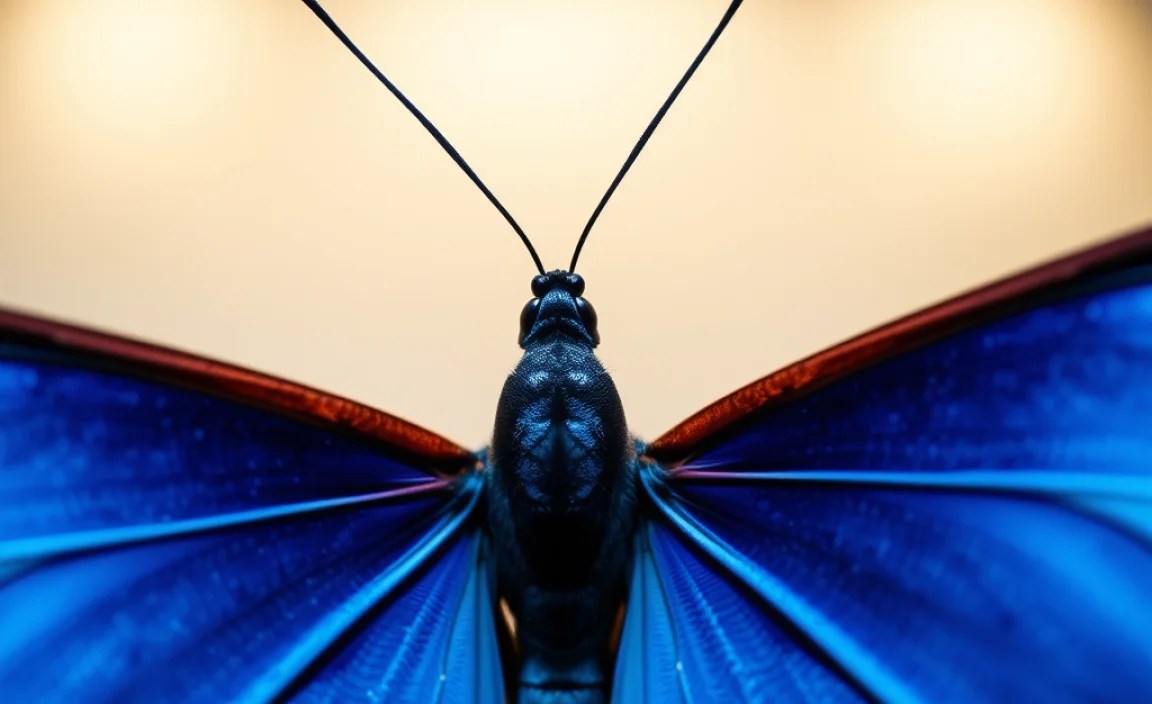
Blue Morphos are special butterflies. They need specific things to live well. These needs include the right temperature. They also need special plants. Humidity is also very important. Blue Morpho exhibit design must think about all these things. Designers work hard to make a perfect home. They study the butterfly’s natural habitat. This helps them copy the conditions. They want the butterflies to feel comfortable. They also want them to be healthy. Good design means happy butterflies! These happy butterflies will fly around for everyone to see. Understanding their needs is the first step.
- Temperature should stay around 80-85°F (26-29°C).
- Humidity should be between 60% and 80%.
- Caterpillars eat specific plants.
- Adults like to feed on rotting fruit.
- They need space to fly around.
- The exhibit must be safe from predators.
Designers also think about the visitors. People want to see the butterflies up close. But they also want to be respectful. The exhibit needs to be easy to walk through. It should also be safe for both people and butterflies. Glass walls can help. These let people see without touching. Sometimes, people can walk inside a netted area. This lets them get even closer! Blue Morpho exhibit design is a balance. It’s about making a great home and a fun place to visit. It’s a complex job that requires careful planning. This planning makes sure everyone enjoys the exhibit.
What Temperature Do Blue Morphos Like?
Imagine you are a Blue Morpho. Would you like to be too cold or too hot? Probably just right! These butterflies like warm temperatures. They need it to fly and be active. Think of a sunny day in the rainforest. Designers must keep the exhibit warm. They use special lights and heaters. These keep the temperature steady. If it gets too cold, the butterflies get slow. They might not even fly. Too hot is bad too. It can dry them out. So, keeping the temperature perfect is very important. It helps the butterflies stay happy and healthy. This is key to good Blue Morpho exhibit design.
Why Is Humidity Important for Them?
Have you ever felt dry air? It can make your skin itchy. Butterflies feel it too! Blue Morphos need moist air. This helps them stay hydrated. It also helps their wings stay healthy. Designers use misters and water features. These add moisture to the air. The right humidity makes the butterflies feel at home. It’s like bringing a piece of the rainforest inside. The humidity level must be just right. Not too wet and not too dry. This is another important part of Blue Morpho exhibit design. It’s all about creating the perfect environment for these beautiful creatures.
What Plants Do They Need?
Blue Morpho caterpillars are picky eaters. They only eat certain plants. These plants are called host plants. Designers must know which plants to use. They plant these in the exhibit. This gives the caterpillars food to eat. Adult butterflies eat too. But they like different things. They like nectar from flowers. They also like rotting fruit. Designers put these in the exhibit as well. This gives the adults energy. The right food keeps the butterflies healthy. It also lets them lay eggs. This helps the exhibit have more butterflies. Choosing the right plants is important in Blue Morpho exhibit design.
Fun Fact or Stat: Blue Morpho butterflies taste with sensors on their legs!
Creating a Natural-Looking Environment
Blue Morphos live in rainforests. So, the exhibit should look like one. Designers use lots of plants. They also use rocks and waterfalls. This makes the exhibit feel natural. Visitors feel like they are in a real rainforest. The plants help the butterflies feel at home. They give them places to hide. The rocks and waterfalls add beauty. The exhibit should be colorful and lively. This makes it fun for visitors to explore. It also teaches them about rainforests. Blue Morpho exhibit design is about creating an experience. It is a way to learn and appreciate nature. A well-designed exhibit will transport visitors to another world.
- Use a variety of plants with different colors.
- Add small waterfalls or streams.
- Include rocks and logs for butterflies to rest on.
- Create pathways for visitors to walk through.
- Use natural lighting when possible.
- Make sure the exhibit is easy to clean.
The plants in the exhibit should be carefully chosen. They need to be safe for the butterflies. They also need to look like rainforest plants. Designers often use ferns and orchids. These plants are beautiful and easy to care for. The waterfalls should be small and gentle. They should not create too much noise. The rocks and logs should be placed carefully. They should give the butterflies places to rest. Visitors should be able to walk through the exhibit easily. The pathways should be wide and smooth. Natural lighting is best for the butterflies. It also makes the exhibit look more natural. Cleaning the exhibit is also important. It helps keep the butterflies healthy. Blue Morpho exhibit design is about paying attention to details. These details make the exhibit special.
How to Choose the Right Plants?
Picking plants for a Blue Morpho exhibit needs thought. Plants must be safe and look real. Think about rainforest plants like ferns. Colorful flowers give nectar for butterflies. Caterpillars need special food plants. Do some research on which plants work best. Make sure the plants can live in the exhibit. The plants need to handle the humidity and heat. Good plant choices make a happy exhibit. They also teach visitors about rainforest life. Choosing plants is key to Blue Morpho exhibit design.
Why Are Water Features Important?
Water features add life to a Blue Morpho exhibit. They make the air humid. This helps butterflies stay healthy. Waterfalls and streams look nice too. They sound peaceful and relaxing. Water features also give butterflies a place to drink. Make sure the water is clean and safe. Small water features are usually best. Big ones might be too loud or dangerous. Adding water is a smart idea. It makes the exhibit feel more like a rainforest. This is a nice part of Blue Morpho exhibit design.
How to Make It Look Real?
Making an exhibit look real takes work. Use natural materials like rocks and wood. Pick plants that grow in rainforests. Make the lighting look like sunlight. Play rainforest sounds to make it feel real. Avoid things that look fake or plastic. Think about every detail, big and small. Arrange plants like they would grow in nature. A real-looking exhibit is more fun to visit. It also teaches people about the rainforest. This realism is a big goal in Blue Morpho exhibit design. It makes the butterflies feel more at home too.
Fun Fact or Stat: The Blue Morpho’s wings look iridescent because of their structure, not pigment!
Controlling Climate for Butterfly Health

Blue Morphos need a special climate. This means keeping the temperature right. It also means controlling humidity. Good Blue Morpho exhibit design focuses on this. Designers use special equipment. This equipment helps keep the climate steady. Heaters keep the exhibit warm. Misters add moisture to the air. Fans keep the air moving. All these things help the butterflies. They make them feel healthy and comfortable. A good climate also helps the plants grow. The plants need the right conditions too. Climate control is very important for a successful exhibit. It’s about creating a little piece of the rainforest.
- Use thermostats to control temperature.
- Install misters to maintain humidity levels.
- Use fans for air circulation.
- Monitor the climate regularly.
- Have backup systems in case of failure.
- Adjust climate based on the season.
Keeping the climate steady can be tricky. The weather outside can change. This can affect the exhibit inside. Designers use sensors to monitor the climate. These sensors tell them when to make adjustments. If it gets too cold, they turn up the heaters. If it gets too dry, they turn on the misters. They also have backup systems. These systems help if something breaks down. For example, they might have a backup generator. This keeps the power on during a blackout. Blue Morpho exhibit design includes planning for problems. This planning ensures the butterflies stay healthy. It also ensures the exhibit stays open.
Why Is Temperature So Important?
Think of Blue Morphos like people. They need the right temperature to feel good. Too cold, and they get slow and sleepy. Too hot, and they get tired and dehydrated. Keeping the temperature steady is key. It lets the butterflies fly and eat. It also helps them mate and lay eggs. Designers use heaters to warm the exhibit. They also use vents to cool it down. The goal is to keep the temperature just right. This is a big part of Blue Morpho exhibit design. It helps the butterflies thrive.
How Do Misters Help?
Misters are like little rain clouds. They spray tiny droplets of water into the air. This makes the air humid. Blue Morphos need humidity to stay healthy. It keeps their wings from drying out. It also helps them breathe. Misters are easy to use. They can be set to spray at certain times. Designers use misters to keep the humidity steady. This is important for the butterflies’ health. It’s also a simple way to make them happy. Misters are a helpful tool in Blue Morpho exhibit design.
What About Air Circulation?
Air circulation is like a gentle breeze. It keeps the air fresh and moving. This is important for Blue Morphos. It helps prevent mold and mildew. It also helps keep the temperature even. Designers use fans to circulate the air. The fans should be gentle. They should not blow too hard. Strong winds can hurt the butterflies. Good air circulation keeps the exhibit healthy. It’s a simple but important part of the design. It makes the exhibit a better place for butterflies.
Fun Fact or Stat: Some butterfly exhibits use computer-controlled systems to mimic the daily temperature changes of a rainforest!
Ensuring Butterfly Safety and Security
Keeping Blue Morphos safe is very important. Blue Morpho exhibit design must think about this. The exhibit should protect them from harm. This includes protecting them from predators. It also means keeping them from escaping. Designers use nets and glass walls. These keep the butterflies inside. They also keep other animals out. The exhibit should also be safe for visitors. People should not be able to touch the butterflies. This can hurt them. The exhibit should be clean and free of hazards. This keeps everyone safe. Safety is a top priority in exhibit design.
- Use fine mesh netting to enclose the exhibit.
- Install double doors to prevent escapes.
- Keep the exhibit clean and free of pests.
- Train staff to handle butterflies carefully.
- Provide first aid for injured butterflies.
- Monitor the exhibit for potential hazards.
Designers also think about emergencies. What if a butterfly gets hurt? They have a first aid kit for butterflies. It includes things like honey and cotton swabs. What if there is a power outage? They have a backup generator. What if a butterfly escapes? They have a plan to catch it. Blue Morpho exhibit design is about being prepared. It’s about thinking ahead and planning for problems. This helps keep the butterflies safe and healthy. It also helps keep the exhibit running smoothly. A safe exhibit is a successful exhibit.
How to Stop Butterflies from Escaping?
Butterflies are good at flying. They can easily escape if they get the chance. Designers use nets to keep them inside. The nets must be strong and have small holes. This stops the butterflies from flying through. Double doors also help. These create a buffer zone. If a butterfly gets past the first door, it’s still trapped. Stopping escapes is important for Blue Morpho exhibit design. It keeps the butterflies safe inside the exhibit.
What About Pests and Diseases?
Pests and diseases can hurt Blue Morphos. Designers must keep the exhibit clean. They also need to watch for signs of trouble. They might see sick butterflies. Or they might see pests like mites. If they find a problem, they need to act fast. They might need to treat the butterflies. Or they might need to clean the exhibit. Preventing pests and diseases is key. It keeps the butterflies healthy and happy.
How to Protect Them from Visitors?
Visitors love to see Blue Morphos. But they can also hurt them without meaning to. People might try to touch the butterflies. This can damage their wings. Designers use glass walls to protect them. They also put up signs. These signs tell people not to touch the butterflies. Educating visitors is important. It helps them understand how to be respectful. Protecting butterflies from visitors is a key part of the design.
| Safety Measure | Description | Benefit |
|---|---|---|
| Fine Mesh Netting | Encloses the entire exhibit. | Prevents butterflies from escaping. |
| Double Doors | Creates an airlock at the entrance. | Reduces the chance of escape during entry/exit. |
| Regular Cleaning | Removes potential pests and diseases. | Maintains a healthy environment. |
| Staff Training | Teaches proper handling techniques. | Minimizes stress and injury to butterflies. |
Fun Fact or Stat: Some exhibits use harmless “decoy” butterflies to distract predators and keep the Blue Morphos safe!
Educational Opportunities in Exhibit Design

Blue Morpho exhibits can teach us a lot. They can teach us about butterflies. They can also teach us about rainforests. Good Blue Morpho exhibit design includes education. Designers add signs and displays. These teach visitors about the butterflies’ life cycle. They also teach about their habitat. Some exhibits have interactive displays. These let visitors learn by doing. For example, they might have a game about butterfly migration. Education is a key part of a good exhibit. It helps people appreciate nature. It also inspires them to protect it.
- Include informative signs about Blue Morphos.
- Display the butterfly life cycle.
- Explain the importance of rainforests.
- Offer interactive exhibits for kids.
- Show videos about butterfly conservation.
- Provide brochures with more information.
The signs in the exhibit should be easy to read. They should use simple words and pictures. The displays should be colorful and engaging. They should grab people’s attention. The interactive exhibits should be fun and educational. They should let people learn in a hands-on way. The videos should be short and informative. They should show the beauty of butterflies. The brochures should provide more details. They should let people learn more at home. Blue Morpho exhibit design is about making learning fun. It’s about inspiring people to care about nature. An educational exhibit is a valuable resource.
What Can We Learn About Butterflies?
Blue Morpho exhibits teach us about butterflies. We learn about their life cycle. We learn how they change from eggs to caterpillars. Then, they turn into pupae. Finally, they become butterflies. We also learn about their habitat. They live in rainforests. We learn what they eat. Caterpillars eat leaves. Adult butterflies drink nectar. There’s so much to discover! Learning about butterflies is fun and interesting.
Why Are Rainforests Important?
Rainforests are very important places. They are home to many plants and animals. They also help clean the air. Blue Morphos live in rainforests. So, protecting rainforests is important. We can learn about this in the exhibit. We can find out how to help. We can recycle and reduce our waste. We can also support organizations that protect rainforests. Rainforests are important for everyone.
How Can We Help Butterflies?
Butterflies need our help. Their habitats are disappearing. We can help by planting flowers. Butterflies like flowers with nectar. We can also avoid using pesticides. Pesticides can harm butterflies. We can also support butterfly conservation. There are many ways to help. Even small actions can make a big difference. Blue Morpho exhibit design teaches us how to protect these creatures.
Fun Fact or Stat: Some exhibits have “chrysalis viewing areas” where visitors can watch butterflies emerge from their pupae!
Accessibility and Visitor Experience
A good exhibit is for everyone. Blue Morpho exhibit design should think about all visitors. This means making the exhibit accessible. People with disabilities should be able to enjoy it. The pathways should be wide enough for wheelchairs. The signs should be easy to read. There should be places to rest. The exhibit should also be enjoyable. It should be fun and engaging. Visitors should leave feeling happy. They should also feel like they learned something. Accessibility and enjoyment are both important.
- Make pathways wide and smooth for wheelchairs.
- Provide seating areas for visitors to rest.
- Use clear and large signs.
- Offer audio descriptions for visually impaired visitors.
- Create interactive exhibits for all ages.
- Ensure good lighting throughout the exhibit.
Designers can use different ways to make the exhibit accessible. They can use ramps instead of stairs. They can provide audio descriptions for blind visitors. They can offer tactile exhibits for people to touch. They can also train staff to assist visitors with disabilities. Blue Morpho exhibit design is about being inclusive. It’s about making sure everyone can enjoy the beauty of butterflies. An accessible exhibit is a welcoming exhibit. It shows that everyone is valued. It also makes the experience better for everyone.
How to Make It Wheelchair Accessible?
Wheelchair accessibility is very important. Make sure the pathways are wide enough. They should be smooth and level. Avoid stairs and steep ramps. Provide enough space for wheelchairs to turn around. Think about the height of the exhibits. People in wheelchairs should be able to see them easily. Making an exhibit wheelchair accessible shows you care. It also lets more people enjoy the butterflies.
What About Visitors with Visual Impairments?
Visitors with visual impairments need special help. Provide audio descriptions of the exhibit. These describe what the butterflies look like. They also describe the plants and other features. Offer tactile exhibits that people can touch. Use large, clear signs with high contrast. Train staff to guide visitors with visual impairments. These things make the exhibit more accessible. They also make it more enjoyable.
How to Make It Fun for Kids?
Kids love butterflies! Make the exhibit fun for them. Use bright colors and interesting shapes. Include interactive exhibits that kids can play with. For example, they could have a butterfly matching game. Or they could have a puppet show about butterflies. Provide information in a simple and engaging way. Kids should leave feeling excited about butterflies. Blue Morpho exhibit design should be fun for all ages.
Fun Fact or Stat: Some exhibits provide magnifying glasses so visitors can get a closer look at butterfly wings!
Summary
Blue Morpho exhibit design is about creating a great place for butterflies and people. Designers need to think about many things. They need to create the right climate. They need to provide the right food. They need to keep the butterflies safe. They also need to make the exhibit fun and educational. A good exhibit is a balance. It’s about making the butterflies happy. It’s also about teaching people about nature.
A well-designed exhibit can inspire people. It can make them care about butterflies. It can also make them care about rainforests. When people care, they are more likely to take action. They might recycle more. They might support conservation efforts. Blue Morpho exhibit design can make a difference in the world. It can help protect these beautiful creatures. It can also help protect their habitat.
Conclusion
Blue Morpho exhibit design is important work. It combines science and art. It requires careful planning and attention to detail. The goal is to create a space where butterflies can thrive. It also should be a place where people can learn and be inspired. By creating these spaces, we can help protect these amazing creatures. We can also share the beauty of nature with the world.
Frequently Asked Questions
Question No 1: What do Blue Morpho butterflies eat?
Answer: Blue Morpho butterflies have different diets depending on their stage of life. As caterpillars, they primarily feed on the leaves of specific host plants. These plants often contain compounds that make the caterpillars less palatable to predators. Adult Blue Morphos, on the other hand, have a very different diet. They primarily feed on the juices of rotting fruit, tree sap, fungi, and even the fluids from decomposing animals. This diet provides them with the energy and nutrients they need to fly and reproduce. The exhibit design needs to include sources of food for both stages.
Question No 2: How long do Blue Morpho butterflies live?
Answer: The lifespan of a Blue Morpho butterfly varies depending on its stage of development. As eggs, they hatch in about 8–10 days. As caterpillars, they live for several weeks, molting several times as they grow. The pupa stage lasts around two weeks. Once they emerge as adult butterflies, they typically live for about a month. The exact lifespan can be affected by factors like food availability, predator pressure, and environmental conditions. Blue Morpho exhibit design must consider these factors to maximize the butterfly’s lifespan.
Question No 3: What is the purpose of a butterfly exhibit?
Answer: The purpose of a butterfly exhibit is multifaceted. Firstly, it provides a safe and controlled environment for butterflies to live and reproduce. This allows visitors to observe these beautiful creatures up close. Secondly, it serves as an educational tool, teaching visitors about the butterfly life cycle, their habitat, and the importance of conservation. Thirdly, it can inspire a sense of wonder and appreciation for the natural world. Blue Morpho exhibit design aims to combine all these aspects.
Question No 4: How do you control the temperature in a butterfly exhibit?
Answer: Controlling the temperature in a butterfly exhibit is crucial for the health and well-being of the butterflies. Several methods are used to maintain the optimal temperature range. Heaters are used to warm the air during cooler periods. Ventilation systems help to circulate the air and prevent overheating. Shade cloths can be used to reduce the amount of sunlight entering the exhibit. Thermostats are used to monitor and regulate the temperature. Proper insulation of the exhibit structure also helps to maintain a stable temperature. The Blue Morpho exhibit design will incorporate these elements.
Question No 5: How do you keep butterflies from escaping?
Answer: Preventing butterfly escapes is a key consideration. Fine mesh netting is used to enclose the entire exhibit. This netting has small holes that prevent butterflies from flying through, while still allowing light and air to circulate. Double-door entryways create an airlock, preventing butterflies from escaping when people enter or exit the exhibit. Regular inspections of the netting and entryways are conducted to identify and repair any potential escape routes. Blue Morpho exhibit design always prioritizes this aspect to protect the butterfly population.
Question No 6: How do you make a butterfly exhibit accessible to people with disabilities?
Answer: Accessibility is a crucial aspect of Blue Morpho exhibit design. Wide, smooth pathways allow people using wheelchairs or other mobility devices to navigate the exhibit easily. Ramps are used instead of stairs to provide access to different levels. Signage with large, clear fonts and high contrast makes it easier for people with visual impairments to read information. Audio descriptions can be provided for visitors who are blind or have low vision. Tactile exhibits allow visitors to experience the butterflies and their environment through touch.


