
Blue Morpho for Kids: Amazing Facts!

Have you ever seen a butterfly with wings that shine like jewels? Imagine a butterfly so bright, it looks like a piece of the sky. That is a Blue Morpho. Blue Morpho for kids is a fun topic. These butterflies are amazing.
They live in rainforests. They are big and beautiful. Let’s learn more about them.
Key Takeaways
- Blue Morpho for kids will be fun when they learn how these butterflies change.
- The bright blue color helps them hide and scare away predators.
- They live in the rainforests of Central and South America.
- These butterflies sip their food with a long, straw-like tongue.
- Blue Morpho butterflies have a wingspan as wide as your hand.
Amazing Facts: Blue Morpho for Kids

Blue Morpho butterflies are known for their shiny, blue wings. But, did you know only the top side of their wings are blue? The underside is brown with spots. This helps them hide when their wings are closed. When they fly, the flashing blue color can startle predators. The Blue Morpho lives in the rainforests of Central and South America. They are among the largest butterflies in the world. These butterflies drink juice from rotting fruit. They also drink sap from trees and fungi. Male Blue Morphos are brighter in color than females. They use their bright colors to attract mates. These butterflies are important to their ecosystem. They are also a symbol of beauty and transformation.
- Blue Morpho wings shine with bright blue color.
- Underside wings have brown color with small spots.
- Males are brighter than female butterflies.
- They use their colors to attract mates.
- They live in rainforests.
Blue Morphos are not just pretty to look at; they are also important. They help pollinate plants as they fly around. They are also food for other animals in the rainforest. Sadly, their habitat is threatened by deforestation. This means that the rainforests where they live are being cut down. We can help protect Blue Morphos by supporting organizations. These groups work to conserve rainforests. Learning about these butterflies can inspire us. We can all do our part to protect these beautiful creatures. They are a treasure of the natural world.
Fun Fact or Stat: The Blue Morpho’s bright blue color comes from the tiny scales on its wings. These scales reflect light in a special way!
What Do Blue Morphos Eat?
Imagine you are a Blue Morpho. You fly through the rainforest looking for food. But what do you eat? These butterflies don’t eat flowers like many others. Instead, they like the juice from rotting fruit. They also drink sap from trees. Sometimes, they even eat fungi. They use a long, straw-like tongue called a proboscis. They unroll it to sip their food. It’s like drinking from a built-in straw! They get energy from these foods. This helps them fly and find a mate. This diet is different from other butterflies. It is part of what makes them unique and special.
How Big Are Blue Morphos?
Have you ever wondered how big a Blue Morpho is? These butterflies are quite large. Their wingspan can be up to 8 inches wide. That’s about as wide as your hand! This makes them one of the biggest butterflies in the world. When they fly, their bright blue wings are easy to see. Their large size also helps them glide through the air. They can fly long distances in search of food or a mate. Next time you imagine a butterfly, think of the Blue Morpho. Remember how big and beautiful it is. It is a true wonder of nature.
Where Do Blue Morphos Live?
The Blue Morpho calls the rainforests of Central and South America home. These lush, green forests are full of life. The butterflies need the warm, humid climate to survive. They live high in the canopy, the top layer of the rainforest. Here, they can find plenty of food and shelter. They are also safe from many predators. The rainforest provides everything they need to thrive. Sadly, these rainforests are under threat. Deforestation is destroying their habitat. Protecting these forests is important. It ensures that Blue Morphos can continue to live in their natural home.
Life Cycle: Blue Morpho for Kids

Blue Morphos go through a complete metamorphosis. This means they change a lot during their lives. First, the female lays eggs on a leaf. These eggs hatch into caterpillars. The caterpillars eat a lot of leaves. They grow quickly. Then, the caterpillar turns into a pupa, also called a chrysalis. This is like a sleeping bag. Inside, the caterpillar changes into a butterfly. After a few weeks, the butterfly emerges. It flies off to find food and a mate. The life cycle of a Blue Morpho is a magical transformation. It is a reminder of the wonders of nature. Understanding this cycle is a great lesson for Blue Morpho for kids.
- Eggs hatch into caterpillars.
- Caterpillars eat many leaves.
- Caterpillars turn into pupae.
- Butterflies emerge from pupae.
- They look for food and mates.
- The process is called metamorphosis.
The Blue Morpho caterpillar is not as beautiful as the butterfly. It is often brown and has bristles. These bristles can irritate the skin of predators. This helps protect the caterpillar. The pupa is a beautiful jade green color. It blends in with the leaves. This also helps it hide from predators. The entire life cycle takes about four months. From egg to butterfly, it is a journey of change. It showcases the beauty and complexity of nature. The Blue Morpho’s life cycle is truly remarkable. It’s a perfect example of nature’s magic at work.
Fun Fact or Stat: The Blue Morpho caterpillar eats leaves from plants in the pea family!
What Do Caterpillars Eat?
Imagine being a tiny Blue Morpho caterpillar. You just hatched from your egg. You are very hungry. What do you eat? Blue Morpho caterpillars eat leaves. They like leaves from plants in the pea family. They munch and munch all day long. They need to eat a lot to grow big and strong. As they eat, they also shed their skin. This is because their skin doesn’t grow with them. They shed their skin several times before turning into a pupa. Eating leaves is very important for their growth. It helps them transform into beautiful butterflies.
How Long Does the Life Cycle Take?
Have you ever wondered how long it takes for a Blue Morpho to grow? The whole process takes about four months. It starts with an egg. The egg hatches into a caterpillar. The caterpillar eats and grows for several weeks. Then, it turns into a pupa. The pupa stays still for a few weeks. Inside, it transforms into a butterfly. Finally, the butterfly emerges. It flies off to start its own life. Four months may seem like a long time. But it’s a short time for such a big change. The Blue Morpho’s life cycle is a wonder of nature.
What Happens Inside the Pupa?
The pupa stage is a time of great change. Inside the pupa, the caterpillar transforms. It breaks down its body. Then, it rebuilds itself into a butterfly. This process is amazing. It takes several weeks. The pupa looks still on the outside. But inside, there is a lot of activity. The butterfly’s wings, legs, and other body parts are forming. When the butterfly is ready, it breaks out of the pupa. It emerges as a beautiful Blue Morpho. This transformation is one of nature’s greatest mysteries. It shows us how amazing the natural world can be.
Predators and Defense: Blue Morpho for Kids
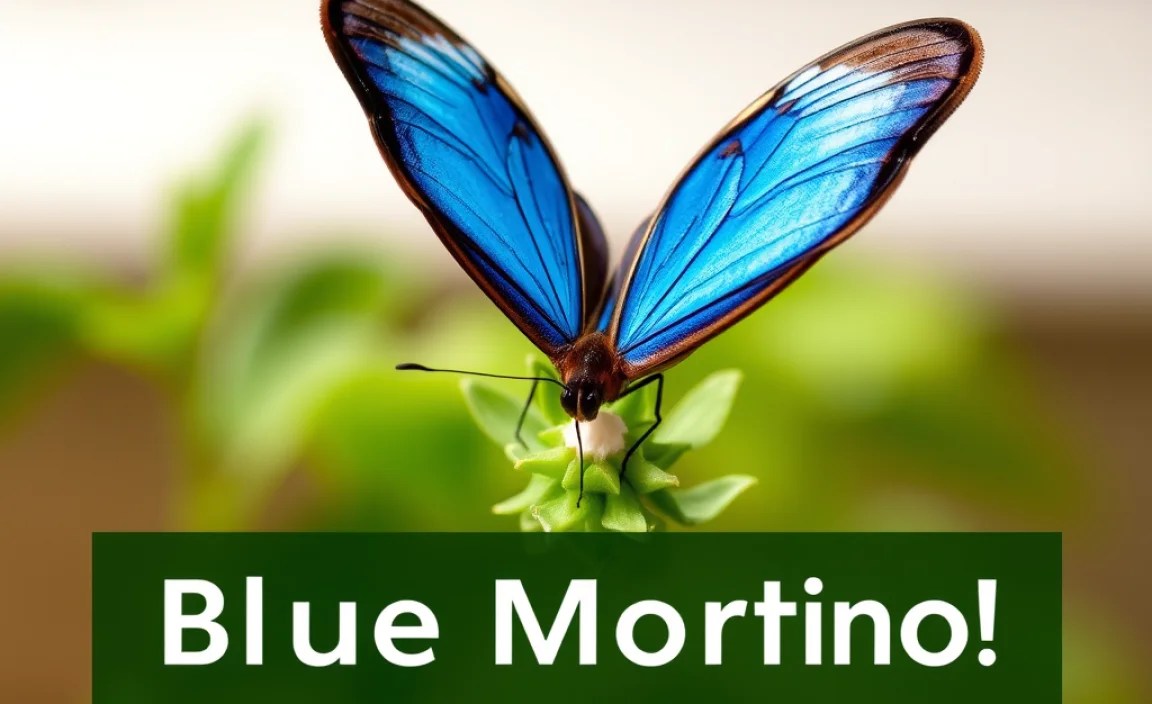
Blue Morphos are beautiful, but they are also a tasty snack for some animals. Birds and lizards are some of their main predators. So, how do these butterflies protect themselves? Their bright blue color can actually help them. When they fly, the flashing blue can startle predators. This gives the butterfly a chance to escape. Also, the underside of their wings is brown with spots. When they close their wings, they blend in with the forest. This makes them harder to see. The caterpillars also have defenses. Their bristles can irritate the skin of predators. These strategies help Blue Morphos survive in the rainforest.
- Birds and lizards eat them.
- Bright blue wings startle predators.
- Brown undersides help them hide.
- Caterpillar bristles irritate skin.
- They blend in with surroundings.
The Blue Morpho uses its colors to its advantage. The bright blue is for show. It can startle predators and attract mates. The brown is for hiding. It helps them disappear into the forest. This combination of colors is a great defense strategy. It allows them to be both visible and invisible. The Blue Morpho’s survival depends on these adaptations. Without them, they would be easy targets. Understanding their defenses helps us appreciate these butterflies even more. They are truly masters of disguise and survival.
Fun Fact or Stat: The Blue Morpho often flies in groups. This makes it harder for predators to focus on one butterfly!
How Do They Use Their Colors?
Have you ever wondered why Blue Morphos are so colorful? Their bright blue wings are not just for show. They also help them survive. When they fly, the flashing blue can confuse predators. It makes it hard for them to track the butterfly. The brown underside of their wings also helps. When they land, they close their wings. This makes them blend in with the trees and leaves. The colors are a defense mechanism. They help them avoid becoming a meal. The Blue Morpho is a master of using color to its advantage.
What Animals Eat Blue Morphos?
Imagine you are a Blue Morpho butterfly. You are flying through the rainforest. You need to watch out for predators. What animals might want to eat you? Birds are a big threat. They can swoop down and catch you in mid-air. Lizards also like to eat butterflies. They can snatch you off a leaf. Even some monkeys might try to catch you. You need to be quick and clever to avoid these predators. Your colors and patterns help you stay safe. They are your best defense against becoming a meal.
How Do Caterpillars Protect Themselves?
Blue Morpho caterpillars are not defenseless. They have their own ways of staying safe. Their bodies are covered in bristles. These bristles can irritate the skin of predators. This makes them less appealing to eat. They also blend in with the leaves. This makes them harder to see. Some caterpillars even eat poisonous plants. This makes them taste bad to predators. These defenses help them survive long enough to turn into butterflies. The caterpillars are small, but they are not easy to catch.
Habitat and Conservation: Blue Morpho for Kids

Blue Morphos live in the rainforests of Central and South America. These forests are their home. But, these forests are in danger. Deforestation is destroying their habitat. People are cutting down trees for wood and land. This leaves the butterflies with nowhere to live. We need to protect these rainforests. We can support organizations that work to conserve them. We can also reduce our use of paper and wood. This will help save the trees. Protecting the Blue Morpho’s habitat is important. It ensures that these beautiful butterflies can continue to thrive.
| Threat | Description | Impact on Blue Morpho |
|---|---|---|
| Deforestation | Cutting down rainforest trees. | Loss of habitat and food. |
| Climate Change | Changes in temperature and rainfall. | Disruption of life cycle. |
| Pollution | Chemicals in the air and water. | Harms butterflies and their food. |
| Collection | People catching butterflies. | Reduces population numbers. |
- Deforestation destroys their home.
- Climate change affects them.
- Pollution is a big danger.
- Collection reduces their numbers.
- Protecting forests is very important.
Conserving the Blue Morpho is not just about saving a butterfly. It’s about protecting an entire ecosystem. Rainforests are home to many plants and animals. They also help regulate the Earth’s climate. By protecting the rainforest, we are protecting ourselves. We can all make a difference. We can learn more about conservation. We can support sustainable practices. We can spread the word about the importance of rainforests. Together, we can help ensure that Blue Morphos continue to fly for generations to come. This is a vital lesson for Blue Morpho for kids.
Fun Fact or Stat: Some organizations offer “adopt-a-tree” programs to help reforest areas where Blue Morphos live!
Why Are Rainforests Important?
Have you ever thought about why rainforests are so important? They are home to many plants and animals. They also help clean the air and water. Rainforests help regulate the Earth’s climate. They absorb carbon dioxide. This helps reduce global warming. They also provide us with many resources. These resources include medicines and food. Protecting rainforests is important for everyone. It helps ensure a healthy planet. Without rainforests, our world would be a very different place.
How Can We Help Protect Them?
There are many ways to help protect Blue Morphos and their habitat. We can support organizations that work to conserve rainforests. We can reduce our use of paper and wood. We can buy products that are sustainably sourced. We can also educate others about the importance of rainforests. Even small actions can make a big difference. By working together, we can help protect these amazing butterflies. We can ensure that they continue to thrive for years to come.
What Happens if They Disappear?
Imagine a world without Blue Morphos. The rainforest would be a little less magical. The ecosystem would be out of balance. Other animals might suffer. Plants might not get pollinated. The loss of the Blue Morpho would be a sign of a bigger problem. It would mean that we are not doing enough to protect our planet. We need to take action now. We need to protect these butterflies and their habitat. We need to ensure that they never disappear.
Unique Adaptations: Blue Morpho for Kids
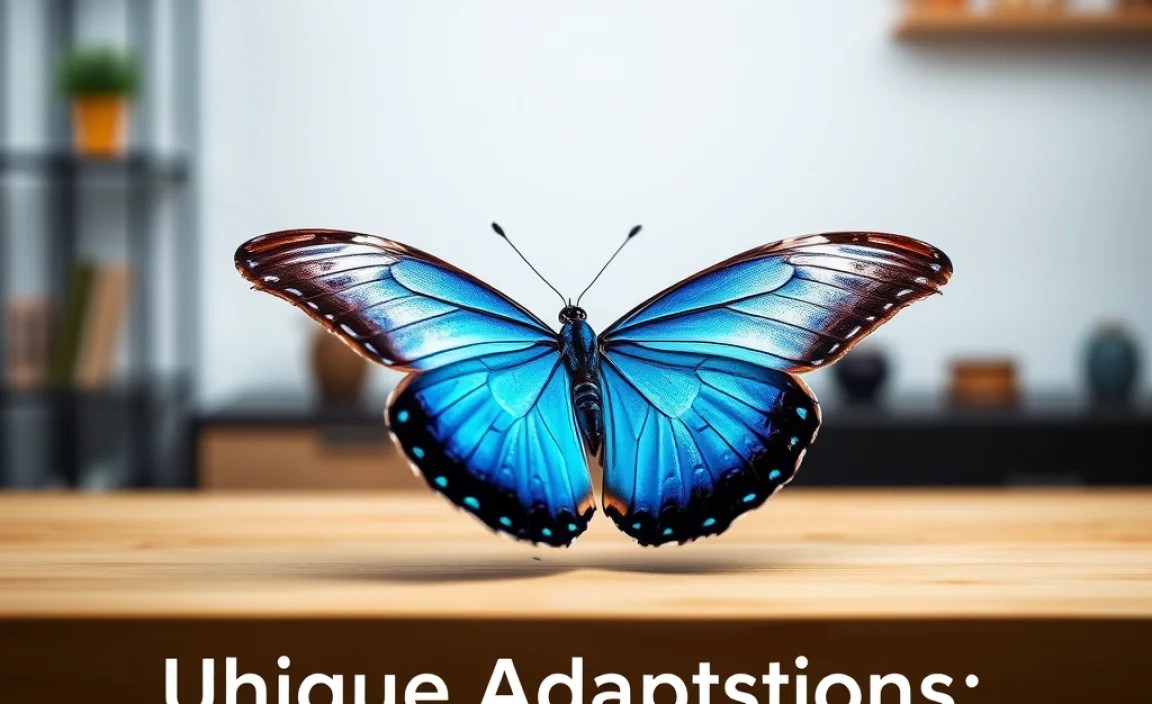
Blue Morphos have many unique adaptations. These help them survive in the rainforest. Their bright blue wings are one adaptation. They use them to startle predators and attract mates. Their brown undersides are another adaptation. They use them to hide from predators. Their long proboscis helps them drink juice from fruit. Their caterpillars have bristles for defense. These adaptations are the result of evolution. They have developed over time to help them thrive. The Blue Morpho is a master of adaptation. It is a perfect example of how animals change to survive.
- Bright blue wings attract mates.
- Brown undersides help them hide.
- Long proboscis drinks fruit juice.
- Caterpillar bristles deter predators.
- They have adapted to survive.
The Blue Morpho’s adaptations are not just physical. They also have behavioral adaptations. For example, they often fly in groups. This makes it harder for predators to focus on one butterfly. They also have a keen sense of smell. This helps them find food and mates. These adaptations are just as important as their physical traits. They help them navigate the rainforest and avoid danger. The Blue Morpho is a complex and fascinating creature. Its adaptations are a testament to the power of evolution.
Fun Fact or Stat: The Blue Morpho’s eyes are made up of thousands of tiny lenses, giving them excellent vision!
How Do They Find Food?
Have you ever wondered how Blue Morphos find food? They use their keen sense of smell. They can smell rotting fruit from far away. They also use their eyes to spot potential food sources. Once they find food, they use their long proboscis to drink. The proboscis is like a straw. They unroll it and sip the juice. Finding food is essential for their survival. They need energy to fly and reproduce. Their senses and proboscis help them find the food they need.
Why Are Their Wings So Shiny?
The Blue Morpho’s wings are very shiny. This is because of the way their scales are structured. The scales reflect light in a special way. This creates the bright blue color. The shiny wings are not just pretty. They also help them attract mates. Male Blue Morphos have brighter wings than females. They use their bright colors to attract a partner. The shiny wings are a key part of their mating ritual. They help them find a mate and reproduce.
How Do They Avoid Getting Wet?
Rainforests are very wet places. Blue Morphos need to avoid getting wet. Wet wings are heavy and hard to fly with. They have a special adaptation to help them. Their wings are covered in tiny scales. These scales repel water. This helps them stay dry even in heavy rain. They also often seek shelter under leaves during storms. Staying dry is important for their survival. It allows them to continue flying and finding food.
Blue Morpho as a Symbol: Blue Morpho for Kids
The Blue Morpho is more than just a butterfly. It is also a symbol. It represents transformation and beauty. It is often seen as a sign of hope. Its bright blue color is associated with the sky and the heavens. It is a reminder of the beauty of nature. The Blue Morpho’s life cycle is a symbol of change. It shows us that we can all transform and grow. The Blue Morpho is a powerful symbol. It inspires us to be our best selves. It is easy to understand why the Blue Morpho for kids is such an important topic.
- It symbolizes transformation.
- It represents beauty and hope.
- Blue color is associated with sky.
- Its life cycle shows change.
- It inspires us to grow.
The Blue Morpho is often used in art and literature. It is a symbol of freedom and beauty. It is a reminder that we can overcome challenges. Its bright color brings joy and happiness. It is a symbol of the power of nature. The Blue Morpho is a gift to the world. It inspires us to appreciate the beauty around us. It reminds us to protect the environment. It teaches us about the importance of transformation. It is a symbol that will continue to inspire for generations to come.
Fun Fact or Stat: The Blue Morpho is featured in many myths and legends of indigenous cultures in Central and South America!
What Does Its Color Represent?
The Blue Morpho’s blue color is very symbolic. Blue is often associated with the sky and the heavens. It represents peace and tranquility. It is also a color of hope. The bright blue of the Blue Morpho is a reminder of the beauty of nature. It brings joy and happiness. The color blue is also associated with transformation. It represents the ability to change and grow. The Blue Morpho’s color is a powerful symbol. It inspires us to be our best selves.
How Is It Used in Art?
Blue Morphos are often used in art. Artists are inspired by their beauty. They paint them, draw them, and sculpt them. They use them as a symbol of transformation. They use them to represent the beauty of nature. The Blue Morpho is a popular subject for art. It brings joy and inspiration to artists and viewers alike. Its vibrant color and graceful form make it a perfect subject for art.
What Lessons Can We Learn?
The Blue Morpho teaches us many lessons. It teaches us about the importance of transformation. It shows us that we can all change and grow. It reminds us of the beauty of nature. It inspires us to protect the environment. It teaches us about adaptation and survival. The Blue Morpho is a great teacher. It shares its wisdom with us through its beauty and its life cycle. We can all learn from the Blue Morpho.
Summary
The Blue Morpho is a fascinating butterfly. It lives in the rainforests of Central and South America. It is known for its bright blue wings. The underside of its wings is brown with spots. This helps it hide from predators. It goes through a complete metamorphosis. It starts as an egg, then becomes a caterpillar, then a pupa, and finally a butterfly. The Blue Morpho faces many threats. These include deforestation and climate change. We can help protect it by conserving rainforests. Blue Morpho for kids is important. Learning about these butterflies helps us appreciate nature.
Conclusion
The Blue Morpho is a truly amazing creature. Its bright blue wings and unique adaptations make it special. It faces many challenges in the rainforest. We must do our part to protect it. Learning about the Blue Morpho can inspire us. We can all help conserve its habitat. By working together, we can ensure its survival. The Blue Morpho for kids is an important lesson. These butterflies are a treasure. Let’s keep them flying for generations to come.
Frequently Asked Questions
Question No 1: What does a Blue Morpho butterfly eat?
Answer: Blue Morpho butterflies don’t eat flowers like you might think. They have a very unique diet. They love to drink the juice from rotting fruits. They also sip sap from trees. Sometimes, they even eat fungi! They use a long, straw-like tongue called a proboscis. They unroll it to drink their food. It’s like having a built-in straw that helps them enjoy their unusual meals. Their diet helps them get the energy they need to fly.
Question No 2: Where do Blue Morpho butterflies live?
Answer: Blue Morpho butterflies call the rainforests of Central and South America their home. These rainforests are warm and humid. This is perfect for the butterflies. They often live high up in the trees, in the canopy. This is where they can find plenty of food. They are also safe from predators. These rainforests provide everything that Blue Morpho butterflies need to survive and thrive in their natural habitat. Protecting these rainforests is very important.
Question No 3: Why are Blue Morpho butterflies blue?
Answer: The bright blue color of the Blue Morpho’s wings is not from pigment. It’s actually from the way light reflects off tiny scales on their wings. These scales have a special structure. This structure bends the light. It makes the wings appear blue. This is called iridescence. The blue color helps them startle predators. It also helps them attract mates. It is a beautiful and useful adaptation that helps them survive.
Question No 4: How do Blue Morpho butterflies protect themselves?
Answer: Blue Morpho butterflies have a few tricks to stay safe. Their bright blue color can startle predators when they fly. The underside of their wings is brown with spots. When they close their wings, they blend in with the forest. This helps them hide. Their caterpillars also have bristles that can irritate predators. These defenses help them avoid becoming a tasty meal for birds and other animals. Blue Morpho for kids can be fun when learning about these defense mechanisms.
Question No 5: What is the life cycle of a Blue Morpho butterfly?
Answer: The Blue Morpho goes through a complete metamorphosis. First, the female lays eggs on a leaf. These eggs hatch into caterpillars. The caterpillars eat a lot of leaves. Then, the caterpillar turns into a pupa (chrysalis). Inside the pupa, it changes into a butterfly. After a few weeks, the butterfly emerges. It flies off to find food and a mate. The whole process takes about four months. It’s like a magical transformation!
Question No 6: Why is it important to protect Blue Morpho butterflies?
Answer: It is important to protect Blue Morpho butterflies because they are part of a larger ecosystem. They are also a symbol of beauty. Their habitat is threatened by deforestation. This means their home is being destroyed. By protecting them, we are also protecting the rainforest. Rainforests help clean the air. They also provide homes for many other plants and animals. Conserving Blue Morpho for kids and adults is vital. It also ensures a healthy planet for everyone.


