
Blue Morpho Blog Topics: The Ultimate Inspiration

Have you ever seen a butterfly so blue it looks like the sky? That might have been a Blue Morpho! These butterflies are super cool. Many people want to learn about them. So, what Blue Morpho blog topics would be fun to explore? Let’s find out!
Imagine you’re walking in a rainforest. Suddenly, a flash of bright blue catches your eye. It’s a Blue Morpho butterfly! What does it eat? Where does it live? Why is it so blue? These questions make learning about them exciting.
Butterflies are insects. They are known for their colorful wings. The Blue Morpho is one of the biggest butterflies in the world. They live in rainforests in Central and South America. People love to see these beautiful creatures. Thinking about Blue Morpho blog topics can help us learn more about them.
Key Takeaways
- Blue Morpho butterflies are famous for their bright blue, shiny wings.
- They live in the rainforests of Central and South America.
- Blue Morpho blog topics cover their diet, habitat, and life cycle.
- These butterflies use camouflage to protect themselves from predators.
- Learning about them helps us understand the importance of rainforests.
What Makes Blue Morphos Special?
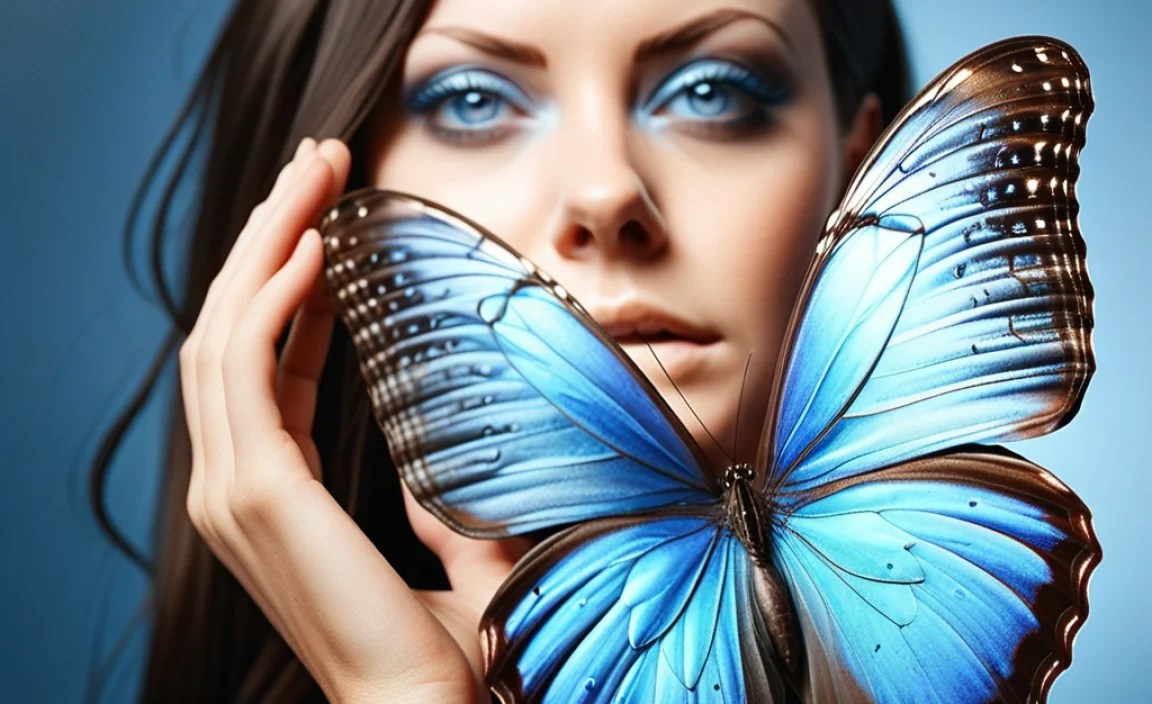
Blue Morphos are truly special butterflies. Their wings are a brilliant, shimmering blue. But here’s a secret: the blue color isn’t from pigment. It comes from tiny structures on their wings. These structures reflect light. This creates the bright blue color we see. The underside of their wings is brown with eye spots. This helps them hide from predators. When they fly, the flashing blue scares predators. People are fascinated by their unique color and behavior. Many Blue Morpho blog topics focus on what makes them stand out. They are a symbol of beauty and mystery in the rainforest. They also teach us about nature’s amazing adaptations.
- Their bright blue color comes from light reflection.
- The underside of their wings helps them hide.
- They flash their wings to scare predators.
- They are one of the largest butterflies in the world.
- People love their bright blue color.
Have you ever wondered how butterflies get their colors? For Blue Morphos, it is not from the same thing that makes your crayons colorful. Instead, their wings have tiny scales. These scales are shaped like tiny Christmas trees. When light hits these scales, the structure makes the blue color jump out. This is called iridescence. It is the same thing that makes soap bubbles look rainbow-colored. The brown color on the bottom of the wings helps them blend in when they are resting. This is a cool trick to stay safe in the rainforest. Exploring Blue Morpho blog topics shows us just how amazing nature can be!
Why Are They So Blue?
Imagine painting a butterfly blue without using any paint! That’s what the Blue Morpho’s wings do. The tiny scales on their wings have a special shape. This shape causes light to bounce around in a way that only blue light is reflected back to our eyes. It’s like a tiny mirror that only shows blue. Other butterflies have different shapes on their scales. These other shapes reflect different colors. This is why we see so many different colors of butterflies. Isn’t it amazing how nature uses light and shape to create such beautiful colors? Blue Morpho blog topics often discuss this incredible adaptation.
How Do They Hide?
Picture a bright blue butterfly trying to hide in a green rainforest. It sounds impossible, right? But Blue Morphos are experts at hiding. When they close their wings, the brown underside blends in with the trees and leaves. The eye spots on their wings look like the eyes of a bigger animal. This can scare away predators. They also fly in a quick, jerky way. This makes it hard for predators to follow them. So, even though they are bright blue, they have clever ways to stay safe. Writing about Blue Morpho blog topics often highlights these survival tricks.
What Is Iridescence?
Have you ever seen a soap bubble shimmering with rainbow colors? That’s iridescence! It happens when light bounces off a surface with tiny structures. The Blue Morpho’s wings use this trick to create their bright blue color. The tiny scales on their wings are shaped just right to reflect blue light. Iridescence is different from regular color. Regular color comes from pigments. Pigments absorb some colors of light and reflect others. Iridescence is all about how light bounces. It is a cool example of how nature uses physics to create beauty. Researching Blue Morpho blog topics can help us understand this science better.
Fun Fact or Stat: A Blue Morpho’s wingspan can be up to 8 inches wide!
Where Do Blue Morphos Live?
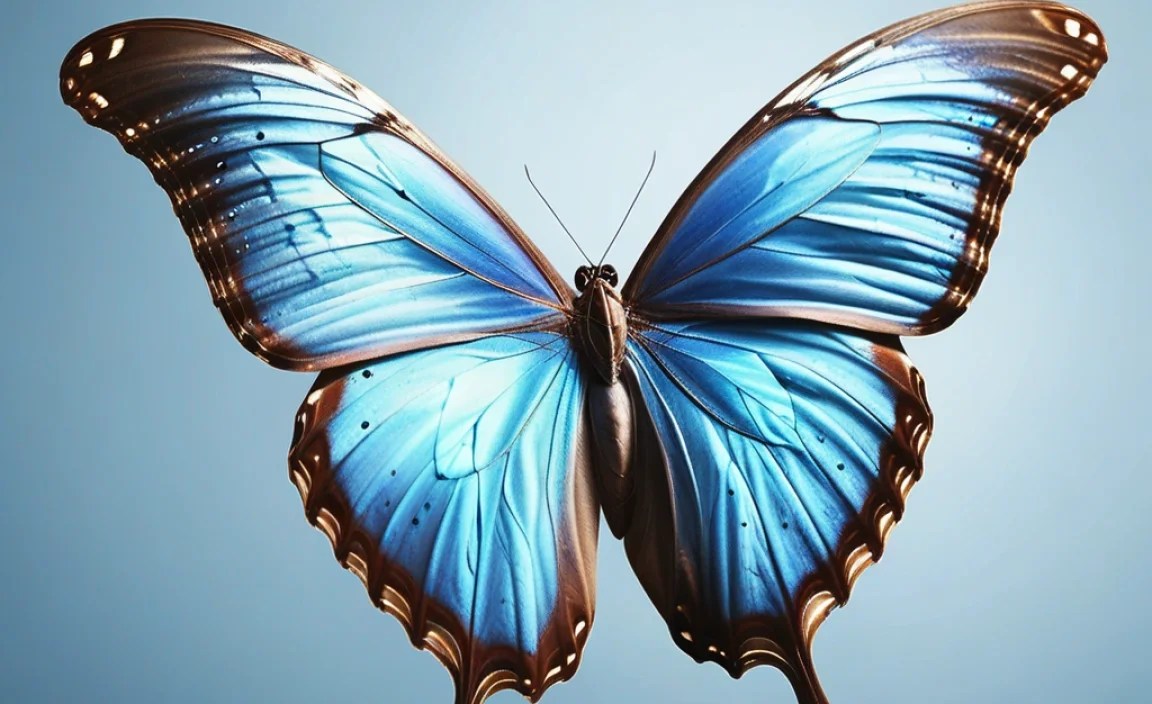
Blue Morphos call the rainforests of Central and South America home. They love warm, humid places. You can find them in countries like Brazil, Costa Rica, and Mexico. They live in the understory of the rainforest. This is the area between the forest floor and the top of the trees. They fly around looking for food and mates. The rainforest provides everything they need to survive. Sadly, rainforests are being destroyed. This puts Blue Morphos and other animals at risk. Learning about their habitat is important. It helps us protect these amazing butterflies. Many Blue Morpho blog topics explore their fragile environment.
- They live in rainforests.
- They like warm, humid places.
- They are found in Central and South America.
- They live in the understory of the rainforest.
- Rainforest destruction threatens their habitat.
Imagine flying through a dense, green forest. Sunlight filters through the leaves. The air is warm and moist. This is the world of the Blue Morpho. They need this special environment to survive. The rainforest provides food for them. It also provides shelter from predators. Rainforests are full of life. Many different plants and animals live there. When we protect rainforests, we protect the Blue Morpho. We also protect many other species. Exploring Blue Morpho blog topics helps us understand the importance of conservation.
What Is the Understory?
The understory is like the middle floor of a rainforest. It’s the area between the tall trees and the ground. It’s full of smaller trees, shrubs, and vines. The understory is a busy place. Many animals live there. Blue Morphos spend a lot of their time in the understory. They fly around looking for food and mates. The understory provides shelter from the sun and rain. It’s an important part of the rainforest ecosystem. Understanding the understory is key to understanding Blue Morpho blog topics.
Which Countries Do They Inhabit?
Think of a map of Central and South America. Now, imagine bright blue butterflies fluttering around. You’ll find Blue Morphos in many countries. They live in Brazil, Costa Rica, Mexico, and other rainforest areas. Each country offers a unique environment for them. They adapt to different plants and climates. Knowing where they live helps scientists study them. It also helps conservation efforts. Exploring Blue Morpho blog topics often involves geography and conservation.
Why Are Rainforests Important?
Rainforests are like giant green sponges. They soak up rain and release oxygen. They also provide homes for many plants and animals. Rainforests help keep our planet healthy. They are important for the air we breathe and the water we drink. But rainforests are being destroyed. This hurts the environment and the animals that live there. Protecting rainforests is important for everyone. Learning about Blue Morpho blog topics can inspire us to take action.
Fun Fact or Stat: Rainforests cover less than 6% of the Earth’s surface but contain over half of the world’s plant and animal species.
What Do Blue Morphos Eat?
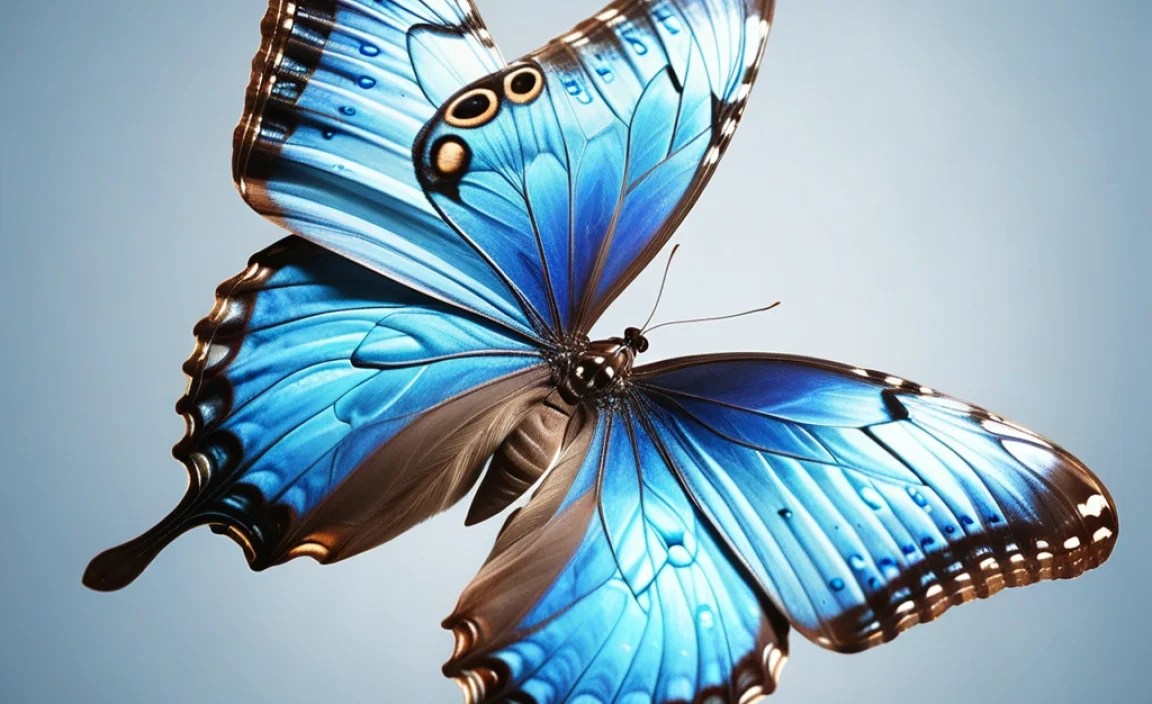
Blue Morphos have a sweet tooth! They don’t sip nectar from flowers like many butterflies. Instead, they like to eat rotting fruit, tree sap, and even fungi. They use their long, straw-like tongue to drink up these liquids. This tongue is called a proboscis. When they are not eating, they roll it up. Their diet is important for their survival. It gives them the energy they need to fly and reproduce. Understanding their diet is a key part of Blue Morpho blog topics. They play an important role in the rainforest ecosystem. They help break down rotting fruit and other organic matter.
- They eat rotting fruit.
- They drink tree sap.
- They also eat fungi.
- They use a long, straw-like tongue.
- Their diet gives them energy.
- They help break down organic matter.
Imagine finding a butterfly eating a mushy banana! That’s kind of what Blue Morphos do. They love the sweet juice of rotting fruit. This might seem gross to us, but it’s perfect for them. They also drink the sap that oozes from trees. This sap is full of sugar and other nutrients. Sometimes, they even eat fungi growing on the forest floor. These foods give them the energy they need to fly around. They need the energy to find mates and lay eggs. Exploring Blue Morpho blog topics shows us how different their diet is from ours.
What Is a Proboscis?
Think of a tiny straw that a butterfly uses to drink. That’s a proboscis! It’s a long, flexible tube that they can roll up when they are not using it. When they find something to eat, they unroll their proboscis. They stick it into the food and suck up the liquid. The proboscis is a very important tool for butterflies. It allows them to eat without chewing. Blue Morpho blog topics often explain how butterflies use this amazing adaptation.
Why Rotting Fruit?
Rotting fruit might not sound delicious to us. But it’s a tasty treat for Blue Morphos! As fruit rots, it ferments. This means it produces alcohol and other sweet substances. Blue Morphos love these sweet liquids. They provide them with energy. Rotting fruit is also easy to find in the rainforest. It’s a reliable food source for them. Learning about Blue Morpho blog topics shows us how nature makes use of everything.
Do They Eat Anything Else?
While rotting fruit is their favorite, Blue Morphos aren’t picky eaters. They also drink tree sap, which is full of sugar. Sometimes, they eat fungi, which provides them with extra nutrients. They need a variety of foods to stay healthy. Just like us, they need a balanced diet. Exploring Blue Morpho blog topics reveals the diversity of their food sources.
Fun Fact or Stat: A Blue Morpho can taste with its feet!
Blue Morpho Life Cycle Stages
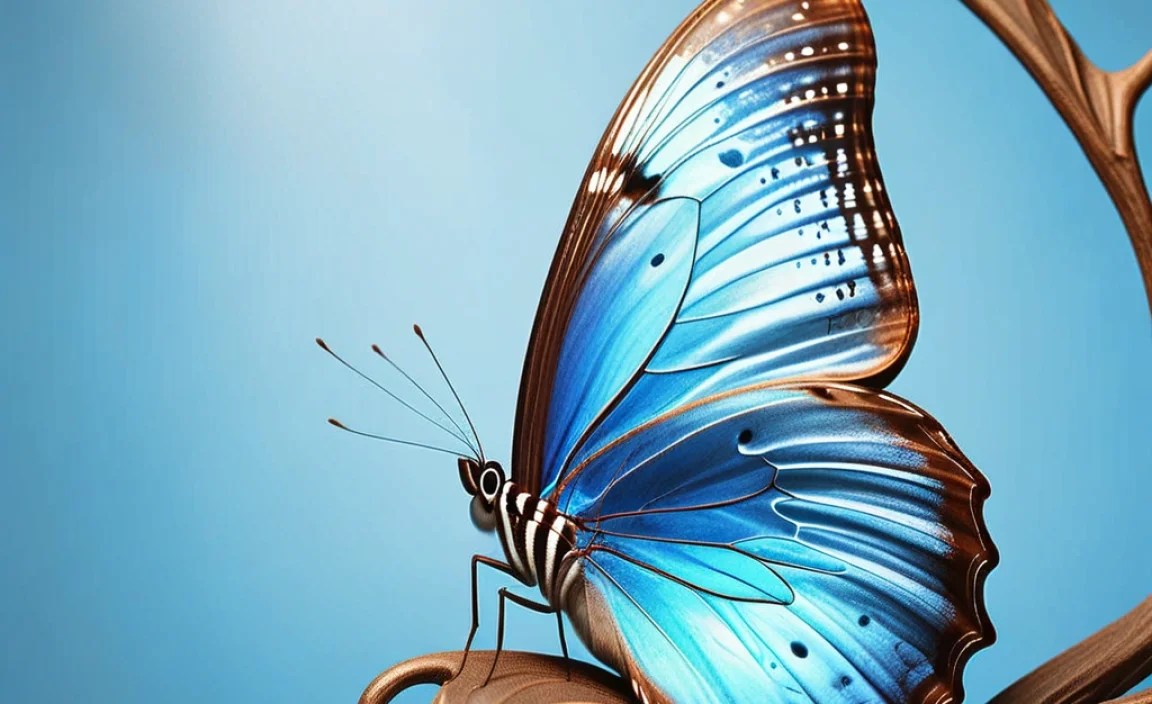
The Blue Morpho goes through four stages in its life cycle. These stages are egg, larva (caterpillar), pupa (chrysalis), and adult. The female butterfly lays her eggs on plants. The eggs hatch into caterpillars. The caterpillars eat a lot and grow quickly. Then, the caterpillar turns into a pupa. Inside the pupa, the caterpillar changes into a butterfly. Finally, the butterfly emerges from the pupa. It flies away to find a mate and lay eggs. Understanding these stages is important for Blue Morpho blog topics. It helps us appreciate the amazing transformation they undergo.
- They start as eggs.
- Eggs hatch into caterpillars.
- Caterpillars eat and grow.
- They become pupae (chrysalises).
- Butterflies emerge from pupae.
- Butterflies find mates and lay eggs.
Imagine watching a tiny egg turn into a beautiful butterfly. That’s the magic of the Blue Morpho’s life cycle. It starts with a small egg laid on a plant. The egg hatches into a caterpillar. The caterpillar eats leaves and grows bigger. It sheds its skin several times as it grows. Then, it turns into a pupa, also called a chrysalis. Inside the pupa, amazing changes happen. The caterpillar turns into a butterfly. Finally, the butterfly emerges from the pupa. It is ready to fly and reproduce. Exploring Blue Morpho blog topics shows us the wonder of metamorphosis.
What Do Caterpillars Eat?
Blue Morpho caterpillars are hungry creatures! They eat the leaves of specific plants. They have strong jaws that help them chew through the leaves. They eat a lot to grow quickly. As they grow, they shed their skin several times. This is called molting. The caterpillars are an important part of the Blue Morpho’s life cycle. Understanding their diet helps us understand the butterfly. Learning about Blue Morpho blog topics often involves studying their food sources.
How Long Is the Pupa Stage?
The pupa stage is like a resting period for the Blue Morpho. During this time, the caterpillar transforms into a butterfly. This process takes about two to three weeks. The pupa hangs from a branch or leaf. It looks like a green or brown jewel. Inside, amazing changes are happening. The caterpillar’s body is breaking down and reforming. Finally, the butterfly is ready to emerge. Exploring Blue Morpho blog topics reveals the secrets of this transformation.
What Happens After Emerging?
When the Blue Morpho emerges from the pupa, it’s a bit wobbly. Its wings are crumpled and wet. It needs to pump fluid into its wings to make them expand. This takes a few hours. Once its wings are dry and strong, it can fly. The butterfly then looks for a mate. The female lays eggs, and the cycle starts again. The adult butterfly has a relatively short lifespan. Researching Blue Morpho blog topics highlights the urgency of conservation efforts.
Fun Fact or Stat: A Blue Morpho caterpillar can be bright red or yellow!
Threats to Blue Morphos
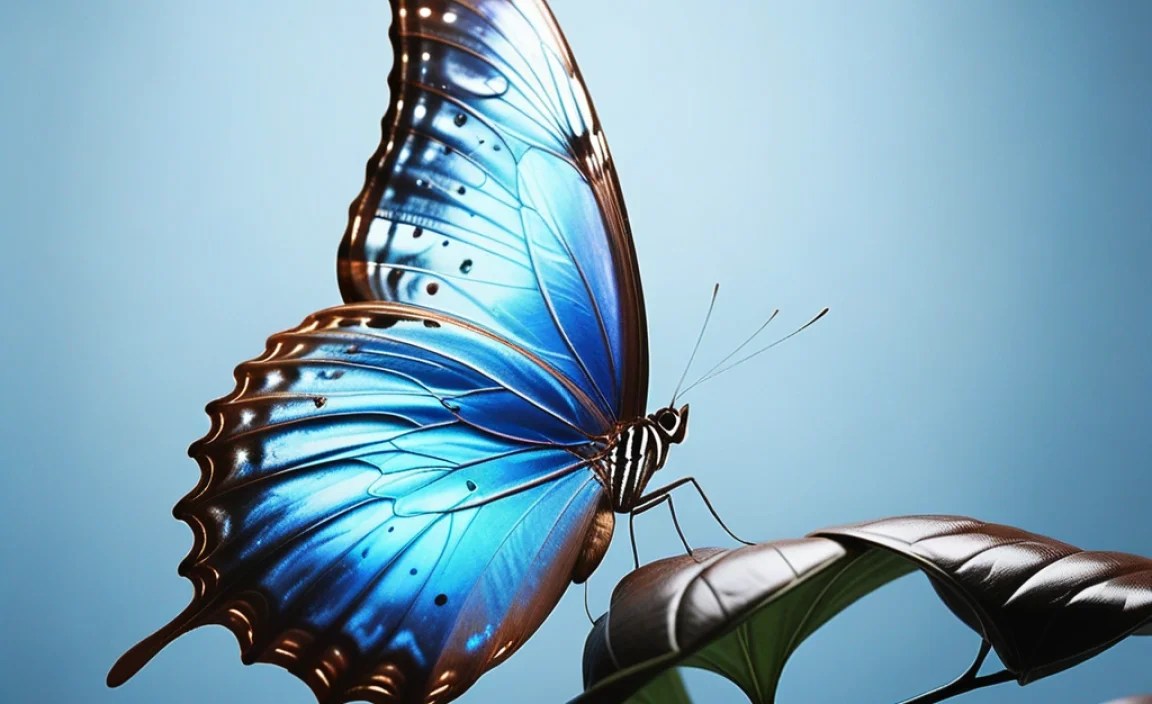
Blue Morphos face several threats in the wild. The biggest threat is habitat loss. Rainforests are being destroyed for farming, logging, and mining. This means the butterflies lose their homes and food sources. Climate change is also a threat. Changes in temperature and rainfall can affect their habitat. Pesticides can poison them and their food sources. Collecting them for collections is also a problem. Protecting Blue Morphos means protecting their rainforest habitat. Many Blue Morpho blog topics focus on conservation efforts.
- Habitat loss is a major threat.
- Rainforest destruction is a problem.
- Climate change affects their habitat.
- Pesticides can poison them.
- Collecting them is harmful.
- Conservation efforts are important.
Imagine a bulldozer tearing down a rainforest. That’s what’s happening to the Blue Morpho’s home. Rainforests are being destroyed at an alarming rate. This is bad for the butterflies and for the planet. Rainforests help clean the air and regulate the climate. When we destroy them, we lose these important benefits. We also lose the amazing biodiversity that they support. Exploring Blue Morpho blog topics can help raise awareness about these issues.
What Is Habitat Loss?
Habitat loss means that an animal’s home is being destroyed. This can happen when forests are cut down. It can also happen when wetlands are drained. Habitat loss is a major threat to many animals. It makes it hard for them to find food, shelter, and mates. Blue Morphos are especially vulnerable to habitat loss. They depend on rainforests to survive. Understanding Blue Morpho blog topics can help us protect their homes.
How Does Climate Change Affect Them?
Climate change is causing the Earth to get warmer. This can affect the Blue Morpho’s habitat. Changes in temperature and rainfall can make it hard for them to survive. Some plants and animals may not be able to adapt. This can disrupt the food chain. Protecting the Blue Morpho means addressing climate change. Exploring Blue Morpho blog topics can inspire us to take action.
What Can We Do to Help?
There are many things we can do to help Blue Morphos. We can support organizations that protect rainforests. We can reduce our carbon footprint to help fight climate change. We can avoid using pesticides in our gardens. We can also educate others about the importance of conservation. Every little bit helps! Learning about Blue Morpho blog topics is a great first step.
Fun Fact or Stat: Some organizations are working to replant rainforests and restore Blue Morpho habitats.
Conserving Blue Morpho Butterflies
Conserving Blue Morpho butterflies requires a multi-faceted approach. Protecting their rainforest habitat is the most important thing. This means supporting sustainable forestry practices. It also means creating protected areas where logging and mining are prohibited. Raising awareness about the importance of rainforests is also crucial. We can educate others about the value of these ecosystems. Supporting sustainable agriculture can also help. This reduces the need to clear rainforests for farming. Many Blue Morpho blog topics focus on these conservation strategies.
- Protect rainforest habitats.
- Support sustainable forestry.
- Create protected areas.
- Raise awareness about rainforests.
- Support sustainable agriculture.
- Reduce pesticide use.
Imagine a world where Blue Morphos thrive in healthy rainforests. That’s the goal of conservation efforts. Protecting their habitat is key. This means working with local communities to find sustainable ways to use the rainforest. It also means enforcing laws to prevent illegal logging and mining. Education is also important. When people understand the value of rainforests, they are more likely to protect them. Exploring Blue Morpho blog topics can help us create a brighter future for these butterflies.
What Are Protected Areas?
Protected areas are special places where plants and animals are safe. These areas are set aside by governments or organizations. They are protected from activities that could harm them. This includes logging, mining, and hunting. Protected areas provide a safe haven for Blue Morphos. They allow them to thrive without being disturbed. Supporting protected areas is an important part of conservation. Researching Blue Morpho blog topics highlights the importance of these sanctuaries.
How Does Sustainable Forestry Help?
Sustainable forestry means managing forests in a way that protects them for the future. This includes carefully planning logging operations. It also means replanting trees and protecting watersheds. Sustainable forestry helps ensure that rainforests continue to provide habitat for Blue Morphos. It also provides timber and other resources for people. Exploring Blue Morpho blog topics can help us understand the benefits of sustainable forestry.
Why Is Education Important?
Education is key to conservation. When people understand the value of rainforests, they are more likely to protect them. Education can help people make informed choices about the products they buy. It can also inspire them to take action to protect the environment. Learning about Blue Morpho blog topics is a great way to start. Every person can make a difference.
Fun Fact or Stat: Many zoos and butterfly gardens are involved in Blue Morpho conservation efforts.
Blue Morpho Butterfly Facts
Blue Morphos are fascinating creatures. They have many interesting adaptations. Their bright blue color is not from pigment. It comes from the way light reflects off their wings. They eat rotting fruit and tree sap. Their caterpillars can be bright red or yellow. They use camouflage to hide from predators. They live in the rainforests of Central and South America. These facts make them a popular subject for Blue Morpho blog topics. They are a symbol of beauty and resilience in the natural world.
| Fact | Description |
|---|---|
| Color | Bright blue due to light reflection |
| Diet | Rotting fruit, tree sap, fungi |
| Habitat | Rainforests of Central and South America |
| Wingspan | Up to 8 inches |
| Life Cycle | Egg, larva, pupa, adult |
- Their blue color is from light reflection.
- They eat rotting fruit.
- Their caterpillars can be colorful.
- They use camouflage.
- They live in rainforests.
- They are fascinating creatures.
Imagine sharing these amazing facts with your friends! The Blue Morpho is a butterfly full of surprises. From its unique coloring to its unusual diet, it’s a truly remarkable insect. Learning about these facts can inspire us to appreciate the natural world. It can also motivate us to protect these amazing creatures. Exploring Blue Morpho blog topics can help us spread the word about their importance.
How Big Are They?
Blue Morphos are one of the largest butterflies in the world. Their wingspan can be up to 8 inches. That’s about the size of your hand! Their large size makes them easy to spot in the rainforest. It also makes them a favorite among butterfly enthusiasts. Knowing their size helps us appreciate their beauty. Exploring Blue Morpho blog topics often includes details about their physical characteristics.
Are They Poisonous?
Blue Morphos are not poisonous. However, their caterpillars eat certain plants that make them taste bad to predators. This helps protect them from being eaten. The bright colors of the caterpillars may also warn predators to stay away. They are a reminder of the plant’s toxicity. Learning about Blue Morpho blog topics reveals the complex relationships in the rainforest ecosystem.
How Long Do They Live?
The lifespan of a Blue Morpho is relatively short. As adults, they typically live for only a few weeks. During this time, they focus on finding a mate and reproducing. The caterpillars spend more time growing and developing. The pupa stage is also relatively short. Exploring Blue Morpho blog topics highlights the urgency of conservation efforts.
Fun Fact or Stat: The Blue Morpho is a popular butterfly in butterfly houses and zoos around the world.
Summary
Blue Morpho butterflies are beautiful and fascinating creatures. They are known for their bright blue wings. They live in the rainforests of Central and South America. They have a unique diet and life cycle. They face threats from habitat loss and climate change. Conserving them requires protecting their rainforest habitat. Raising awareness about their importance is also crucial. There are many interesting Blue Morpho blog topics to explore.
Learning about these butterflies can inspire us to appreciate the natural world. It can also motivate us to take action to protect them. We can support organizations that protect rainforests. We can reduce our carbon footprint. We can educate others about the importance of conservation. Every little bit helps! Thinking about Blue Morpho blog topics helps to make a difference for these butterflies and their habitat.
Conclusion
Blue Morpho butterflies are truly amazing. Their bright blue wings and unique adaptations make them a symbol of the rainforest. They face many threats, but there is hope. By protecting their habitat and raising awareness, we can help ensure their survival. There are endless Blue Morpho blog topics to explore. Let’s work together to protect these beautiful creatures for future generations.
Frequently Asked Questions
Question No 1: What is the most interesting thing about Blue Morpho butterflies?
Answer: The most interesting thing about Blue Morpho butterflies is their color. Their bright blue wings are not colored by pigment. They are colored by tiny structures. These structures reflect light. This is called iridescence. It is the same phenomenon that makes soap bubbles look rainbow-colored. The blue color is also very striking. It helps them stand out in the rainforest. It also helps them attract mates. Blue Morpho blog topics often highlight this unique adaptation.
Question No 2: What do Blue Morpho caterpillars eat?
Answer: Blue Morpho caterpillars are picky eaters. They only eat the leaves of certain plants. These plants often contain toxins. The toxins make the caterpillars taste bad to predators. This helps protect them from being eaten. The caterpillars eat a lot to grow quickly. They shed their skin several times as they grow. The diet of the caterpillars is an important part of Blue Morpho blog topics. The diet influences their health and development.
Question No 3: How can I help protect Blue Morpho butterflies?
Answer: There are many ways you can help protect Blue Morpho butterflies. You can support organizations that protect rainforests. You can reduce your carbon footprint to help fight climate change. You can avoid using pesticides in your garden. You can also educate others about the importance of conservation. Even small actions can make a big difference. Learning about Blue Morpho blog topics and sharing that knowledge is a great way to contribute to their conservation.
Question No 4: Where can I see Blue Morpho butterflies?
Answer: You can see Blue Morpho butterflies in the rainforests of Central and South America. You can also see them in many zoos and butterfly gardens around the world. These places provide a safe and controlled environment for them. They also allow you to learn more about their life cycle and behavior. Seeing them in person is a great way to appreciate their beauty. It can also inspire you to support conservation efforts. Blue Morpho blog topics can guide you to locations to view them.
Question No 5: Why are rainforests important?
Answer: Rainforests are important for many reasons. They help clean the air and regulate the climate. They also provide homes for many plants and animals. Rainforests are essential for the health of our planet. They provide us with clean air, water, and resources. Protecting rainforests is crucial for the survival of Blue Morpho butterflies. It is also crucial for the well-being of all living things. The importance of rainforests is a recurring theme in Blue Morpho blog topics.
Question No 6: What is the lifespan of a Blue Morpho butterfly?
Answer: The lifespan of a Blue Morpho butterfly is relatively short. As adults, they typically live for only a few weeks. During this time, they focus on finding a mate and reproducing. The caterpillars spend more time growing and developing. The pupa stage is also relatively short. Although their adult lives are brief, their impact on the rainforest ecosystem is significant. Understanding their lifespan is a key aspect of understanding Blue Morpho blog topics.


