
Blue Morpho Facts for Kids: 7 Amazing Secrets!

Have you ever seen a butterfly so blue it looks like the sky? That might be a Blue Morpho! These butterflies are famous for their bright, shiny wings. Learning Blue Morpho facts for kids is super fun. They live in rainforests and are truly amazing creatures.
Have you ever wondered what they eat? Or how they protect themselves? Let’s dive into the world of these beautiful butterflies! You will discover many interesting things about them. Get ready for some cool Blue Morpho facts for kids!
Key Takeaways
- Blue Morpho facts for kids include their shimmering blue wings that reflect light.
- These butterflies live in the rainforests of Central and South America.
- Blue Morphos taste with their feet and love to eat rotting fruit.
- Their bright colors warn predators that they might not taste good.
- Caterpillars of the Blue Morpho can be cannibalistic and eat each other.
Amazing Blue Morpho Facts for Kids

Blue Morpho butterflies are truly fascinating. They are known for their bright blue wings. But did you know only the top side of their wings are blue? The underside is brown with spots. This helps them hide in the rainforest. Blue Morphos are big butterflies. Their wings can be up to eight inches wide! They live in Central and South America. These butterflies are most active during the day. They fly high in the trees. They are hard to catch! Spotting a Blue Morpho is a special treat. They add so much beauty to the rainforest. Learning about them is a great way to appreciate nature.
- Blue Morphos are found in rainforests.
- Their wings shine bright blue.
- They can be up to 8 inches wide.
- The underside of the wings is brown.
- They fly during the daytime.
Imagine walking through the rainforest. Suddenly, you see a flash of blue. It’s a Blue Morpho! Their bright color is a warning to predators. It tells them they might not taste good. The brown underside helps them hide. When they close their wings, they blend in with the trees. This is called camouflage. Blue Morphos are important to the rainforest. They are part of the food chain. They also help pollinate plants. Protecting their habitat is very important. We want these beautiful butterflies to be around for a long time.
Fun Fact or Stat: The Blue Morpho’s bright blue color comes from the way light reflects off its wing scales, not from pigment!
What is the Blue Morpho’s Habitat?
Have you ever wondered where Blue Morphos live? These butterflies call the rainforest home. They need warm, wet places to survive. Rainforests provide everything they need. They live in Central and South America. Countries like Brazil and Costa Rica are their homes. The tall trees and dense plants offer shelter. They also provide food for the caterpillars. Blue Morphos spend most of their time in the upper parts of the forest. They fly high among the trees. This is where they find mates and avoid predators. The rainforest is a perfect place for them to thrive. Protecting these forests is crucial. It helps ensure Blue Morphos continue to have a home.
How Big Do Blue Morphos Get?
Blue Morphos are some of the biggest butterflies in the world. How big do you think they get? Their wings can spread up to eight inches! That’s almost as wide as a school ruler. Imagine seeing a butterfly that big! The females are usually larger than the males. Their size helps them fly long distances. It also helps them attract mates. The large wings make them easy to spot. But they can also be heavy. This means they can’t fly as fast as smaller butterflies. Despite their size, they are graceful in the air. Their size is just one of the many amazing Blue Morpho facts for kids to learn.
Why Are Rainforests Important to Blue Morphos?
Why do Blue Morphos need rainforests? Rainforests are like their supermarkets and homes all in one! These forests have lots of plants and trees. The Blue Morpho caterpillars eat these plants. Adult butterflies drink nectar from flowers. Rainforests also offer shelter. The dense trees hide them from predators. Without rainforests, Blue Morphos would not survive. Deforestation is a big threat to these butterflies. When trees are cut down, they lose their homes. We need to protect rainforests. This will help Blue Morphos and other animals. Protecting rainforests is protecting the future of these beautiful creatures.
Blue Morpho Diet: What Do They Eat?
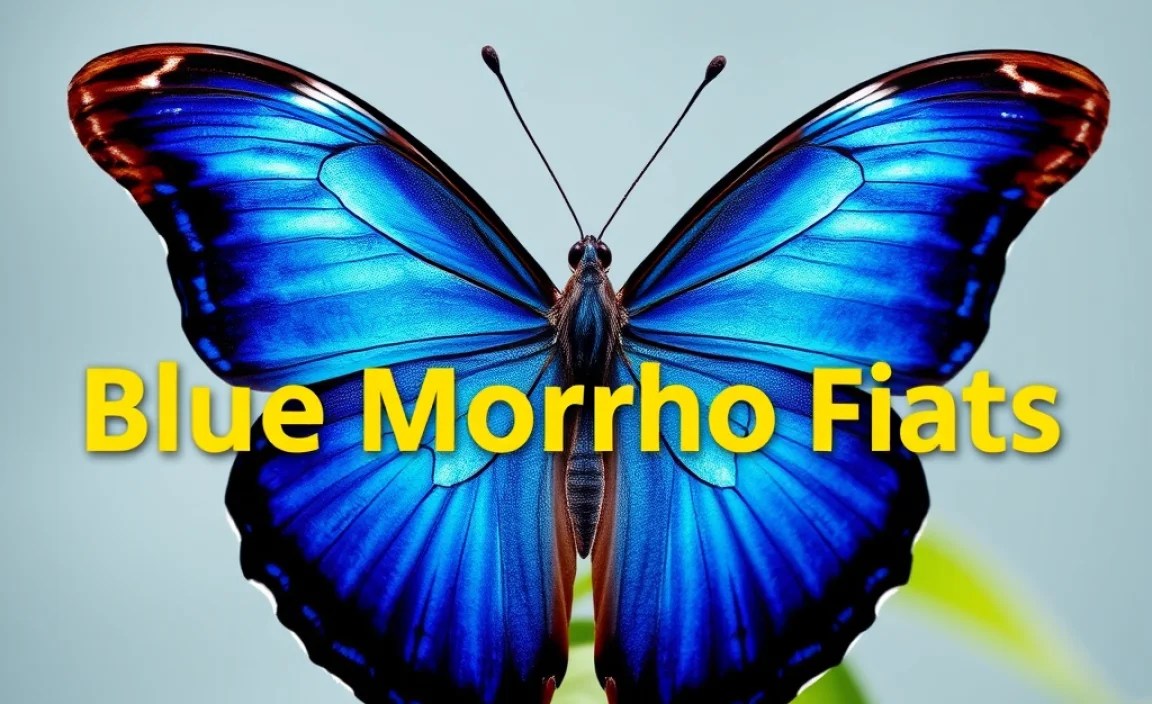
What do Blue Morphos eat? It’s a very interesting question! They don’t sip nectar from flowers like many other butterflies. Instead, they have a unique diet. They love to eat rotting fruit. The juice from the fruit gives them energy. They also drink tree sap and mushroom juices. Blue Morpho caterpillars eat different things. They munch on leaves. They can even eat each other! This is called cannibalism. The adult butterflies taste with their feet. They have sensors on their feet that detect sugar. When they find something sweet, they use their proboscis to drink it. Their diet is essential for their survival.
- Adults eat rotting fruit and tree sap.
- Caterpillars eat leaves.
- They taste with their feet.
- They drink with a proboscis.
- Caterpillars can be cannibalistic.
Imagine a butterfly eating rotting fruit! It sounds strange, but it’s true. Blue Morphos need the nutrients from the fruit. This helps them fly and reproduce. Their proboscis is like a straw. They use it to suck up the juice. Sometimes, you can see them feeding on the ground. They are looking for fallen fruit. Their unique diet is one of the most interesting Blue Morpho facts for kids. It shows how different they are from other butterflies. It also shows how well they have adapted to their environment.
Fun Fact or Stat: Blue Morphos use their feet to taste because their taste receptors are located on their legs!
Why Do Blue Morphos Eat Rotting Fruit?
Why do Blue Morphos like rotting fruit? Rotting fruit is full of sugar and nutrients. These butterflies need energy to fly and find mates. Rotting fruit is an easy source of this energy. It’s like a quick snack for them. They don’t have to work hard to get it. They can just land on the fruit and drink the juice. This is much easier than finding flowers and sipping nectar. Rotting fruit also has important minerals. These minerals help them stay healthy. So, even though it sounds gross to us, rotting fruit is a perfect meal for a Blue Morpho.
What Do Blue Morpho Caterpillars Eat?
What do Blue Morpho caterpillars eat? These caterpillars are picky eaters. They only eat the leaves of certain plants. These plants are their main source of food. They need these leaves to grow big and strong. Some caterpillars even eat other caterpillars! This is called cannibalism. It happens when there is not enough food. Or when they are trying to protect their territory. The caterpillars grow quickly. They shed their skin several times. Each time they shed, they get bigger. Their diet is very important for their development into beautiful butterflies.
How Do Blue Morphos Find Food?
How do Blue Morphos find food? They use their senses. They can see and smell the fruit from far away. They also taste with their feet. This helps them find the sweetest fruit. They fly around looking for food. They often gather in groups. This makes it easier to find food. They also follow each other. If one butterfly finds a good spot, others will come too. Their senses and social behavior help them find the food they need to survive.
Blue Morpho Life Cycle: From Egg to Butterfly

The Blue Morpho’s life cycle is amazing. It starts as a tiny egg. The egg is laid on a leaf. When the egg hatches, a caterpillar comes out. The caterpillar eats a lot of leaves. It grows bigger and bigger. The caterpillar sheds its skin several times. Then, it turns into a pupa. The pupa is also called a chrysalis. It hangs from a branch. Inside the pupa, something magical happens. The caterpillar changes into a butterfly. Finally, the pupa opens. A beautiful Blue Morpho emerges. It flies away to start the cycle again. This is one of the most interesting Blue Morpho facts for kids.
| Stage | Description | Duration | Key Features |
|---|---|---|---|
| Egg | Small, green eggs laid on leaves. | Few days | Tiny and hard to spot. |
| Caterpillar | Eats leaves and grows quickly. | Several weeks | Bright colors, sheds skin. |
| Pupa (Chrysalis) | Hangs from a branch, changing inside. | 2-3 weeks | Green or brown, hard shell. |
| Butterfly | Emerges with bright blue wings. | Several weeks | Flies, mates, lays eggs. |
Imagine watching a Blue Morpho emerge from its pupa. It’s like a magic trick! The butterfly’s wings are crumpled at first. It slowly pumps fluid into them. The wings expand and dry. Then, the butterfly is ready to fly. The whole process takes a few hours. It’s a delicate and beautiful moment. The Blue Morpho life cycle is a reminder of how nature transforms. It teaches us about growth and change. It’s a fascinating process to learn about.
Fun Fact or Stat: The entire life cycle of a Blue Morpho, from egg to adult, takes about 115 days!
How Long Does It Take for a Blue Morpho Egg to Hatch?
How long does it take for a Blue Morpho egg to hatch? It usually takes only a few days. The eggs are very small. They are laid on the underside of leaves. The warm, humid environment helps them hatch quickly. Once the egg hatches, a tiny caterpillar emerges. The caterpillar is hungry. It starts eating the leaf right away. The quick hatching time is important. It helps the caterpillar get a good start in life. It needs to eat a lot to grow big and strong.
What Happens Inside the Chrysalis?
What happens inside the chrysalis? This is where the real magic happens. The caterpillar transforms into a butterfly. It’s like a secret room where big changes occur. The caterpillar’s body breaks down. It then rebuilds itself into a butterfly. This process is called metamorphosis. It takes several weeks. The chrysalis protects the caterpillar during this time. When the butterfly is ready, it emerges. It breaks out of the chrysalis. This is a very exciting moment.
How Long Do Blue Morphos Live as Butterflies?
How long do Blue Morphos live as butterflies? They usually live for about a month. During this time, they fly around the rainforest. They look for food and mates. They also lay eggs to start the cycle again. Their bright blue wings help them attract attention. They are a beautiful sight to see. Even though their life as butterflies is short, they make the most of it. They play an important role in the rainforest ecosystem.
Blue Morpho Predators and Defense
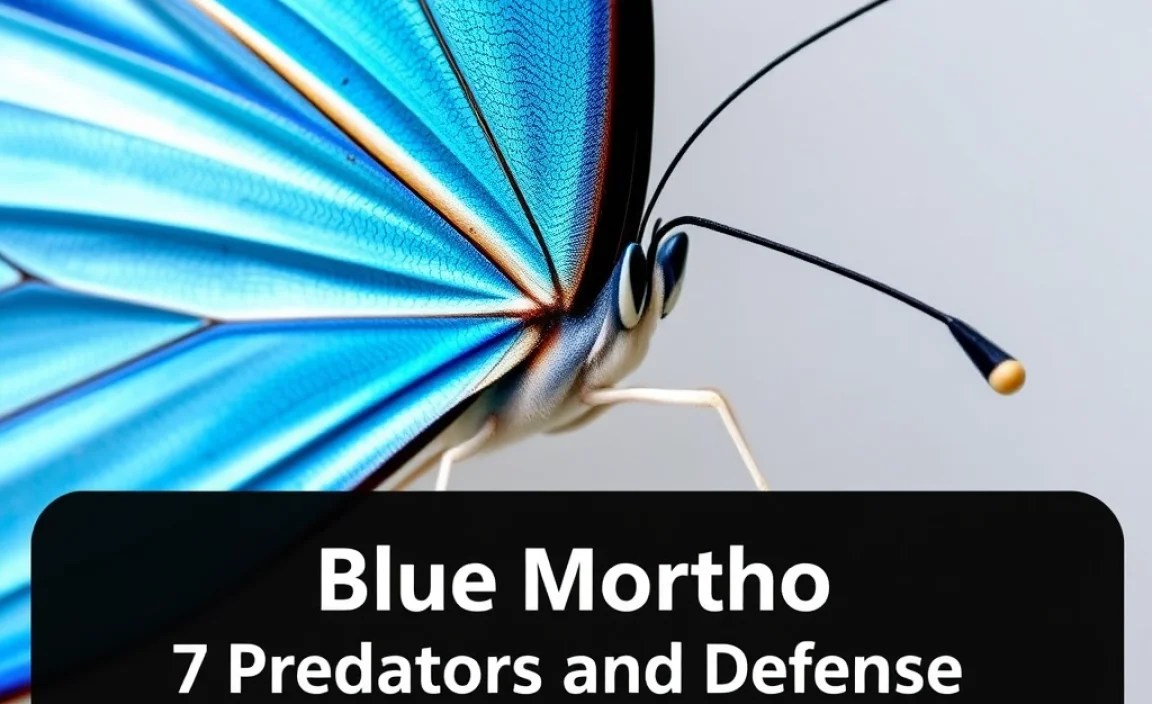
Blue Morphos face many dangers. They have predators that want to eat them. Birds, lizards, and frogs are some of their enemies. To protect themselves, they have special tricks. Their bright blue color warns predators. It tells them they might not taste good. The underside of their wings is brown. This helps them blend in with the trees. They also fly erratically. This makes it hard for predators to catch them. As caterpillars, they can even spit up poison! These defense mechanisms help them survive. Learning about them is an important part of understanding Blue Morpho facts for kids.
- Bright colors warn predators.
- Brown undersides help them hide.
- They fly erratically to escape.
- Caterpillars can spit up poison.
- They live high in the trees.
Imagine being a Blue Morpho trying to avoid a hungry bird. You would need all your tricks! Their bright blue wings are like a warning sign. It tells the bird, “I might not taste good!” The brown underside is like a secret disguise. It helps them disappear into the trees. Their erratic flight is like a game of tag. It makes it hard for the bird to catch them. These defense mechanisms are essential for their survival. They help them live long enough to reproduce.
Fun Fact or Stat: The erratic flight pattern of the Blue Morpho is so unpredictable that it often confuses predators, allowing the butterfly to escape!
What Animals Eat Blue Morphos?
What animals eat Blue Morphos? Several animals prey on these butterflies. Birds are a common predator. They fly through the rainforest looking for food. Lizards also eat Blue Morphos. They wait on branches and ambush them. Frogs can also catch them. They use their long tongues to snatch them out of the air. Even spiders can trap them in their webs. These predators make life difficult for Blue Morphos. They must always be on the lookout for danger.
How Do Blue Morphos Hide from Predators?
How do Blue Morphos hide from predators? They use camouflage. The brown underside of their wings helps them blend in with trees. When they close their wings, they disappear. They also fly high in the trees. This makes it harder for predators to reach them. They are masters of disguise. They know how to use their environment to their advantage. This helps them stay safe from harm.
Why Are Blue Morphos So Brightly Colored?
Why are Blue Morphos so brightly colored? Their bright blue color is a warning. It tells predators that they might not taste good. This is called aposematism. The bright color is like a signal. It says, “Stay away!” Predators learn to avoid them. This helps protect the Blue Morphos. It is a clever way to stay safe. The bright color is not just for show. It has a very important purpose.
Blue Morpho Conservation Status

The Blue Morpho is not endangered. But they still face threats. Deforestation is a big problem. When rainforests are cut down, they lose their homes. Pollution also harms them. Pesticides can poison them. Climate change is another threat. It can change their habitat. Conservation efforts are important. We need to protect rainforests. We can also reduce pollution. By doing these things, we can help Blue Morphos survive. Learning about their conservation status is an important part of Blue Morpho facts for kids.
- Deforestation destroys their habitat.
- Pollution harms them.
- Climate change threatens them.
- Conservation efforts are needed.
- Protecting rainforests is crucial.
Imagine a world without Blue Morphos. It would be a sadder place. These butterflies are important to the rainforest ecosystem. They help pollinate plants. They are also a food source for other animals. We need to do our part to protect them. We can support organizations that protect rainforests. We can also reduce our carbon footprint. Every little bit helps. Together, we can make a difference. We can ensure that Blue Morphos continue to thrive.
Fun Fact or Stat: Many organizations are working to conserve rainforests and protect the Blue Morpho’s habitat through sustainable practices!
What Are the Main Threats to Blue Morphos?
What are the main threats to Blue Morphos? Deforestation is a major threat. When trees are cut down, they lose their homes. This also reduces their food supply. Pollution is another big problem. Pesticides and other chemicals can harm them. Climate change is also a threat. It can change their habitat. These threats make it hard for Blue Morphos to survive. We need to address these issues to protect them.
How Can We Help Protect Blue Morphos?
How can we help protect Blue Morphos? There are many things we can do. We can support organizations that protect rainforests. We can also reduce our carbon footprint. This helps slow down climate change. We can avoid using pesticides. We can also educate others about Blue Morphos. The more people who know about them, the more likely they are to help. Every little bit helps. Together, we can make a difference.
Why Is It Important to Protect Blue Morphos?
Why is it important to protect Blue Morphos? They are an important part of the rainforest ecosystem. They help pollinate plants. They are also a food source for other animals. If they disappear, it could have a big impact on the rainforest. They are also beautiful creatures. They bring joy to people who see them. Protecting them is important for both the environment and for us.
Blue Morpho Butterfly Fun Facts
Let’s explore some more Blue Morpho facts for kids! Did you know their wings aren’t really blue? The color comes from the way light reflects off their scales. This is called iridescence. They are also very fast flyers. They can reach speeds of up to 12 miles per hour! They are most active during the warmest part of the day. They often fly in groups. This makes it easier to find food and mates. They are truly amazing creatures.
- Their wings aren’t really blue.
- They fly up to 12 miles per hour.
- They are most active when it’s warm.
- They often fly in groups.
- The color comes from iridescence.
Imagine a Blue Morpho racing through the rainforest. It’s like a tiny blue airplane! Their speed helps them escape predators. It also helps them find food. The iridescence of their wings is like a shimmering light. It attracts attention. These fun facts make them even more fascinating. They are truly unique and special butterflies. Learning about them is a great way to appreciate the wonders of nature.
Fun Fact or Stat: Blue Morphos can fly up to 12 miles per hour, making them one of the fastest butterflies!
Are Blue Morphos Poisonous?
Are Blue Morphos poisonous? They are not poisonous to touch. But they can taste bad to predators. This is because of the chemicals they get from the plants they eat. The caterpillars eat poisonous plants. This makes them taste bad. The butterflies retain some of these chemicals. This protects them from predators. So, while they are not poisonous, they are not a tasty meal either.
Do Blue Morphos Migrate?
Do Blue Morphos migrate? They do not migrate long distances. They stay in the same general area. They move around within the rainforest. They look for food and mates. They may move to different parts of the forest depending on the season. But they do not travel thousands of miles like some other butterflies. They prefer to stay close to their home.
How Can You Attract Blue Morphos to Your Garden?
How can you attract Blue Morphos to your garden? It’s not easy! They need a specific environment. You would need to create a rainforest-like habitat. This includes warm temperatures and lots of humidity. You would also need to plant the right kind of trees and plants. They like rotting fruit. You could put some out for them. However, it’s unlikely you will attract them unless you live in their natural habitat. It’s best to admire them in the rainforest.
Summary
Blue Morphos are amazing butterflies. They are known for their bright blue wings. They live in the rainforests of Central and South America. They eat rotting fruit and tree sap. Their caterpillars eat leaves and sometimes each other. The Blue Morpho’s life cycle is fascinating. They start as tiny eggs and transform into beautiful butterflies.
These butterflies face threats from deforestation and pollution. We need to protect their habitat. By supporting conservation efforts, we can help them survive. Learning Blue Morpho facts for kids helps us appreciate these creatures. It also encourages us to protect the environment. They are not just beautiful. They are also an important part of the ecosystem.
Conclusion
Blue Morphos are truly remarkable butterflies. Their bright blue wings and unique life cycle make them special. They play an important role in the rainforest ecosystem. We must protect their habitat from deforestation and pollution. By learning Blue Morpho facts for kids, we can appreciate them. We can also help ensure they continue to thrive in the wild for many years to come.
Frequently Asked Questions
Question No 1: What makes the Blue Morpho’s wings blue?
Answer: The Blue Morpho’s wings aren’t actually blue because of pigment! Instead, the vibrant blue color comes from the structure of the scales on their wings. These scales reflect light in a way that creates the shimmering blue effect we see. This phenomenon is called iridescence, and it’s similar to how a soap bubble gets its colors. Understanding this detail is one of the most fascinating Blue Morpho facts for kids, showing how nature uses tricks of light to create beauty.
Question No 2: Where do Blue Morphos live?
Answer: Blue Morphos live in the rainforests of Central and South America. They prefer warm, humid environments with plenty of trees and plants. Countries like Brazil, Costa Rica, and Mexico are home to these beautiful butterflies. They spend most of their time in the upper canopy of the rainforest, flying among the trees. Protecting these rainforests is essential to ensure that Blue Morphos continue to have a place to live.
Question No 3: What do Blue Morphos eat?
Answer: Adult Blue Morphos have a very interesting diet. They don’t typically feed on flower nectar like many other butterflies. Instead, they prefer to eat rotting fruit, tree sap, and mushroom juices. These foods provide them with the energy and nutrients they need. Blue Morpho caterpillars, on the other hand, eat leaves. Sometimes, they even eat other caterpillars! This unusual diet is one of the many fascinating Blue Morpho facts for kids to learn.
Question No 4: How do Blue Morphos protect themselves from predators?
Answer: Blue Morphos have several ways to protect themselves. Their bright blue color warns predators that they might not taste good. The underside of their wings is brown, which helps them blend in with trees when they need to hide. They also fly in an erratic, unpredictable pattern, making it difficult for predators to catch them. As caterpillars, they can even spit up poisonous substances to deter predators. These defense mechanisms help them survive in the rainforest.
Question No 5: Are Blue Morphos endangered?
Answer: Blue Morphos are not currently classified as endangered. However, they face threats from deforestation, pollution, and climate change. These threats can destroy their habitat and reduce their food supply. Conservation efforts are important to protect Blue Morphos and their rainforest home. By supporting these efforts, we can help ensure that these beautiful butterflies continue to thrive. Learning these Blue Morpho facts for kids helps us understand their importance.
Question No 6: What is the life cycle of a Blue Morpho?
Answer: The life cycle of a Blue Morpho is truly amazing! It starts as a tiny egg laid on a leaf. The egg hatches into a caterpillar, which eats leaves and grows quickly. The caterpillar then turns into a pupa, also known as a chrysalis. Inside the pupa, the caterpillar transforms into a butterfly. Finally, the butterfly emerges from the pupa, ready to fly and reproduce. The entire process takes about 115 days. This transformation is one of the most incredible Blue Morpho facts for kids to discover.


