
Rare Butterflies Diet Specificity: The Secret Food

Have you ever seen a butterfly? They flutter around, so pretty. But did you know some butterflies are very picky eaters? This pickiness is called ***rare butterflies diet specificity***. It means they only eat certain plants. What happens if those plants disappear?
Some butterflies are common. They can eat many different things. Other butterflies are ***rare***. They need specific food to survive. Let’s learn more about what they eat. We will also learn why it matters.
Key Takeaways
- ***Rare butterflies diet specificity*** makes them vulnerable to habitat loss and climate change.
- Caterpillars often have very specific food needs compared to adult butterflies.
- Loss of habitat is a big problem for ***rare butterflies*** and their unique diets.
- Protecting the plants these butterflies eat is very important for their survival.
- Understanding ***diet specificity*** helps us protect these beautiful, rare insects.
Rare Butterfly Diet Specificity Explained
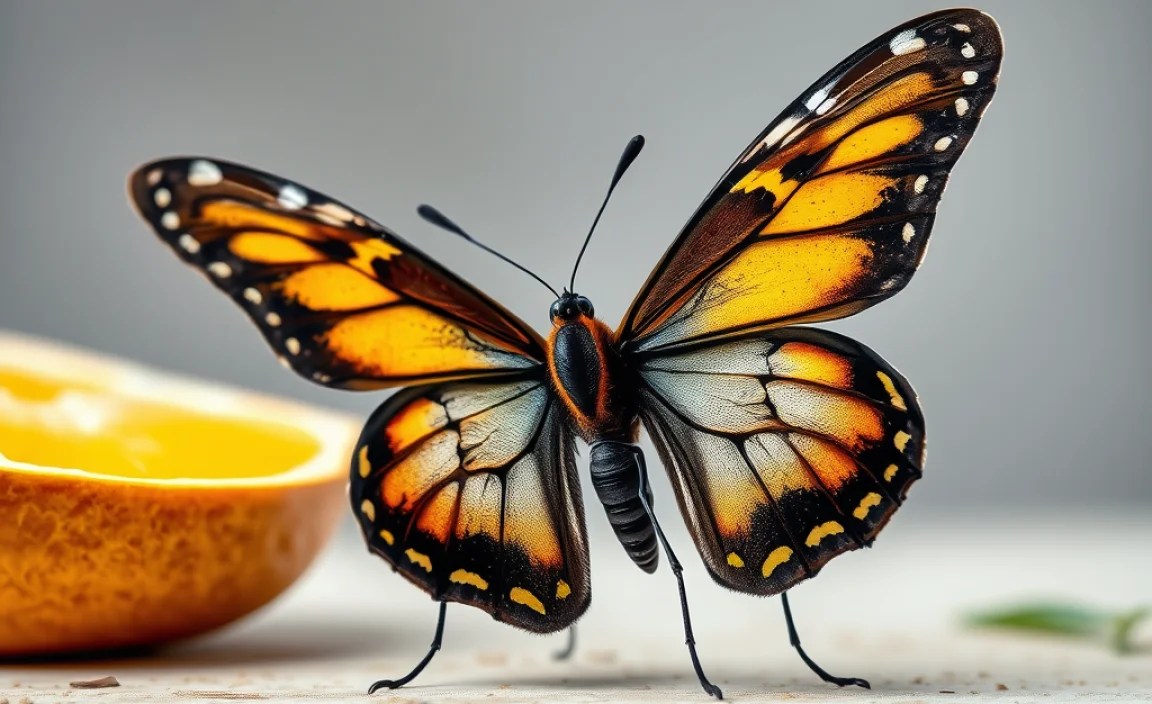
***Rare butterflies*** often have a very specific diet. This is especially true for their caterpillars. Many caterpillars can only eat one or two types of plants. This is called ***diet specificity***. If those plants are not around, the caterpillars cannot survive. Adult butterflies are less picky. They usually drink nectar from many flowers. But the caterpillars’ needs are very important. Without the right plants, the butterfly life cycle is broken. Imagine if you could only eat one food. What if that food suddenly disappeared? That is the problem ***rare butterflies*** face. Their survival depends on specific plants. Protecting these plants is key to helping these butterflies.
- Caterpillars often need specific plants to eat.
- Adult butterflies usually drink nectar from flowers.
- Habitat loss is a big threat.
- Climate change can affect plant growth.
- Protecting plants helps butterflies survive.
- Some butterflies only lay eggs on specific plants.
Why is ***diet specificity*** so important? It’s all about survival. Caterpillars need the right nutrients to grow. Specific plants provide those nutrients. These plants help caterpillars become strong butterflies. When habitats change or plants disappear, butterflies struggle. They cannot find the food they need. This leads to a decline in butterfly populations. By understanding ***rare butterflies’ diet specificity***, we can help protect them. We can make sure they have the plants they need to thrive. This is important for keeping our planet healthy.
Fun Fact or Stat: The Karner Blue butterfly caterpillars only eat wild lupine plants!
Why Are Some Butterflies So Picky?
Have you ever wondered why some butterflies are so picky? It has to do with evolution. Over time, some butterflies have adapted to eat only certain plants. These plants may have special chemicals. The butterflies have learned to tolerate these chemicals. Other insects cannot eat these plants because of the chemicals. This gives the butterflies a special advantage. They do not have to share their food with as many other insects. But it also makes them vulnerable. If those plants disappear, the butterflies are in trouble. Their ***diet specificity*** becomes a disadvantage.
How Does Climate Change Affect Butterfly Diets?
Climate change is making things harder for butterflies. It can change when plants grow. It can also change where plants grow. This can cause problems for butterflies with specific diets. Imagine if your favorite food was only available at a certain time of year. What if that time changed? You might not be able to find your food. This is what is happening to some butterflies. Climate change is disrupting their food supply. This is especially a problem for ***rare butterflies***. They need specific plants that may be affected by climate change.
What Can We Do to Help Butterflies?
We can do many things to help butterflies. One of the most important things is to protect their habitats. This means protecting the plants they need to survive. We can also plant butterfly gardens. These gardens can provide food for butterflies. We can also reduce our use of pesticides. Pesticides can harm butterflies and their food plants. By taking these steps, we can help butterflies thrive. Even small actions can make a big difference. We can all play a part in protecting these beautiful creatures.
Understanding Caterpillar Food Needs
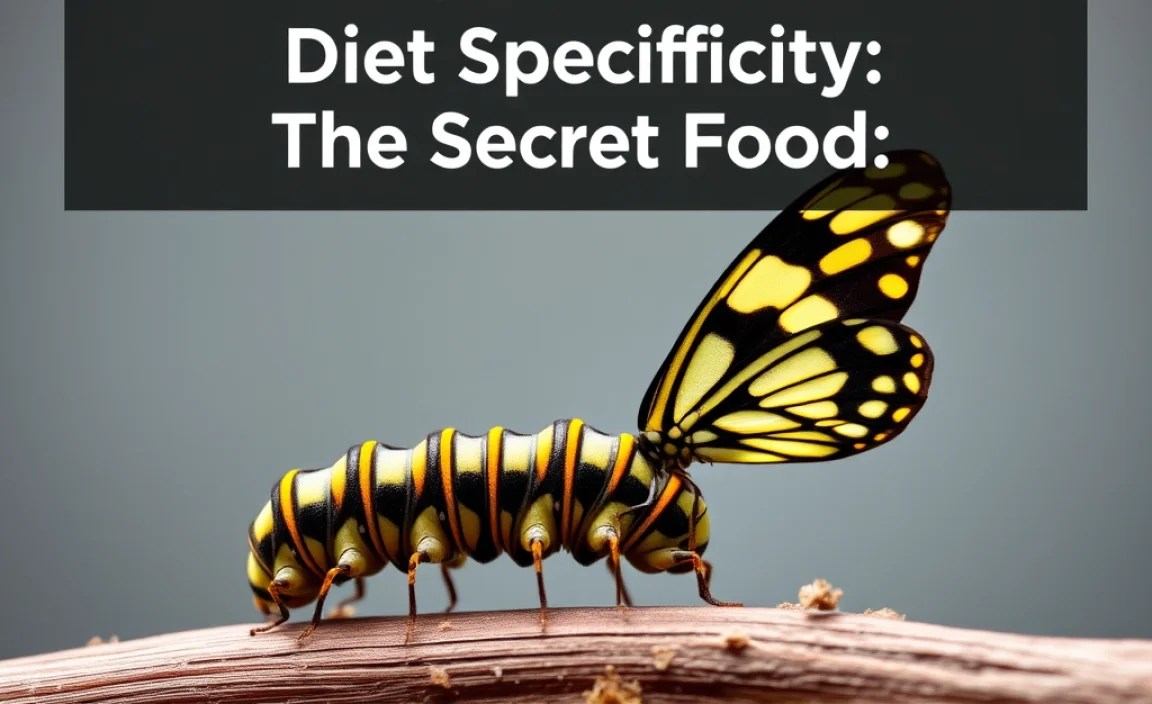
Caterpillars have very different food needs than adult butterflies. Adult butterflies drink nectar from flowers. Nectar gives them energy. Caterpillars need to eat plants to grow. They need the nutrients in the plants to become butterflies. Many caterpillars are very specific about what they eat. Some can only eat one type of plant. Others can eat a few related plants. This ***diet specificity*** is important for their survival. If they cannot find the right plants, they will not grow. Understanding what caterpillars eat is key to protecting butterflies. It helps us make sure they have the food they need.
- Caterpillars need plants to grow.
- Adult butterflies drink nectar.
- Some caterpillars only eat one type of plant.
- Knowing what caterpillars eat is important.
- We can plant the right plants for them.
- Protecting plants helps caterpillars grow.
- Caterpillars store energy for the pupa stage.
Imagine a baby animal. It needs the right food to grow big and strong. Caterpillars are like baby butterflies. They need the right plants to grow into butterflies. The plants give them the energy they need. They also give them the nutrients to develop. Without the right food, they cannot survive. That is why ***diet specificity*** is so important. It determines whether a caterpillar can find the food it needs. By protecting the plants caterpillars eat, we help them grow into beautiful butterflies.
Fun Fact or Stat: Monarch butterfly caterpillars only eat milkweed plants!
Why Is Caterpillar Food So Specific?
Have you ever wondered why caterpillar food is so specific? It’s all about adaptation. Over time, caterpillars have evolved to eat certain plants. These plants may have special chemicals that other insects cannot tolerate. The caterpillars have adapted to these chemicals. They can eat the plants without getting sick. This gives them a special food source. But it also makes them dependent on those plants. If the plants disappear, the caterpillars are in trouble. Their ***diet specificity*** becomes a problem.
How Can We Find Out What Caterpillars Eat?
Finding out what caterpillars eat can be like a detective game. We can watch caterpillars in the wild. We can see what plants they are eating. We can also look at scientific studies. Scientists have studied what different caterpillars eat. They have learned about their ***diet specificity***. This information helps us protect butterflies. It tells us what plants to protect. It also tells us what plants to plant in our gardens. By learning about caterpillar diets, we can help them survive.
What Happens if Caterpillars Don’t Get the Right Food?
If caterpillars do not get the right food, they will not survive. They may not grow properly. They may not be able to turn into butterflies. This can lead to a decline in butterfly populations. It can also affect the ecosystem. Butterflies are important pollinators. They help plants reproduce. If there are fewer butterflies, plants may struggle to survive. This shows how important it is to protect caterpillar food sources. By ensuring they have the right food, we help them and the environment.
The Impact of Habitat Loss on Butterfly Diets

Habitat loss is a big problem for butterflies. When habitats are destroyed, butterflies lose their food. They also lose their homes. This is especially hard for ***rare butterflies*** with specific diets. If their food plants disappear, they cannot survive. Habitat loss can happen for many reasons. It can be from building houses or roads. It can also be from farming or logging. When we destroy habitats, we harm butterflies. We need to protect their habitats. This will help them find the food they need. It will also help them survive.
- Habitat loss destroys butterfly food.
- ***Rare butterflies*** are especially vulnerable.
- Building and farming destroy habitats.
- Protecting habitats helps butterflies.
- We can create butterfly-friendly gardens.
- Reducing pesticide use helps too.
- Healthy habitats support butterfly diets.
Imagine your home being destroyed. You would have nowhere to live. You would also have no food. This is what happens to butterflies when their habitats are lost. They lose the plants they need to eat. This is especially devastating for caterpillars. They depend on specific plants to grow. When those plants are gone, they cannot survive. By protecting habitats, we give butterflies a chance. We ensure they have a place to live and food to eat. This helps them thrive and continue to brighten our world.
Fun Fact or Stat: Some butterfly species have declined by over 90% due to habitat loss!
How Does Urbanization Affect Butterfly Habitats?
Urbanization is the growth of cities and towns. It can have a big impact on butterfly habitats. When we build houses and roads, we destroy natural areas. This can eliminate butterfly food sources. It can also fragment habitats. This means that habitats are broken up into smaller pieces. This makes it harder for butterflies to find food and mates. Urbanization can also increase pollution. This can harm butterflies and their food plants. We need to plan our cities carefully. We need to protect butterfly habitats.
What Role Do Farms Play in Habitat Loss?
Farms can also contribute to habitat loss. When we convert natural areas into farmland, we destroy butterfly habitats. Farming practices can also harm butterflies. Pesticides can kill butterflies and their food plants. Monoculture farming, where only one crop is grown, reduces biodiversity. This means there are fewer different types of plants. This can make it harder for butterflies to find the food they need. Sustainable farming practices can help. These practices protect butterfly habitats and food sources.
How Can We Restore Butterfly Habitats?
We can restore butterfly habitats in many ways. One way is to plant native plants. These are plants that naturally grow in the area. Native plants provide food for butterflies. We can also create butterfly gardens. These gardens provide a place for butterflies to feed and lay eggs. We can also reduce our use of pesticides. We can also protect existing natural areas. By taking these steps, we can help restore butterfly habitats. We can help butterflies thrive once again.
Conserving Plants for Butterfly Survival
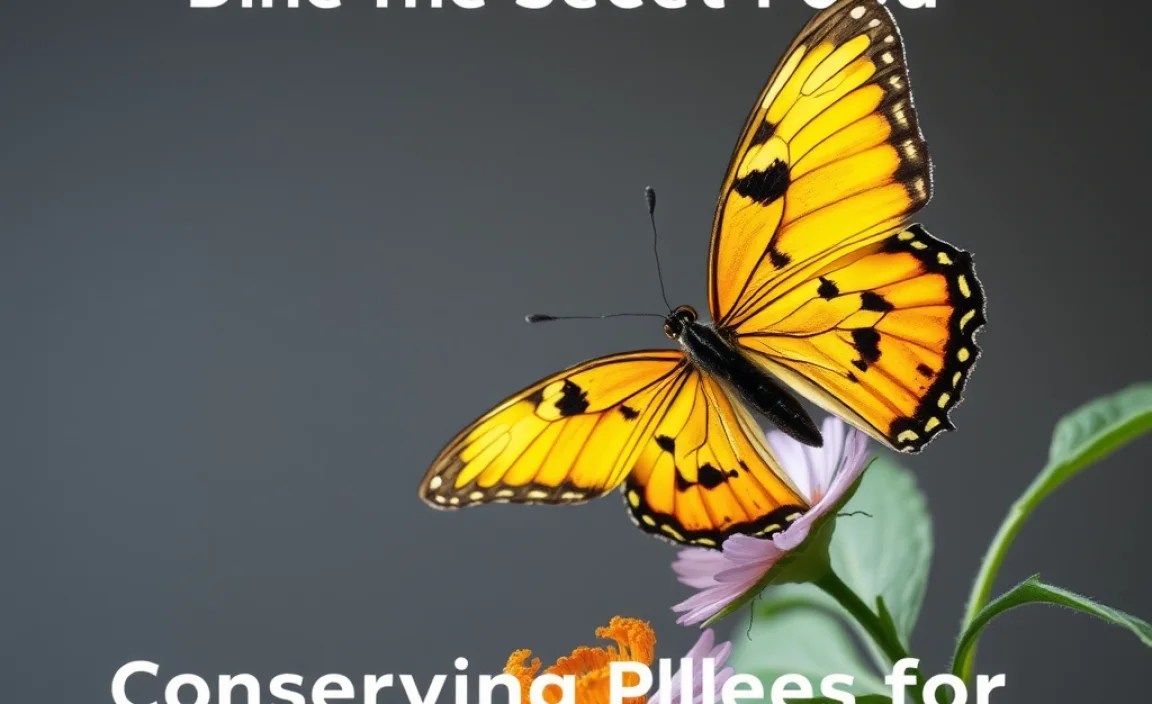
Conserving plants is crucial for butterfly survival. Butterflies, especially those with ***rare butterflies diet specificity***, depend on specific plants for food. If these plants disappear, the butterflies cannot survive. We need to protect these plants. We can do this by preserving natural habitats. We can also plant these plants in our gardens. It’s important to use native plants. These plants are best suited to the local environment. They also provide the best food for butterflies. By conserving plants, we help butterflies thrive. We also help maintain healthy ecosystems.
- Butterflies depend on specific plants.
- Conserving plants helps butterflies survive.
- Preserve natural habitats.
- Plant native plants in gardens.
- Native plants are best for butterflies.
- Conserving plants helps ecosystems.
- Protecting plants is a simple action.
Imagine a world without butterflies. It would be less colorful. It would also be less healthy. Butterflies are important pollinators. They help plants reproduce. Without them, many plants would struggle to survive. That is why conserving plants is so important. By protecting the plants butterflies need, we protect the butterflies themselves. We also protect the environment. We can all play a role in conserving plants. We can plant butterfly gardens. We can reduce our use of pesticides. We can support conservation efforts.
Fun Fact or Stat: Butterflies pollinate about one-third of the world’s food crops!
What Are Native Plants?
Native plants are plants that naturally grow in an area. They have adapted to the local climate and soil conditions. Native plants are important for butterflies. They provide the best food and shelter. They also support other native wildlife. When we plant native plants, we create healthy ecosystems. We help butterflies and other animals thrive. Native plants are a great choice for butterfly gardens. They are easy to care for. They also provide many benefits.
How Can We Create Butterfly Gardens?
Creating a butterfly garden is fun and easy. First, choose a sunny spot. Butterflies need sunlight to warm their wings. Then, plant a variety of native plants. Include plants that provide nectar for adult butterflies. Also, include plants that provide food for caterpillars. Make sure to provide a water source. A shallow dish of water with pebbles works well. Avoid using pesticides in your garden. This will protect butterflies and other beneficial insects. Enjoy watching the butterflies visit your garden!
Why Are Native Plants Better Than Non-Native Plants?
Native plants are better than non-native plants for several reasons. Native plants are adapted to the local environment. They require less water and fertilizer. They also provide better food and shelter for native wildlife. Non-native plants can sometimes become invasive. This means they can spread quickly and outcompete native plants. This can harm the ecosystem. By planting native plants, we support healthy ecosystems. We also help butterflies and other wildlife thrive.
Studying Diet in Rare Butterfly Populations

Studying diet is important for understanding ***rare butterfly*** populations. By knowing what they eat, we can better protect them. Scientists study butterfly diets in different ways. They observe butterflies in the wild. They collect samples of plants that butterflies eat. They analyze these samples to see what nutrients they contain. This information helps us understand butterfly ***diet specificity***. It also helps us identify threats to their food supply. By studying butterfly diets, we can make informed conservation decisions. We can help protect these beautiful creatures for future generations.
- Studying diet helps protect butterflies.
- Scientists observe butterflies in the wild.
- They collect plant samples.
- They analyze the samples.
- This helps us understand their needs.
- We can identify threats to food supply.
- Research informs conservation efforts.
Imagine being a scientist who studies butterflies. You spend your days watching them flutter around. You observe what plants they visit. You collect samples of those plants. You bring them back to the lab. You analyze them to see what nutrients they contain. This may sound like a lot of work. But it is important work. It helps us understand what butterflies need to survive. It helps us protect them from extinction. By studying ***rare butterflies’ diet specificity***, we can make a real difference in their lives.
Fun Fact or Stat: Scientists use DNA analysis to identify the plants that butterflies eat!
How Do Scientists Track Butterfly Diets?
Scientists use several methods to track butterfly diets. One method is to observe butterflies in the wild. They watch what plants the butterflies visit. They record the type of plant and how long the butterfly stays there. Another method is to collect samples of butterfly droppings. These droppings contain traces of the plants the butterflies have eaten. Scientists can analyze these droppings to identify the plants. They can also use DNA analysis to identify plant fragments in the droppings. These methods help scientists understand butterfly diets.
What Tools Are Used to Analyze Butterfly Food?
Scientists use various tools to analyze butterfly food. Microscopes help them identify plant fragments. Chemical analysis can determine the nutrient content of plants. DNA analysis can identify plant species. These tools provide detailed information about butterfly diets. They help scientists understand what nutrients butterflies need. They also help identify potential threats to their food supply. By using these tools, scientists can better protect butterflies.
Why Is Long-Term Monitoring Important?
Long-term monitoring is important for several reasons. Butterfly populations can fluctuate from year to year. Climate change can affect plant growth and distribution. Habitat loss can occur over time. Long-term monitoring helps us track these changes. It allows us to identify trends. It also helps us assess the effectiveness of conservation efforts. By monitoring butterfly diets and populations over time, we can make informed decisions. We can protect butterflies for future generations.
Protecting Butterflies Through Diet Awareness
Protecting butterflies starts with diet awareness. When we understand what butterflies eat, we can help them. We can plant the right plants in our gardens. We can protect their habitats. We can also support conservation efforts. It is also important to educate others about ***rare butterflies diet specificity***. The more people who know about butterfly diets, the more people who can help. Together, we can make a difference. We can ensure that butterflies thrive for years to come. By raising awareness, we inspire action. We create a community dedicated to butterfly conservation.
- Diet awareness helps protect butterflies.
- Plant the right plants in gardens.
- Protect butterfly habitats.
- Support conservation efforts.
- Educate others about butterfly diets.
- Awareness inspires action.
- Together, we can make a difference.
Imagine a world where everyone knows about butterfly diets. People would plant butterfly-friendly gardens. They would protect butterfly habitats. They would support conservation efforts. This is the power of diet awareness. When we understand what butterflies need, we can help them. We can create a world where butterflies thrive. It starts with education. It continues with action. By working together, we can make a positive impact on butterfly populations.
Fun Fact or Stat: Butterfly gardens can increase butterfly populations by up to 50%!
How Can Schools Teach About Butterfly Diets?
Schools can play a big role in teaching about butterfly diets. Teachers can incorporate butterfly studies into their curriculum. They can teach students about ***rare butterflies diet specificity***. They can also take students on field trips to butterfly gardens. Students can learn about the plants that butterflies eat. They can also learn about the importance of habitat conservation. Schools can also create butterfly gardens on their campuses. This provides a hands-on learning experience for students.
What Role Can Social Media Play?
Social media can be a powerful tool for raising awareness. We can share information about butterfly diets on social media. We can post pictures of butterfly gardens. We can also share stories about butterfly conservation efforts. Social media can reach a wide audience. It can inspire people to take action. We can use social media to educate others about ***rare butterflies diet specificity***. We can also encourage them to plant butterfly-friendly gardens.
How Can Individuals Make a Difference?
Individuals can make a big difference in butterfly conservation. Plant a butterfly garden in your yard. Reduce your use of pesticides. Support conservation organizations. Educate others about butterfly diets. Every action, no matter how small, can help. By working together, we can create a world where butterflies thrive. Individual efforts add up to a collective impact. We can all be part of the solution.
Summary
***Rare butterflies*** have very specific diets. This is called ***diet specificity***. It means they need certain plants to survive. Caterpillars often have different food needs than adult butterflies. Habitat loss and climate change threaten these plants. This makes it hard for butterflies to find food. We can help by protecting habitats. We can also plant native plants. These plants provide food for butterflies. Studying butterfly diets helps us understand their needs. By raising awareness and taking action, we can protect these beautiful insects.
Conclusion
***Rare butterflies diet specificity*** makes them vulnerable. They need our help. Protecting their food plants is essential. We can plant native plants. We can reduce pesticide use. We can support conservation efforts. Together, we can ensure butterflies thrive. Let’s work together to protect these beautiful creatures.
Frequently Asked Questions
Question No 1: What does “diet specificity” mean for rare butterflies?
Answer: “Diet specificity” means that these butterflies have very specific food requirements. Usually, it refers to the caterpillar stage, where they might only be able to eat one or two types of plants. If those plants aren’t available, the caterpillars won’t survive. This makes them particularly vulnerable to habitat loss or changes in plant distribution due to climate change. Understanding their ***diet specificity*** is key to protecting them.
Question No 2: Why are some butterflies so picky about what they eat?
Answer: Over time, some butterflies have adapted to eat only certain plants. This could be because these plants contain specific nutrients that the butterflies need. Or, the plants might have chemicals that other insects can’t tolerate, giving the butterflies a unique food source. This adaptation, however, makes them dependent on those specific plants. If those plants disappear, the butterflies struggle, showcasing how ***diet specificity*** can be a double-edged sword.
Question No 3: What can I do to help butterflies with specific diet needs?
Answer: You can do several things! First, learn what plants the butterflies in your area need. Then, plant those native plants in your garden or community. Avoid using pesticides, as these can harm butterflies and their food sources. Support local conservation organizations that work to protect butterfly habitats. Educating others about the importance of ***diet specificity*** and native plants is also a great way to contribute.
Question No 4: How does climate change affect butterfly diets?
Answer: Climate change can disrupt the timing of plant growth and flowering. This can cause a mismatch between when caterpillars need food and when the plants are available. Changes in temperature and rainfall can also affect the distribution of plants, making it harder for butterflies to find their specific food sources. This makes the impact of ***diet specificity*** even greater under changing climate conditions.
Question No 5: Are all butterflies picky eaters?
Answer: No, not all butterflies are picky eaters. Some butterflies are generalists. They can eat a wide variety of plants. Others, like many ***rare butterflies***, are specialists. They have very specific diet needs. The level of specificity varies from species to species. Understanding this difference is important for effective conservation.
Question No 6: Where can I find more information about butterfly diets?
Answer: You can find information from many sources. Check with your local nature centers or botanical gardens. They often have resources on native plants and butterflies. University extension offices also provide valuable information. Look for scientific studies and conservation websites. These resources can give you detailed information about ***rare butterflies diet specificity*** in your area. They can also tell you how to help protect them.


