
Ultimate Blue Morpho Butterfly House Design Guide

Did you know butterflies sip nectar with a straw-like tongue? It’s called a proboscis! Imagine creating a special home for them. A *Blue Morpho butterfly house design* can bring these beauties to your backyard. These bright blue butterflies are a sight to see!
Creating the perfect space helps butterflies thrive. It also allows you to see them up close. Have you ever dreamed of a garden filled with fluttering wings? Let’s explore how to make it happen!
A butterfly house provides shelter and food. It keeps them safe from wind and rain. You can learn about their life cycle. It’s like having a living science project!
Key Takeaways
- Careful *Blue Morpho butterfly house design* will attract these wonderful insects to your garden.
- Provide host plants such as passion vines to feed hungry caterpillars.
- Include nectar plants like lantana and milkweed for adult butterflies.
- Ensure proper ventilation and sunlight to keep butterflies healthy.
- Regularly clean the butterfly house to prevent disease and pests.
The Basics of Blue Morpho Butterfly House Design

A *Blue Morpho butterfly house design* starts with understanding their needs. These butterflies live in rainforests. They like it warm and humid. Recreating this environment is key. Your butterfly house should offer shelter. It needs proper sunlight and humidity. Host plants are vital for caterpillars. Nectar plants feed the adults. Consider the size of the enclosure. Bigger is usually better. Make sure it’s easy to clean. This prevents disease. Choose a location that’s protected from strong winds. A sunny spot is ideal. Observe how sunlight moves across your yard. This helps you pick the best place. The right design makes all the difference. It keeps your butterflies happy and healthy. It also gives you a beautiful place to observe them.
- Provide a warm, humid environment.
- Include host plants for caterpillars.
- Offer nectar plants for adults.
- Ensure proper ventilation.
- Choose a sunny, sheltered location.
Thinking about the materials is also important. Wood is a popular choice. It’s natural and blends into the garden. Mesh sides allow for good airflow. Clear plastic can create a warmer space. Avoid using harmful chemicals on the wood. These can hurt the butterflies. Add a shallow dish of water. Butterflies need to drink. Place some rocks in the water so they can land safely. Decorate with natural items like twigs and leaves. This makes the house more appealing. Remember, a well-designed butterfly house creates a safe and welcoming space. It lets you enjoy these amazing creatures up close.
What Size Works Best?
How big should your butterfly house be? Size matters for comfort. A small house might feel cramped. A large house gives them room to fly. Think about how many butterflies you want. A bigger group needs more space. Consider the size of your yard too. A huge house might not fit in a small garden. A good starting point is about 3 feet tall and 2 feet wide. This gives enough room for plants and butterflies. You can always make it bigger if you have the space. Remember, butterflies need room to spread their wings. Give them plenty of space to flutter around. A well-sized house makes a big difference. It helps them feel safe and happy. What if you want to house other types of butterflies as well?
What About Ventilation?
Why is ventilation so important? Butterflies need fresh air, just like us! Good airflow prevents mold and mildew. It also keeps the house from getting too hot. Imagine being stuck in a stuffy room all day! Mesh sides are great for ventilation. You can also add small vents near the top. Make sure the vents are covered. This keeps other critters out. Test the airflow on a warm day. If it feels stuffy, add more ventilation. Proper ventilation is key to a healthy butterfly house. It keeps your butterflies happy and thriving. Without good airflow, they can get sick. So, don’t forget to add some vents! Have you ever felt how nice it is to have a breeze on a hot day?
How Can I Keep it Clean?
Cleaning is a must for a healthy butterfly house. Debris can build up over time. This can attract pests and diseases. Clean the house regularly, about once a month. Remove dead leaves and droppings. Use a mild soap and water solution. Rinse it well and let it dry completely. Check for spider webs or other pests. Remove them gently. Replace the water in the dish regularly. This prevents algae from growing. A clean house is a happy house. It keeps your butterflies safe and healthy. They will thank you for it! Imagine living in a messy house. It wouldn’t be very nice, would it? So, keep your butterfly house clean and tidy.
Fun Fact or Stat: Blue Morpho butterflies can have a wingspan of up to 8 inches!
Choosing the Right Location for Your Butterfly House
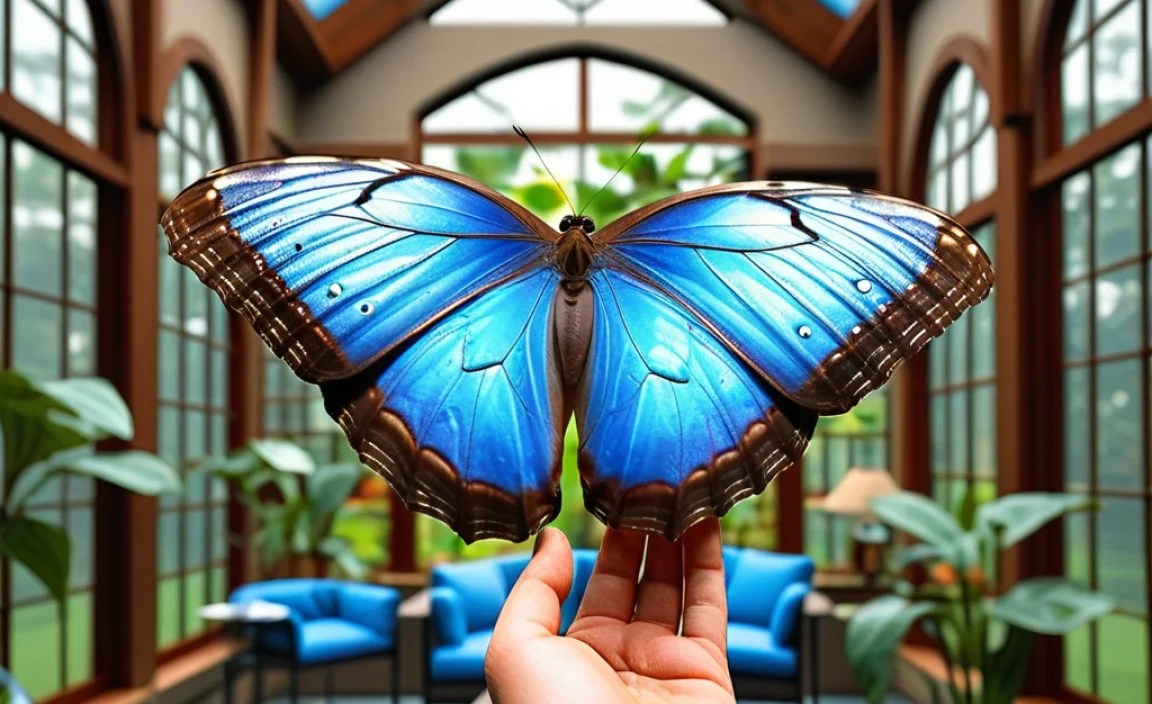
Location is key for your *Blue Morpho butterfly house design*. Butterflies need sunlight to warm their wings. They also need shelter from strong winds. A sunny spot that’s protected is ideal. Observe your yard throughout the day. See where the sun shines and where the wind blows. Place the house near nectar plants. This makes it easy for butterflies to find food. Avoid placing it near busy areas. Loud noises can scare them. Choose a spot that’s easy to access. This makes cleaning and maintenance easier. A good location makes all the difference. It helps your butterflies feel safe and comfortable. It also makes it easier for you to enjoy them. Remember, a happy location means happy butterflies!
- Choose a sunny spot.
- Shelter it from strong winds.
- Place it near nectar plants.
- Avoid busy areas.
- Make it easy to access.
Think about the surrounding environment. Are there trees nearby? Trees can provide shade on hot days. Are there flowers nearby? Flowers attract butterflies to your yard. Consider the soil conditions. Butterflies need water. Make sure the soil drains well. Avoid areas that are prone to flooding. Check for any potential hazards. Are there any pesticides being used nearby? Pesticides can harm butterflies. Talk to your neighbors about your plans. They might have some helpful suggestions. A well-chosen location creates a welcoming haven. It allows your butterflies to thrive. It also enhances the beauty of your garden. A perfect location will bring you lots of joy.
Why is Sunlight Important?
Sunlight is like breakfast for butterflies! They need it to warm their bodies. This helps them fly and find food. Without enough sun, they get sluggish. They might not be able to fly at all. Place your butterfly house in a sunny spot. Make sure it gets at least six hours of sunlight a day. Morning sun is especially important. It helps them warm up quickly. If your yard is shady, try to find a spot that gets filtered sunlight. Too much direct sun can overheat the house. A little shade can be helpful. Sunlight is essential for butterfly health. It keeps them active and energetic. Imagine trying to play outside on a cold day. It’s much easier when the sun is shining, right?
How to Block the Wind
Wind can be tough on delicate butterflies. Strong gusts can damage their wings. It can also blow them away from their food source. Protect your butterfly house from the wind. Place it near a fence or a wall. This provides a natural windbreak. Plant shrubs or trees around the house. This also helps to block the wind. Make sure the plants don’t block too much sunlight. You can also use a screen or a tarp. This creates a temporary windbreak. Check the wind direction in your yard. This helps you determine the best location. A sheltered spot keeps your butterflies safe and comfortable. They can fly and feed without being blown around. Think about how uncomfortable it is to be outside on a windy day. Butterflies feel the same way!
Access for Cleaning
Easy access is key for cleaning and maintenance. You need to be able to reach inside the house. This allows you to remove debris and check for pests. Place the house where you can easily open it. Make sure there’s enough space to move around. Consider adding a door or a removable panel. This makes cleaning much easier. Avoid placing the house in a tight corner. This makes it hard to reach. Think about how often you’ll need to clean it. This helps you choose the best location. Easy access makes cleaning a breeze. It keeps your butterfly house healthy and inviting. Imagine trying to clean something in a very small space. It would be difficult, wouldn’t it?
Fun Fact or Stat: Butterflies taste with their feet!
Plants for Blue Morpho Caterpillars

To attract *Blue Morpho* butterflies, you need host plants. Caterpillars eat these plants. Without them, they cannot grow. Passion vines are a favorite food. They come in many varieties. Some have beautiful flowers. Plant them near your butterfly house. This makes it easy for caterpillars to find food. Make sure the plants are healthy. Caterpillars need lots of leaves to eat. Avoid using pesticides on the plants. These can harm the caterpillars. Check the plants regularly for caterpillars. You might be surprised to see how many you find. Host plants are essential for butterfly life. They provide the food that caterpillars need to grow. Without them, there would be no butterflies! Remember, happy caterpillars mean happy butterflies.
- Plant passion vines.
- Ensure plants are healthy.
- Avoid pesticides.
- Check regularly for caterpillars.
- Provide plenty of leaves.
Consider the size of your butterfly house. Choose plants that will fit comfortably. You don’t want them to overcrowd the space. Think about the sunlight requirements. Choose plants that thrive in the same conditions as your butterfly house. Water the plants regularly. Caterpillars need moisture to stay hydrated. Add some mulch to the soil. This helps to retain moisture. Provide a variety of host plants. This gives caterpillars more options. Observe which plants the caterpillars prefer. This helps you choose the best ones for your butterfly house. A well-planted butterfly house creates a welcoming feast. It allows caterpillars to grow and thrive. It will be a beautiful sight to see the caterpillars munching on the leaves and transforming into butterflies.
Types of Passion Vines
Passion vines are amazing plants. They have beautiful, intricate flowers. They come in many different colors and shapes. Some are better host plants than others. The *Passiflora incarnata* is a popular choice. It’s easy to grow and attracts many butterflies. The *Passiflora caerulea* is another good option. It has blue and white flowers. The *Passiflora edulis* produces edible fruit. It’s a tasty treat for you and the butterflies. Research different varieties before you plant. Choose the ones that are best suited for your area. Passion vines are a great addition to any butterfly garden. They provide food and shelter for caterpillars and butterflies. Have you ever seen the intricate details of a passion flower up close?
How to Care for Passion Vines
Passion vines need proper care to thrive. They like well-drained soil. Water them regularly, especially during dry periods. Fertilize them with a balanced fertilizer. Prune them regularly to keep them healthy. Remove any dead or damaged leaves. Provide a trellis or support for them to climb on. They can grow quite long and need something to hold onto. Protect them from frost in colder climates. They might need to be brought indoors during the winter. Check them regularly for pests and diseases. Treat any problems promptly. Healthy passion vines are a feast for caterpillars. They provide the food they need to grow into beautiful butterflies. Imagine how rewarding it is to see your plants supporting new life!
Avoiding Pesticides
Pesticides are harmful to butterflies and caterpillars. They can kill them or make them sick. Avoid using pesticides in your garden. Choose organic gardening methods. Use natural pest control solutions. Attract beneficial insects to your garden. They will help to control pests. Handpick pests off your plants. This is a safe and effective way to remove them. Use insecticidal soap or neem oil. These are less harmful than synthetic pesticides. Read the labels carefully before using any product. Protect your butterflies from harmful chemicals. They are essential for a healthy ecosystem. Think about the impact of your choices on the environment. Every little bit helps!
Fun Fact or Stat: A caterpillar can eat up to 27,000 times its own weight in its lifetime!
Nectar Plants for Adult Blue Morphos

Adult *Blue Morpho* butterflies need nectar for energy. Nectar is a sweet liquid found in flowers. Plant nectar-rich flowers near your butterfly house. This provides a food source for them. Lantana is a popular choice. It has colorful clusters of flowers. Milkweed is another great option. It’s also a host plant for Monarch butterflies. Pentas are easy to grow and attract many butterflies. Zinnias come in a variety of colors. They add beauty to your garden. Choose flowers that bloom at different times of the year. This provides a continuous food source. Nectar plants are essential for butterfly survival. They provide the energy that butterflies need to fly and reproduce. Remember, a well-fed butterfly is a happy butterfly!
| Plant Name | Flower Color | Bloom Time | Sunlight Needs |
|---|---|---|---|
| Lantana | Various | Summer to Fall | Full Sun |
| Milkweed | Pink, White, Orange | Summer | Full Sun |
| Pentas | Pink, Red, White | Summer to Fall | Full Sun |
| Zinnias | Various | Summer to Fall | Full Sun |
- Plant lantana.
- Include milkweed.
- Add pentas.
- Choose zinnias.
- Select flowers that bloom at different times.
Consider the height and spread of the plants. Choose plants that will fit comfortably in your garden. Think about the color of the flowers. Butterflies are attracted to bright colors. Water the plants regularly. Nectar production requires water. Fertilize them with a balanced fertilizer. This promotes healthy growth. Deadhead the flowers regularly. This encourages more blooms. Provide a variety of nectar plants. This gives butterflies more options. Observe which flowers the butterflies prefer. This helps you choose the best ones for your garden. A well-planted garden creates a beautiful buffet. It attracts butterflies and adds beauty to your landscape. Butterflies will flutter from flower to flower, creating a magical scene.
Choosing the Right Colors
Butterflies see colors differently than we do. They are attracted to bright, vibrant colors. Red, orange, yellow, and purple are especially appealing. Choose flowers in these colors for your butterfly garden. Mix different colors together for a stunning display. Avoid using too many white flowers. They are not as attractive to butterflies. Observe which colors the butterflies prefer in your garden. This helps you choose the best ones to plant. Color is an important factor in attracting butterflies. A colorful garden is a butterfly magnet. Have you ever noticed how butterflies seem to flock to certain flowers?
Succession Planting
Succession planting means planting flowers that bloom at different times. This provides a continuous food source for butterflies. Plant early-blooming flowers for spring butterflies. Plant late-blooming flowers for fall butterflies. Choose flowers that bloom throughout the summer. This ensures a steady supply of nectar. Plan your garden carefully to provide continuous blooms. This keeps your butterflies happy and well-fed. Succession planting is a smart gardening technique. It provides a long-lasting source of food for pollinators. Imagine having a garden that blooms all season long!
Water Sources for Butterflies
Butterflies need water to survive. They don’t drink from puddles like we do. They sip water through their proboscis. Provide a shallow dish of water for them. Add some rocks or pebbles to the dish. This gives them a place to land. Keep the water clean and fresh. Change it regularly to prevent algae growth. You can also create a mud puddle for them. Butterflies like to sip minerals from the mud. A water source is essential for butterfly health. It keeps them hydrated and allows them to thrive. Think about how important water is to our own health. Butterflies need it just as much!
Fun Fact or Stat: Butterflies can only see red, green, and yellow!
Shelter and Protection in Your Butterfly House Design
A *Blue Morpho butterfly house design* must include shelter. Butterflies need protection from predators. They also need shelter from rain and wind. Provide a safe haven for them in your butterfly house. Add some branches or twigs. This gives them a place to perch. Create a roof or overhang. This provides shade and protection from rain. Cover the sides with mesh. This keeps out predators like birds. Place the house in a sheltered location. This protects it from strong winds. Shelter is essential for butterfly survival. It keeps them safe and comfortable. Without shelter, they are vulnerable to predators and the elements. Remember, a safe butterfly is a happy butterfly!
- Add branches or twigs.
- Create a roof or overhang.
- Cover the sides with mesh.
- Place the house in a sheltered location.
- Provide a safe haven.
Consider the materials you use to build the house. Choose materials that are durable and weather-resistant. Avoid using harmful chemicals or pesticides. These can harm the butterflies. Check the house regularly for damage. Repair any holes or cracks. Keep the house clean and free of debris. This prevents pests and diseases. Provide a variety of shelter options. This gives butterflies more choices. Observe how the butterflies use the shelter. This helps you improve the design. A well-designed butterfly house provides a safe and comfortable home. It allows butterflies to thrive and enjoy their surroundings. Imagine having a cozy and protected home of your own.
Protection from Predators
Predators can be a big threat to butterflies. Birds, spiders, and lizards all prey on butterflies. Protect your butterflies from these predators. Cover the sides of the butterfly house with mesh. This prevents birds from getting inside. Check the house regularly for spiders. Remove any webs or spiders you find. Provide hiding places for the butterflies. This gives them a place to escape from predators. Place the house in a location that is not easily accessible to predators. Predator protection is essential for butterfly survival. It keeps them safe from harm. Think about how scary it would be to be constantly hunted by predators.
Weather Protection
Weather can be harsh on butterflies. Rain, wind, and extreme temperatures can all be harmful. Protect your butterflies from the weather. Create a roof or overhang for the butterfly house. This provides shade and protection from rain. Place the house in a sheltered location. This protects it from strong winds. Provide a source of warmth during cold weather. A heat lamp or a heated pad can help. Ensure adequate ventilation during hot weather. This prevents the house from overheating. Weather protection is essential for butterfly health. It keeps them comfortable and allows them to thrive. Imagine being caught in a rainstorm without any shelter.
Safe Perching Spots
Butterflies need safe places to perch and rest. Provide plenty of perching spots in your butterfly house. Add branches, twigs, and leaves. These provide natural perches. Use different sizes and shapes of perches. This gives butterflies more options. Place the perches in sunny and shady spots. This allows butterflies to choose their preferred temperature. Make sure the perches are stable and secure. Butterflies need to feel safe and comfortable on their perches. Safe perching spots are essential for butterfly well-being. They allow them to rest and conserve energy. Think about how important it is to have a comfortable place to sit and relax.
Fun Fact or Stat: Some butterflies migrate thousands of miles!
Maintaining Your Blue Morpho Butterfly House
Maintaining your *Blue Morpho butterfly house design* is key. Regular cleaning prevents disease. Proper watering keeps plants healthy. Checking for pests keeps butterflies safe. Replace damaged parts to ensure structural integrity. Observe butterfly behavior to identify problems early. Add new plants to keep the habitat vibrant. Remove dead leaves to prevent mold. Regular maintenance ensures a thriving butterfly house. It keeps your butterflies happy and healthy. It also allows you to enjoy them for years to come. Remember, a well-maintained butterfly house is a beautiful sight to see!
- Clean regularly.
- Water plants properly.
- Check for pests.
- Replace damaged parts.
- Observe butterfly behavior.
Consider the long-term needs of your butterfly house. Plan for seasonal changes. Adjust watering and ventilation as needed. Add extra protection during extreme weather. Monitor the health of the plants and butterflies. Take action if you notice any problems. A well-maintained butterfly house creates a sustainable habitat. It allows butterflies to thrive and reproduce. It also provides a valuable learning experience. You can observe the butterfly life cycle up close. Maintenance is an ongoing process. But it’s worth the effort. The rewards are a beautiful and thriving butterfly garden. Remember, happy butterflies make a happy garden!
Seasonal Adjustments
Seasons change, and so should your butterfly house care! In the spring, focus on new growth. Fertilize your plants and prepare for caterpillars. Summer is the peak season. Water regularly and provide plenty of nectar. In the fall, prepare for colder weather. Protect your plants from frost. In the winter, provide shelter from the cold. Monitor the temperature inside the house. Seasonal adjustments are essential for butterfly health. They help them adapt to changing conditions. Imagine how different it feels to be outside in the summer versus the winter.
Pest Control
Pests can be a problem in any garden. But there are ways to control them without harming butterflies. Use natural pest control methods. Attract beneficial insects to your garden. Handpick pests off your plants. Use insecticidal soap or neem oil. Avoid using harmful pesticides. These can kill butterflies and caterpillars. Check your plants regularly for pests. Take action if you notice any problems. Pest control is important for butterfly health. It keeps them safe from harmful insects. Think about how annoying it is to be bitten by mosquitoes. Butterflies feel the same way about pests!
Replacing Plants
Plants don’t live forever. Sometimes you need to replace them. Choose new plants that are suitable for your butterfly house. Consider the sunlight and water requirements. Select plants that attract butterflies. Plant them carefully and water them well. Remove any dead or dying plants. This keeps the house clean and healthy. Replacing plants is a normal part of gardening. It helps to keep your butterfly house vibrant and beautiful. Imagine having a garden that always looks fresh and new!
Fun Fact or Stat: Some butterfly species only live for a few weeks!
Enjoying Your Blue Morpho Butterfly House Design
Your *Blue Morpho butterfly house design* is now complete! It’s time to enjoy the beauty you’ve created. Watch the butterflies flutter and feed. Observe their fascinating behavior. Share your butterfly house with friends and family. Educate others about the importance of butterflies. Take photos and videos of your butterflies. Create a scrapbook or a blog to document your journey. Participate in citizen science projects. Help scientists learn more about butterflies. Enjoying your butterfly house is a rewarding experience. It connects you with nature and allows you to appreciate the beauty of butterflies. Remember, a butterfly garden is a gift to yourself and to the environment!
- Watch the butterflies.
- Observe their behavior.
- Share with others.
- Educate about butterflies.
- Take photos and videos.
Consider adding some personal touches to your butterfly house. Decorate it with colorful paint or artwork. Add a small bench or chair for seating. Create a path leading to the house. Plant flowers around the perimeter. Make it a welcoming and inviting space. A butterfly house is more than just a structure. It’s a place to connect with nature. It’s a place to relax and enjoy the beauty of the world around us. It’s a place to learn and grow. A well-designed butterfly house is a source of joy and inspiration. It brings beauty and wonder to your life. Remember, the best butterfly house is one that you love!
Photographing Butterflies
Photographing butterflies can be challenging but rewarding. Use a camera with a good zoom lens. This allows you to capture close-up shots. Be patient and wait for the right moment. Butterflies are often on the move. Use a fast shutter speed to avoid blurry photos. Focus carefully on the butterfly. Try to capture the details of its wings. Experiment with different angles and lighting. Capture the butterfly in its natural environment. Photographing butterflies is a great way to appreciate their beauty. It also allows you to share your passion with others. Have you ever tried to capture a butterfly in flight?
Teaching Others About Butterflies
Butterflies are fascinating creatures. Share your knowledge with others. Teach your friends and family about butterflies. Explain their life cycle and their importance to the ecosystem. Show them your butterfly house and explain how it works. Encourage them to plant butterfly gardens of their own. Participate in educational events. Share your passion with the community. Teaching others about butterflies is a valuable service. It helps to protect these amazing creatures for future generations. Imagine inspiring others to create butterfly gardens of their own!
Relaxing in Your Butterfly Garden
Your butterfly garden is a place to relax and unwind. Find a comfortable spot to sit and observe. Listen to the sounds of nature. Watch the butterflies flutter and feed. Breathe in the fresh air. Let your worries fade away. Your butterfly garden is a sanctuary. It’s a place to connect with nature and find peace. Relaxing in your butterfly garden is a great way to reduce stress. It also improves your mental and emotional well-being. Think about how good it feels to spend time in nature.
Fun Fact or Stat: Butterflies are important pollinators!
Summary
Creating a *Blue Morpho butterfly house design* is a rewarding project. It involves understanding butterfly needs. You need to provide host plants for caterpillars. Nectar plants feed the adults. Shelter and protection are essential. Proper location and maintenance are key. A well-designed butterfly house provides a safe and comfortable habitat. It allows you to observe these amazing creatures up close. It also contributes to a healthy ecosystem. Remember, a butterfly garden is a gift to yourself and to the environment. The right design is crucial for attracting these beautiful butterflies.
Building a butterfly house is more than just construction. It’s about creating a welcoming space. It’s about providing food and shelter. It’s about connecting with nature. It’s a chance to learn about the life cycle of butterflies. You can also educate others on protecting these vital insects. With careful planning and effort, you can create a beautiful and thriving butterfly garden. This will bring joy and wonder to your life for years to come.
Conclusion
Designing a *Blue Morpho butterfly house* is a fun project. It requires attention to detail. You must provide the right plants and shelter. Proper maintenance ensures a thriving habitat. Enjoy the beauty and wonder of these amazing creatures. Your butterfly house will be a haven for them. It will bring joy to your garden. Remember to keep learning and adapting. This will make your butterfly house even better over time.
Frequently Asked Questions
Question No 1: What are the key features of a good Blue Morpho butterfly house design?
Answer: A good *Blue Morpho butterfly house design* should provide a warm, humid environment. It should include host plants for caterpillars and nectar plants for adults. Proper ventilation is essential to prevent mold and mildew. Shelter from predators and weather is also important. The house should be easy to clean and maintain. A sunny location that is protected from strong winds is ideal. Remember to use safe materials that won’t harm the butterflies. Think about the long-term needs of your butterfly house. This will help you create a thriving habitat.
Question No 2: What plants attract Blue Morpho butterflies?
Answer: *Blue Morpho* caterpillars primarily feed on passion vines. These plants are essential for their survival. Adult butterflies need nectar-rich flowers. Lantana, milkweed, pentas, and zinnias are great choices. Choose plants that bloom at different times of the year. This provides a continuous food source. Consider the colors of the flowers. Butterflies are attracted to bright, vibrant colors. Plant a variety of plants to attract different species of butterflies. Remember to avoid using pesticides. These can harm the butterflies and caterpillars.
Question No 3: How do I protect my butterfly house from predators?
Answer: Predators can be a major threat to butterflies. Cover the sides of the butterfly house with mesh. This prevents birds from getting inside. Check the house regularly for spiders. Remove any webs or spiders you find. Provide hiding places for the butterflies. This gives them a place to escape. Place the house in a location that is not easily accessible to predators. Consider adding a fence or other barrier around the house. This will help to keep predators away. Remember to be vigilant and take action if you see any predators near the house.
Question No 4: How often should I clean my butterfly house?
Answer: Regular cleaning is essential for a healthy butterfly house. Clean the house at least once a month. Remove dead leaves and droppings. Use a mild soap and water solution. Rinse it well and let it dry completely. Check for spider webs or other pests. Remove them gently. Replace the water in the dish regularly. This prevents algae from growing. A clean house prevents disease and pests. It also provides a more comfortable environment for the butterflies. Remember to be gentle when cleaning. You don’t want to disturb the butterflies.
Question No 5: How can I ensure proper ventilation in my Blue Morpho butterfly house design?
Answer: Ventilation is crucial for a healthy *Blue Morpho butterfly house design*. It prevents mold and mildew. It also keeps the house from getting too hot. Mesh sides are great for ventilation. You can also add small vents near the top. Make sure the vents are covered. This keeps other critters out. Test the airflow on a warm day. If it feels stuffy, add more ventilation. Consider adding a fan to circulate the air. This is especially important in humid climates. Remember to monitor the temperature and humidity inside the house. This will help you adjust the ventilation as needed.
Question No 6: What should I do if I see sick or injured butterflies in my butterfly house?
Answer: If you see sick or injured butterflies, take action immediately. Isolate the butterfly in a separate container. This prevents the spread of disease. Contact a local butterfly expert or veterinarian. They can provide guidance on treatment. Provide the butterfly with food and water. Keep it in a warm and comfortable environment. Monitor its condition closely. If the butterfly is severely injured, consider euthanizing it. This is a humane way to end its suffering. Remember to be compassionate and caring. Butterflies are delicate creatures that deserve our respect.


