
Rare Butterflies & Global Warming: A Powerful Secret?

Did you know some butterflies are super rare? Global warming is making it hard for them. It changes their homes and what they eat. We need to learn how to help them.
Butterflies are important. They help flowers make seeds. They also make our world beautiful. What can we do to save these rare butterflies?
Rare butterflies are special. They live in only a few places. When those places change, the butterflies suffer. Let’s find out more about rare butterflies and global warming.
Key Takeaways
- Global warming threatens rare butterflies by changing their habitats.
- Habitat loss is a major reason why many butterfly species are endangered.
- Climate change affects butterfly food sources, impacting their survival.
- Protecting butterfly habitats helps ensure the survival of these insects.
- Everyone can help by planting butterfly-friendly gardens and supporting conservation.
How Global Warming Affects Rare Butterflies
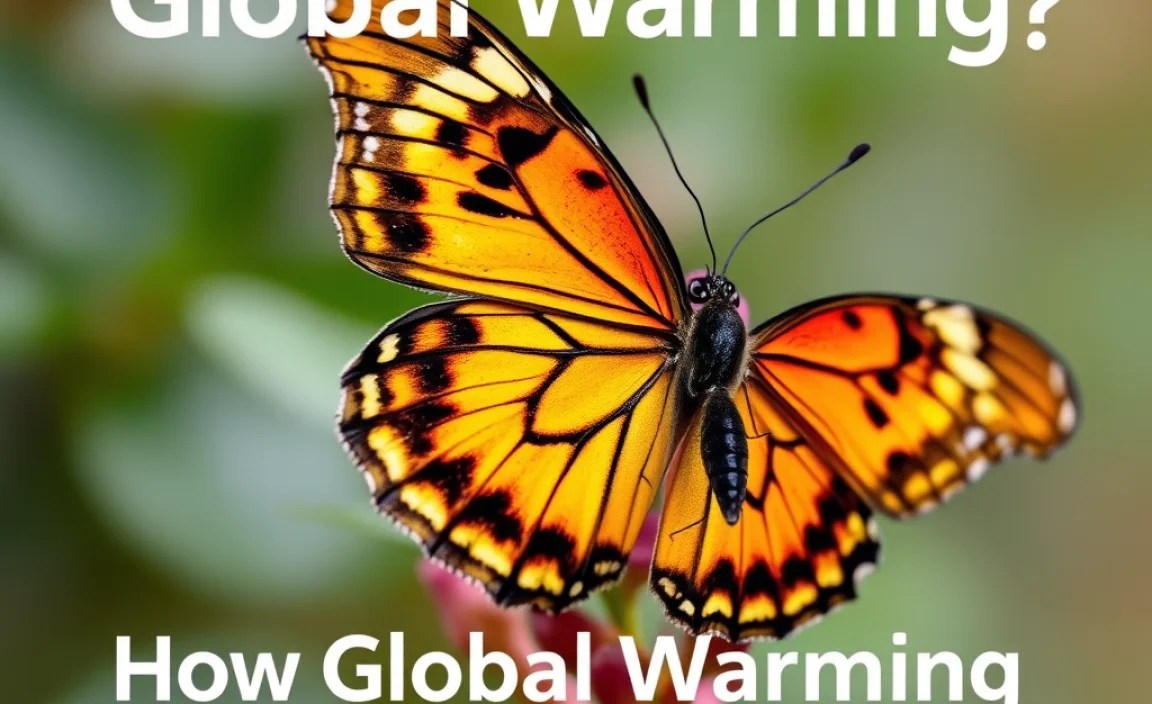
Global warming is a big problem. It is changing the Earth’s climate. This change affects rare butterflies. These butterflies need specific places to live. They need certain plants to eat. When the temperature changes, these plants might disappear. The butterflies then struggle to find food. They also might not be able to live in places that get too hot or too dry. This makes it hard for them to survive. Global warming also causes more storms and floods. These events can destroy butterfly habitats. We must act now to protect these rare butterflies. We can reduce global warming by using less energy. We can also protect their habitats. This will help them survive.
- Butterflies need specific plants to eat.
- Temperature changes affect these plants.
- Butterflies struggle to find food.
- Storms and floods destroy habitats.
- We can reduce global warming.
Rare butterflies are very sensitive to changes in their environment. Even small changes in temperature or rainfall can impact their life cycle. For example, some butterflies only lay their eggs on one type of plant. If that plant disappears because of global warming, the butterfly cannot reproduce. Other butterflies need a certain amount of moisture in the air to survive. If the air becomes too dry, they will die. Protecting these butterflies means protecting their homes. It also means reducing the effects of global warming. We can all do our part by planting native plants, reducing our carbon footprint, and supporting conservation efforts.
What is the Greenhouse Effect?
Have you ever been in a greenhouse? It stays warm inside, even when it’s cold outside. This is because the glass traps the sun’s heat. The Earth has a similar effect called the greenhouse effect. Gases in the atmosphere trap heat from the sun. This keeps the Earth warm enough for us to live on. But when we add too many of these gases, like carbon dioxide, the Earth gets too warm. This is what causes global warming. Rare butterflies are affected by this warming. Their habitats change, and they cannot survive. We need to reduce these gases to protect our planet.
How Does Climate Change Affect Butterfly Habitats?
Imagine your home suddenly changing. The weather becomes too hot or too cold. Your favorite food disappears. This is what happens to butterflies when the climate changes. Global warming causes habitats to change. Some places become drier. Others become wetter. The plants that butterflies need to survive may disappear. This makes it hard for them to find food and shelter. Butterflies might have to move to new areas. But sometimes, they cannot move fast enough. Or they cannot find a new home. This puts rare butterflies at risk. We need to protect their habitats to help them survive.
What Can We Do to Reduce Our Carbon Footprint?
Our carbon footprint is like a mark we leave on the Earth. It shows how much carbon dioxide we release into the air. We release carbon dioxide when we drive cars, use electricity, and buy things. To help rare butterflies and global warming, we can reduce our carbon footprint. We can walk or bike instead of driving. We can turn off lights when we leave a room. We can recycle and reuse things. We can also plant trees. Trees absorb carbon dioxide from the air. Small changes can make a big difference. Let’s all do our part to protect the planet.
Fun Fact or Stat: Some butterfly species have declined by over 90% in the last 20 years due to habitat loss and climate change!
Habitat Loss and Rare Butterfly Populations

Habitat loss is a huge problem for rare butterflies. When their homes are destroyed, they have nowhere to live. This can happen because of farming, building houses, or cutting down forests. When habitats are lost, butterflies cannot find the food they need. They also cannot find places to lay their eggs. This leads to a decline in butterfly populations. Some rare butterflies are only found in very small areas. If those areas are destroyed, the butterflies can disappear forever. We need to protect butterfly habitats. We can do this by creating parks and reserves. We can also encourage people to plant butterfly-friendly gardens. This will help rare butterflies survive.
- Farming destroys butterfly habitats.
- Building houses removes habitats.
- Forests are cut down.
- Butterflies cannot find food.
- They cannot lay eggs.
- Populations decline.
Protecting butterfly habitats is essential. It is important to understand what butterflies need to survive. They need specific plants for food. They need shelter from the weather. They need places to breed. When we protect these things, we help butterflies thrive. We can also restore damaged habitats. This involves planting native plants and removing invasive species. Invasive species are plants or animals that don’t belong in an area. They can outcompete native plants and harm butterfly populations. By protecting and restoring habitats, we can help rare butterflies survive the challenges of global warming.
What are Invasive Species?
Imagine someone moves into your house and takes all your toys and food. That’s kind of what invasive species do. Invasive species are plants or animals that come from another place. They can cause problems in their new home. They might eat all the food that native animals need. They might take over habitats. This can harm rare butterflies. For example, some invasive plants can crowd out the plants that butterflies need to lay their eggs. We need to control invasive species to protect our ecosystems.
How Can We Create Butterfly-Friendly Gardens?
Do you want to help butterflies? You can create a butterfly-friendly garden! It’s easy and fun. First, plant flowers that butterflies like. Some good choices are milkweed, coneflowers, and zinnias. Make sure to plant native plants. These are plants that naturally grow in your area. Butterflies are used to them. Also, don’t use pesticides. Pesticides can harm butterflies. Provide a water source for butterflies. A shallow dish of water with pebbles works well. With a little effort, you can create a haven for rare butterflies.
Why are Native Plants Important?
Native plants are like the food that butterflies grew up eating. They are the plants that naturally grow in an area. Butterflies have adapted to these plants over time. They know how to find them. They know how to eat them. When we plant non-native plants, butterflies might not recognize them. They might not be able to eat them. Planting native plants helps rare butterflies survive. It also helps other native animals. Native plants support the entire ecosystem.
Fun Fact or Stat: A single butterfly can visit hundreds of flowers in a day, helping to pollinate them!
Butterfly Migration and Changing Climates
Many butterflies migrate. They travel long distances to find better weather or food. Global warming is changing migration patterns. Butterflies might start migrating earlier or later. They might travel to different places. This can cause problems. If they arrive too early, there might not be any food. If they arrive too late, the weather might be bad. Changing migration patterns can also affect other animals. Butterflies are an important food source for birds and other creatures. If butterflies are not where they are supposed to be, these animals might struggle to find food. Understanding how global warming affects butterfly migration is important for protecting these insects.
- Butterflies migrate long distances.
- They seek better weather and food.
- Global warming changes migration.
- They might migrate earlier or later.
- They might travel to different places.
- This can cause problems.
Scientists are studying butterfly migration to learn more. They are tracking butterflies using small tags. They are also using computer models to predict how migration patterns will change in the future. This information can help us protect rare butterflies. We can create protected areas along their migration routes. We can also help them adapt to changing conditions. This might involve planting different types of plants. It might also involve creating artificial shelters. By understanding and responding to changes in butterfly migration, we can help these insects survive the effects of global warming.
How Do Butterflies Navigate During Migration?
Have you ever wondered how butterflies know where to go during migration? It’s a mystery! Scientists think they use the sun as a compass. They also might use the Earth’s magnetic field. Some butterflies also follow landmarks like rivers and mountains. It’s amazing how these tiny creatures can travel thousands of miles. They face many dangers along the way. Global warming is making their journey even harder. We need to protect them so they can continue their amazing migrations.
What is Phenology and How Does it Relate to Butterflies?
Phenology is the study of when things happen in nature. For example, when do flowers bloom? When do birds migrate? When do butterflies emerge from their chrysalises? Global warming is changing these events. Flowers might bloom earlier. Birds might migrate sooner. Butterflies might emerge earlier. This can cause problems if things get out of sync. For example, if butterflies emerge before the flowers bloom, they won’t have any food. Understanding phenology helps us understand how global warming is affecting rare butterflies.
How Can Citizen Scientists Help Study Butterfly Migration?
You can be a scientist! Citizen scientists are people who help scientists collect data. You can help study butterfly migration. You can report butterfly sightings to online databases. You can participate in butterfly counts. This helps scientists track butterfly populations and migration patterns. Your observations can help them understand how global warming is affecting rare butterflies. It’s a fun and easy way to make a difference. Get involved today!
Fun Fact or Stat: The Monarch butterfly migrates over 3,000 miles each year!
Food Sources and Butterfly Survival

Butterflies need food to survive. They eat nectar from flowers. Caterpillars eat leaves. Global warming is affecting these food sources. Some flowers are blooming earlier. This means that butterflies might not have food when they need it. Caterpillars also need specific types of leaves. If those leaves disappear because of global warming, the caterpillars will starve. Protecting butterfly food sources is essential for their survival. We can plant butterfly-friendly gardens. We can also protect natural habitats. This will help ensure that butterflies have the food they need.
- Butterflies eat nectar.
- Caterpillars eat leaves.
- Global warming affects food.
- Flowers bloom earlier.
- Caterpillars need specific leaves.
- Protect food sources.
The relationship between butterflies and their food plants is very complex. Some butterflies only eat one type of plant. If that plant disappears, the butterfly will also disappear. Other butterflies are more flexible. They can eat a variety of plants. These butterflies are more likely to survive the effects of global warming. To help rare butterflies, we need to protect a variety of habitats. This will ensure that they have a variety of food sources. We also need to reduce the effects of global warming. This will help ensure that their food plants continue to thrive.
What is Nectar and Why Do Butterflies Need It?
Nectar is like a sugary drink for butterflies. It’s a sweet liquid that flowers make. Butterflies drink nectar using a long, straw-like tongue called a proboscis. Nectar gives butterflies energy. They need energy to fly, find mates, and lay eggs. Without nectar, butterflies cannot survive. That’s why it’s so important to plant flowers that provide nectar. You can help rare butterflies by planting a butterfly-friendly garden with lots of nectar-rich flowers.
How Do Caterpillars Affect Plant Life?
Caterpillars eat leaves. They can eat a lot of leaves! Sometimes, they can even damage plants. But caterpillars are also an important part of the ecosystem. They are food for birds and other animals. They also help to pollinate plants. When caterpillars eat leaves, they create space for new growth. This can help plants stay healthy. So, even though caterpillars can be a bit destructive, they are important for the environment. Protecting rare butterflies means protecting their caterpillars too.
Why is Biodiversity Important for Butterfly Food Sources?
Biodiversity means having lots of different kinds of plants and animals. It’s important for butterfly food sources. If there are lots of different kinds of plants, butterflies will have more choices for food. This makes them more likely to survive if one type of plant disappears. Biodiversity also helps to keep ecosystems healthy. Healthy ecosystems are more resilient to the effects of global warming. Protecting biodiversity is essential for protecting rare butterflies.
Fun Fact or Stat: Some caterpillars can eat up to 27,000 times their own weight in leaves!
Conservation Efforts for Endangered Butterflies
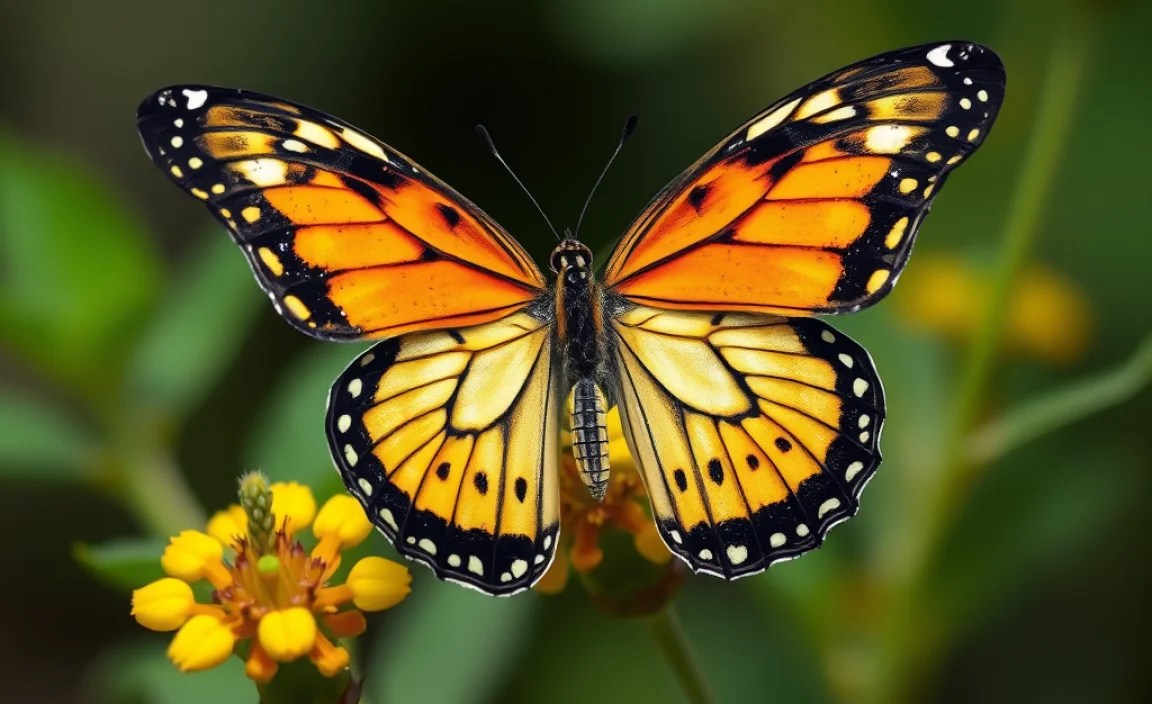
Many people are working to protect endangered butterflies. These conservation efforts are very important. They help to protect butterfly habitats. They also help to educate people about the importance of butterflies. Some conservation groups are raising butterflies in captivity. They then release them into the wild. This can help to boost butterfly populations. Other groups are working to restore damaged habitats. This involves planting native plants and removing invasive species. By supporting these conservation efforts, we can help to ensure that rare butterflies survive for generations to come. We must fight global warming too.
- Protect butterfly habitats.
- Educate people.
- Raise butterflies in captivity.
- Restore damaged habitats.
- Support conservation groups.
Conservation efforts for endangered butterflies require a lot of work and dedication. It is important to understand the specific needs of each butterfly species. Some butterflies need very specific habitats. Others need very specific food plants. Conservationists work with scientists to learn about these needs. They then develop strategies to protect the butterflies. These strategies might involve creating protected areas. They might also involve working with landowners to manage their land in a way that benefits butterflies. By working together, we can make a difference in the lives of rare butterflies. We can fight global warming at the same time.
What is Captive Breeding and How Does it Help Butterflies?
Captive breeding is like having a safe home for butterflies. Scientists raise butterflies in special places. They protect them from dangers like predators and bad weather. They also make sure the butterflies have plenty of food. When the butterflies are grown, they release them into the wild. This helps to increase butterfly populations. Captive breeding is a useful tool for protecting rare butterflies. It gives them a chance to survive and reproduce.
How Can Protected Areas Help Butterfly Populations?
Protected areas are like parks for butterflies. They are places where butterflies can live without being disturbed. People cannot build houses or cut down trees in these areas. This helps to protect butterfly habitats. Protected areas can also help to connect butterfly populations. This allows butterflies to move between different areas. This is important for genetic diversity. Protected areas are essential for protecting rare butterflies from the effects of global warming.
Why is Community Involvement Important for Butterfly Conservation?
Butterfly conservation is everyone’s job! Community involvement is very important. When people care about butterflies, they are more likely to protect them. You can help by planting butterfly-friendly gardens. You can also help by educating your friends and family about butterflies. You can even join a local conservation group. Together, we can make a big difference in the lives of rare butterflies. We must also fight global warming.
Fun Fact or Stat: Some butterfly species are so rare that there are fewer than 50 individuals left in the wild!
Individual Actions to Help Rare Butterflies
You can help rare butterflies! There are many things you can do. Plant a butterfly garden. Use less energy. Recycle. Educate others. Even small actions can make a big difference. By working together, we can create a better world for butterflies. We can also help fight global warming. Remember, every little bit helps. Let’s all do our part to protect these beautiful creatures.
- Plant a butterfly garden.
- Use less energy.
- Recycle and reuse.
- Educate your friends.
- Support conservation groups.
Helping rare butterflies is not just about protecting them. It’s also about protecting our planet. Butterflies are an important part of the ecosystem. They help to pollinate plants. They are also a food source for other animals. When we protect butterflies, we protect the entire ecosystem. We also protect ourselves. A healthy planet is a healthy planet for everyone. So, let’s all do our part to help rare butterflies and protect our planet from global warming.
How Can Planting a Butterfly Garden Make a Difference?
Planting a butterfly garden is like building a restaurant for butterflies. It provides them with food and shelter. You can plant flowers that provide nectar. You can also plant host plants for caterpillars. Make sure to choose native plants. These are the plants that butterflies are used to. A butterfly garden can make a big difference in the lives of rare butterflies. It gives them a place to feed and reproduce. It also makes your yard more beautiful!
Why is Reducing Energy Consumption Important?
When we use energy, we often burn fossil fuels. Burning fossil fuels releases greenhouse gases into the atmosphere. These gases contribute to global warming. Reducing our energy consumption can help to reduce global warming. You can reduce energy by turning off lights when you leave a room. You can also unplug electronics when you’re not using them. You can even walk or bike instead of driving. Small changes can make a big difference.
How Can Educating Others Help Butterfly Conservation?
When people know about butterflies, they are more likely to care about them. You can educate your friends and family about butterflies. Tell them about the challenges that butterflies face. Explain why butterflies are important. Share tips on how to help butterflies. The more people who care about butterflies, the better. Together, we can make a big difference in the lives of rare butterflies. We can also fight global warming by spreading awareness.
| Action | Benefit to Butterflies | Benefit to the Planet |
|---|---|---|
| Plant a butterfly garden | Provides food and shelter | Supports biodiversity |
| Reduce energy use | Lowers carbon emissions | Slows down global warming |
| Recycle and reuse | Conserves resources | Reduces pollution |
| Educate others | Raises awareness | Inspires action |
Fun Fact or Stat: Butterflies taste with their feet!
Summary
Rare butterflies and global warming are linked. Global warming changes butterfly habitats. It affects their food. It changes their migration patterns. This makes it hard for rare butterflies to survive. Habitat loss is also a big problem. We can help by planting butterfly gardens. We can use less energy. We can recycle. We can educate others. Conservation efforts are also important. These efforts help protect butterfly habitats. They help to raise butterfly populations. By working together, we can make a difference.
Conclusion
Rare butterflies are in trouble. Global warming and habitat loss threaten them. We must act now to protect them. Plant butterfly gardens. Reduce energy use. Support conservation efforts. Educate others. Even small actions help. Together, we can make a difference. Let’s protect these beautiful creatures. By helping butterflies, we help the planet. Remember, rare butterflies and global warming are connected. We must address both to create a better future.
Frequently Asked Questions
Question No 1: How does global warming specifically impact rare butterflies?
Answer: Global warming causes temperatures to rise. This can change the plants that butterflies need to eat. It can also change the weather patterns in their habitats. Some butterflies can’t survive in hotter or drier conditions. This means they might not be able to find food or places to lay their eggs. For rare butterflies, which often live in very specific places, even small changes can be a big problem.
Question No 2: What are some examples of rare butterflies that are threatened by global warming?
Answer: One example is the Quino checkerspot butterfly. It lives in Southern California and Baja California. Its habitat is being affected by drought and changes in plant life. The Miami blue butterfly is another example. It lives in South Florida. It is threatened by rising sea levels and habitat loss. These butterflies are very sensitive to changes in their environment. Global warming makes it harder for them to survive.
Question No 3: What can I plant in my garden to help rare butterflies affected by global warming?
Answer: The best thing to do is plant native plants. These are plants that naturally grow in your area. Butterflies have adapted to these plants. They know how to find them and eat them. Some good choices include milkweed, coneflowers, and zinnias. You can also plant host plants for caterpillars. These are the plants that caterpillars eat. For example, monarch butterflies need milkweed. Planting these plants will help rare butterflies find food and shelter.
Question No 4: Besides planting gardens, what other actions can kids take to help rare butterflies?
Answer: There are many things kids can do! You can reduce your energy use by turning off lights and unplugging electronics. You can recycle and reuse things. You can also educate your friends and family about rare butterflies and global warming. You can even write letters to your elected officials. Ask them to support policies that protect the environment. Small actions can make a big difference.
Question No 5: How do scientists study the effects of global warming on rare butterflies?
Answer: Scientists use several methods. They track butterfly populations over time. They monitor changes in their habitats. They also study how butterflies respond to different temperatures and weather conditions. Some scientists use computer models to predict how global warming will affect butterflies in the future. This information helps them develop strategies to protect these insects. By understanding the effects of global warming, we can better protect rare butterflies.
Question No 6: What are some organizations that work to protect rare butterflies, and how can I support them?
Answer: Several organizations work to protect rare butterflies. These include the Xerces Society, the Butterfly Conservation, and the National Wildlife Federation. You can support these organizations by donating money, volunteering your time, or becoming a member. You can also help by spreading awareness about their work. By supporting these organizations, you can help to ensure that rare butterflies survive for generations to come. Remember that fighting global warming is part of the battle.


