
Blue Morpho Aggregation: Witness the Powerful Show!

Have you ever seen a group of bright blue butterflies? Imagine many of them together. This amazing sight is called a Blue Morpho aggregation. It happens when these butterflies gather in one place. Why do they do this? Let’s find out!
Butterflies are some of the most beautiful insects. The Blue Morpho is extra special. They have shiny, blue wings. These butterflies live in rainforests. Seeing a Blue Morpho aggregation is like a dream.
Blue Morpho aggregations are not always easy to find. These butterflies are shy. They like to stay high in the trees. But when you do see them, it’s a wonderful experience. Get ready to learn all about it!
Key Takeaways
- Blue Morpho aggregation is when many Blue Morpho butterflies gather together.
- These butterflies gather for mating, feeding, and protection.
- Blue Morphos live in rainforests of Central and South America.
- Their bright blue wings help them attract mates and scare predators.
- Learning about them helps us protect their habitats.
Understanding Blue Morpho Aggregation
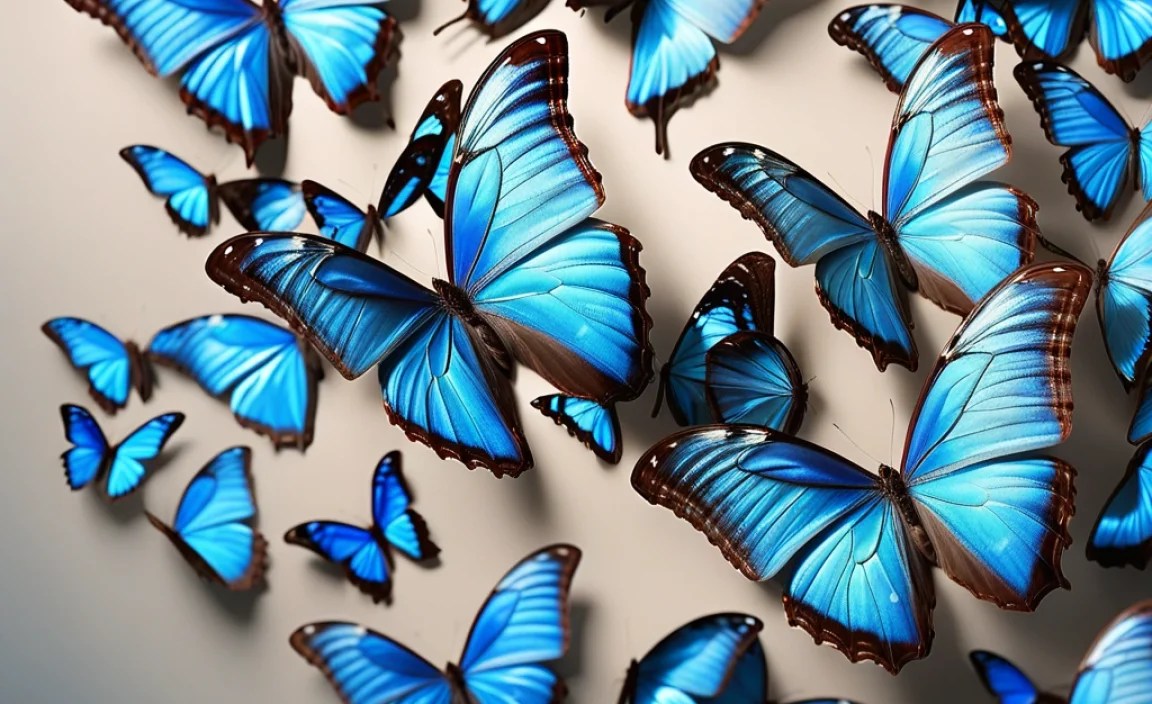
Blue Morpho aggregation is a fascinating behavior. It is when many Blue Morpho butterflies come together in one place. This usually happens during mating season. The male butterflies gather to attract females. They show off their bright blue wings. This makes it easier for females to find them. Aggregations can also happen when butterflies find a good food source. Sometimes, they gather to protect themselves from predators. By grouping together, they can confuse enemies. The bright colors can startle predators. This gives the butterflies a chance to escape. Understanding why these aggregations happen helps us learn more about butterfly behavior. It also teaches us how to protect these beautiful creatures.
- Butterflies gather to find mates.
- They also group to find food.
- Aggregations offer protection.
- Bright colors attract attention.
- Learning helps protect butterflies.
Studying Blue Morpho aggregation helps scientists understand how animals behave in groups. It shows how important social interactions are for survival. When butterflies gather, they can share information. For example, they might show each other where to find the best food. They also learn from each other how to avoid danger. This kind of group behavior is seen in many different animals. From fish to birds, animals often work together to stay safe and find resources. By studying these aggregations, we can learn more about the complex ways that animals interact with each other and their environment. It helps us appreciate the importance of protecting their habitats.
Fun Fact or Stat: A single Blue Morpho can live for about 115 days.
Why Do Morphos Form Groups?
Have you ever wondered why some animals like to hang out in groups? Blue Morphos do it for a few reasons. One big reason is to find a partner. Male Blue Morphos want to show off their beautiful wings. They gather together to attract female butterflies. It’s like a butterfly party where everyone is trying to look their best. Another reason is for safety. When many butterflies are together, it’s harder for predators to catch them. The bright blue colors can confuse enemies. Plus, more eyes mean more chances to spot danger. Finding food is another reason. If one butterfly finds a good source of food, others will follow. This helps everyone get enough to eat. So, grouping together helps Blue Morphos find mates, stay safe, and get food.
The Role of Color in Aggregation
Imagine you are a Blue Morpho butterfly. Your wings are a super bright blue. This color is very important. It helps you find a mate. Male butterflies use their color to attract females. The brighter the blue, the better. It also helps you scare away predators. When a predator sees a flash of bright blue, it might get scared. This gives the butterfly a chance to fly away. Color also helps butterflies find each other. In a big rainforest, it can be hard to see. But the bright blue wings stand out. This makes it easier for butterflies to find their friends. So, color plays a big role in how Blue Morphos live and survive. It helps them with finding mates, staying safe, and finding each other.
Environmental Factors and Aggregation
The rainforest is home to the Blue Morpho. The environment plays a big role in their lives. Things like weather and food supply can affect them. For example, during the rainy season, there might be more food available. This can lead to larger aggregations. Temperature also matters. Blue Morphos like it warm and humid. If it gets too cold, they might not be as active. Changes in the environment can also affect aggregations. If the rainforest is cut down, there will be less space for butterflies. This can make it harder for them to find mates and food. So, it’s important to protect the rainforest. This helps the Blue Morphos and other animals that live there.
Where Do Blue Morpho Aggregations Occur?
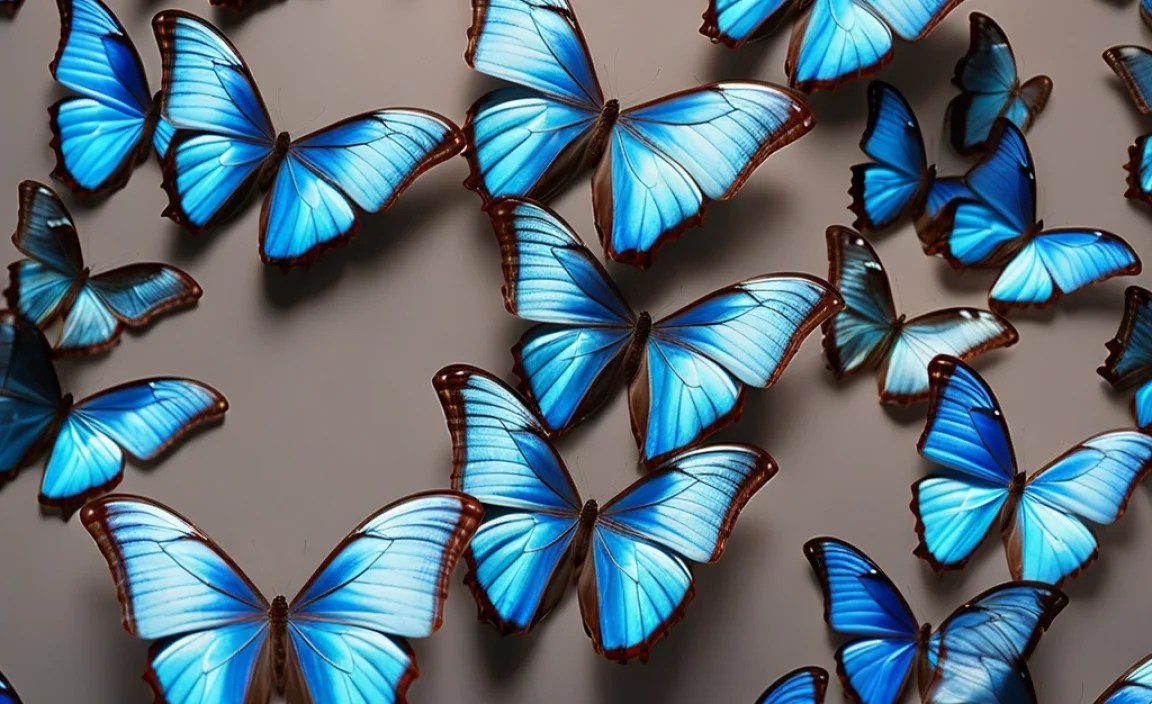
Blue Morpho aggregations mostly happen in rainforests. These rainforests are in Central and South America. Countries like Brazil, Costa Rica, and Mexico have these butterflies. The butterflies like warm, wet places. Rainforests give them everything they need. There are plenty of plants for food. There are also tall trees for shelter. Aggregations usually happen near rivers or streams. These places have lots of moisture. This is important for the butterflies. They need water to survive. So, if you want to see a Blue Morpho aggregation, you need to visit a rainforest in Central or South America. Look near the rivers and streams. You might just see a group of these beautiful butterflies.
- They live in rainforests.
- They are found in Central America.
- They are found in South America.
- They like warm, wet places.
- They gather near rivers.
Knowing where Blue Morpho aggregations happen is key to protecting them. Rainforests are under threat from deforestation. This means that trees are being cut down. This destroys the butterflies’ habitat. When their homes are destroyed, it’s harder for them to survive. Protecting rainforests is important for many reasons. It helps to keep the air clean. It also helps to protect the animals that live there. By setting aside protected areas, we can help ensure that Blue Morphos have a safe place to live. These protected areas allow the butterflies to continue to thrive. We can also help by supporting organizations that work to protect rainforests.
Fun Fact or Stat: Blue Morpho butterflies can be found from Mexico to the Amazon rainforest.
Specific Regions and Habitats
Imagine you are planning a trip to see Blue Morphos. Where should you go? Well, Costa Rica is a great place to start. Many tourists come here to see Blue Morphos. The rainforests here are full of life. You can also find them in the Amazon rainforest. This is a huge area that covers many countries. Brazil, Peru, and Colombia are all part of the Amazon. These areas have the perfect conditions for Blue Morphos. They need warm temperatures and lots of rain. Look for them near rivers and streams. These places have lots of plants and moisture. Remember to be respectful of their home. Don’t disturb the butterflies or their habitat.
The Impact of Climate on Locations
The climate plays a big part in where Blue Morphos can live. These butterflies like warm, humid weather. They cannot survive in cold temperatures. This is why they live in rainforests near the equator. The equator is the hottest part of the Earth. Climate change can affect where Blue Morphos live. If the rainforests get too dry, the butterflies might have to move. This can make it harder for them to find food and mates. It’s important to protect the climate. We can do this by reducing pollution. This will help keep the rainforests healthy. It will also help the Blue Morphos and other animals that live there.
Conservation Efforts in Key Areas
Many people are working hard to protect Blue Morphos. They are trying to save the rainforests. Conservation groups are working to stop deforestation. They are also helping to replant trees. This gives the butterflies a place to live. Some groups are also educating people. They are teaching them about the importance of rainforests. By learning about these butterflies, we can help protect them. You can support these efforts by donating to conservation groups. You can also spread the word about the importance of rainforests. Every little bit helps. Together, we can make a difference. We can help ensure that Blue Morphos continue to thrive.
Behavioral Patterns During Blue Morpho Aggregation
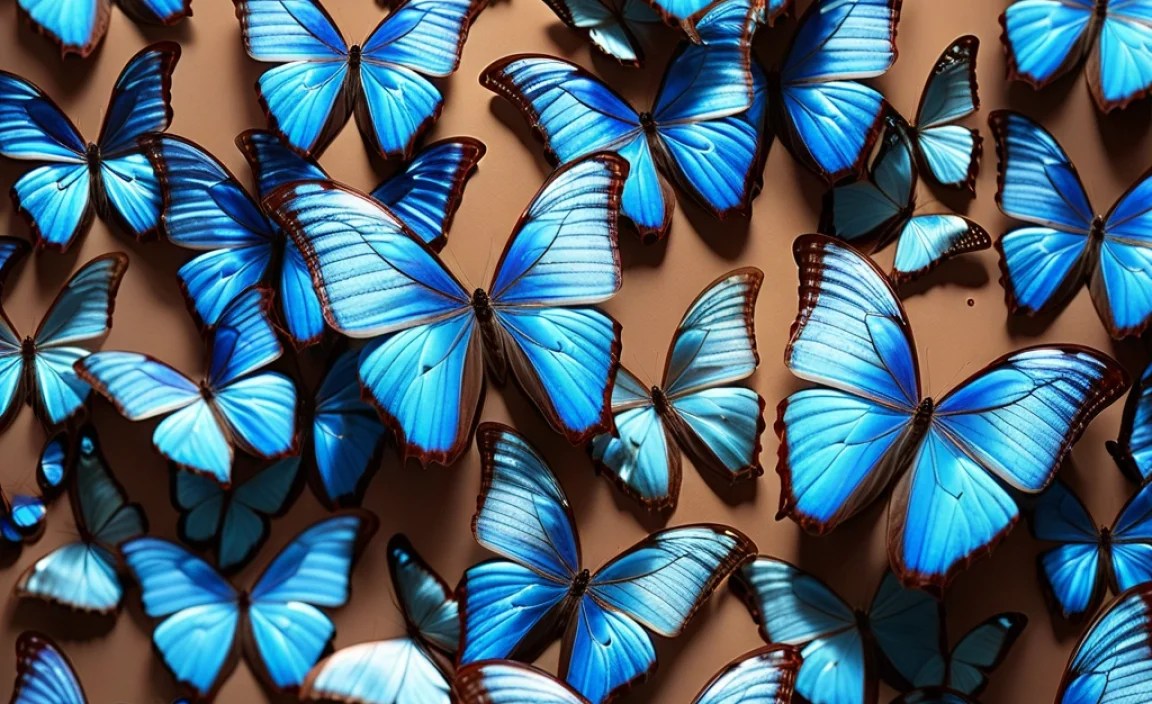
During a Blue Morpho aggregation, the butterflies behave in interesting ways. The males often fly around together. They are showing off their bright blue wings. This is called a “lek.” The females watch the males. They choose the one with the brightest, most attractive wings. Mating happens soon after. The butterflies also spend time feeding. They like to eat the juice from rotting fruit. This gives them energy. Sometimes, they will also drink from puddles of water. This helps them stay hydrated. The butterflies also rest in the shade. They need to cool down from the heat. So, during an aggregation, the butterflies are busy with mating, feeding, and resting.
- Males show off wings.
- Females choose mates.
- They feed on fruit juice.
- They drink from puddles.
- They rest in the shade.
Understanding the behavioral patterns of Blue Morphos during aggregation helps scientists study them better. For example, researchers can observe how the males compete for mates. They can also study how the females choose their partners. This can tell us a lot about butterfly behavior. Scientists can also track how the butterflies move around. This helps them understand how they use their habitat. By learning more about their behavior, we can better protect them. We can make sure they have the resources they need to survive. This includes food, water, and shelter. Protecting their habitat is key to ensuring their survival.
Fun Fact or Stat: Male Blue Morphos are more often seen in aggregations than females.
Mating Rituals and Displays
The mating rituals of Blue Morphos are very interesting. Male butterflies gather together. They create a “lek.” This is like a butterfly dance floor. They show off their bright blue wings. They fly around and try to attract the attention of females. The females watch the males closely. They are looking for the best genes. The male with the brightest, most perfect wings is usually chosen. Once a female chooses a male, they will mate. This is how they reproduce. The female will then lay her eggs on a plant. The eggs will hatch into caterpillars. The caterpillars will eat and grow. Then, they will turn into butterflies.
Feeding and Social Interactions
Blue Morphos need to eat to survive. They like to feed on rotting fruit. This gives them energy. They use their long tongues to suck up the juice. They also drink from puddles of water. This helps them stay hydrated. When they are feeding, they often interact with each other. They might share a good source of food. They might also compete for the best spots. Social interactions are important for these butterflies. They help them find food and mates. They also help them stay safe. By working together, they can survive in the rainforest.
Daily Activity Cycles
Blue Morphos have a daily routine. They are most active during the day. They fly around and look for food and mates. They also spend time resting in the shade. This helps them cool down. At night, they sleep. They find a safe place to hide. They might hide under a leaf or in a tree. They stay still until the sun comes up. Then, they start their day again. This daily cycle is important for their survival. It helps them get the energy they need. It also helps them stay safe from predators. By following this routine, they can thrive in the rainforest.
Threats to Blue Morpho Aggregation
Blue Morpho aggregations face many threats. One of the biggest threats is habitat loss. Rainforests are being cut down for farming and logging. This destroys the butterflies’ homes. Pesticides are another threat. Farmers use pesticides to kill insects. But these chemicals can also harm butterflies. Climate change is also a problem. Changes in temperature and rainfall can affect the butterflies’ habitat. Pollution is another concern. Pollution can harm the plants that the butterflies need to survive. By understanding these threats, we can work to protect Blue Morphos. We can help them continue to thrive in the rainforest.
- Habitat loss is a threat.
- Pesticides can harm them.
- Climate change is a problem.
- Pollution is a concern.
- Deforestation hurts them.
Protecting Blue Morpho aggregations requires action. We need to reduce deforestation. This means finding ways to use the rainforest without destroying it. We can support sustainable farming practices. This means farming in a way that doesn’t harm the environment. We can also reduce our use of pesticides. We can choose to buy organic food. This means food that is grown without pesticides. We also need to address climate change. We can reduce our carbon footprint by using less energy. We can also support policies that protect the environment. By working together, we can help ensure that Blue Morphos continue to thrive.
Fun Fact or Stat: Deforestation is the biggest threat to Blue Morpho populations.
Habitat Destruction and Fragmentation
Imagine the rainforest is like a puzzle. Each piece is a part of the butterfly’s home. When people cut down trees, it’s like taking pieces out of the puzzle. This is called habitat destruction. When the habitat is broken into smaller pieces, it’s called fragmentation. This makes it harder for butterflies to find food and mates. It also makes them more vulnerable to predators. Habitat destruction and fragmentation are big threats to Blue Morphos. We need to protect their rainforest home. This will help them survive and thrive.
Impact of Pesticides and Pollution
Pesticides are chemicals that kill insects. Farmers use them to protect their crops. But pesticides can also harm butterflies. They can poison them or destroy their food source. Pollution is another problem. It can pollute the air and water. This can harm the plants that butterflies need to survive. Pesticides and pollution can have a big impact on Blue Morpho populations. We need to reduce our use of these harmful substances. This will help protect the butterflies and other wildlife.
Climate Change and Shifting Habitats
Climate change is causing the Earth to get warmer. This can affect the rainforests where Blue Morphos live. The rainforests might get drier or hotter. This can make it harder for the butterflies to survive. They might have to move to find a better habitat. But this can be difficult. They might not be able to find a new home. Climate change is a serious threat to Blue Morphos. We need to take action to reduce our carbon footprint. This will help protect the butterflies and their rainforest home.
Conservation Efforts for Blue Morpho Butterflies
Many people are working to protect Blue Morpho butterflies. Conservation groups are working to save rainforests. They are buying land to create protected areas. These areas provide a safe home for the butterflies. Scientists are studying the butterflies. They are learning about their behavior and needs. This helps them develop better conservation strategies. Local communities are also involved. They are learning about the importance of protecting the rainforest. They are also finding ways to make a living without harming the environment. By working together, we can help ensure that Blue Morphos continue to thrive.
- Groups save rainforests.
- Scientists study them.
- Communities get involved.
- They create safe areas.
- They learn about needs.
Supporting conservation efforts is important. You can donate to conservation groups. You can also spread the word about the importance of protecting rainforests. You can also make choices that help the environment. This includes reducing your carbon footprint. It also includes buying sustainable products. By taking these actions, you can help protect Blue Morpho aggregation and other wildlife. Every little bit helps. Together, we can make a difference. We can help ensure that future generations can enjoy these beautiful butterflies.
Fun Fact or Stat: Several organizations are dedicated to the conservation of Blue Morpho butterflies and their habitats.
Protected Areas and Reserves
Protected areas are like safe zones for Blue Morphos. These areas are set aside to protect their habitat. People cannot cut down trees or build houses in these areas. This gives the butterflies a place to live without being disturbed. Reserves are another type of protected area. They are often managed to protect specific species. These areas are very important for Blue Morpho conservation. They help ensure that the butterflies have a safe place to live and thrive.
Sustainable Practices and Ecotourism
Sustainable practices are ways of doing things that don’t harm the environment. This includes sustainable farming and logging. Ecotourism is a type of tourism that helps protect the environment. It also benefits local communities. When people visit rainforests to see Blue Morphos, they can support ecotourism. This helps to create jobs for local people. It also gives them an incentive to protect the rainforest. Sustainable practices and ecotourism are important tools for Blue Morpho conservation.
Community Involvement and Education
Community involvement is key to successful conservation. When local people are involved, they are more likely to support conservation efforts. Education is also important. People need to learn about the importance of protecting rainforests. They also need to learn about the threats that Blue Morphos face. By educating people and involving communities, we can create a more sustainable future for these butterflies. This will help them continue to thrive in the rainforest.
Observing Blue Morpho Aggregation: A Guide
If you want to see a Blue Morpho aggregation, you need to plan your trip carefully. The best time to see them is during the mating season. This is usually during the rainy season. You will need to visit a rainforest in Central or South America. Costa Rica and Brazil are good choices. Look for them near rivers and streams. These places have lots of moisture and food. Be patient. The butterflies are not always easy to find. Bring binoculars. This will help you see them better. Also, bring a camera. You will want to capture the beauty of these amazing butterflies. Remember to be respectful of their habitat. Don’t disturb them or their home.
| Preparation | Action |
|---|---|
| Best time | Rainy season |
| Location | Rainforest |
| Gear | Binoculars, camera |
| Attitude | Respectful |
- Visit in rainy season.
- Go to a rainforest.
- Look near rivers.
- Bring binoculars.
- Be respectful.
When observing Blue Morpho aggregation, it’s important to be aware of your surroundings. Wear long sleeves and pants to protect yourself from insects. Use insect repellent to keep mosquitoes away. Stay on the trails to avoid disturbing the habitat. Don’t touch the butterflies. They are delicate creatures. If you see any trash, pick it up. This helps keep the rainforest clean. By following these guidelines, you can have a safe and enjoyable experience. You can also help protect the butterflies and their habitat. Remember to respect the local culture and customs.
Fun Fact or Stat: The underside of the Blue Morpho’s wings are brown with eye spots, providing camouflage when they are not flying.
Best Times for Observation
The best time to see Blue Morphos is during the rainy season. This is when they are most active. They are looking for mates and food. The mornings are usually the best time to see them. This is when they are warming up in the sun. The afternoons can also be good. But it might be hotter and more humid. Avoid going during heavy rain. The butterflies will be hiding. Check the weather forecast before you go. This will help you plan your trip. Remember to be patient. It might take some time to find them.
Essential Gear and Preparation
If you want to observe Blue Morphos, you need to be prepared. Bring binoculars. This will help you see them better. Bring a camera. You will want to capture their beauty. Wear long sleeves and pants. This will protect you from insects. Use insect repellent. This will keep mosquitoes away. Bring water. It’s important to stay hydrated. Bring snacks. You might get hungry. Wear comfortable shoes. You will be doing a lot of walking. Be prepared for the weather. It might be hot and humid.
Ethical Considerations for Viewers
When observing Blue Morphos, it’s important to be ethical. Don’t disturb the butterflies. Don’t touch them. Don’t chase them. Stay on the trails. Don’t damage the habitat. Don’t leave trash. Respect the local culture. Don’t take anything from the rainforest. These actions will help protect the butterflies and their home. Remember to be a responsible tourist. By following these guidelines, you can enjoy the beauty of Blue Morphos without harming them.
Summary
Blue Morpho aggregation is a fascinating phenomenon. It happens when Blue Morpho butterflies gather together. This usually occurs in rainforests of Central and South America. They group for mating, feeding, and protection. These butterflies face threats like habitat loss and climate change. Conservation efforts are underway to protect them. These include creating protected areas and promoting sustainable practices.
You can help by supporting conservation groups. You can also reduce your carbon footprint. If you visit their habitat, be respectful. The best time to see them is during the rainy season. The bright blue wings of the Blue Morpho make them a sight to behold. Understanding and protecting them ensures their survival.
Conclusion
Blue Morpho aggregations are a stunning display of nature. These gatherings highlight the beauty and complexity of rainforest ecosystems. Protecting these butterflies and their habitats is crucial. We must support conservation efforts and adopt sustainable practices. By doing so, we can ensure that future generations can witness this amazing phenomenon. Let’s work together to protect these beautiful creatures.
Frequently Asked Questions
Question No 1: What is a Blue Morpho aggregation?
Answer: A Blue Morpho aggregation is when many Blue Morpho butterflies gather in one place. This usually happens during mating season. The male butterflies gather to attract females. They show off their bright blue wings. This makes it easier for females to find them. Aggregations can also happen when butterflies find a good food source. Sometimes, they gather to protect themselves from predators. By grouping together, they can confuse enemies. The bright colors can startle predators, giving the butterflies a chance to escape.
Question No 2: Where do Blue Morpho butterflies live?
Answer: Blue Morpho butterflies live in the rainforests of Central and South America. You can find them in countries like Brazil, Costa Rica, and Mexico. These butterflies like warm, wet places. Rainforests give them everything they need. There are plenty of plants for food. There are also tall trees for shelter. Blue Morpho aggregation often happens near rivers or streams. These places have lots of moisture. This is important for the butterflies. They need water to survive.
Question No 3: Why do Blue Morpho butterflies gather together?
Answer: Blue Morpho butterflies gather together for a few reasons. One big reason is to find a partner. Male Blue Morphos want to show off their beautiful wings. They gather together to attract female butterflies. It’s like a butterfly party where everyone is trying to look their best. Another reason is for safety. When many butterflies are together, it’s harder for predators to catch them. The bright blue colors can confuse enemies. Plus, more eyes mean more chances to spot danger. Finding food is another reason. If one butterfly finds a good source of food, others will follow.
Question No 4: What are the threats to Blue Morpho butterflies?
Answer: Blue Morpho aggregation faces many threats. One of the biggest threats is habitat loss. Rainforests are being cut down for farming and logging. This destroys the butterflies’ homes. Pesticides are another threat. Farmers use pesticides to kill insects. But these chemicals can also harm butterflies. Climate change is also a problem. Changes in temperature and rainfall can affect the butterflies’ habitat. Pollution is another concern. Pollution can harm the plants that the butterflies need to survive.
Question No 5: How can I help protect Blue Morpho butterflies?
Answer: You can help protect Blue Morpho aggregation in several ways. Support conservation groups that work to save rainforests. Donate to these organizations or volunteer your time. Reduce your carbon footprint by using less energy and recycling. Buy sustainable products that don’t harm the environment. Educate yourself and others about the importance of rainforests and the threats that Blue Morpho butterflies face. When you visit rainforests, be a responsible tourist and respect the environment.
Question No 6: What do Blue Morpho butterflies eat?
Answer: Blue Morpho butterflies like to feed on the juice from rotting fruit. This gives them energy. They use their long tongues to suck up the juice. They also drink from puddles of water. This helps them stay hydrated. Sometimes, they will also feed on tree sap or fungi. These foods provide them with the nutrients they need to survive. During a Blue Morpho aggregation, the butterflies spend time feeding on these resources. This helps them stay strong and healthy.


