
Asian Butterfly Larval Host Plants: A Smart Guide

Did you know butterflies start as tiny eggs? These eggs hatch into caterpillars. Caterpillars eat a lot! They need special plants to grow. These plants are called larval host plants. Some butterflies only eat certain plants. What if we could help them? Let’s learn about Asian butterfly larval host plants.
Key Takeaways
- Asian butterfly larval host plants are vital for butterfly caterpillars to grow.
- Different butterfly species need different host plants to survive.
- Growing these plants helps butterflies thrive in your garden.
- Some host plants also provide food for adult butterflies.
- Protecting these plants helps protect butterfly populations.
Understanding Asian Butterfly Larval Host Plants

Butterflies are beautiful insects. They flutter around our gardens. But did you know they start as caterpillars? Caterpillars need food to grow. They eat leaves from special plants. These plants are called larval host plants. Asian butterfly larval host plants are plants that Asian butterflies use. Different butterflies need different plants. Without these plants, caterpillars cannot survive. It is important to know which plants to grow. Then we can help these butterflies. We can make our gardens butterfly-friendly. By planting the right host plants, we give them food. This helps them grow into beautiful butterflies. So, let’s learn more about these special plants. We can all help butterflies in our area. It’s fun and good for nature.
- Host plants give caterpillars food.
- Different butterflies like different plants.
- Some plants are easy to grow.
- You can help butterflies by planting them.
- Butterflies add beauty to your garden.
Choosing the right Asian butterfly larval host plants is key. It helps local butterfly populations. Think about the butterflies in your area. What plants do they need? Some popular choices include milkweed for Monarchs. Others include citrus for Swallowtails. Also consider the climate in your area. Some plants grow better in certain places. Native plants are often a good choice. They are already used to the local environment. Do some research to find the best plants for your garden. You will be rewarded with beautiful butterflies. They will thank you for providing them with food and shelter. Remember, every little bit helps. Even a small garden can make a big difference for butterflies.
Why Are Host Plants Important?
Have you ever wondered why caterpillars eat so much? It is because they are growing fast. They need lots of energy. Host plants give them that energy. Without host plants, they cannot grow. They cannot turn into butterflies. It’s like a baby needing milk. The milk gives the baby what it needs. Host plants do the same for caterpillars. Some butterflies are very picky. They only eat one type of plant. If that plant is not there, they will not survive. This is why it is important to protect host plants. We need to make sure they are available for butterflies. By planting host plants, we help butterflies live. We help them grow and reproduce. It’s a small thing that makes a big difference.
Finding the Right Host Plants
How do you find the right host plants? First, find out what butterflies live near you. Then, search online for their host plants. Local nurseries can also help. They often know which plants are best. Look for native plants first. These are plants that grow naturally in your area. They are often easier to care for. Butterflies are used to them. Make sure the plants are healthy. Check for bugs or diseases. You want to give the butterflies the best start. When you plant the host plants, water them well. Keep them healthy and strong. Soon, you will see caterpillars munching away. It’s a great feeling to help butterflies grow.
Protecting Host Plants
What if other bugs want to eat your host plants? This can be a problem. You want the caterpillars to have enough food. There are ways to protect your plants. You can use netting to keep other bugs away. You can also pick them off by hand. Avoid using pesticides. These can hurt the caterpillars. Instead, use natural methods. Encourage other beneficial insects. Ladybugs eat aphids. Aphids can damage plants. A healthy garden has a balance. It helps the butterflies and the plants. Protecting host plants is important. It ensures the butterflies have enough to eat. It helps them grow into beautiful butterflies. It’s a rewarding experience for you too.
Fun Fact or Stat: Did you know that some butterflies lay their eggs only on specific parts of the host plant, like the underside of a leaf?
Identifying Common Asian Butterfly Species

Asia is home to many beautiful butterflies. Each species has its own unique look. They also have their own favorite host plants. Knowing which butterflies live in your area helps. It helps you choose the right plants. Some common Asian butterflies include the Common Bluebottle. The Common Mormon is another beautiful butterfly. The Lime Butterfly is also very popular. Each of these butterflies needs specific plants. The Common Bluebottle likes plants in the laurel family. The Common Mormon eats citrus leaves. The Lime Butterfly also enjoys citrus. By learning about these butterflies, you can help them. Plant their favorite host plants in your garden. You will see them fluttering around. It’s a great way to enjoy nature.
- The Common Bluebottle loves laurel plants.
- The Common Mormon eats citrus leaves.
- The Lime Butterfly likes citrus too.
- Knowing your local butterflies is helpful.
- Planting their favorite plants attracts them.
- Butterflies add beauty to any garden.
Identifying Asian butterfly larval host plants can be easy. First, look for caterpillars on the plants. If you see them, you know it’s a host plant. You can also check online resources. Many websites list host plants for different butterflies. Local butterfly groups can also help. They often have lists of plants for your area. Ask at your local nursery too. They may know which plants attract butterflies. Remember to take pictures of the butterflies. Then, you can look them up online. This will help you find their host plants. With a little research, you can create a butterfly garden. It will be full of life and color. You will be helping butterflies thrive.
What Does Each Butterfly Eat?
Have you ever wondered what a butterfly eats as a caterpillar? It depends on the butterfly. Some caterpillars eat only one type of plant. Others eat many different plants. The Monarch butterfly is famous for eating milkweed. Without milkweed, Monarch caterpillars cannot survive. Swallowtail butterflies love citrus trees. They also eat dill and parsley. Painted Lady butterflies eat thistle and mallow. Each butterfly has its own special diet. Knowing what they eat helps you grow the right plants. It is like knowing what your pet likes to eat. You want to give them the best food. By providing the right host plants, you help butterflies. You help them grow and thrive. It is a rewarding experience to see them in your garden.
Where Do Butterflies Lay Their Eggs?
Where do butterflies lay their eggs? They usually lay them on or near host plants. This makes it easy for the caterpillars to find food. Some butterflies lay their eggs on the underside of leaves. This protects the eggs from the sun and rain. Other butterflies lay their eggs on stems or flowers. The location depends on the butterfly species. Look closely at your plants. You might see tiny eggs. They can be white, yellow, or green. Some are even patterned. If you find eggs, leave them alone. Let them hatch into caterpillars. Watch them grow and eat. It’s a fascinating process to observe. You are helping the butterflies by providing a safe place for them to lay their eggs.
Why Are Some Butterflies Rare?
Why are some butterflies rare? There are many reasons. One reason is habitat loss. When forests and fields are destroyed, butterflies lose their homes. Another reason is pesticide use. Pesticides can kill caterpillars and butterflies. Climate change also affects butterflies. It can change the plants they need. Sometimes, a butterfly’s host plant becomes rare. This makes it hard for the butterfly to survive. By protecting habitats and reducing pesticide use, we can help butterflies. We can also plant host plants in our gardens. This gives them a place to live and eat. Every little bit helps. We can all do our part to protect butterflies. We can keep them from becoming rare.
Fun Fact or Stat: Some butterfly caterpillars can eat up to 27,000 times their own weight in leaves before they pupate!
Creating a Butterfly-Friendly Garden
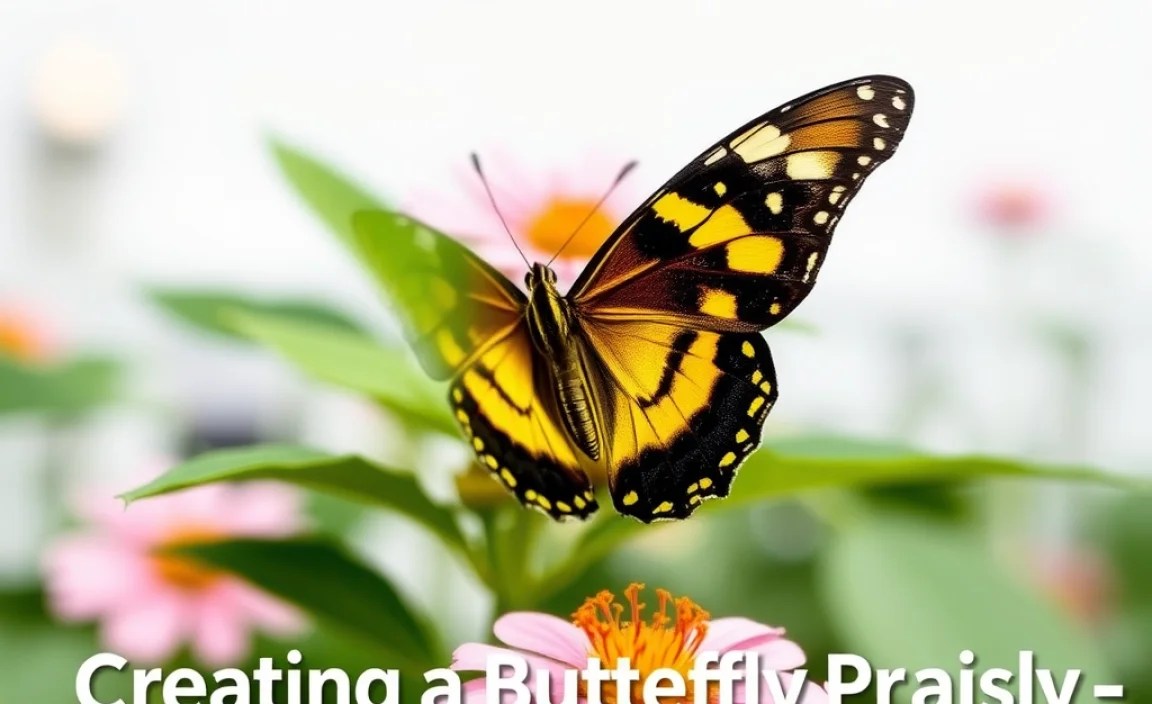
Do you want to attract butterflies to your garden? You can create a butterfly-friendly space. It’s easier than you think. Start by planting Asian butterfly larval host plants. Choose plants that are native to your area. These plants are already adapted to the climate. They are easier to care for. Also, plant nectar-rich flowers. Adult butterflies need nectar for food. Choose flowers with bright colors. Butterflies like red, orange, yellow, and purple. Plant a variety of flowers. This will attract different types of butterflies. Provide a water source for butterflies. A shallow dish of water with pebbles works well. The pebbles give them a place to land. Avoid using pesticides in your garden. They can harm butterflies and other insects. With a little planning, you can create a beautiful butterfly garden.
- Plant host plants for caterpillars.
- Plant nectar-rich flowers for adults.
- Choose native plants when possible.
- Provide a water source.
- Avoid using pesticides.
- Create a sunny, sheltered spot.
When planning your garden, think about sunlight. Butterflies like sunny spots. They need sunlight to warm their bodies. Choose a location that gets at least six hours of sun per day. Also, provide some shelter from the wind. A fence or hedge can help. Group plants together. This makes it easier for butterflies to find them. Plant flowers that bloom at different times. This will provide nectar throughout the season. Deadhead spent flowers. This encourages more blooms. Add mulch around your plants. This helps keep the soil moist. Water your plants regularly. With a little care, your butterfly garden will thrive. It will be full of beautiful butterflies. They will bring joy to your garden.
Choosing the Right Location
Where should you put your butterfly garden? The location is very important. Butterflies like sunshine. Choose a spot that gets plenty of sun. At least six hours a day is best. Butterflies also need shelter from the wind. A fence or some bushes can help. Make sure the soil is good. Butterflies like well-drained soil. If your soil is poor, add some compost. This will help the plants grow. Think about where you can see the butterflies. You want to be able to enjoy them. Put your garden near a window or patio. This way, you can watch them from inside. The right location will help your butterfly garden thrive.
Selecting Host and Nectar Plants
What plants should you choose for your garden? You need both host plants and nectar plants. Host plants are for caterpillars. Nectar plants are for adult butterflies. Choose host plants that are native to your area. These plants are easiest to grow. They are also what the butterflies are used to. For nectar plants, choose a variety of colors. Butterflies like bright colors. Red, orange, yellow, and purple are good choices. Plant flowers that bloom at different times. This will give butterflies food all season long. Some good nectar plants include zinnias, butterfly bushes, and coneflowers. Do some research to find the best plants for your area. Your local nursery can help too.
Providing Water and Shelter
Do butterflies need water? Yes, they do. But they don’t drink from a puddle. They need a shallow source of water. A bird bath works well. Put some pebbles in the bird bath. This gives the butterflies a place to land. They can sip water from the pebbles. Butterflies also need shelter from the wind. A fence or some bushes can help. They also need places to hide from predators. Tall grasses and shrubs provide shelter. Avoid using pesticides. They can harm butterflies and other insects. By providing water and shelter, you can make your garden more inviting. Butterflies will feel safe and comfortable. They will visit your garden often.
Fun Fact or Stat: Butterflies taste with their feet! They have sensors on their feet that help them find nectar.
Caring for Asian Butterfly Larval Host Plants

Taking care of Asian butterfly larval host plants is important. It ensures that caterpillars have enough to eat. Healthy plants also attract more butterflies. Water your plants regularly. Especially during dry weather. Fertilize them as needed. Use a fertilizer that is safe for butterflies. Check your plants for pests. Aphids and caterpillars can damage plants. Remove pests by hand. You can also use insecticidal soap. Prune your plants regularly. This encourages new growth. Remove dead or dying leaves. This keeps the plants healthy. By caring for your host plants, you help butterflies. You give them the food they need to grow. You also create a beautiful garden.
- Water plants regularly.
- Fertilize as needed.
- Check for pests.
- Prune regularly.
- Remove dead leaves.
- Keep the area clean.
There are many common problems that can affect host plants. Aphids are small insects that suck sap from plants. Caterpillars can eat leaves quickly. Spider mites can also damage plants. To control aphids, use insecticidal soap. You can also blast them off with water. Pick off caterpillars by hand. Spider mites can be controlled with miticides. Check your plants regularly for these problems. The sooner you catch them, the easier they are to fix. A healthy garden is a happy garden. It will attract more butterflies. You will enjoy watching them flutter around.
Watering and Fertilizing
How often should you water your host plants? It depends on the weather. If it is hot and dry, water them more often. Check the soil. If it is dry to the touch, it’s time to water. Water deeply. This encourages deep roots. Avoid watering the leaves. This can cause fungal diseases. Use a soaker hose or drip irrigation. This puts water directly into the soil. Fertilize your plants in the spring. Use a fertilizer that is low in nitrogen. High nitrogen fertilizers can make plants grow too fast. This can attract pests. Follow the instructions on the fertilizer label. Too much fertilizer can damage plants. Water and fertilize your plants properly. This will keep them healthy and strong.
Controlling Pests and Diseases
What if pests attack your host plants? There are many ways to control them. Start by inspecting your plants regularly. Look for aphids, caterpillars, and spider mites. If you find pests, remove them by hand. You can also use insecticidal soap. This is a safe way to kill many pests. For diseases, remove infected leaves. Make sure the plants have good air circulation. This helps prevent fungal diseases. Avoid overwatering. This can also cause diseases. Use a mulch around your plants. This helps keep the soil moist. It also prevents weeds. A healthy garden is less likely to have pests and diseases. Keep your plants healthy and strong. This will help them resist problems.
Pruning and Maintenance
Why should you prune your host plants? Pruning helps keep them healthy. It also encourages new growth. Remove dead or dying branches. This improves air circulation. It also prevents diseases. Prune after the plants have flowered. This encourages more blooms next year. Cut back overgrown plants. This keeps them from getting too big. Use sharp pruning shears. This makes clean cuts. Avoid tearing the branches. This can damage the plant. Clean your pruning shears after each use. This prevents the spread of diseases. Pruning is an important part of caring for your host plants. It helps them stay healthy and beautiful. It also helps them attract more butterflies.
Fun Fact or Stat: Some host plants can attract butterflies from miles away with their scent!
Choosing the Right Plants for Your Region

Selecting the right Asian butterfly larval host plants for your region is key. Not all plants grow well everywhere. Consider your climate. Is it hot or cold? Wet or dry? Choose plants that are adapted to your local conditions. Native plants are often the best choice. They are already used to the climate. They also support local butterfly populations. Check with your local nursery. They can recommend plants that grow well in your area. Do some research online. Find out which butterflies live in your region. Then, choose their favorite host plants. By choosing the right plants, you can create a thriving butterfly garden. It will be full of life and color. You will be helping butterflies in your area.
- Consider your local climate.
- Choose native plants.
- Research local butterflies.
- Ask your local nursery.
- Check online resources.
- Think about soil conditions.
Before you plant anything, check your soil. Is it sandy, clay, or loamy? Different plants prefer different types of soil. You can amend your soil with compost. This improves drainage and adds nutrients. Also, consider the amount of sunlight. Some plants need full sun. Others prefer partial shade. Choose plants that will thrive in your garden’s conditions. Group plants together that have similar needs. This makes it easier to care for them. With a little planning, you can create a beautiful and successful butterfly garden. It will be a haven for butterflies. They will thank you for providing them with food and shelter.
Understanding Climate Zones
What are climate zones? Climate zones are areas with similar weather patterns. The United States is divided into different climate zones. Each zone has its own average temperatures and rainfall. Knowing your climate zone helps you choose the right plants. Plants that grow well in one zone may not grow well in another. You can find your climate zone online. Search for a USDA plant hardiness zone map. This map shows the different climate zones in the United States. Once you know your zone, you can choose plants that are adapted to it. This will increase your chances of success. Your plants will be healthier and happier. You will enjoy a beautiful garden.
Native vs. Non-Native Plants
What is the difference between native and non-native plants? Native plants are plants that grow naturally in a specific area. They have adapted to the local climate and soil. Non-native plants are plants that have been brought to an area from somewhere else. Native plants are often the best choice for butterfly gardens. They support local butterfly populations. They are also easier to care for. Non-native plants can sometimes become invasive. This means they spread quickly and crowd out native plants. When choosing plants for your garden, consider native plants first. They are good for the environment and good for butterflies.
Soil Types and Conditions
What type of soil do you have in your garden? Soil types include sandy, clay, and loamy. Sandy soil drains quickly. Clay soil holds water well. Loamy soil is a mix of sand, clay, and silt. It is the best type of soil for most plants. You can improve your soil by adding compost. Compost adds nutrients and improves drainage. You can also test your soil’s pH level. Most plants prefer a pH of 6.0 to 7.0. You can adjust the pH by adding lime or sulfur. Healthy soil is essential for healthy plants. Take care of your soil, and your plants will thrive. They will attract more butterflies to your garden.
| Plant Name | Butterfly Species | Climate Zone | Soil Type |
|---|---|---|---|
| Citrus Trees | Swallowtail | 9-11 | Well-drained |
| Milkweed | Monarch | 3-9 | Well-drained |
| Laurel | Common Bluebottle | 8-11 | Moist |
| Dill | Swallowtail | 2-11 | Well-drained |
Fun Fact or Stat: Native plants often require less water and fertilizer than non-native plants, making them a sustainable choice!
Supporting Butterfly Conservation Efforts
Supporting butterfly conservation is very important. Butterflies are facing many threats. Habitat loss, pesticide use, and climate change are all harming butterfly populations. We can all do our part to help. Planting Asian butterfly larval host plants is a great start. You can also support organizations that protect butterfly habitats. Reduce your use of pesticides. Educate others about the importance of butterflies. Every little bit helps. By working together, we can help butterflies thrive. We can protect these beautiful creatures for future generations. They are an important part of our ecosystem. We need to do everything we can to save them.
- Plant host plants in your garden.
- Support conservation organizations.
- Reduce pesticide use.
- Educate others about butterflies.
- Create butterfly-friendly habitats.
- Participate in citizen science projects.
There are many organizations that are working to protect butterflies. The Xerces Society is one example. They work to conserve invertebrates and their habitats. The North American Butterfly Association is another. They promote butterfly conservation through education and research. You can support these organizations by donating money. You can also volunteer your time. They often have events and projects that you can participate in. By supporting these organizations, you can help butterflies. You can make a real difference in their survival. They need our help to overcome the challenges they face. Let’s work together to protect them.
Joining Citizen Science Projects
What is citizen science? Citizen science is when regular people help scientists with research. There are many citizen science projects focused on butterflies. You can participate in butterfly counts. This involves counting butterflies in a specific area. You can also report butterfly sightings. This helps scientists track butterfly populations. These projects help scientists gather data. They can use this data to understand butterfly trends. They can also use it to develop conservation strategies. Participating in citizen science is a great way to help butterflies. You can learn about butterflies and contribute to scientific research. It’s a fun and rewarding experience.
Reducing Pesticide Use
Why is it important to reduce pesticide use? Pesticides can harm butterflies and other insects. They can kill caterpillars and adult butterflies. They can also contaminate host plants. There are many ways to reduce pesticide use. Use natural methods to control pests. Attract beneficial insects to your garden. Ladybugs eat aphids. Lacewings eat caterpillars. Use insecticidal soap instead of harsh chemicals. Remove pests by hand. Choose pest-resistant plants. By reducing pesticide use, you can create a safer environment for butterflies. You can also protect other beneficial insects. Your garden will be healthier and more vibrant.
Creating Butterfly Sanctuaries
What is a butterfly sanctuary? A butterfly sanctuary is a place where butterflies are protected. It can be a garden, a park, or even a whole forest. The goal is to provide butterflies with food, shelter, and breeding grounds. Butterfly sanctuaries often have host plants and nectar plants. They also have water sources and shelter from the wind. Creating a butterfly sanctuary is a great way to help butterflies. You can create a small sanctuary in your own backyard. You can also support larger sanctuaries in your community. By creating these safe havens, you can help butterflies thrive. You can give them a place to live and reproduce.
Fun Fact or Stat: Butterfly conservation efforts have helped increase the populations of some endangered butterfly species!
Summary
Asian butterfly larval host plants are essential for the survival of many butterfly species. These plants provide food for caterpillars. Without these plants, caterpillars cannot grow into butterflies. Different butterflies need different host plants. Planting the right host plants is a great way to help butterflies. You can create a butterfly-friendly garden by choosing native plants. You can also provide water and shelter. Caring for these plants is important. Water them regularly and protect them from pests. Selecting the right plants for your region is key to success. Supporting butterfly conservation efforts can help protect these insects.
Conclusion
Butterflies are beautiful and important creatures. They play a vital role in our ecosystem. We can all help them by planting Asian butterfly larval host plants. Even a small garden can make a big difference. By providing food and shelter, we can help butterflies thrive. Let’s work together to protect these amazing insects. They bring joy and beauty to our world.
Frequently Asked Questions
Question No 1: What are Asian butterfly larval host plants?
Answer: Asian butterfly larval host plants are the specific plants that butterfly caterpillars need to eat to grow. Different types of butterflies have different favorite plants. For example, some caterpillars might only eat citrus leaves, while others prefer milkweed. Without these plants, the caterpillars cannot get the nutrients they need to turn into butterflies. It is like how a baby needs milk to grow big and strong! Planting these host plants in your garden is a great way to help butterflies.
Question No 2: Why are host plants important for butterflies?
Answer: Host plants are super important because they are the only food that butterfly caterpillars can eat. Imagine if you could only eat one type of food! That’s how it is for caterpillars. They need their special host plant to survive and grow. If the host plant isn’t around, the caterpillar won’t have anything to eat. This means it won’t be able to turn into a beautiful butterfly. By planting Asian butterfly larval host plants, we give the caterpillars the food they need to complete their amazing transformation.
Question No 3: How do I choose the right host plants for my garden?
Answer: Choosing the right host plants depends on what kind of butterflies live in your area. You can find out by searching online or asking at your local nursery. Look for native plants. These are plants that grow naturally in your area. Butterflies are already used to them. For instance, if you want to attract Swallowtail butterflies, you could plant citrus trees. If you want to attract Monarch butterflies, plant milkweed. Remember, different butterflies need different plants, so do your research!
Question No 4: What else can I do to help butterflies in my garden?
Answer: Besides planting Asian butterfly larval host plants, you can also plant nectar-rich flowers. Adult butterflies drink nectar from flowers. Choose flowers with bright colors and different shapes. Also, provide a water source for butterflies. A shallow dish of water with pebbles works well. Avoid using pesticides in your garden. Pesticides can harm butterflies and other insects. With these simple steps, you can create a butterfly-friendly garden. The butterflies will love it and so will you!
Question No 5: Are there any specific Asian butterfly larval host plants that are easy to grow?
Answer: Yes, there are! Some easy-to-grow Asian butterfly larval host plants include citrus trees for Swallowtails, and various herbs like dill and parsley, which also attract Swallowtails. Milkweed, while sometimes needing a bit more attention, is crucial for Monarch butterflies. These plants are relatively easy to care for. They can thrive in many gardens. Just make sure they get enough sunlight and water. With a little care, you can provide a buffet for local butterflies.
Question No 6: Where can I learn more about butterfly conservation?
Answer: There are many great resources for learning about butterfly conservation. You can check out websites like the Xerces Society and the North American Butterfly Association. These organizations offer information about butterfly habitats, host plants, and conservation efforts. Your local library or nature center might also have books and programs about butterflies. By learning more, you can become a butterfly expert and help protect these amazing insects.


