
Rare Butterflies in Central America: A Colorful Secret

Do you love butterflies? Have you ever seen one that is super rare? Central America is home to some amazing creatures. This includes some {rare butterflies in Central America}. These butterflies are special. They need our help to survive.
Imagine a tiny butterfly with bright blue wings. It flits through the rainforest. This butterfly might be one of the rarest in the world. It is important to learn about these butterflies. We must protect their homes.
Butterflies are more than just pretty insects. They help flowers make seeds. Birds and other animals eat them. When we protect {rare butterflies in Central America}, we help the whole forest. Let’s explore these amazing creatures!
Key Takeaways
- Protecting habitats helps ensure survival of {rare butterflies in Central America}.
- Many rare butterflies are brightly colored.
- Climate change and habitat loss threaten these butterflies.
- Citizen scientists help track butterfly populations.
- Central America is a biodiversity hotspot for butterflies.
Discovering Rare Butterflies in Central America

Central America is a special place. It has many different habitats. These include rainforests, cloud forests, and coasts. These habitats are home to many unique animals and plants. Among them are some {rare butterflies in Central America}. These butterflies are often very colorful. They may have unique patterns on their wings. Scientists and nature lovers travel to Central America. They want to see these amazing creatures. Learning about these butterflies is the first step. We can then help protect them. Protecting their habitats is very important. We want future generations to enjoy these beautiful insects. Studying them also tells us about the health of the environment. Butterflies are very sensitive to changes in their surroundings. Their presence or absence can indicate problems.
- Butterflies help pollinate flowers.
- They are an important food source for birds.
- Habitat loss is a big threat.
- Climate change affects butterfly habitats.
- Conservation efforts are underway.
Many factors threaten {rare butterflies in Central America}. One of the biggest is habitat loss. Forests are cut down for farming and building. This destroys the butterflies’ homes. Climate change is another threat. As the climate changes, the butterflies’ habitats may become unsuitable. Pollution also harms butterflies. Pesticides can poison them. Scientists are working hard to study these butterflies. They want to understand their needs. This information can help us protect them. Conservation groups are also working to protect butterfly habitats. They are planting trees and creating butterfly gardens. You can also help by learning more about these butterflies. Share what you learn with your friends and family. Support organizations that are working to protect them.
Why Are Butterflies Important?
Have you ever wondered why butterflies are important? They do more than just look pretty. Butterflies are important pollinators. This means they help plants make seeds. They carry pollen from one flower to another. This helps the plants reproduce. Many plants need butterflies to survive. Butterflies are also part of the food chain. Birds, lizards, and other animals eat them. If butterflies disappear, these animals would lose a food source. This could affect the whole ecosystem. Protecting butterflies is important for the environment. It helps keep everything in balance. Plus, they are beautiful to watch!
Where Do These Butterflies Live?
Imagine flying over the rainforests of Central America. Below you, you see lush green trees. Colorful flowers bloom everywhere. This is where many {rare butterflies in Central America} live. They need specific habitats to survive. Some live in the high mountains. Others live in the lowlands. Some prefer rainforests. Others like drier areas. Each butterfly has its own special needs. Protecting these habitats is crucial. If we destroy their homes, the butterflies will disappear. We must work to conserve these special places. This will help ensure the survival of these beautiful creatures.
How Can We Help Butterflies?
Want to help {rare butterflies in Central America}? There are many things you can do! Plant a butterfly garden in your yard. Use native plants that butterflies like. Avoid using pesticides. These can harm butterflies and other insects. Support organizations that protect butterfly habitats. Educate your friends and family about butterflies. The more people who know about them, the better. Even small actions can make a big difference. Together, we can help protect these amazing creatures. Every little bit counts towards preserving these fragile species.
Fun Fact or Stat: The Blue Morpho butterfly, found in Central America, has iridescent blue wings that can be seen from over a quarter mile away!
Threats to Rare Butterfly Populations

Many things threaten {rare butterflies in Central America}. Habitat loss is a major problem. As forests are cut down, butterflies lose their homes. Farming, logging, and development destroy their habitats. Climate change also poses a threat. Changes in temperature and rainfall can affect butterflies. Pollution from pesticides and other chemicals can harm them. Invasive species can also be a problem. These are plants or animals that don’t belong in the ecosystem. They can compete with butterflies for food and resources. Protecting butterflies requires addressing all these threats. We must work to conserve their habitats. We also need to reduce pollution and slow climate change. Every action helps protect these species.
- Deforestation destroys butterfly habitats.
- Climate change alters their environment.
- Pesticides poison butterflies and caterpillars.
- Invasive species compete for resources.
- Pollution harms their food sources.
- Habitat fragmentation isolates populations.
Consider the impact of deforestation. When trees are cut down, butterflies lose their food. Caterpillars eat leaves. Adult butterflies need nectar from flowers. Without these resources, they cannot survive. Climate change can also disrupt butterfly life cycles. Butterflies need specific temperatures to develop. Changes in temperature can affect their growth and reproduction. Pesticides are especially harmful to butterflies. They can poison caterpillars and adult butterflies. Even small amounts of pesticides can be deadly. Invasive species can outcompete native butterflies for food. They can also introduce diseases. Protecting butterflies requires a multi-faceted approach. We must address all the threats they face.
What is Habitat Fragmentation?
Habitat fragmentation is a big problem for butterflies. It happens when large areas of habitat are broken up into smaller pieces. This can happen when roads are built or forests are cleared. Butterflies need large areas of habitat to find food and mates. When their habitat is fragmented, they may not be able to move between patches. This can lead to smaller populations and less genetic diversity. Habitat fragmentation can also make butterflies more vulnerable to predators and disease. Creating corridors between habitat patches can help butterflies move more easily. This can improve their chances of survival. Imagine a road cutting through a forest, dividing the butterflies’ home.
How Does Climate Change Affect Butterflies?
Climate change is changing the world around us. It can affect butterflies in many ways. Changes in temperature and rainfall can alter their habitats. Butterflies may need to move to find suitable conditions. This can be difficult if their habitat is fragmented. Climate change can also disrupt butterfly life cycles. Butterflies need specific temperatures to develop. Changes in temperature can affect their growth and reproduction. Extreme weather events, like droughts and floods, can also harm butterflies. Reducing greenhouse gas emissions is important. This can help slow down climate change and protect butterflies.
What Role Do Pesticides Play?
Pesticides are chemicals used to kill insects and other pests. They can be very harmful to butterflies. Pesticides can poison caterpillars and adult butterflies. Even small amounts of pesticides can be deadly. Pesticides can also harm butterfly food sources. They can kill the plants that caterpillars eat. They can also kill the flowers that adult butterflies need for nectar. Using fewer pesticides is important. This can help protect butterflies and other beneficial insects. There are many alternatives to pesticides. These include using natural predators and planting pest-resistant crops. Imagine a butterfly eating a leaf covered in poison.
Fun Fact or Stat: Some butterfly species migrate thousands of miles each year, just like birds!
Butterfly Conservation Efforts
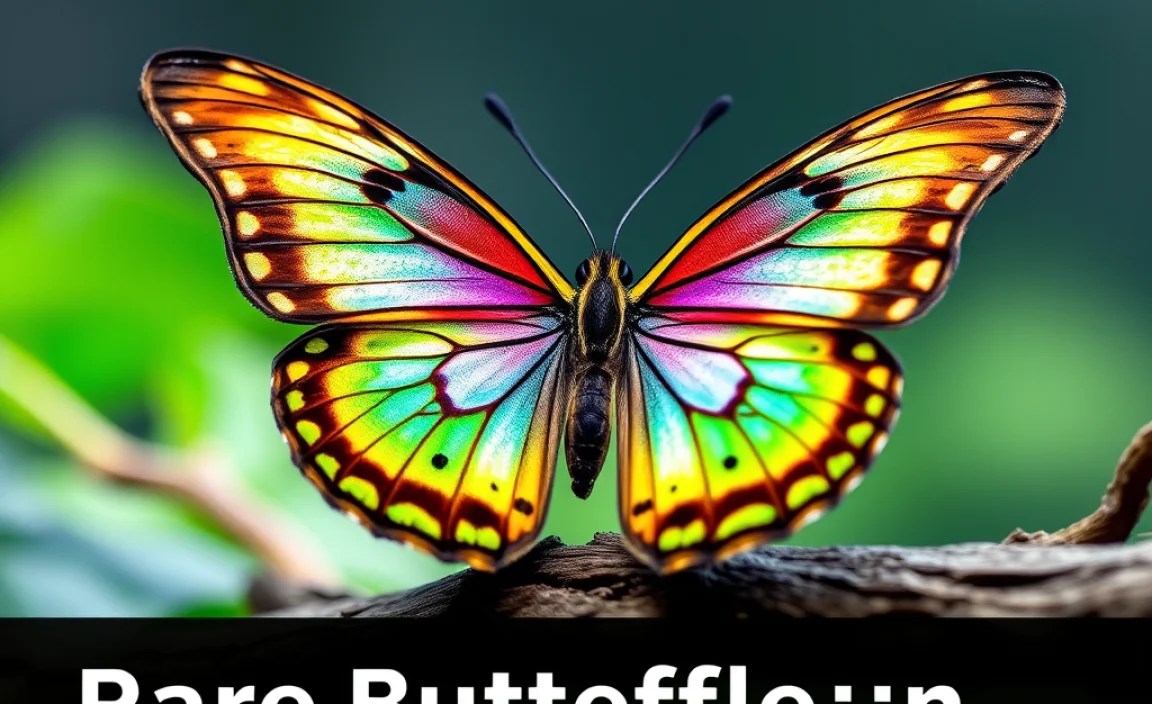
Many people are working hard to protect {rare butterflies in Central America}. Conservation organizations are working to protect butterfly habitats. They are buying land and creating protected areas. They are also working to restore degraded habitats. Scientists are studying butterflies to learn more about their needs. This information can help us protect them. Communities are also getting involved. They are planting butterfly gardens and educating others about butterflies. Governments are passing laws to protect butterfly habitats. Together, we can make a difference. We can help ensure that these beautiful creatures survive for generations to come. Every small action can contribute to a larger impact on conserving butterfly populations.
- Protected areas safeguard butterfly habitats.
- Habitat restoration improves butterfly environments.
- Scientific research informs conservation strategies.
- Community involvement raises awareness.
- Government policies protect butterfly species.
- Education programs teach about butterfly conservation.
Consider the importance of protected areas. These areas provide safe havens for butterflies. They are free from development and other threats. Habitat restoration can help improve degraded areas. This can involve planting native plants and removing invasive species. Scientific research is essential for understanding butterfly needs. Scientists study their behavior, genetics, and ecology. This information can help us develop effective conservation strategies. Community involvement is crucial for raising awareness. When people care about butterflies, they are more likely to protect them. Government policies can provide legal protection for butterflies. These policies can help prevent habitat destruction and pollution.
What are Protected Areas?
Protected areas are special places set aside to protect nature. These areas can be national parks, wildlife refuges, or other types of reserves. They provide safe havens for butterflies and other animals. Protected areas help conserve biodiversity. They also provide opportunities for recreation and education. Visiting a protected area can be a great way to learn about nature. You can see butterflies in their natural habitat. You can also support conservation efforts by visiting these areas. Imagine walking through a park filled with colorful butterflies.
How Does Habitat Restoration Help?
Habitat restoration is the process of repairing damaged ecosystems. This can involve planting native plants, removing invasive species, and restoring water flow. Habitat restoration can help butterflies by providing them with food and shelter. It can also improve water quality and reduce erosion. Restoring habitats is a long-term process. But it can have a big impact on butterfly populations. Volunteers often play a key role in habitat restoration projects. You can get involved by volunteering at a local park or nature center. Think about planting new flowers to feed hungry butterflies.
Why is Scientific Research Important?
Scientific research is essential for understanding butterflies. Scientists study their behavior, genetics, and ecology. They use this information to develop effective conservation strategies. Research can help us identify the threats that butterflies face. It can also help us find ways to mitigate these threats. Scientists also monitor butterfly populations to track their health. This information can help us detect problems early on. Supporting scientific research is crucial for protecting butterflies. Learn about the scientists studying butterflies and how you can help.
Fun Fact or Stat: Some conservationists use drones to monitor butterfly populations in remote areas!
Identifying Rare Butterfly Species
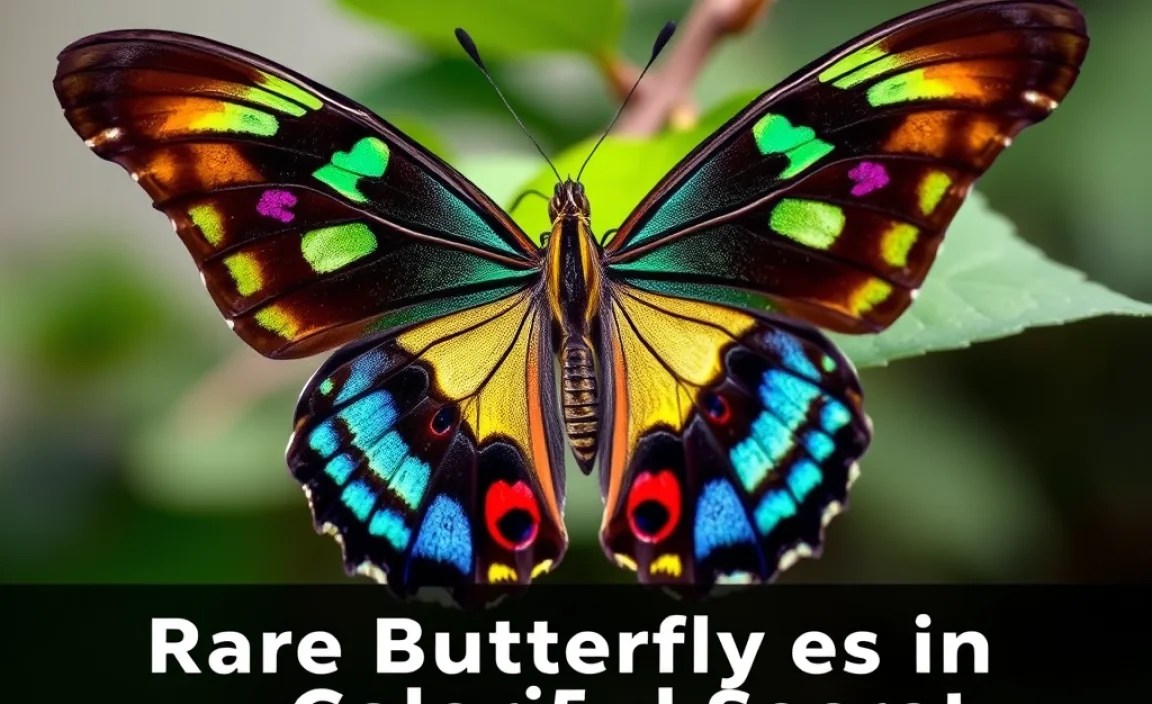
Identifying {rare butterflies in Central America} can be tricky. Many butterflies look very similar. You need to pay close attention to their markings and colors. Size and shape are also important clues. Some butterflies have unique patterns on their wings. Others have special behaviors. Field guides can help you identify butterflies. These guides provide pictures and descriptions of different species. You can also use online resources to identify butterflies. Citizen science projects allow you to submit your sightings. This helps scientists track butterfly populations. Learning to identify butterflies is a fun and rewarding experience. It allows you to appreciate the diversity of nature. It can also help you contribute to conservation efforts. The more you observe, the better you become.
- Wing patterns are key for identification.
- Size and shape can help distinguish species.
- Behavioral traits offer clues.
- Field guides provide valuable information.
- Online resources aid in identification.
- Citizen science projects track sightings.
Consider the importance of wing patterns. Butterflies have intricate patterns on their wings. These patterns can vary greatly between species. Pay attention to the colors, shapes, and lines on the wings. Size and shape can also be helpful. Some butterflies are large and showy. Others are small and delicate. The shape of the wings can also vary. Some butterflies have rounded wings. Others have pointed wings. Behavioral traits can also provide clues. Some butterflies are active during the day. Others are active at night. Some butterflies prefer to feed on certain types of flowers. Knowing these traits can help you narrow down your identification.
What are Key Wing Patterns?
Wing patterns are like fingerprints for butterflies. Each species has its own unique pattern. Look for spots, stripes, and bands on the wings. Pay attention to the colors. Some butterflies have bright colors. Others have dull colors. The arrangement of the colors is also important. Some butterflies have symmetrical patterns. Others have asymmetrical patterns. Using a field guide can help you compare your observations. It can show you the key wing patterns for different species. Imagine the intricate designs on a butterfly’s wings.
How Does Size and Shape Help?
Size and shape can be helpful clues for identifying butterflies. Some butterflies are much larger than others. The size can vary even within the same species. The shape of the wings can also vary. Some butterflies have rounded wings. Others have pointed wings. Some have long, narrow wings. Others have short, broad wings. Pay attention to these details. They can help you distinguish between similar species. Consider the difference between a tiny skipper and a large swallowtail.
What Behavioral Traits Should I Look For?
Butterflies have different behaviors that can help with identification. Some are active during the day, others at night. Some prefer to fly in sunny areas. Others prefer shady areas. Some feed on specific types of flowers. Others are less picky. Watch how the butterfly flies. Some butterflies flutter quickly. Others glide slowly. Pay attention to these behaviors. They can provide valuable clues. Observing butterfly behavior can be just as important as looking at their wings.
| Butterfly Feature | Description | Helpful For |
|---|---|---|
| Wing Pattern | Spots, stripes, bands, colors | Distinguishing species |
| Size & Shape | Large/small, rounded/pointed wings | Narrowing down possibilities |
| Behavior | Flight patterns, feeding habits | Identifying unique traits |
| Habitat | Forest, meadow, mountains | Knowing where it lives |
Fun Fact or Stat: The Atlas moth, while not a butterfly, has the largest wing surface area of any insect!
Butterfly Habitats in Central America

Central America boasts diverse butterfly habitats. These include rainforests, cloud forests, and dry forests. Each habitat supports different butterfly species. Rainforests are lush and humid. They are home to many colorful butterflies. Cloud forests are high in the mountains. They are often shrouded in mist. Dry forests are drier and warmer. They have different types of plants and butterflies. Understanding these habitats is important. It helps us protect the butterflies that live there. Conserving these areas is key to ensuring butterfly survival. Each habitat plays a crucial role in the butterflies’ life cycle.
- Rainforests are humid and rich in life.
- Cloud forests are misty mountain habitats.
- Dry forests are warmer and drier.
- Each habitat supports unique butterflies.
- Habitat conservation is essential.
- Understanding habitats aids protection.
Consider the rainforest. It is a complex ecosystem with many layers. The canopy is the top layer of trees. It provides shade and shelter. The understory is the layer below the canopy. It is home to many shrubs and small trees. The forest floor is the bottom layer. It is covered in decaying leaves and branches. Each layer supports different butterfly species. Cloud forests are unique habitats. They are found on high mountains. They are often covered in mist and clouds. The cool, moist conditions support unique plants and animals. Dry forests are drier and warmer than rainforests. They have fewer trees and more shrubs. The butterflies that live in dry forests are adapted to these conditions. They can tolerate heat and drought.
What Makes Rainforests Special?
Rainforests are amazing places. They are home to more than half of the world’s plant and animal species. Rainforests are also important for regulating the climate. They absorb carbon dioxide and release oxygen. They also help to control rainfall. The rainforest is a complex ecosystem. It is home to many different types of plants and animals. Butterflies are just one small part of this incredible ecosystem. Imagine walking through a rainforest filled with the sounds of birds and insects.
Why are Cloud Forests Important?
Cloud forests are unique habitats. They are found on high mountains. They are often covered in mist and clouds. The cool, moist conditions support unique plants and animals. Cloud forests are important for water conservation. They capture water from the mist and clouds. This water then flows into rivers and streams. Cloud forests are also home to many endangered species. Protecting these forests is crucial for conserving biodiversity. Think of the clouds as a blanket, keeping the forest cool and wet.
What are the Characteristics of Dry Forests?
Dry forests are drier and warmer than rainforests. They have fewer trees and more shrubs. The plants and animals that live in dry forests are adapted to these conditions. They can tolerate heat and drought. Dry forests are often found in coastal areas. They are important for protecting coastlines from erosion. They also provide habitat for many migratory birds. Understanding dry forests is important for conserving biodiversity. Imagine plants with thick leaves that store water.
Fun Fact or Stat: Central America’s rainforests produce about 20% of the world’s oxygen!
The Role of Citizen Science
You can help scientists study {rare butterflies in Central America}. Citizen science projects allow anyone to participate. You can submit your butterfly sightings online. This helps scientists track butterfly populations. You can also participate in butterfly counts. These events involve counting butterflies in a specific area. The data collected helps scientists monitor changes in butterfly populations. Citizen science is a great way to learn about butterflies. It also allows you to contribute to conservation efforts. Anyone can become a citizen scientist. All you need is a love of nature and a willingness to learn. Your observations can make a big difference.
- Submit butterfly sightings online.
- Participate in butterfly counts.
- Help track butterfly populations.
- Learn about butterflies and their habitats.
- Contribute to conservation efforts.
- Anyone can be a citizen scientist.
Consider the impact of submitting butterfly sightings. Each sighting provides valuable data. Scientists can use this data to track butterfly movements. They can also use it to identify areas where butterflies are declining. Participating in butterfly counts is another great way to help. These events involve counting butterflies in a specific area. The data collected helps scientists monitor changes in butterfly populations. By participating in citizen science, you can make a real difference. You can help protect these amazing creatures. Even a single butterfly sighting can be important.
How Do I Submit Butterfly Sightings?
Submitting butterfly sightings is easy. There are many online platforms that allow you to do this. You will need to provide some basic information. This includes the date, time, and location of your sighting. You will also need to identify the butterfly species. If you are not sure of the species, you can take a picture. Many online resources can help you identify butterflies. Be as accurate as possible. The more accurate your data, the more useful it will be to scientists. Imagine taking a photo of a butterfly and sharing it with scientists.
What Happens During a Butterfly Count?
Butterfly counts are organized events. They involve counting butterflies in a specific area. Participants walk along a designated route. They count all the butterflies they see. The data collected is then submitted to a central database. Scientists use this data to monitor changes in butterfly populations. Butterfly counts are a fun and educational activity. They are a great way to learn about butterflies. They also provide valuable data for conservation efforts. Think of it as a treasure hunt, but with butterflies.
Why is Citizen Science Important for Conservation?
Citizen science is important for conservation. It allows scientists to collect data over a large area. It also allows them to track butterfly populations over time. Citizen science can help detect problems early on. This can allow scientists to take action before it is too late. Citizen science also raises awareness about conservation issues. When people participate in citizen science, they become more engaged. They are more likely to support conservation efforts. Imagine thousands of people helping scientists protect butterflies.
Fun Fact or Stat: Citizen scientists have discovered new butterfly species!
Protecting Butterfly Habitats
Protecting butterfly habitats is crucial. This involves conserving rainforests, cloud forests, and dry forests. It also involves restoring degraded habitats. We can protect habitats by buying land and creating protected areas. We can also work with local communities. We can help them develop sustainable livelihoods. This can reduce their reliance on activities that harm butterfly habitats. Education is also important. We need to teach people about the importance of butterfly habitats. The more people who care about butterflies, the more likely they are to protect them. Every effort counts towards preserving these vital ecosystems.
- Conserve rainforests, cloud forests, and dry forests.
- Restore degraded habitats.
- Create protected areas.
- Support sustainable livelihoods.
- Educate people about butterfly habitats.
- Reduce pollution and climate change.
Consider the importance of conserving rainforests. These forests are home to many {rare butterflies in Central America}. They also provide many other benefits. They regulate the climate and provide clean water. Cloud forests are also important. They capture water from the mist and clouds. This water then flows into rivers and streams. Dry forests are important for protecting coastlines from erosion. They also provide habitat for many migratory birds. Restoring degraded habitats can help butterflies by providing them with food and shelter. Creating protected areas can provide safe havens for butterflies. Supporting sustainable livelihoods can reduce the pressure on butterfly habitats.
How Can We Reduce Deforestation?
Deforestation is a major threat to butterfly habitats. We can reduce deforestation by using less wood. We can also support sustainable forestry practices. This involves managing forests in a way that protects biodiversity. We can also reduce our consumption of products that contribute to deforestation. This includes beef, soy, and palm oil. By making conscious choices, we can help protect butterfly habitats. Imagine a world where forests are valued and protected.
What are Sustainable Livelihoods?
Sustainable livelihoods are ways of making a living. They do not harm the environment. They also provide long-term economic benefits. Examples of sustainable livelihoods include ecotourism, organic farming, and sustainable forestry. Ecotourism can provide income for local communities. It can also help protect butterfly habitats. Organic farming can reduce the use of pesticides. Sustainable forestry can help protect forests. Supporting sustainable livelihoods can help protect butterflies and other wildlife. Think of ways to help people earn a living without hurting nature.
Why is Education Important?
Education is essential for protecting butterfly habitats. We need to teach people about the importance of butterflies. We also need to teach them about the threats that butterflies face. When people understand the importance of butterflies, they are more likely to protect them. Education can also empower people to take action. They can plant butterfly gardens. They can support conservation organizations. They can advocate for policies that protect butterfly habitats. Imagine a world where everyone understands the importance of butterflies.
Fun Fact or Stat: Some countries pay landowners to protect forests on their property!
Summary
Central America is home to many {rare butterflies in Central America}. These butterflies face many threats. These include habitat loss, climate change, and pollution. Conservation efforts are underway to protect these butterflies. These efforts include protecting habitats and restoring degraded areas. Citizen science plays an important role. It allows anyone to contribute to butterfly conservation. Protecting these butterflies is important for the environment. It also provides benefits for people. Butterflies help pollinate plants. They are also beautiful to watch. By working together, we can help ensure that these butterflies survive for generations to come. We can learn more and take steps to protect these creatures.
Conclusion
Protecting {rare butterflies in Central America} is vital. These amazing insects face many threats. Habitat loss and climate change are major concerns. Conservation efforts are helping them survive. We can all play a part in protecting these butterflies. Plant a butterfly garden or support conservation groups. Learn about these special creatures and share your knowledge. Together, we can make a difference. We want future generations to enjoy these beautiful butterflies.
Frequently Asked Questions
Question No 1: What makes a butterfly “rare”?
Answer: A butterfly is considered “rare” for a few different reasons. Sometimes, there are very few of that type of butterfly left in the world. This could be because their habitat has been destroyed. It could also be because of climate change or pollution. Sometimes, a butterfly is rare because it only lives in a very small area. If that area is threatened, the butterfly is also at risk. {Rare butterflies in Central America} face many of these challenges. Their existence highlights the need for conservation efforts to protect these fragile species and their habitats from further decline.
Question No 2: Where in Central America are these rare butterflies found?
Answer: {Rare butterflies in Central America} live in many different places. You can find them in rainforests. These are wet and full of trees. Some live in cloud forests high in the mountains. Others live in drier forests along the coast. Each type of butterfly needs a special habitat. It is important to protect all these different places. This will help ensure that all the butterflies have a place to live. They need these places to survive and thrive. They all need healthy environment.
Question No 3: What can kids do to help protect rare butterflies?
Answer: Kids can do many things to help butterflies! You can plant a butterfly garden. Use plants that butterflies like to eat. You can also avoid using pesticides. These can harm butterflies. Tell your friends and family about butterflies. The more people who know about them, the better. Support organizations that protect butterfly habitats. Even small actions can make a big difference. You can make the world a better place for butterflies. Learn all you can and share the knowledge.
Question No 4: Why is Central America a good place for butterflies?
Answer: Central America is a great place for butterflies because it has many different habitats. There are rainforests, cloud forests, and dry forests. Each habitat supports different kinds of butterflies. The warm climate is also good for butterflies. They need warm temperatures to grow and reproduce. Central America is like a paradise for butterflies! It has everything they need to survive. The diversity of habitats makes it home to many {rare butterflies in Central America}, making conservation efforts even more crucial.
Question No 5: Are there any laws protecting these rare butterflies?
Answer: Some countries have laws to protect butterflies. These laws can protect their habitats. They can also prevent people from collecting butterflies. However, not all butterflies are protected by law. It is important to support organizations that are working to protect butterflies. They can help to create new laws and enforce existing ones. Laws can really help these beautiful creatures. These laws can protect {rare butterflies in Central America} from extinction, and protect their habitats.
Question No 6: What is climate change doing to the butterfly populations?
Answer: Climate change is harming butterfly populations. Changes in temperature and rainfall can affect their habitats. Butterflies may need to move to find suitable conditions. This can be difficult if their habitat is fragmented. Climate change can also disrupt butterfly life cycles. Butterflies need specific temperatures to develop. Changes in temperature can affect their growth and reproduction. It’s important to reduce greenhouse gas emissions. This can help slow down climate change and protect {rare butterflies in Central America}.


