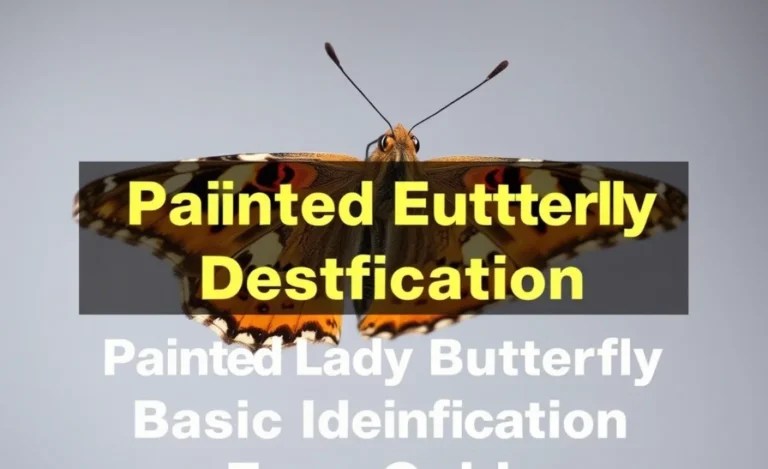
Painted Lady Butterfly Education Resources: Free Guide

Have you ever seen a butterfly flutter by? It is so colorful and graceful. Butterflies are amazing creatures. Did you know you can learn all about them? There are many great painted lady butterfly education resources. These resources can help you discover the life cycle of a butterfly. Let’s explore these fun and helpful tools!
Key Takeaways
- Painted lady butterfly education resources offer fun ways to learn about nature.
- Raising butterflies teaches kids patience and responsibility.
- You can find many free butterfly activities online.
- Understanding butterfly habitats helps with conservation efforts.
- Watching a butterfly grow is an amazing science lesson.
Discovering Painted Lady Butterfly Resources
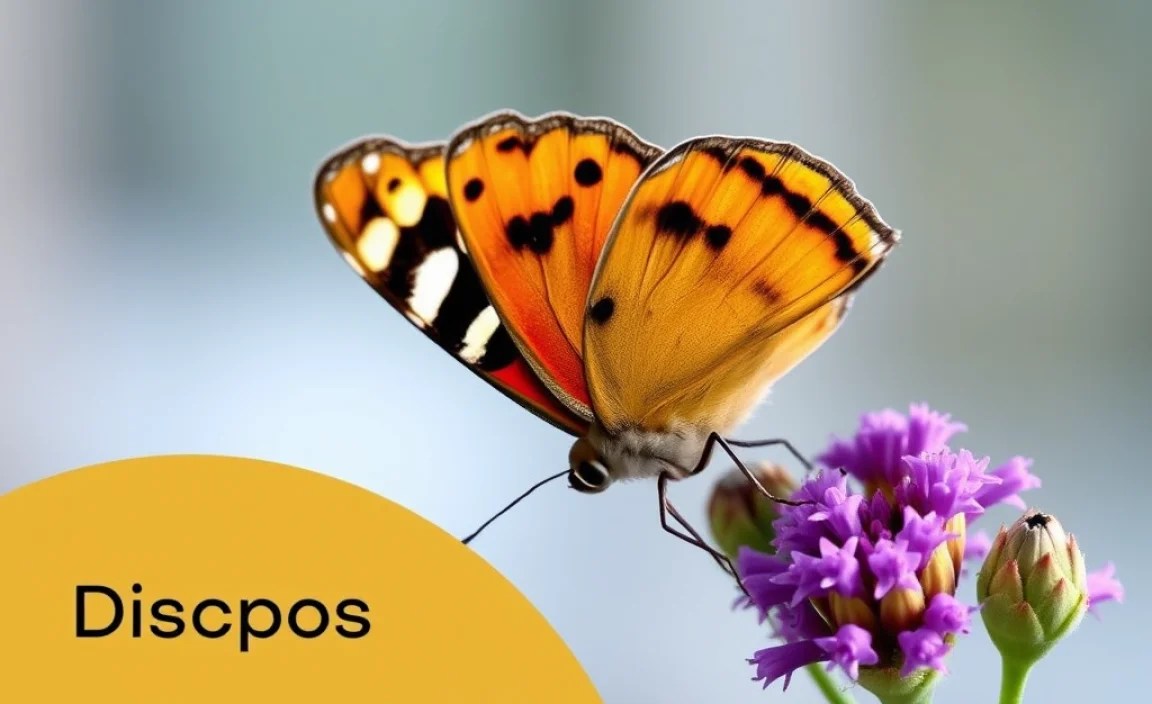
Learning about butterflies is super fun. Painted lady butterfly education resources can help you learn a lot. These resources include books and websites. You can also find kits to raise your own butterflies. Imagine watching a tiny caterpillar turn into a beautiful butterfly. These kits often come with everything you need. They include a container and food for the caterpillars. You can observe them as they grow bigger and bigger. Then, they form a chrysalis. Finally, a butterfly emerges. It is a magical experience. Schools use these kits to teach kids about science. At home, you can use these resources, too. You will learn about nature. Plus, you will have a lot of fun. Learning about butterflies can spark a lifelong interest in science.
- Books about butterflies are easy to find.
- Websites offer videos and fun facts.
- Butterfly kits let you raise your own.
- Teachers use these kits in classrooms.
- Learning is fun and exciting.
There are many places to find these resources. Your local library has books and videos. Many websites offer free information. Some companies sell butterfly-raising kits. You can even find lesson plans for teachers. These plans help teachers explain the butterfly life cycle. They also include fun activities for kids. Learning about butterflies is a great way to connect with nature. It can teach you about science and the environment. Plus, watching a butterfly grow is just plain cool. So, explore the world of painted lady butterfly education resources. You will be amazed at what you discover. You can learn so much about these beautiful insects.
Fun Fact or Stat: Did you know that painted lady butterflies can fly over 100 miles in a single day?
What are the best butterfly books for kids?
Finding the right books makes learning fun. Many butterfly books are written for kids. These books often have colorful pictures. They explain the butterfly life cycle in simple words. Some books even include stories about butterflies. These stories can help kids connect with the topic. Look for books that are age-appropriate. Choose books with clear and accurate information. Check online reviews to see what other kids like. Reading about butterflies can inspire a love of science. It can also teach kids about the importance of nature. Reading is a great way to learn and have fun. Many books explore the migration patterns of butterflies. Some books focus on the different types of butterflies. You will learn a lot by reading about these insects.
Where can I find butterfly videos online?
Videos are a great way to see butterflies in action. Many websites have videos about butterflies. These videos can show the butterfly life cycle. They can also show butterflies flying and feeding. Look for videos from trusted sources. Some websites offer educational videos for kids. These videos are often short and easy to understand. You can also find videos on YouTube. Just be sure to watch them with an adult. Videos can bring butterflies to life. You can see how they move and interact with their environment. Watching videos is a great way to learn. It is also a fun way to spend time. You can learn about different species and their habitats. Videos can make learning about butterflies even more exciting.
How do butterfly kits work?
Butterfly kits are a hands-on way to learn. These kits come with everything you need. They include caterpillars, food, and a container. You simply follow the instructions. The caterpillars will eat and grow. Then, they will form a chrysalis. After a few weeks, a butterfly will emerge. It is an amazing process to watch. Butterfly kits teach kids about science. They also teach patience and responsibility. You need to care for the caterpillars. You need to make sure they have enough food and water. Releasing the butterflies is a rewarding experience. You are helping them to thrive in the wild. Butterfly kits are a great way to learn and connect with nature. You can find these kits at many stores and online.
Exploring Painted Lady Butterfly Life Cycle
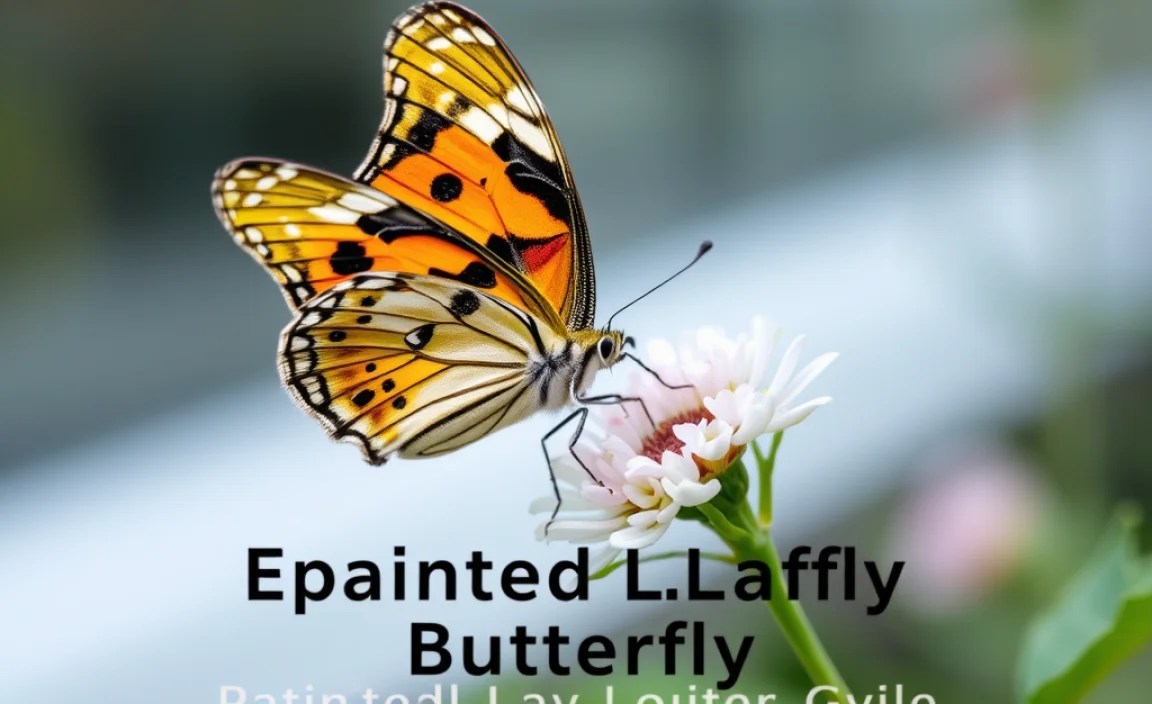
The life cycle of a butterfly is fascinating. It has four stages. These stages are egg, larva (caterpillar), pupa (chrysalis), and adult. Each stage is very different. The egg is tiny and often laid on a leaf. The larva, or caterpillar, eats and grows. It sheds its skin several times as it grows bigger. Then, it forms a pupa, or chrysalis. Inside the chrysalis, the caterpillar transforms. Finally, an adult butterfly emerges. The butterfly flies away to reproduce. Understanding this cycle is key to appreciating butterflies. Painted lady butterfly education resources often focus on this cycle. You can find diagrams and explanations online. You can also watch videos that show each stage. Learning about the life cycle is a great way to understand how butterflies grow.
- The life cycle has four stages.
- Eggs are laid on leaves.
- Caterpillars eat and grow.
- A chrysalis forms before the butterfly.
- Butterflies reproduce and lay eggs.
- Each stage is unique and important.
The transformation from caterpillar to butterfly is called metamorphosis. It is one of the most amazing processes in nature. The caterpillar’s body breaks down inside the chrysalis. Then, it reforms into a butterfly. This process takes several weeks. The butterfly emerges with wet wings. It needs to pump fluid into its wings to make them strong. Once the wings are dry, the butterfly can fly. This process is truly remarkable. It shows the power of nature and the beauty of life. Learning about metamorphosis is a great way to appreciate the complexity of the natural world. Studying the life cycle of butterflies can inspire a lifelong love of science.
Fun Fact or Stat: A caterpillar can increase its weight by over 1,000 times during its larval stage!
What do caterpillars eat?
Caterpillars are eating machines. They need to eat a lot to grow. Most caterpillars eat leaves. Different types of caterpillars eat different types of leaves. Some caterpillars only eat one type of leaf. Others eat many different kinds of leaves. Some caterpillars also eat flowers and stems. Caterpillars have strong jaws for chewing. They can eat a lot of leaves in a short time. Providing the right food is important when raising caterpillars. Make sure you know what kind of leaves your caterpillars need. You can find this information in painted lady butterfly education resources. Feeding caterpillars is a key part of the butterfly life cycle. Without enough food, they cannot grow and transform.
How long does each stage last?
The length of each stage varies. It depends on the type of butterfly. It also depends on the weather. The egg stage can last a few days. The caterpillar stage can last several weeks. The chrysalis stage can also last several weeks. The adult butterfly stage can last a few weeks or months. Some butterflies live longer than others. Knowing how long each stage lasts helps you understand the life cycle. You can track the progress of your caterpillars. You can also predict when the butterfly will emerge. Painted lady butterfly education resources provide information on the duration of each stage. Understanding these timeframes is important for raising butterflies.
Why is metamorphosis so amazing?
Metamorphosis is a complete transformation. The caterpillar’s body changes completely. It breaks down and reforms into a butterfly. This process is complex and amazing. Scientists are still studying how it works. Metamorphosis shows the power of nature. It demonstrates the potential for change and growth. It is a reminder that even the simplest creatures can undergo incredible transformations. Learning about metamorphosis can inspire a sense of wonder. It can also teach us about the resilience of life. It is a truly remarkable process that deserves our attention and respect.
Effective Teaching Strategies for Butterfly Lessons
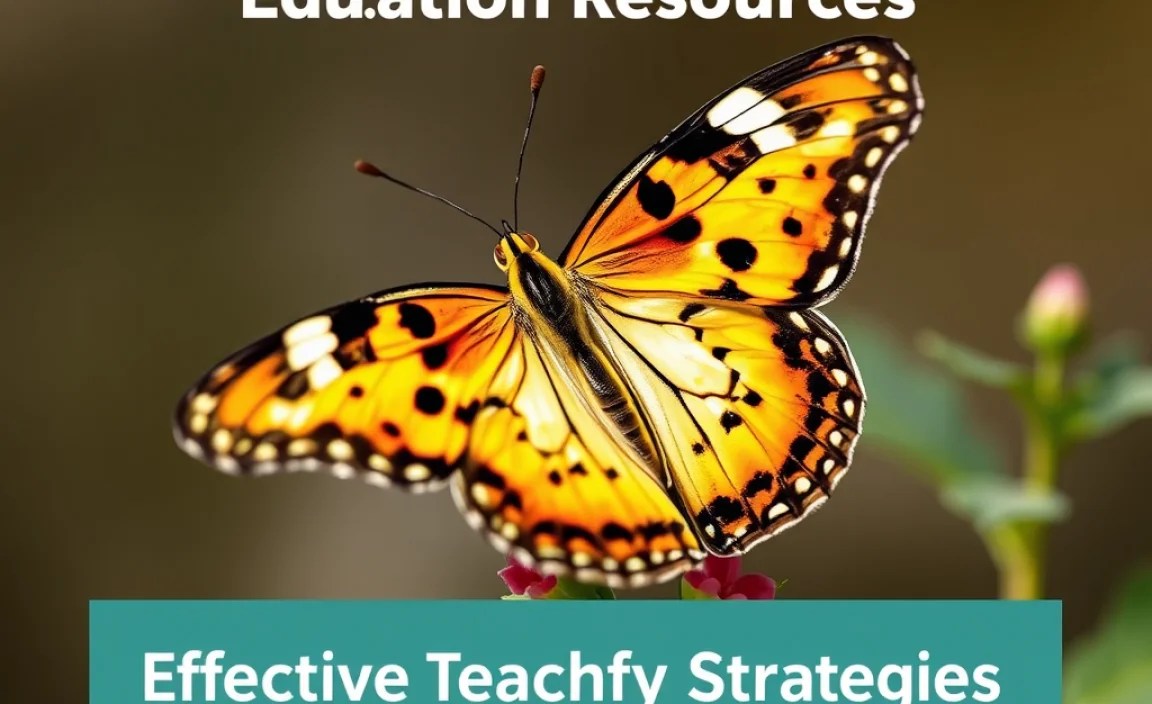
Teaching about butterflies can be engaging. There are many effective strategies. Hands-on activities are always a hit. Kids love raising their own butterflies. You can also use games and puzzles. These activities make learning fun. Visual aids are also helpful. Pictures and videos can bring the topic to life. Field trips to butterfly gardens are a great experience. You can also invite a butterfly expert to speak to the class. Integrating art and science is another good idea. Kids can draw or paint butterflies. Painted lady butterfly education resources offer many teaching tips. Use these resources to create exciting lessons. Your students will love learning about butterflies.
- Hands-on activities are engaging.
- Games and puzzles make learning fun.
- Visual aids help students understand.
- Field trips offer real-world experiences.
- Art projects integrate creativity.
When planning your lessons, consider your students’ ages. Younger students may need simpler activities. Older students can handle more complex topics. Tailor your lessons to your students’ needs. Use a variety of teaching methods to keep them engaged. Ask questions to encourage critical thinking. Encourage students to share their observations. Create a positive and supportive learning environment. Make sure your lessons are aligned with the curriculum. Use painted lady butterfly education resources to supplement your lessons. With careful planning, you can create memorable and effective butterfly lessons.
Fun Fact or Stat: Some butterfly wings have tiny scales that reflect light, creating their beautiful colors!
How can I make lessons interactive?
Interactive lessons keep students engaged. Use hands-on activities like butterfly kits. Let students observe caterpillars closely. Have them record their observations in a journal. Use games and simulations to teach about the life cycle. Create a butterfly garden at your school. Invite students to help plant flowers that attract butterflies. Use technology to enhance your lessons. Show videos and interactive simulations on a projector. Encourage students to ask questions and share their ideas. Make learning a collaborative experience. Interactive lessons make learning more meaningful and memorable. They also help students develop critical thinking skills.
What are some good assessment methods?
Assessing student learning is important. Use a variety of assessment methods. Observe students during activities. See if they are engaged and understanding. Ask questions to check their comprehension. Have students create presentations or reports. Use quizzes and tests to assess their knowledge. Collect student work samples, such as drawings and writings. Provide feedback to help students improve. Use rubrics to evaluate student work fairly. Align your assessments with your learning objectives. Assessment should be an ongoing process. It should inform your teaching and help students learn. Painted lady butterfly education resources can offer assessment ideas.
How can I differentiate instruction?
Differentiating instruction means tailoring lessons. Adjust lessons to meet individual student needs. Provide different activities for different learning styles. Offer extra support to struggling students. Challenge advanced students with more complex tasks. Use a variety of resources to cater to different reading levels. Allow students to choose how they demonstrate their learning. Provide options for assessment, such as oral reports or written essays. Create a flexible learning environment. Support students’ individual learning goals. Differentiation helps all students succeed. It ensures that everyone is challenged and supported.
Utilizing Online Butterfly Education Resources
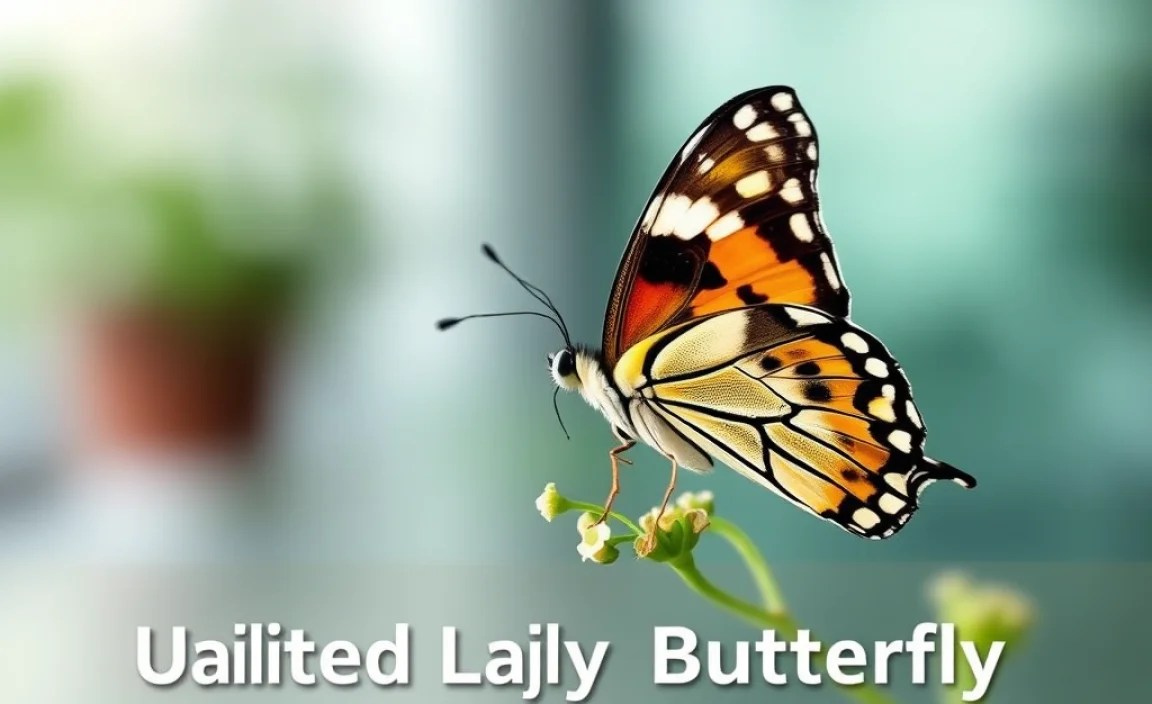
The internet is full of great painted lady butterfly education resources. You can find websites with information about butterflies. Some sites offer lesson plans for teachers. Others have games and activities for kids. You can also find videos and pictures of butterflies. Many museums and zoos have online resources. These resources can help you learn about different types of butterflies. They can also teach you about butterfly habitats. Be sure to use trusted websites. Look for sites from reputable organizations. With the internet, learning about butterflies is easy and fun. You can explore the world of butterflies from your own home. Just remember to stay safe online.
- Websites offer information and activities.
- Lesson plans are available for teachers.
- Videos and pictures bring butterflies to life.
- Museums and zoos have online resources.
- Use trusted websites for safety.
When using online resources, it is important to be critical. Not all information online is accurate. Check the source of the information. Look for websites that are updated regularly. Compare information from different sources. Be careful about clicking on links from unknown websites. Protect your personal information online. Ask an adult for help if you are unsure about something. The internet can be a powerful tool for learning. But it is important to use it safely and responsibly. With a little caution, you can find a wealth of painted lady butterfly education resources online.
Fun Fact or Stat: There are over 20,000 different species of butterflies around the world!
What are some reputable butterfly websites?
Finding good websites is key. Look for sites from museums and universities. These sites often have accurate information. The websites of zoos are also good resources. Check for sites from conservation organizations. These groups work to protect butterflies and their habitats. Look for websites that are updated regularly. Be sure to read the “About Us” section of the website. This can help you determine the credibility of the source. Some popular websites include the Butterfly Conservation Trust and the National Wildlife Federation. These sites offer a wealth of information about butterflies. They are great resources for learning and research.
How can I tell if a website is reliable?
Reliability is important online. Check the website’s domain name. Look for .org, .edu, or .gov domains. These domains are often more reliable. Check the website’s author and their credentials. See if the website is cited by other reputable sources. Look for websites that are free of advertising. Be wary of websites that ask for personal information. Check the website’s privacy policy. If a website seems too good to be true, it probably is. Always ask an adult for help if you are unsure about a website. Reliable websites are essential for accurate information.
Are there any online butterfly games?
Games can make learning fun. Many websites offer butterfly games. These games can teach you about the life cycle. They can also help you identify different types of butterflies. Look for games that are educational and engaging. Some games allow you to create your own butterfly garden. Others challenge you to match butterfly wings. Be sure to choose games that are age-appropriate. Play games from trusted websites. Online games can make learning about butterflies more enjoyable. They can also help you develop problem-solving skills. Just remember to limit your screen time and take breaks.
Creating a Butterfly Garden for Educational Purposes

Creating a butterfly garden is a great project. It can teach you about nature. It can also attract butterflies to your yard. Choose a sunny spot for your garden. Butterflies need sunlight to warm their wings. Plant flowers that attract butterflies. These flowers provide nectar for the butterflies. Include host plants for caterpillars. These plants provide food for the caterpillars. Provide a water source for the butterflies. A shallow dish of water with pebbles works well. Avoid using pesticides in your garden. Pesticides can harm butterflies and other insects. Painted lady butterfly education resources can help you plan your garden. Creating a butterfly garden is a rewarding experience.
- Choose a sunny spot.
- Plant nectar-rich flowers.
- Include host plants for caterpillars.
- Provide a water source.
- Avoid using pesticides.
A butterfly garden can be a valuable learning tool. It can teach you about the butterfly life cycle. It can also teach you about the importance of pollinators. You can observe butterflies in their natural habitat. You can also learn about the different types of butterflies. A butterfly garden can be a beautiful and educational addition to your yard. Invite your friends and family to visit your garden. Share your knowledge about butterflies with them. A butterfly garden can inspire a love of nature. It can also help protect butterflies and their habitats. Use painted lady butterfly education resources to enhance your garden.
Fun Fact or Stat: Butterflies taste with their feet!
What flowers attract butterflies?
Certain flowers are butterfly magnets. These flowers produce a lot of nectar. They also have bright colors and fragrant scents. Some popular butterfly flowers include butterfly bush, zinnias, and coneflowers. Milkweed is a host plant for monarch butterflies. Plant a variety of flowers to attract different types of butterflies. Choose flowers that bloom at different times of the year. This will provide a continuous source of nectar. Arrange the flowers in groups for the best effect. Butterflies are attracted to clusters of color. Research local butterfly species to choose the best flowers for your area.
How do I choose host plants?
Host plants are essential for caterpillars. These plants provide food for the caterpillars. Different types of butterflies need different host plants. Milkweed is the host plant for monarch caterpillars. Parsley and dill are host plants for swallowtail caterpillars. Plant host plants near your nectar flowers. This will create a complete butterfly habitat. Research the host plants for local butterfly species. Provide a variety of host plants to support different butterfly species. Monitor your host plants for caterpillars. Avoid using pesticides on your host plants. Healthy host plants are crucial for butterfly survival.
How can I protect my garden from pests?
Pests can damage your butterfly garden. Avoid using pesticides, as they can harm butterflies. Use natural pest control methods instead. Handpick pests off your plants. Use insecticidal soap or neem oil to control pests. Attract beneficial insects to your garden. Ladybugs and lacewings eat aphids and other pests. Use row covers to protect your plants from pests. Keep your garden clean and weed-free. Healthy plants are more resistant to pests. Monitor your garden regularly for signs of pests. Take action quickly to prevent infestations. A healthy garden supports a thriving butterfly population.
Understanding Butterfly Conservation Efforts
Butterflies are important for the environment. They are pollinators. They help plants reproduce. But butterfly populations are declining. Habitat loss is a major threat. Climate change is also affecting butterflies. Pollution can harm butterflies. Conservation efforts are needed to protect butterflies. These efforts include habitat restoration. They also include captive breeding programs. You can help by planting butterfly gardens. You can also support conservation organizations. Painted lady butterfly education resources can teach you more about conservation. By working together, we can protect butterflies for future generations.
- Butterflies are important pollinators.
- Habitat loss threatens butterflies.
- Climate change affects butterflies.
- Conservation efforts are needed.
- You can help by planting gardens.
Many organizations are working to protect butterflies. These organizations conduct research. They also educate the public. They work to restore butterfly habitats. They advocate for policies that protect butterflies. You can support these organizations by donating your time or money. You can also participate in citizen science projects. These projects involve collecting data on butterfly populations. This data helps scientists track butterfly trends. It also helps them develop effective conservation strategies. Learning about butterfly conservation is a great way to make a difference. Use painted lady butterfly education resources to get involved.
Fun Fact or Stat: Some butterflies migrate thousands of miles each year, like the monarch butterfly!
What are the main threats to butterflies?
Butterflies face many threats. Habitat loss is a major threat. As forests and grasslands are converted to farms and cities, butterflies lose their homes. Climate change is also a threat. Changes in temperature and rainfall can affect butterfly populations. Pollution can harm butterflies. Pesticides can kill butterflies directly. Air pollution can damage their food sources. Invasive species can outcompete native butterflies. Disease can also affect butterfly populations. Understanding these threats is crucial for conservation efforts.
How can habitat restoration help?
Habitat restoration is a key conservation strategy. It involves restoring damaged or degraded habitats. This can include planting native plants. It can also include removing invasive species. Habitat restoration provides butterflies with food and shelter. It can also create corridors that connect fragmented habitats. These corridors allow butterflies to move between different areas. Habitat restoration can help increase butterfly populations. It can also improve the overall health of ecosystems. Painted lady butterfly education resources explain how to participate in restoration projects.
What is citizen science?
Citizen science involves the public in scientific research. Volunteers collect data on butterfly populations. This data helps scientists track butterfly trends. It also helps them develop conservation strategies. Citizen science projects are a great way to get involved. They are also a fun way to learn about butterflies. You can participate in butterfly counts and monitoring programs. You can also report butterfly sightings online. Citizen science helps scientists gather large amounts of data. It also raises awareness about butterfly conservation. Anyone can participate in citizen science, regardless of their background.
Tracking Painted Lady Butterfly Migration Patterns
Painted lady butterflies are known for their migration. They travel long distances each year. These migrations are influenced by weather. They are also affected by food availability. Scientists track these migrations to learn more. They use various methods to track them. These methods include tagging butterflies. They also use radar to monitor butterfly movements. Citizen scientists also contribute data. They report butterfly sightings online. Tracking migration patterns is important for conservation. It helps scientists understand butterfly behavior. Painted lady butterfly education resources often discuss migration patterns. These resources can help you learn more about this fascinating topic.
| Migration Aspect | Description |
|---|---|
| Distance | Painted ladies can travel thousands of miles. |
| Triggers | Weather and food availability start migration. |
| Tracking Methods | Tagging, radar, and citizen reports are used. |
| Importance | Understanding migration aids conservation. |
- Painted ladies are migratory butterflies.
- They travel long distances each year.
- Weather affects migration patterns.
- Food availability also plays a role.
- Scientists track these migrations.
Understanding butterfly migration is complex. Butterflies navigate using the sun. They also use the Earth’s magnetic field. They rely on instinct to guide them. Climate change can disrupt migration patterns. It can also affect butterfly populations. By tracking these migrations, scientists can learn more. They can also develop strategies to protect butterflies. You can contribute to this research by reporting butterfly sightings. Painted lady butterfly education resources provide information on how to participate. Together, we can learn more about these amazing insects and protect them for future generations.
Fun Fact or Stat: Painted lady butterflies are one of the most widespread butterfly species in the world, found on every continent except Antarctica!
How are butterflies tagged?
Tagging is a common method for tracking butterflies. Scientists attach small tags to the butterflies’ wings. These tags are lightweight and do not harm the butterflies. The tags have a unique code. This code allows scientists to identify individual butterflies. When a tagged butterfly is sighted, the code is reported. This helps scientists track the butterfly’s movements. Tagging provides valuable data on migration patterns. It also helps scientists estimate butterfly populations. Tagging is a crucial tool for butterfly research.
What is the role of citizen scientists?
Citizen scientists play a vital role. They report butterfly sightings online. They also participate in butterfly counts. This data helps scientists track migration patterns. It also helps them monitor butterfly populations. Citizen scientists provide a large amount of data. This data would be difficult for scientists to collect alone. Citizen science is a great way to get involved in research. It is also a fun way to learn about butterflies. Anyone can participate in citizen science, regardless of their background.
How does climate change affect migration?
Climate change is a major concern. It can disrupt butterfly migration patterns. Changes in temperature and rainfall can affect butterfly populations. It can also affect the availability of food sources. Butterflies may start migrating earlier or later than usual. They may also migrate to different areas. These changes can have negative consequences for butterfly survival. Scientists are studying the effects of climate change on butterflies. They are developing strategies to help butterflies adapt. Reducing greenhouse gas emissions is crucial for protecting butterflies.
Summary
Butterflies are amazing insects with fascinating life cycles. They play an important role in the environment as pollinators. Painted lady butterfly education resources offer many ways to learn about these creatures. You can find books, websites, and butterfly-raising kits. These resources can help you understand the life cycle of a butterfly. They can also teach you about butterfly habitats and conservation. Creating a butterfly garden is a great way to attract butterflies to your yard. It can also provide a valuable learning experience. Learning about butterflies can inspire a love of nature. It can also help protect these beautiful insects for future generations.
Online resources and interactive lessons make learning fun. You can explore butterfly websites and play educational games. You can also participate in citizen science projects. These projects involve collecting data on butterfly populations. By working together, we can learn more about butterflies and help protect them.
Conclusion
Butterflies are beautiful and important creatures. They play a vital role in our ecosystem. Learning about butterflies can be fun and educational. There are many great painted lady butterfly education resources available. These resources can help you understand their life cycle. You can also learn about their habitats and conservation efforts. By planting butterfly gardens, we can help protect these amazing insects. Let’s keep learning and spreading the word about butterfly conservation. Together, we can make a difference for butterflies and the environment.
Frequently Asked Questions
Question No 1: What are some good websites for learning about painted lady butterflies?
Answer: There are many great websites for learning about painted lady butterflies. Look for websites from reputable organizations like museums, zoos, and conservation groups. Some good options include the Butterfly Conservation Trust, the National Wildlife Federation, and your local natural history museum’s website. These sites often have detailed information about butterfly life cycles, habitats, and conservation efforts. They may also offer educational resources like lesson plans and activities for kids. Remember to check the website’s “About Us” section to ensure it’s a reliable source of information. Using painted lady butterfly education resources will help children learn and grow their minds.
Question No 2: How can I create a butterfly garden to attract painted lady butterflies?
Answer: Creating a butterfly garden is a fun and easy way to attract painted lady butterflies to your yard. Start by choosing a sunny spot that gets at least six hours of sunlight per day. Then, plant a variety of nectar-rich flowers that butterflies love. Some good options include butterfly bush, zinnias, coneflowers, and salvia. Be sure to also include host plants for caterpillars, such as parsley, dill, and milkweed. Provide a water source for the butterflies, such as a shallow dish of water with pebbles. Avoid using pesticides in your garden, as they can harm butterflies and other beneficial insects. Creating a butterfly garden is a great way to support these amazing creatures and enjoy their beauty up close. Many painted lady butterfly education resources can help guide you.
Question No 3: What do painted lady caterpillars eat?
Answer: Painted lady caterpillars are not picky eaters. They will eat a variety of plants, including thistles, mallows, and legumes. If you are raising painted lady caterpillars in a classroom or at home, you can provide them with fresh leaves from these plants. You can also purchase a special caterpillar food from a butterfly supply company. Be sure to keep the caterpillars’ enclosure clean and provide them with fresh food and water daily. With proper care, your caterpillars will grow quickly and transform into beautiful butterflies. You can find more information about caterpillar care in various painted lady butterfly education resources.
Question No 4: How long does it take for a painted lady caterpillar to turn into a butterfly?
Answer: The entire process of a painted lady caterpillar transforming into a butterfly takes about three to four weeks. First, the caterpillar will eat and grow for about one to two weeks. Then, it will form a chrysalis, which is a protective shell. Inside the chrysalis, the caterpillar undergoes metamorphosis, which is a complete transformation. After about seven to ten days, a butterfly will emerge from the chrysalis. It is a truly amazing process to witness. Watching the transformation from caterpillar to butterfly is a great learning experience. Using painted lady butterfly education resources can help you track this process.
Question No 5: Are painted lady butterflies endangered?
Answer: No, painted lady butterflies are not currently endangered. They are one of the most widespread butterfly species in the world. They are found on every continent except Antarctica. However, like all butterfly species, painted ladies face threats from habitat loss, climate change, and pesticide use. By planting butterfly gardens and supporting conservation organizations, we can help protect these amazing creatures and ensure that they continue to thrive for generations to come. Learning about threats and conservation is easy with painted lady butterfly education resources.
Question No 6: Can I raise painted lady butterflies at home?
Answer: Yes, raising painted lady butterflies at home is a fun and educational activity. You can purchase a butterfly-raising kit from a science supply company or online retailer. These kits typically include caterpillars, food, and a habitat. Simply follow the instructions provided with the kit. Be sure to provide the caterpillars with fresh food and water daily. Once the butterflies emerge, you can release them into your garden or a nearby natural area. Raising butterflies at home is a great way to learn about the butterfly life cycle and connect with nature. Make sure to use painted lady butterfly education resources to learn more about the process.