
Common Crow Butterfly: Spotting Guide + Fun Facts!

The Common Crow Butterfly is known for its striking dark brown wings marked with white spots, mimicking the poisonous Crow butterflies to ward off predators. This butterfly is widespread in India, Southeast Asia, and Australia, and is a common sight in gardens and lightly wooded areas. It’s a slow flier, often seen gliding gracefully between flowering plants.
Have you ever been captivated by a butterfly that seems to float effortlessly through the air, its wings a deep, rich brown adorned with delicate white markings? If so, you may have encountered the Common Crow Butterfly. This beautiful creature is not only a joy to observe but also plays a vital role in our ecosystems. But how can you identify it, attract it to your garden, and understand its fascinating life cycle? Don’t worry! I’m here to guide you through everything you need to know about the Common Crow Butterfly, from its unique appearance to its ecological significance. Together, we’ll explore the wonders of this remarkable insect and learn how to protect it for generations to come.
What is the Common Crow Butterfly?
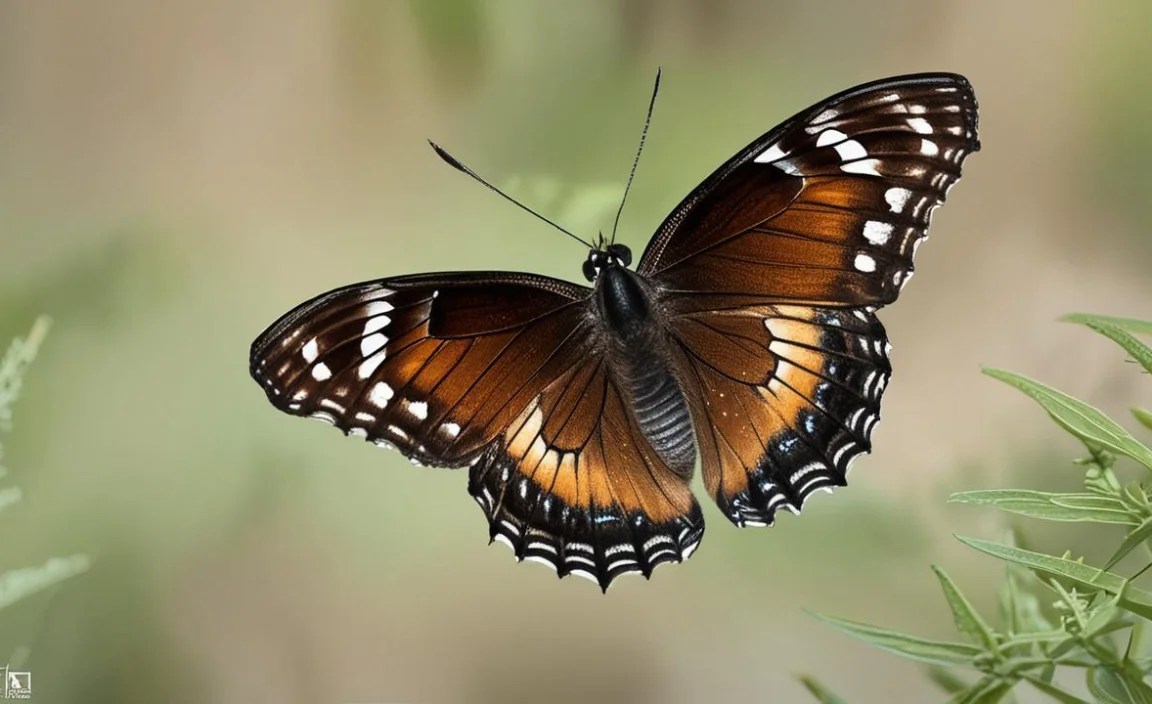
The Common Crow Butterfly (Euploea core) is a member of the Nymphalidae family, also known as the brush-footed butterflies. It’s found across a wide range, including India, Southeast Asia, and Australia. This butterfly is known for its striking resemblance to other toxic butterfly species, a clever survival strategy known as mimicry. Its slow, gliding flight makes it easy to observe, and it’s a favorite among butterfly enthusiasts and gardeners alike.
Identification
Identifying the Common Crow Butterfly is relatively straightforward due to its distinct appearance.
- Wings: The wings are typically a dark brown or black color with white spots along the margins and scattered across the surface.
- Size: The wingspan ranges from 8 to 10 cm (3.1 to 3.9 inches).
- Body: The body is dark, matching the wing color, with subtle white markings.
- Distinguishing Features: Look for the consistent pattern of white spots and the overall dark coloration. Males often have a brand (a patch of specialized scales) on their forewings.
Habitat and Distribution
The Common Crow Butterfly thrives in diverse habitats, including:
- Gardens
- Open woodlands
- Coastal areas
- Urban environments
Its wide distribution across India, Southeast Asia, and Australia reflects its adaptability. It is commonly seen in areas with plenty of flowering plants and host plants for its larvae.
Life Cycle
Understanding the life cycle of the Common Crow Butterfly can help you appreciate its journey from a tiny egg to a beautiful butterfly.
- Egg: The female butterfly lays small, oval eggs on the leaves of host plants.
- Larva (Caterpillar): The caterpillar emerges and feeds voraciously on the host plant leaves. It is typically dark in color with distinctive markings.
- Pupa (Chrysalis): The caterpillar transforms into a pupa, also known as a chrysalis. This stage is a period of significant transformation inside a protective shell.
- Adult Butterfly: The butterfly emerges from the pupa, ready to reproduce and continue the cycle.
Attracting Common Crow Butterflies to Your Garden

Inviting these beautiful butterflies to your garden is a rewarding experience. Here’s how you can create a butterfly-friendly haven:
Plant Host Plants
Host plants are essential as they provide food for the caterpillars. Some popular choices include:
- Oleander (Nerium oleander)
- Frangipani (Plumeria)
- Milkweed (Asclepias)
Planting these will encourage the butterflies to lay eggs in your garden, ensuring a continuous cycle of new butterflies.
Provide Nectar Sources
Adult butterflies feed on nectar from flowers. Choose plants that offer a rich source of nectar, such as:
- Lantana
- Hibiscus
- Pentas
- Zinnias
Select a variety of flowering plants to ensure a continuous supply of nectar throughout the butterfly season.
Create a Butterfly-Friendly Environment
Butterflies need more than just food. Consider these factors to make your garden an ideal habitat:
- Sunlight: Butterflies need sunlight to warm their bodies. Ensure your garden has sunny spots where they can bask.
- Shelter: Provide shelter from wind and rain with shrubs and trees.
- Water Source: A shallow dish of water with pebbles for the butterflies to land on can be a lifesaver, especially during dry periods.
- Avoid Pesticides: Pesticides can harm or kill butterflies and caterpillars. Opt for organic gardening methods to protect them.
The Importance of Mimicry

Mimicry is a fascinating evolutionary strategy that plays a crucial role in the survival of the Common Crow Butterfly.
Batesian Mimicry
The Common Crow Butterfly exhibits Batesian mimicry, where a harmless species evolves to resemble a harmful one. In this case, it mimics other Crow butterflies (genus Euploea), which are toxic due to the chemicals they ingest from their host plants. Predators that have learned to avoid the toxic Crow butterflies also avoid the Common Crow, giving it a survival advantage.
How Mimicry Works
The resemblance between the Common Crow and its toxic counterparts is striking. This visual similarity fools predators, such as birds, into thinking the Common Crow is also poisonous. This reduces the likelihood of the Common Crow being eaten, helping it to survive and reproduce.
Conservation Status and Threats
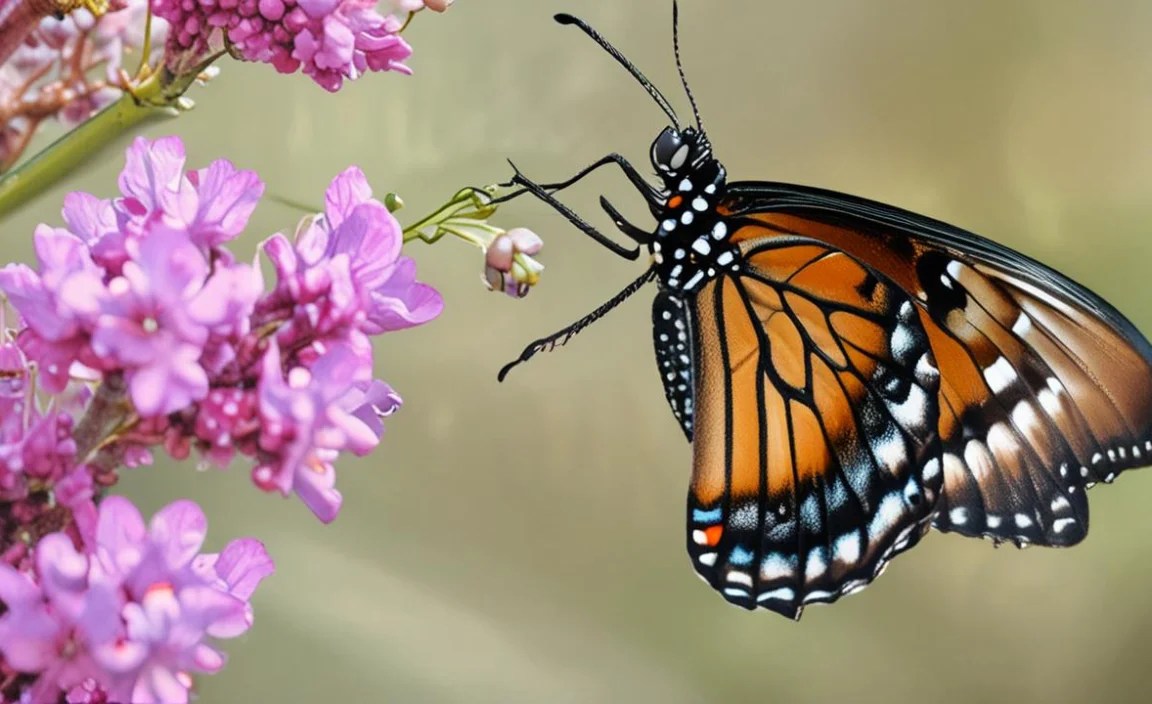
While the Common Crow Butterfly is not currently listed as endangered, it faces several threats that could impact its populations.
Habitat Loss
The destruction of natural habitats due to urbanization, agriculture, and deforestation is a significant threat. As habitats disappear, so do the host plants and nectar sources that the butterflies depend on.
Pesticide Use
The widespread use of pesticides in agriculture and gardens can harm or kill butterflies and caterpillars. Even if the pesticides don’t directly kill them, they can reduce the availability of food and disrupt their life cycle.
Climate Change
Changes in climate patterns can affect the timing of butterfly life cycles and the availability of host plants. Extreme weather events, such as droughts and floods, can also devastate butterfly populations.
Conservation Efforts
Several steps can be taken to protect the Common Crow Butterfly and its habitats:
- Habitat Preservation: Protecting and restoring natural habitats is crucial. This includes preserving forests, grasslands, and wetlands.
- Sustainable Agriculture: Promoting sustainable agricultural practices that reduce pesticide use and protect butterfly habitats.
- Butterfly Gardens: Creating butterfly-friendly gardens in urban and suburban areas can provide much-needed habitat and food sources.
- Education and Awareness: Raising awareness about the importance of butterflies and their conservation needs can inspire people to take action.
Interesting Facts About the Common Crow Butterfly

Here are some fascinating facts about the Common Crow Butterfly that you might not know:
- Migration: Some populations of the Common Crow Butterfly are known to migrate, especially in response to seasonal changes or resource availability.
- Sexual Dimorphism: Males and females have slight differences. Males often have a brand (a patch of specialized scales) on their forewings, which is used to attract females during courtship.
- Flight Pattern: The Common Crow Butterfly is known for its slow, gliding flight, which is a characteristic trait that makes it easy to identify.
- Host Plant Specificity: While they can use a variety of host plants, they often show a preference for certain species, such as oleander and milkweed.
- Ecological Role: As pollinators, they play a vital role in plant reproduction and contribute to the health of ecosystems.
Common Crow Butterfly and Culture
Butterflies, in general, hold significant cultural and symbolic meanings across different societies. The Common Crow Butterfly is no exception.
Symbolism
In many cultures, butterflies symbolize transformation, rebirth, and hope. Their life cycle, from a humble caterpillar to a beautiful butterfly, embodies the idea of change and renewal.
Cultural Significance
In some cultures, butterflies are seen as messengers from the spirit world. They may represent the souls of departed loved ones or bring messages of guidance and inspiration.
Art and Literature
Butterflies have long been a source of inspiration for artists and writers. They appear in paintings, poems, and stories, often used to represent beauty, freedom, and the ephemeral nature of life.
Resources for Further Learning
If you’re eager to learn more about the Common Crow Butterfly and other fascinating insects, here are some valuable resources:
- The Xerces Society: A non-profit organization dedicated to protecting invertebrates and their habitats.
- National Geographic: Offers a wealth of information on wildlife, ecosystems, and conservation.
- Smithsonian Institution: Provides access to scientific research, educational resources, and museum collections.
- Butterfly identification guides and field books specific to your region.
Frequently Asked Questions
Here are some common questions about the Common Crow Butterfly:
What do Common Crow Butterfly caterpillars eat?
Common Crow Butterfly caterpillars primarily eat the leaves of host plants such as oleander, frangipani, and milkweed. These plants contain chemicals that make the caterpillars (and subsequently the butterflies) unpalatable to predators.
Are Common Crow Butterflies poisonous?
While not poisonous in the strictest sense, Common Crow Butterflies are unpalatable to predators because their caterpillars feed on toxic host plants. This makes them less likely to be eaten.
How long do Common Crow Butterflies live?
The lifespan of a Common Crow Butterfly varies, but they typically live for several weeks to a few months as adults, depending on environmental conditions and the availability of resources.
How can I tell the difference between male and female Common Crow Butterflies?
Males often have a brand (a patch of specialized scales) on their forewings, which is used to attract females during courtship. Females generally lack this feature.
What is the best time of year to see Common Crow Butterflies?
The best time to see Common Crow Butterflies depends on your location, but they are generally most active during the warmer months when host plants and nectar sources are abundant.
Do Common Crow Butterflies migrate?
Some populations of Common Crow Butterflies are known to migrate, especially in response to seasonal changes or resource availability.
What should I do if I find a Common Crow Butterfly caterpillar in my garden?
If you find a Common Crow Butterfly caterpillar, consider planting more of its host plants to provide it with ample food. Avoid using pesticides, as they can harm or kill the caterpillar.
Conclusion
The Common Crow Butterfly is more than just a pretty insect; it’s a testament to the wonders of nature and the power of adaptation. From its clever mimicry to its vital role as a pollinator, this butterfly is a fascinating subject for nature lovers of all ages. By creating butterfly-friendly gardens, supporting conservation efforts, and spreading awareness, we can help ensure that the Common Crow Butterfly continues to grace our landscapes for generations to come. So, next time you see one of these beautiful creatures gliding by, take a moment to appreciate its beauty and the important role it plays in our world. Happy butterfly watching!


