
Painted Lady Butterfly Care Guide USA: Easy Tips!

Do you love butterflies? Have you ever wanted to raise your own? It is a fun and amazing experience! This painted lady butterfly care guide USA will help you. You can learn how to care for these beautiful creatures. Get ready to watch them grow and fly!
Butterflies are not just pretty. They also help our world. They move pollen from flower to flower. This helps plants make seeds and grow more plants. Taking care of butterflies is good for everyone.
Raising butterflies can teach you a lot. You will learn about nature and life cycles. It is also a great way to learn about science. This guide will show you everything you need to know. Let’s get started on your butterfly adventure!
Key Takeaways
- Painted lady butterfly care guide USA includes providing the right food for caterpillars.
- Keep their habitat clean to prevent sickness and help them thrive.
- Make sure their habitat has good airflow and isn’t too humid.
- After they become butterflies, give them nectar and fruit to eat.
- Release your butterflies into a safe, suitable outdoor environment.
Creating a Butterfly Habitat USA
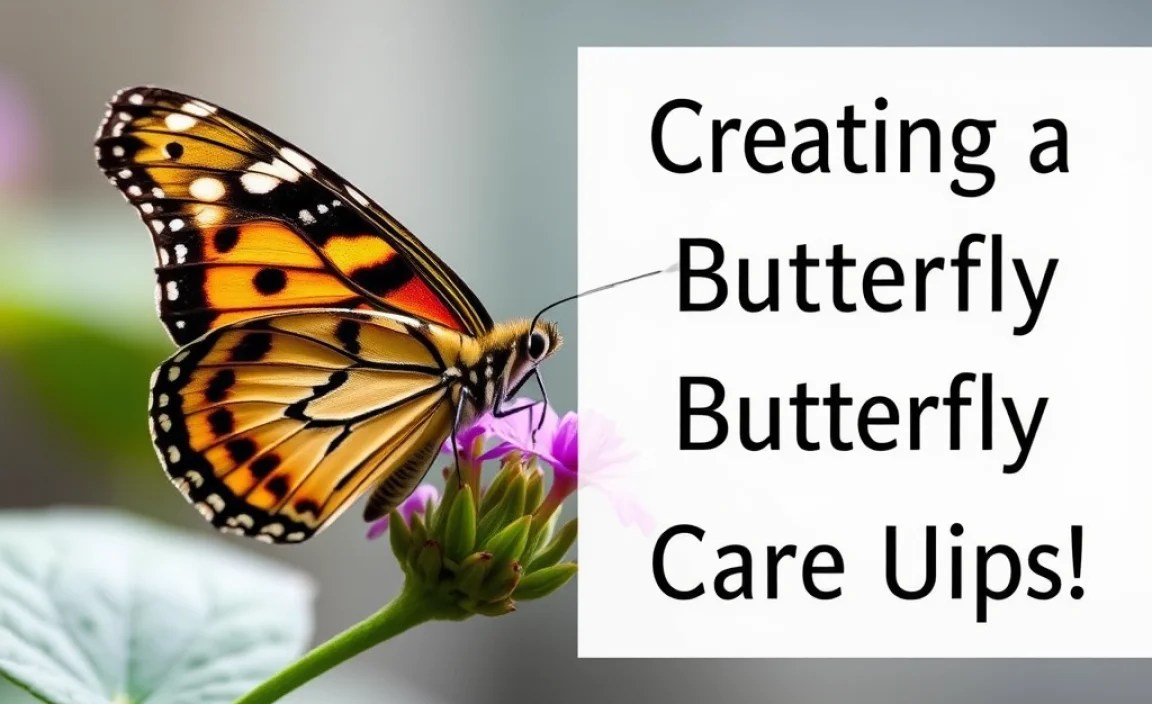
Creating the perfect habitat is key for painted lady butterfly care guide USA. Your caterpillars need a safe and comfy home. A good habitat keeps them healthy and happy. You can buy a butterfly kit or make your own. Make sure it has enough space for them to move around. It should also be easy to clean. Caterpillars eat a lot, so cleaning is important. A mesh cage works well because it lets air in. This helps to keep the habitat fresh. Add some plants that caterpillars can climb on. This makes them feel more at home. Remember, a happy caterpillar becomes a beautiful butterfly. Always use safe materials.
- Use a mesh cage for good airflow.
- Add plants for climbing and hiding.
- Clean the habitat every day to remove waste.
- Keep the habitat away from direct sunlight.
- Make sure the habitat is secure to prevent escapes.
The right habitat also protects caterpillars from harm. Keep it away from pets and small children. They might accidentally hurt the caterpillars. Check the habitat often for any problems. Look for mold, pests, or other issues. Fix them quickly to keep your caterpillars safe. A good habitat is a safe space. It lets caterpillars grow without stress. This helps them become strong, healthy butterflies. Remember, you are creating a little world for them. Make it the best it can be. Follow this painted lady butterfly care guide USA and your butterflies will love their home.
How Big Should the Habitat Be?
How much space do caterpillars need? It depends on how many you have. A small group needs less space. A larger group needs more room to move. A good rule is to have at least one gallon of space per caterpillar. This gives them enough room to crawl and eat. Overcrowding can cause stress and sickness. Make sure they have plenty of space. This helps them stay healthy and happy. Think about how big they will get. Caterpillars grow quickly. They need enough space as they get bigger. A larger habitat is always better than a small one. This gives them room to explore and grow.
What Kind of Plants Should I Use?
What plants are best for a butterfly habitat? Painted lady caterpillars love certain plants. These plants are their main food source. Some good choices are thistle, mallow, and sunflower. You can find these plants at garden stores. You can also grow them from seeds. Make sure the plants are safe for caterpillars. Avoid using any pesticides or chemicals. These can harm or kill them. Wash the plants before putting them in the habitat. This removes any dirt or unwanted bugs. Fresh, clean plants will keep your caterpillars happy and healthy. They will have plenty to eat and a place to climb.
How Do I Keep the Habitat Clean?
Keeping the habitat clean is very important. Caterpillars make a lot of waste. This waste can cause mold and bacteria to grow. Clean the habitat every day to remove waste. Use a small brush or a paper towel. Gently remove any droppings or old food. Change the plants regularly to keep them fresh. Wash the habitat with soap and water once a week. Make sure to rinse it well and let it dry. A clean habitat prevents sickness and keeps your caterpillars healthy. It also makes the habitat a nicer place to live. This will help them grow into beautiful butterflies.
Fun Fact or Stat: A painted lady butterfly can fly up to 100 miles in a single day during migration!
Feeding Caterpillars Properly
Proper feeding is important in painted lady butterfly care guide USA. Caterpillars need the right food to grow big and strong. They eat a lot, so always have fresh food available. Painted lady caterpillars love thistle and mallow plants. You can buy these plants or grow them yourself. Make sure the plants are pesticide-free. Pesticides can harm or kill the caterpillars. Place the plants in the habitat. The caterpillars will start eating them right away. Replace the plants as they get eaten. Always have a fresh supply of food. This ensures the caterpillars get enough to eat. A well-fed caterpillar is a happy caterpillar. And a happy caterpillar becomes a beautiful butterfly!
- Provide fresh thistle or mallow plants daily.
- Make sure the plants are pesticide-free.
- Replace the plants as they get eaten.
- Keep the food supply constant.
- Avoid giving them other types of food.
Do not feed caterpillars anything other than their natural food. They cannot digest other foods. This can make them sick or even kill them. Stick to thistle and mallow plants. These are the best foods for painted lady caterpillars. Watch the caterpillars as they eat. Make sure they are getting enough food. If they are not eating, try a different plant. Sometimes they can be picky. Keep trying until you find something they like. Proper feeding is key to their growth and health. Follow this painted lady butterfly care guide USA. Your caterpillars will thrive with the right food.
How Much Should Caterpillars Eat?
How much should caterpillars eat each day? Caterpillars eat a lot! They need to grow quickly. They can eat several times their own weight in food each day. Always make sure they have plenty of fresh plants. Watch them to see how much they are eating. If they are eating all the plants, add more. If they are not eating much, try a different plant. Caterpillars know when they are full. They will stop eating when they have had enough. Just make sure there is always food available. This will help them grow big and strong. Remember, they are preparing to become butterflies.
What If I Can’t Find Thistle or Mallow?
What if you cannot find thistle or mallow plants? This can be a problem. These plants are the best food for painted lady caterpillars. You can try looking online. Many websites sell these plants. You can also check with local garden stores. They might have them in stock. If you still cannot find them, you can try a substitute. Some people use other plants like sunflower leaves. However, these are not as good as thistle or mallow. Do your best to find the right plants. This will give your caterpillars the best chance to grow.
Can I Give Caterpillars Water?
Do caterpillars need water? They get most of their water from the plants they eat. The plants are full of moisture. This keeps the caterpillars hydrated. You do not need to give them extra water. In fact, giving them water can be harmful. They can drown in a small dish of water. Just make sure their plants are fresh and moist. This will give them all the water they need. A healthy caterpillar is a hydrated caterpillar. Keep their plants fresh and they will be happy. This is an important part of painted lady butterfly care guide USA.
Fun Fact or Stat: Caterpillars can increase their weight by over 1,000 times in just a few weeks!
Understanding the Chrysalis Stage
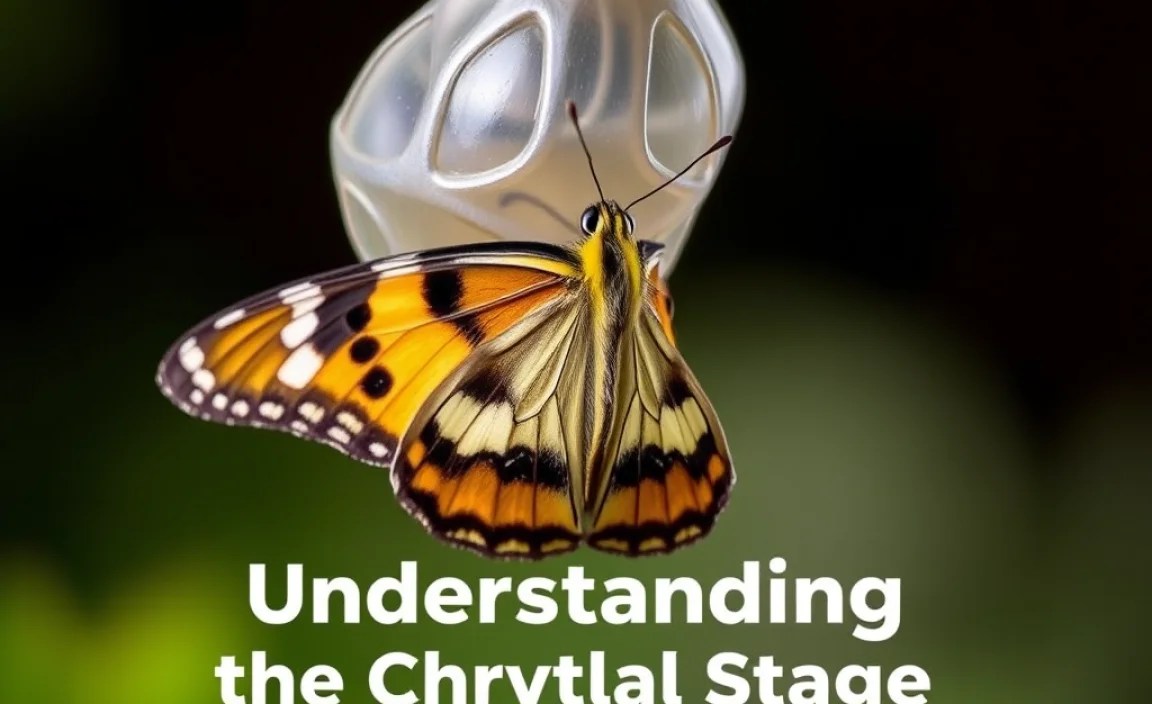
The chrysalis stage is a big part of painted lady butterfly care guide USA. This is when the caterpillar transforms into a butterfly. The caterpillar hangs upside down in a J-shape. It then sheds its skin one last time. Underneath is a hard, green shell called a chrysalis. Inside, the caterpillar is changing. It is turning into a butterfly. This process takes about one to two weeks. During this time, do not touch or move the chrysalis. It is very delicate. Keep the habitat in a safe place. Watch and wait patiently. Soon, a beautiful butterfly will emerge. This is one of the most amazing parts of raising butterflies!
- Do not touch or move the chrysalis.
- Keep the habitat in a safe place.
- Maintain humidity by misting lightly.
- Watch and wait patiently for the butterfly.
- The transformation takes about 1–2 weeks.
The chrysalis might change color during this time. It might turn brown or black. This is normal. It does not mean something is wrong. The butterfly is just getting ready to emerge. You might see the butterfly’s wings through the shell. This means it is almost time. Be patient and keep watching. Soon, the shell will crack open. The butterfly will come out slowly. It will be wet and crumpled. This is also normal. The butterfly needs time to dry its wings. Do not help it. Let it do it on its own. This is an important part of the process.
What Does the Chrysalis Look Like?
What does the chrysalis look like? It is usually green or brown. It is hard and smooth. It is shaped like a teardrop. It hangs upside down from a leaf or the top of the habitat. The chrysalis might have small spots or stripes. These are just part of its design. The chrysalis is a protective shell. It keeps the caterpillar safe while it changes. Look closely at the chrysalis. You might see the outline of the butterfly inside. This is a sign that it is almost ready to emerge. The chrysalis is a beautiful and amazing thing.
How Long Does the Chrysalis Stage Last?
How long does the chrysalis stage last? It usually lasts about one to two weeks. This can vary depending on the temperature. Warmer temperatures can speed up the process. Cooler temperatures can slow it down. Be patient and wait. The butterfly will emerge when it is ready. Do not try to rush it. Just keep the habitat in a safe place. Check on it every day. You do not want to miss the moment when the butterfly comes out. This is a special and exciting event.
What If the Chrysalis Falls Down?
What if the chrysalis falls down? This can happen sometimes. The silk that holds it up might break. If this happens, do not panic. You can try to reattach it. Use a small piece of tape or glue. Gently stick the chrysalis to a leaf or the top of the habitat. Make sure it is hanging upside down. If you cannot reattach it, you can place it on a soft surface. A paper towel or a piece of foam works well. The butterfly can still emerge even if the chrysalis is on the ground. Just make sure it is in a safe place.
Fun Fact or Stat: The word “chrysalis” comes from the Greek word for gold, because some chrysalises have a golden color!
Caring for Adult Butterflies

Caring for adult butterflies is the final step in painted lady butterfly care guide USA. Once the butterfly emerges, it needs special care. The first thing it will do is dry its wings. This can take a few hours. Do not touch the butterfly during this time. Let it do it on its own. Once its wings are dry, it will be ready to fly. Now you need to provide food for the butterfly. Butterflies eat nectar. You can make your own nectar solution. Mix water and sugar. Place it in a shallow dish with a sponge or cotton ball. The butterfly will drink the nectar. You can also give them pieces of fruit.
- Provide a nectar solution for food.
- Offer pieces of fruit like watermelon or oranges.
- Keep the habitat clean to prevent mold.
- Make sure the butterfly has room to fly.
- Mist the habitat with water for humidity.
Keep the butterfly habitat clean. Remove any old fruit or nectar. Replace the food every day. This will prevent mold and bacteria from growing. Butterflies also need water. Mist the habitat with water every day. This will give them a place to drink. Make sure the habitat has enough space for the butterfly to fly. They need to exercise their wings. A larger habitat is better than a small one. Follow these tips. Your butterflies will live long and happy lives. This is the best way to enjoy your painted lady butterfly care guide USA journey.
How Do I Make Nectar for Butterflies?
How do you make nectar for butterflies? It is very easy. You only need two things: water and sugar. Mix them together in a bowl. Use one part sugar and four parts water. Stir until the sugar is dissolved. That’s it! Your nectar is ready. Place the nectar in a shallow dish. Add a sponge or cotton ball. This will give the butterflies a place to land while they drink. Replace the nectar every day. This will keep it fresh and prevent mold. Your butterflies will love this sweet treat.
What Kind of Fruit Do Butterflies Like?
What kind of fruit do butterflies like? They like sweet, juicy fruits. Some good choices are watermelon, oranges, and grapes. Cut the fruit into small pieces. Place them in the butterfly habitat. Make sure the fruit is fresh. Remove any old fruit every day. This will prevent mold. Butterflies will land on the fruit and drink the juice. This gives them energy to fly. Offer a variety of fruits. This will give them a balanced diet. Your butterflies will thank you.
How Do I Keep the Butterfly Habitat Humid?
How do you keep the butterfly habitat humid? Butterflies need humidity to stay healthy. Dry air can damage their wings. You can mist the habitat with water every day. Use a spray bottle to mist the plants and the air. Do not spray the butterflies directly. Just mist around them. You can also place a wet sponge in the habitat. This will add moisture to the air. Check the humidity level regularly. You can use a hygrometer to measure the humidity. Aim for a humidity level of 50–70%. This will keep your butterflies happy and healthy.
Fun Fact or Stat: Butterflies taste with their feet!
Releasing Butterflies Into the Wild

Releasing butterflies is a rewarding part of painted lady butterfly care guide USA. When your butterflies are ready, it’s time to set them free. Choose a warm, sunny day. Make sure there are flowers nearby. Butterflies need nectar to survive. Release them in a safe place. Away from roads and predators. Gently take the butterfly outside. Let it fly out of your hand. Watch it soar into the sky. It is a beautiful and amazing moment. You have helped a butterfly live its life. This is a great way to give back to nature.
- Choose a warm, sunny day for release.
- Release them near flowers for food.
- Avoid releasing them near roads or predators.
- Gently let them fly out of your hand.
- Enjoy the moment as they fly away.
Before you release your butterflies, make sure they are healthy. They should be able to fly well. Their wings should be fully formed. If a butterfly seems weak or sick, do not release it. Keep it in the habitat and care for it. Once it is healthy, you can release it. Releasing butterflies helps the environment. They pollinate flowers and help plants grow. It is a small thing you can do to make a big difference. Enjoy this special moment. You have completed your painted lady butterfly care guide USA journey.
When Is the Best Time to Release Butterflies?
When is the best time to release butterflies? The best time is in the late morning or early afternoon. The sun is warm and the butterflies are active. Avoid releasing them in the evening or at night. They will not be able to find food or shelter. Check the weather forecast before you release them. Make sure it will be a sunny day. If it is raining or cloudy, wait for a better day. The butterflies will have a better chance of survival if the weather is good.
Where Is the Best Place to Release Butterflies?
Where is the best place to release butterflies? Choose a place with lots of flowers. Butterflies need nectar to survive. Parks, gardens, and meadows are good choices. Avoid releasing them near busy roads. They could get hit by cars. Also, avoid releasing them near predators. Birds and other animals might eat them. Find a safe, natural place where they can thrive. This will give them the best chance of survival. Think about where you would want to live if you were a butterfly.
Can I Release Butterflies in the Winter?
Can you release butterflies in the winter? No, you should not release them in the winter. It is too cold for them to survive. They need warm weather and flowers to find food. If you raise butterflies in the winter, keep them inside. Provide them with nectar and fruit. Wait until the spring to release them. This will give them the best chance of survival. Releasing them in the winter is not a good idea. It is better to wait until the weather is warmer.
Fun Fact or Stat: Some people believe releasing butterflies brings good luck!
Troubleshooting Common Problems
Even with the best painted lady butterfly care guide USA, problems can arise. Sometimes things go wrong. Caterpillars might get sick. Butterflies might have trouble emerging. It is important to know how to troubleshoot these problems. This will help you save your butterflies. One common problem is caterpillars not eating. This could be because the food is not fresh. Or it could be because the caterpillars are sick. Another problem is butterflies not flying. This could be because their wings are damaged. Or it could be because they are too cold. Knowing how to fix these problems can make a big difference.
| Problem | Possible Cause | Solution |
|---|---|---|
| Caterpillars not eating | Food not fresh, caterpillars sick | Provide fresh food, check for signs of illness |
| Butterflies not flying | Damaged wings, too cold | Ensure habitat is warm, check wings for damage |
| Chrysalis falling down | Silk breaking | Reattach with tape or glue, place on soft surface |
| Mold in habitat | Too much moisture, not enough ventilation | Clean habitat, improve airflow |
Do not give up if you encounter problems. Every problem has a solution. Sometimes you just need to do some research. Look online or ask for help from other butterfly enthusiasts. There are many resources available. The most important thing is to stay calm and patient. Butterflies are delicate creatures. They need your help to survive. With a little care and attention, you can overcome any challenge. Following this painted lady butterfly care guide USA will help. You can ensure your butterflies thrive.
What If My Caterpillars Are Not Eating?
What if your caterpillars are not eating? This can be a sign of a problem. First, check the food. Is it fresh? Caterpillars will not eat old, wilted plants. Replace the food with fresh plants. If the food is fresh, check the caterpillars. Are they moving around? Are they pooping? If they are not moving or pooping, they might be sick. Isolate the sick caterpillars from the healthy ones. This will prevent the sickness from spreading. Contact a butterfly expert for advice. They can help you diagnose the problem.
What If My Butterfly Can’t Fly?
What if your butterfly cannot fly? This is another common problem. First, check its wings. Are they damaged? Sometimes the wings can get torn or crumpled. If the wings are damaged, there is not much you can do. The butterfly might not be able to fly. If the wings are not damaged, check the temperature. Butterflies need warmth to fly. Make sure the habitat is warm enough. You can use a heat lamp to warm it up. Be careful not to overheat the habitat.
What If There Is Mold in the Habitat?
What if there is mold in the habitat? Mold is a sign that the habitat is too moist. It can also be a sign that it is not clean enough. Clean the habitat right away. Remove any moldy plants or food. Wash the habitat with soap and water. Make sure to rinse it well. Improve the ventilation in the habitat. This will help to reduce the moisture. Do not overwater the plants. Keep the habitat clean and dry. This will prevent mold from growing. A clean habitat is a healthy habitat.
Fun Fact or Stat: Butterflies can sometimes pretend to be dead to avoid predators!
Documenting the Butterfly Life Cycle
Documenting the butterfly life cycle is a fun part of painted lady butterfly care guide USA. Keeping a journal or taking photos can help you remember the experience. You can track the growth of the caterpillars. Note when they shed their skin. Record the date they form their chrysalises. Take pictures of the butterflies when they emerge. Share your photos and stories with others. This can help them learn about butterflies. It is also a great way to remember your butterfly adventure. You can create a scrapbook or a video. The possibilities are endless.
- Keep a journal to track progress.
- Take photos of each stage.
- Record dates of important events.
- Share your experiences with others.
- Create a scrapbook or video.
Documenting the life cycle can also help you learn. You can study the changes that happen at each stage. You can research the science behind the transformation. You can learn about the butterfly’s habitat and food. This can help you become a better butterfly caretaker. It is also a great way to teach others about nature. Share your knowledge and inspire others to care about butterflies. This is a valuable contribution to the environment. Your painted lady butterfly care guide USA can help you create memories that last a lifetime.
What Should I Include in My Butterfly Journal?
What should you include in your butterfly journal? Start with the date you got your caterpillars. Write down their size and color. Describe what they eat. Note how much they eat each day. Record when they shed their skin. Write down any changes you see in their behavior. When they form their chrysalises, note the date and time. Describe the chrysalis. When the butterflies emerge, record the date and time. Describe the butterflies. Write down their colors and patterns.
How Can I Take Good Photos of Butterflies?
How can you take good photos of butterflies? Use a good camera or smartphone. Get close to the butterflies. Focus on their wings. Capture their colors and patterns. Use natural light. Avoid using a flash. This can scare the butterflies. Take lots of photos. This will increase your chances of getting a good one. Be patient. Butterflies move quickly. It might take some time to get the perfect shot. Share your photos with others.
How Can I Share My Butterfly Story?
How can you share your butterfly story? There are many ways to share your story. You can create a scrapbook. You can make a video. You can write a blog post. You can share your photos on social media. You can talk to your friends and family. You can teach a class about butterflies. You can volunteer at a butterfly garden. The possibilities are endless. Sharing your story can inspire others to care about butterflies. It can also help you remember your butterfly adventure.
Fun Fact or Stat: There are butterfly gardens all over the USA where you can see many different species!
Summary
This painted lady butterfly care guide USA has covered everything you need to know. You learned how to create a habitat. You learned how to feed caterpillars. You discovered the wonders of the chrysalis stage. You learned how to care for adult butterflies. You now know how to release them into the wild. You also learned how to troubleshoot common problems.
Raising butterflies is a rewarding experience. It teaches you about nature and life cycles. It also helps the environment. Butterflies pollinate flowers and help plants grow. By following this painted lady butterfly care guide USA, you can successfully raise butterflies. You can also share your knowledge with others. This will help them learn about these amazing creatures.
Conclusion
Raising painted lady butterflies is a fun and educational activity. You learned about their life cycle. You also learned how to care for them. You can now create a butterfly habitat. You can feed the caterpillars and watch them grow. You can witness the amazing transformation in the chrysalis. You can care for the adult butterflies and release them into the wild. By following this painted lady butterfly care guide USA, you can have a successful and rewarding experience.
Frequently Asked Questions
Question No 1: What do painted lady caterpillars eat?
Answer: Painted lady caterpillars primarily eat thistle and mallow plants. These plants provide the necessary nutrients for their growth. You can usually find these plants at local garden centers or online. Make sure the plants are pesticide-free. Pesticides can be harmful to the caterpillars. Always provide a fresh supply of these plants. This ensures the caterpillars have enough to eat. If you cannot find thistle or mallow, some people use sunflower leaves as a substitute. However, thistle and mallow are the best options for healthy growth. This is an important part of painted lady butterfly care guide USA.
Question No 2: How often should I clean the butterfly habitat?
Answer: You should clean the butterfly habitat every day. Caterpillars produce a lot of waste. This waste can lead to mold and bacteria growth. Use a small brush or paper towel to remove droppings and old food. Change the plants regularly to keep them fresh. Once a week, wash the entire habitat with soap and water. Rinse it well and let it dry completely before putting the caterpillars back. A clean habitat prevents sickness and keeps your caterpillars healthy. This is a key step in painted lady butterfly care guide USA. A clean environment promotes healthy development.
Question No 3: How long does it take for a caterpillar to become a butterfly?
Answer: The entire process, from caterpillar to butterfly, takes about three to four weeks. The caterpillar stage lasts about two weeks. During this time, the caterpillar will eat and grow. Then, it forms a chrysalis. The chrysalis stage lasts about one to two weeks. Inside the chrysalis, the caterpillar transforms into a butterfly. Once the butterfly emerges, it will need a few hours to dry its wings. After that, it will be ready to fly. This timeline can vary depending on temperature and other factors. Be patient and enjoy the process.
Question No 4: What do adult painted lady butterflies eat?
Answer: Adult painted lady butterflies eat nectar. Nectar is a sweet liquid produced by flowers. You can make your own nectar solution. Mix one part sugar with four parts water. Place the solution in a shallow dish with a sponge or cotton ball. The butterflies will land on the sponge and drink the nectar. You can also offer them pieces of fruit, such as watermelon or oranges. These fruits provide additional nutrients and moisture. Replace the nectar and fruit every day to keep them fresh. This is essential for their energy and survival.
Question No 5: How do I know when to release the butterflies?
Answer: You will know when to release the butterflies when they are fully formed and able to fly well. Their wings should be completely dry and undamaged. They should be able to fly around the habitat with ease. Choose a warm, sunny day for the release. Make sure there are flowers nearby. Release them in a safe place, away from roads and predators. Gently let them fly out of your hand. It is a beautiful and rewarding experience. Following this painted lady butterfly care guide USA ensures a successful release.
Question No 6: What if the chrysalis falls down?
Answer: If the chrysalis falls down, do not panic. This can happen if the silk that holds it up breaks. You can try to reattach it. Use a small piece of tape or glue. Gently stick the chrysalis to a leaf or the top of the habitat. Make sure it is hanging upside down. If you cannot reattach it, you can place it on a soft surface. A paper towel or piece of foam works well. The butterfly can still emerge even if the chrysalis is on the ground. Just make sure it is in a safe place and this painted lady butterfly care guide USA will help you more.


