
American Lady Butterfly Guide: Easy ID Tips

The American Lady Butterfly is a beautiful, common butterfly found all across North America. It’s known for its bright orange wings with black and white spots. This guide will help you identify this butterfly, learn about its life cycle, and discover how to attract it to your garden.
Have you ever seen a flash of orange in your garden and wondered what it was? Chances are, it might have been an American Lady butterfly! These lovely creatures are common sights in fields and gardens. But identifying them can sometimes be tricky.
Don’t worry! This guide will walk you through everything you need to know about the American Lady. You’ll learn how to spot them, understand their fascinating life cycle, and even create a butterfly-friendly habitat in your own backyard. Let’s get started and uncover the secrets of the American Lady!
What is an American Lady Butterfly?

The American Lady butterfly (Vanessa virginiensis) is a medium-sized butterfly easily recognized by its distinctive wing patterns. It belongs to the Nymphalidae family, which includes other well-known butterflies like monarchs and admirals.
Key Identification Features
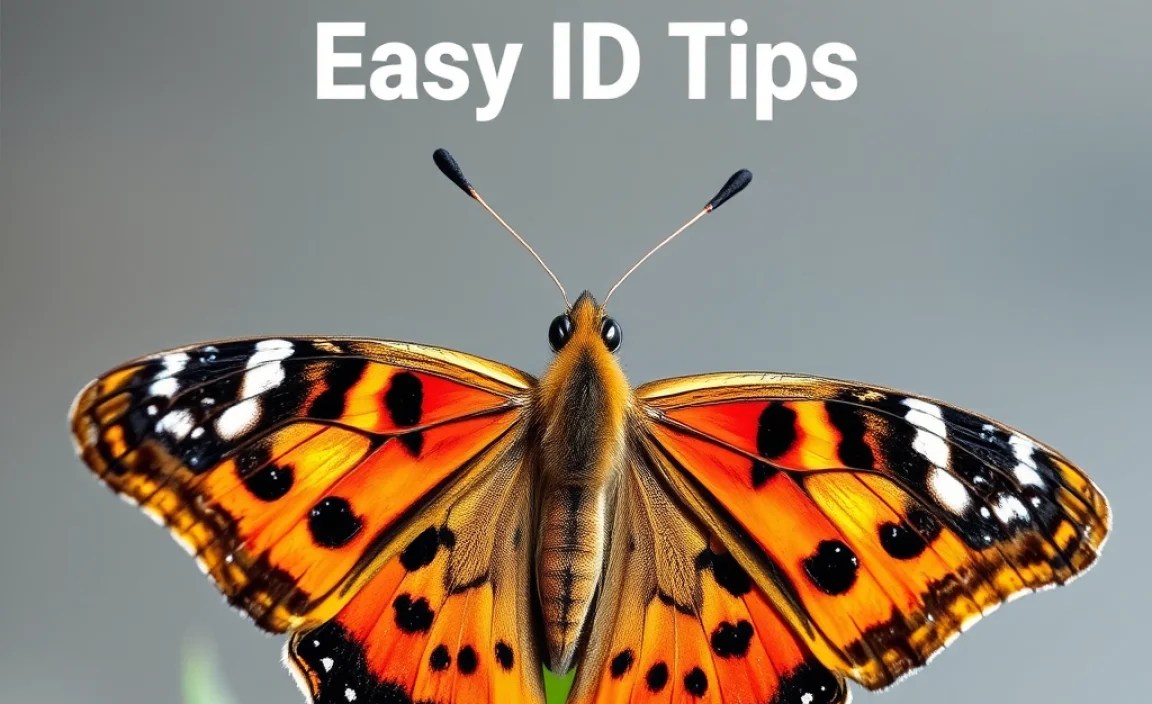
Identifying an American Lady involves looking closely at its wings. Here are the main things to look for:
- Size: Wingspan of 1.75 to 2.25 inches (4.4 to 5.7 cm).
- Color: Predominantly orange on the upper side of the wings.
- Forewings: Black tips with white spots.
- Hindwings: Two large blue spots on the underside, along with black spots surrounded by orange halos. This is a key feature that distinguishes it from the similar Painted Lady.
Distinguishing American Lady from Painted Lady
The American Lady is often confused with the Painted Lady (Vanessa cardui). Here’s a simple comparison:
| Feature | American Lady (Vanessa virginiensis) | Painted Lady (Vanessa cardui) |
|---|---|---|
| Hindwing Spots | Two large blue spots on the underside | Four to five small spots on the underside |
| Shoulder Bar | Has a white spot on the orange bar of the forewing | Lacks the white spot |
| Habitat | Prefers moist, open areas | Found in diverse habitats, including deserts |
Life Cycle of the American Lady

The American Lady butterfly goes through a complete metamorphosis, just like all butterflies. This means it has four distinct life stages: egg, larva (caterpillar), pupa (chrysalis), and adult.
Egg Stage
The female American Lady lays her eggs singly on or near the host plant. The eggs are small, greenish, and barrel-shaped with ridges.
Larva (Caterpillar) Stage
The caterpillar is spiky and can vary in color from dark brown to black. American Lady caterpillars primarily feed on plants in the Asteraceae family, especially:
- Pearly Everlasting (Anaphalis margaritacea)
- Sweet Everlasting (Pseudognaphalium obtusifolium)
- Various Aster species
The caterpillar creates a protective shelter by folding leaves together with silk.
Pupa (Chrysalis) Stage
The caterpillar transforms into a chrysalis, which is usually brown or gray and hangs upside down from a plant stem or leaf. Inside the chrysalis, the caterpillar undergoes an amazing transformation into a butterfly.
Adult Stage
After about one to two weeks, the adult butterfly emerges from the chrysalis. The newly emerged butterfly will hang upside down for a while to allow its wings to expand and dry. Once the wings are ready, the butterfly will fly off to feed and reproduce.
Habitat and Distribution
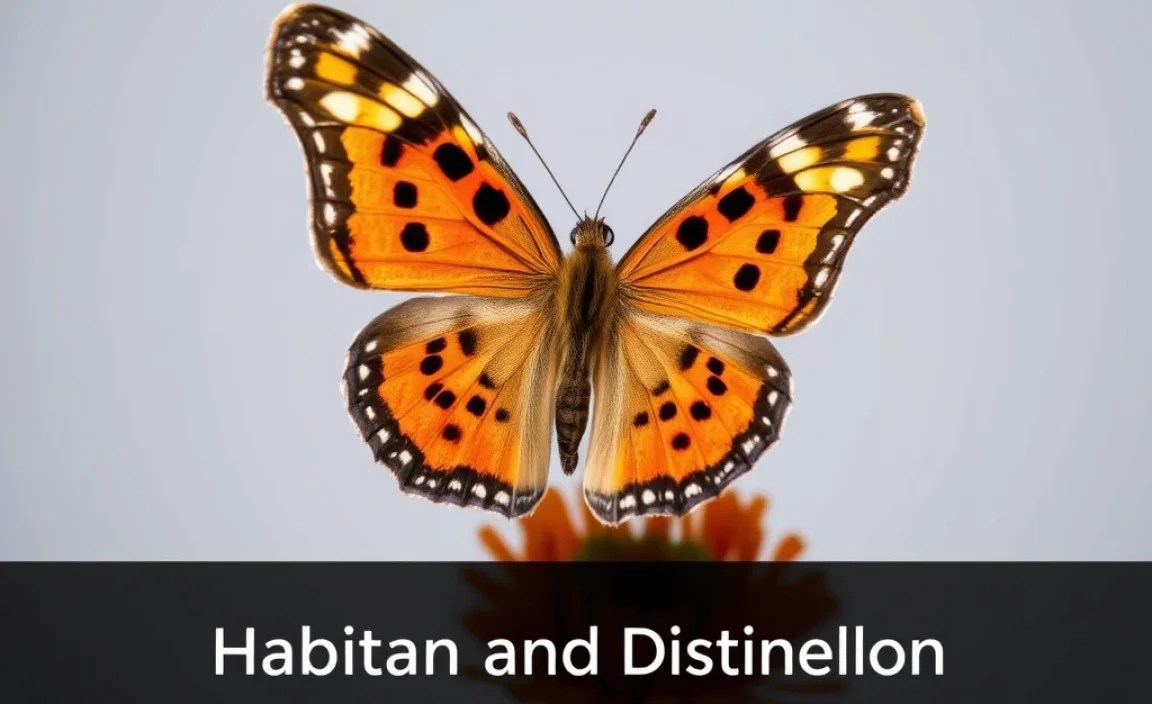
American Lady butterflies are found throughout North America, from southern Canada to northern Mexico. They are also occasionally found in parts of Europe and Asia as migrants.
Preferred Habitats
These butterflies prefer open habitats such as:
- Fields
- Meadows
- Roadsides
- Gardens
They are often seen in areas with plenty of their host plants.
Migration Patterns
While not as well-known as the Monarch, the American Lady also undertakes migratory movements. They move northward in the spring and summer, and southward in the fall to escape colder temperatures. The extent of their migration varies from year to year, depending on weather conditions and food availability. According to a study by the US Forest Service, butterfly migration is influenced by several environmental factors.
Attracting American Lady Butterflies to Your Garden

Want to see more American Lady butterflies in your backyard? Here’s how to create a butterfly-friendly garden:
Plant Host Plants
To encourage American Ladies to lay their eggs in your garden, plant their favorite host plants:
- Pearly Everlasting
- Sweet Everlasting
- Asters
Provide Nectar Sources
Adult butterflies need nectar for energy. Plant nectar-rich flowers that bloom throughout the growing season:
- Asters
- Black-Eyed Susans
- Coneflowers
- Joe-Pye Weed
- Milkweed
Offer a Water Source
Butterflies need water to stay hydrated. Provide a shallow dish of water with pebbles or stones for them to land on.
Avoid Pesticides
Pesticides can harm or kill butterflies and other beneficial insects. Avoid using pesticides in your garden.
Provide Shelter
Butterflies need shelter from wind and predators. Plant shrubs and trees to provide them with a safe place to rest.
Ecological Importance
Butterflies, including the American Lady, play an important role in the ecosystem. They are pollinators, helping to transfer pollen from one flower to another, which is essential for plant reproduction.
Pollination
As they feed on nectar, butterflies carry pollen on their bodies. When they visit another flower, they deposit the pollen, helping the plant to produce seeds and fruits. According to the Pollinator Partnership, pollinators like butterflies are crucial for maintaining biodiversity and supporting agricultural crops.
Food Source
Butterflies and their caterpillars are also a food source for other animals, such as birds, reptiles, and other insects. They are an important part of the food chain.
Conservation Status
The American Lady butterfly is not currently listed as an endangered or threatened species. However, like many butterfly species, their populations can be affected by habitat loss, pesticide use, and climate change. Supporting butterfly conservation efforts is essential for protecting these beautiful creatures and the ecosystems they inhabit.
How You Can Help
- Plant a Butterfly Garden: Create a butterfly-friendly habitat in your backyard.
- Support Conservation Organizations: Donate to organizations that work to protect butterfly habitats.
- Educate Others: Share your knowledge about butterflies with friends, family, and community members.
- Reduce Pesticide Use: Avoid using pesticides in your garden and encourage others to do the same.
American Lady Butterfly Symbolism and Cultural Significance
Butterflies, including the American Lady, have held symbolic meanings across various cultures for centuries. They often represent transformation, beauty, and the ephemeral nature of life.
Transformation and Rebirth
The butterfly’s life cycle, from a crawling caterpillar to a winged beauty, symbolizes transformation and rebirth. This symbolism resonates deeply with people undergoing significant life changes or spiritual awakenings.
Beauty and Grace
The delicate wings and vibrant colors of butterflies evoke feelings of beauty and grace. They are often seen as symbols of joy, freedom, and the appreciation of life’s simple pleasures.
Spiritual Significance
In some cultures, butterflies are believed to be messengers from the spirit world. They may represent the souls of departed loved ones or serve as guides during times of transition.
Fun Facts About American Lady Butterflies
- American Lady caterpillars create shelters by folding leaves together with silk.
- Adult American Lady butterflies can fly up to 25 miles per hour.
- They are attracted to bright colors, especially red, orange, and yellow.
- American Lady butterflies use their antennae to smell and taste the air.
- They can see ultraviolet light, which helps them find nectar sources.
Frequently Asked Questions (FAQ)
What do American Lady caterpillars eat?
American Lady caterpillars primarily feed on plants in the Asteraceae family, such as Pearly Everlasting and Sweet Everlasting.
How can I tell the difference between an American Lady and a Painted Lady?
Look at the underside of the hindwings. American Ladies have two large blue spots, while Painted Ladies have four to five smaller spots.
Do American Lady butterflies migrate?
Yes, American Lady butterflies undertake migratory movements, moving northward in the spring and summer and southward in the fall.
What kind of flowers attract American Lady butterflies?
Plant nectar-rich flowers like asters, black-eyed susans, coneflowers, and milkweed to attract adult butterflies.
How can I create a butterfly-friendly garden?
Plant host plants and nectar sources, provide a water source, avoid pesticides, and offer shelter.
Are American Lady butterflies endangered?
No, American Lady butterflies are not currently listed as an endangered species, but their populations can be affected by habitat loss and pesticide use.
What is the lifespan of an American Lady butterfly?
The lifespan of an adult American Lady butterfly is typically about two weeks, but this can vary depending on environmental conditions.
Conclusion
The American Lady butterfly is a fascinating and beautiful creature that adds a touch of magic to our gardens and natural landscapes.
By learning to identify them, understanding their life cycle, and creating butterfly-friendly habitats, we can help support their populations and ensure that future generations can enjoy these lovely insects. So, get outside, explore your surroundings, and keep an eye out for the American Lady – you might be surprised at what you discover!


