
ID Guide: Your African Swallowtail Species!

African swallowtail butterflies are large, strikingly beautiful insects found throughout Africa. They’re known for their vibrant colors, distinctive “tails” on their hindwings, and diverse patterns that vary by species and region. Many are important pollinators, and some are even mimics of poisonous butterflies, a fascinating survival strategy.
Have you ever been captivated by a butterfly, its wings a flash of color as it dances through your garden? Perhaps you’ve wondered about the different kinds of butterflies fluttering around. Identifying butterflies can feel overwhelming, especially when you encounter those from distant lands. African swallowtail butterflies, with their incredible variety, present a particularly exciting challenge. But don’t worry! This guide will help you identify the most common African swallowtail species, understand their unique characteristics, and even learn how to attract them to your garden. Get ready to discover the beauty and diversity of these amazing creatures!
Frequently Asked Questions About African Swallowtail Butterflies
- What makes a butterfly a swallowtail?
- Swallowtail butterflies are identified by the elongated extensions on their hindwings, which look like the tails of swallow birds. Not all swallowtails have prominent tails, but this is the defining characteristic of the family Papilionidae.
- Where are African swallowtail butterflies found?
- As the name suggests, African swallowtail butterflies are found throughout the African continent, from the tropical rainforests of Central Africa to the savannahs of East Africa and the coastal regions of South Africa. They inhabit a wide range of environments.
- Are African swallowtail butterflies poisonous?
- No, African swallowtail butterflies are not poisonous themselves. However, some species mimic poisonous butterflies to protect themselves from predators. This is a clever form of defense called Batesian mimicry.
- What do African swallowtail butterflies eat?
- Like all butterflies, African swallowtails feed on nectar from flowers. As caterpillars, they feed on the leaves of various host plants, which vary depending on the butterfly species.
- How can I attract swallowtail butterflies to my garden?
- Planting nectar-rich flowers that are native to your region is a great way to attract swallowtail butterflies. Also, providing host plants for their caterpillars will encourage them to lay eggs in your garden.
- What is the lifespan of an African swallowtail butterfly?
- The lifespan of an African swallowtail butterfly varies depending on the species and environmental conditions. However, most adult swallowtails live for about two weeks.
- Are African swallowtail butterflies endangered?
- Some African swallowtail butterfly species are threatened due to habitat loss and degradation. Conservation efforts are needed to protect these beautiful insects and their habitats. Organizations like the Butterfly Conservation Africa are working to address these issues.
Identifying Common African Swallowtail Species
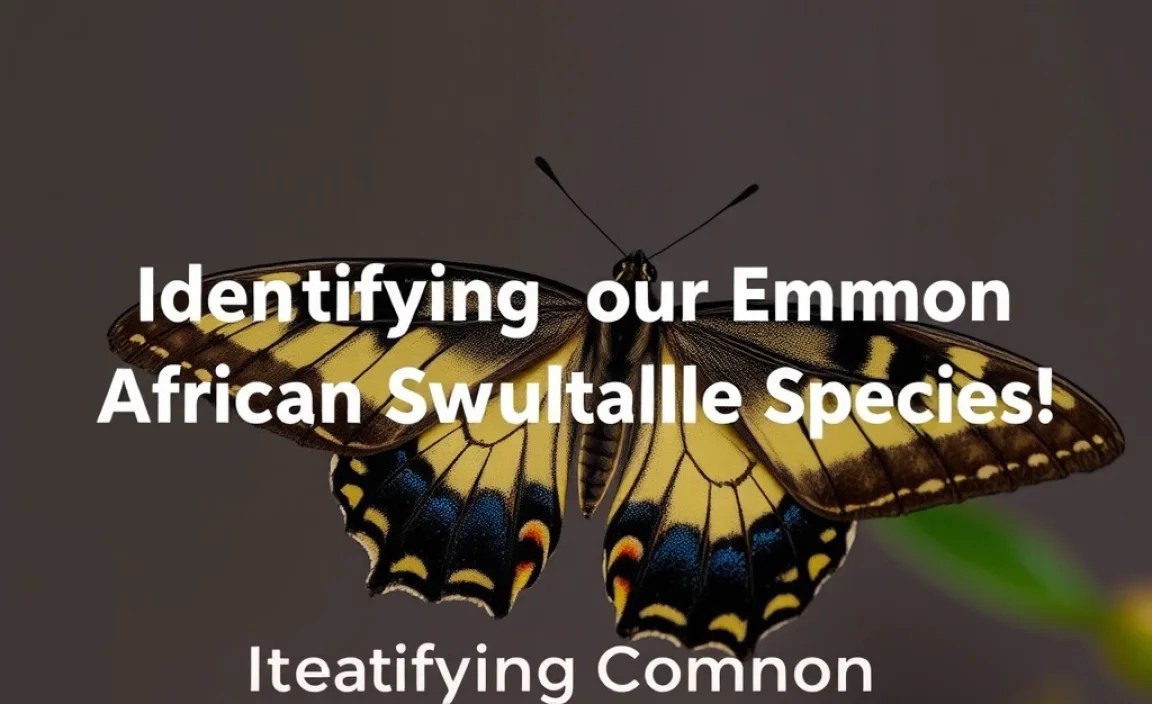
African swallowtails are a diverse group, boasting a wide array of colors, patterns, and sizes. Here’s a closer look at some of the most commonly encountered species:
Papilio dardanus (Mocker Swallowtail)
The Mocker Swallowtail is famous for its incredible mimicry. Females of this species have evolved to resemble poisonous butterfly species in different regions of Africa. This protects them from predators who have learned to avoid the toxic look-alikes. Males, on the other hand, retain a more traditional swallowtail appearance.
Key Identification Features:
- Males: Typically yellow with black markings and swallowtails.
- Females: Highly variable, mimicking different poisonous species. Colors range from white and yellow to orange and brown, with varying patterns.
- Size: Medium to large, with a wingspan of 8-10 cm.
- Habitat: Forests and woodlands across sub-Saharan Africa.
Fun Fact: The Mocker Swallowtail is a prime example of natural selection in action! Its mimicry is a result of generations of adaptation, where females that most closely resembled poisonous butterflies had a higher chance of survival and reproduction.
Papilio demodocus (Citrus Swallowtail)
The Citrus Swallowtail is one of the most widespread and adaptable African swallowtails. As its name suggests, its caterpillars feed on citrus trees, making it a common sight in gardens and agricultural areas. While often considered a pest due to its appetite for citrus, it is also a beautiful butterfly that contributes to pollination.
Key Identification Features:
- Color: Black with yellow spots and bands.
- Swallowtails: Present but not as elongated as in some other species.
- Size: Medium, with a wingspan of 8-10 cm.
- Habitat: Gardens, citrus groves, and open woodlands throughout Africa and the Middle East.
Gardening Tip: If Citrus Swallowtails are munching on your citrus trees, consider planting alternative host plants like *Toddalia asiatica* to distract them. This can help protect your citrus crop while still supporting the butterfly population.
Papilio nireus (Green-banded Swallowtail)
The Green-banded Swallowtail is a striking butterfly with vibrant green bands across its black wings. It’s a fast flyer and can often be seen flitting through forests and woodlands in search of nectar.
Key Identification Features:
- Color: Black with bright green bands on both wings.
- Swallowtails: Short and broad.
- Size: Medium, with a wingspan of 7-9 cm.
- Habitat: Forests and woodlands in eastern and southern Africa.
Did you know? The Green-banded Swallowtail’s bright colors serve as a warning to predators. While not poisonous itself, it may be mimicking other butterflies that are unpalatable.
Papilio ophidicephalus (Emperor Swallowtail)
The Emperor Swallowtail is a large and impressive butterfly with a wingspan that can reach up to 12 cm. It’s found in forests and woodlands, where it feeds on nectar and its caterpillars feed on *Vepris* species.
Key Identification Features:
- Color: Dark brown or black with cream or yellow markings.
- Swallowtails: Long and elegant.
- Size: Large, with a wingspan of 10-12 cm.
- Habitat: Forests and woodlands in eastern and southern Africa.
Conservation Note: The Emperor Swallowtail’s habitat is threatened by deforestation. Supporting sustainable forestry practices can help protect this magnificent butterfly.
Graphium angolanus (Angolan White Lady)
While not a *Papilio* species, the Angolan White Lady is a beautiful and distinctive swallowtail worth mentioning. It’s known for its delicate white wings with black markings and its graceful flight.
Key Identification Features:
- Color: Predominantly white with black stripes and spots.
- Swallowtails: Long and thin.
- Size: Medium, with a wingspan of 6-8 cm.
- Habitat: Forests and woodlands in central and southern Africa.
Interesting Behavior: The Angolan White Lady is often seen flying high in the forest canopy, making it a challenging but rewarding butterfly to spot.
Comparing Key Features of African Swallowtails

This table summarizes the key identification features of the African swallowtail species discussed above:
| Species | Color | Swallowtails | Size (Wingspan) | Habitat |
|---|---|---|---|---|
| Papilio dardanus (Mocker Swallowtail) | Males: Yellow/Black; Females: Variable (mimicking poisonous species) | Present | 8-10 cm | Forests, Woodlands |
| Papilio demodocus (Citrus Swallowtail) | Black/Yellow | Present | 8-10 cm | Gardens, Citrus Groves, Woodlands |
| Papilio nireus (Green-banded Swallowtail) | Black/Green | Short, Broad | 7-9 cm | Forests, Woodlands |
| Papilio ophidicephalus (Emperor Swallowtail) | Dark Brown/Black with Cream/Yellow | Long, Elegant | 10-12 cm | Forests, Woodlands |
| Graphium angolanus (Angolan White Lady) | White/Black | Long, Thin | 6-8 cm | Forests, Woodlands |
Attracting African Swallowtails to Your Garden

Even if you don’t live in Africa, you can still create a butterfly-friendly garden that might attract migrating swallowtails or inspire you with the same principles used to support them in their native habitats. Here’s how:
1. Plant Nectar-Rich Flowers
Swallowtails, like all butterflies, need nectar to fuel their flight. Choose flowers that are rich in nectar and have a shape that allows butterflies to easily access it. Some good choices include:
- Lantana: A colorful and long-blooming plant that attracts many butterflies.
- Buddleja (Butterfly Bush): A classic butterfly magnet.
- Zinnia: Easy to grow and comes in a variety of colors.
- Pentas: A heat-tolerant option that blooms profusely.
- Salvia: Offers a variety of colors and attracts hummingbirds too!
2. Provide Host Plants for Caterpillars
Butterflies need host plants to lay their eggs on. The caterpillars will then feed on these plants. Research which plants are host plants for the specific swallowtail species you want to attract.
For example, Citrus Swallowtails use citrus trees as host plants. If you want to attract them, consider planting a citrus tree in your garden. Note that you may have to accept some caterpillar damage to the leaves!
3. Create a Butterfly Puddling Area
Butterflies need water and minerals, which they often obtain from puddles. Create a puddling area in your garden by filling a shallow dish with wet sand or gravel. You can add a pinch of sea salt to provide essential minerals.
4. Avoid Pesticides
Pesticides are harmful to butterflies and other beneficial insects. Avoid using pesticides in your garden, or choose organic options that are less harmful.
5. Provide Shelter
Butterflies need shelter from wind and rain. Plant shrubs and trees in your garden to provide them with a safe haven.
The Ecological Importance of African Swallowtails

African swallowtail butterflies, like all butterflies, play a vital role in their ecosystems. Here are some key ecological roles they fulfill:
- Pollination: As they feed on nectar, swallowtails transfer pollen from flower to flower, helping to pollinate plants. This is essential for plant reproduction and the health of ecosystems. According to the US Forest Service, pollinators are crucial for maintaining plant diversity and crop production.
- Food Source: Swallowtail caterpillars and butterflies serve as a food source for birds, lizards, and other animals. They are an important part of the food web.
- Indicators of Environmental Health: Butterfly populations are sensitive to environmental changes. Their presence or absence can indicate the health of an ecosystem. Declining butterfly populations can be a warning sign of habitat loss, pollution, or climate change. The Xerces Society is one of the organizations working to protect butterfly habitats.
Conservation Efforts for African Swallowtails
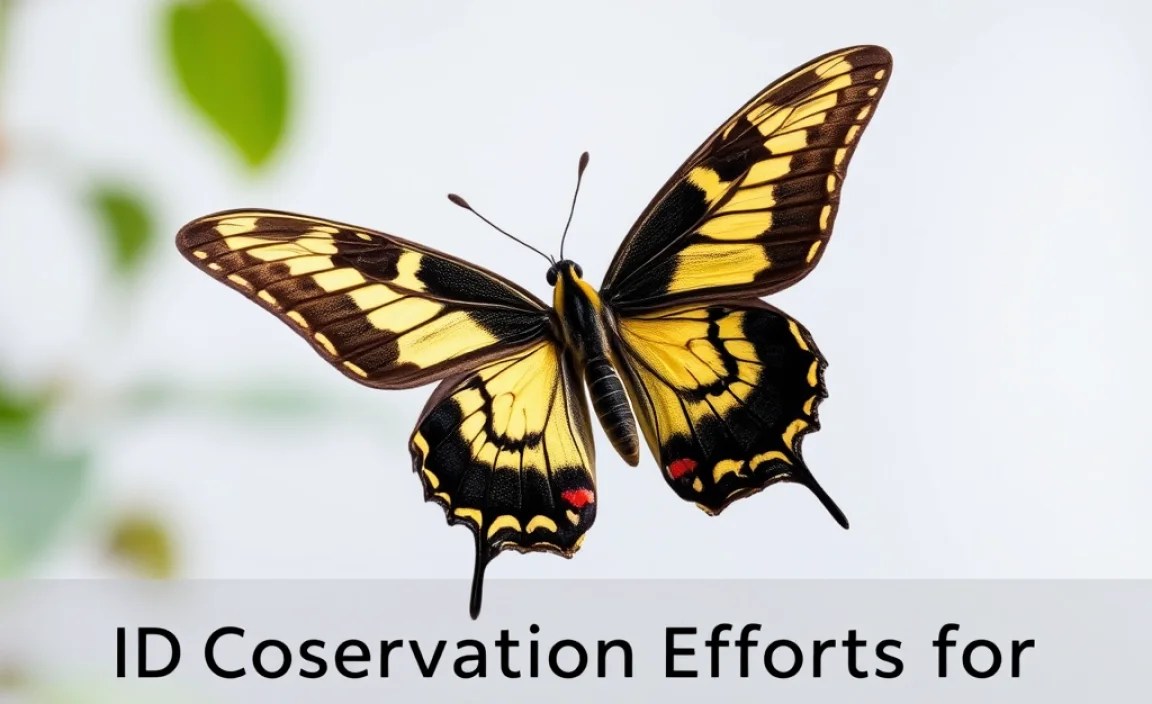
Many African swallowtail species are facing threats due to habitat loss, degradation, and climate change. Conservation efforts are needed to protect these beautiful insects and their ecosystems. Here are some ways you can help:
- Support Conservation Organizations: Donate to or volunteer with organizations that are working to protect butterfly habitats in Africa, such as Butterfly Conservation Africa.
- Create Butterfly-Friendly Gardens: Plant nectar-rich flowers and host plants in your garden to provide food and shelter for butterflies.
- Reduce Your Carbon Footprint: Climate change is a major threat to butterflies and other wildlife. Reduce your carbon footprint by making sustainable choices in your daily life.
- Educate Others: Share your knowledge and passion for butterflies with others. The more people who care about these amazing creatures, the better chance they have of surviving.
The Cultural Significance of Butterflies in Africa
Butterflies hold cultural significance in many African societies, often symbolizing transformation, hope, and new beginnings. Their beauty and delicate nature have inspired art, music, and folklore.
In some cultures, butterflies are believed to be messengers from the spirit world, carrying messages from ancestors or loved ones who have passed away. The appearance of a butterfly may be seen as a sign of comfort, guidance, or reassurance.
The vibrant colors and patterns of butterflies are also celebrated in African art and design. Butterflies are often depicted in textiles, pottery, and other crafts, adding a touch of beauty and symbolism to everyday objects.
Conclusion
African swallowtail butterflies are a testament to the incredible diversity and beauty of the natural world. From the masterful mimicry of the Mocker Swallowtail to the vibrant colors of the Green-banded Swallowtail, these butterflies captivate and inspire us.
By learning to identify these species, creating butterfly-friendly gardens, and supporting conservation efforts, we can help ensure that these magnificent creatures continue to thrive for generations to come. Let’s all do our part to protect the beauty and ecological importance of African swallowtail butterflies!


