
Green-banded Swallowtail: See This Beauty!

The Green-banded Swallowtail (Papilio nireus) is a stunning butterfly with vibrant green bands across its black wings. Native to sub-Saharan Africa, it’s a sought-after sight for butterfly enthusiasts. Attracting them involves planting specific host plants like citrus and ensuring a pesticide-free garden. With a bit of planning, you can transform your backyard into a Green-banded Swallowtail haven!
Have you ever dreamed of seeing a flash of emerald green fluttering through your garden? The Green-banded Swallowtail is a jewel of the butterfly world, and it’s not as hard to attract as you might think! Many people believe that these beautiful butterflies are only found in exotic locations, but with the right plants and conditions, you can create a welcoming habitat for them right in your own backyard.
This article will guide you through everything you need to know to attract and appreciate the Green-banded Swallowtail. From understanding their life cycle to choosing the perfect plants, we’ll cover it all. Get ready to transform your garden into a butterfly paradise!
All About the Green-banded Swallowtail

Let’s dive into the fascinating world of the Green-banded Swallowtail. Understanding its characteristics, habitat, and life cycle is key to attracting and appreciating this beautiful butterfly.
What Does a Green-banded Swallowtail Look Like?
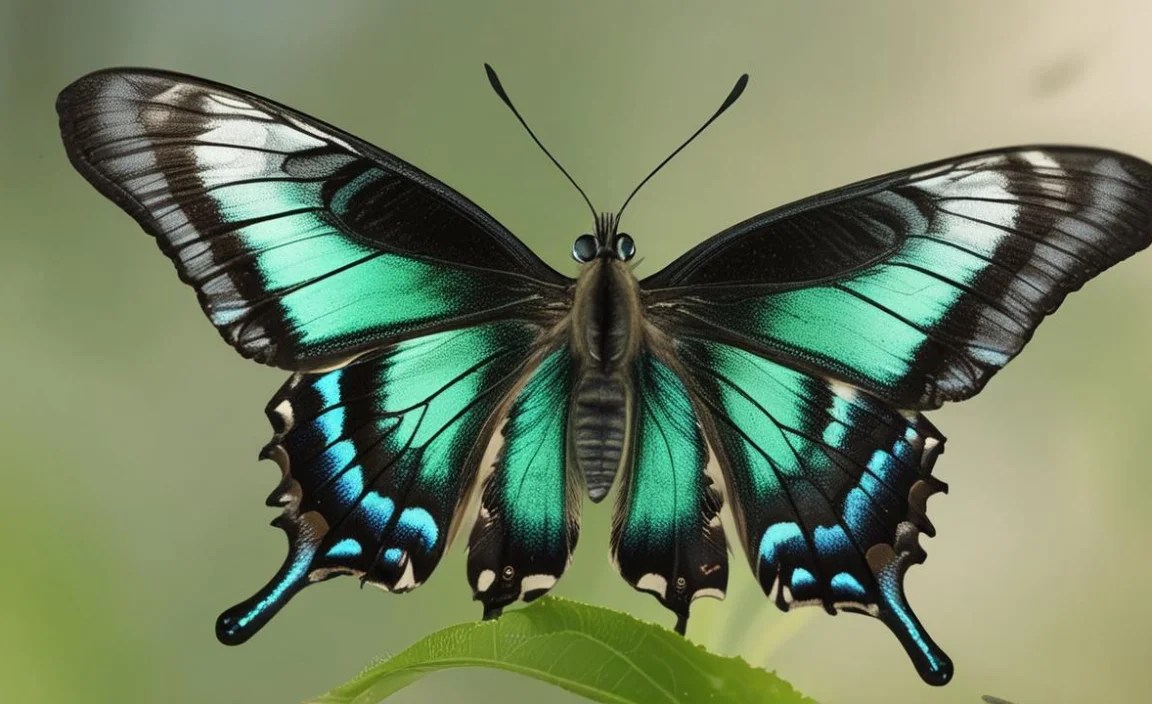
The Green-banded Swallowtail is a sight to behold! Here’s how to identify it:
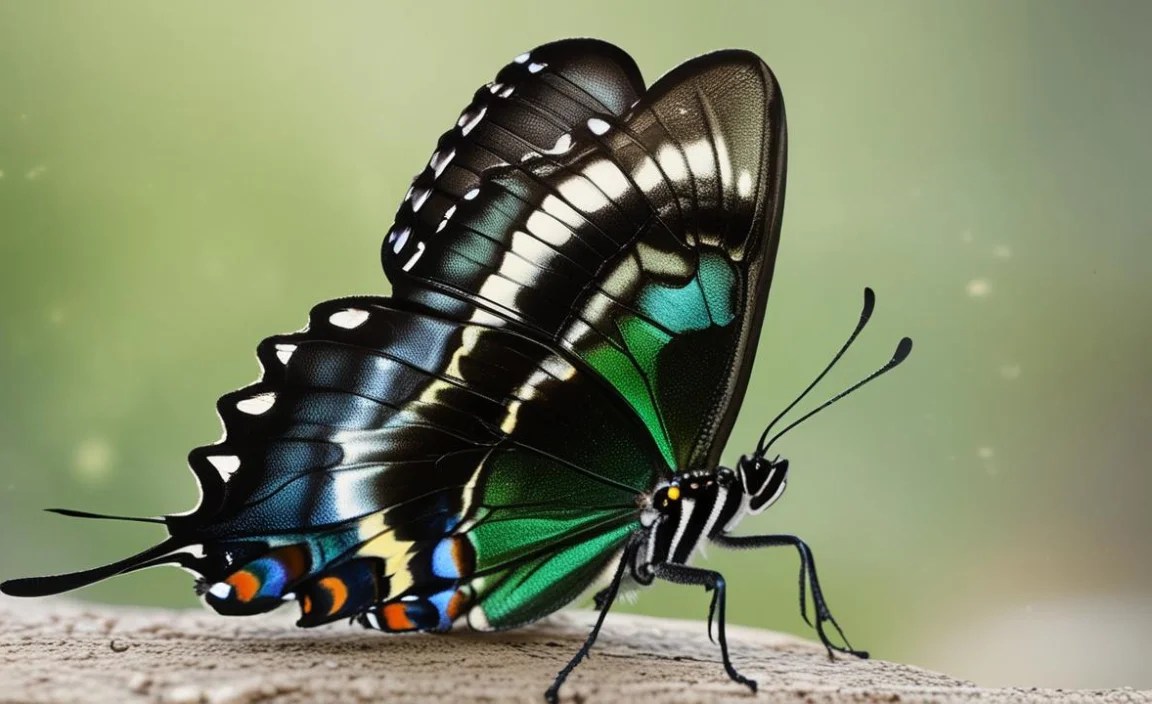
- Wings: Predominantly black with striking iridescent green bands that run across both the forewings and hindwings. The intensity of the green can vary depending on the angle of light.
- Size: Medium to large, with a wingspan typically ranging from 3.1 to 3.9 inches (8 to 10 cm).
- Body: Black with subtle green markings that complement the wings.
- Distinguishing Features: Look for the distinctive “swallowtail” extensions on the hindwings. The green bands are the most prominent feature, making it easily distinguishable from other swallowtail species.
Where Do They Live?
The Green-banded Swallowtail is native to sub-Saharan Africa. Here’s a closer look at its habitat:
- Geographic Range: Found in various countries across Africa, including South Africa, Kenya, Tanzania, Uganda, and Nigeria.
- Habitat: Prefers tropical and subtropical environments, including forests, woodlands, and gardens. They thrive in areas with abundant flowering plants and host plants for their larvae.
- Climate: They need warm climates to survive.
Life Cycle of the Green-banded Swallowtail
Like all butterflies, the Green-banded Swallowtail goes through a complete metamorphosis. Here’s a breakdown of its life cycle:
- Egg: The female lays small, round eggs on the leaves of host plants, usually citrus trees.
- Larva (Caterpillar): The larva emerges from the egg and feeds voraciously on the host plant. It molts several times as it grows, changing in appearance with each molt. Green-banded Swallowtail caterpillars are typically green or brown, often with mottled patterns for camouflage.
- Pupa (Chrysalis): Once the larva is fully grown, it forms a pupa or chrysalis. This stage can last from a few weeks to several months, depending on environmental conditions. The chrysalis is usually green or brown, blending in with its surroundings.
- Adult Butterfly: The adult butterfly emerges from the chrysalis. It will then fly off to find a mate and continue the life cycle.
Why Attract Green-banded Swallowtails?

Attracting Green-banded Swallowtails isn’t just about adding beauty to your garden; it’s also about supporting biodiversity and contributing to a healthier environment.
Ecological Importance
Butterflies play a vital role in the ecosystem:
- Pollination: Butterflies are important pollinators, transferring pollen from flower to flower as they feed on nectar. This helps plants reproduce and maintain genetic diversity.
- Food Source: They serve as a food source for birds, reptiles, and other insects.
- Indicator Species: Butterfly populations can indicate the health of an ecosystem. A decline in butterfly numbers can signal environmental problems such as habitat loss or pesticide contamination.
Benefits for Your Garden
Attracting Green-banded Swallowtails can also benefit your garden directly:
- Natural Pest Control: While the caterpillars feed on host plants, the presence of adult butterflies can attract other beneficial insects that prey on garden pests.
- Increased Pollination: More butterflies mean more pollination, which can lead to higher yields for fruiting plants and vegetables.
- Aesthetic Value: Let’s not forget the sheer beauty and enjoyment that butterflies bring to a garden!
Conservation
Supporting Green-banded Swallowtail populations contributes to broader conservation efforts:
- Habitat Preservation: Creating butterfly-friendly gardens helps preserve and expand their natural habitat.
- Reducing Pesticide Use: Encouraging natural pest control methods reduces the need for harmful pesticides that can harm butterflies and other wildlife.
- Raising Awareness: By attracting these butterflies to your garden, you can raise awareness about the importance of butterfly conservation in your community.
How to Attract Green-banded Swallowtails: A Step-by-Step Guide

Ready to transform your garden into a Green-banded Swallowtail haven? Here’s a step-by-step guide to help you get started.
Step 1: Choose the Right Host Plants
Host plants are essential because they provide food for the caterpillars. Green-banded Swallowtails primarily use citrus trees as host plants.
- Citrus Trees: Orange, lemon, lime, and grapefruit trees are all excellent choices. The caterpillars will feed on the leaves, but a healthy tree can withstand the feeding.
- Other Options: In addition to citrus, they may also use other plants in the Rutaceae family.
Tips for Host Plants:
- Plant a variety of citrus trees to ensure a continuous food supply for the caterpillars.
- Choose organic citrus trees that have not been treated with pesticides.
- Provide adequate sunlight and water to keep your host plants healthy.
Step 2: Provide Nectar Sources
Adult butterflies need nectar for energy. Planting nectar-rich flowers will attract them to your garden.
- Lantana: These colorful flowers are a favorite of butterflies and provide a long-lasting source of nectar.
- Pentas: Pentas are easy to grow and produce clusters of star-shaped flowers that butterflies love.
- Hibiscus: These tropical flowers come in a variety of colors and provide a rich source of nectar.
- Other Options: Include a mix of other butterfly-friendly flowers such as zinnias, milkweed, and butterfly bush.
Tips for Nectar Sources:
- Plant flowers in sunny locations, as butterflies prefer to feed in the sun.
- Choose a variety of flower colors and shapes to attract different butterfly species.
- Deadhead spent flowers to encourage continuous blooming.
Step 3: Create a Butterfly-Friendly Environment
Butterflies need more than just food; they also need a safe and comfortable environment to thrive.
- Sunlight: Butterflies are cold-blooded and need sunlight to warm their bodies. Provide sunny spots in your garden where they can bask.
- Shelter: Protect butterflies from strong winds and rain by providing shelter in the form of trees, shrubs, and tall grasses.
- Water Source: Butterflies need water to stay hydrated. Create a shallow dish of water with pebbles or stones for them to land on.
- Pesticide-Free Zone: Avoid using pesticides in your garden, as they can harm or kill butterflies and other beneficial insects.
Step 4: Monitor and Maintain Your Garden
Once you’ve created your butterfly-friendly garden, it’s important to monitor and maintain it to ensure it remains a welcoming habitat for Green-banded Swallowtails.
- Check Host Plants: Regularly inspect your citrus trees for caterpillars. If you find them, resist the urge to remove them. Remember, they will eventually turn into beautiful butterflies!
- Water and Fertilize: Keep your host plants and nectar sources healthy by providing adequate water and fertilizer.
- Control Pests Naturally: Use natural pest control methods to protect your plants without harming butterflies.
- Remove Weeds: Keep your garden free of weeds that can compete with your host plants and nectar sources.
Troubleshooting Common Issues
Even with the best planning, you might encounter some challenges. Here are some common issues and how to address them.
Caterpillars Eating Too Much
It’s natural for caterpillars to eat the leaves of their host plants, but sometimes they can eat so much that they defoliate the tree. Here’s what to do:
- Monitor the Damage: A healthy citrus tree can usually withstand some defoliation. Only intervene if the caterpillars are causing significant damage.
- Handpick Caterpillars: If necessary, you can handpick caterpillars and move them to another host plant.
- Provide Additional Host Plants: Plant more citrus trees to distribute the feeding pressure.
Attracting Predators
Butterflies and caterpillars can be vulnerable to predators such as birds, lizards, and wasps. Here’s how to protect them:
- Provide Shelter: Plant dense shrubs and trees to provide hiding places for butterflies and caterpillars.
- Use Netting: Cover host plants with netting to protect caterpillars from predators.
- Encourage Beneficial Insects: Attract beneficial insects such as ladybugs and lacewings, which can help control pest populations.
Lack of Butterfly Activity
If you’re not seeing many Green-banded Swallowtails in your garden, here are some possible reasons:
- Insufficient Host Plants: Make sure you have enough citrus trees to support a population of caterpillars.
- Lack of Nectar Sources: Provide a variety of nectar-rich flowers that bloom throughout the growing season.
- Pesticide Use: Even small amounts of pesticides can harm butterflies. Avoid using them in your garden.
- Unfavorable Weather: Butterflies are most active on warm, sunny days. If the weather is cool or cloudy, they may be less visible.
Green-banded Swallowtail: A Deeper Dive
Let’s explore some more interesting facts and aspects of the Green-banded Swallowtail.
Subspecies and Variations
While Papilio nireus is the main species, there are several subspecies and regional variations that exhibit slightly different patterns and intensities of green on their wings. These variations are often localized to specific geographic areas within sub-Saharan Africa.
Behavioral Traits
Green-banded Swallowtails exhibit several interesting behaviors:
- Flight Patterns: They are strong fliers and can often be seen soaring through the air with their distinctive green bands flashing in the sunlight.
- Feeding Habits: Adults primarily feed on nectar from flowers, but they may also occasionally feed on minerals from damp soil or puddles.
- Mating Rituals: The mating rituals of Green-banded Swallowtails are not well-documented, but they likely involve visual displays and pheromone signaling.
Cultural Significance
In some African cultures, butterflies are seen as symbols of transformation, hope, and renewal. The Green-banded Swallowtail, with its vibrant green color, may also be associated with growth, prosperity, and good fortune.
Table: Host Plants and Nectar Sources for Green-banded Swallowtails
| Plant Type | Plant Name | Benefits |
|---|---|---|
| Host Plant | Citrus Trees (Orange, Lemon, Lime, Grapefruit) | Provides food for caterpillars |
| Nectar Source | Lantana | Long-lasting nectar source, attracts butterflies |
| Nectar Source | Pentas | Easy to grow, abundant nectar |
| Nectar Source | Hibiscus | Rich nectar source, tropical appeal |
| Nectar Source | Zinnias | Attracts a variety of butterflies |
| Nectar Source | Milkweed | Important nectar source and host plant for Monarchs, attracts other butterflies |
Table: Tips for a Butterfly-Friendly Garden
| Aspect | Tip | Benefit |
|---|---|---|
| Sunlight | Provide sunny spots for basking | Helps butterflies regulate their body temperature |
| Shelter | Plant trees and shrubs for protection | Shields butterflies from wind and rain |
| Water Source | Create a shallow dish with pebbles | Provides a place for butterflies to drink |
| Pest Control | Avoid using pesticides | Protects butterflies and other beneficial insects |
FAQ About Green-banded Swallowtails
Here are some frequently asked questions about Green-banded Swallowtails:
- Are Green-banded Swallowtails rare?
- While they are not globally endangered, their populations can be affected by habitat loss and pesticide use. Supporting their habitat helps!
- What do Green-banded Swallowtail caterpillars eat?
- The caterpillars primarily feed on the leaves of citrus trees such as orange, lemon, and lime.
- How can I tell the difference between male and female Green-banded Swallowtails?
- Generally, females are slightly larger and have less vibrant green bands than males. But it can be hard to tell!
- Do Green-banded Swallowtails migrate?
- They are not known to undertake long migrations, but they may move locally in search of food or suitable habitat.
- What is the lifespan of a Green-banded Swallowtail?
- The lifespan of an adult Green-banded Swallowtail is typically a few weeks to a few months, depending on environmental conditions and predation.
- Can I raise Green-banded Swallowtails indoors?
- Yes, you can raise them indoors if you provide them with their host plants and a suitable environment.
- Are Green-banded Swallowtails poisonous?
- No, they are not poisonous, but the caterpillars may sequester toxins from their host plants, making them unpalatable to some predators.
Resources for Further Learning
Want to learn more about butterflies and conservation? Here are some resources to explore:
- The Xerces Society for Invertebrate Conservation
- National Wildlife Federation
- Smithsonian Institution
Conclusion
Attracting Green-banded Swallowtails to your garden is a rewarding experience that connects you with nature and supports biodiversity. By providing the right host plants, nectar sources, and a safe environment, you can create a butterfly paradise right in your own backyard. Remember to monitor your garden, address any issues that arise, and continue learning about these fascinating creatures. With a little effort, you’ll be rewarded with the sight of these stunning butterflies gracing your garden with their beauty and grace. Happy butterfly gardening!


