
Butterfly ID: Antenna & Shape – The Easy Guide

Have you ever seen a butterfly up close? Butterflies are beautiful insects. They fly around in gardens and fields. But how can you tell them apart? Butterfly identification by antenna and shape can help. It is like being a butterfly detective.
Did you know there are many kinds of butterflies? Some are big and some are small. They all have different colors and patterns. Figuring out which is which can be a fun challenge. Let’s learn how to identify these fluttering friends.
Butterflies are important. They help flowers make seeds. They are also food for birds and other animals. Learning about them helps us protect them. So, let’s start our journey into butterfly identification by antenna and shape!
Key Takeaways
- Antenna shape is crucial for butterfly identification by antenna and shape.
- Butterfly wing shapes and sizes vary greatly between different species.
- Color patterns on wings help distinguish one butterfly from another easily.
- Observe body size to aid in correctly identifying various butterfly types.
- Habitat and location offer important clues for identifying specific butterfly species.
Understanding Butterfly Antennae for Identification
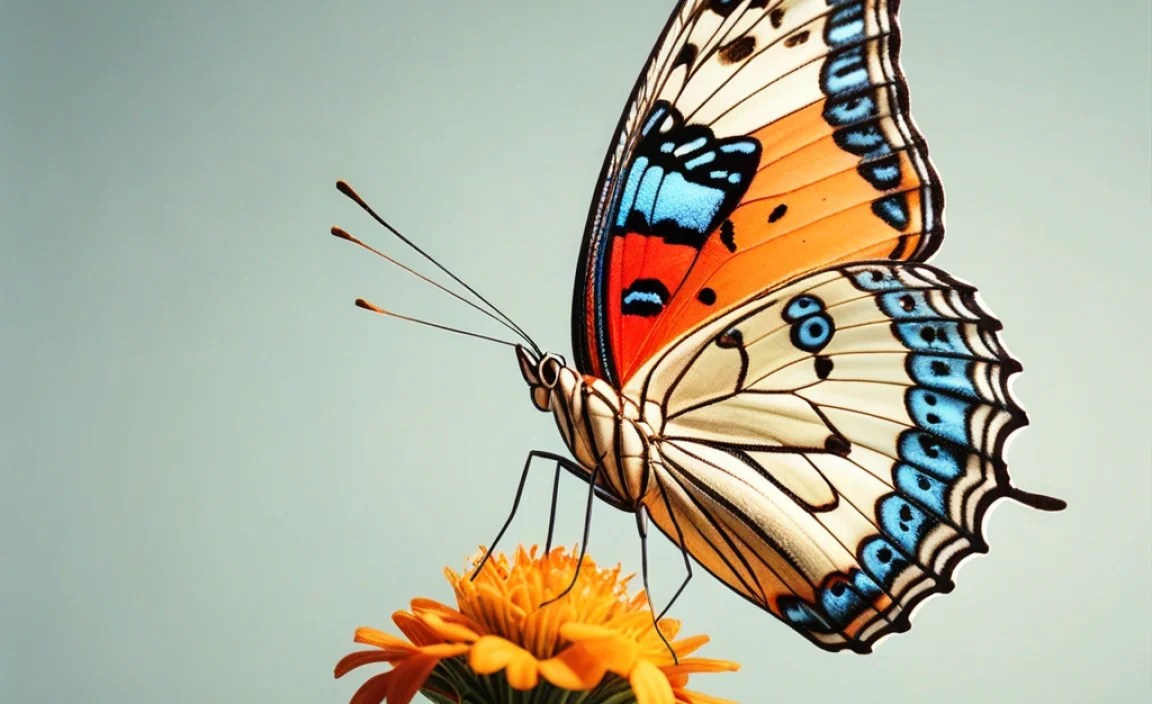
Butterfly identification by antenna and shape is a fascinating skill. The antennae are not just for show. They help butterflies smell and feel their way around. A butterfly’s antennae are like tiny noses. They can detect the scent of flowers from far away. This helps them find food. The shape of the antennae can also tell you what kind of butterfly it is. Most butterflies have club-shaped antennae. This means they have a thicker end. But some have antennae that look like hooks or feathers. Looking closely at the antennae is a great first step in identifying butterflies.
- Antennae help butterflies smell flowers.
- Club-shaped antennae are most common.
- Some antennae look like hooks.
- Feathery antennae are also possible.
- Antennae help butterflies find their way.
The antennae are covered in tiny sensors. These sensors pick up smells in the air. Butterflies use these smells to find food, mates, and places to lay their eggs. The shape and size of the antennae can affect how well they can smell. Larger antennae might be able to detect smells from farther away. Different butterfly species need to find different kinds of food. So, their antennae are adapted to help them find those specific things. By carefully observing the antennae, you can learn a lot about a butterfly’s life and habits. This makes butterfly identification by antenna and shape a very useful tool.
Why Antenna Shape Matters
Have you ever wondered why butterfly antennae come in different shapes? The shape of an antenna affects how well it can pick up scents. A larger club shape might catch more scent molecules. This would help the butterfly find food more easily. Think of it like a bigger radio antenna. It can pick up weaker signals. Butterflies with hook-shaped antennae might live in windy areas. The hook helps them keep their balance. The shape of the antennae is an adaptation. It helps the butterfly survive in its environment. Butterfly identification by antenna and shape relies on this adaptation. It helps us tell different species apart.
Antennae and Butterfly Behavior
Do butterflies use their antennae for anything other than smelling? Yes, they do! Butterflies use their antennae to sense the world around them. They can feel vibrations in the air. This helps them avoid predators. They can also sense changes in temperature and humidity. This helps them find the best places to lay their eggs. Imagine you are a butterfly. You need to find a safe place for your babies to grow. Your antennae help you find a leaf that is just the right temperature and humidity. The antennae play a big role in a butterfly’s life. They are important for survival.
Observing Antennae in the Field
How can you observe butterfly antennae in the field? The best way is to use binoculars. This will help you see the antennae clearly. You can also take pictures with a camera. Then you can zoom in on the pictures later. Look for the shape of the tip of the antenna. Is it a club? Is it a hook? Is it feathery? Also, look at the size of the antennae. Are they long or short? Are they thick or thin? Write down your observations in a notebook. This will help you compare different butterflies. With practice, you will become a butterfly antenna expert! Remember, careful observation is key to butterfly identification by antenna and shape.
Fun Fact or Stat: Some butterflies can smell potential mates from over a mile away using their antennae!
Wing Shape as a Key Identifier
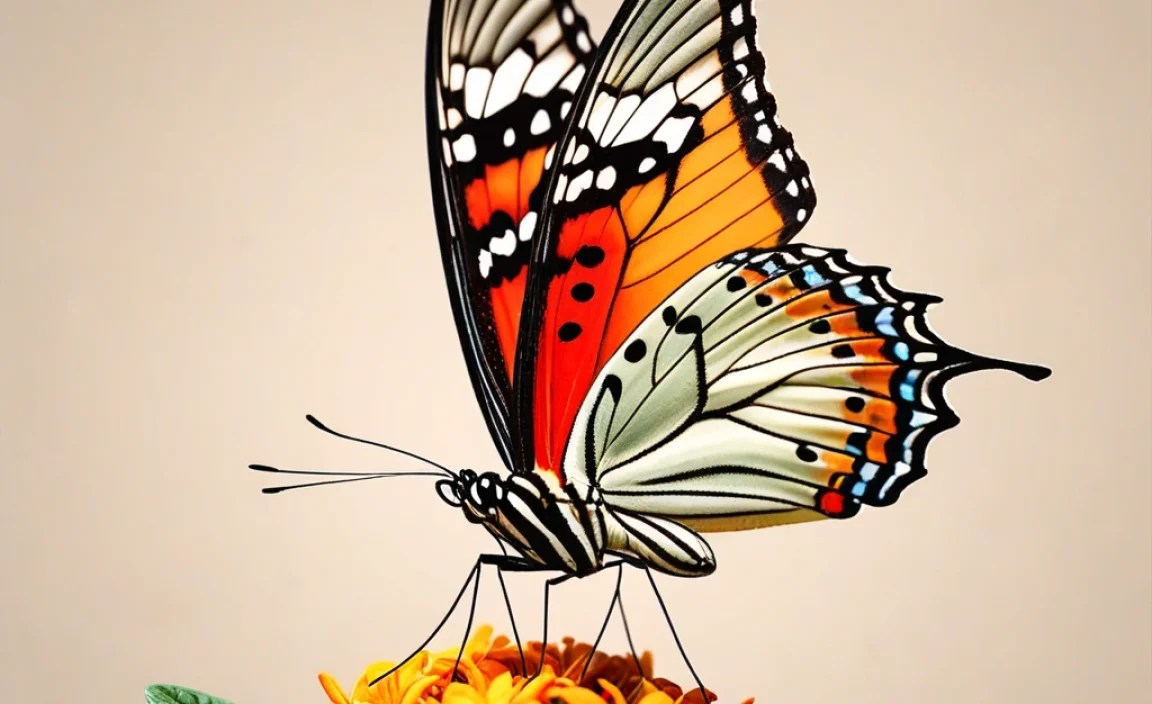
Wing shape is another important clue. It helps with butterfly identification by antenna and shape. Butterfly wings come in many different shapes. Some are long and narrow. Others are short and round. The shape of the wing can tell you about the butterfly’s flight style. Butterflies with long, narrow wings are often fast fliers. They can fly long distances. Butterflies with short, round wings are often slower fliers. They flutter around flowers. The shape of the wing also helps the butterfly blend in with its environment. Some wings look like leaves. This helps the butterfly hide from predators.
- Long, narrow wings mean fast flight.
- Short, round wings mean slow flight.
- Wing shape helps with camouflage.
- Some wings look like leaves.
- Wing shape varies greatly by species.
Wing shape is determined by the structure of the wing veins. The veins are like tiny pipes that support the wing. The pattern of the veins is different for each butterfly species. This pattern affects the shape of the wing. Scientists study wing veins to learn about butterfly evolution. They can also use wing vein patterns for butterfly identification by antenna and shape. The edges of the wings can also be helpful. Some butterflies have smooth wing edges. Others have jagged or scalloped edges. These features can help you tell different species apart.
Wing Shape and Flight Style
Why does wing shape affect flight style? Long, narrow wings are good for gliding. They create lift, like the wings of an airplane. Butterflies with these wings can soar through the air. Short, round wings are good for quick bursts of speed. They allow the butterfly to change direction quickly. Think of it like the difference between a glider and a helicopter. Each wing shape is suited for a different kind of flight. The butterfly’s flight style helps it find food and avoid predators. It also helps it find a mate. So, wing shape is very important for survival.
Wing Shape and Camouflage
How does wing shape help with camouflage? Some butterflies have wings that look like leaves. These butterflies often rest on trees and bushes. Their wing shape helps them blend in with the leaves. This makes it hard for predators to see them. Other butterflies have wings that look like bark. These butterflies rest on tree trunks. Their wing shape helps them hide in plain sight. Camouflage is a very effective way to avoid being eaten. It is especially important for butterflies that are not poisonous or distasteful. Wing shape is just one way that butterflies use camouflage.
Measuring Wing Shape
How can you measure wing shape? You can use a ruler to measure the length and width of the wing. You can also use a protractor to measure the angle of the wingtip. These measurements can help you compare different butterflies. You can also take pictures of the wings. Then you can use a computer program to analyze the shape. There are many scientific tools that can help. But even simple measurements can be useful. The most important thing is to be careful and accurate. Remember, every detail matters when you are trying to identify a butterfly. Accurate measurements aid butterfly identification by antenna and shape.
Fun Fact or Stat: The longest butterfly wingspan belongs to the Queen Alexandra’s Birdwing, reaching nearly a foot wide!
Color Patterns and Markings on Butterfly Wings

Color patterns and markings are very helpful. They are helpful in butterfly identification by antenna and shape. Butterfly wings are covered in tiny scales. These scales create the colors and patterns that we see. The patterns can be simple or complex. They can be stripes, spots, or swirls. The colors can be bright or dull. The patterns and colors help butterflies attract mates. They also help them warn predators. Some butterflies have bright colors that say, “I am poisonous!” Other butterflies have dull colors that help them blend in.
- Scales create colors and patterns.
- Patterns attract mates.
- Bright colors warn predators.
- Dull colors help with camouflage.
- Patterns vary greatly by species.
The patterns on butterfly wings are not random. They are controlled by genes. These genes determine the size, shape, and color of each scale. Scientists study these genes to learn about butterfly evolution. They can also use color patterns for butterfly identification by antenna and shape. Look for specific markings, such as eye spots. These spots can scare away predators. Also, look for lines or bands. These can help you tell different species apart. The more details you notice, the better you will become at identifying butterflies.
The Purpose of Wing Colors
Why do butterflies have such colorful wings? The colors serve many purposes. As mentioned, some colors attract mates. Male butterflies often have brighter colors than females. This helps them attract attention. Other colors warn predators that the butterfly is poisonous. The Monarch butterfly is a good example of this. Its bright orange color tells predators to stay away. Some butterflies use colors for camouflage. They blend in with their surroundings. The colors help them hide from predators. Color is a key part of a butterfly’s survival strategy.
Mimicry in Butterfly Wing Patterns
What is mimicry in butterfly wing patterns? Mimicry is when one butterfly copies the wing patterns of another butterfly. This can help the mimic avoid predators. For example, the Viceroy butterfly mimics the Monarch butterfly. The Monarch is poisonous, so predators avoid it. The Viceroy is not poisonous, but it looks like the Monarch. So, predators avoid the Viceroy too. Mimicry is a clever trick that helps butterflies survive. It is also a challenge for butterfly identification. You have to look closely to see the differences between the mimic and the model.
Documenting Wing Patterns
How can you document wing patterns? The best way is to take pictures. Take pictures from different angles. Make sure the pictures are in focus. You can also draw the wing patterns in a notebook. Use colored pencils to match the colors as closely as possible. Write down the location where you saw the butterfly. Also, write down the date and time. These details can be helpful later. You can use your pictures and drawings to compare different butterflies. You can also share your observations with other butterfly enthusiasts. Documenting wing patterns is a great way to learn more about butterflies. It also helps with butterfly identification by antenna and shape.
Fun Fact or Stat: Some butterfly wings have iridescent colors that change depending on the angle of the light!
Body Size and Shape Considerations
Body size and shape are also important to consider. They help with butterfly identification by antenna and shape. Butterflies come in different sizes. Some are tiny, while others are quite large. The size of the body can tell you about the butterfly’s life cycle. Larger butterflies often have longer life cycles. They may also lay more eggs. The shape of the body can also be helpful. Some butterflies have slender bodies. Others have stout bodies. The shape of the body can affect how well the butterfly can fly. It can also affect where the butterfly lives.
- Body size varies among species.
- Larger butterflies live longer.
- Slender bodies aid in fast flight.
- Stout bodies may indicate different habitats.
- Body shape influences flight ability.
The body of a butterfly is divided into three parts: the head, the thorax, and the abdomen. The head contains the antennae and the eyes. The thorax is where the wings and legs are attached. The abdomen contains the digestive system and the reproductive organs. The size and shape of each of these body parts can vary. This can help you tell different species apart. For example, some butterflies have very large eyes. This helps them see predators. Other butterflies have very long legs. This helps them walk on flowers. Pay attention to these details when you are trying to identify a butterfly.
Relating Body Size to Species
How does body size relate to butterfly species? Some butterfly families tend to be larger than others. For example, Swallowtail butterflies are often quite large. They can have wingspans of several inches. Skipper butterflies, on the other hand, are often quite small. They may only have wingspans of an inch or two. Knowing the typical size range for a butterfly family can help you narrow down the possibilities. It is like knowing the size of a dog breed. It helps you identify the dog. Body size is just one piece of the puzzle. But it can be a useful piece.
Body Shape and Habitat
Can body shape tell you about a butterfly’s habitat? Yes, it can. Butterflies with slender bodies are often found in open areas. They need to be able to fly quickly to escape predators. Butterflies with stout bodies are often found in forests. They do not need to fly as quickly. They can hide in the trees. The body shape is an adaptation to the environment. It helps the butterfly survive. Butterfly identification by antenna and shape considers this factor. It uses body shape as a clue to identify the species.
Observing Body Details
What body details should you observe? Look at the shape of the abdomen. Is it long and thin? Or is it short and round? Look at the size of the eyes. Are they large or small? Look at the length of the legs. Are they long or short? Also, look at the color of the body. Is it the same color as the wings? Or is it a different color? These details can help you tell different species apart. Write down your observations in a notebook. Take pictures if you can. The more details you record, the better you will become at identifying butterflies. Observation is key to butterfly identification by antenna and shape.
Fun Fact or Stat: The smallest butterfly, the Western Pygmy Blue, has a wingspan of only about half an inch!
Habitat and Location as Identification Aids
Habitat and location are important clues. They aid in butterfly identification by antenna and shape. Butterflies live in different habitats. Some live in forests. Others live in meadows. Some live in deserts. The type of habitat can tell you what kinds of butterflies to expect. For example, you are more likely to find forest butterflies in a forest. You are more likely to find meadow butterflies in a meadow. The location can also be helpful. Some butterflies only live in certain parts of the world. Knowing the location can help you narrow down the possibilities.
- Different butterflies live in different habitats.
- Forests have forest butterflies.
- Meadows have meadow butterflies.
- Location narrows down possibilities.
- Some butterflies are only in certain regions.
The habitat provides the butterfly with food and shelter. It also provides a place to lay eggs. Different butterfly species have different habitat requirements. Some butterflies need specific types of plants to feed on. Others need specific types of trees to lay their eggs. The location of a butterfly is determined by its habitat requirements. If a butterfly cannot find its preferred habitat, it will not be able to survive. So, paying attention to the habitat and location can be very helpful. It aids in butterfly identification by antenna and shape.
Matching Butterflies to Their Homes
How can you match butterflies to their homes? Learn about the different types of habitats. Forests are areas with lots of trees. Meadows are areas with lots of grass and flowers. Deserts are areas with little rainfall. Each habitat has its own unique set of plants and animals. Learn which butterflies are found in each habitat. You can use field guides to help you. Field guides are books that show pictures of different butterflies. They also tell you where each butterfly lives. With practice, you will become familiar with the different butterfly habitats. You will know which butterflies to expect in each one.
Using Location to Narrow Down Choices
How can you use location to narrow down your choices? Some butterflies are only found in certain regions. For example, the Monarch butterfly is found in North America. The Queen Alexandra’s Birdwing is found in Papua New Guinea. If you know where you are, you can eliminate butterflies that do not live there. This can make it much easier to identify the butterfly. Use a map to see which butterflies are found in your area. You can also use online resources to find this information. Location is a powerful tool for butterfly identification.
Recording Habitat Information
Why is it important to record habitat information? Habitat information can help you identify the butterfly later. You might forget the exact details of the butterfly’s appearance. But you will probably remember the habitat where you saw it. This information can help you narrow down the possibilities. Write down the type of habitat in your notebook. Note the dominant plants and trees. Take pictures of the habitat. These pictures can help you remember the details later. Recording habitat information is a good habit to develop. It will make you a better butterfly identifier. It also aids butterfly identification by antenna and shape.
Fun Fact or Stat: Some butterflies migrate thousands of miles each year, traveling between different habitats!
Using Field Guides and Resources Effectively
Using field guides and resources is very important. They are important for butterfly identification by antenna and shape. Field guides are books that show pictures of different butterflies. They also provide information about each species. They can help you identify butterflies in the field. There are also many online resources that can help. These resources include websites, apps, and online forums. These resources can provide additional information and support. Using field guides and resources effectively can make butterfly identification much easier.
- Field guides show pictures of butterflies.
- They provide information about each species.
- Online resources offer extra support.
- Websites and apps can help.
- Effective use makes identification easier.
When using a field guide, start by looking at the pictures. Try to find a picture that matches the butterfly you saw. Then, read the description of that species. Pay attention to the key identification features. These features might include the shape of the antennae, the pattern of the wings, or the size of the body. Also, pay attention to the habitat and location. If the description matches the butterfly you saw, you have probably identified it correctly. If not, keep looking. There are many different butterfly species. It may take some time to find the right one. Effective use of resources aids butterfly identification by antenna and shape.
| Feature | Description | Example | Identification Help |
|---|---|---|---|
| Antenna Shape | Clubbed, hooked, or feathery | Clubbed in Monarch | Distinguishes families |
| Wing Shape | Rounded, elongated, or triangular | Elongated in Swallowtails | Indicates flight style |
| Color Pattern | Stripes, spots, or bands | Spots in Fritillaries | Unique to species |
| Body Size | Small, medium, or large | Small in Skippers | Narrows down options |
| Habitat | Forest, meadow, or desert | Meadow for Painted Lady | Predicts species |
Choosing the Right Field Guide
How do you choose the right field guide? Look for a field guide that covers your region. Some field guides are specific to certain areas. Others are more general. Choose a field guide with clear pictures. The pictures should show the butterflies from different angles. The pictures should also show the key identification features. Look for a field guide with detailed descriptions. The descriptions should include information about the habitat, location, and life cycle of each species. Read reviews of different field guides before you buy one. This will help you find a field guide that is accurate and easy to use.
Using Online Resources Effectively
How can you use online resources effectively? Start by searching for websites and apps that focus on butterflies. Look for websites that have pictures and descriptions of different butterfly species. Look for apps that allow you to identify butterflies using your smartphone. Be careful when using online resources. Not all websites and apps are accurate. Check the information carefully before you trust it. Use multiple resources to confirm your identification. You can also join online forums and ask questions. There are many experienced butterfly enthusiasts who are willing to help. They can also help with butterfly identification by antenna and shape.
Tips for Successful Identification
What are some tips for successful butterfly identification? Be patient. It can take time to identify a butterfly. Do not get discouraged if you cannot identify it right away. Observe the butterfly carefully. Pay attention to all the details. Use a field guide or online resource to help you. Compare the butterfly to the pictures and descriptions. Consider the habitat and location. Ask for help from experienced butterfly enthusiasts. Practice regularly. The more you practice, the better you will become at identifying butterflies. With patience and persistence, you will become a butterfly expert! Remember, butterfly identification by antenna and shape requires practice.
Fun Fact or Stat: There are over 20,000 known species of butterflies in the world!
Ethical Considerations for Butterfly Observation
Ethical considerations are very important. They are important for butterfly observation. Butterflies are delicate creatures. We need to be careful not to harm them. Avoid touching butterflies. Touching them can damage their wings. Do not collect butterflies unless you have a permit. Collecting butterflies can harm their populations. Be respectful of their habitat. Do not disturb their food sources or breeding grounds. Observe butterflies from a distance. This will help you avoid disturbing them. Ethical observation helps with butterfly identification by antenna and shape without harm.
- Avoid touching butterflies.
- Do not collect butterflies without a permit.
- Be respectful of their habitat.
- Observe from a distance.
- Protect butterflies for future generations.
Butterflies are important for the environment. They help pollinate flowers. They also serve as food for other animals. We need to protect butterflies so that they can continue to play these important roles. By following ethical guidelines, we can enjoy observing butterflies without harming them. We can also help to protect their populations for future generations. Ethical considerations are an important part of butterfly identification by antenna and shape. It helps ensure that butterflies are protected and respected.
Respecting Butterfly Habitats
How can you respect butterfly habitats? Stay on marked trails. This will help you avoid trampling plants. Do not litter. Trash can harm butterflies and their habitats. Avoid using pesticides. Pesticides can kill butterflies and other insects. Support organizations that protect butterfly habitats. You can volunteer your time or donate money. Educate others about the importance of butterfly conservation. By taking these steps, you can help protect butterfly habitats for future generations.
Avoiding Disturbance During Observation
How can you avoid disturbing butterflies during observation? Move slowly and quietly. Loud noises can scare butterflies away. Avoid making sudden movements. This can also scare them. Do not get too close to the butterflies. Observe them from a distance. If you are taking pictures, do not use a flash. The flash can disorient the butterflies. Be mindful of your surroundings. Avoid stepping on plants or disturbing the soil. By following these guidelines, you can observe butterflies without disturbing them.
Promoting Butterfly Conservation
How can you promote butterfly conservation? Plant butterfly-friendly plants in your garden. These plants will provide food for butterflies. Avoid using pesticides in your garden. Pesticides can harm butterflies. Support organizations that protect butterfly habitats. Educate others about the importance of butterfly conservation. Encourage them to plant butterfly-friendly plants and avoid using pesticides. By taking these steps, you can help promote butterfly conservation. It also ensures butterfly identification by antenna and shape can continue.
Fun Fact or Stat: Many butterfly species are threatened or endangered due to habitat loss and climate change!
Summary
Butterfly identification by antenna and shape is a fascinating and useful skill. By carefully observing the antennae, wings, body, and habitat of a butterfly, you can learn to identify different species. The shape of the antennae can tell you about the butterfly’s sense of smell. The shape of the wings can tell you about its flight style. The colors and patterns on the wings can help you attract mates or warn predators. The size and shape of the body can tell you about its life cycle.
The habitat and location can help you narrow down the possibilities. Using field guides and online resources can provide additional information and support. Remember to observe butterflies ethically. Avoid harming them or their habitats. With practice and patience, you can become a butterfly expert! Butterfly identification by antenna and shape allows you to appreciate these insects more.
Conclusion
Learning about butterfly identification by antenna and shape is fun. It helps us understand these amazing insects. We can learn about their lives. We can also help protect them. By observing their antennae, wings, and bodies, we can identify different species. We can also learn about their habitats and behaviors. So, go outside and start exploring. See how many different butterflies you can find!
Frequently Asked Questions
Question No 1: How do antennae help butterflies?
Answer: Antennae are very important for butterflies. They use their antennae to smell the world around them. This helps them find flowers to eat. They can also find other butterflies to mate with. The antennae are covered in tiny sensors. These sensors pick up smells and other signals. The shape and size of the antennae can affect how well they can smell. Butterfly identification by antenna and shape relies on the different shapes of antennae. It is a crucial element for telling them apart. Different species have different antennae shapes.
Question No 2: Why are butterfly wings different shapes?
Answer: Butterfly wings come in many different shapes and sizes. These shapes affect how well they can fly. Some butterflies have long, narrow wings. These wings are good for gliding. Other butterflies have short, round wings. These wings are good for quick bursts of speed. The shape of the wing also helps the butterfly blend in with its environment. Some wings look like leaves. This helps them hide from predators. Wing shape aids in butterfly identification by antenna and shape.
Question No 3: What do the colors on butterfly wings mean?
Answer: The colors on butterfly wings serve many purposes. Some colors attract mates. Male butterflies often have brighter colors than females. This helps them attract attention. Other colors warn predators that the butterfly is poisonous. The Monarch butterfly is a good example of this. Its bright orange color tells predators to stay away. Some butterflies use colors for camouflage. They blend in with their surroundings. The colors help them hide from predators. The color patterns are important for butterfly identification by antenna and shape.
Question No 4: How can I help butterflies in my backyard?
Answer: You can help butterflies in your backyard by planting butterfly-friendly plants. These plants will provide food for the butterflies. Some good choices include milkweed, butterfly bush, and coneflowers. You can also avoid using pesticides in your garden. Pesticides can harm butterflies and other insects. Provide a source of water for the butterflies. You can put out a shallow dish of water with some rocks for them to land on. By providing food, water, and shelter, you can create a butterfly-friendly habitat in your backyard.
Question No 5: What is the best way to observe butterflies?
Answer: The best way to observe butterflies is to be patient and observant. Move slowly and quietly. Avoid making sudden movements. Observe the butterflies from a distance. Use binoculars if you need to see them more closely. Take pictures if you want to remember the details. Be respectful of their habitat. Stay on marked trails and avoid disturbing the plants and soil. Observe butterflies at different times of day. You might see different species depending on the time of day.
Question No 6: Where can I learn more about butterfly identification by antenna and shape?
Answer: There are many resources available to help you learn more about butterfly identification. You can use field guides, websites, and apps. You can also join online forums and ask questions. Look for local butterfly clubs or organizations. They often offer workshops and field trips. You can also visit butterfly gardens or museums. These places often have exhibits about butterflies. With a little research, you can find many opportunities to learn more about these fascinating insects.


