
African Leaf Butterfly: See This Camouflage Secret!

The African leaf butterfly (Kallima rumia) is a master of disguise! These butterflies perfectly mimic dead leaves when their wings are closed, making them nearly invisible to predators. Found in the forests of central and western Africa, they are a marvel of natural camouflage.
Have you ever walked through a forest and been amazed by how well some creatures blend into their surroundings? The African leaf butterfly takes camouflage to a whole new level. Its remarkable resemblance to a dead leaf is not just a coincidence; it’s an evolutionary survival strategy. Many people find it difficult to spot these butterflies, even when they are right in front of them! This guide will show you everything you need to know about these fascinating insects, from their unique appearance to their ecological importance.
In this article, we’ll explore the world of the African leaf butterfly. We’ll look at its habitat, diet, life cycle, and, most importantly, how it uses camouflage to survive. We’ll also discuss the importance of protecting these incredible creatures and their natural habitats. Get ready to discover the secrets of this amazing butterfly!
What is the African Leaf Butterfly?

The African leaf butterfly, scientifically known as Kallima rumia, belongs to the Nymphalidae family, also known as brush-footed butterflies. These butterflies are renowned for their exceptional camouflage, which allows them to blend seamlessly into their environment, resembling a dead leaf.
Physical Characteristics
One of the most striking features of the African leaf butterfly is its wing patterns. When the wings are closed, they perfectly mimic a dead leaf, complete with detailed veins and even spots that resemble fungal growths or damage. This camouflage is so effective that it often fools both predators and observers.
- Wingspan: Typically ranges from 5 to 8 centimeters (2 to 3 inches).
- Coloration (Closed Wings): Various shades of brown, tan, and sometimes mottled with darker spots to resemble decaying leaves.
- Coloration (Open Wings): When the wings are open, they reveal vibrant colors, usually a mix of orange, blue, and black patterns, used for display and communication.
- Shape: The wings are shaped irregularly, with pointed tips and notches, further enhancing the leaf-like appearance.
Habitat and Distribution
African leaf butterflies are native to the tropical forests of central and western Africa. They thrive in areas with dense vegetation, where they can easily blend in with the fallen leaves and foliage. These butterflies are commonly found in countries such as:
- Nigeria
- Cameroon
- Democratic Republic of Congo
- Uganda
- Ghana
Behavior and Diet
These butterflies are most active during the day, often seen flitting among the trees and bushes. Their primary food source is nectar from flowers, but they also feed on rotting fruit and tree sap. The adults use their proboscis, a long, straw-like tongue, to sip nectar and other liquids.
- Feeding Habits: Primarily nectarivores, feeding on nectar from various flowering plants.
- Flight Pattern: Quick and erratic when disturbed, but generally slow and deliberate when feeding or resting.
- Resting Behavior: Often found resting with their wings closed, mimicking a dead leaf to avoid detection.
The Art of Camouflage

The camouflage of the African leaf butterfly is a remarkable example of natural selection. Over generations, these butterflies have evolved to perfectly resemble dead leaves, providing them with a significant survival advantage.
How Camouflage Works
The butterfly’s camouflage works through a combination of color, pattern, and shape. The brown and tan colors of the closed wings blend seamlessly with the surrounding leaf litter. The detailed vein-like patterns and spots mimic the appearance of decaying leaves, making it even harder for predators to spot them. The irregular shape of the wings further enhances the leaf-like illusion.
When threatened, the butterfly will often drop to the ground and remain motionless, perfectly blending in with the leaves. This behavior, combined with their camouflage, makes them virtually invisible to predators such as birds and lizards.
Evolutionary Significance
The development of such effective camouflage is a result of natural selection. Butterflies with better camouflage were more likely to survive and reproduce, passing on their genes to the next generation. Over time, this process led to the evolution of the highly specialized camouflage seen in the African leaf butterfly today.
Scientists have studied the genetic basis of this camouflage, identifying specific genes that control wing patterns and coloration. These studies have provided valuable insights into the mechanisms of evolution and adaptation.
Life Cycle of the African Leaf Butterfly

Like all butterflies, the African leaf butterfly undergoes a complete metamorphosis, which includes four distinct stages: egg, larva (caterpillar), pupa (chrysalis), and adult.
Egg Stage
The life cycle begins when the female butterfly lays her eggs on the host plant. The eggs are typically small and greenish, often laid singly on the leaves of the host plant. The host plants vary but are commonly species within the Acanthaceae family.
Larva (Caterpillar) Stage
Once the eggs hatch, the larvae, or caterpillars, emerge. These caterpillars are voracious eaters, feeding on the leaves of the host plant. They grow rapidly, molting their skin several times as they increase in size. The caterpillars of the African leaf butterfly are typically green or brown, blending in with the foliage.
- Feeding: Caterpillars feed voraciously on the leaves of their host plants.
- Growth: They undergo several molts, shedding their skin to accommodate their increasing size.
- Appearance: Caterpillars are usually green or brown, providing camouflage among the leaves.
Pupa (Chrysalis) Stage
After reaching a certain size, the caterpillar enters the pupa stage, also known as the chrysalis. The caterpillar forms a protective outer layer, inside which it undergoes a remarkable transformation. The chrysalis of the African leaf butterfly is typically brown or green, resembling a small twig or leaf, further enhancing its camouflage.
During this stage, the caterpillar’s body breaks down and reorganizes into the adult butterfly. This process can take several weeks, depending on environmental conditions such as temperature and humidity.
Adult Stage
Finally, the adult butterfly emerges from the chrysalis. The newly emerged butterfly’s wings are soft and crumpled, but they quickly expand and harden. The adult butterfly is now ready to reproduce and continue the life cycle.
Adult butterflies primarily feed on nectar from flowers, using their long proboscis to sip the sweet liquid. They also play an important role in pollination, helping to spread pollen from one flower to another.
| Life Stage | Description | Duration |
|---|---|---|
| Egg | Small, greenish eggs laid on host plant leaves. | 3-7 days |
| Larva (Caterpillar) | Green or brown caterpillars that feed on leaves and molt several times. | 2-4 weeks |
| Pupa (Chrysalis) | Brown or green chrysalis resembling a twig or leaf. | 1-3 weeks |
| Adult | Butterfly with leaf-like camouflage on closed wings and vibrant colors on open wings. | 2-4 weeks |
Ecological Importance
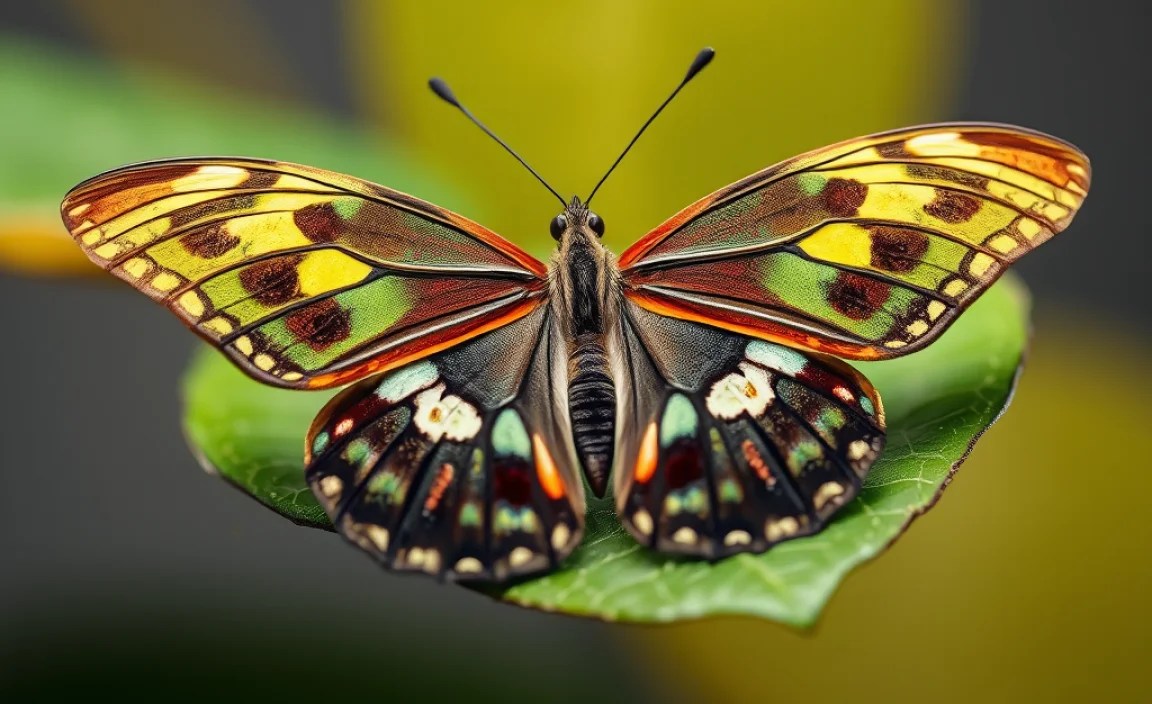
African leaf butterflies play a vital role in their ecosystems. As pollinators, they help to ensure the reproduction of many plant species. They also serve as a food source for various predators, contributing to the overall biodiversity of their habitats.
Pollination
Like many butterflies, African leaf butterflies are important pollinators. As they feed on nectar, they transfer pollen from one flower to another, facilitating the fertilization of plants. This pollination is essential for the reproduction of many plant species, including those that are important for human agriculture.
Food Source
African leaf butterflies and their caterpillars serve as a food source for various predators, including birds, lizards, and insects. By providing sustenance for these animals, they help to maintain the balance of the ecosystem.
Indicator Species
Butterflies, in general, are often used as indicator species, meaning their presence or absence can indicate the health of an ecosystem. A decline in butterfly populations can signal environmental problems such as habitat loss, pollution, or climate change. Monitoring butterfly populations can provide valuable information for conservation efforts.
Threats and Conservation

Like many butterfly species, African leaf butterflies face several threats, including habitat loss, climate change, and pesticide use. Conservation efforts are needed to protect these remarkable creatures and their natural habitats.
Habitat Loss
One of the biggest threats to African leaf butterflies is habitat loss. As forests are cleared for agriculture, logging, and urbanization, these butterflies lose their natural homes. Habitat fragmentation can also isolate butterfly populations, making them more vulnerable to extinction.
Protecting and restoring forest habitats is crucial for the survival of African leaf butterflies. This can involve establishing protected areas, promoting sustainable forestry practices, and reforesting degraded areas.
Climate Change
Climate change poses another significant threat to African leaf butterflies. Changes in temperature and rainfall patterns can disrupt their life cycle and alter the availability of their food plants. Extreme weather events, such as droughts and floods, can also devastate butterfly populations.
Mitigating climate change by reducing greenhouse gas emissions is essential for protecting African leaf butterflies and other wildlife. This can involve transitioning to renewable energy sources, improving energy efficiency, and promoting sustainable land use practices.
Pesticide Use
Pesticides can have a devastating impact on butterfly populations. Insecticides can directly kill butterflies and their caterpillars, while herbicides can reduce the availability of their food plants. Pesticide runoff can also contaminate water sources, harming aquatic insects and other wildlife.
Reducing pesticide use is crucial for protecting African leaf butterflies. This can involve promoting integrated pest management practices, using organic farming methods, and educating the public about the dangers of pesticides.
Conservation Efforts
Several conservation organizations are working to protect African leaf butterflies and their habitats. These efforts include:
- Habitat Protection: Establishing protected areas and promoting sustainable land use practices.
- Research: Conducting research to better understand the ecology and conservation needs of African leaf butterflies.
- Education: Educating the public about the importance of butterfly conservation and how they can help.
- Captive Breeding: In some cases, captive breeding programs may be necessary to boost wild populations.
How to Attract Butterflies to Your Garden
Even if you don’t live in Africa, you can still help butterflies by creating a butterfly-friendly garden. By providing food, water, and shelter, you can attract these beautiful creatures to your backyard.
Plant Nectar-Rich Flowers
Butterflies need nectar to fuel their flight and reproduction. Plant a variety of nectar-rich flowers that bloom at different times of the year. Some good choices include:
- Lantana
- Butterfly Bush (Buddleja davidii)
- Zinnia
- Salvia
- Cosmos
Provide Host Plants
Caterpillars need specific host plants to feed on. Research which plants are host plants for butterflies in your area and include them in your garden. For example, milkweed is a host plant for monarch butterflies. Although the African Leaf Butterfly is not native to most areas, providing host plants for local butterflies will make a significant impact on your local ecosystem.
Offer a Water Source
Butterflies need water to stay hydrated. Provide a shallow dish of water with pebbles or stones for them to land on. Make sure the water is clean and refreshed regularly.
Avoid Pesticides
Pesticides can harm or kill butterflies and other beneficial insects. Avoid using pesticides in your garden, or choose organic options that are less harmful.
Provide Shelter
Butterflies need shelter from the wind and rain. Plant trees and shrubs to provide them with a safe place to rest.
| Element | Description | Example Plants/Items |
|---|---|---|
| Nectar Sources | Flowers that provide nectar for adult butterflies. | Lantana, Butterfly Bush, Zinnia, Salvia, Cosmos |
| Host Plants | Plants that caterpillars feed on. | Milkweed (for Monarchs), various native plants |
| Water Source | Shallow dish of water with pebbles for butterflies to land on. | Shallow dish with pebbles |
| Shelter | Trees and shrubs to provide protection from wind and rain. | Native trees and shrubs |
Fun Facts About African Leaf Butterflies
Here are some fascinating facts about African leaf butterflies that you might not know:
- Perfect Mimicry: The African leaf butterfly’s camouflage is so effective that it can even fool birds, one of its primary predators.
- Seasonal Variation: The color and pattern of the butterfly’s wings can vary depending on the season, allowing it to better blend in with the surrounding foliage.
- Rapid Flight: When disturbed, the African leaf butterfly can fly very quickly, making it difficult to catch.
- Sunbathing: These butterflies often bask in the sun to warm their bodies, which helps them to fly more efficiently.
- Cultural Significance: In some African cultures, butterflies are seen as symbols of transformation and rebirth.
FAQ About African Leaf Butterflies
Here are some frequently asked questions about African leaf butterflies:
What do African leaf butterflies eat?
African leaf butterflies primarily feed on nectar from flowers. They use their long, straw-like proboscis to sip the sweet liquid. They may also feed on rotting fruit and tree sap.
Where do African leaf butterflies live?
African leaf butterflies are native to the tropical forests of central and western Africa. They thrive in areas with dense vegetation, where they can easily blend in with the fallen leaves and foliage.
How long do African leaf butterflies live?
The lifespan of an adult African leaf butterfly is typically 2-4 weeks. The entire life cycle, from egg to adult, can take several months.
How do African leaf butterflies protect themselves from predators?
African leaf butterflies protect themselves through camouflage. When their wings are closed, they perfectly mimic a dead leaf, making them nearly invisible to predators.
Are African leaf butterflies endangered?
While African leaf butterflies are not currently listed as endangered, they face threats from habitat loss, climate change, and pesticide use. Conservation efforts are needed to protect these butterflies and their natural habitats.
Can I attract African leaf butterflies to my garden?
While African leaf butterflies are not native to most regions, you can attract local butterfly species to your garden by planting nectar-rich flowers, providing host plants for caterpillars, offering a water source, and avoiding pesticides.
What is the scientific name of the African leaf butterfly?
The scientific name of the African leaf butterfly is Kallima rumia. It belongs to the Nymphalidae family, also known as brush-footed butterflies.
Conclusion
The African leaf butterfly is a true marvel of nature, showcasing the incredible power of camouflage and adaptation. Its remarkable resemblance to a dead leaf is a testament to the evolutionary forces that have shaped its appearance and behavior. By understanding the ecology of these butterflies and the threats they face, we can take steps to protect them and their natural habitats.
Whether you are a nature enthusiast, a gardener, or simply someone who appreciates the beauty of the natural world, the African leaf butterfly offers a fascinating glimpse into the wonders of biodiversity. Let us all work together to ensure that these incredible creatures continue to thrive for generations to come. By creating butterfly-friendly gardens, supporting conservation organizations, and advocating for sustainable practices, we can make a difference in the lives of these delicate and important insects.


