
Ultimate Butterfly Flight Style Chart: See How!

Butterfly Flight Style Chart: A Beginner’s Guide
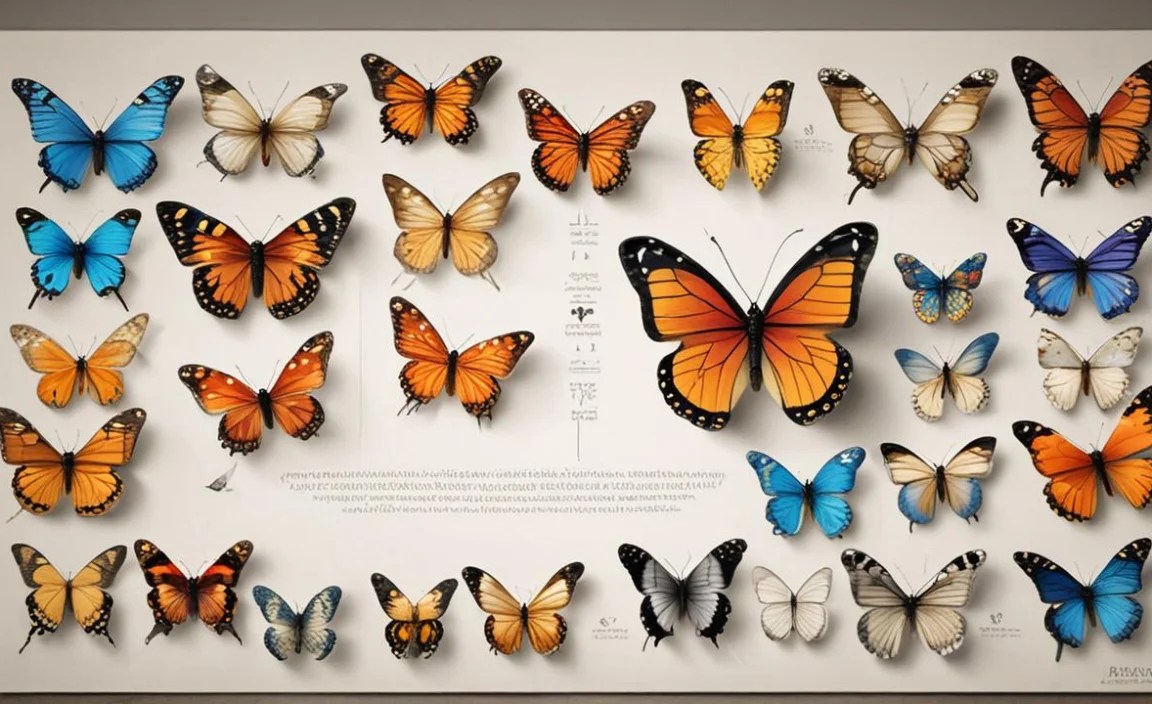
Butterflies exhibit a wide variety of flight patterns, from gentle fluttering to swift, direct flight. Understanding these flight styles can aid in identifying different butterfly species. A butterfly flight style chart categorizes these patterns, helping enthusiasts learn to recognize butterflies by their unique aerial movements.
Have you ever watched a butterfly and wondered why it flies the way it does? Each butterfly species has its own unique way of moving through the air. It can be frustrating trying to identify butterflies when they’re constantly on the move. But don’t worry! This guide will help you understand the different types of butterfly flight styles. By learning to recognize these patterns, you’ll become a butterfly identification pro in no time. Let’s dive into the fascinating world of butterfly flight!
Understanding Butterfly Flight Styles
Butterfly flight isn’t just random fluttering. It’s a complex combination of wing structure, body weight, and environmental factors. Here’s what makes each flight style unique:
- Wing Shape: Different wing shapes create different flight patterns. Some butterflies have broad wings for soaring, while others have smaller wings for quick maneuvers.
- Body Weight: Heavier butterflies tend to have a more direct, powerful flight, while lighter ones flutter more gently.
- Wind Conditions: Wind can significantly affect a butterfly’s flight. Strong winds might cause a butterfly to fly lower or seek shelter.
Key Flight Styles
Butterflies use different flight styles depending on their needs. Some flight styles are used for attracting mates, while others are for escaping predators. Here are some common flight styles:
- Fluttering: A gentle, erratic flight with slow wingbeats.
- Gliding: Soaring through the air with minimal wing movement.
- Direct Flight: A straight, purposeful flight with rapid wingbeats.
- Erratic Flight: An unpredictable, zigzagging flight pattern.
Creating Your Butterfly Flight Style Chart

A butterfly flight style chart helps you categorize different butterfly flight patterns. Here’s how to create and use your own chart:
Step 1: Observe and Take Notes
Start by observing butterflies in your backyard or local park. Note the way they move through the air. Ask yourself these questions:
- How fast are the wingbeats?
- Is the flight direct or erratic?
- Does the butterfly glide or flutter?
Write down your observations for each butterfly you see. Include the date, time, location, and any distinguishing features of the butterfly.
Step 2: Categorize Flight Styles
Based on your observations, group the flight styles into categories. Here’s a basic framework you can use:
- Fluttering Flight: Slow, gentle wingbeats with an erratic path.
- Gliding Flight: Minimal wing movement, often seen in larger butterflies.
- Direct Flight: Rapid wingbeats with a straight, purposeful path.
- Erratic Flight: Unpredictable, zigzagging movements used to evade predators.
Step 3: Create a Table
Organize your findings in a table. This will make it easier to compare and contrast different flight styles.
| Flight Style | Description | Wingbeat Speed | Typical Butterflies |
|---|---|---|---|
| Fluttering | Gentle, erratic flight with slow wingbeats. | Slow | Cabbage White, Sulphurs |
| Gliding | Soaring through the air with minimal wing movement. | Minimal | Monarch, Swallowtails |
| Direct Flight | Straight, purposeful flight with rapid wingbeats. | Fast | Skippers, Blues |
| Erratic Flight | Unpredictable, zigzagging flight pattern. | Variable | Hairstreaks, Coppers |
Step 4: Add Butterfly Examples
Include specific butterfly examples for each flight style. This will help you identify butterflies based on their flight patterns.
Fluttering Flight Examples
- Cabbage White (Pieris rapae): Known for its slow, fluttering flight.
- Sulphurs (Colias spp.): These butterflies have a light, fluttering flight, often seen in open fields.
Gliding Flight Examples
- Monarch (Danaus plexippus): Famous for its long migratory flights, using gliding to conserve energy.
- Swallowtails (Papilio spp.): Large butterflies that often glide between flower visits.
Direct Flight Examples
- Skippers (Family Hesperiidae): Small, fast-flying butterflies with a darting flight pattern.
- Blues (Family Lycaenidae): Small butterflies with a quick, direct flight, often close to the ground.
Erratic Flight Examples
- Hairstreaks (Subfamily Theclinae): Known for their irregular, zigzagging flight.
- Coppers (Genus Lycaena): These butterflies have a swift, erratic flight, making them difficult to follow.
Step 5: Update and Refine
Your butterfly flight style chart is a living document. Update it as you observe new butterflies and refine your understanding of different flight styles. The more you observe, the more accurate your chart will become.
Detailed Butterfly Flight Style Descriptions

Let’s dive deeper into each flight style. Understanding the nuances of each will make your butterfly identification skills even sharper.
Fluttering Flight
Fluttering flight is characterized by slow, gentle wingbeats and an erratic flight path. Butterflies that use this style often appear to drift through the air. This flight style is common among smaller butterflies and those that don’t need to travel long distances quickly.
- Wingbeat Speed: Slow
- Flight Path: Erratic, meandering
- Typical Butterflies: Cabbage Whites, Sulphurs
- Purpose: Often used for casual foraging and short-distance travel.
Gliding Flight
Gliding flight involves minimal wing movement. Butterflies that glide often have large wings that allow them to soar through the air. This flight style is energy-efficient and is often used during migration or when searching for nectar sources over long distances.
- Wingbeat Speed: Minimal
- Flight Path: Smooth, soaring
- Typical Butterflies: Monarchs, Swallowtails
- Purpose: Energy conservation during long flights and migration.
Direct Flight
Direct flight is a straight, purposeful flight pattern with rapid wingbeats. Butterflies that use this style can move quickly and efficiently from one location to another. This flight style is common among butterflies that need to escape predators or quickly reach a specific destination.
- Wingbeat Speed: Fast
- Flight Path: Straight, direct
- Typical Butterflies: Skippers, Blues
- Purpose: Rapid movement for escaping predators or reaching specific destinations.
Erratic Flight
Erratic flight is an unpredictable, zigzagging flight pattern. Butterflies that use this style are difficult to follow, making it harder for predators to catch them. This flight style is often used as a defense mechanism.
- Wingbeat Speed: Variable
- Flight Path: Unpredictable, zigzagging
- Typical Butterflies: Hairstreaks, Coppers
- Purpose: Predator evasion.
Factors Influencing Butterfly Flight

Several factors can influence a butterfly’s flight style. Understanding these factors can provide valuable insights into butterfly behavior.
Weather Conditions
Weather plays a significant role in butterfly flight. Wind, temperature, and humidity can all affect how a butterfly flies. For example, butterflies tend to fly closer to the ground on windy days to avoid being blown off course. According to the National Weather Service, strong winds can significantly impact the flight patterns of small insects like butterflies.
Time of Day
Butterflies are most active during the warmest part of the day. They need sunlight to warm their bodies and provide the energy needed for flight. Early morning and late afternoon flights may be slower and more deliberate as butterflies conserve energy.
Physiological Factors
A butterfly’s physical condition can also affect its flight. A butterfly that is weak or injured may have a more labored flight. Additionally, butterflies that are carrying eggs may fly differently than those that are not.
Butterfly Flight and Habitat
The type of habitat a butterfly lives in can also influence its flight style. Butterflies that live in open fields may have a different flight style than those that live in dense forests.
Open Fields
Butterflies in open fields often have a more direct flight style. They need to be able to quickly move from one flower to another in search of nectar. The open environment allows for longer, more sustained flights.
Dense Forests
Butterflies in dense forests often have a more erratic flight style. They need to be able to navigate through the trees and avoid obstacles. The complex environment requires more agile and unpredictable flight.
Observing Butterfly Flight in Different Habitats
To truly understand butterfly flight styles, it’s essential to observe them in various habitats. Here are some tips for observing butterflies in different environments:
- Visit different habitats: Explore open fields, forests, gardens, and wetlands to observe a variety of butterfly species.
- Bring binoculars: Binoculars can help you get a closer look at butterflies without disturbing them.
- Take notes: Record your observations, including the date, time, location, weather conditions, and flight style of each butterfly you see.
- Use a camera: Capture photos or videos of butterflies in flight to help you analyze their flight patterns later.
Tools for Butterfly Identification
Identifying butterflies by their flight style can be challenging, but there are several tools that can help.
Field Guides
Field guides are essential for butterfly identification. They provide detailed descriptions and illustrations of different butterfly species. Many field guides also include information about butterfly flight patterns.
Online Resources
There are many online resources that can help you identify butterflies. Websites like Butterflies and Moths of North America offer detailed information and photos of different butterfly species.
Butterfly Identification Apps
Butterfly identification apps can be a convenient way to identify butterflies in the field. Simply take a photo of the butterfly, and the app will identify it for you. Some apps also include information about butterfly flight patterns.
Attracting Butterflies to Your Garden
One of the best ways to observe butterfly flight styles is to attract butterflies to your garden. Here are some tips for creating a butterfly-friendly garden:
- Plant nectar-rich flowers: Butterflies need nectar for energy. Plant a variety of nectar-rich flowers that bloom throughout the growing season.
- Provide host plants: Butterflies need host plants for their caterpillars. Research which host plants are native to your area and plant them in your garden.
- Offer a water source: Butterflies need water to stay hydrated. Provide a shallow dish of water with pebbles or stones for them to land on.
- Avoid pesticides: Pesticides can harm butterflies and other beneficial insects. Avoid using pesticides in your garden.
The Role of Butterfly Flight in Pollination
Butterfly flight plays a crucial role in pollination. As butterflies fly from flower to flower in search of nectar, they transfer pollen, which helps plants reproduce. According to the U.S. Forest Service, butterflies are important pollinators for many plant species.
Butterfly Pollination vs. Bee Pollination
While bees are often considered the primary pollinators, butterflies also play an important role. Here’s how butterfly pollination differs from bee pollination:
- Pollen Collection: Bees actively collect pollen and carry it back to their hives. Butterflies passively collect pollen on their bodies as they feed on nectar.
- Flower Preferences: Bees tend to prefer brightly colored flowers with a strong scent. Butterflies are attracted to a wider range of flower colors and shapes.
- Pollination Efficiency: Bees are generally more efficient pollinators than butterflies because they actively collect and transport pollen. However, butterflies can still contribute significantly to pollination, especially in areas where bee populations are declining.
The Beauty and Importance of Butterfly Flight
Butterfly flight is not only fascinating to observe, but it’s also essential for the survival of butterflies and the health of our ecosystems. By understanding the different flight styles of butterflies, we can gain a deeper appreciation for these beautiful creatures and the important role they play in the natural world.
FAQ: Butterfly Flight Styles
What is a butterfly flight style chart?
A butterfly flight style chart is a tool used to categorize and identify butterflies based on their unique flight patterns, such as fluttering, gliding, or direct flight.
Why do butterflies fly differently?
Butterflies fly differently due to variations in wing shape, body weight, weather conditions, and the specific needs of their species, like escaping predators or conserving energy during migration.
How can I identify a butterfly by its flight style?
Observe the butterfly’s wingbeat speed, flight path (direct or erratic), and overall movement. Compare your observations to a flight style chart or field guide to narrow down the species.
What is fluttering flight?
Fluttering flight is a gentle, erratic flight pattern characterized by slow wingbeats and a meandering path, commonly seen in smaller butterflies like Cabbage Whites.
What is gliding flight?
Gliding flight involves minimal wing movement, allowing butterflies with large wings, such as Monarchs, to soar through the air and conserve energy during long flights.
What is erratic flight?
Erratic flight is an unpredictable, zigzagging flight pattern used by butterflies like Hairstreaks to evade predators by making it difficult for them to track their movements.
How does weather affect butterfly flight?
Weather conditions like wind, temperature, and humidity can significantly impact butterfly flight. Strong winds may cause butterflies to fly lower, while warm temperatures provide the energy needed for sustained flight.
Conclusion
Understanding butterfly flight styles opens up a new dimension in appreciating these incredible insects. By creating and using a butterfly flight style chart, you can enhance your identification skills and deepen your understanding of butterfly behavior. Remember to observe butterflies in different habitats, consider the weather conditions, and utilize field guides and online resources to refine your knowledge. Whether you’re a seasoned naturalist or a budding butterfly enthusiast, learning about butterfly flight will undoubtedly enrich your connection with the natural world. So, grab your binoculars, head outside, and start observing the fascinating flight patterns of butterflies!


