
Butterfly Speciation Examples: See How It Works!

Butterfly Speciation Examples: How New Species Emerge

Butterfly speciation happens when one butterfly species splits into two or more distinct species. This usually occurs due to geographical separation, genetic changes, or differences in behavior. Common examples include the Heliconius butterflies, the Karner Blue butterfly, and various species on islands where isolation drives unique adaptations.
Have you ever wondered how so many different kinds of butterflies came to be? It’s a fascinating process called speciation! Speciation can seem complex, but it’s really about how populations of butterflies change over time, eventually becoming so different that they can no longer interbreed. Think of it as a butterfly family tree branching out in amazing ways.
In this article, we’ll explore real-world examples of butterfly speciation, making it easy to understand. Get ready to discover how these beautiful creatures evolve and diversify in our world!
What is Speciation?
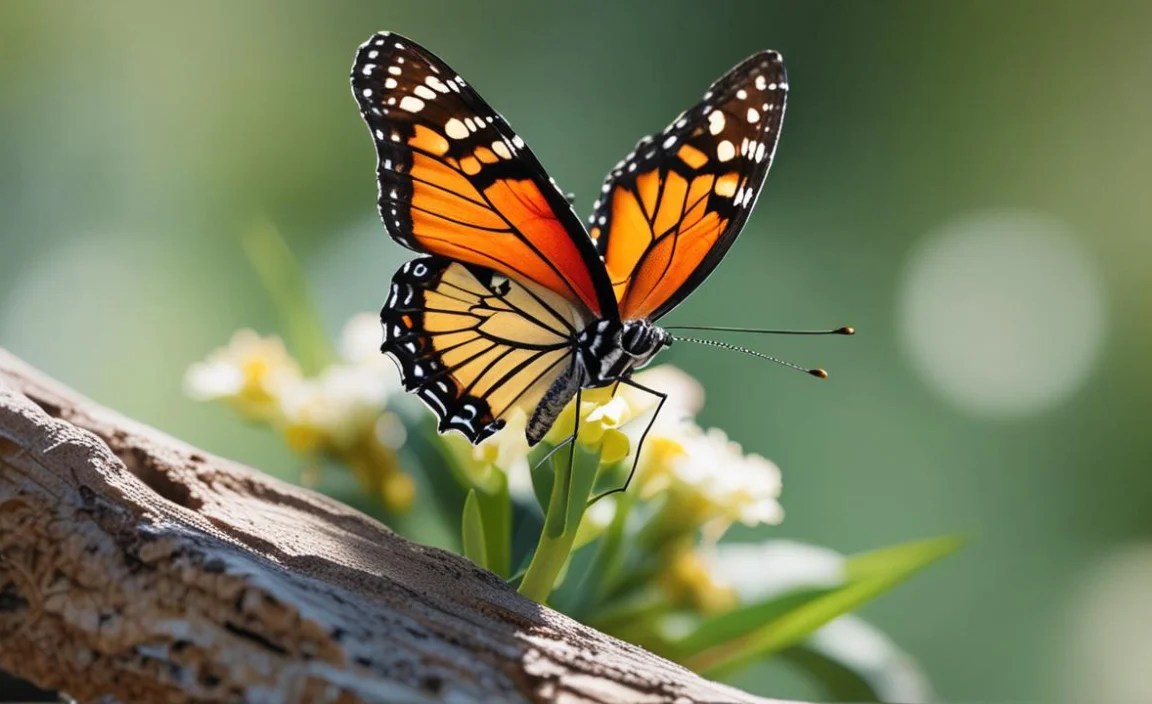
Speciation is simply the process by which new species arise. In the context of butterflies, it means one ancestral butterfly population diverges into two or more distinct groups that can no longer interbreed and produce fertile offspring. Several factors can drive this process.
- Geographic Isolation: Populations separated by physical barriers (mountains, rivers, islands) evolve independently.
- Genetic Drift: Random genetic changes accumulate in isolated populations.
- Natural Selection: Different environments favor different traits, leading to adaptation and divergence.
- Sexual Selection: Preferences for certain traits in mates can drive reproductive isolation.
Examples of Butterfly Speciation

Let’s dive into some specific examples that illustrate how butterfly speciation occurs.
1. Heliconius Butterflies: A Case of Mimicry and Hybridization
The Heliconius butterflies of Central and South America are a classic example of speciation in action. These butterflies are known for their vibrant colors and complex mimicry patterns. They mimic toxic butterfly species, which helps them avoid predators. What’s particularly interesting is how mimicry drives speciation in this group.
Mimicry and Mate Choice
Heliconius butterflies use their color patterns not only for defense but also for mate recognition. Butterflies that look alike tend to mate with each other. When populations begin to mimic different toxic species, they effectively create a barrier to interbreeding. This is a form of reproductive isolation that can lead to speciation.
Hybrid Zones
Despite these strong selective pressures, hybridization (interbreeding between different species) can still occur in areas called hybrid zones. These zones provide valuable insights into the speciation process. Scientists study the genes that flow between species in these zones to understand how species boundaries are maintained or broken down. Some hybridization can even introduce beneficial genes, aiding adaptation.
For instance, research published in “Nature” has shown that Heliconius butterflies exchange genes related to wing patterns, demonstrating how natural selection and gene flow interact during speciation. You can read more about this research on the Nature website.
2. Karner Blue Butterfly: Habitat Fragmentation and Genetic Drift
The Karner Blue butterfly (Lycaeides melissa samuelis) is a federally endangered species found in fragmented oak savanna habitats in the northeastern United States. Its story is a stark reminder of how habitat loss can drive evolutionary change.
Dependence on Wild Blue Lupine
The Karner Blue butterfly has a very specific requirement: its caterpillars feed exclusively on the leaves of wild blue lupine (Lupinus perennis). As oak savannas have been converted to agriculture and urban areas, the lupine populations have become fragmented. This fragmentation has had a direct impact on the butterfly.
Genetic Isolation and Bottleneck Effect
When lupine patches become isolated, the Karner Blue butterfly populations also become isolated. Small, isolated populations are more vulnerable to genetic drift – random changes in gene frequency. This can lead to reduced genetic diversity and, in some cases, the fixation of harmful traits. The Karner Blue butterfly has experienced several population bottlenecks, where a large portion of the population dies off, further reducing genetic diversity.
Conservation Efforts
Conservation efforts focus on restoring and connecting lupine habitats to allow for gene flow between populations. The U.S. Fish and Wildlife Service plays a crucial role in protecting and managing Karner Blue butterfly habitats. You can find more information on their efforts on the U.S. Fish and Wildlife Service website.
3. Island Butterflies: Adaptation to Unique Environments
Islands are natural laboratories for studying speciation. Isolated from mainland populations, island butterflies often evolve unique traits to adapt to their specific environments. This is a prime example of allopatric speciation, where geographical isolation leads to new species.
Hawaiian Happyface Spiders and Butterflies
While not butterflies themselves, the Hawaiian Happyface Spiders (Theridion grallator) offer a parallel example. Each island has unique color morphs that have evolved to match the local plants, providing camouflage. Similarly, butterflies on different islands can evolve unique wing patterns, sizes, and behaviors due to isolation and different selection pressures.
Madagascan Butterflies
Madagascar, an island off the coast of Africa, is home to a rich diversity of butterfly species, many of which are found nowhere else. The isolation of Madagascar has allowed these butterflies to evolve independently for millions of years, leading to unique adaptations to the island’s varied ecosystems. Different species of swallowtail butterflies (family Papilionidae), for example, have adapted to different forest types, with some developing specialized feeding habits.
4. Ring Species: A Continuous Chain of Divergence
A ring species is a fascinating example of speciation where a species expands its range around a geographic barrier. Populations at the ends of the ring may be unable to interbreed, even though neighboring populations can.
Greenish Warblers
While not butterflies, the Greenish Warbler (Phylloscopus trochiloides) in Asia is the classic example of a ring species. The warblers spread around the Tibetan Plateau. Neighboring populations can interbreed, but at the western and eastern ends of the ring, the populations are so different they do not recognize each other as potential mates.
Potential Butterfly Ring Species
While documented ring species are rare in butterflies, the concept is still relevant. Consider a butterfly species distributed around a mountain range, with populations adapting to different altitudes and climates. If the populations at the base of the mountain range eventually become reproductively isolated, it would represent a ring species scenario.
5. Host Plant Specialization: The Case of Swallowtail Butterflies
Many butterfly species are highly specialized in their choice of host plants – the plants on which their caterpillars feed. This specialization can drive speciation, as populations adapt to different host plants and become reproductively isolated.
Swallowtail Butterfly Diversity
Swallowtail butterflies (family Papilionidae) are known for their diverse host plant preferences. Some species feed on only one or a few closely related plant species, while others are more generalist. This difference in host plant use can lead to genetic divergence.
Chemical Defenses and Adaptation
Plants often have chemical defenses to protect themselves from herbivores. Butterflies that specialize on a particular host plant may evolve resistance to these defenses. This can lead to genetic changes that make them less able to feed on other plants, creating a barrier to gene flow with other populations. Over time, this can result in speciation. For instance, some swallowtail butterflies have evolved the ability to sequester toxins from their host plants, making them unpalatable to predators.
6. Polyploidy: A Rapid Path to Speciation
Polyploidy is a rare but significant mechanism of speciation, especially in plants. It involves a sudden increase in the number of chromosomes, leading to reproductive isolation from the parent population.
How Polyploidy Works
Normally, organisms have two sets of chromosomes (diploid). Polyploidy occurs when an organism has three or more sets of chromosomes (triploid, tetraploid, etc.). This can happen due to errors in cell division. Polyploid individuals are often unable to breed with diploid individuals, creating a new species in a single generation.
Butterfly Examples
While polyploidy is more common in plants, it has been observed in some insects, including butterflies. Polyploid butterflies are often larger and have different physiological traits compared to their diploid relatives. Although not a primary driver of butterfly speciation, polyploidy can contribute to the diversity of butterfly species.
7. Sexual Selection: Mate Choice Drives Divergence
Sexual selection, where mate choice drives the evolution of certain traits, can also play a role in speciation. If a population of butterflies develops a strong preference for a particular wing pattern or courtship behavior, this can lead to reproductive isolation from other populations.
Color Patterns and Mate Recognition
As mentioned earlier with Heliconius butterflies, color patterns are crucial for mate recognition. If a mutation arises that causes a butterfly to have a slightly different wing pattern, and if females begin to prefer this new pattern, then males with the new pattern will have a mating advantage. Over time, this can lead to the divergence of the population and the formation of a new species.
Courtship Rituals
Courtship rituals, such as elaborate dances or pheromone displays, can also be subject to sexual selection. If a population develops a unique courtship ritual, this can create a barrier to interbreeding with other populations that have different rituals.
Table: Examples of Butterfly Speciation

| Butterfly Group | Mechanism of Speciation | Description |
|---|---|---|
| Heliconius | Mimicry, Hybridization | Mimicry of toxic species drives mate choice and reproductive isolation. Hybrid zones provide insights into gene flow. |
| Karner Blue | Habitat Fragmentation, Genetic Drift | Habitat loss leads to isolated populations and reduced genetic diversity. |
| Island Butterflies | Geographic Isolation, Adaptation | Isolation on islands leads to unique adaptations to local environments. |
| Swallowtail Butterflies | Host Plant Specialization | Adaptation to different host plants leads to genetic divergence and reproductive isolation. |
Table: Factors Influencing Butterfly Speciation

| Factor | Description | Example |
|---|---|---|
| Geographic Isolation | Physical barriers separate populations, preventing gene flow. | Island butterflies evolving unique traits. |
| Natural Selection | Different environments favor different traits. | Heliconius butterflies mimicking different toxic species. |
| Genetic Drift | Random changes in gene frequency in small populations. | Karner Blue butterfly in fragmented habitats. |
| Sexual Selection | Mate choice drives the evolution of certain traits. | Color patterns in Heliconius butterflies influencing mate recognition. |
| Host Plant Specialization | Adaptation to specific host plants. | Swallowtail butterflies evolving resistance to plant toxins. |
Frequently Asked Questions (FAQ)
What is butterfly speciation?
Butterfly speciation is the process where one butterfly species evolves into two or more distinct species over time. This often happens when populations are separated or when genetic changes accumulate.
How does geographic isolation lead to speciation?
When a butterfly population is separated by a physical barrier like a mountain or river, the isolated groups can evolve differently due to different environmental pressures and genetic drift, eventually becoming separate species.
What role does mimicry play in butterfly speciation?
Mimicry, where butterflies evolve to resemble other species, can drive speciation. For example, Heliconius butterflies mimic toxic species. These similar patterns influence mate choice, leading to reproductive isolation and the formation of new species.
Why are islands good places to study speciation?
Islands are isolated environments where butterfly populations can evolve independently from mainland populations. This isolation leads to unique adaptations and the formation of new species not found anywhere else.
What is host plant specialization and how does it affect speciation?
Host plant specialization is when butterfly caterpillars feed on specific plants. Over time, butterflies adapt to these plants, leading to genetic changes that make them less able to feed on other plants, fostering reproductive isolation and speciation.
What is genetic drift, and how does it contribute to speciation?
Genetic drift refers to random changes in gene frequencies within a population. In small, isolated butterfly populations, genetic drift can lead to the fixation of certain traits, causing the population to diverge genetically from others and potentially form a new species.
Can hybridization ever lead to speciation?
Yes, hybridization (interbreeding between different species) can sometimes lead to speciation. If hybrids are better adapted to a particular environment than either parent species, they can form a new, distinct population that eventually becomes a new species.
Conclusion
Butterfly speciation is a dynamic and ongoing process shaped by a variety of factors, from geographic isolation and natural selection to mimicry and sexual selection. By studying these examples, we gain a deeper understanding of how biodiversity arises and how species adapt to changing environments. Understanding these processes is crucial for conservation efforts, as it helps us protect the habitats and genetic diversity that allow butterflies to continue evolving and thriving. As we continue to explore the natural world, the intricate stories of butterfly speciation remind us of the endless creativity and resilience of life on Earth.


