
Easy Butterfly Garden Maintenance: Your Secret!

Maintaining a butterfly garden involves providing the right food, water, and shelter to support butterflies throughout their life cycle. This includes planting nectar-rich flowers for adult butterflies and host plants for caterpillars, while also managing pests and weeds without harmful chemicals. Regular watering, pruning, and seasonal cleanup will keep your garden thriving and attractive to butterflies.
Have you ever dreamed of a garden bursting with colorful butterflies? It’s a beautiful vision, but sometimes, keeping a butterfly garden thriving can feel a bit overwhelming. You might wonder if you’re providing the right plants, or how to keep those pesky pests away without harming your delicate butterfly friends. Don’t worry! Creating and maintaining a successful butterfly garden is easier than you think. With a few simple steps, you can create a haven for these amazing creatures and enjoy their beauty all season long.
In this guide, we’ll walk you through everything you need to know to keep your butterfly garden in tip-top shape. We’ll cover essential tasks like watering, pruning, pest control, and seasonal cleanup, ensuring your garden remains a butterfly paradise year after year.
Understanding Butterfly Garden Basics
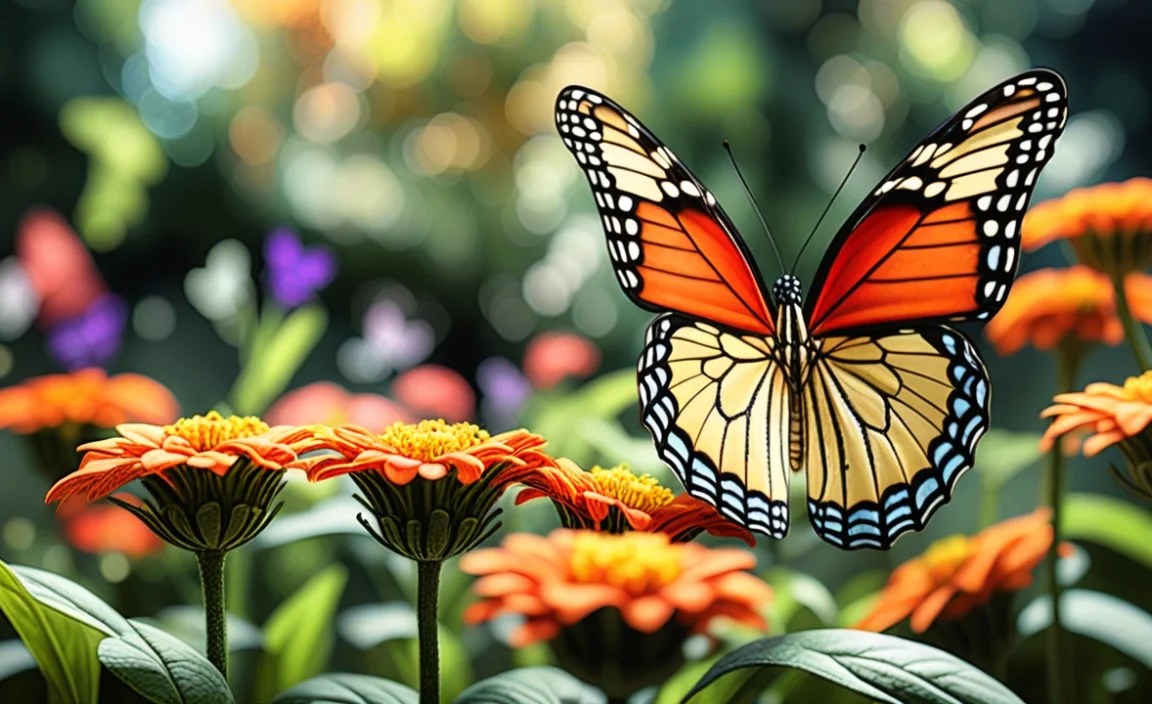
Before diving into maintenance, it’s helpful to understand the core principles of a butterfly garden. Butterflies need two main things: nectar sources for adults and host plants for caterpillars. A successful butterfly garden provides both, along with shelter and water.
Nectar Sources: Food for Adult Butterflies
Nectar-rich flowers provide the energy adult butterflies need to fly, mate, and lay eggs. Choose a variety of flowers that bloom at different times throughout the growing season to ensure a continuous food supply.
Host Plants: Food for Caterpillars
Host plants are specific plants that butterfly caterpillars eat. Different butterfly species have different host plant preferences. For example, Monarch caterpillars feed exclusively on milkweed. Without the right host plants, butterflies cannot complete their life cycle in your garden.
Shelter and Water
Butterflies need shelter from wind and rain. Trees, shrubs, and even tall flowers can provide this. They also need a source of water. A shallow dish of water with pebbles or a damp patch of sand will do the trick.
Essential Butterfly Garden Maintenance Tasks
Now, let’s get into the nitty-gritty of butterfly garden maintenance. These tasks will keep your garden healthy, attractive, and butterfly-friendly.
Watering: Keeping Plants Hydrated
Watering is crucial, especially during dry spells. Here’s how to do it right:
- Water deeply and less frequently: Encourage deep root growth by watering thoroughly but infrequently. This helps plants become more drought-tolerant.
- Water in the morning: This allows foliage to dry before nightfall, reducing the risk of fungal diseases.
- Use a soaker hose or drip irrigation: These methods deliver water directly to the roots, minimizing water waste and keeping foliage dry.
Pruning: Encouraging Healthy Growth
Pruning helps maintain the shape and health of your plants. Here are some tips:
- Deadhead spent flowers: Remove faded blooms to encourage more flowering. This prevents the plant from putting energy into seed production and redirects it to producing more flowers.
- Prune shrubs and trees in late winter or early spring: This is before new growth begins. Remove any dead, damaged, or crossing branches.
- Pinch back leggy plants: This encourages bushier growth. Simply pinch off the tips of stems to promote branching.
Weeding: Protecting Your Plants
Weeds compete with your plants for water, nutrients, and sunlight. Here’s how to keep them under control:
- Hand-pull weeds regularly: This is the most effective and environmentally friendly method. Get the roots to prevent them from growing back.
- Mulch around plants: Mulch helps suppress weed growth and retains soil moisture. Use organic mulches like shredded bark, wood chips, or straw.
- Avoid herbicides: Herbicides can harm butterflies and other beneficial insects. If you must use them, choose a targeted herbicide and apply it carefully.
Pest Control: Protecting Your Butterflies and Plants
Pests can damage your plants and harm butterfly larvae. Here’s how to manage them without harming butterflies:
- Inspect plants regularly: Look for signs of pests, such as aphids, caterpillars, or spider mites. Early detection is key.
- Use natural pest control methods: Introduce beneficial insects like ladybugs and lacewings, which prey on pests. You can also use insecticidal soap or neem oil.
- Handpick pests: Remove caterpillars, aphids, or other pests by hand. Drop them into a bucket of soapy water.
- Protect caterpillars: If you find caterpillars on your plants, leave them be! They are the future butterflies you want to attract. Consider moving them to a safe location if necessary.
Fertilizing: Nourishing Your Plants
Fertilizing provides your plants with the nutrients they need to thrive. Here are some tips:
- Use a balanced fertilizer: Choose a fertilizer with equal amounts of nitrogen, phosphorus, and potassium (e.g., 10-10-10).
- Fertilize in spring: This gives plants a boost at the beginning of the growing season.
- Avoid over-fertilizing: Too much fertilizer can harm plants and reduce flowering. Follow the instructions on the fertilizer label.
- Use organic fertilizers: Compost, manure, and other organic fertilizers are gentle on plants and beneficial for soil health.
Seasonal Cleanup: Preparing for the Next Season
Seasonal cleanup helps keep your garden healthy and attractive year-round. Here’s what to do:
- Fall cleanup: Remove dead leaves and plant debris to prevent diseases and pests from overwintering. Leave some seed heads for birds and beneficial insects.
- Spring cleanup: Remove any remaining dead foliage and debris. Prepare the soil for planting by adding compost or other organic matter.
- Mulch in spring: Apply a fresh layer of mulch to suppress weeds and retain soil moisture.
Creating a Butterfly Watering Station
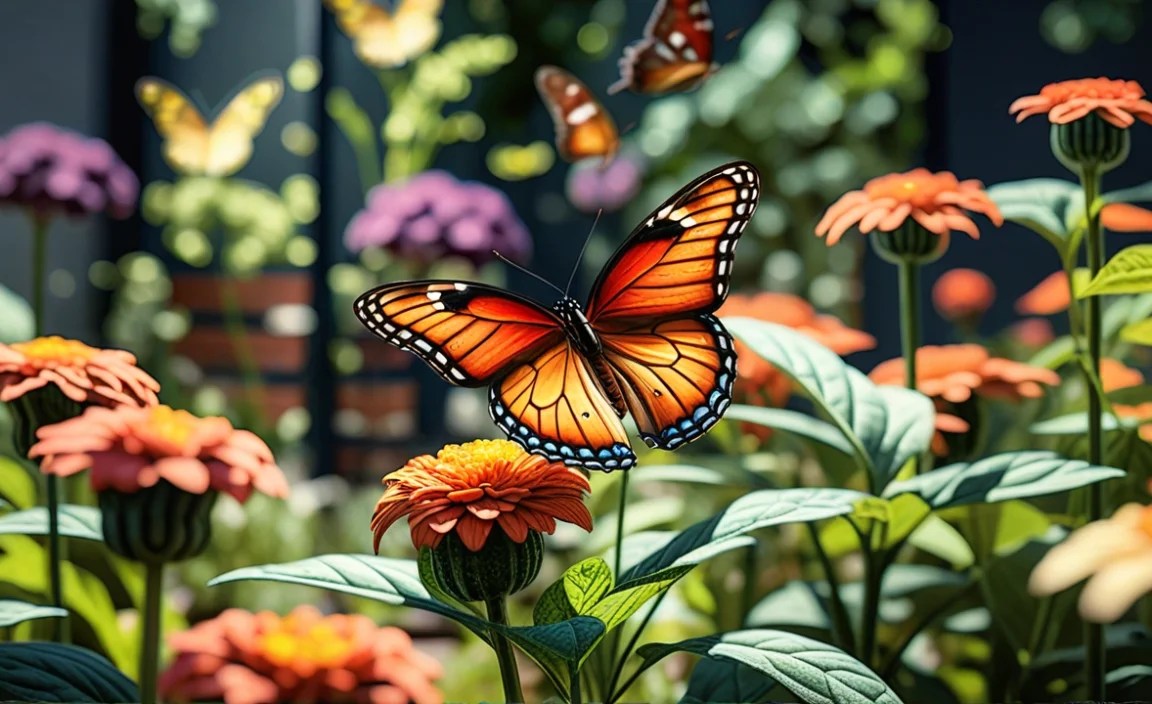
Butterflies need water, but they can’t drink from deep puddles. They need a shallow source of water where they can land and sip.
How to Build a Butterfly Puddler
- Choose a shallow dish: A terracotta saucer or shallow bird bath works well.
- Add pebbles or marbles: These provide a landing spot for butterflies.
- Add water: Fill the dish with just enough water to cover the pebbles or marbles.
- Add a pinch of sea salt: This provides essential minerals for butterflies.
- Place the puddler in a sunny spot: Butterflies prefer to drink in the sun.
- Maintain the puddler: Refill the water regularly and clean the dish to prevent algae growth.
Choosing the Right Plants
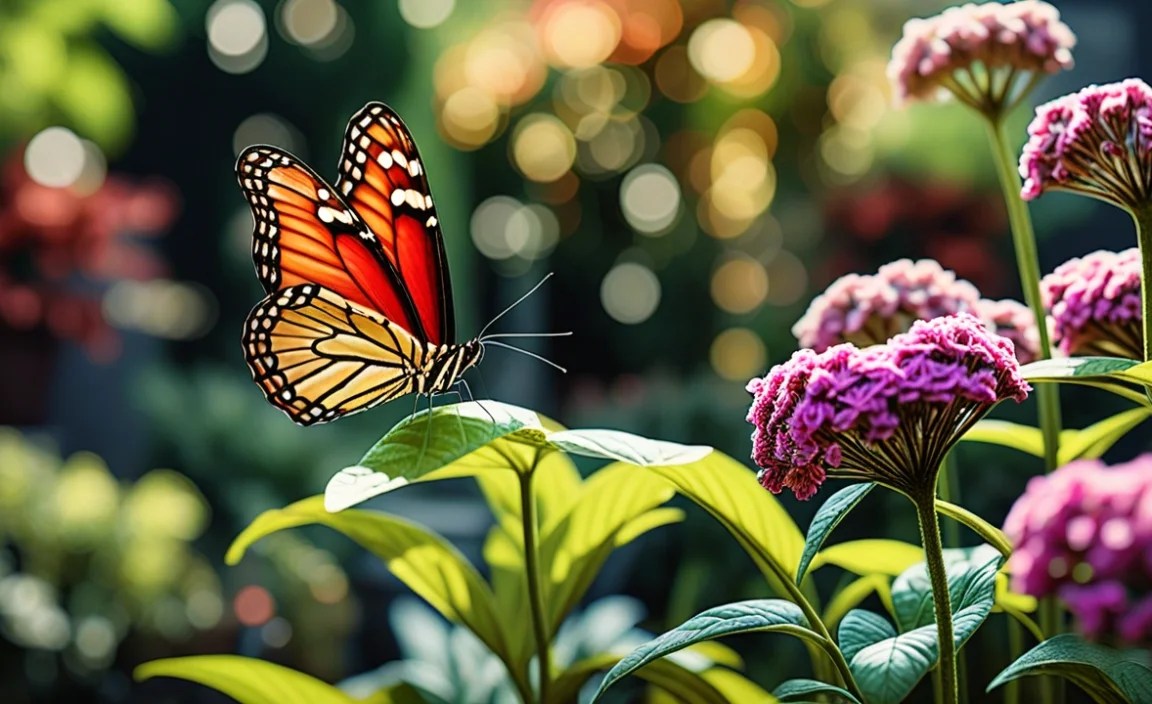
Selecting the right plants is crucial for attracting butterflies. Here’s a guide to some of the best nectar and host plants.
Top Nectar Plants
These plants provide abundant nectar for adult butterflies:
- Butterfly Bush (Buddleja davidii): A classic butterfly magnet with long, fragrant flower spikes.
- Zinnia (Zinnia elegans): Easy-to-grow annuals with bright, colorful flowers.
- Coneflower (Echinacea purpurea): Native perennials with daisy-like flowers that attract butterflies and bees.
- Lantana (Lantana camara): A heat-tolerant plant with clusters of colorful flowers.
- Salvia (Salvia spp.): A diverse group of plants with long-lasting blooms that attract hummingbirds and butterflies.
- Bee Balm (Monarda spp.): Native perennials with showy flowers that attract bees, butterflies, and hummingbirds.
Top Host Plants
These plants provide food for butterfly caterpillars:
- Milkweed (Asclepias spp.): The exclusive host plant for Monarch caterpillars.
- Parsley, Dill, Fennel (Foeniculum vulgare): Host plants for Black Swallowtail caterpillars.
- Spicebush (Lindera benzoin): Host plant for Spicebush Swallowtail caterpillars.
- Violets (Viola spp.): Host plants for Fritillary caterpillars.
- Cabbage, Broccoli, Kale (Brassica oleracea): Host plants for Cabbage White caterpillars.
- Aster (Aster spp.): Host plant for Pearl Crescent caterpillars.
Here is a table summarizing the best nectar and host plants for attracting a variety of butterflies:
| Plant Type | Plant Name | Butterfly Attracted | Growing Conditions |
|---|---|---|---|
| Nectar Plant | Butterfly Bush (Buddleja davidii) | Monarchs, Swallowtails | Full sun, well-drained soil |
| Nectar Plant | Zinnia (Zinnia elegans) | Various butterflies | Full sun, well-drained soil |
| Nectar Plant | Coneflower (Echinacea purpurea) | Monarchs, Swallowtails | Full sun, well-drained soil |
| Host Plant | Milkweed (Asclepias spp.) | Monarchs | Full sun, well-drained soil |
| Host Plant | Parsley, Dill, Fennel | Black Swallowtails | Full sun, well-drained soil |
| Host Plant | Spicebush (Lindera benzoin) | Spicebush Swallowtails | Part shade, moist soil |
Designing Your Butterfly Garden

A well-designed butterfly garden is not only beautiful but also functional. Here are some design tips:
- Plant in clusters: Group plants of the same species together to create a more visually appealing display and make it easier for butterflies to find them.
- Provide a variety of flower shapes and colors: Different butterfly species are attracted to different flower shapes and colors.
- Include plants that bloom at different times: This ensures a continuous supply of nectar throughout the growing season.
- Provide sunny and sheltered areas: Butterflies need both sun for warmth and shelter from wind and rain.
- Consider the height of plants: Plant taller plants in the back and shorter plants in the front to create a layered effect.
- Add rocks or stepping stones: These provide basking spots for butterflies.
Butterfly Garden Maintenance Checklist
Use this checklist to stay on top of your butterfly garden maintenance:
| Task | Frequency | Notes |
|---|---|---|
| Watering | As needed, especially during dry spells | Water deeply and less frequently. |
| Pruning | Regularly, as needed | Deadhead spent flowers to encourage more blooming. |
| Weeding | Regularly | Hand-pull weeds to prevent them from spreading. |
| Pest Control | As needed | Use natural methods to avoid harming butterflies. |
| Fertilizing | In spring | Use a balanced fertilizer or compost. |
| Seasonal Cleanup | Fall and spring | Remove dead foliage and debris. |
Addressing Common Butterfly Garden Problems
Even with the best care, you may encounter some problems in your butterfly garden. Here’s how to address them:
Lack of Butterflies
If you’re not seeing many butterflies, consider these factors:
- Are you providing both nectar and host plants? Make sure you have plants that cater to both adult butterflies and caterpillars.
- Are your plants getting enough sun? Most butterfly garden plants need at least six hours of sun per day.
- Are you using pesticides? Pesticides can harm butterflies and other beneficial insects.
- Is your garden sheltered from wind? Butterflies prefer sheltered locations.
Plant Diseases
Plant diseases can affect the health and appearance of your butterfly garden. Here’s how to prevent and treat them:
- Choose disease-resistant varieties: When selecting plants, look for varieties that are resistant to common diseases.
- Provide good air circulation: Space plants properly to allow for good air circulation.
- Water properly: Avoid overwatering and water in the morning to allow foliage to dry before nightfall.
- Remove diseased foliage: Prune away any diseased leaves or stems to prevent the spread of the disease.
- Use fungicides: If necessary, use a fungicide to control fungal diseases. Choose a fungicide that is safe for butterflies and other beneficial insects.
Pest Infestations
Pests can damage your plants and harm butterfly larvae. Here’s how to manage them:
- Inspect plants regularly: Look for signs of pests, such as aphids, caterpillars, or spider mites.
- Use natural pest control methods: Introduce beneficial insects like ladybugs and lacewings. You can also use insecticidal soap or neem oil.
- Handpick pests: Remove caterpillars, aphids, or other pests by hand.
- Protect caterpillars: If you find caterpillars on your plants, leave them be!
Resources for Further Learning
Here are some helpful resources for learning more about butterfly gardening:
- The Xerces Society: A non-profit organization dedicated to protecting invertebrates and their habitats.
- National Wildlife Federation: Provides information on creating wildlife-friendly gardens.
- United States Forest Service: Offers resources on native plants and pollinators.
FAQ About Butterfly Garden Maintenance
What is the most important thing to consider when maintaining a butterfly garden?
Providing both nectar sources for adult butterflies and host plants for caterpillars is most important. Without both, butterflies can’t thrive in your garden.
How often should I water my butterfly garden?
Water deeply but infrequently, especially during dry spells. Aim to water when the top inch of soil feels dry.
What are some natural ways to control pests in my butterfly garden?
Introduce beneficial insects like ladybugs and lacewings, use insecticidal soap or neem oil, and handpick pests off your plants.
What are the best nectar plants for attracting butterflies?
Butterfly bush, zinnia, coneflower, lantana, and salvia are all excellent choices for nectar-rich flowers.
What are the best host plants for butterfly caterpillars?
Milkweed for Monarchs, parsley/dill/fennel for Black Swallowtails, and spicebush for Spicebush Swallowtails are all great options.
How do I create a butterfly watering station?
Use a shallow dish with pebbles or marbles, add just enough water to cover the pebbles, and place it in a sunny spot.
How do I prepare my butterfly garden for winter?
Remove dead leaves and plant debris to prevent diseases and pests from overwintering, but leave some seed heads for birds and beneficial insects.
Conclusion
Maintaining a butterfly garden is a rewarding experience that brings beauty and life to your yard. By providing the right plants, water, and shelter, you can create a haven for these amazing creatures. Remember to water, prune, weed, control pests naturally, and clean up your garden seasonally. With a little effort, you can enjoy the beauty of butterflies all season long and contribute to their conservation. So, get out there, get your hands dirty, and create a butterfly paradise in your own backyard!


